
Nutrition Guide - Reims Champagne Run
EDITORIAL
KEY TIPS TO REMEMBER WHEN PREPARING




MANAGE THE LAST WEEK BEFORE YOUR RACE



PRODUCTS TO ACCOMPANY YOU
TA PROTOCOL
FIELD TIPS
EXAMPLE WITH YOUR PRODUCTS

SEMI DES ROIS

Free delivery on orders over €80
4.86 ★★★★★ based on 4000+ reviews
French Brand
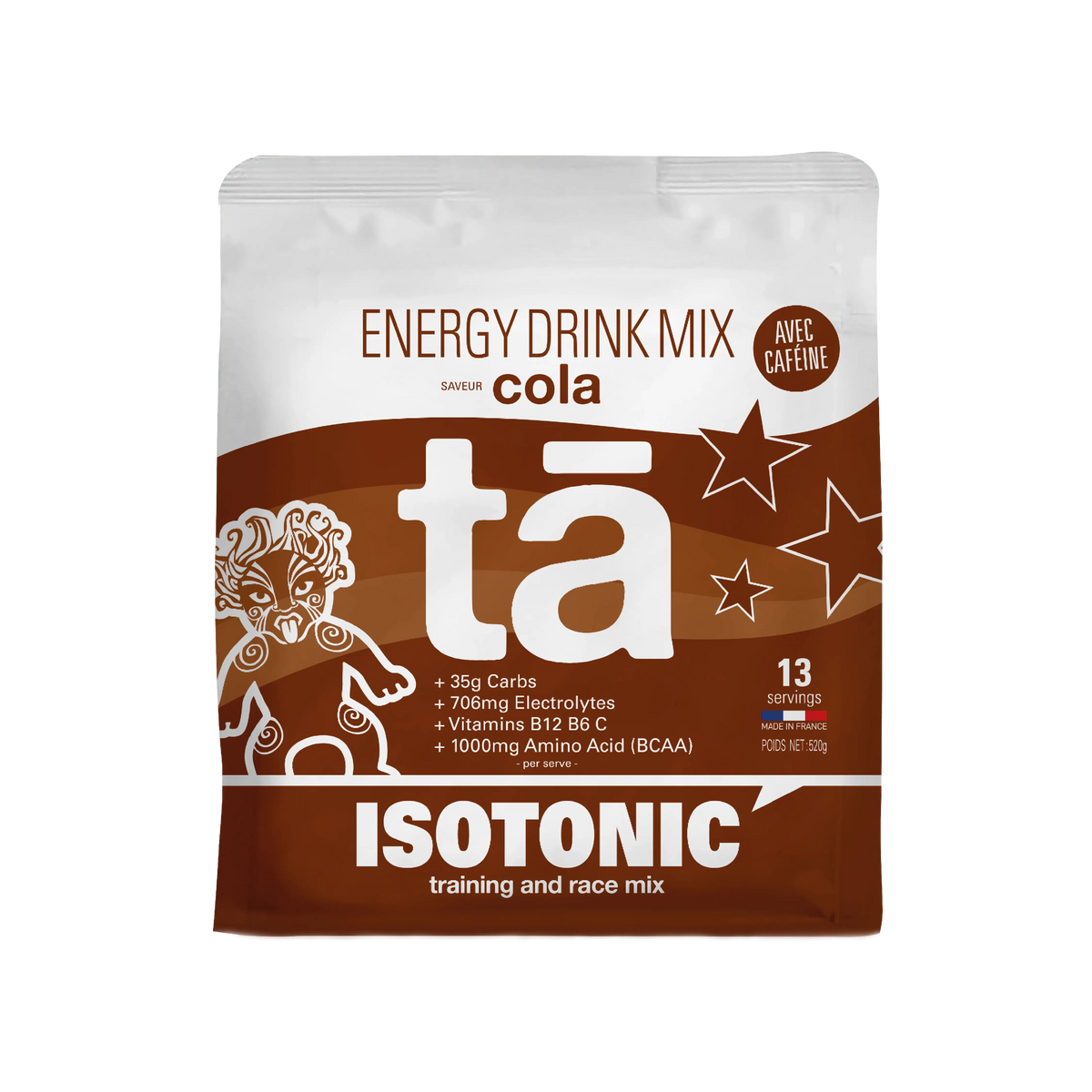
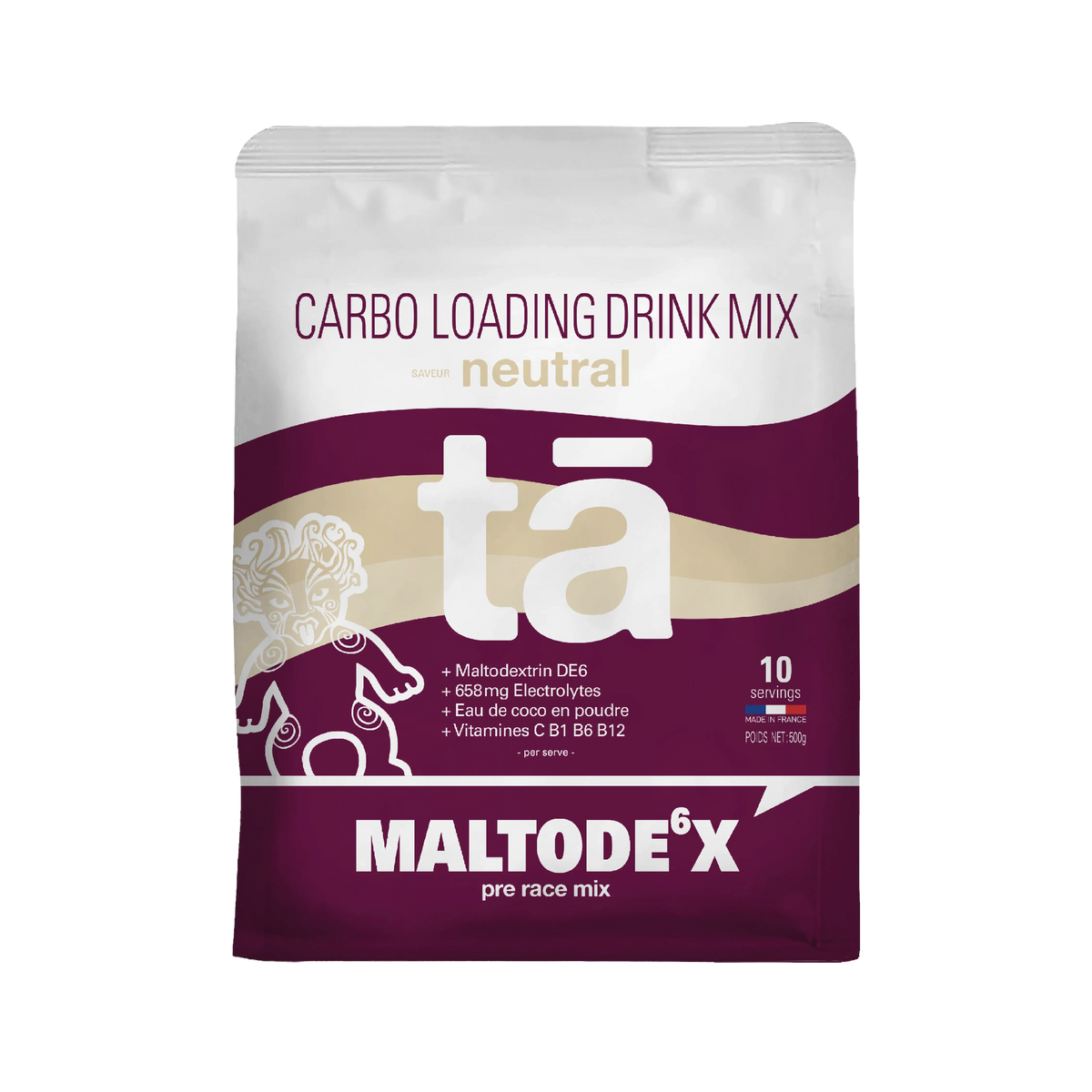
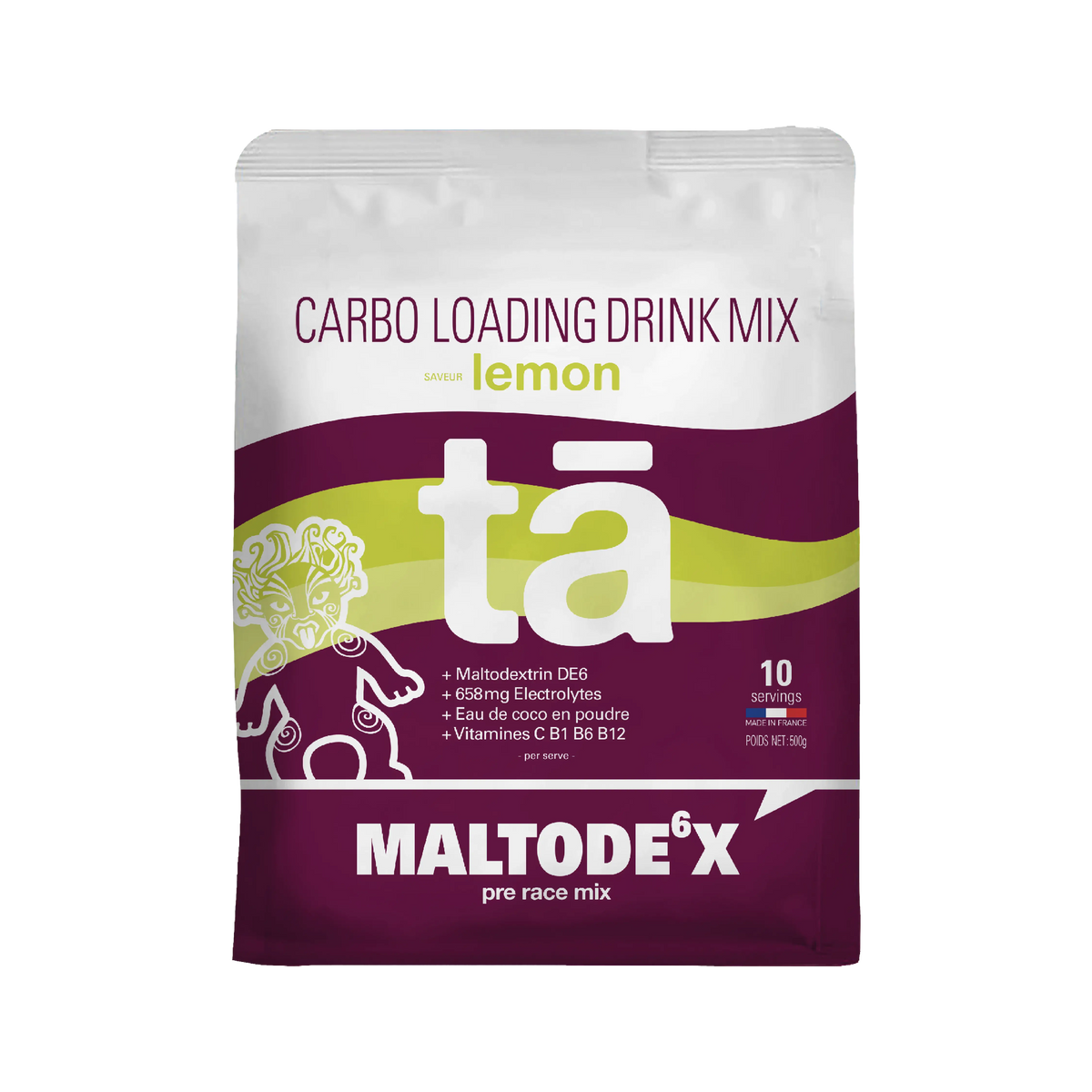
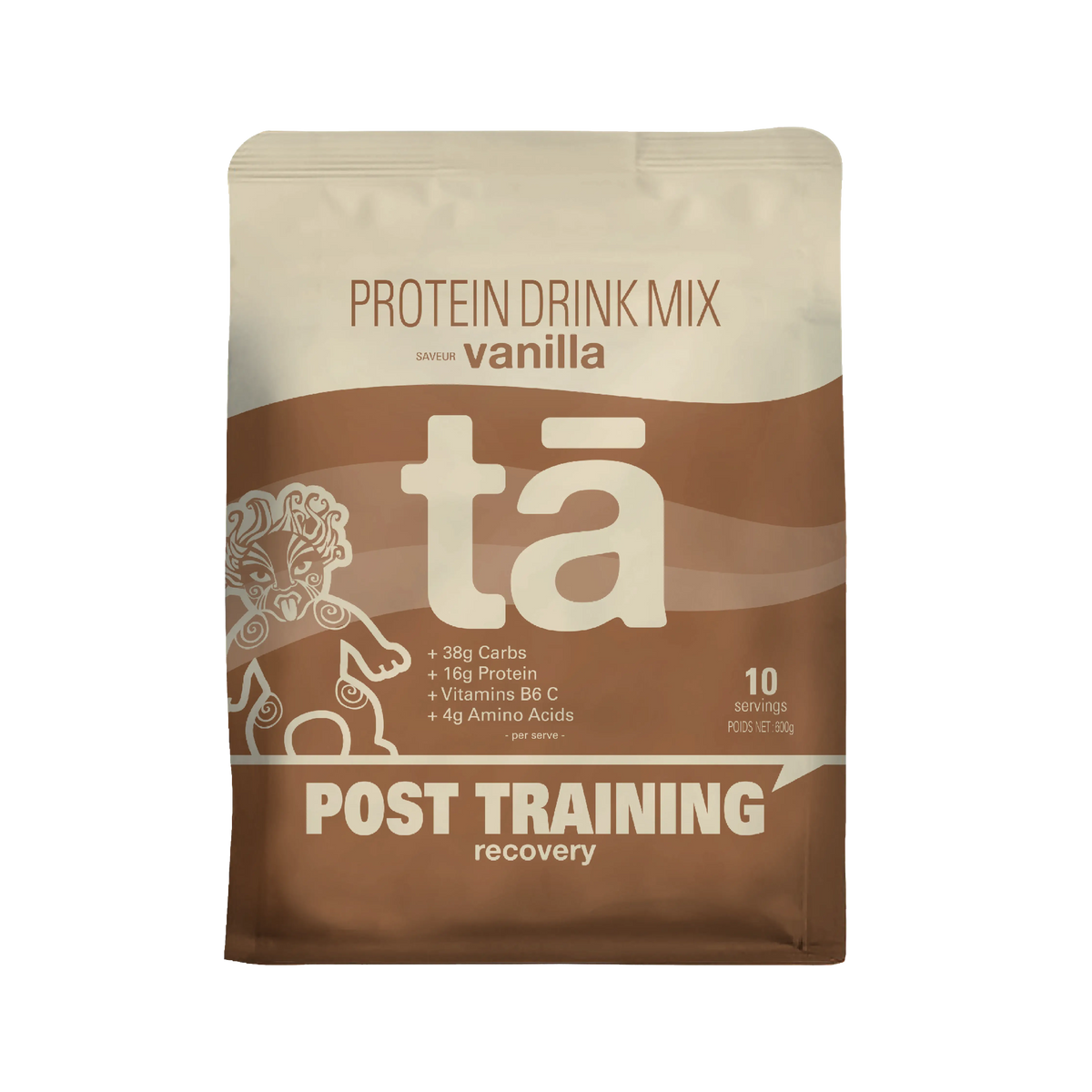
Among vineyards, forests, and listed heritage sites, the Reims Champagne Run invites every runner to experience a unique adventure in the heart of a region that is as demanding as it is majestic. Whether taking on an 87 km trail race or a more accessible event, every course is an exploration: of nature, of oneself, and of the legendary land that is Champagne.
Here, asphalt sometimes gives way to dirt, straight lines to winding trails, and performance to raw emotion. The atmosphere is festive, the effort is genuine, and every stride tells a story: that of a personal challenge driven by the beauty of the landscapes and the energy of the region.
For this new edition, Tā Energy is the official nutrition partner.
To help you prepare as well as possible for this event, we have created this nutrition guide to support you throughout your preparation until race day!
Be sure to test your nutrition strategy well before the race, as early as possible in your preparation, especially at breakfast. Remember to plan your race-day breakfast in advance based on your travel arrangements.
The day before the race, opt for easily digestible meals that are low in fiber, spices, and fat. To aid digestion, limit your intake of raw vegetables and fruit, and avoid overly spicy meals and coffee, depending on your digestive tolerance.
Favor a whole-food diet rich in carbohydrates, protein, and essential fatty acids. Vary your sources: animal and plant-based, especially omega-3s.
Finally, make sure you stay optimally hydrated by drinking at least 1.5 l of water per day. Remember to add electrolytes to replace the minerals lost through sweating.
Maintain a balanced diet with proteins, carbohydrates, fats, and fiber, while making sure to stay well hydrated. Keep the 3V principle in mind:
The goal is to maximize the body's energy reserves. To do this, focusing on carbohydrate loading is essential. The goal is not to increase total energy intake, but to change the distribution of nutrients in your daily diet:
Hydration is essential because it is necessary for glycogen storage. To optimize your glycogen stores, you can include maltodextrin in your daily intake.
Return to a standard-carbohydrate diet to ease the digestive load and avoid putting strain on your body, while ensuring that carbohydrates make up the majority.
Eliminate irritants that could complicate digestion. Avoid prepared meals, sauces, spicy foods, sodas, and animal fats.
If you eat fruit and vegetables, favor cooked vegetables and compotes. Also avoid consuming too many carbohydrates the evening before, to facilitate digestion and sleep.
Continue to stay well hydrated and, if needed, consume electrolytes to optimize hydration.
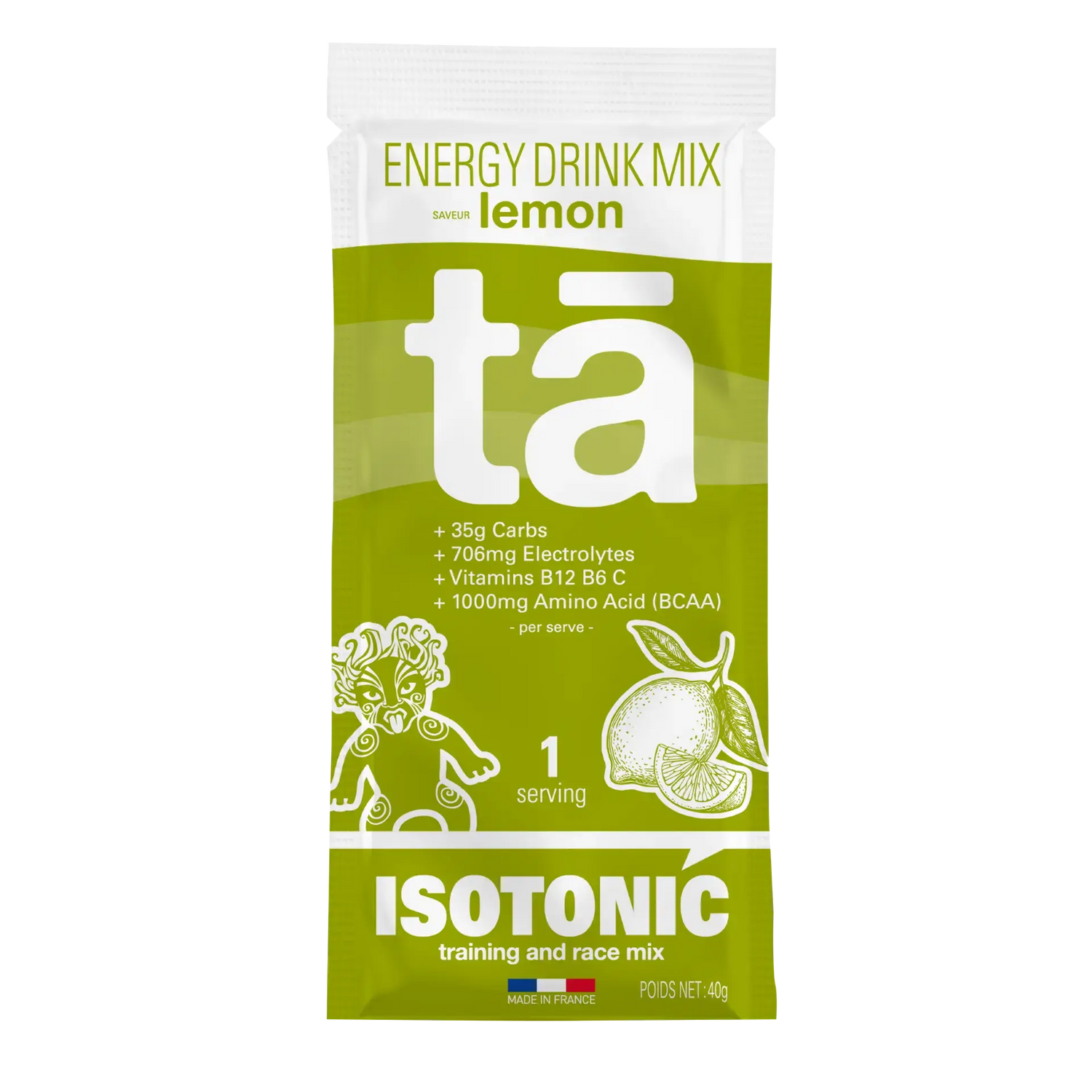
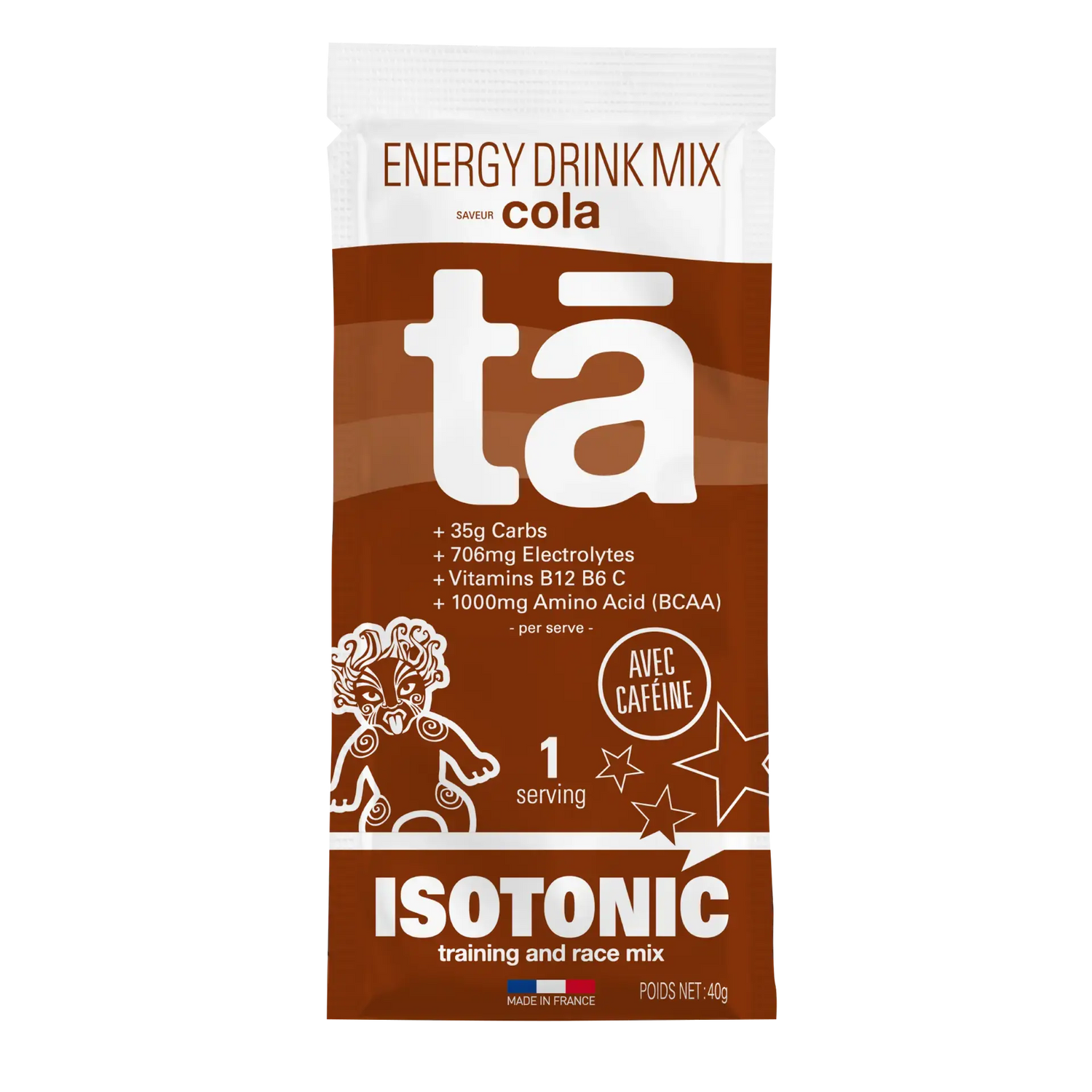
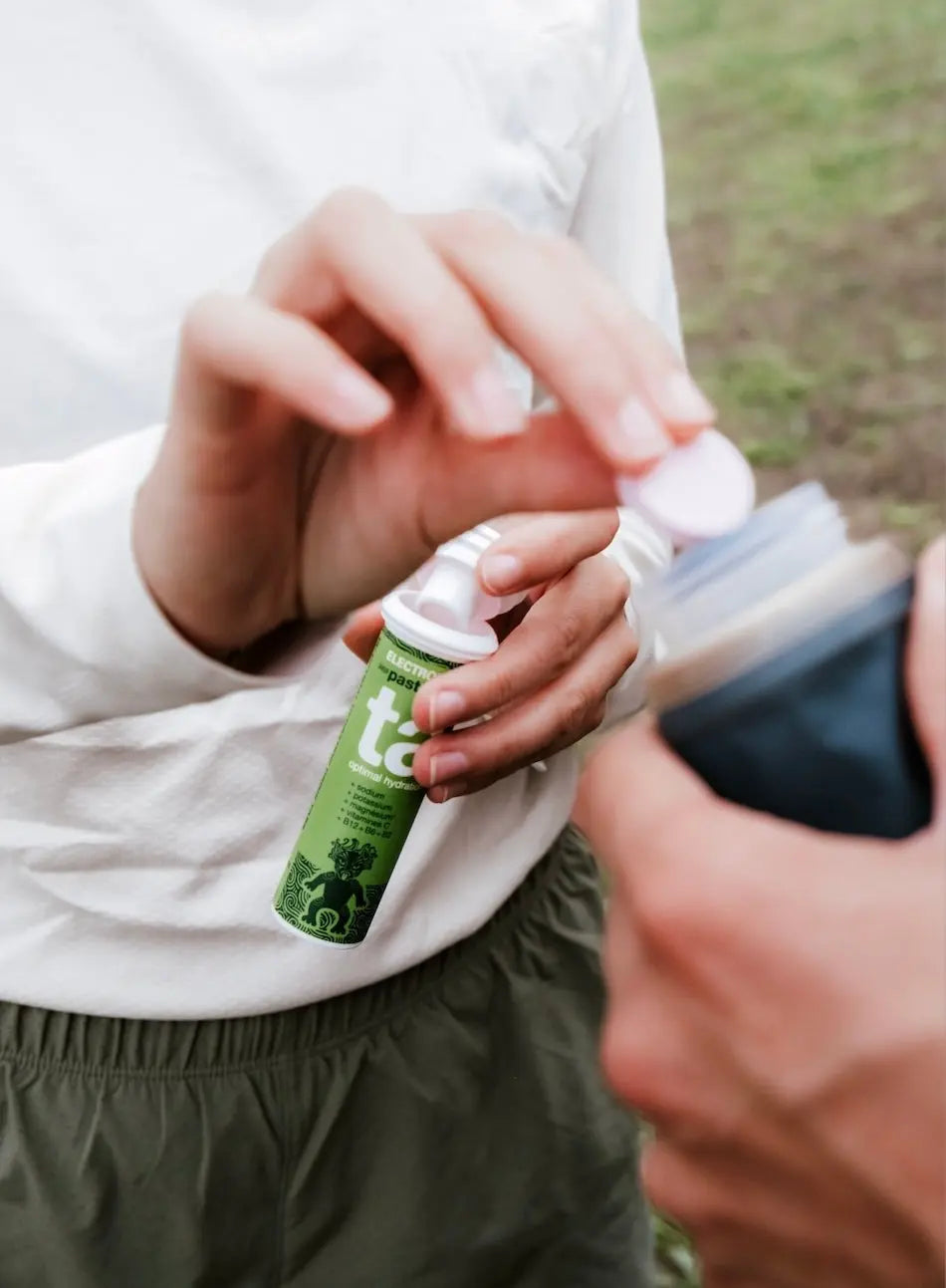
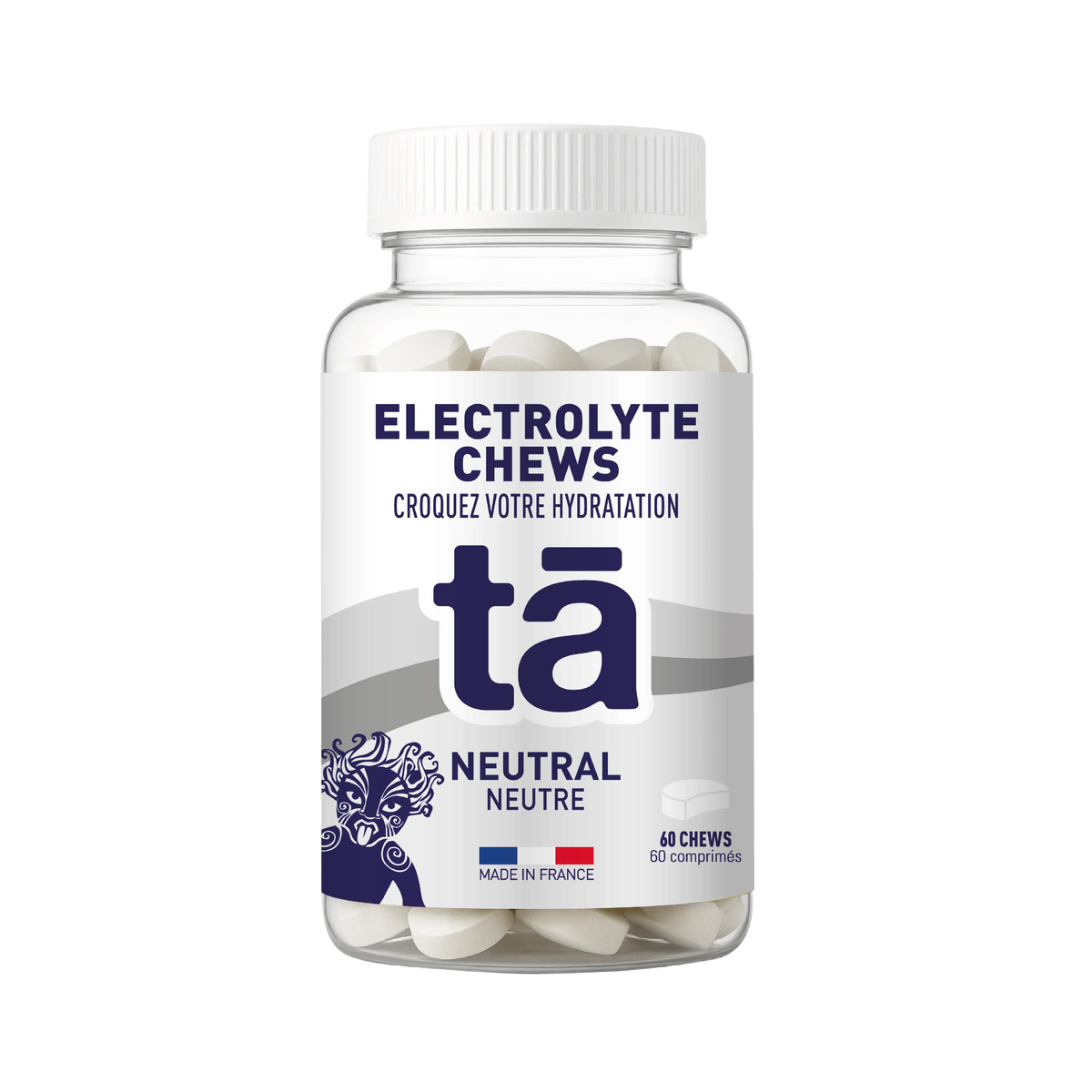
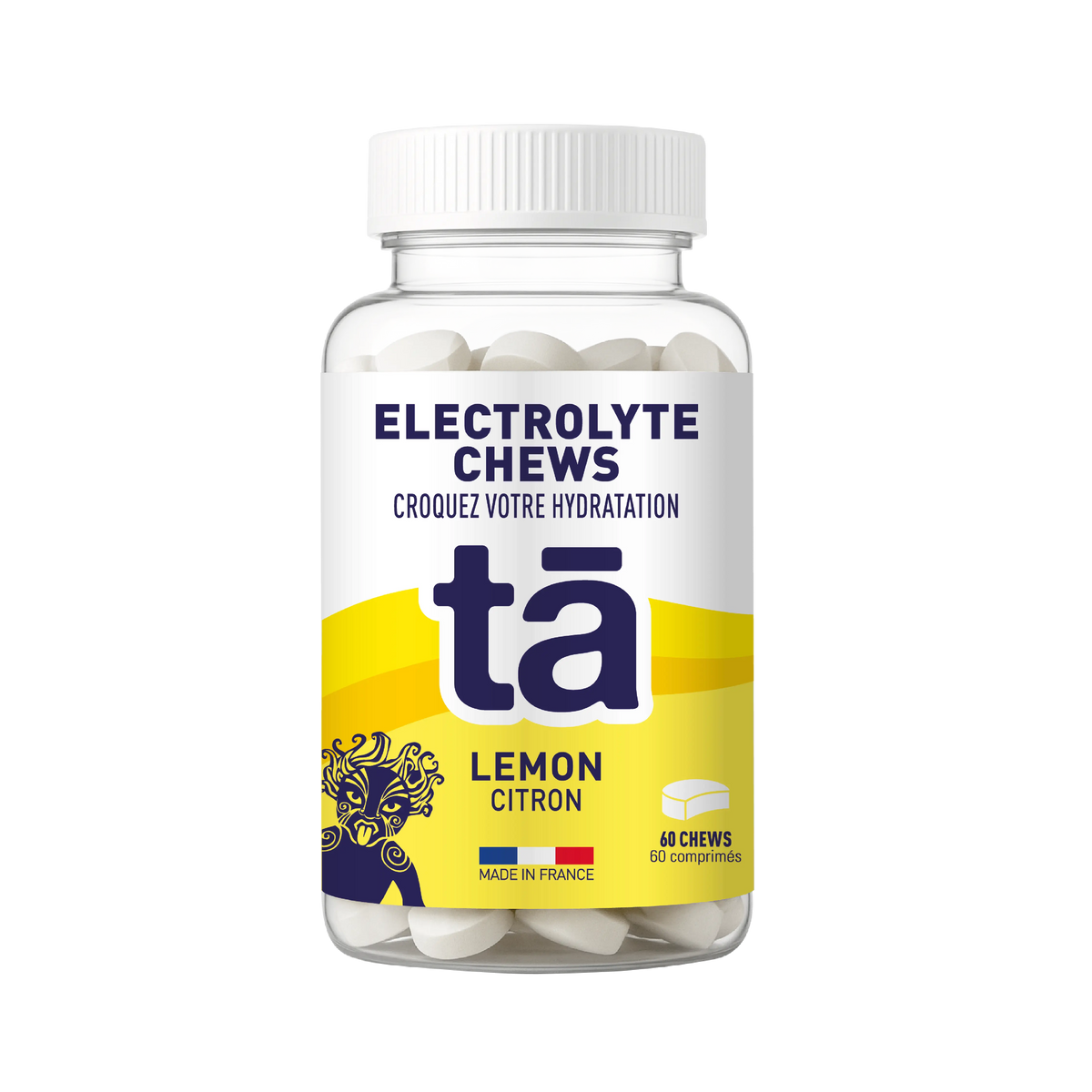
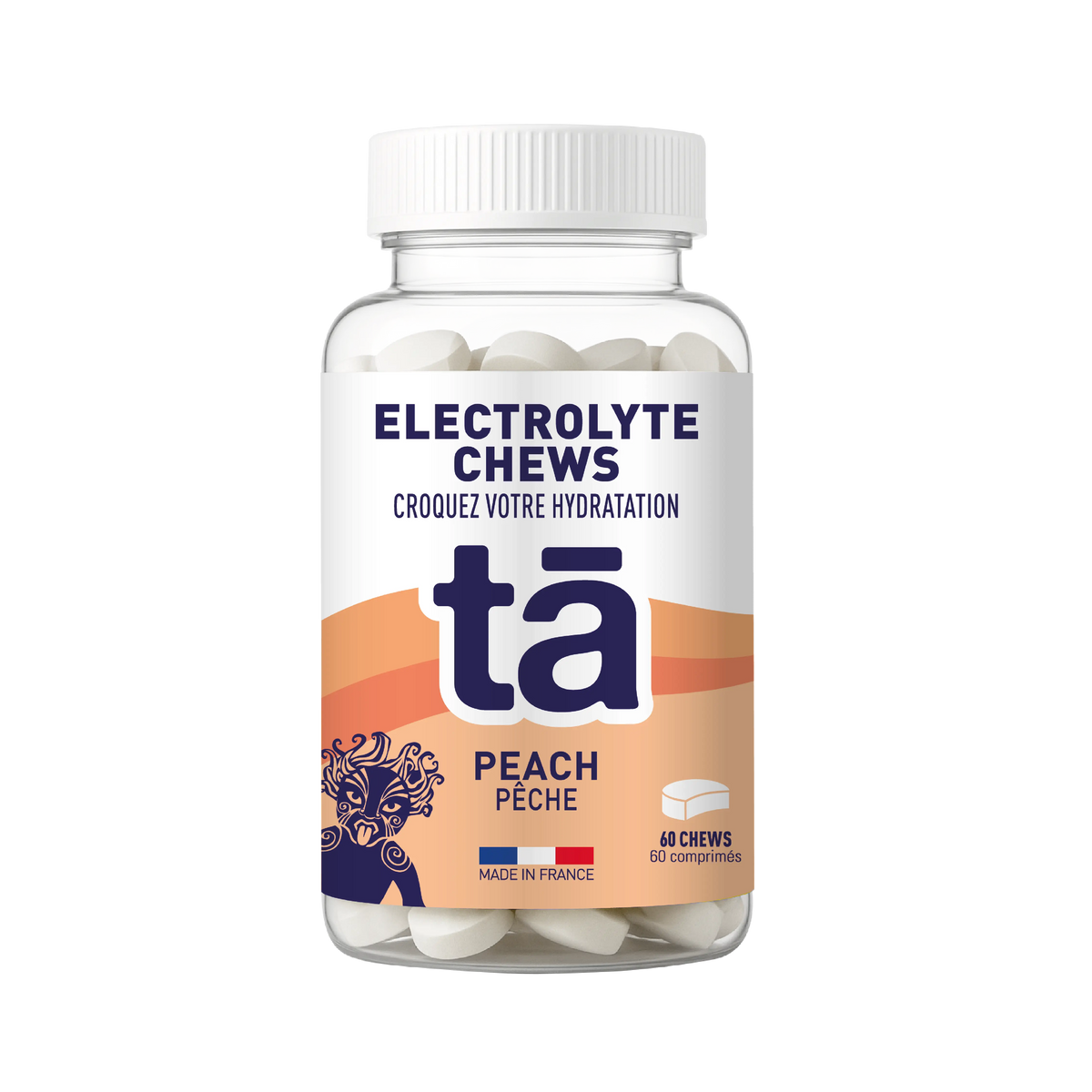
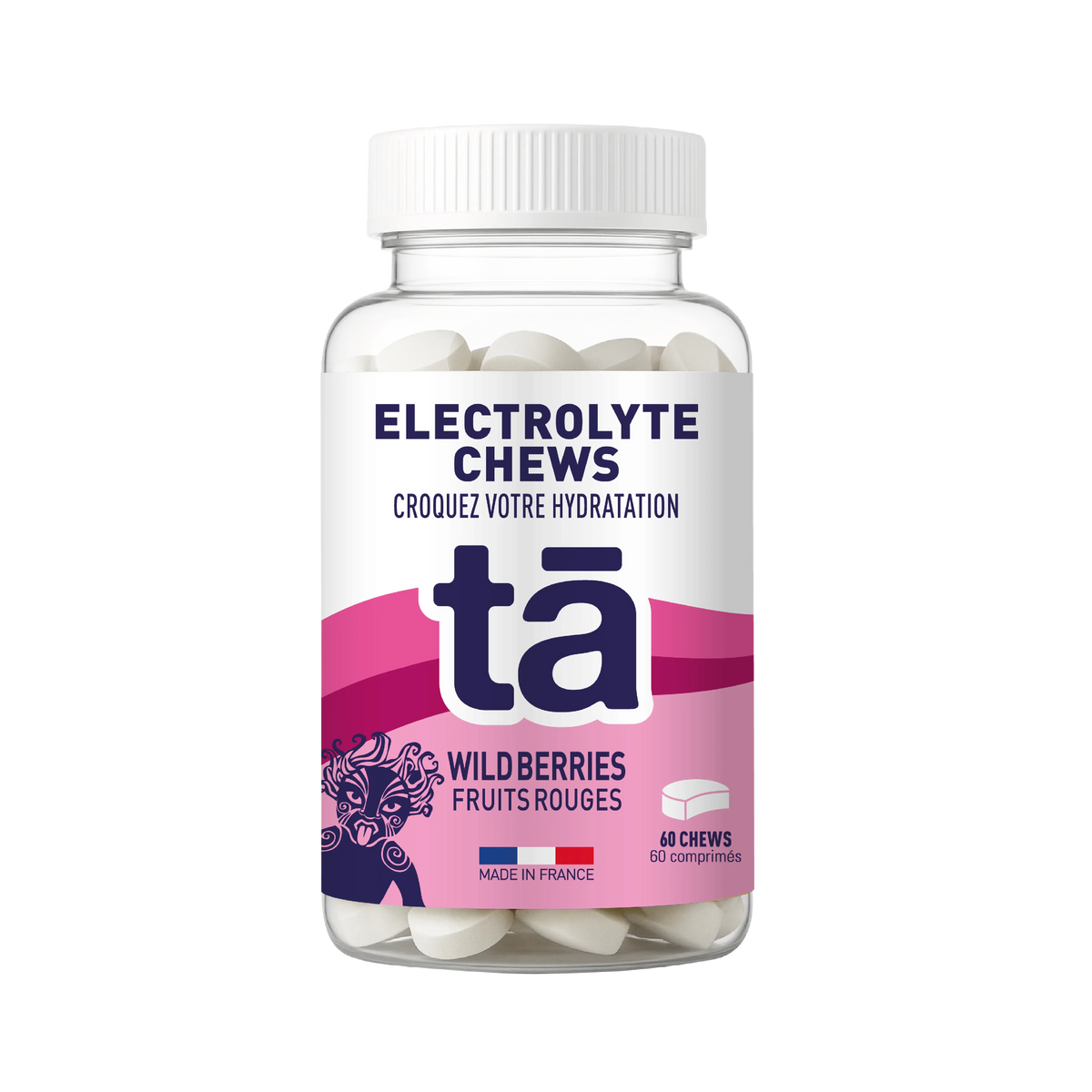
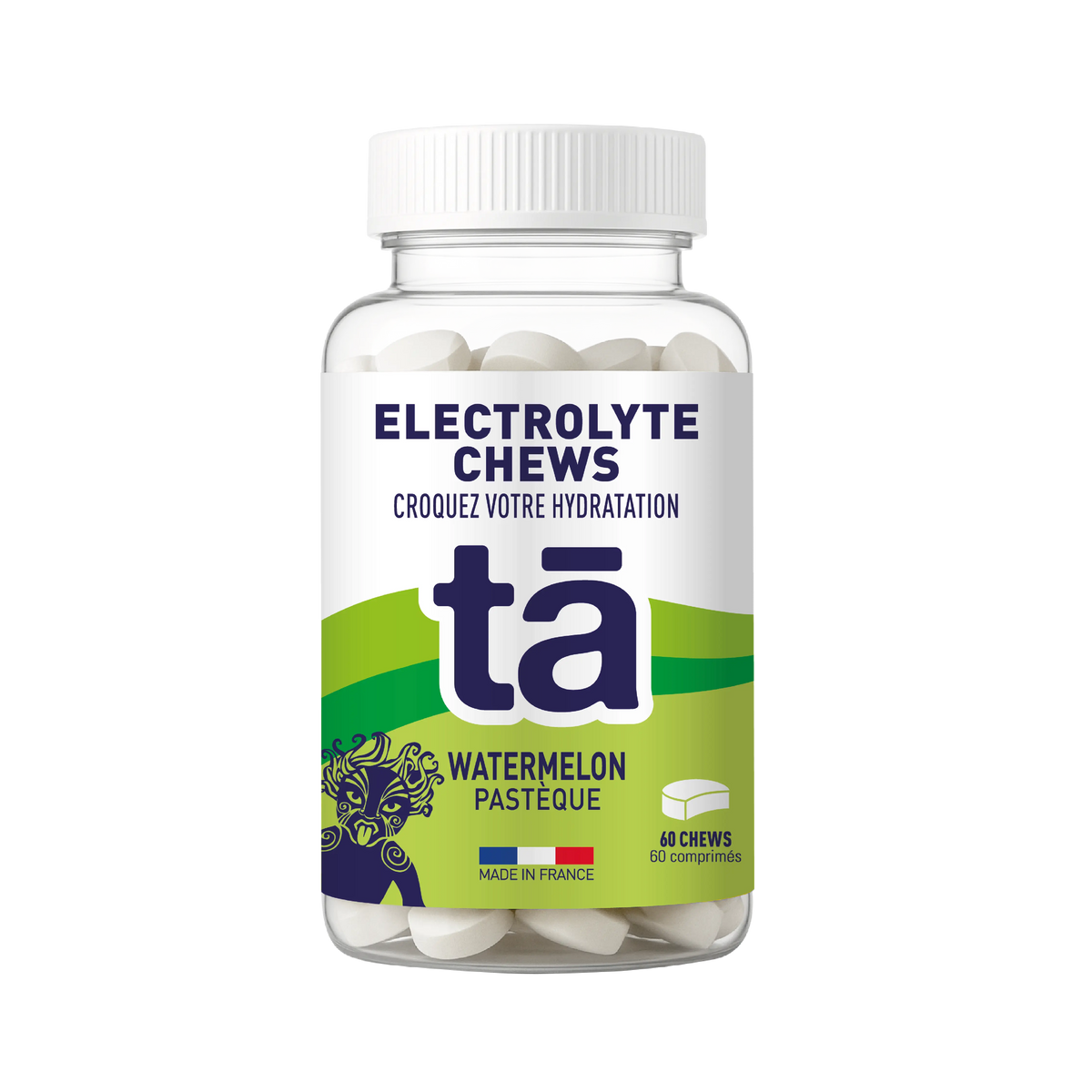
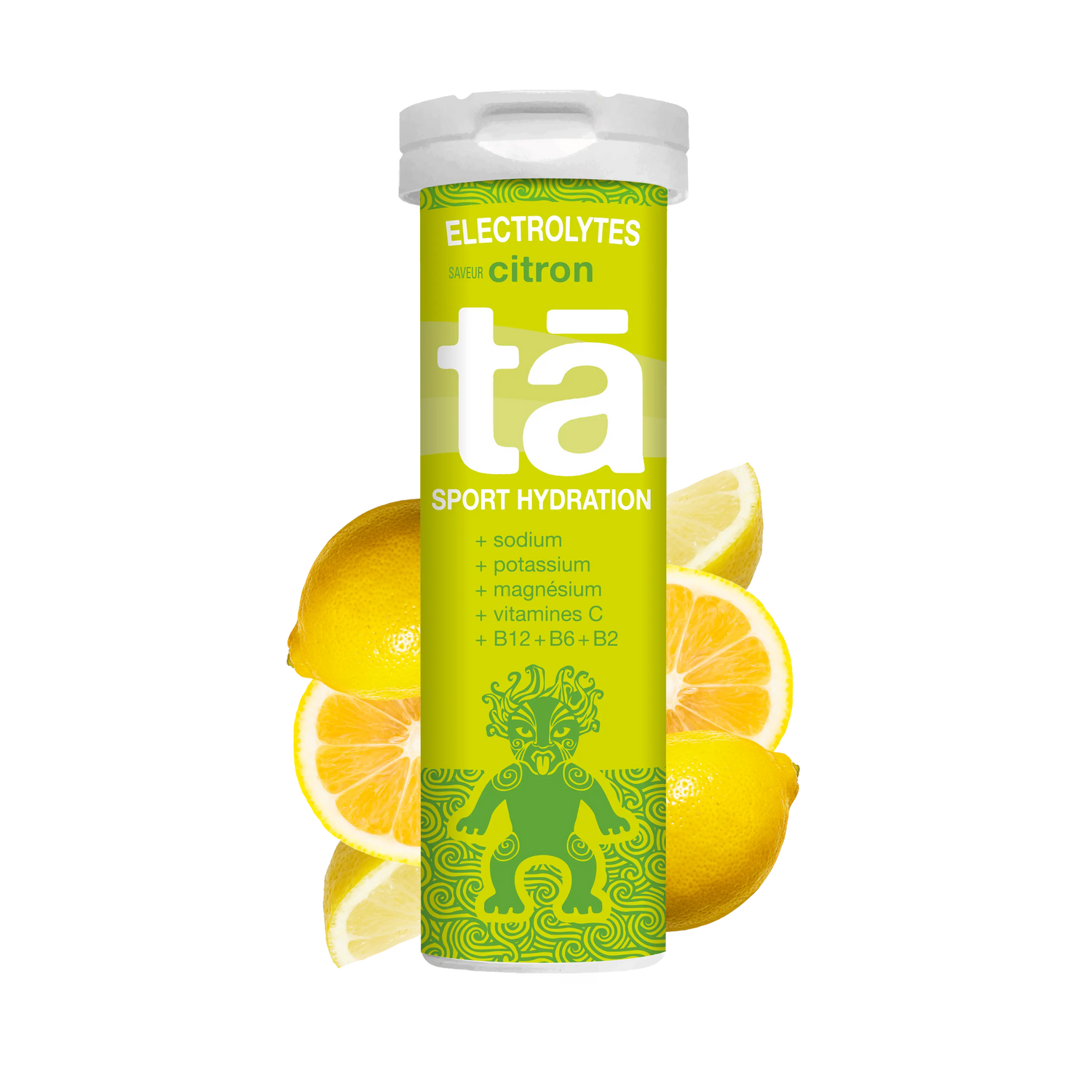
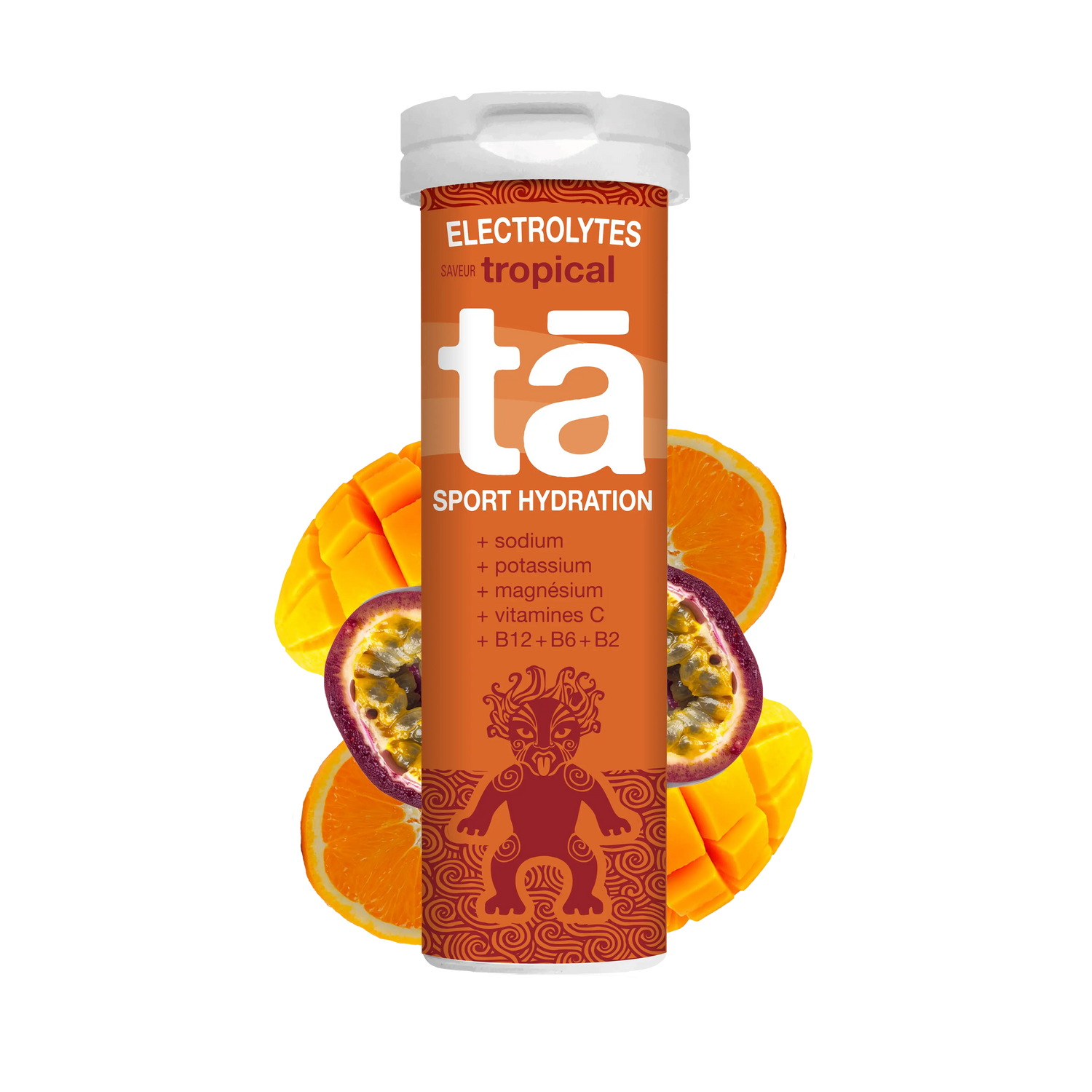
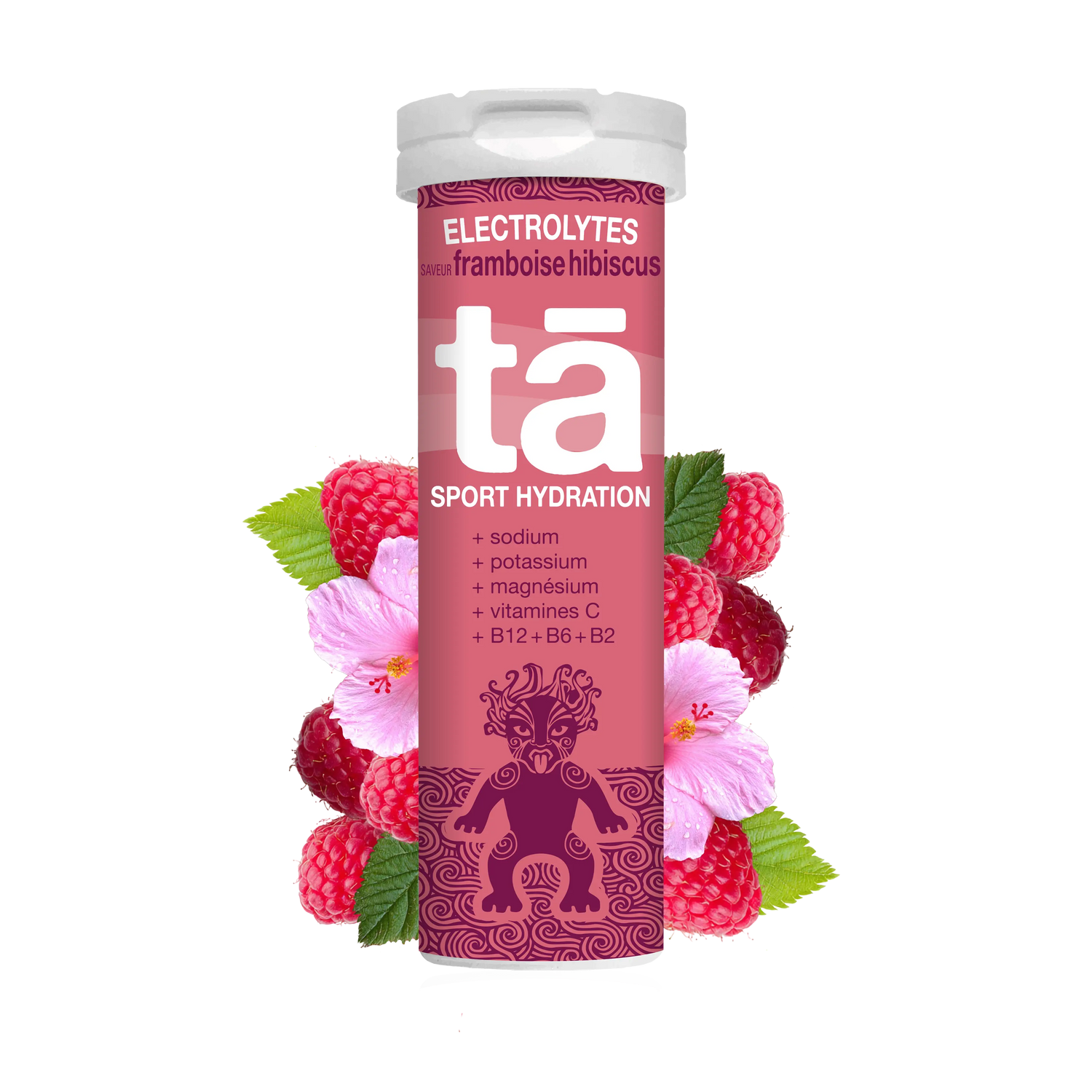
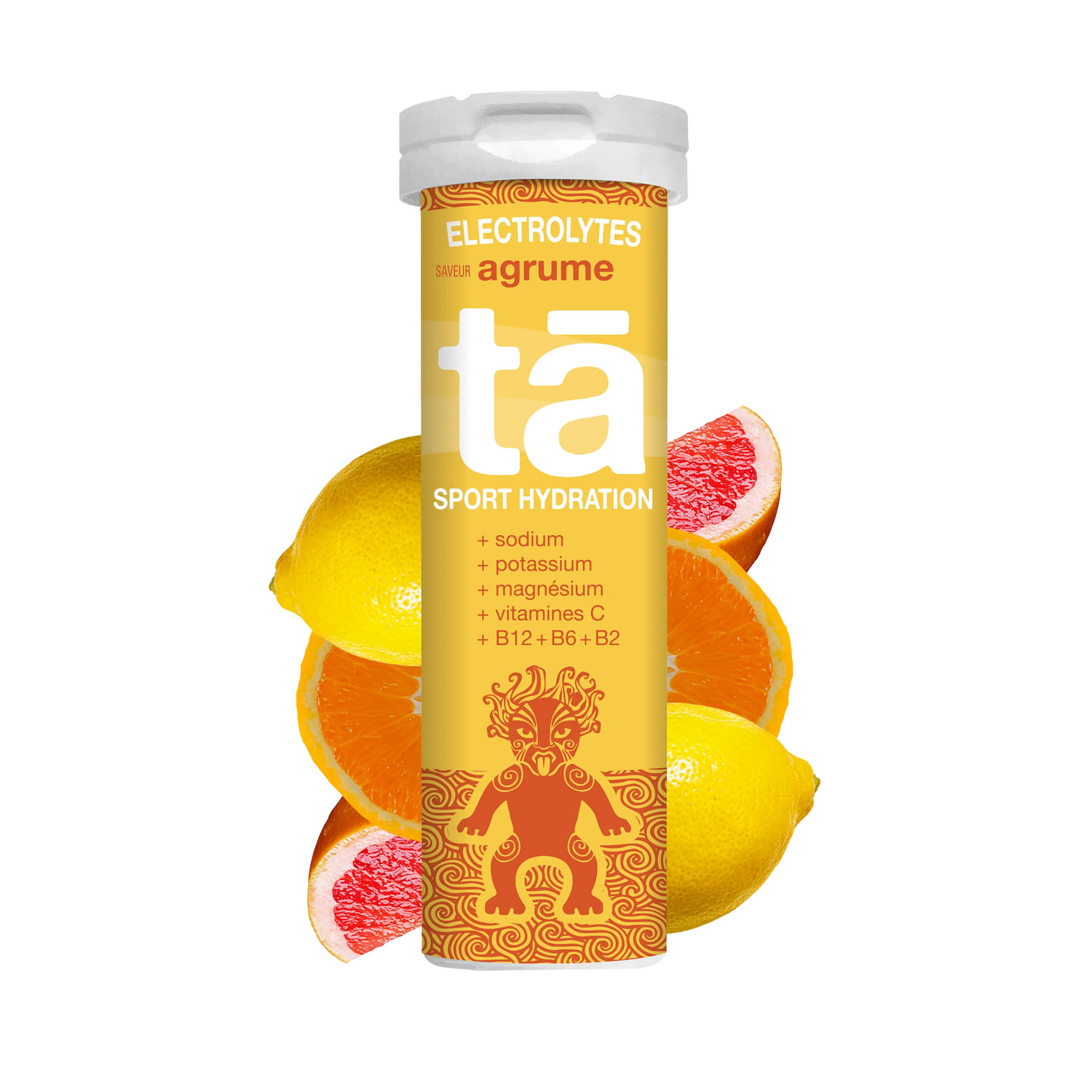
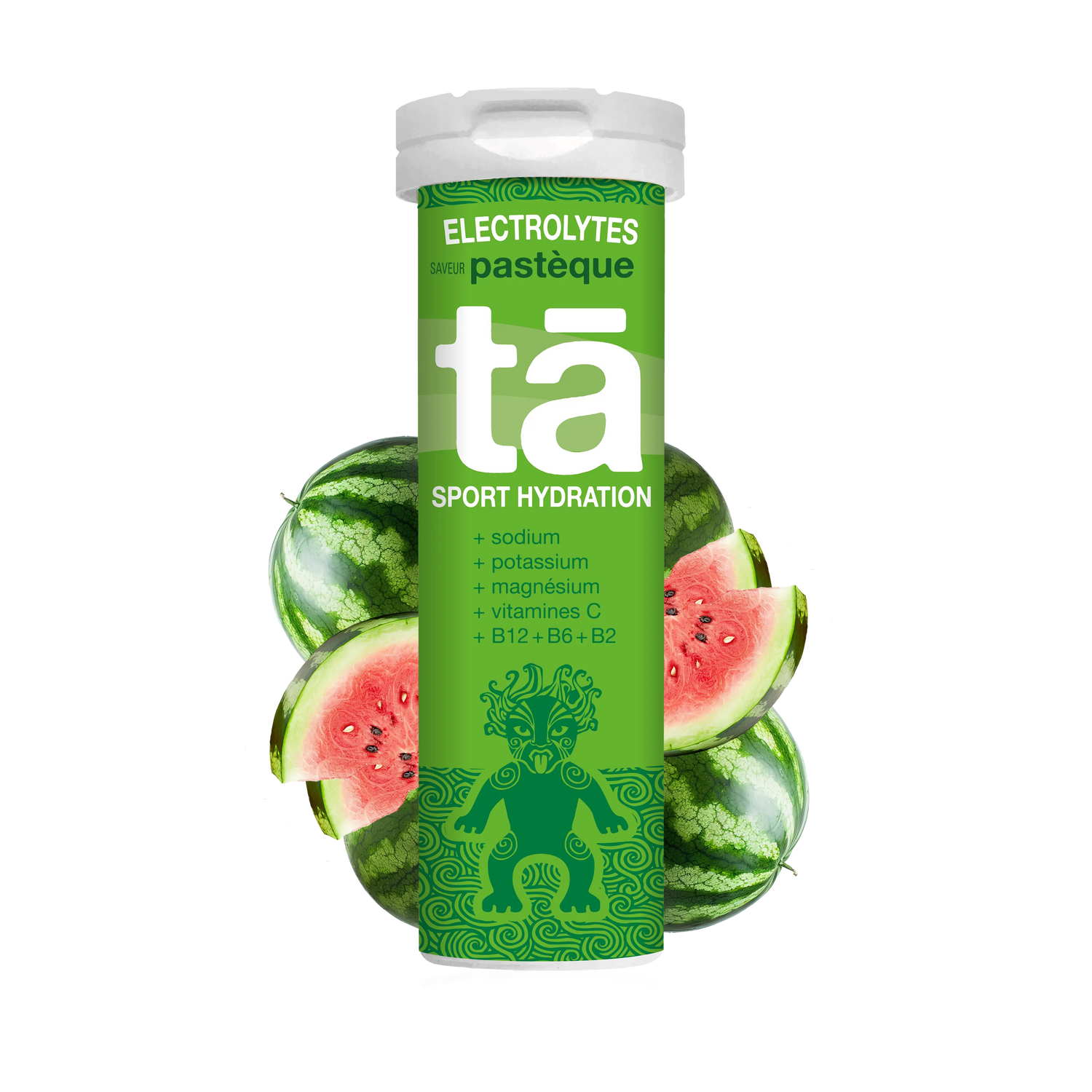
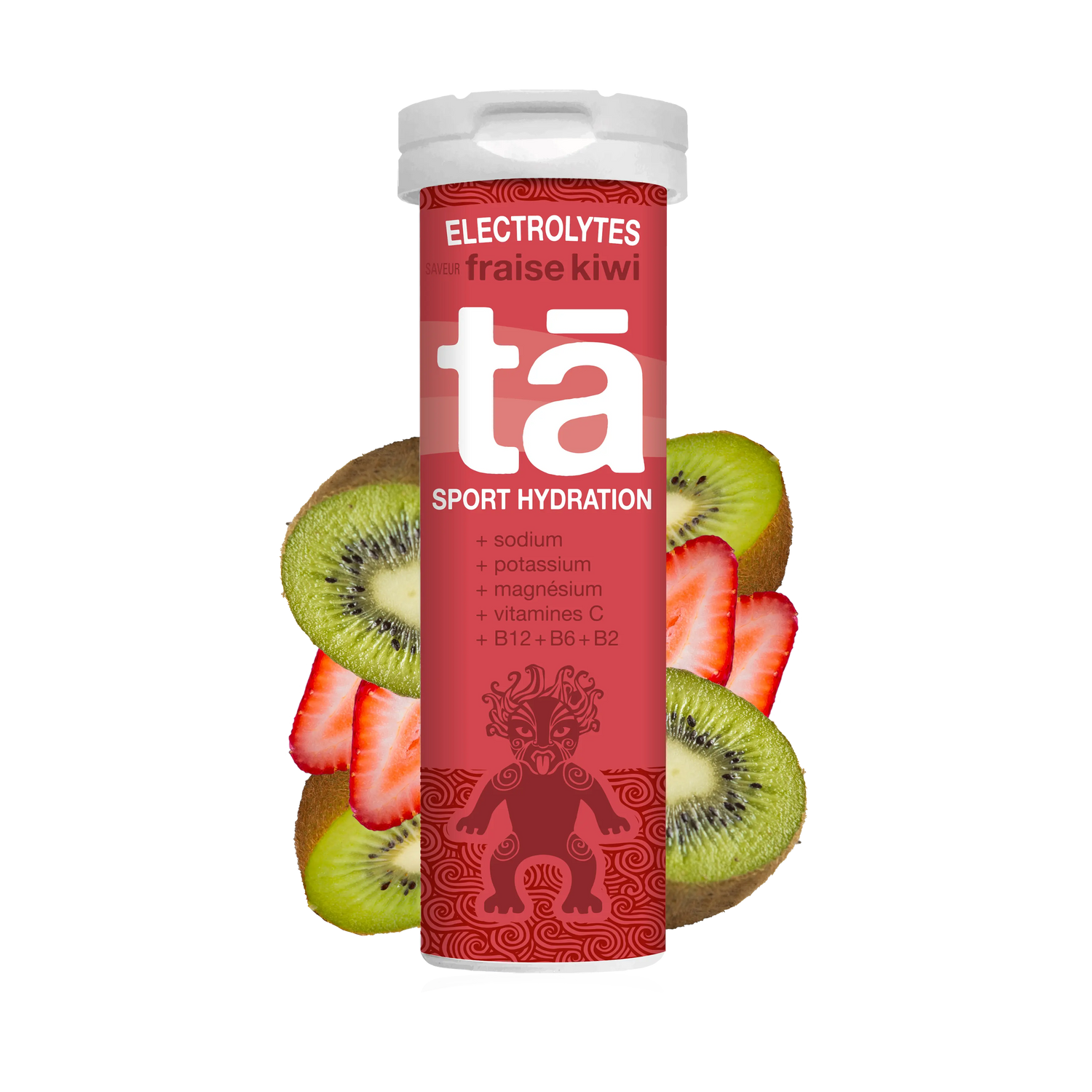
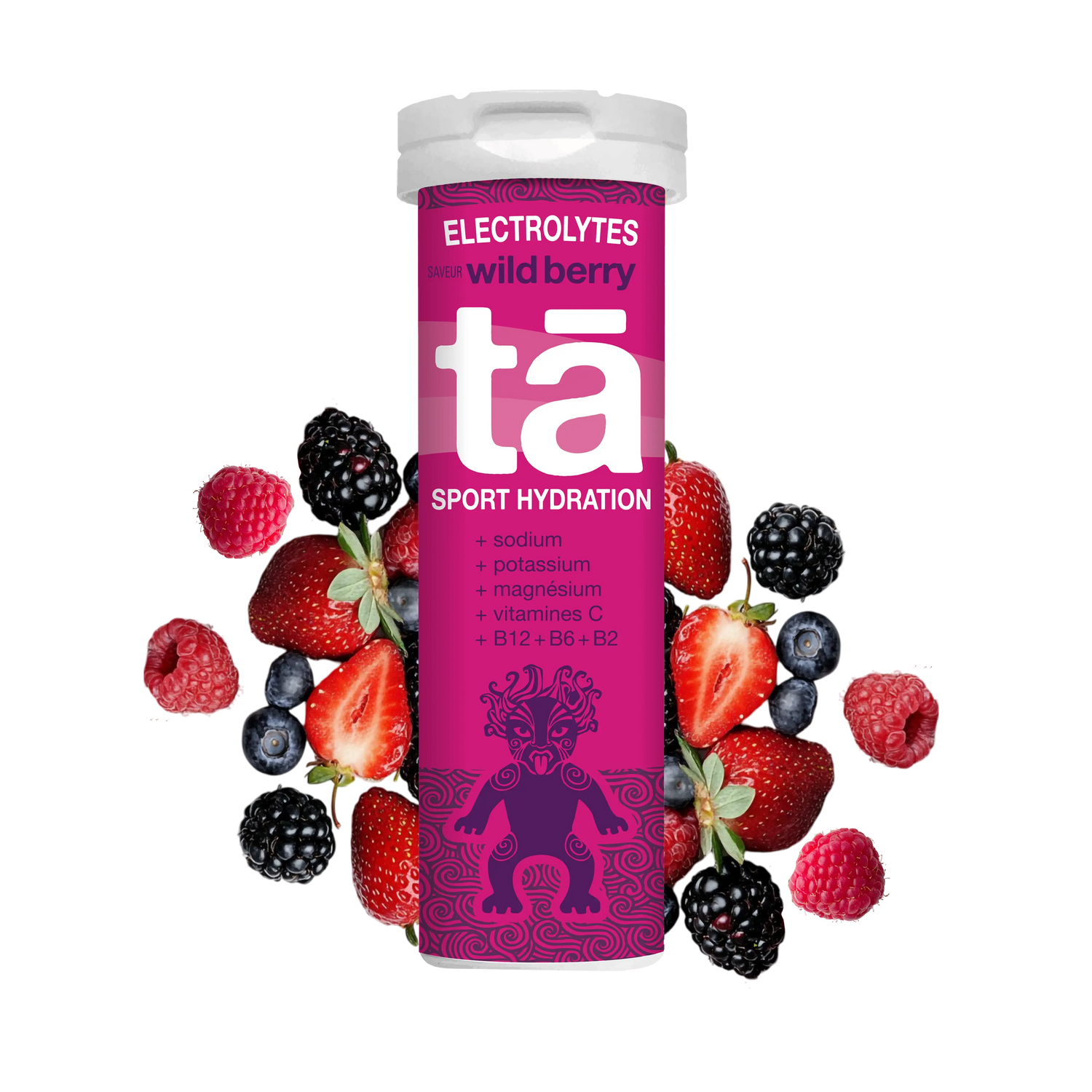
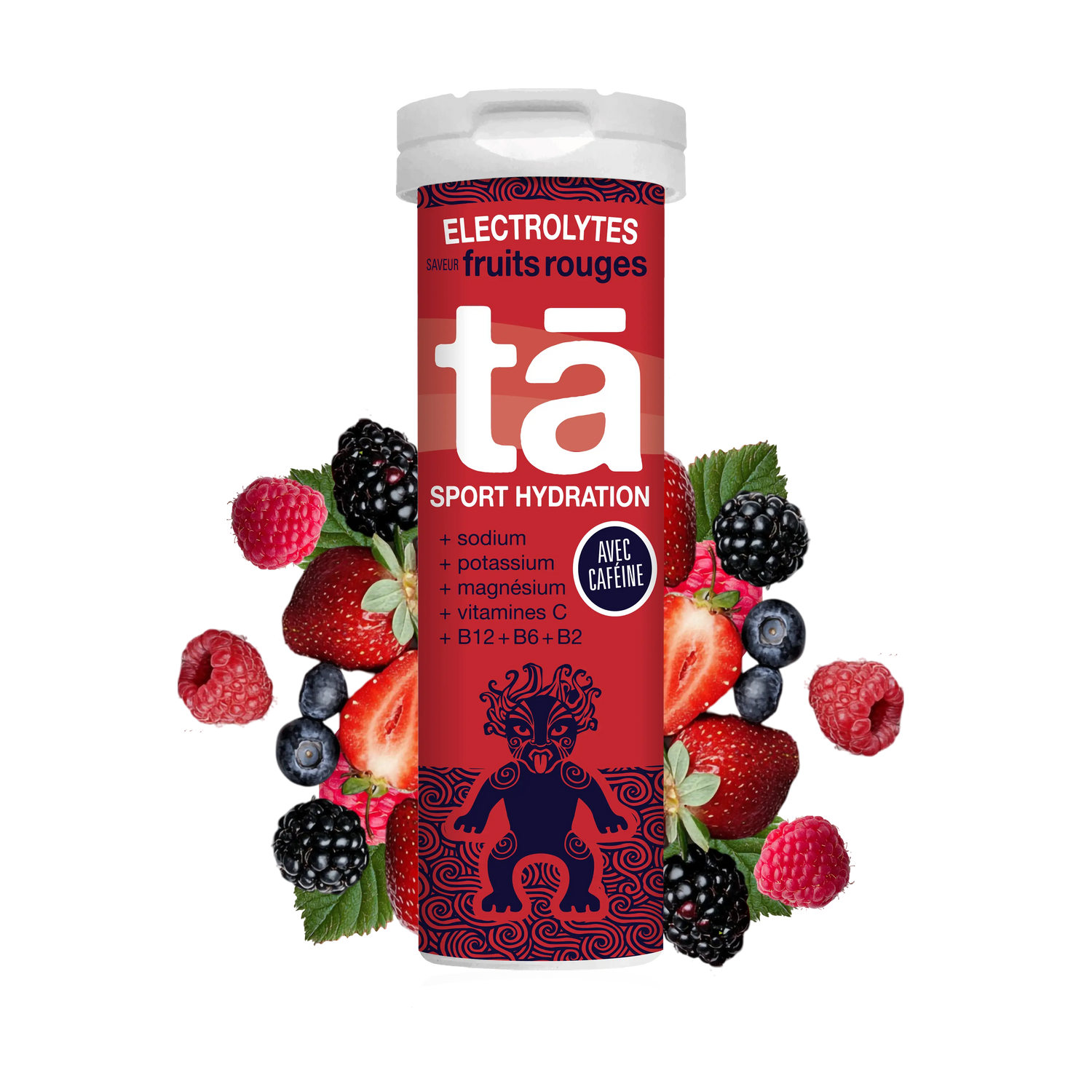
Our electrolytes are formulated to support optimal hydration before, during, and after exercise. They provide key minerals (sodium, potassium, magnesium) to help replenish losses caused by sweating, prevent cramps, and maintain performance. Sugar-free and very low in calories, they are also suitable in hot weather.
Directions
Nutritional information
* Depending on the flavor
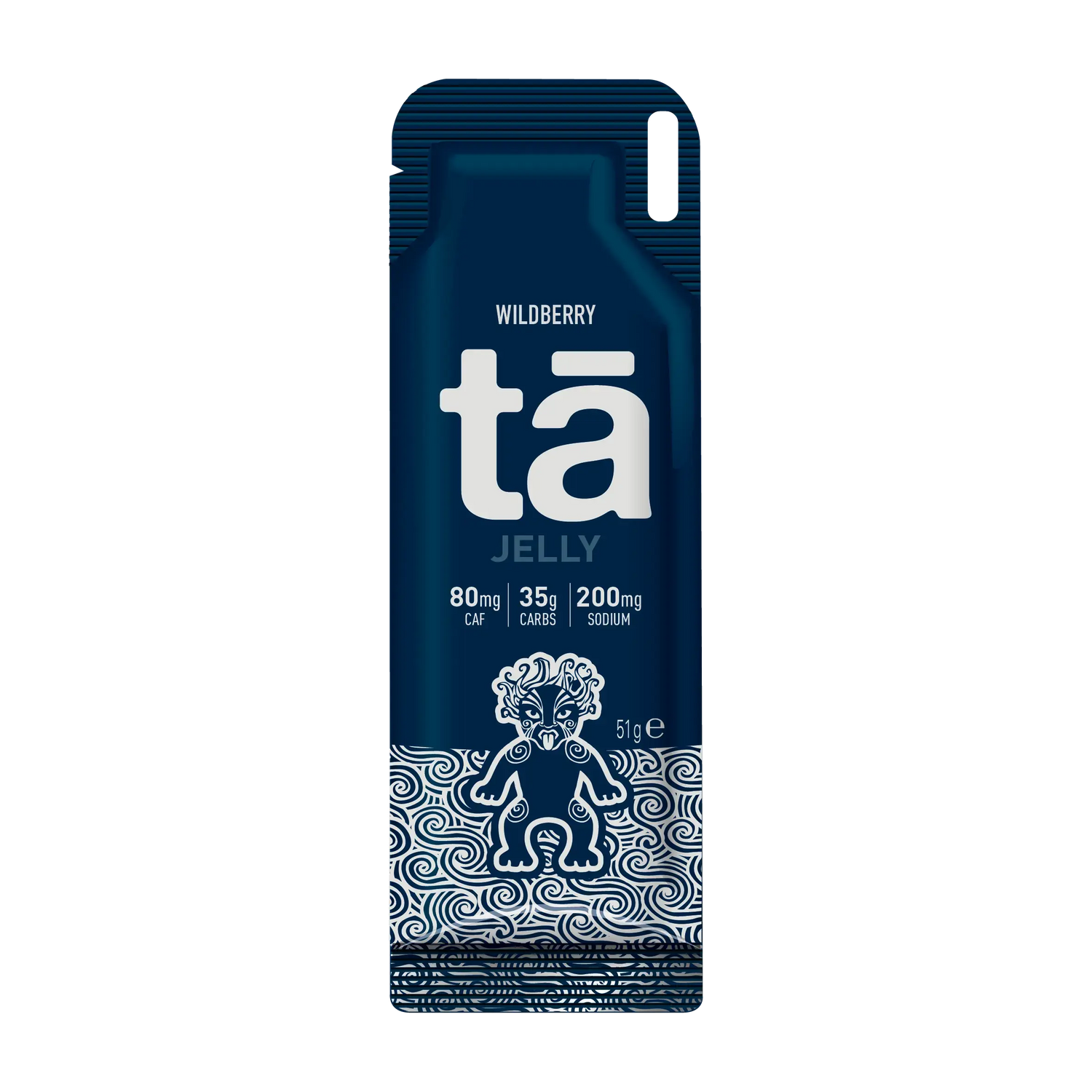
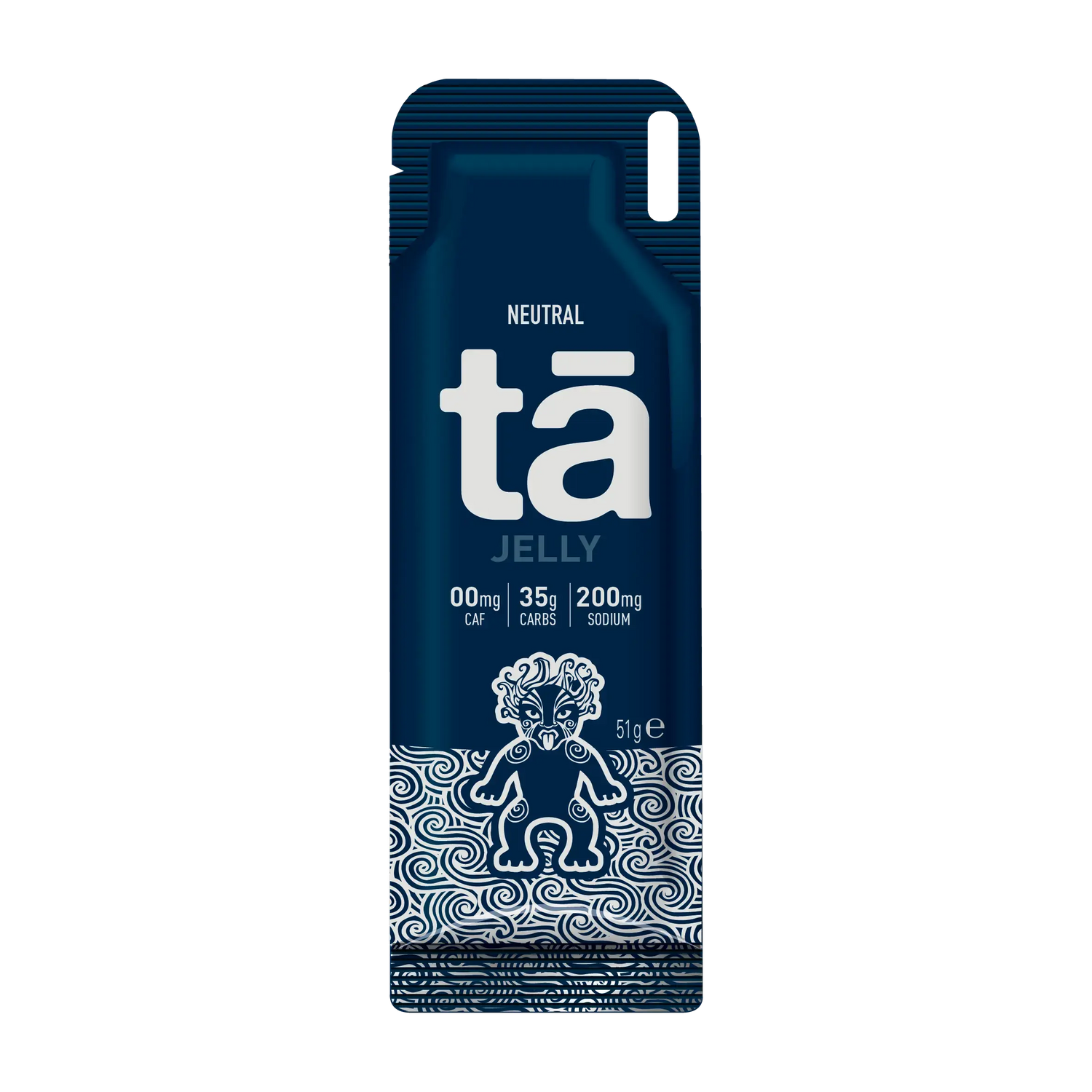
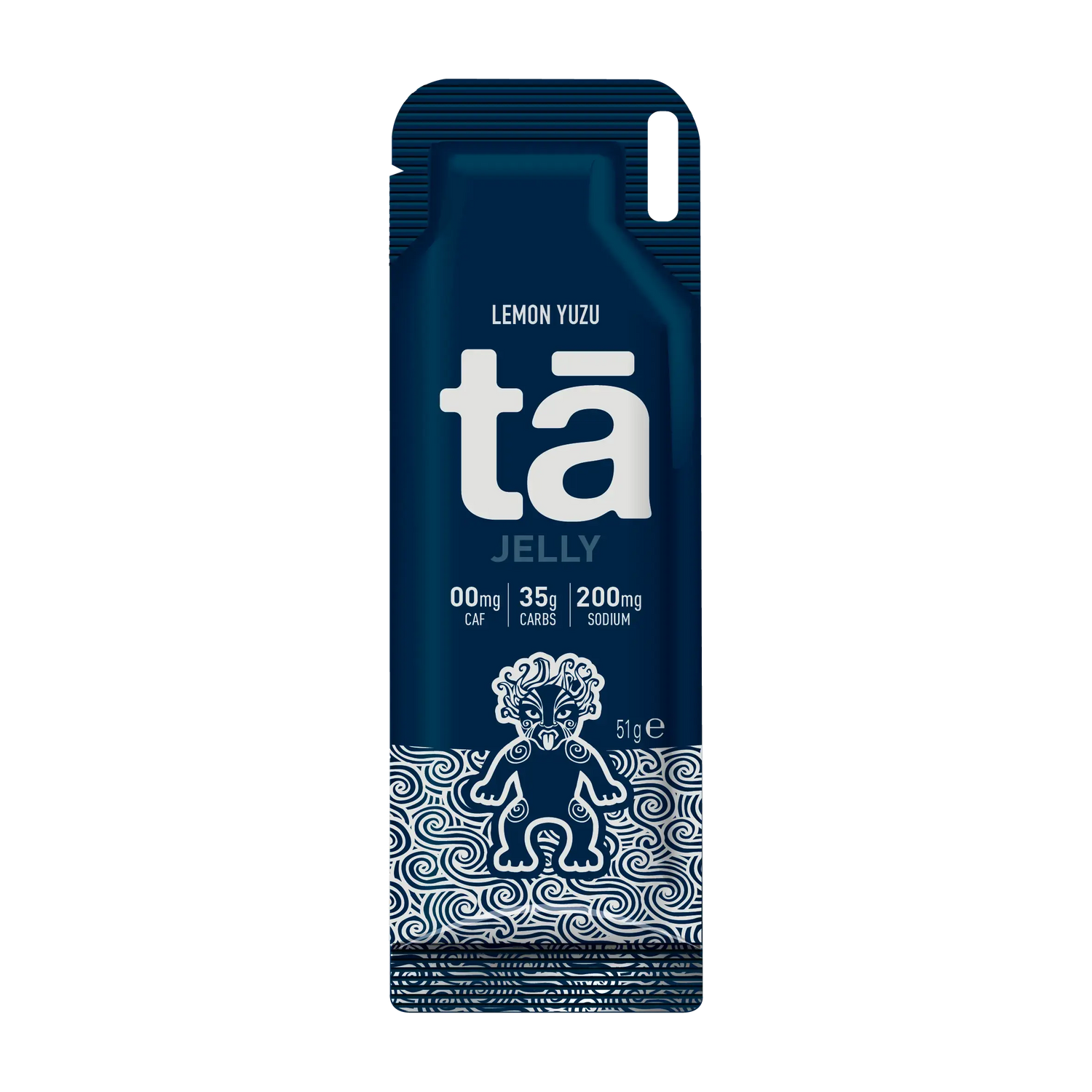
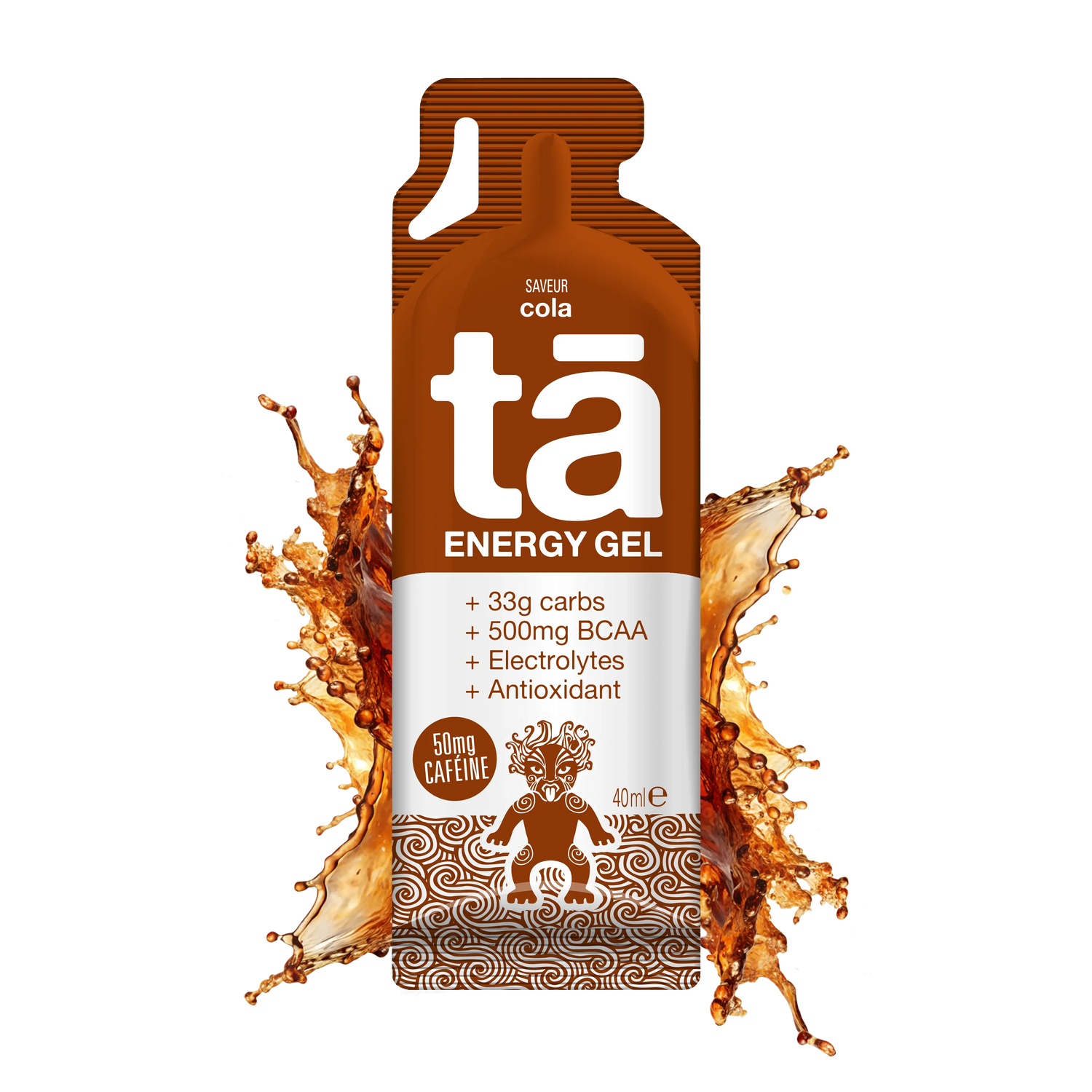
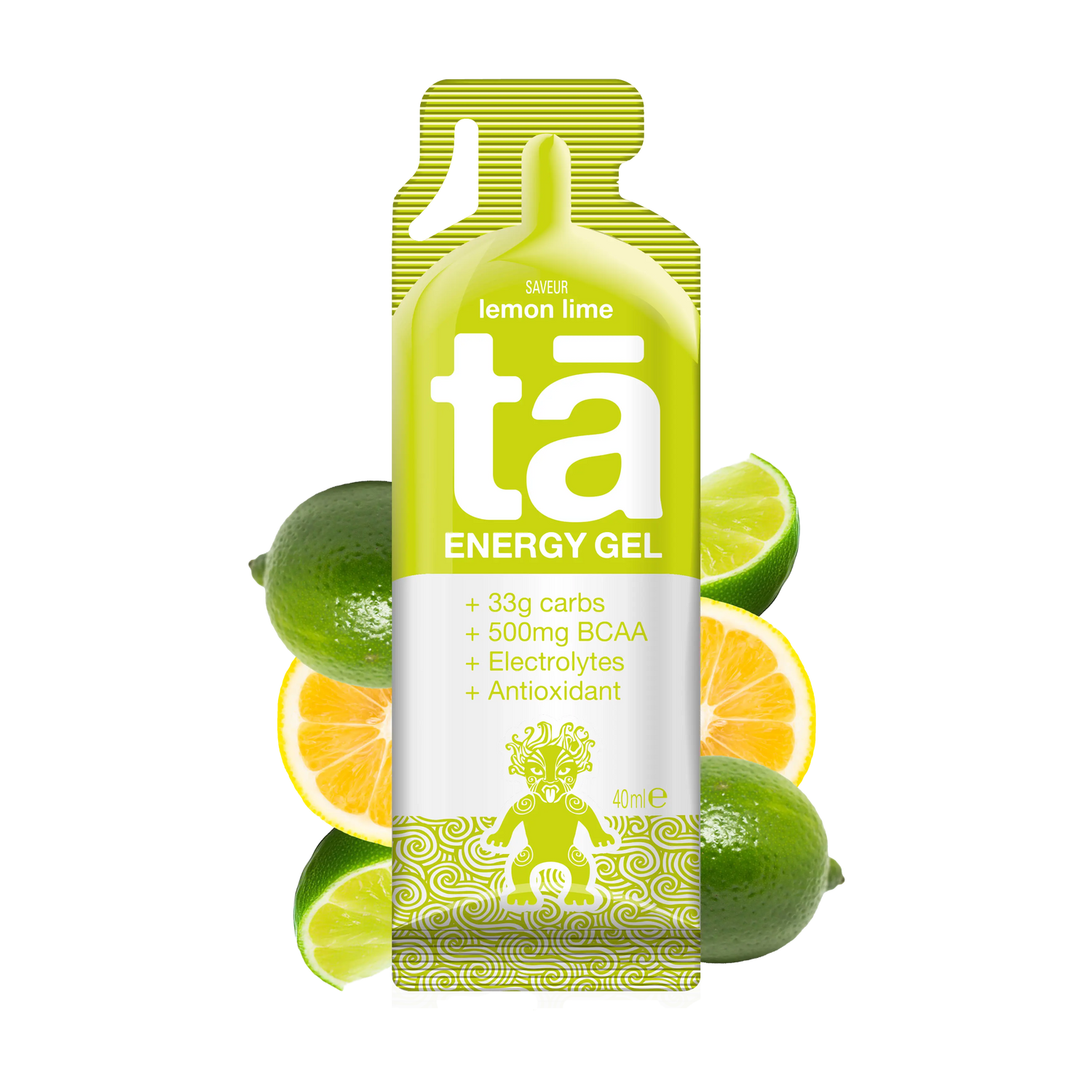
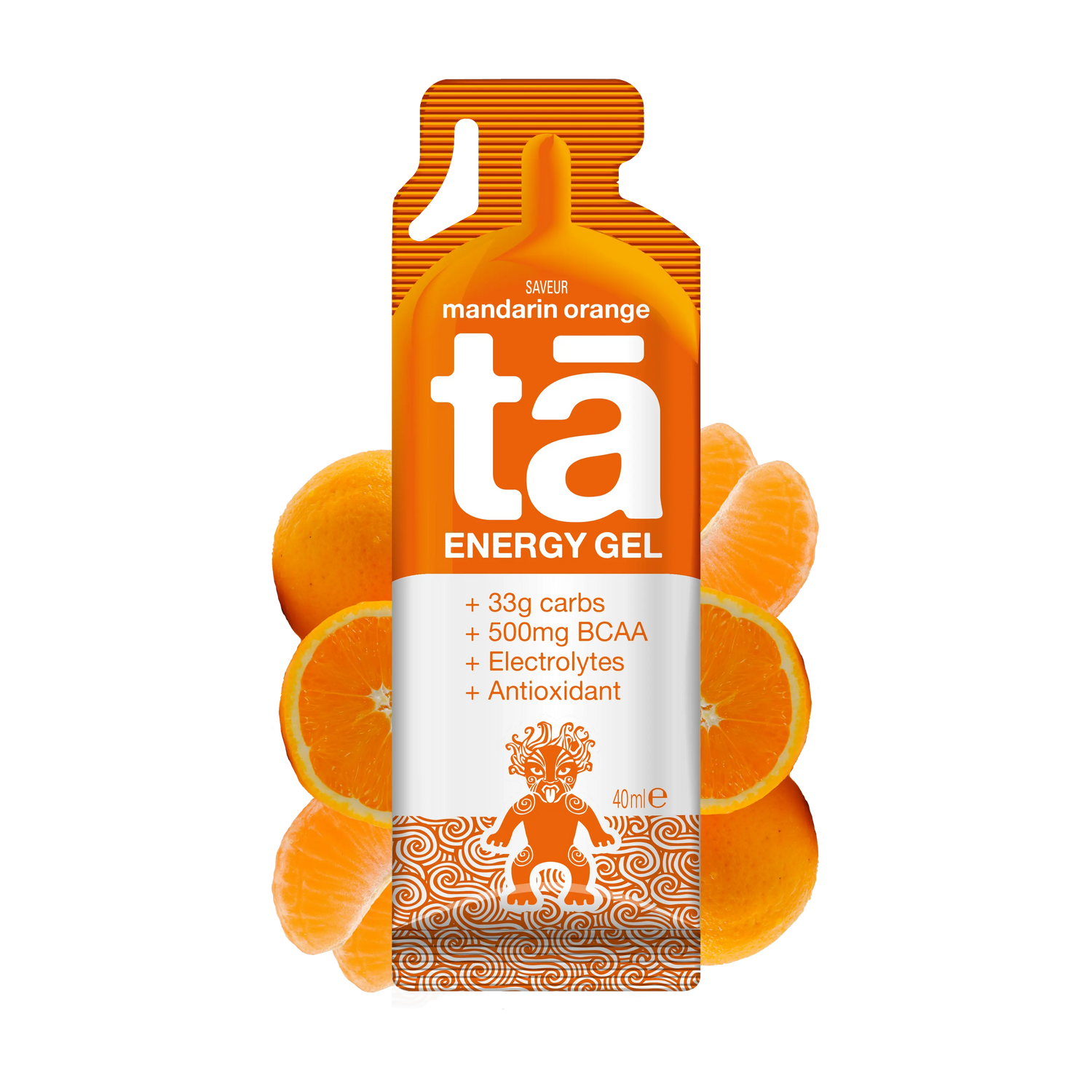
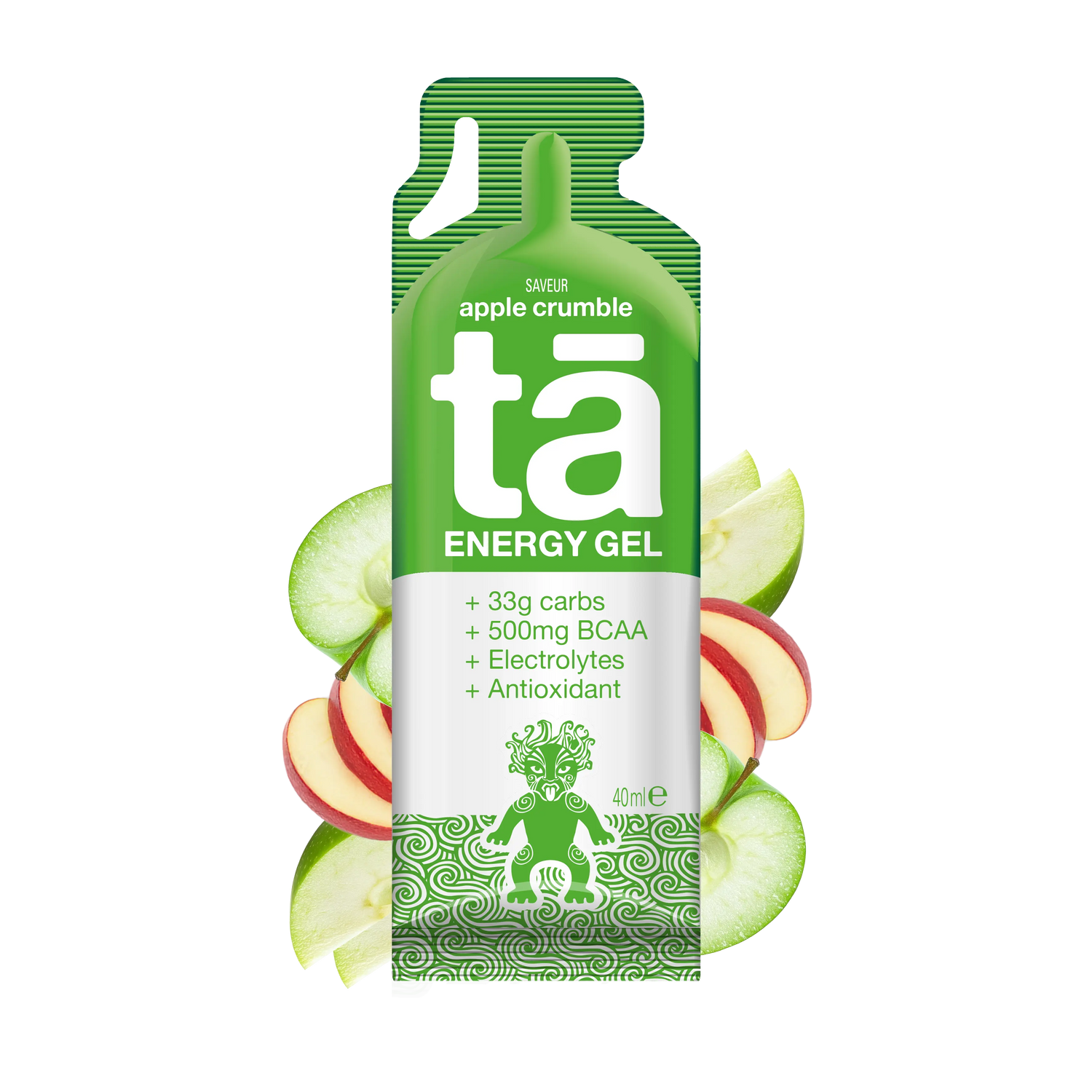
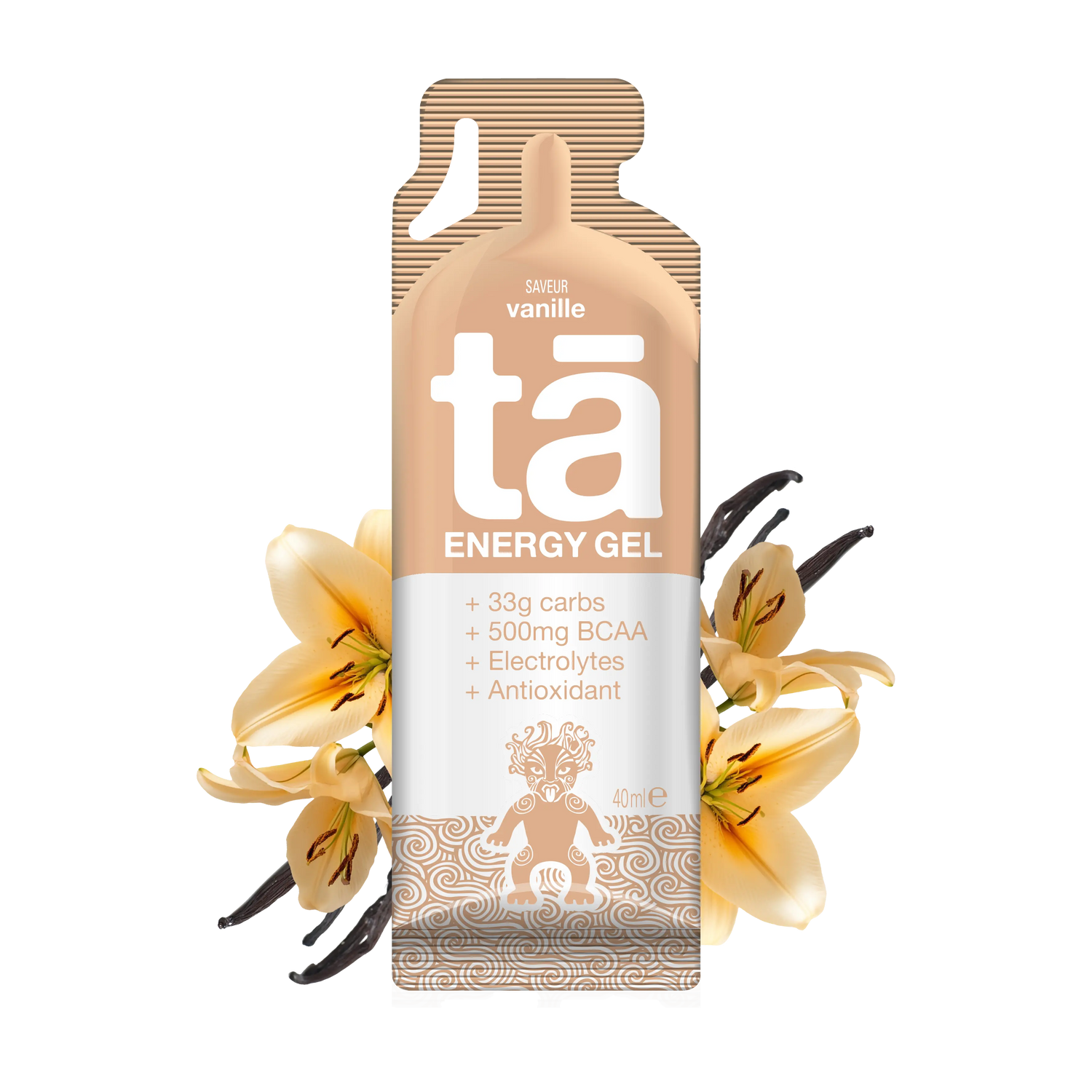
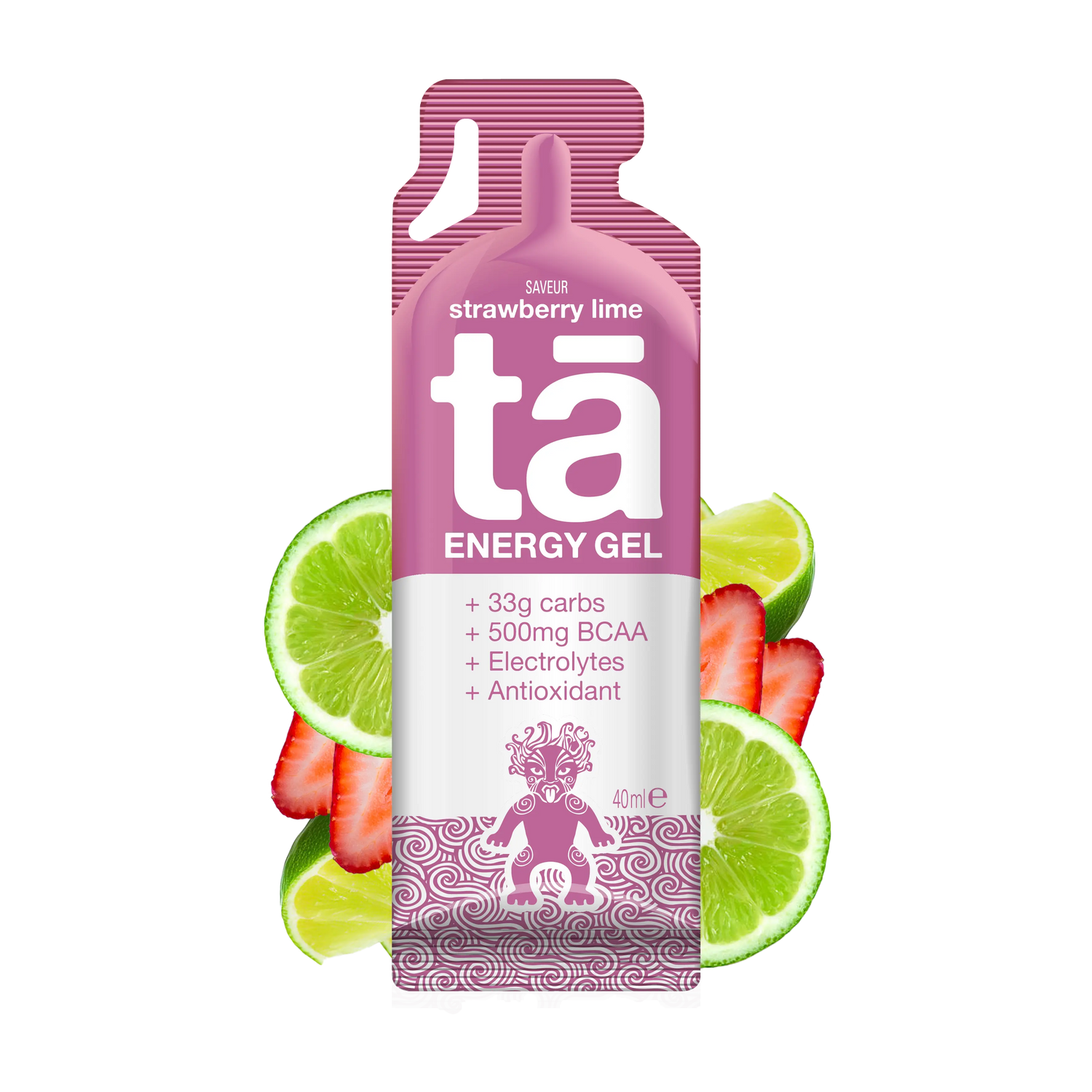
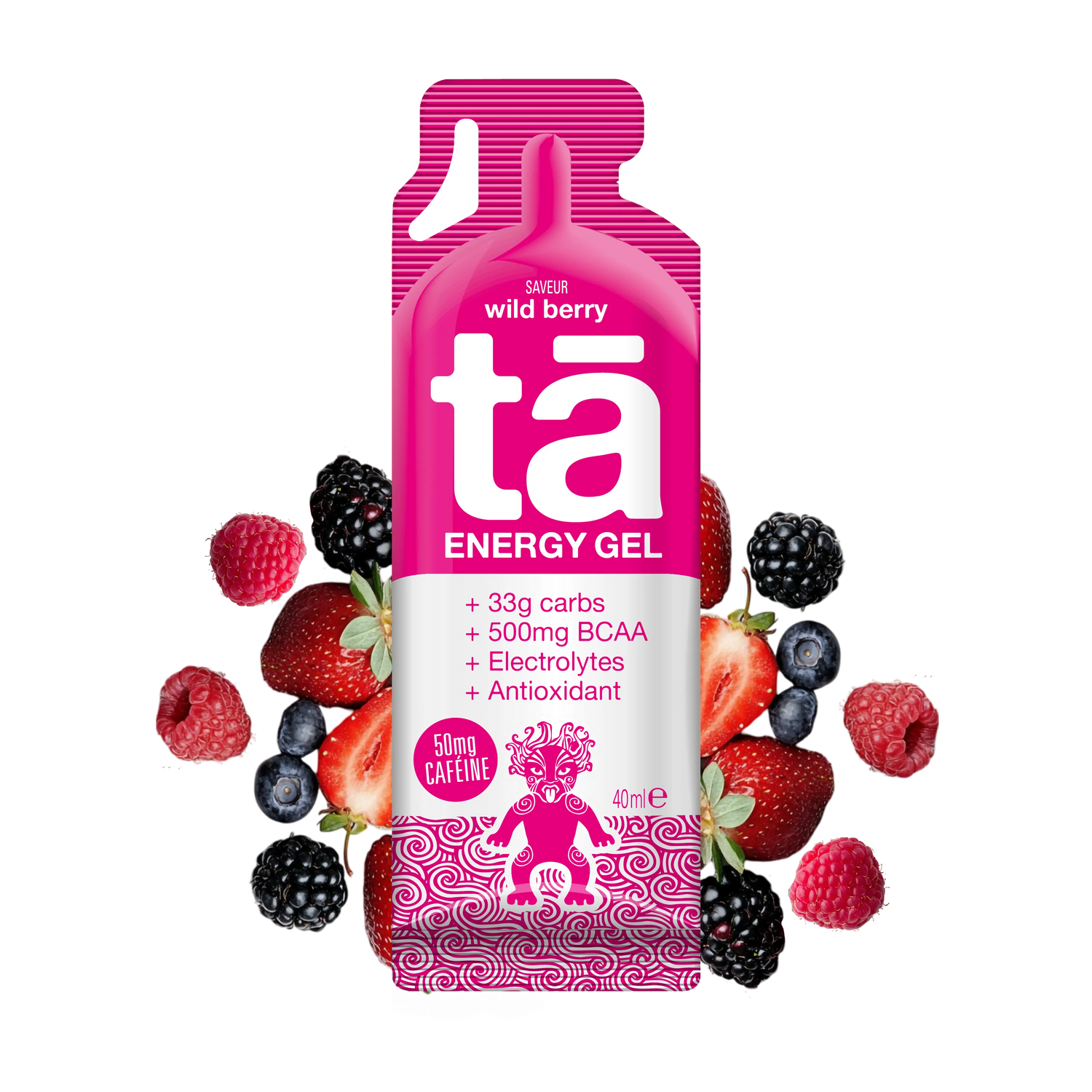
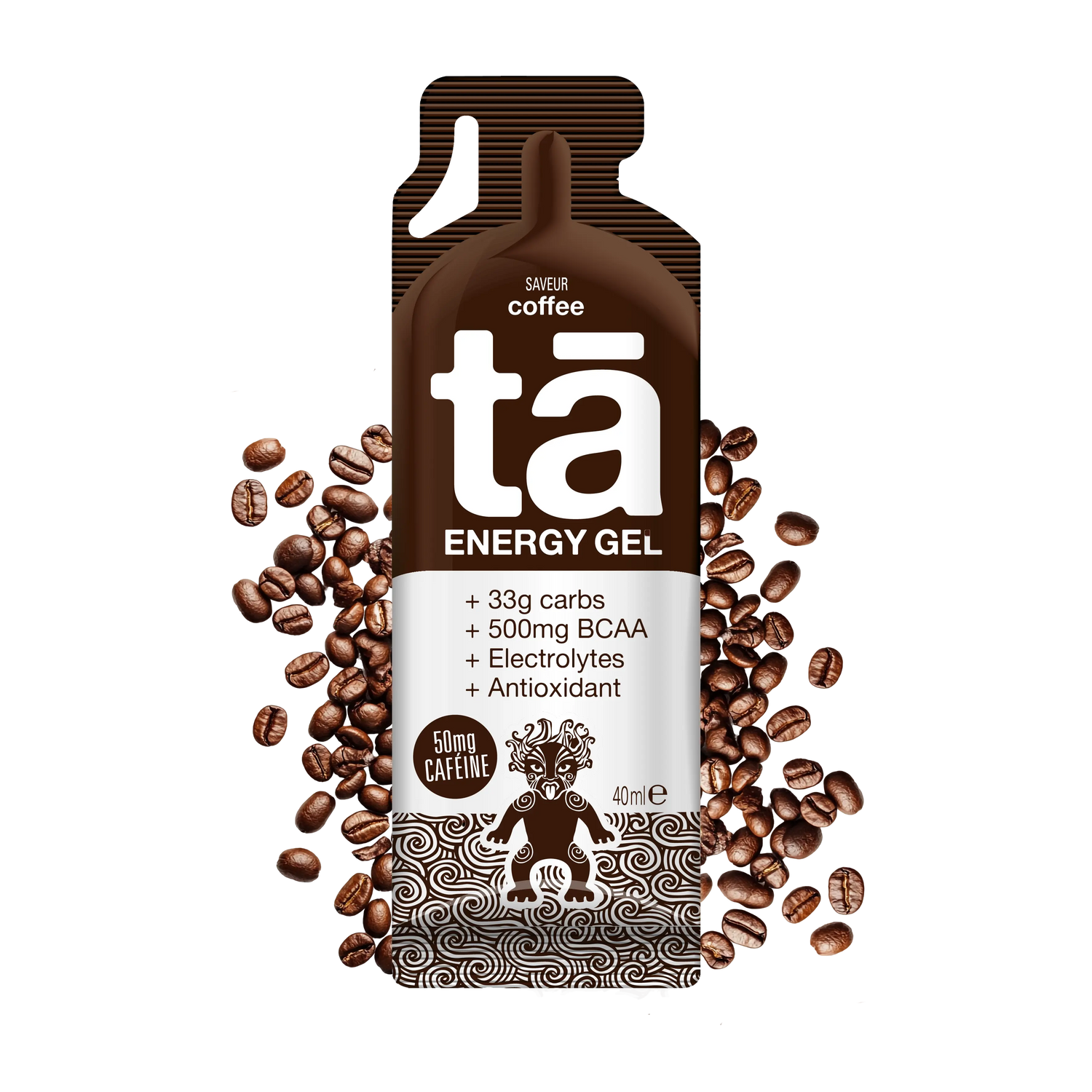
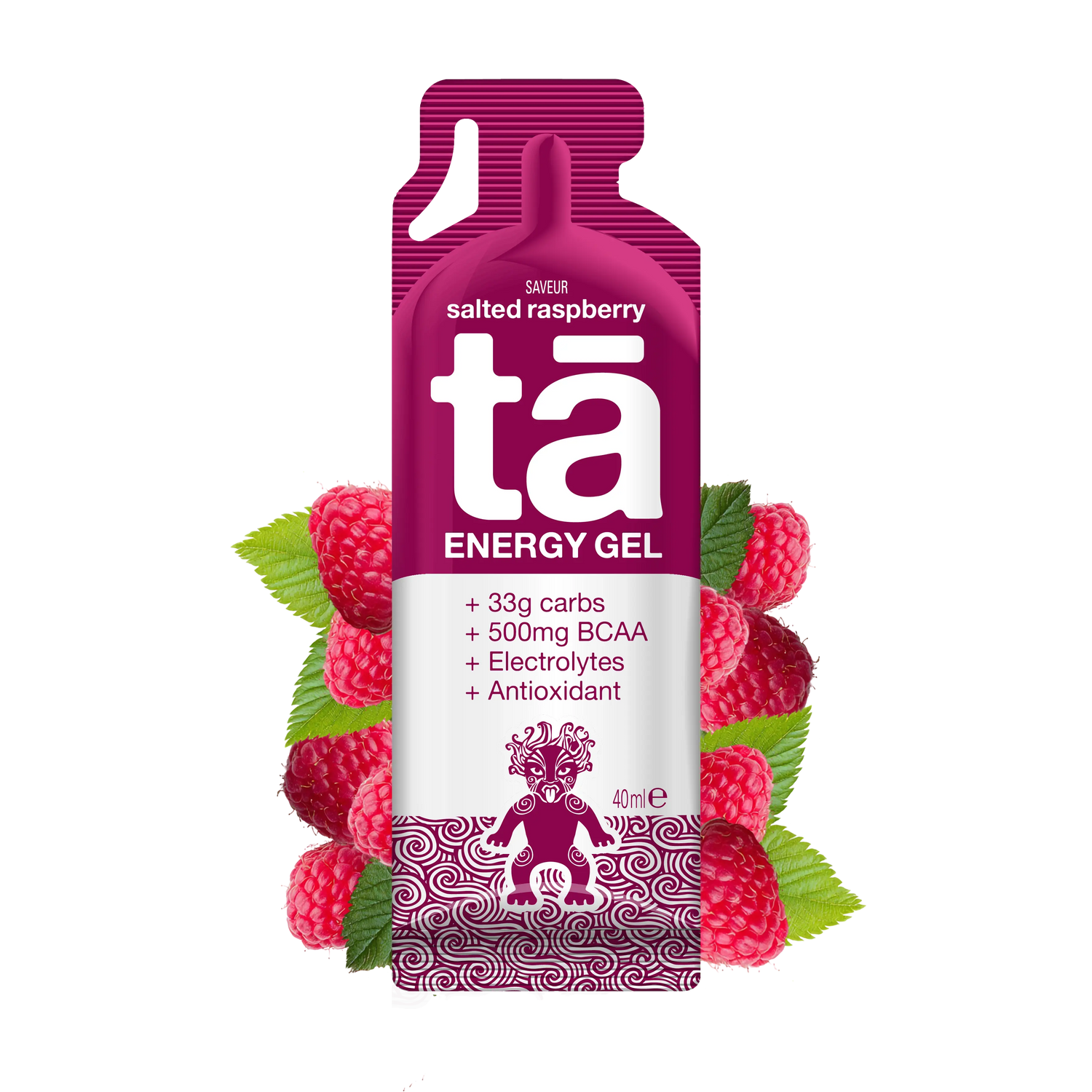
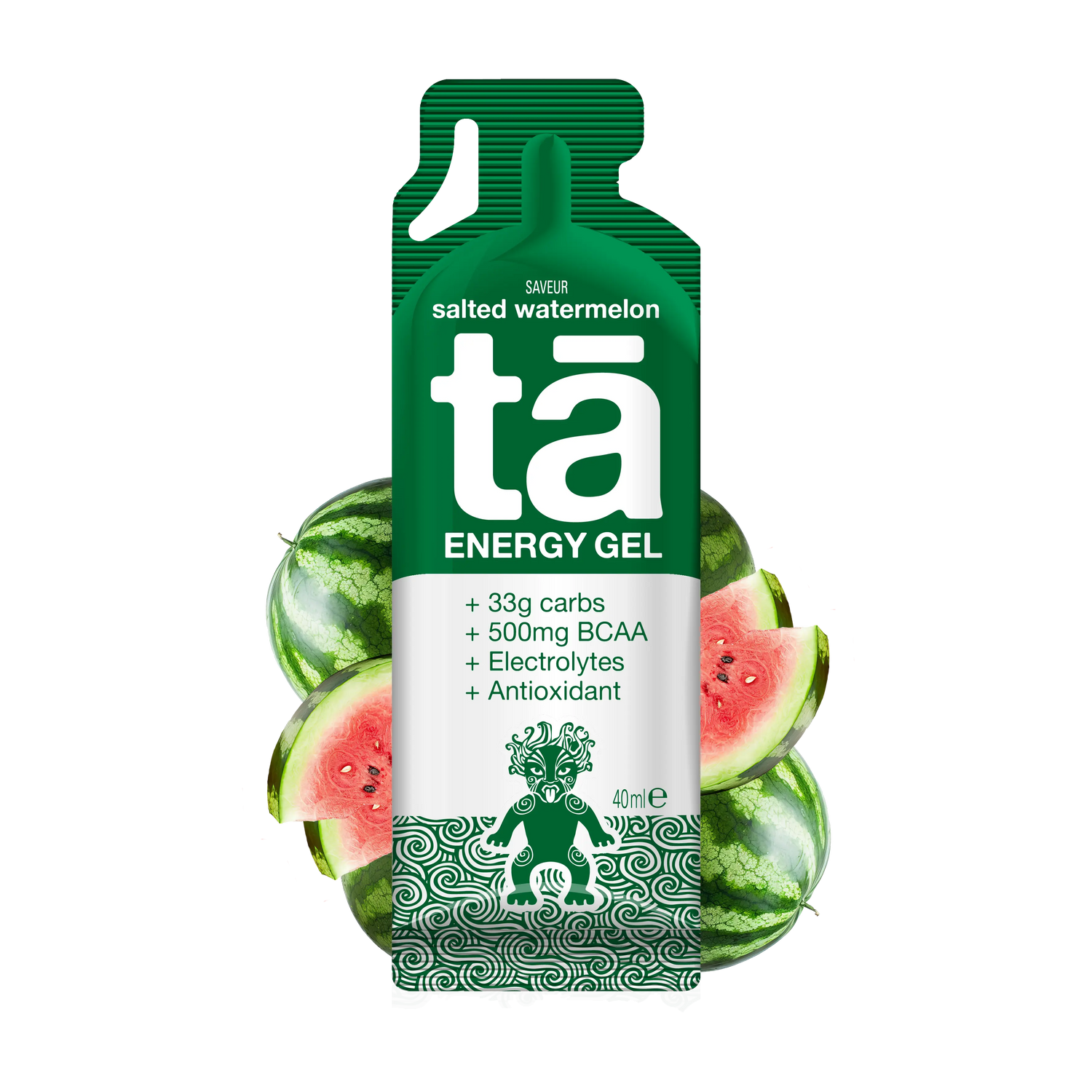
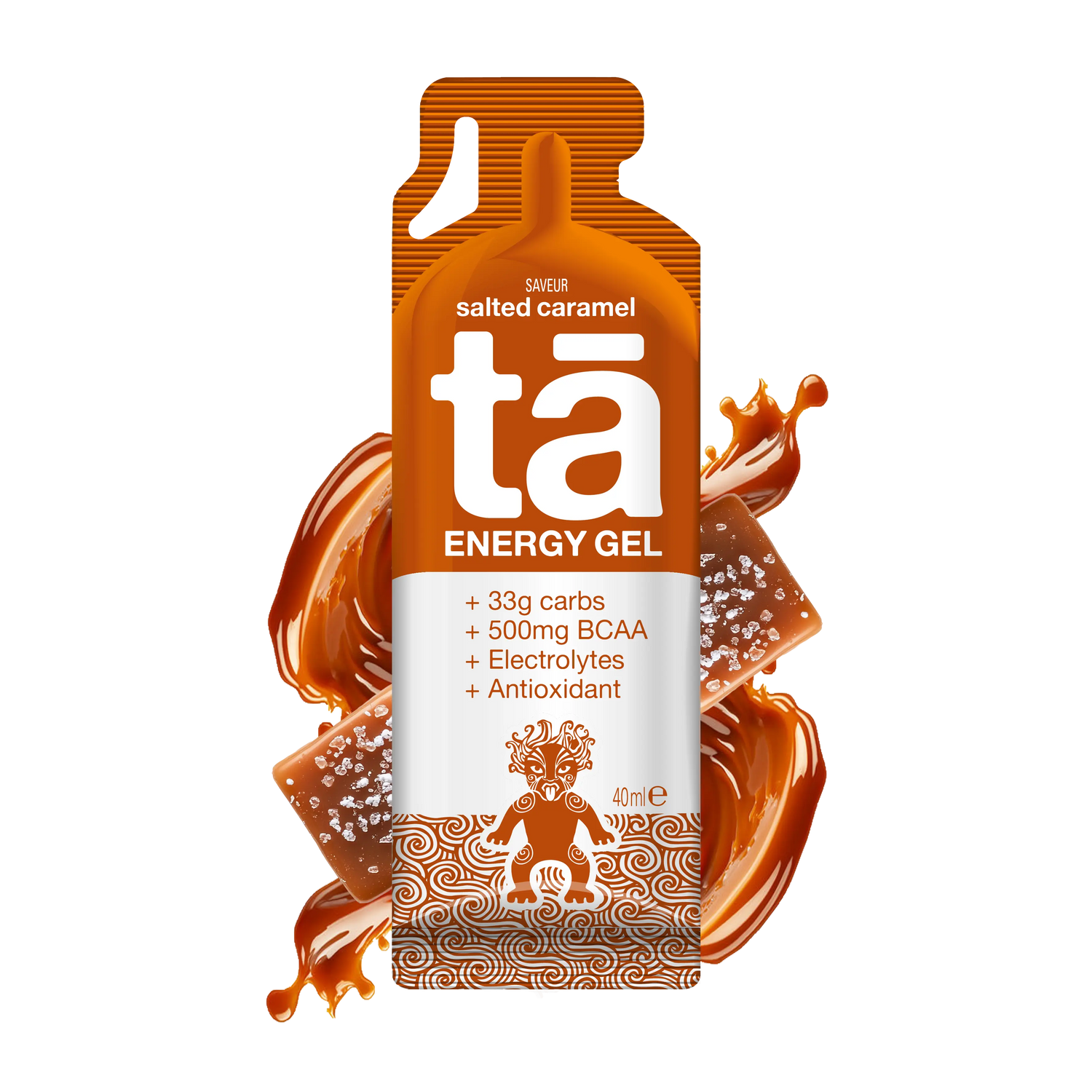
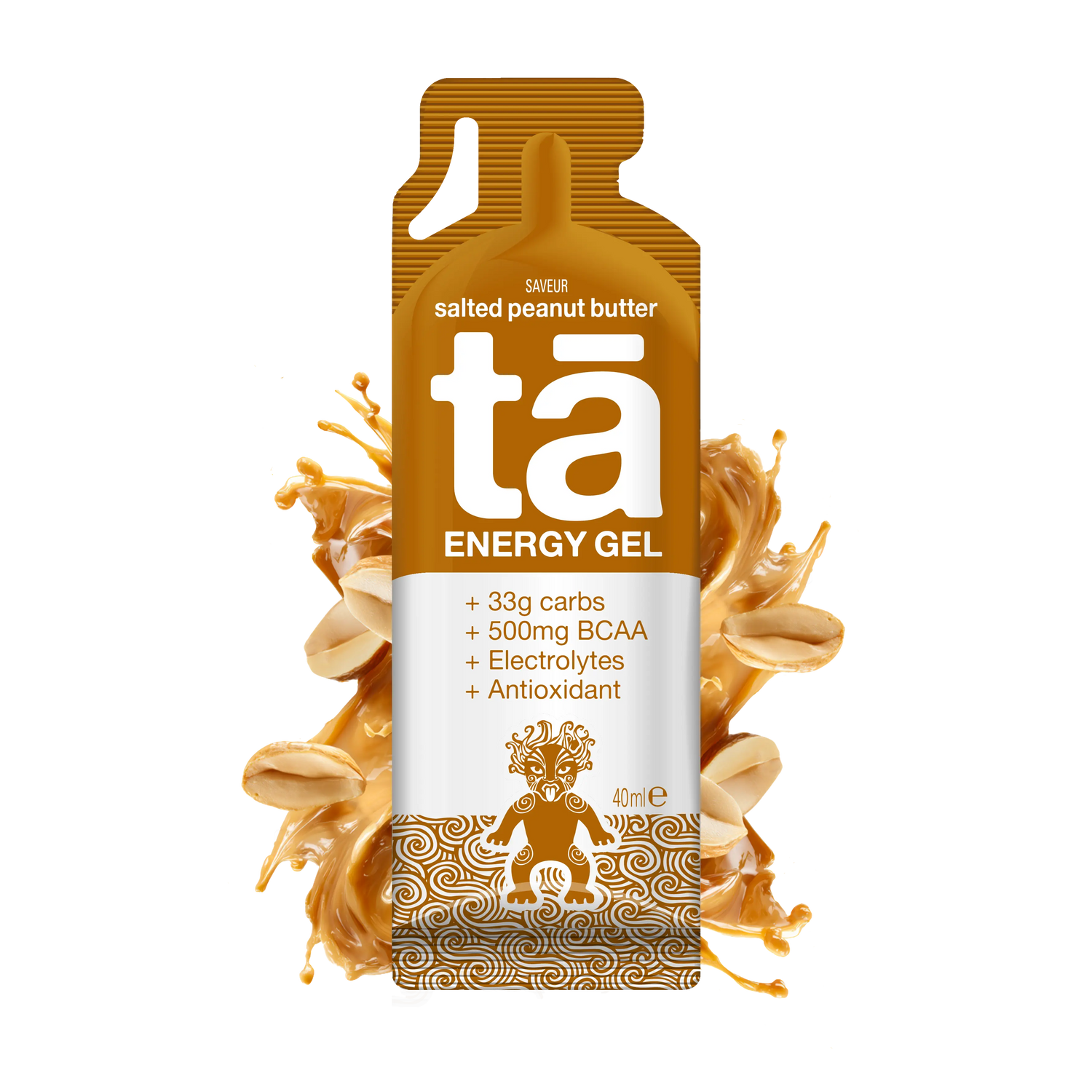
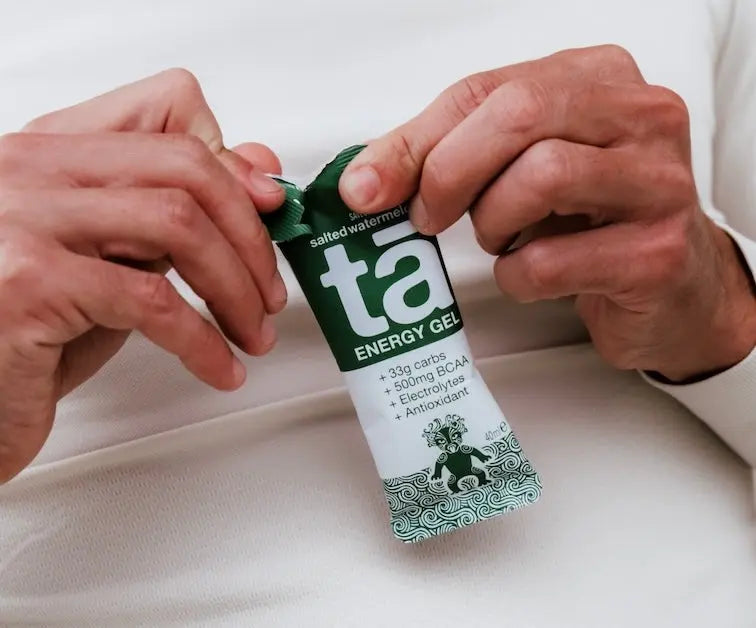
Our gels deliver a concentrated source of rapidly available energy through their combination of simple carbohydrates (glucose + fructose) and electrolytes. Their fluid texture enables rapid absorption, making them ideal for maintaining intensity without digestive discomfort.
Use
Consume during exercise: 1 gel every 30 to 60 minutes, depending on intensity and digestive tolerance. Always take with fluids for optimal absorption.
Nutritional information
* Depending on the flavors
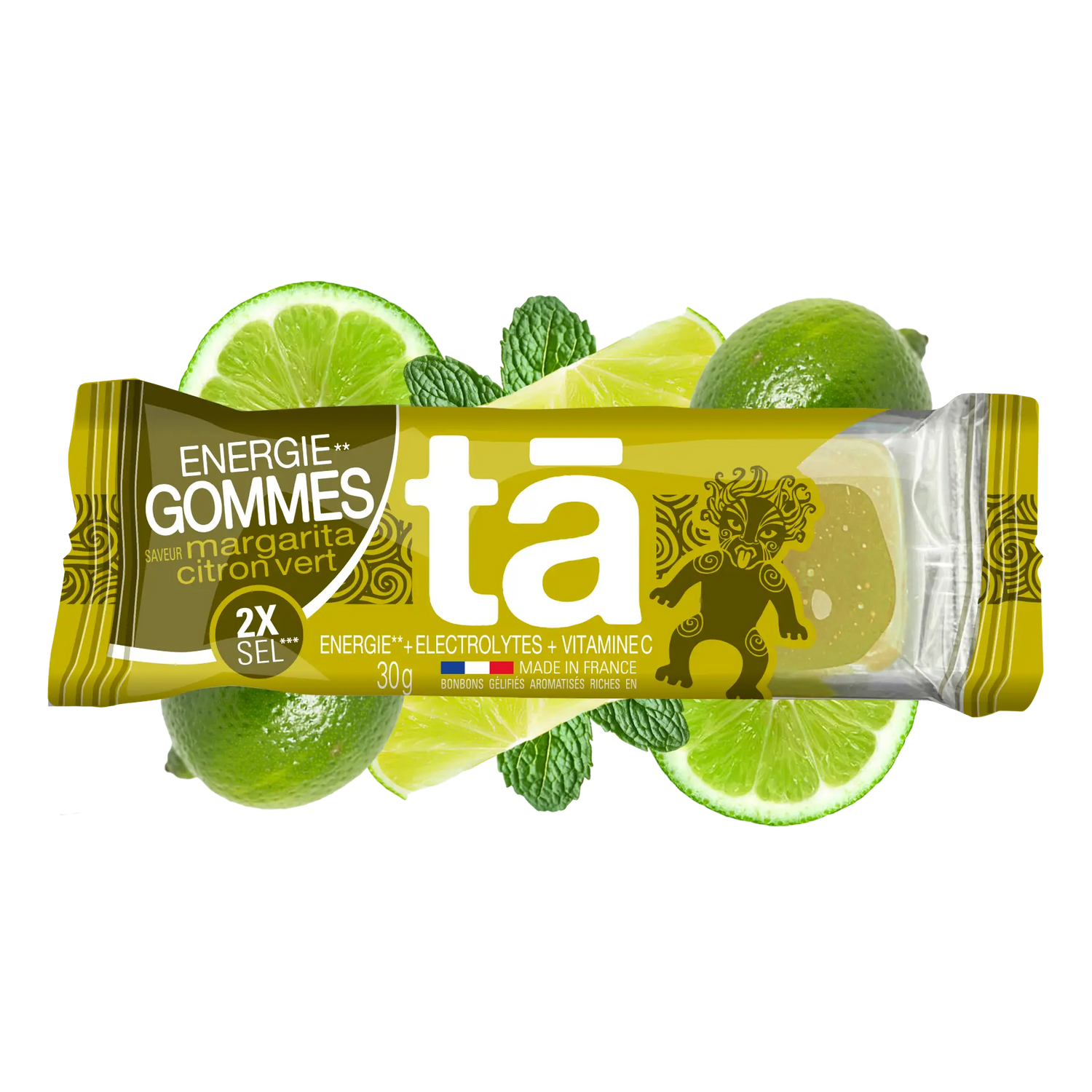
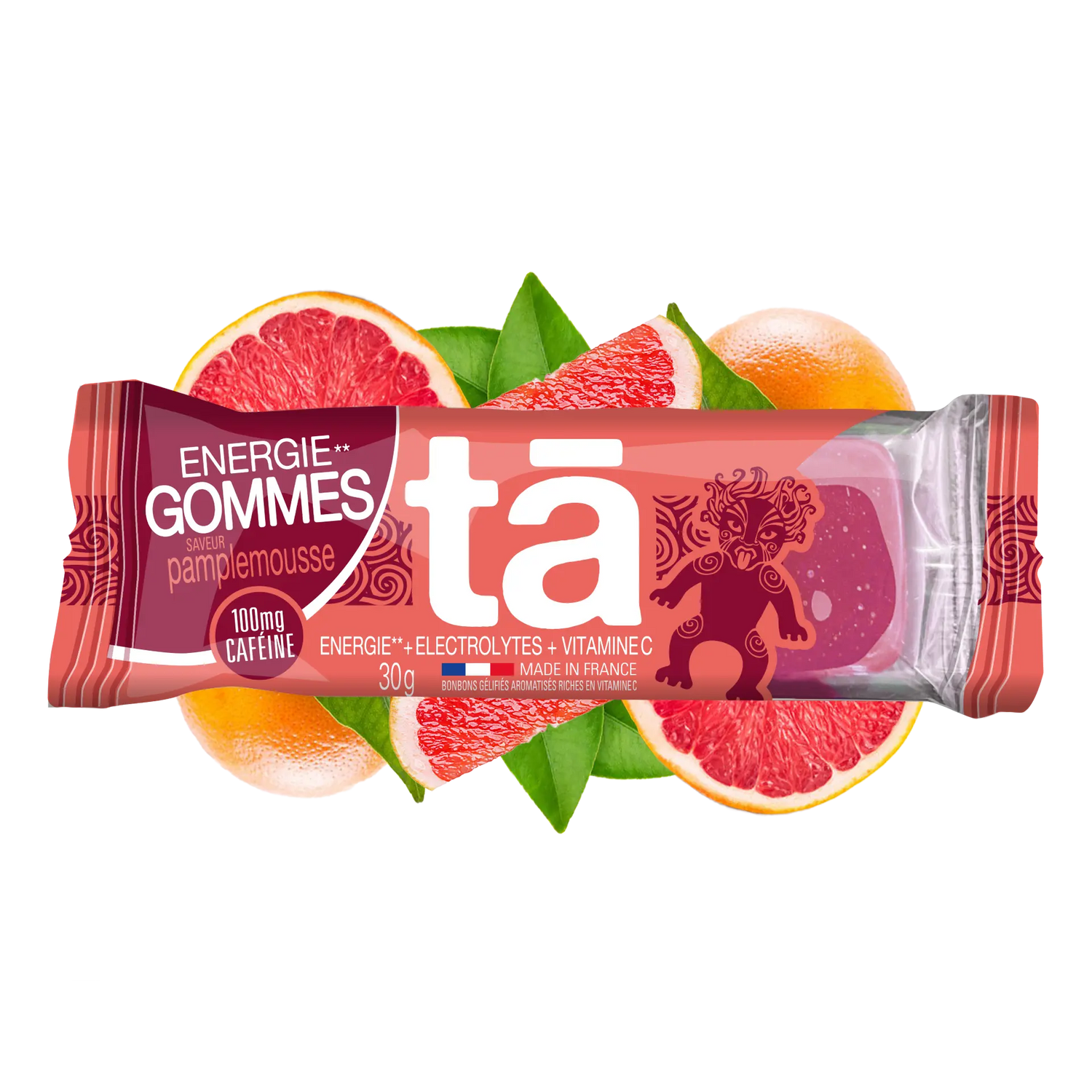
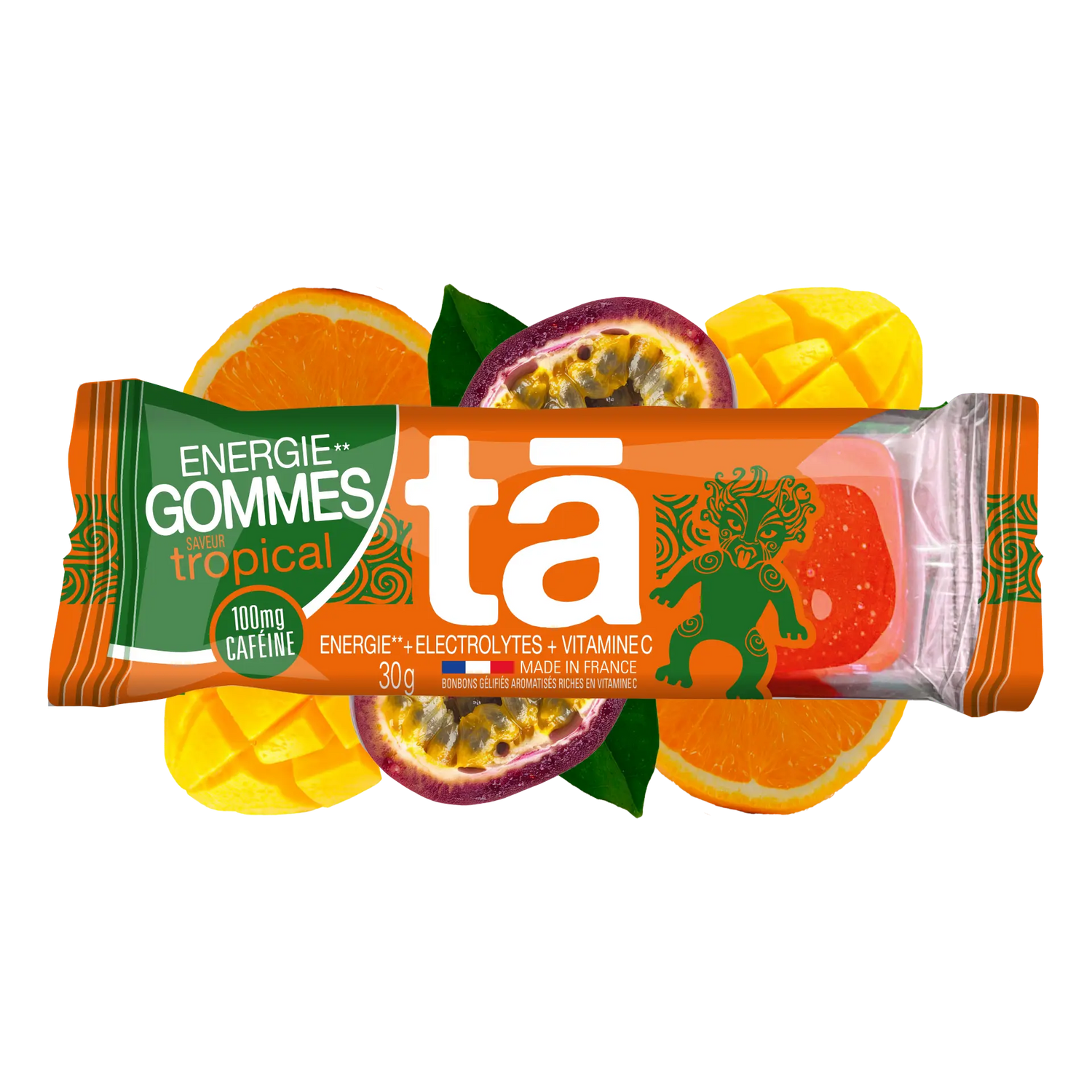
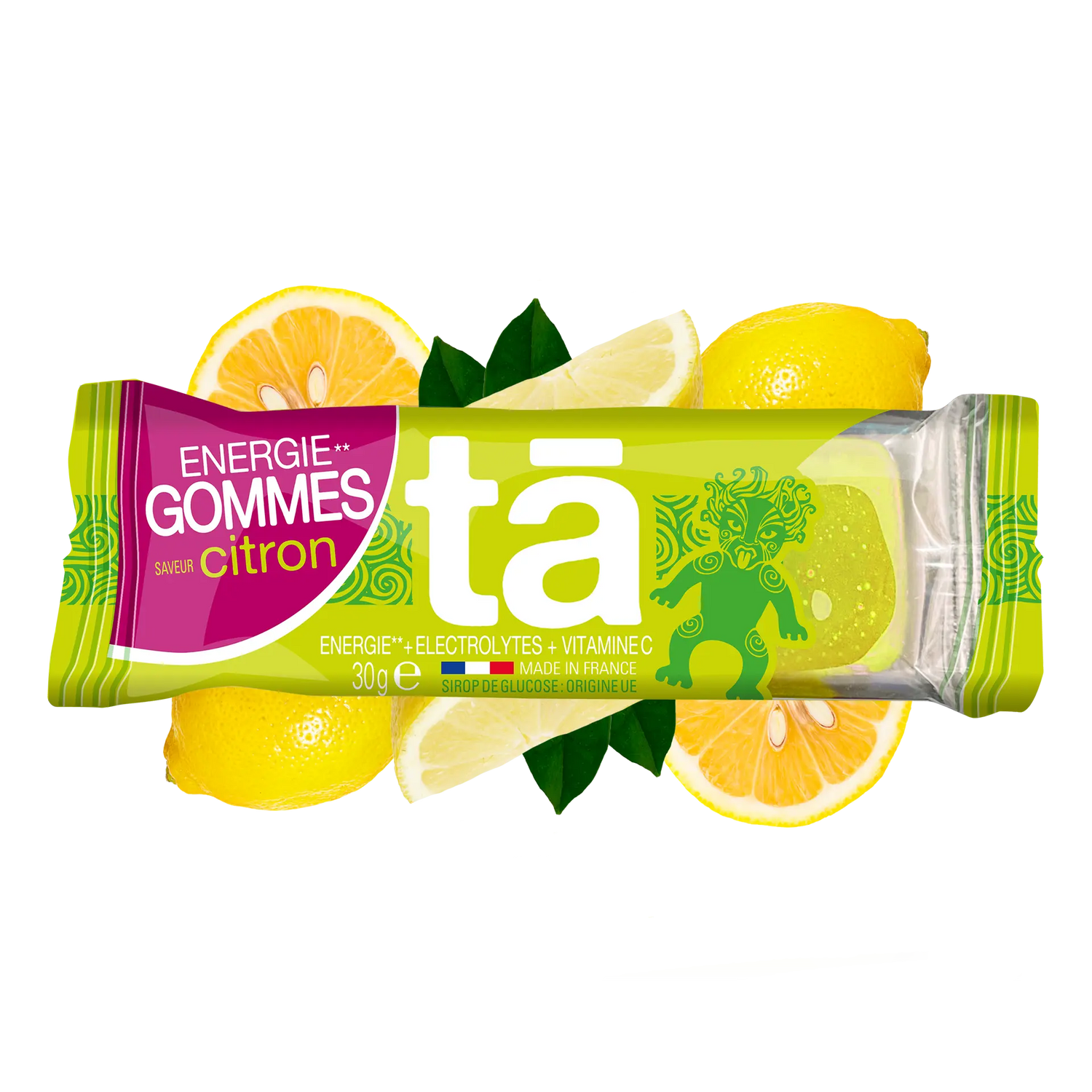
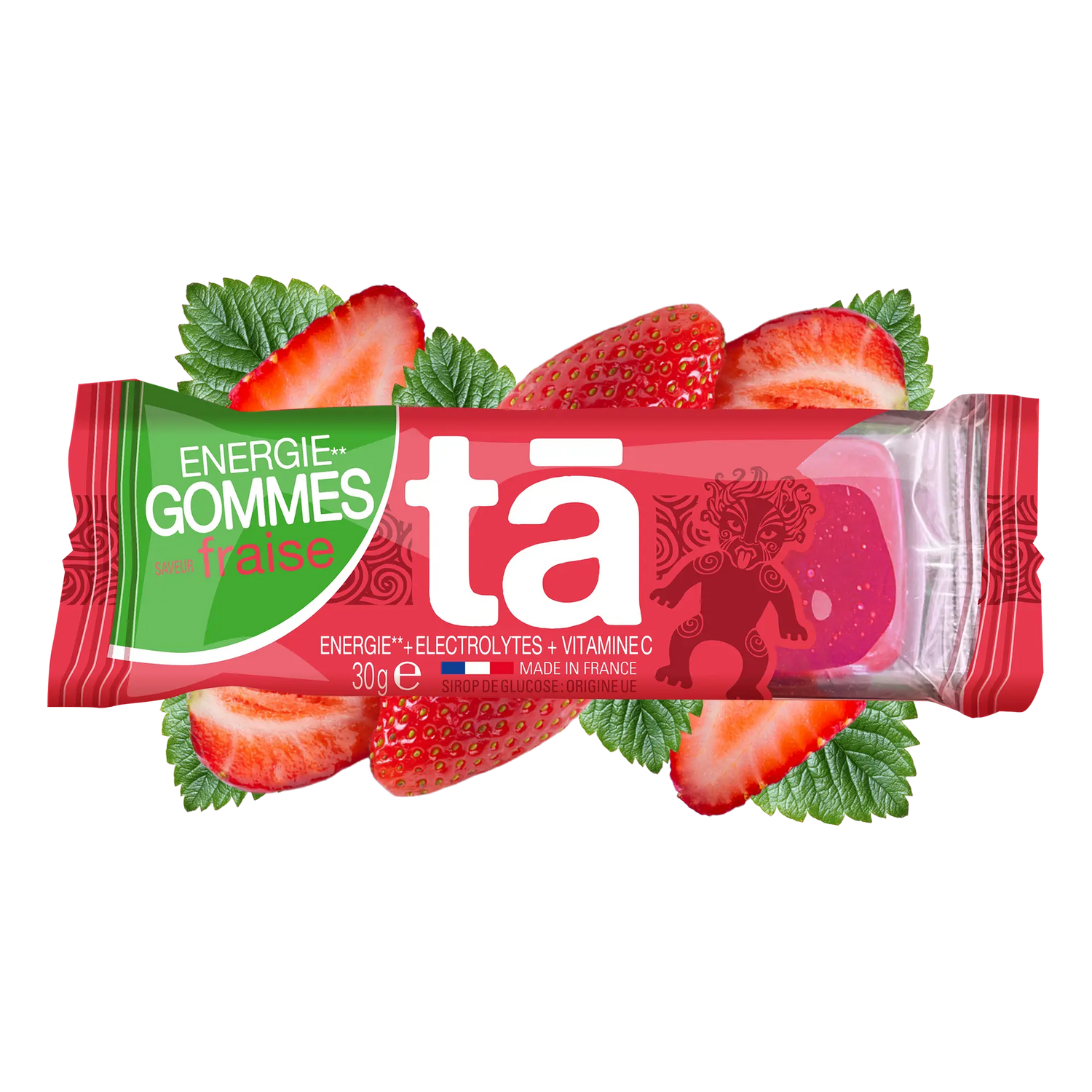
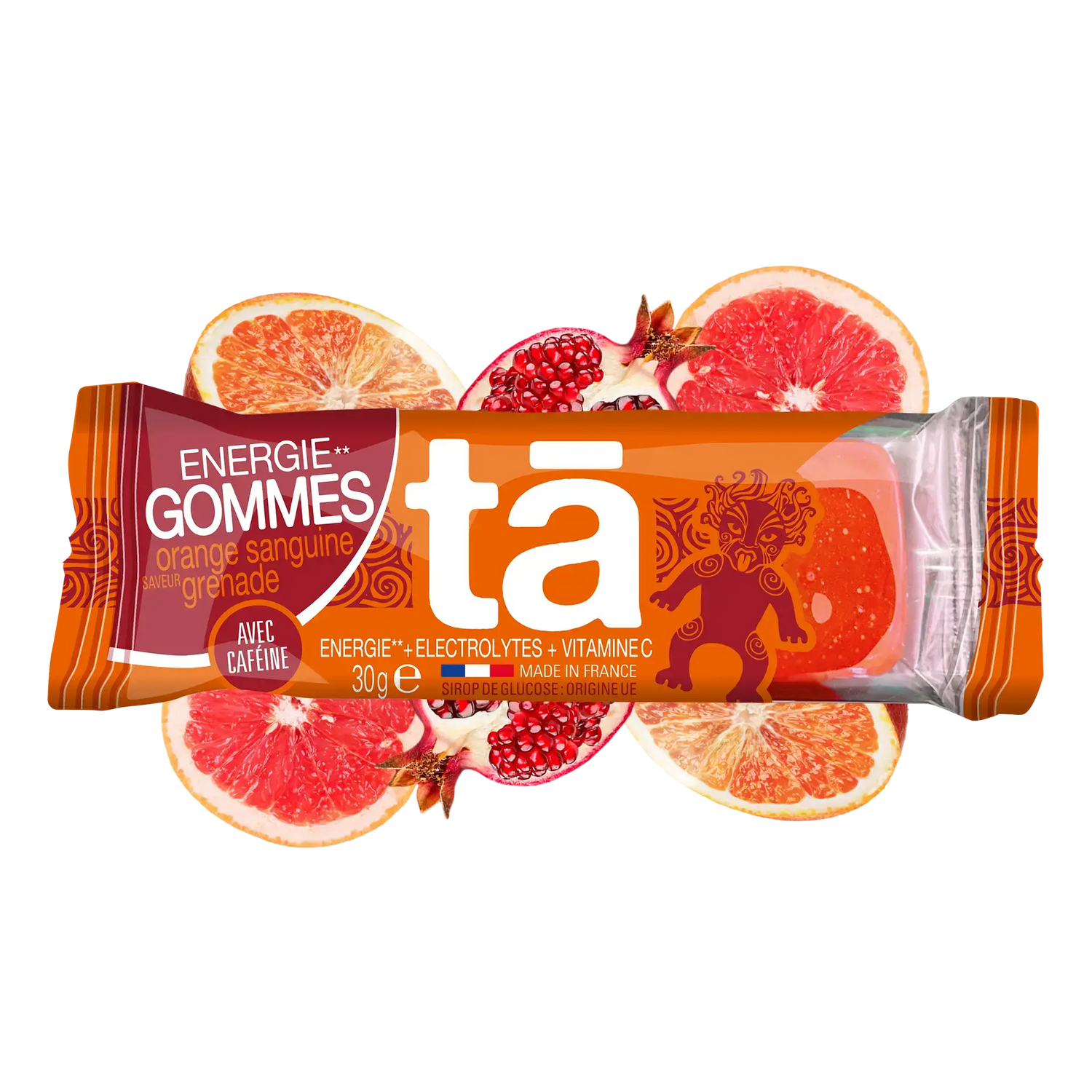
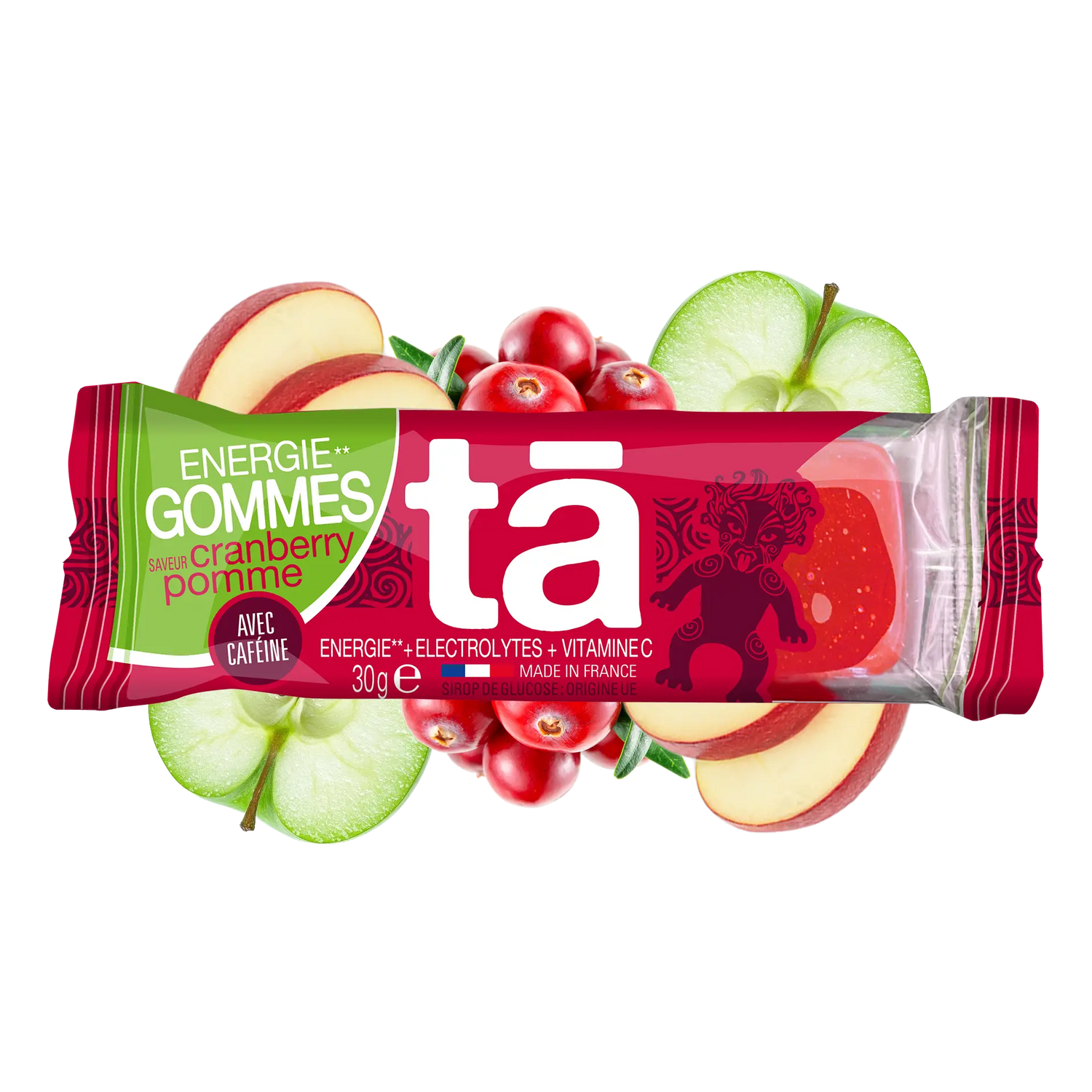
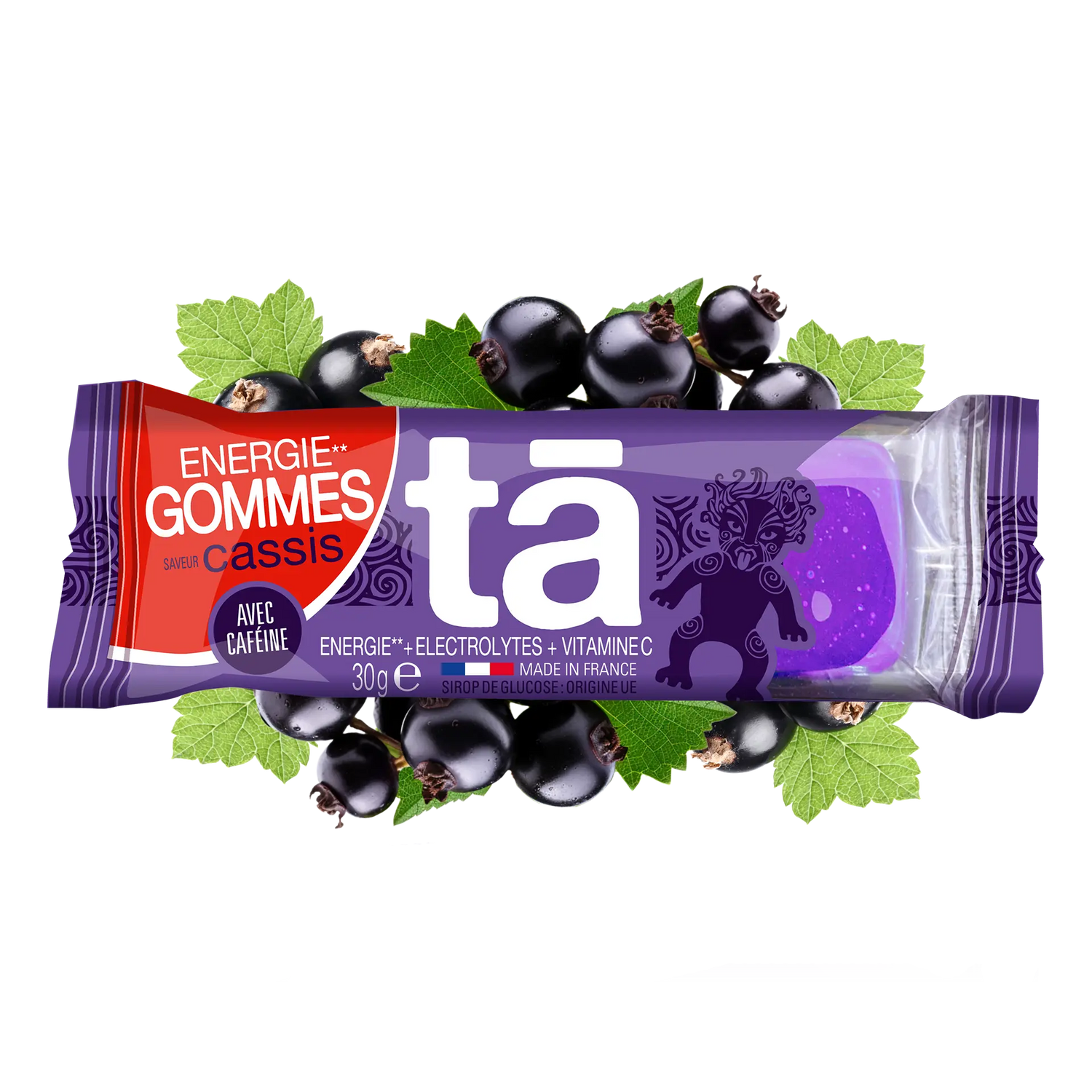
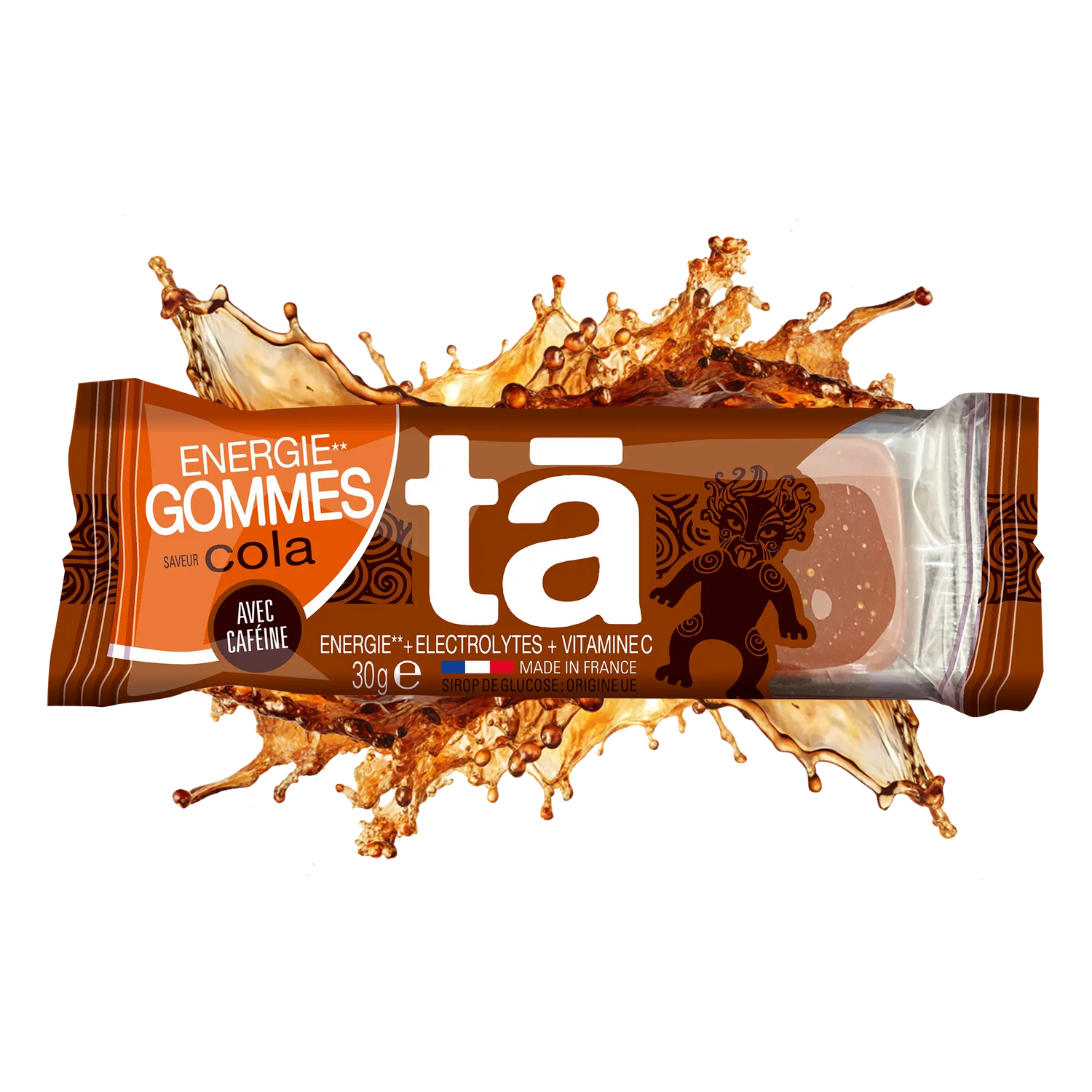
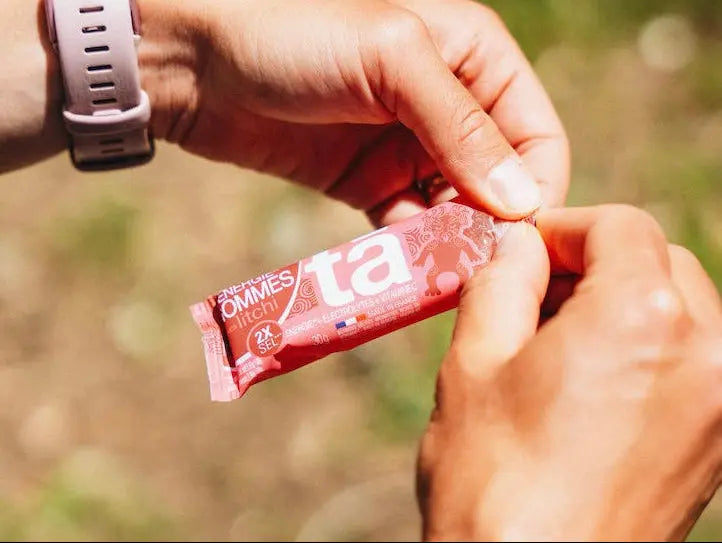
Our gummies are a quick and convenient source of energy. They combine fast-absorbing carbohydrates, essential electrolytes, and, depending on the flavor, caffeine. Their melt-in-the-mouth texture makes them easy to take without digestive discomfort.
Directions
Consume during exercise: 1 gummy every 15 to 20 minutes, or 1 sachet every 45 to 60 minutes. Chew for a quick effect or let it melt for more gradual absorption.
Nutritional information
* Depending on the flavors
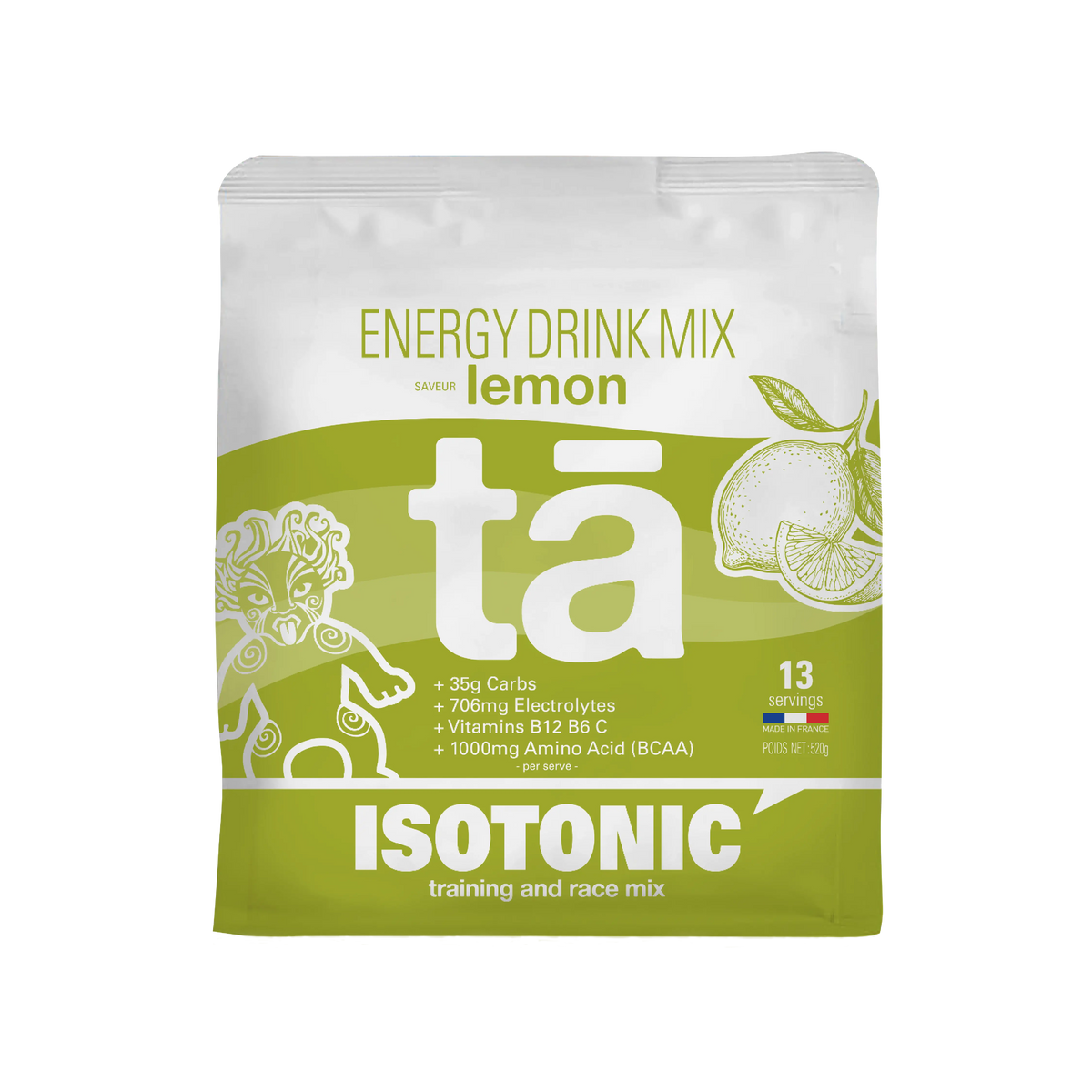
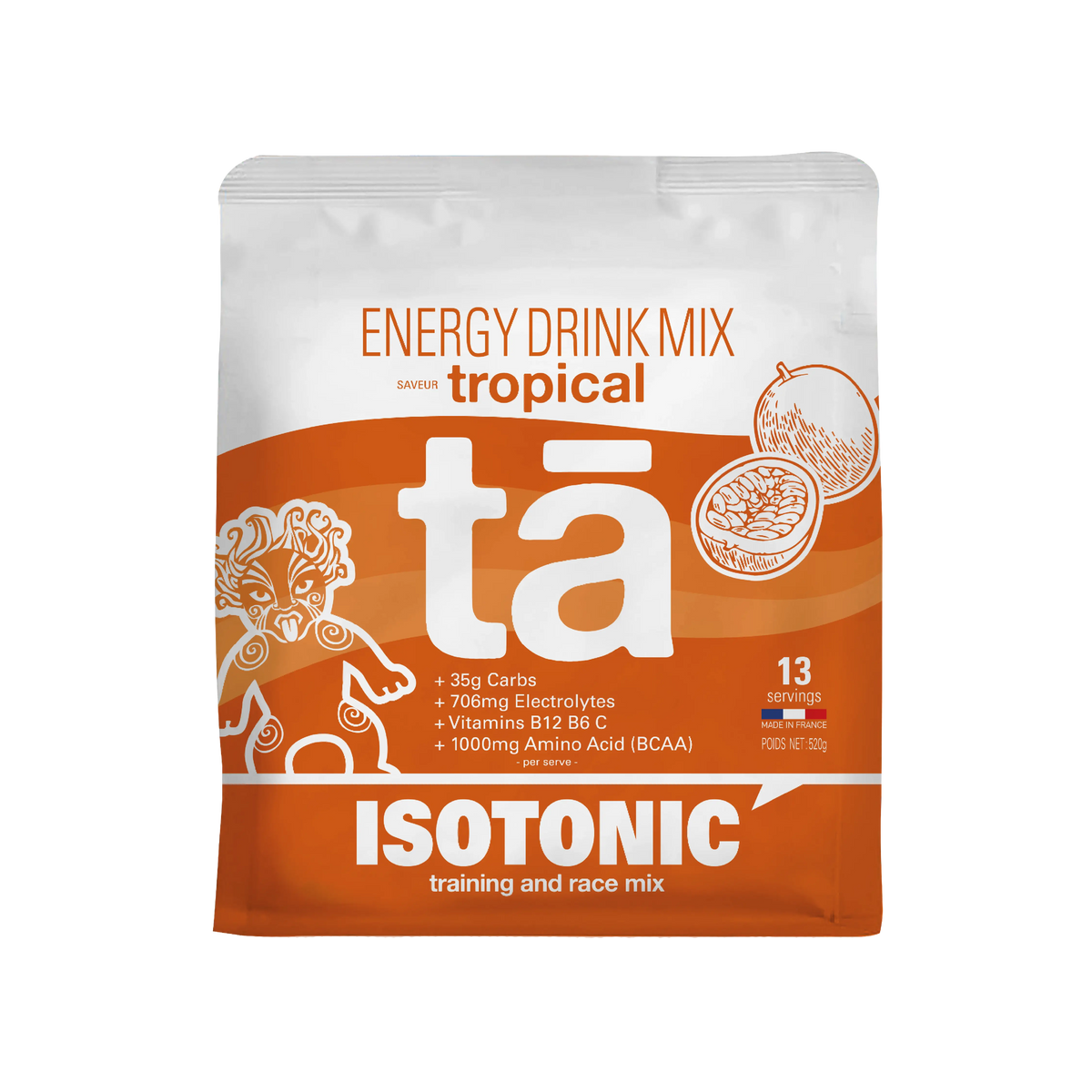
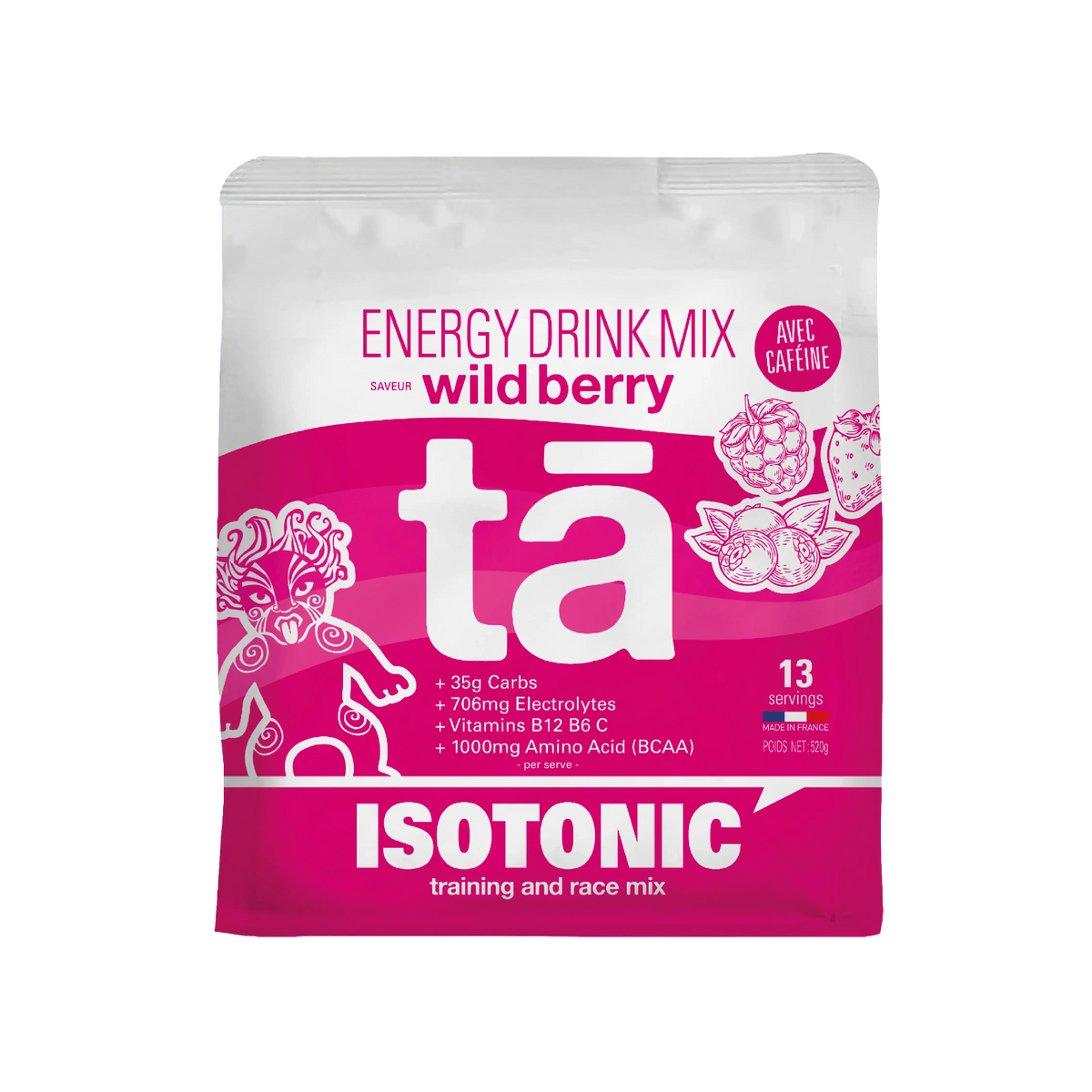
To facilitate carbohydrate loading and optimize your energy stores
To replenish essential minerals before the race.
Energy intake / Mineral salt intake
Consume a gel or a gummy packet in the SAS, 5 minutes before the start. For an effort lasting more than 1h30, choose 1 gel, a gummy packet, or a flask of isotonic drink per hour.
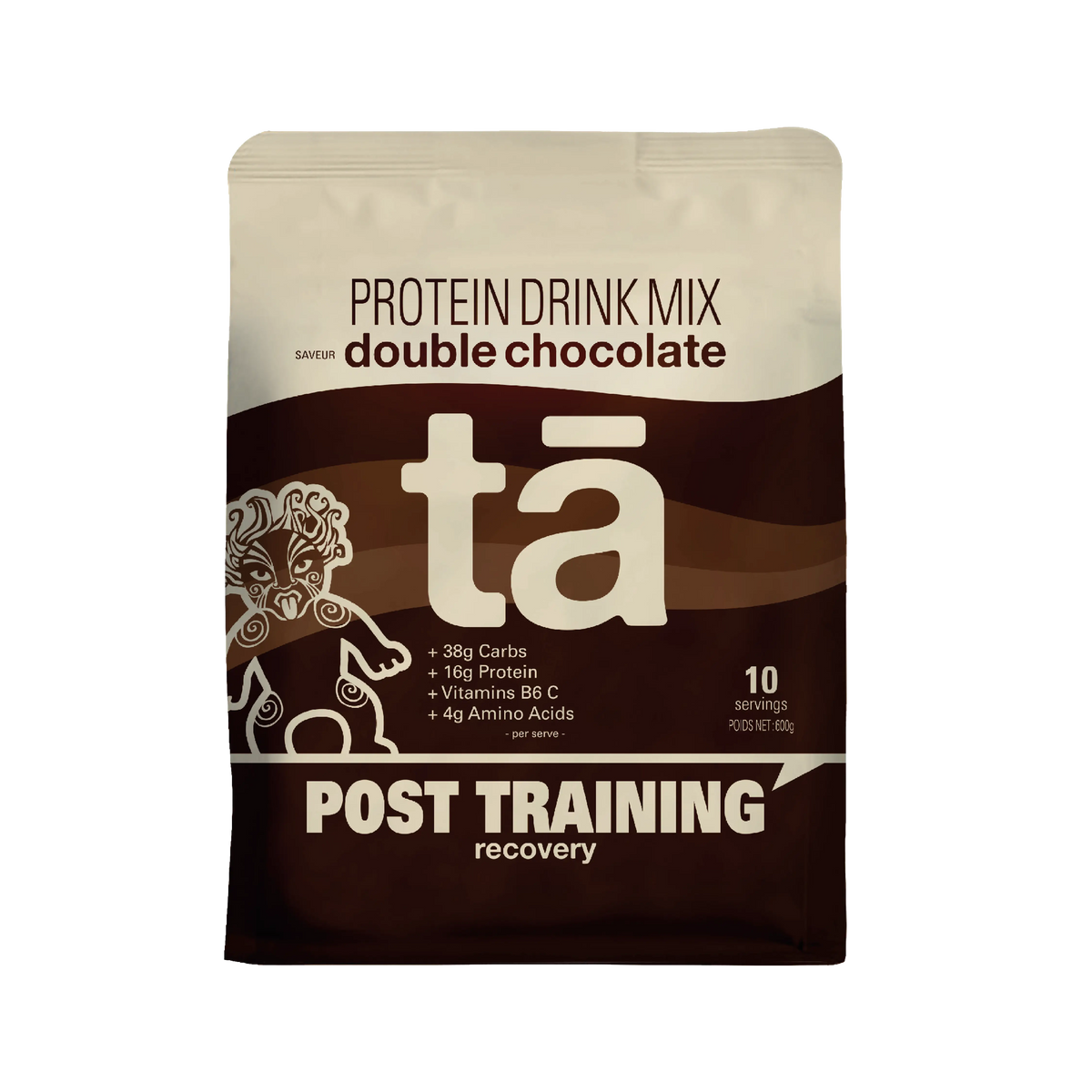
To support muscle recovery and replenish your energy stores.
To replenish your energy stores with natural products and begin replenishing your minerals and hydrating.
Stay well hydrated during your workout by drinking water (which can be combined with electrolytes) or a sports drink.
Get carbohydrates through products tested during training, in the format you feel most comfortable with.
Consume products regularly from the very start of the race.
Tip: Set yourself a carbohydrate intake per hour and train with it.
As a recommendation, aim for 40g for someone new to sports nutrition and 60g for those who are a bit more trained.
From there, all you need to do is build your strategy with the different products to reach the target amount. Also remember to consume easily digestible foods with a high glycemic index that are easy to consume during exercise.
Examples of Tā products for 1 hour of exercise:

Over 1,000 retailers

Healthy, high-performance products

on purchases of €80 or more

01 64 48 32 30