Taper Week: The Ultimate Guide to Carb Loading and Digestive Rest

Taper Week: The Ultimate Guide to Carb Loading and Digestive Rest

INTRODUCTION

J-7 before the big day. The kilometers on your training plan are decreasing, your running or cycling volume is dropping, but the tension is rising. The finish line of a legendary ultratrail or a demanding cyclosportive occupies all your thoughts.

In this final stretch, many athletes make a fatal mistake: neglecting their nutrition strategy or suddenly improvising a massive food load the night before. Yet tapering is not simply a period of physical rest; it is a genuine strategic metabolic and digestive window.

How can you maximize your glycogen stores without overloading your stomach? What is maltodextrin's real role? How can you avoid the dreaded gastrointestinal problems that ruin so many races? Let's break down the science to turn your final 7 days into a competitive advantage.

Carbohydrate loading: myths are out, the modern protocol is in

For decades, the classic Åstrand or Bergström-Sherman protocol

required athletes to undergo a severe depletion phase (3 days of intense training with almost no carbohydrates) followed by 3 days of loading (V). This exhausting approach created major physiological stress and harmful mood swings.

What the science says: The 36–48-Hour Window

• Current scientific data show that the drastic depletion phase is unnecessary (I, V). For an endurance event lasting more than 2 hours, medical consensus recommends reducing training volume while combining it with carbohydrate loading concentrated over the final 36 to 48 hours (D-2 and D

1) (I, II, III).

• The target is a very high intake of 10 to 12 g/kg/day(I, II, III)[cite: 2]. On D-3, a gradual increase generally begins at around 8 to 10 g/kg/day(I, IV).

Digestive comfort and the strategic role of maltodextrin

Consuming 10 to 12 g of carbohydrates per kilogram of body weight (that is, 700 g to 840 g per day for a

70 kg athlete) is a gastronomic challenge. Trying to reach this amount solely with rice, pasta, or sweet potatoes guarantees disastrous stomach heaviness and a harmful acceleration of intestinal transit.

What the science says: Liquid Carbohydrates and Gastric Emptying

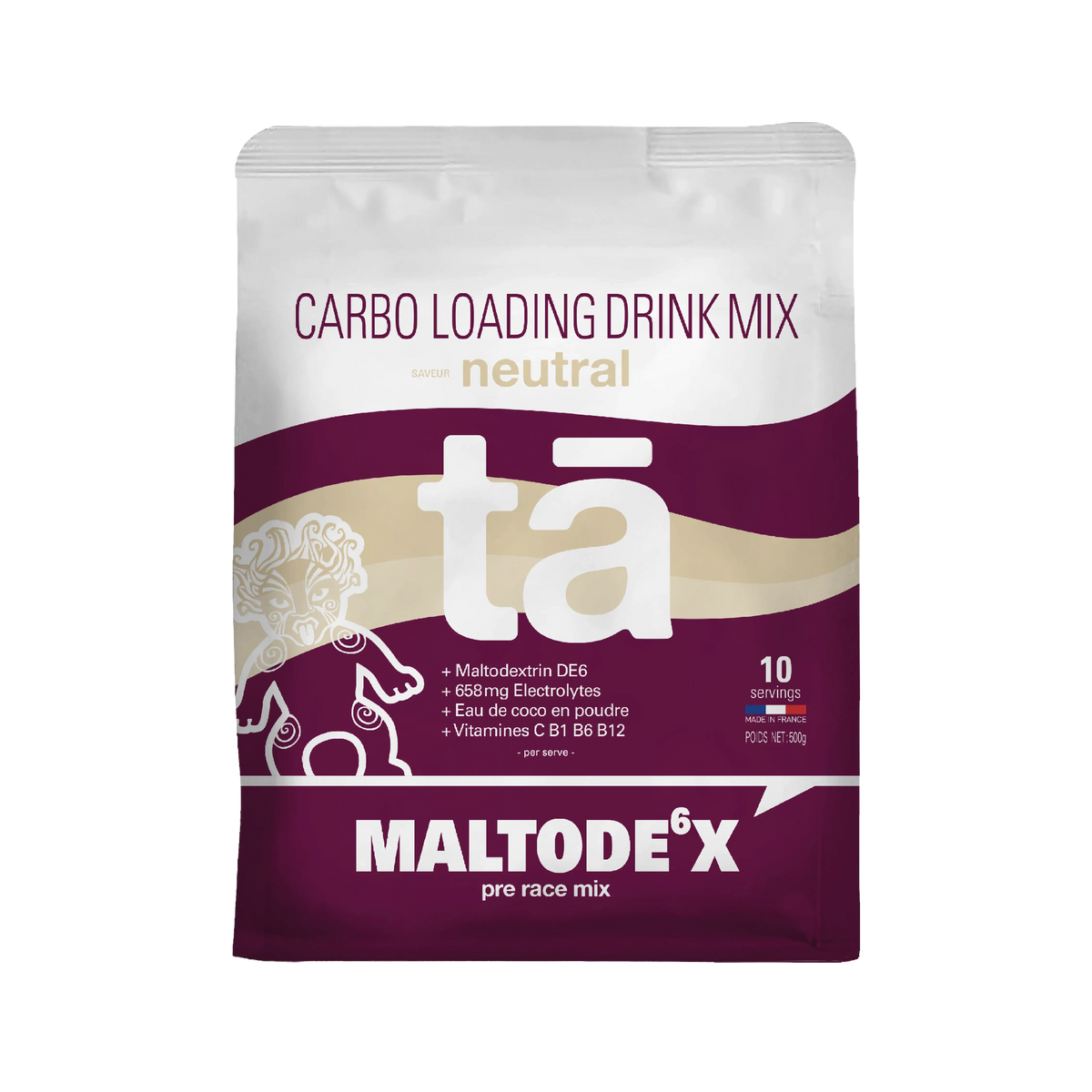
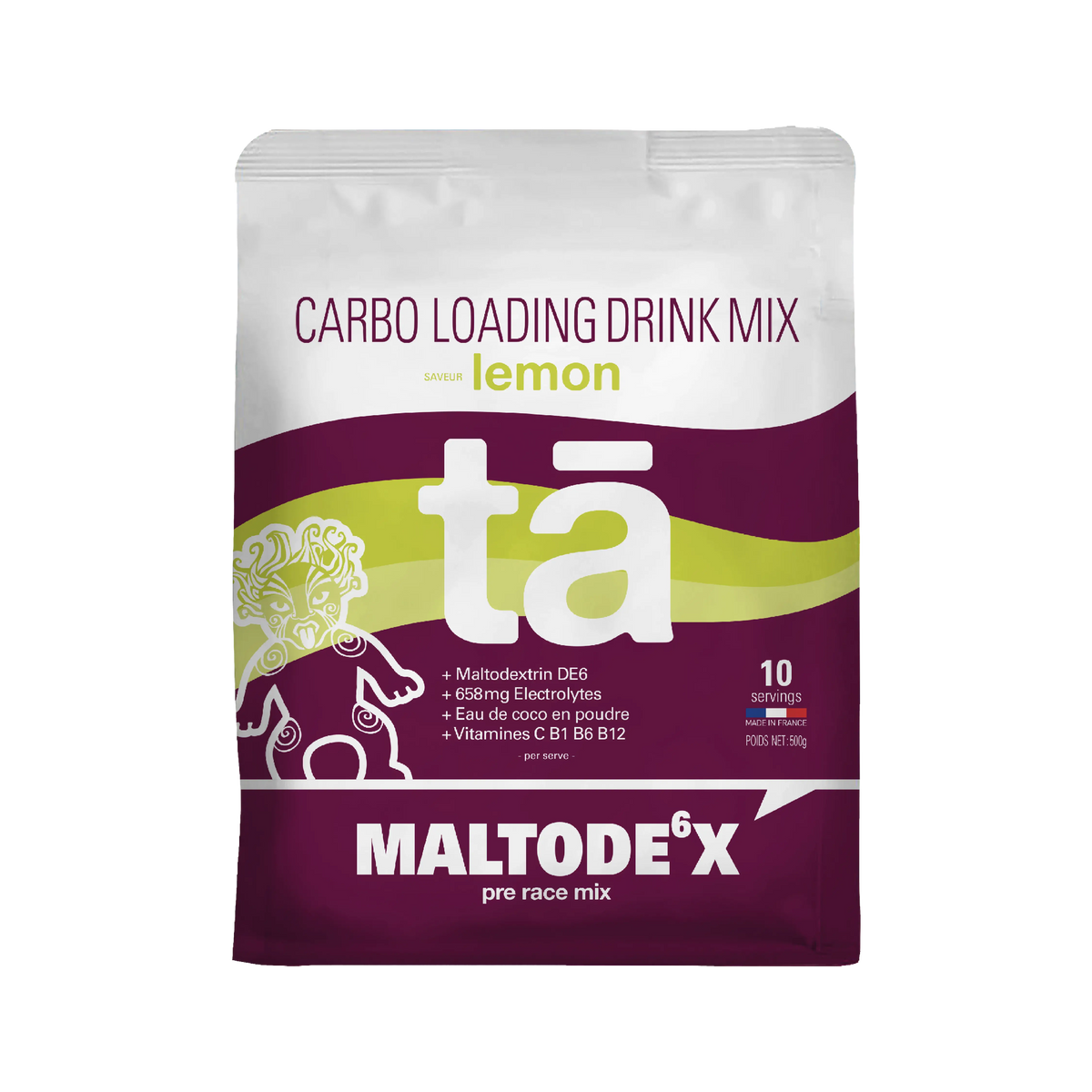
• This is where maltodextrin really comes into its own. Obtained through the hydrolysis of starch, maltodextrin has low osmolarity while providing a high carbohydrate density.

• It makes it possible to increase overall carbohydrate intake through beverages without excessively increasing the solid volume of meals. Before a race, it has gastric emptying equivalent to that of conventional complex carbohydrates without overloading the stomach (VII).

Rather than switching abruptly to powders or gels the day before the race, scientific literature recommends a gradual increase through an intelligent mix of usual solid foods and liquid carbohydrate drinks during the preceding 2 to 3 days (I).

Digestive rest and a low-FODMAP diet: protect your digestion

Gastrointestinal disorders (cramps, bloating, diarrhea) are one of the main causes of withdrawal from ultratrail and long-distance cycling. To avoid irritating the intestinal lining, already strained by the stress of the start, digestive rest is necessary on D-2 and D-1.

What the science says: Reducing Fiber and FODMAPs

• Systematic reviews and surveys of endurance athletes highlight that a temporary reduction in dietary fiber and residues during the 48 to 72 hours before a race decreases stool volume and prevents discomfort (VIII, IX).

• In addition, following a low-FODMAP diet (fermentable saccharides) for 48 hours significantly reduces the incidence and severity of gastrointestinal symptoms before and during exercise compared with a high-FODMAP diet, without impairing performance (IX).

• Conversely, completely avoiding gluten in a non-celiac athlete has no demonstrated benefit according to the scientific literature (VIII, IX).

Water retention and glycogen: why does the number on the scale go up?

A common concern for an athlete on the day before an event is noticing a 1 to 2

kg weight gain on the scale. Don't panic! This is the definitive physiological sign that your

carbohydrate loading has been successful.

Each gram of glycogen stored in the muscles and liver binds chemically to

approximately 2.7 to 3.0 g of water (I, II). This bound water is not unnecessary weight: it serves

as a valuable endogenous hydration reserve that will be released as

you use your glycogen during exercise.

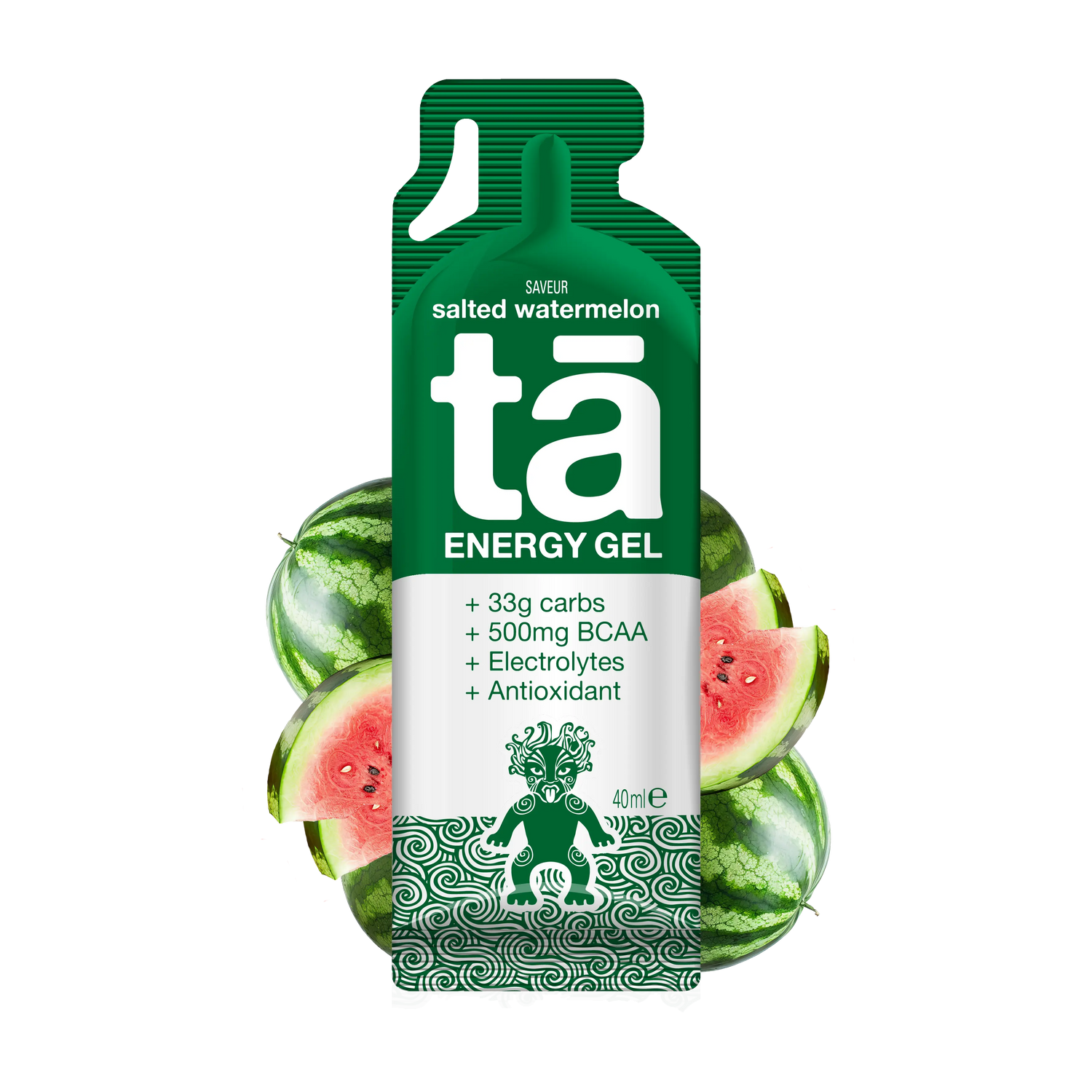
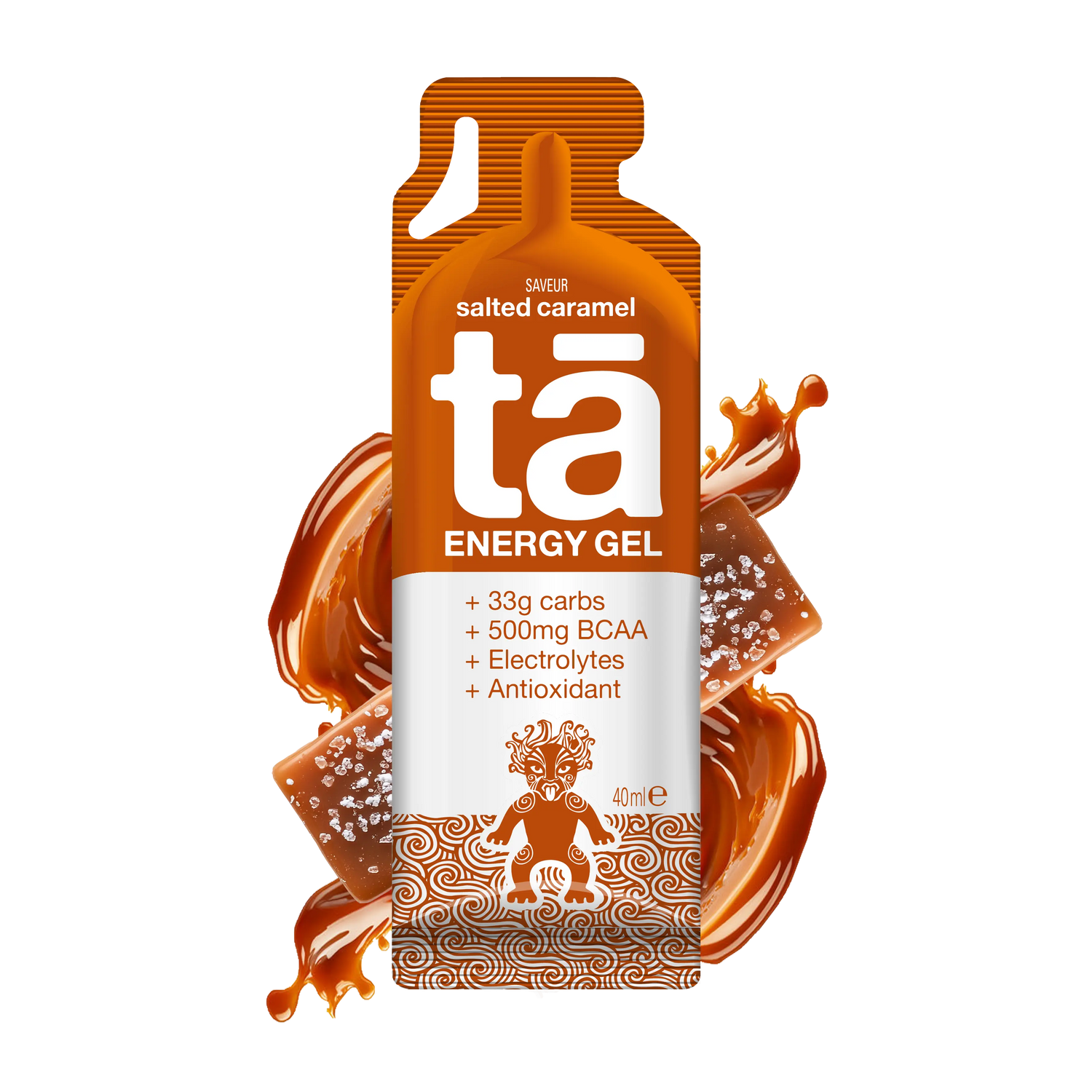
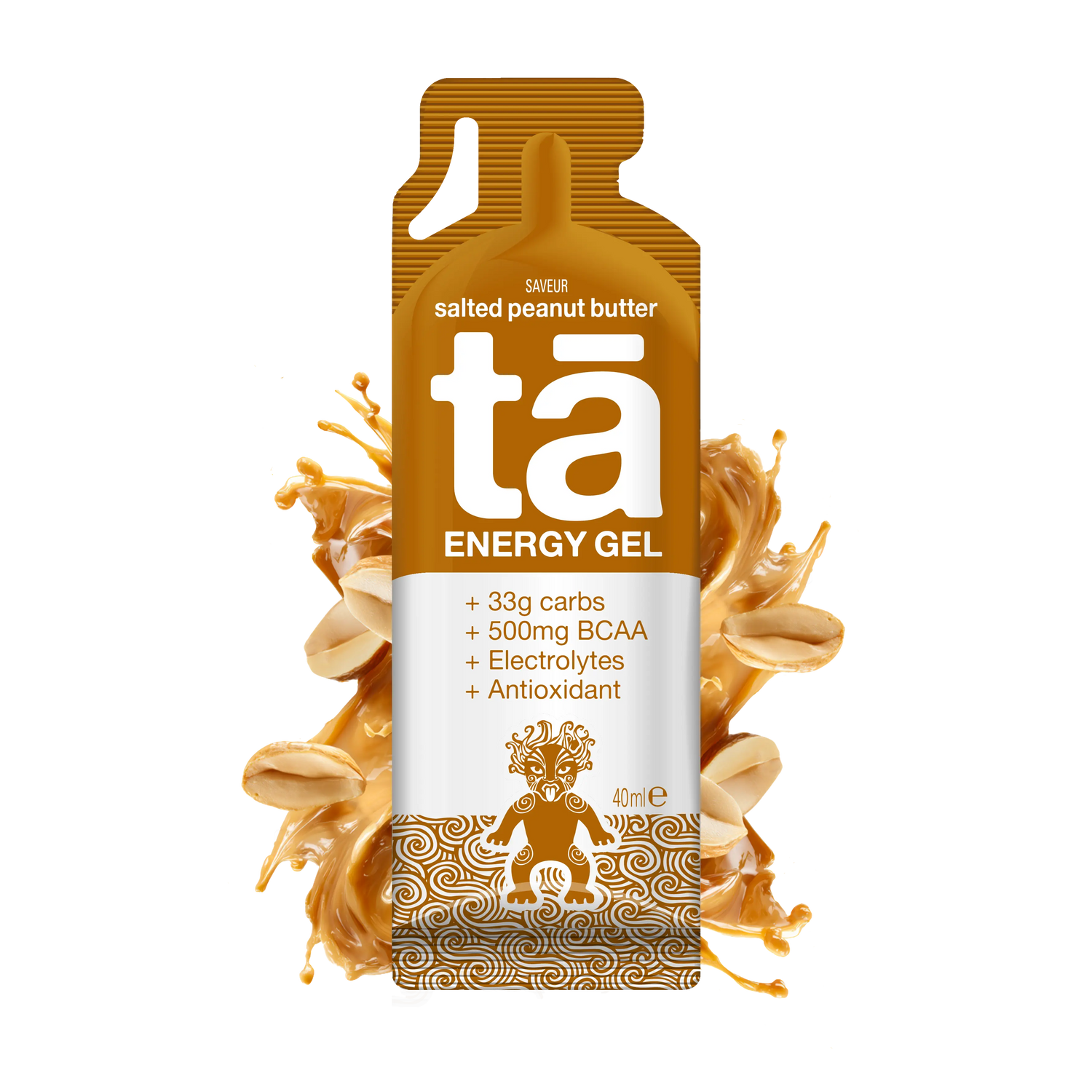
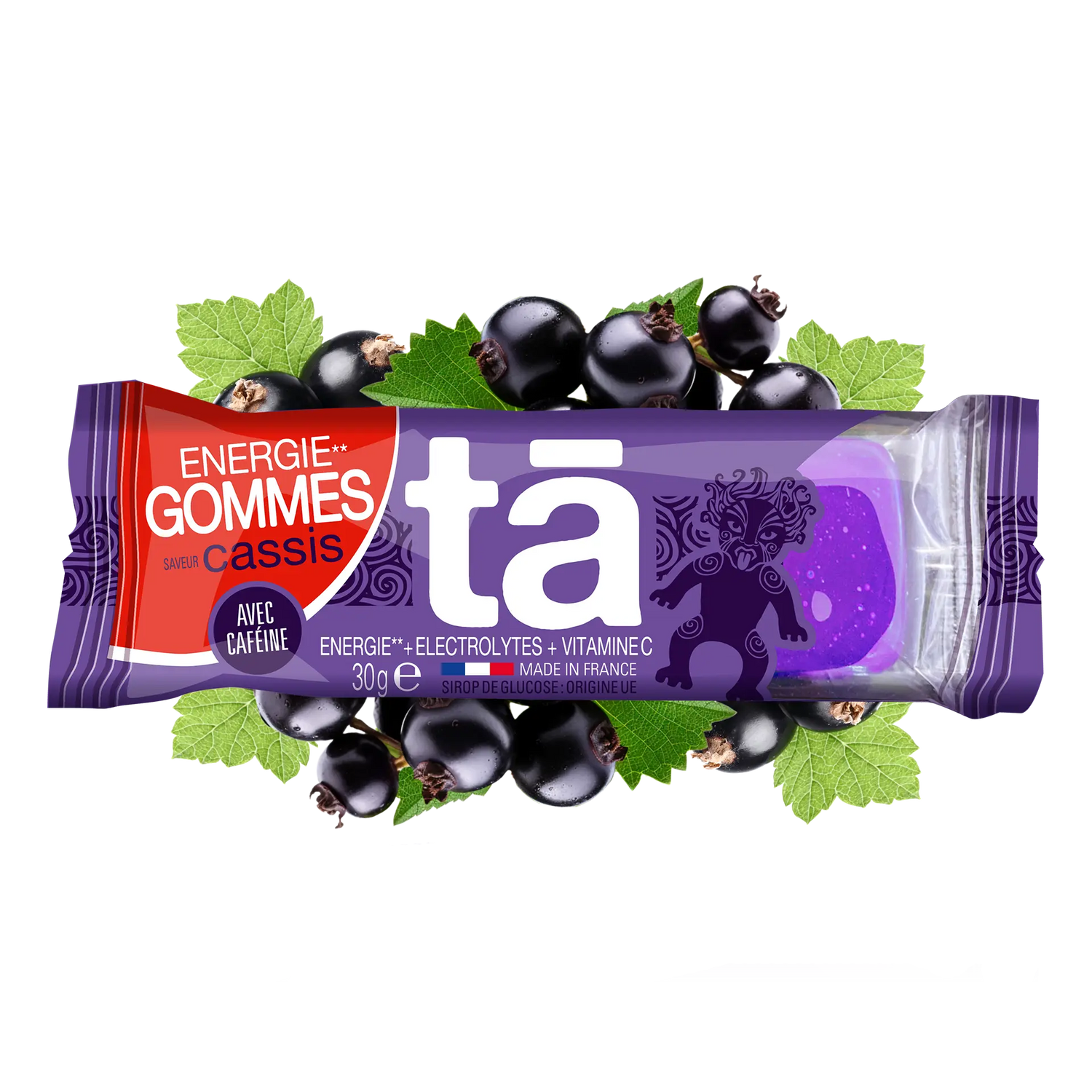
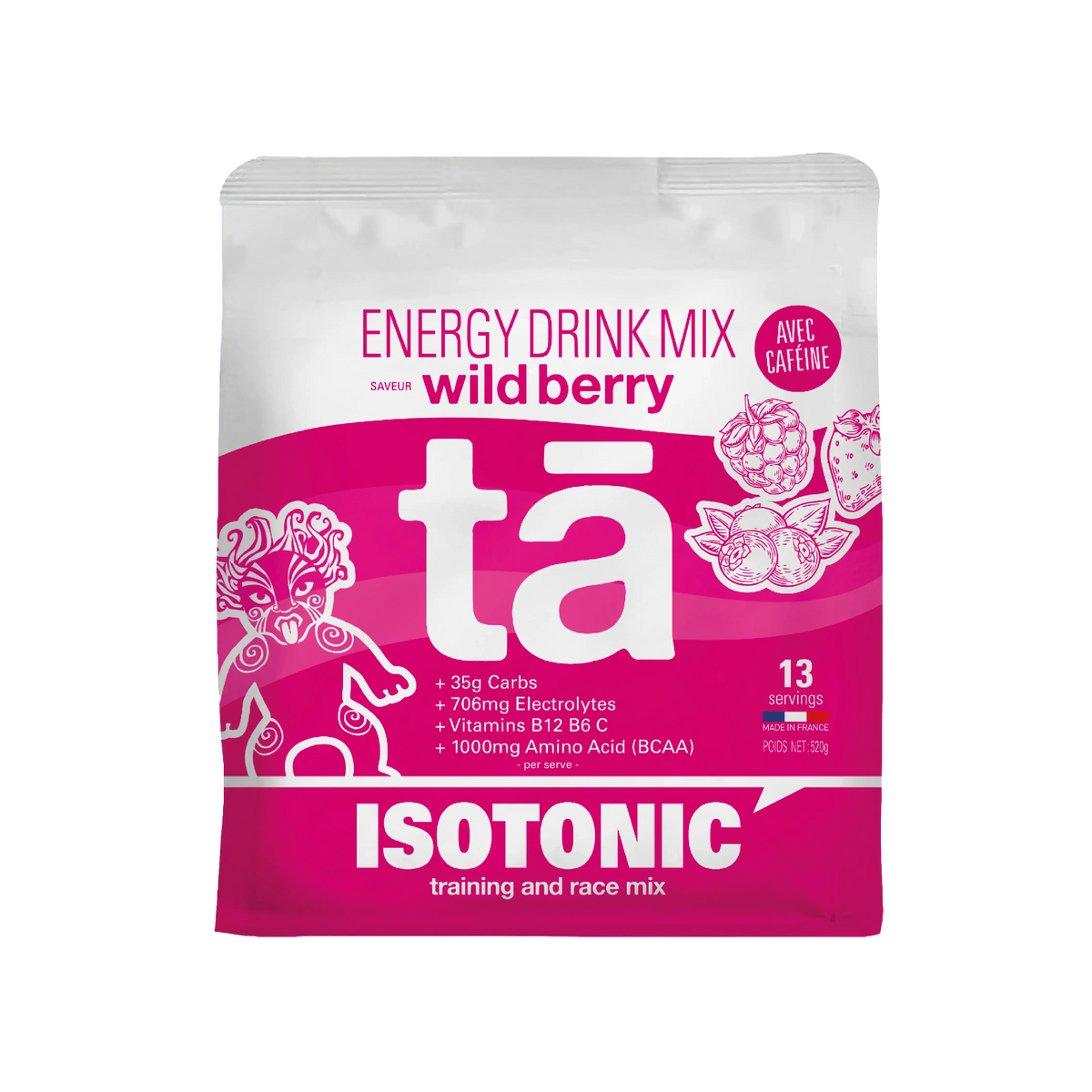
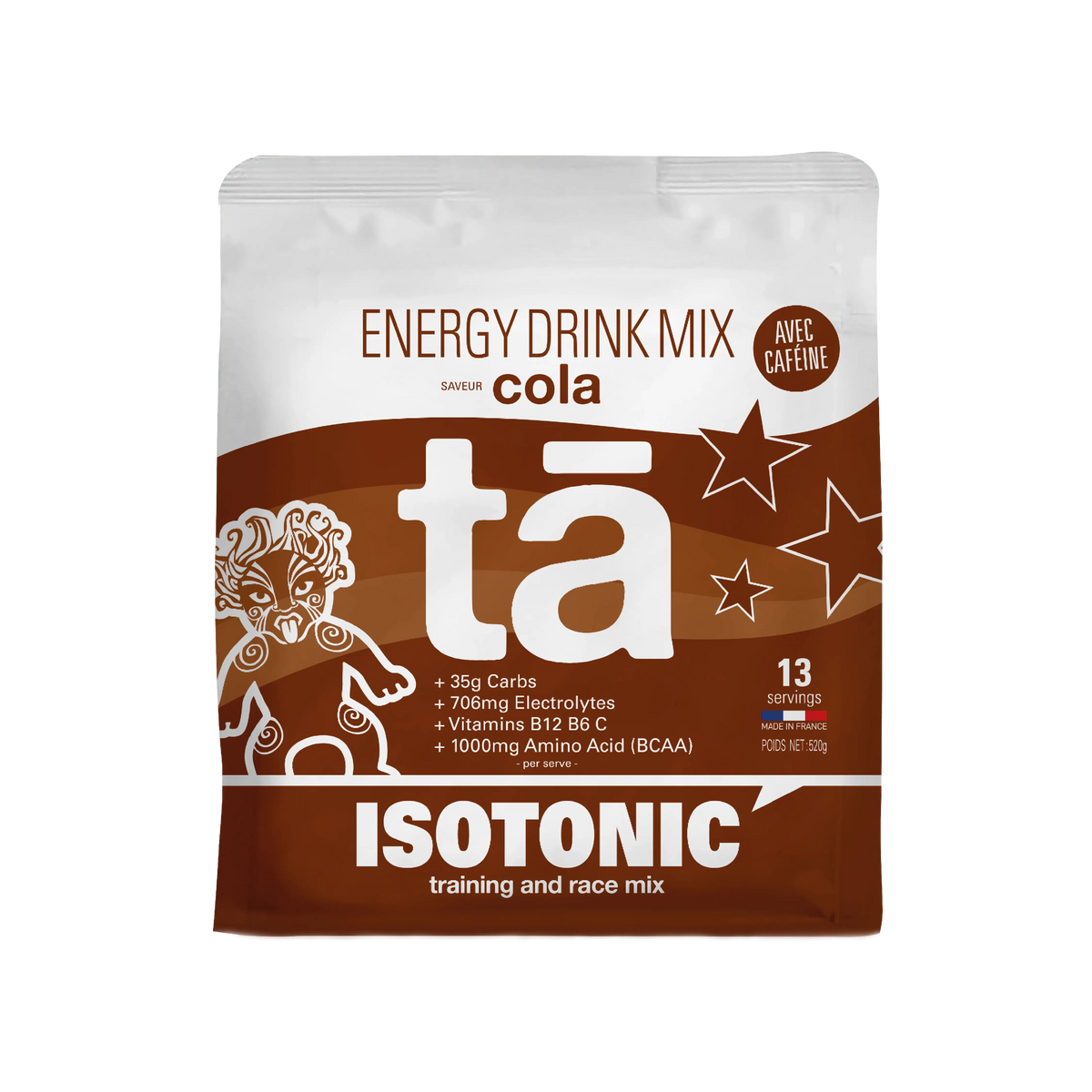
The Tā Energy pre-race protocol

To get through your taper week with peace of mind, here is the ideal product strategy:

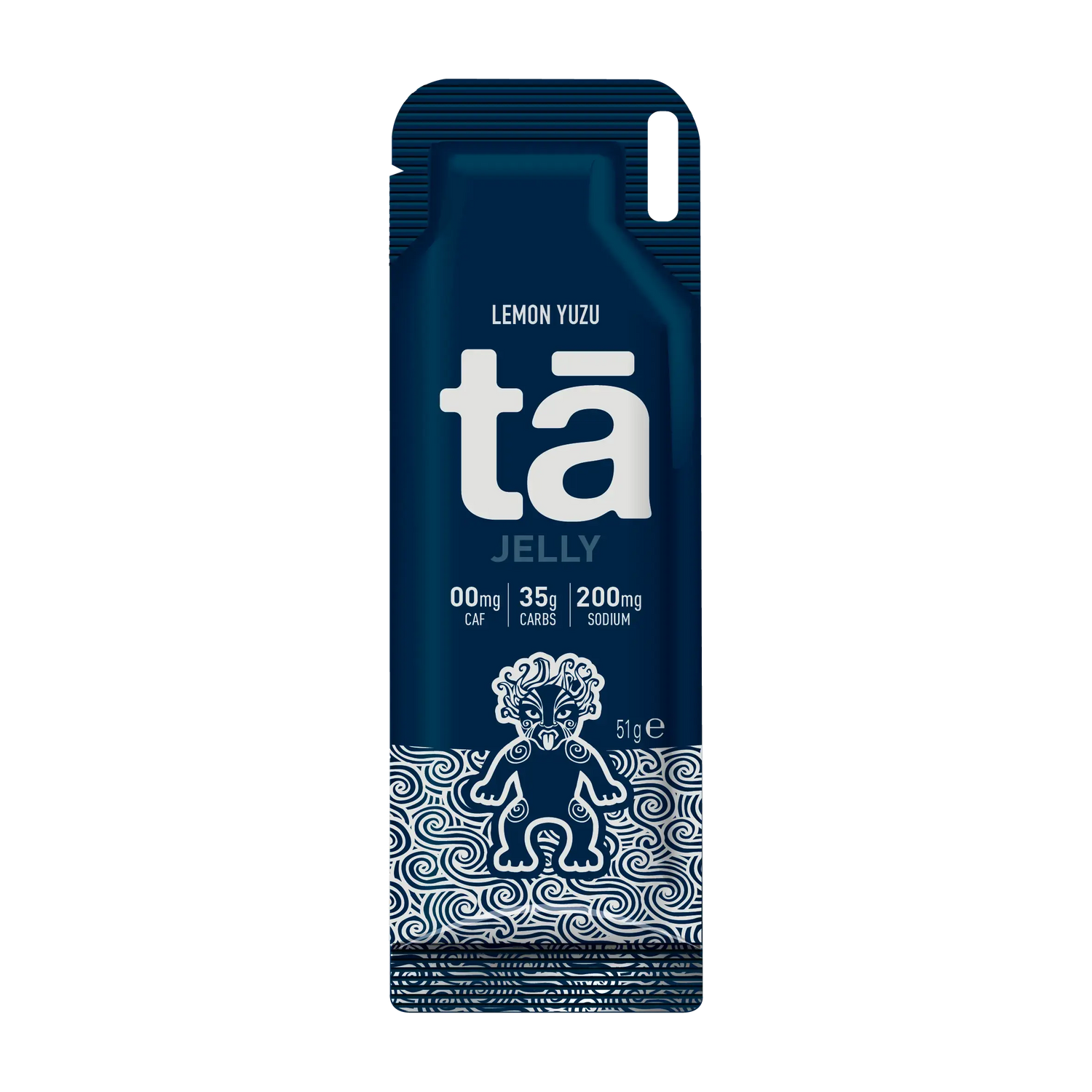
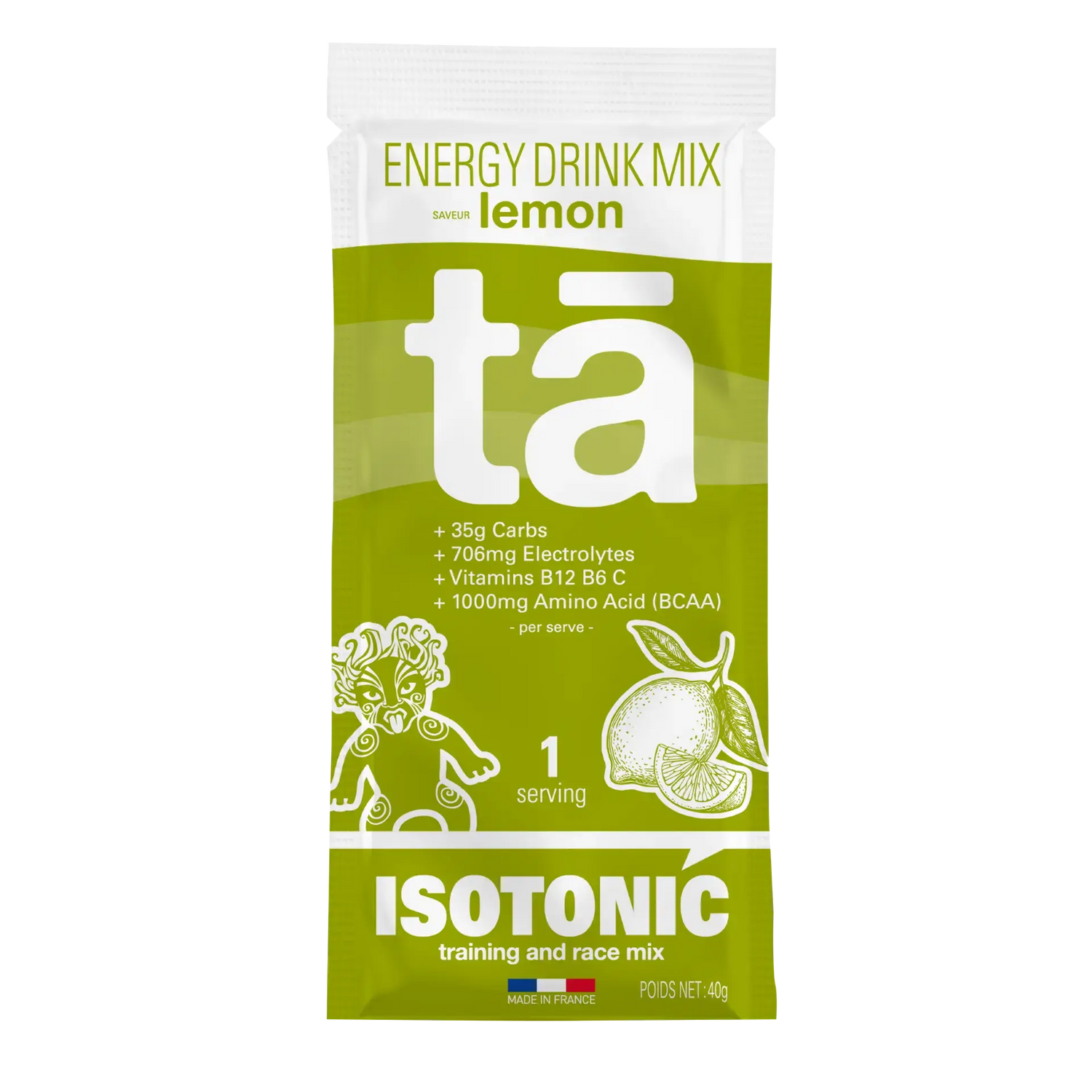
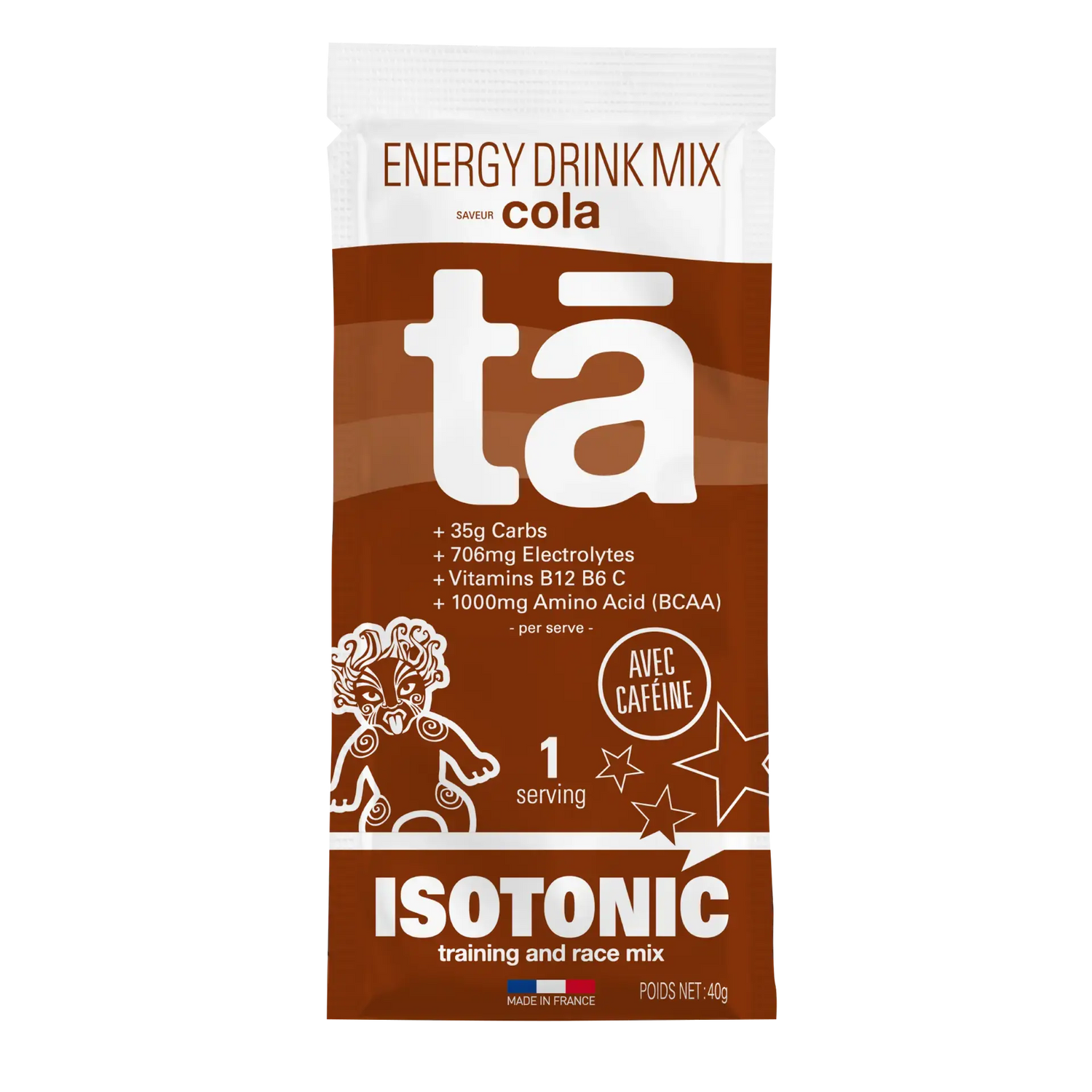
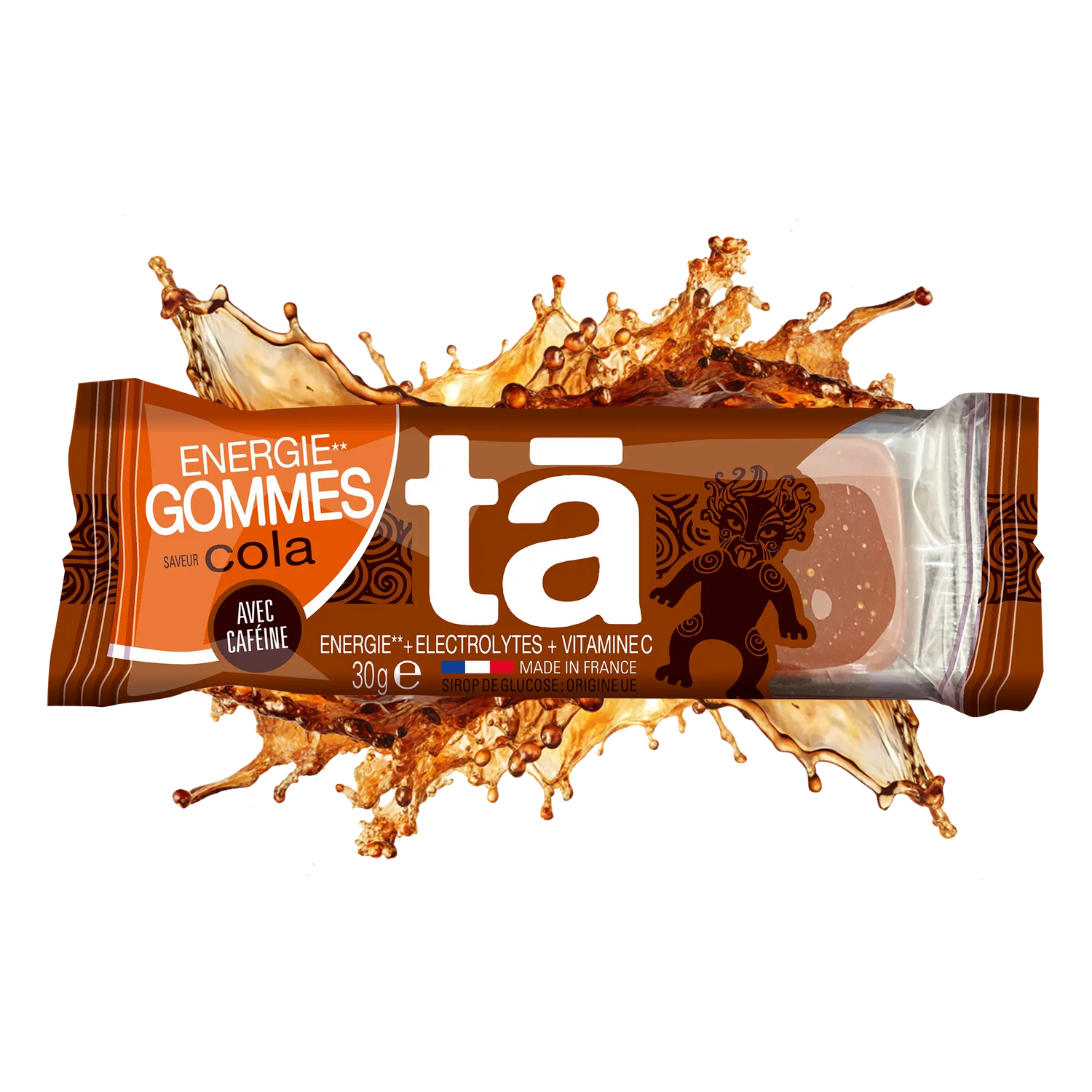
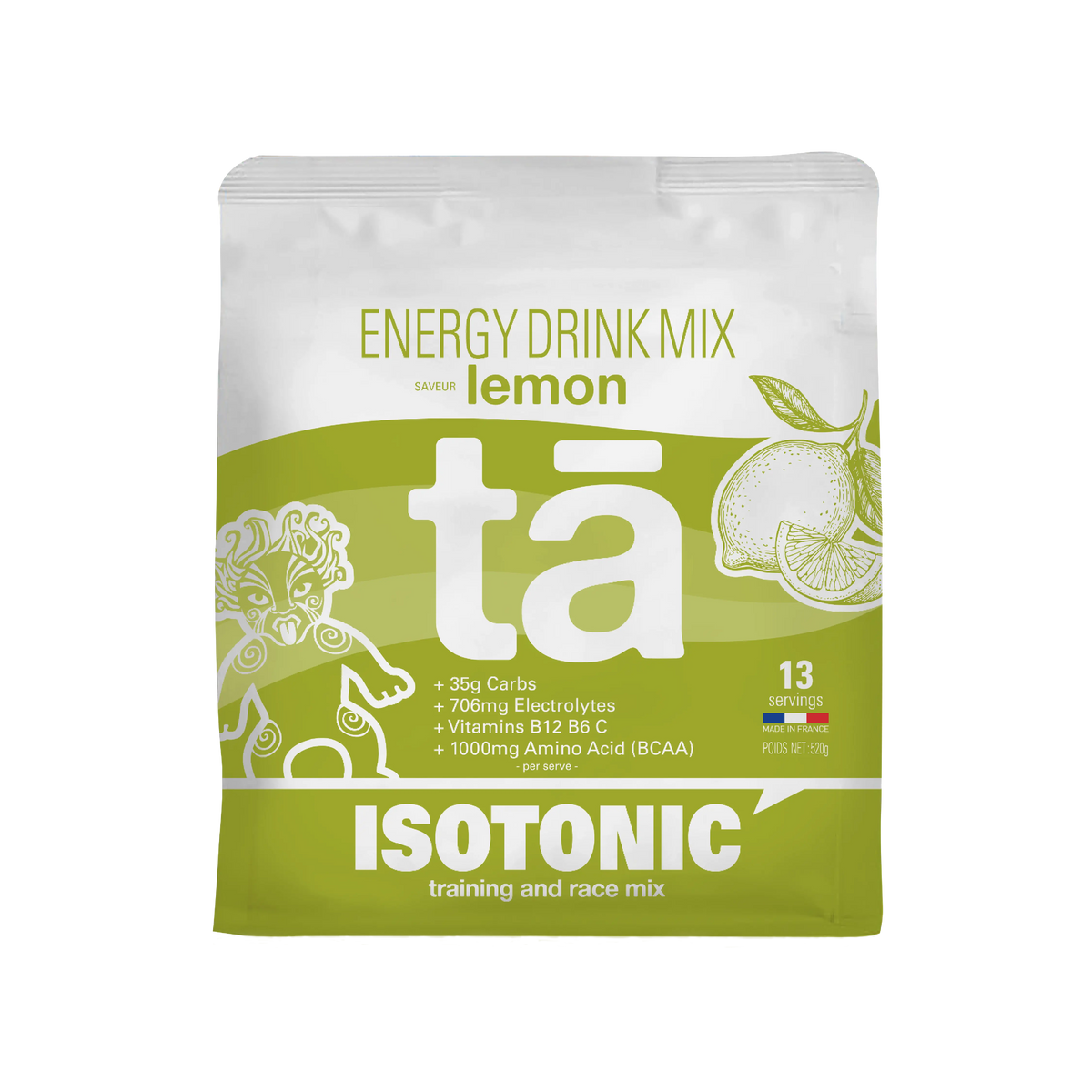
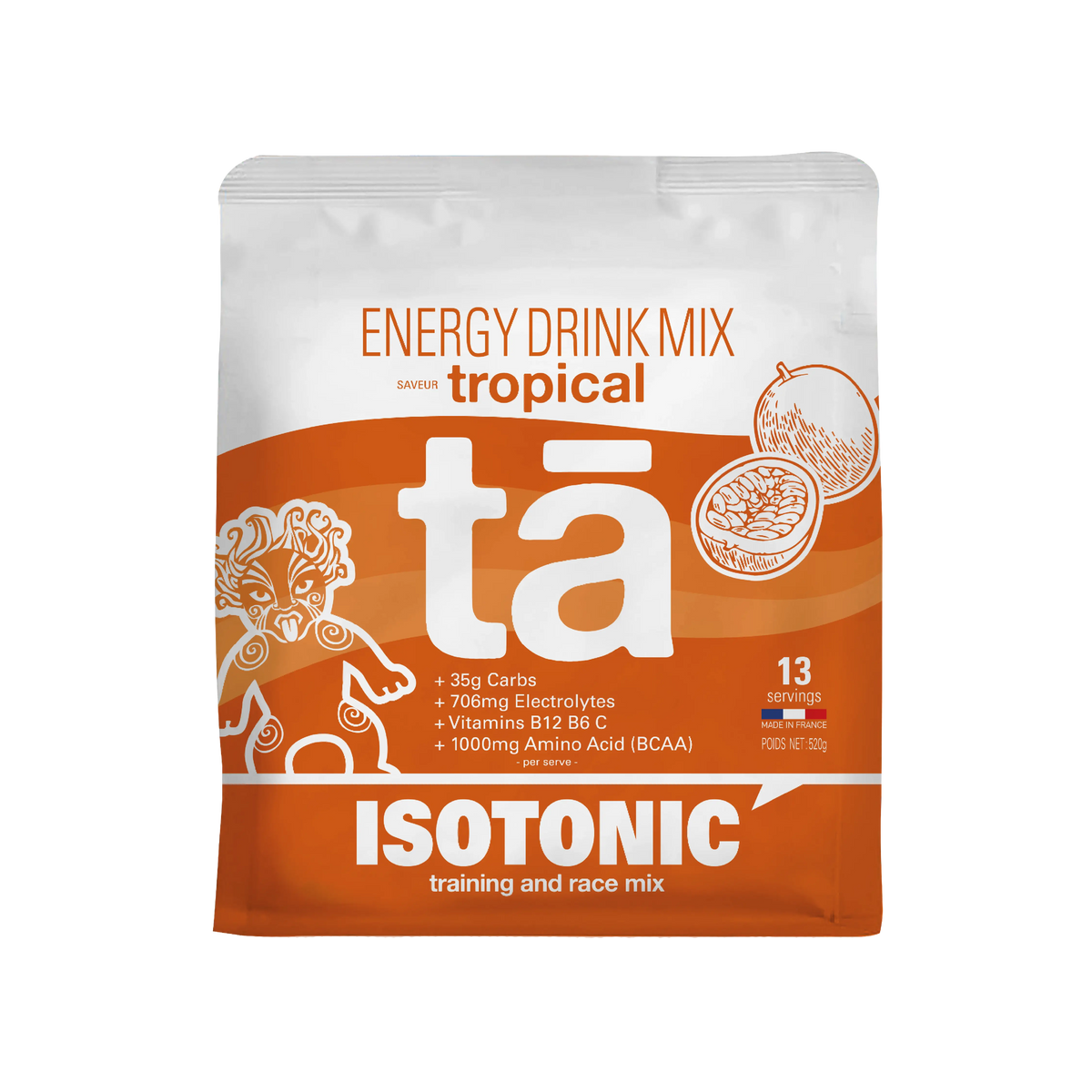
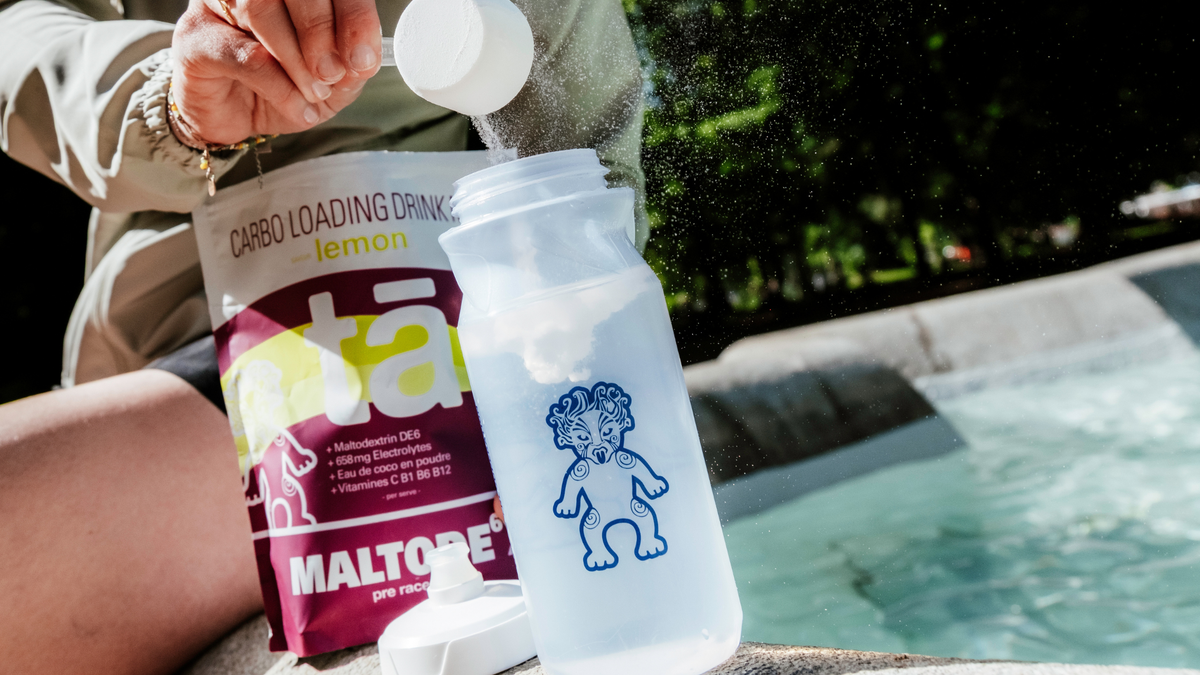
• Maltodextrin (D-3 to D-1): Makes it easy to reach

10--12 g/kg/day of carbohydrates without increasing the volume of your meals (I).

• The Last Meal (H-3 to H-2): Keep a digestible meal with a maximum limit

of 75 g of simple to moderate carbohydrates (I, III). Avoid last-minute carbohydrate loading

in the 60-30 minutes before the start to prevent

reactive hypoglycemia (I, III).

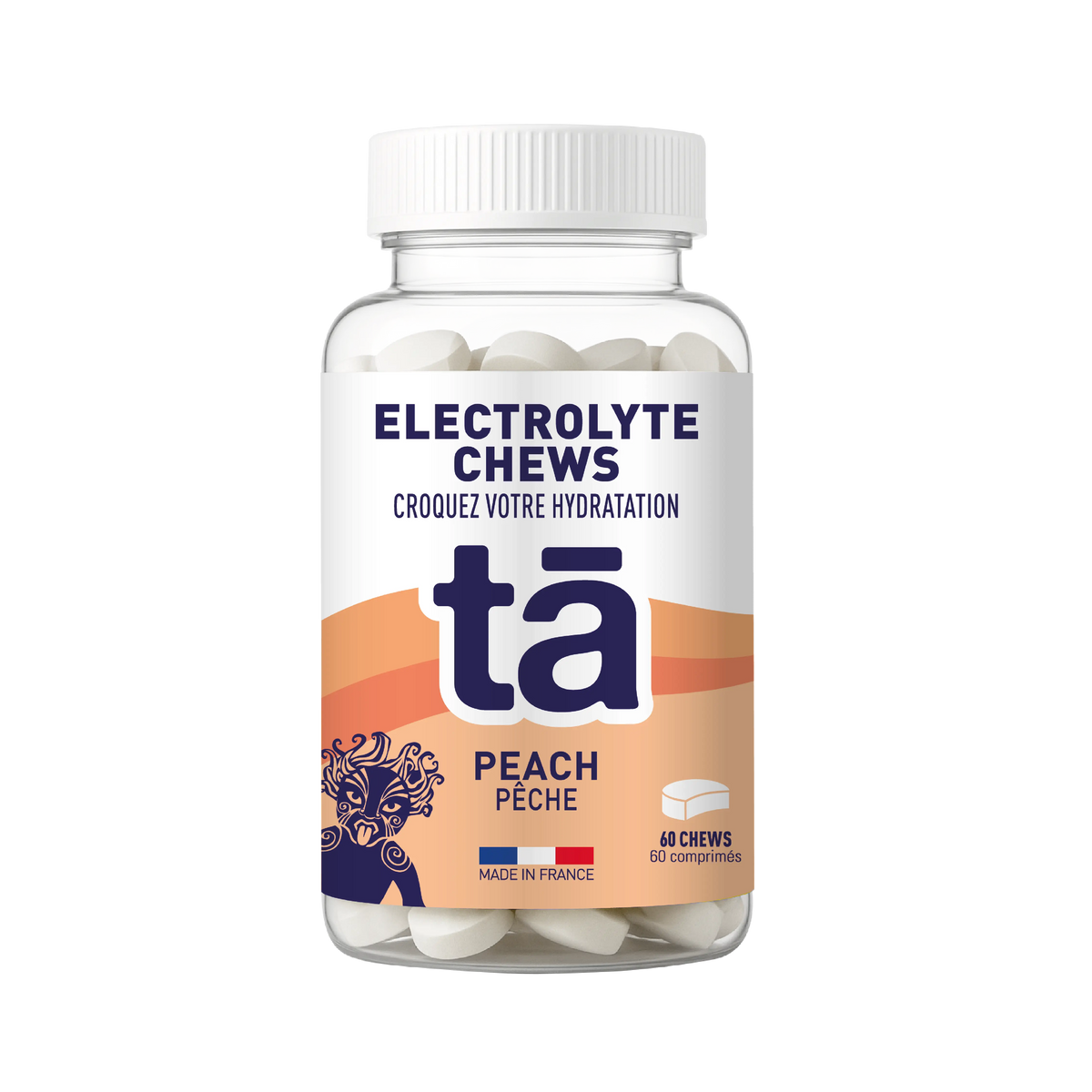
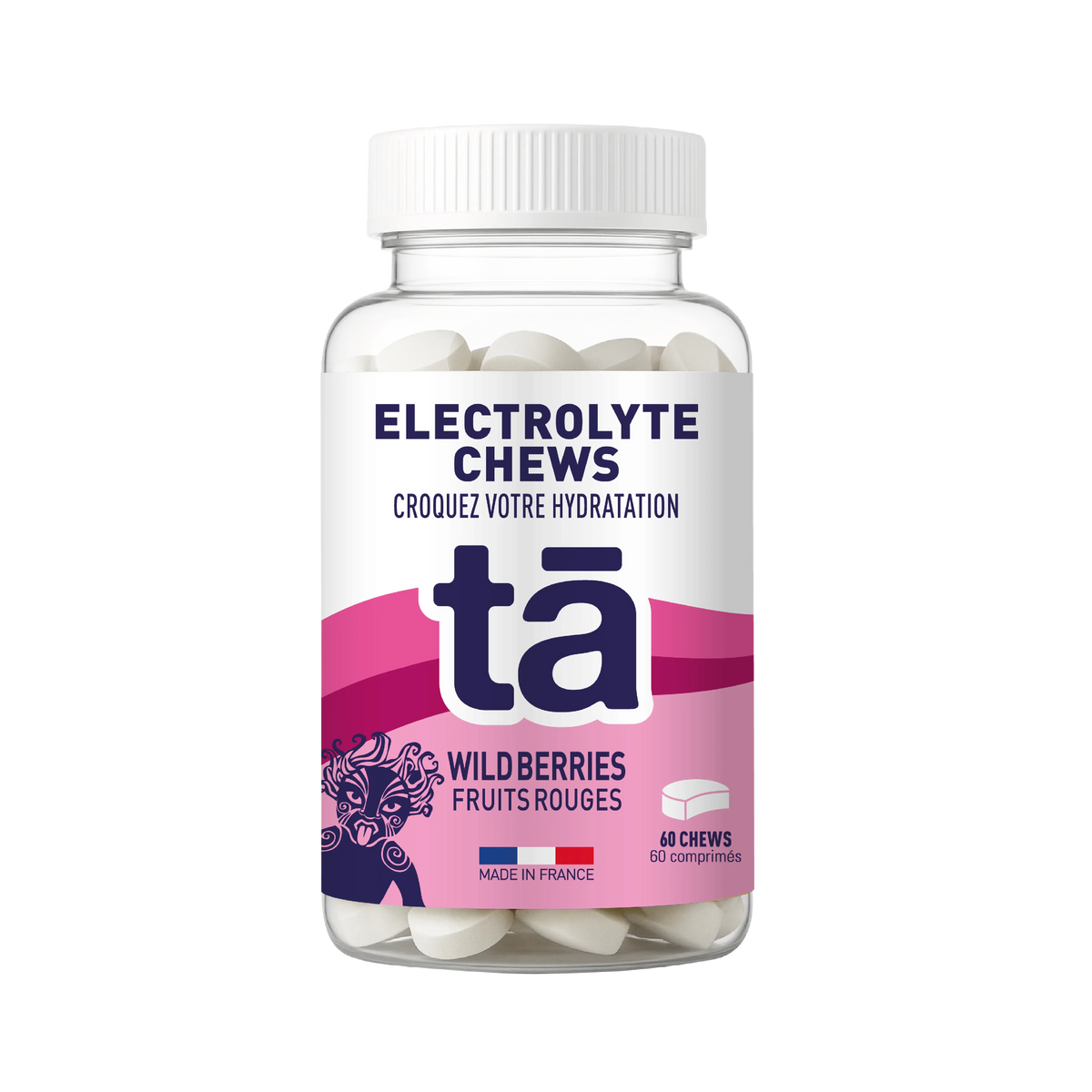
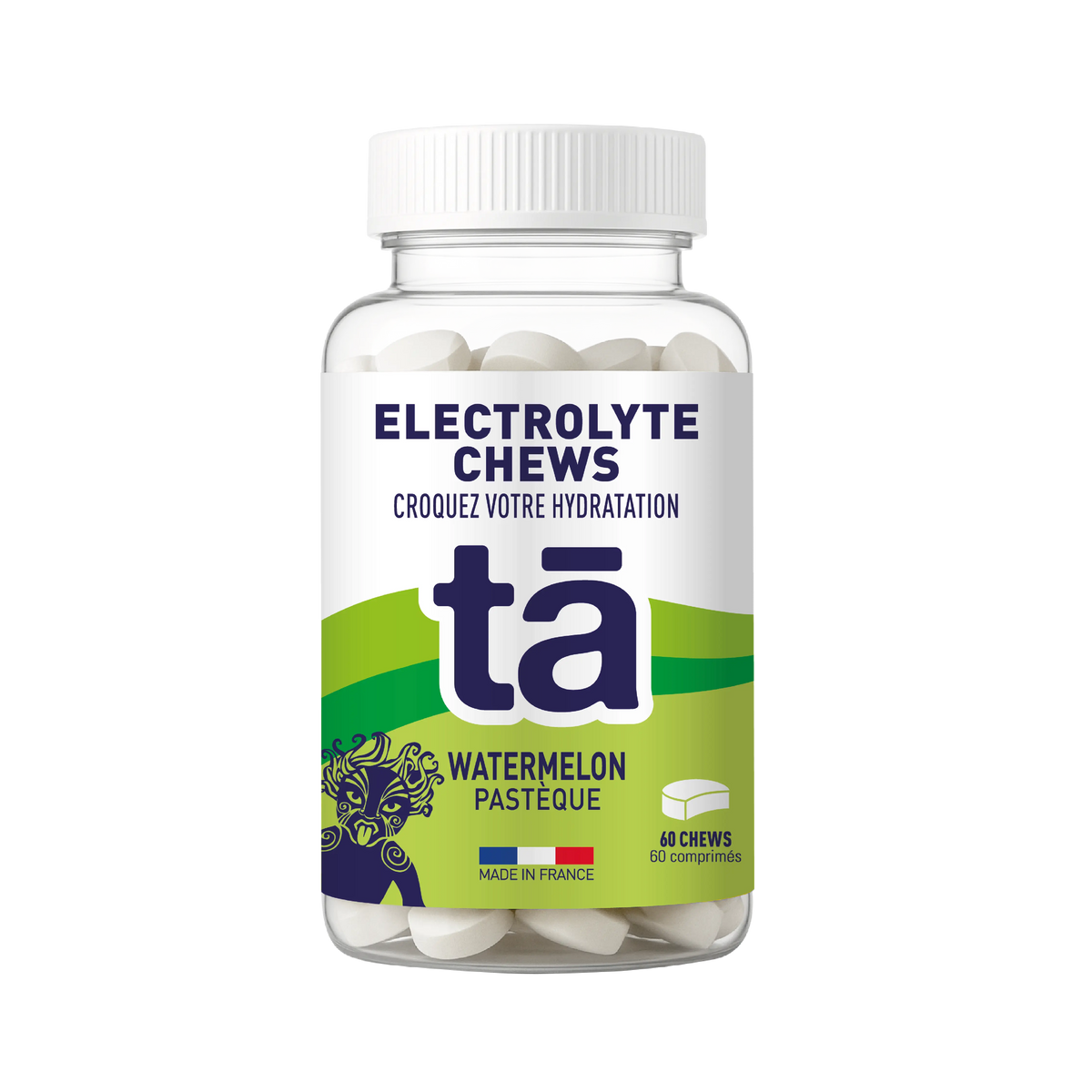
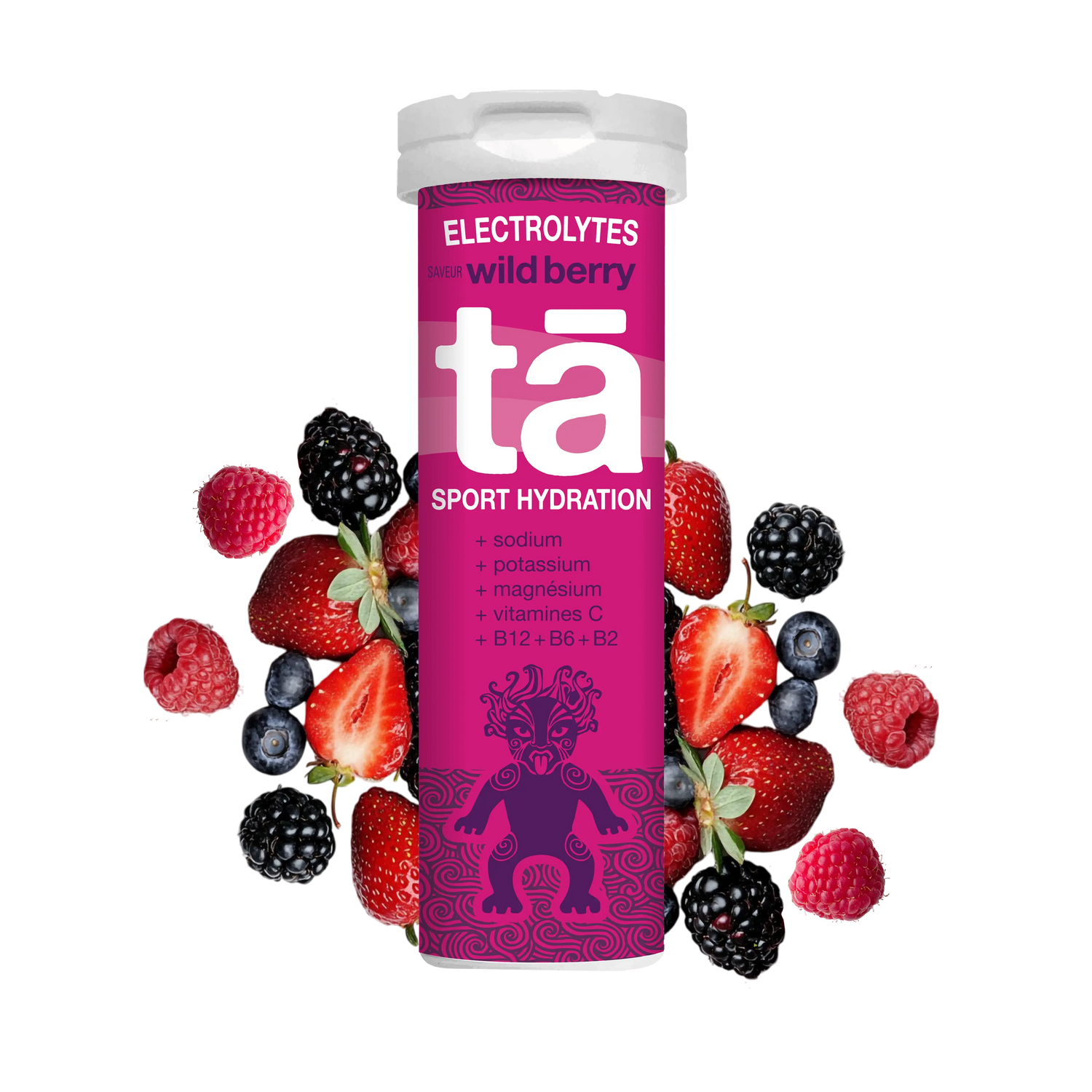
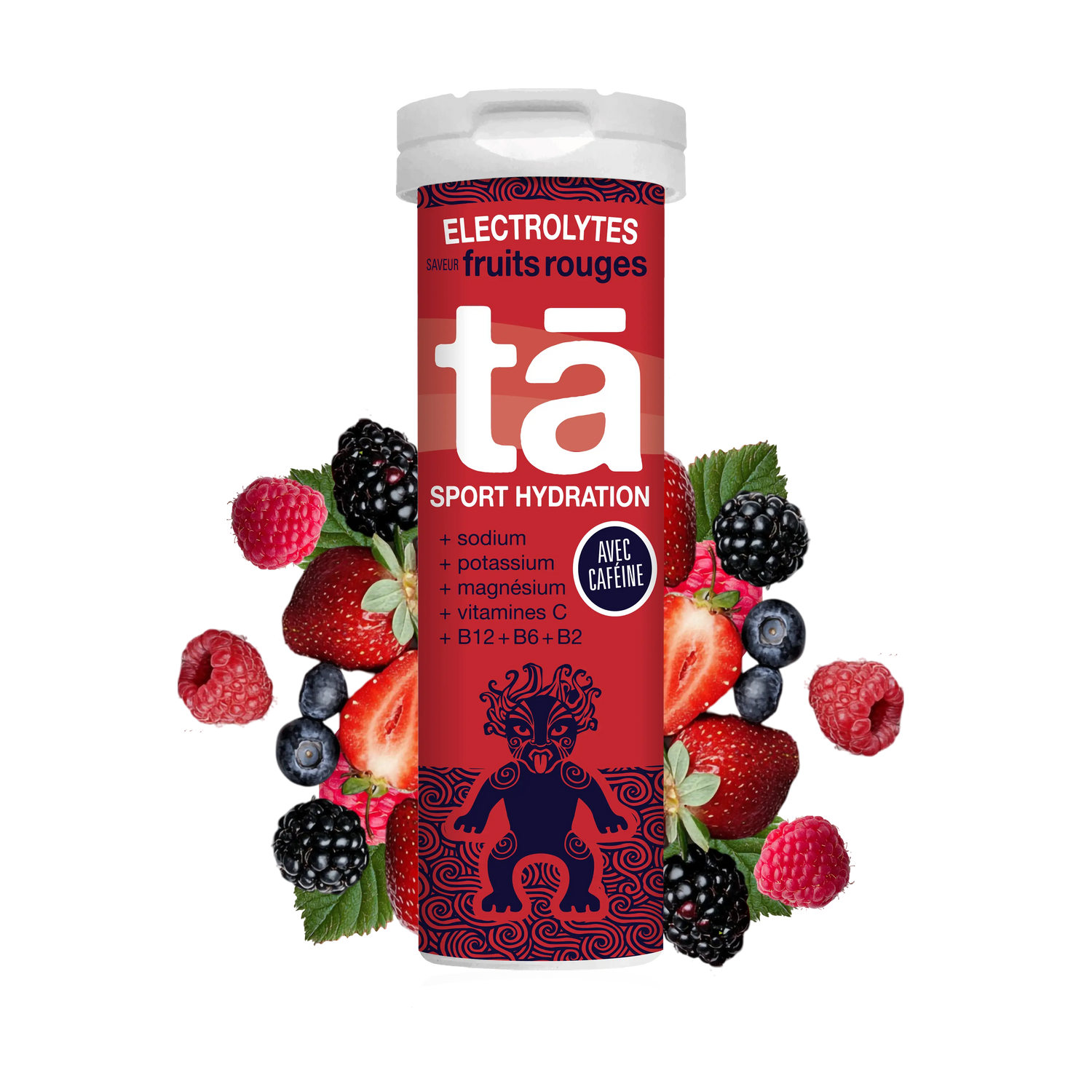
• Electrolyte Tablets: Ensure the sodium/potassium balance needed

to optimize cellular water retention throughout your reloading.

IN CONCLUSION

Conclusion: Start with full tanks

Starting an endurance event with saturated glycogen stores and a settled digestive system ensures that you can express 100% of your physical potential (I, II). By applying this modern protocol, focused on a 36- to 48-hour reloading period, the strategic use of maltodextrin, and a temporary reduction in fiber, you transform the final days of waiting into a powerful springboard toward your finish line (I, IX).


SOURCES

Scientific Bibliography & References

• (I) Cao, W., He, Y., Fu, R., Chen, Y., Yu, J., & He, Z. (2025). A review of carbohydrate

supplementation approaches and strategies for optimizing performance in elite

long-distance endurance. Nutrients, 17(5), 918.

https://doi.org/10.3390/nu17050918

• (II) Jones, R. O., Areta, J., Bennett, S., Pugh, J. N., & Louis, J. B. (2026). Dose

response of dietary carbohydrate intake on skeletal muscle glycogen,

gastrointestinal comfort and body composition in endurance-trained individuals

in simulated preparation for competition. Scandinavian Journal of Medicine &

Science in Sports, 36(1), e70312. https://doi.org/10.1111/sms.70312

• (III) Podlogar, T., & Wallis, G. (2022). New horizons in carbohydrate research and

application for endurance athletes. Sports Medicine, 52(1), 5–23.

https://doi.org/10.1007/s40279-022-01757-1

• (IV) King, A., Etxebarria, N., Ross, M. L. R., Garvican-Lewis, L., Heikura, I., McKay,

A. K. A., Tee, N., Forbes, S. F., Beard, N., Saunders, P., Sharma, A. P., Gaskell, S.,

Costa, R. J. S., & Burke, L. (2022). Short-term very high carbohydrate diet and gut

training have minor effects on gastrointestinal status and performance in highly

trained endurance athletes. Nutrients, 14(9), 1929.

https://doi.org/10.3390/nu14091929

• (V) Solem, K., Clauss, M., & Jensen, J. (2025). Glycogen supercompensation in

skeletal muscle after cycling or running followed by a high carbohydrate intake

the following days: a systematic review and meta-analysis. Frontiers in

Physiology, 16, 1620943. https://doi.org/10.3389/fphys.2025.1620943

• (VI) Goforth, H., Arnall, D., Bennett, B., Law, P. G., & Pratt, N. (1997). Persistence

of supercompensated muscle glycogen in trained subjects after carbohydrate

loading. Journal of Applied Physiology, 82(1), 342–347.

https://doi.org/10.1152/jappl.1997.82.1.342

• (VII) Miyashita, M., Hamada, Y., Fujihira, K., Namura, S., Sakazaki, M., Miyasaka,

K., & Nagai, Y. (2019). The effects of isomaltulose ingestion on gastric parameters

and cycling performance in young men. Journal of Exercise Science and Fitness,

17(3), 101–107. https://doi.org/10.1016/j.jesf.2019.06.001

• (VIII) Montero-Carrasco, K., Arias-Téllez, M. J., & Soto-Sánchez, J. (2024). Use of

carbohydrate (CHO), gluten-free, and FODMAP-free diets to prevent

gastrointestinal symptoms in endurance athletes: A systematic review. Nutrients,

16(22), 3852. https://doi.org/10.3390/nu16223852[cite: 1, 2]

• (IX) Scrivin, R., Slater, G., Mika, A., Rauch, C., Young, P., Martinez, I. G., & Costa,

R. J. S. (2024). The impact of 48-h high carbohydrate diets with high and low

FODMAP content on gastrointestinal status and symptoms in response to

endurance exercise, and subsequent endurance performance. Applied

Physiology, Nutrition, and Metabolism, 49. https://doi.org/10.1139/apnm-2023

0508