Overheating Alert: What Happens in Your Body (and Your Water Bottles) in the Heat

Overheating Alert: What Happens in Your Body (and Your Water Bottles) in the Heat

INTRODUCTION

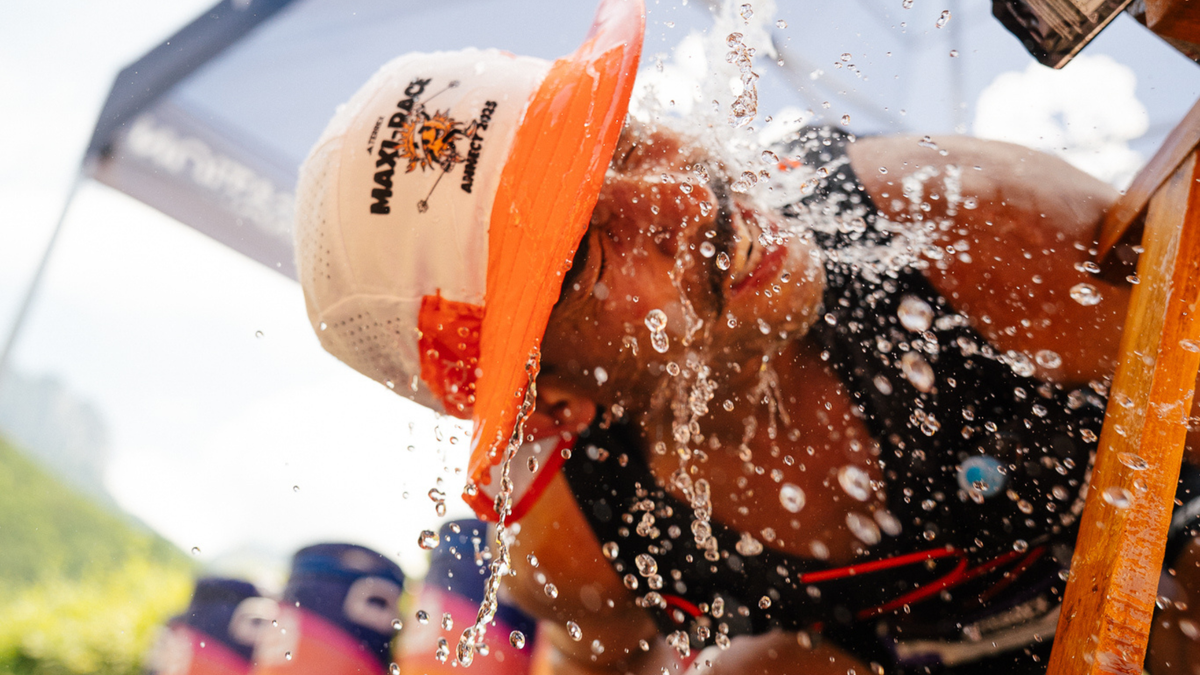
Exercise in extreme heat places a major thermal burden on the body. As the temperature rises, managing your core temperature becomes the limiting factor for performance, whether cycling, trail running, or road running. (1) Here’s how your body responds and how to precisely adapt your hydration and nutrition strategies. 


The physiology of regulation: Sweating and blood flow diversion

To maintain its core temperature at around 37°C, the body uses two mechanisms: sweating and cutaneous vasodilation.

To dissipate heat, the cardiovascular system redirects a large proportion of blood flow to the skin, at the expense of other functions:


• At the muscular level: With less oxygen and nutrients reaching them, the muscles fatigue more quickly.

• At the cerebral level: The relative reduction in blood flow impairs alertness and slows decision-making, increasing the risk of technical errors (a descent from a mountain pass, a

trail).


The vicious cycle of dehydration 

The loss of water and electrolytes through sweat reduces plasma volume (blood volume decreases). To maintain sufficient blood flow, the heart increases its heart rate. This cardiac drift increases cardiovascular effort and accelerates exhaustion.

The critical threshold: Dehydration exceeding 5% of body weight causes marked cognitive impairment and exposes the athlete to heatstroke, a serious medical emergency. 

The impact on digestion and energy needs

Heat directly impairs digestive function. As blood is redirected to the body's periphery, the gastrointestinal system receives less blood flow, slowing gastric emptying and reducing the intestine's absorption capacity.

Yet energy metabolism speeds up: the body uses more carbohydrates to sustain effort while managing thermoregulation.

• Carbohydrate intake: Aim for 30g to 60g of carbohydrates per hour for sessions lasting around

1h30, and up to 90g per hour once exercise exceeds 2 to 3 hours. (2)

• Digestive tolerance: Choose liquid or semi-liquid forms (isotonic drinks, gels), which are far better tolerated than solid food by a slowed digestive system.

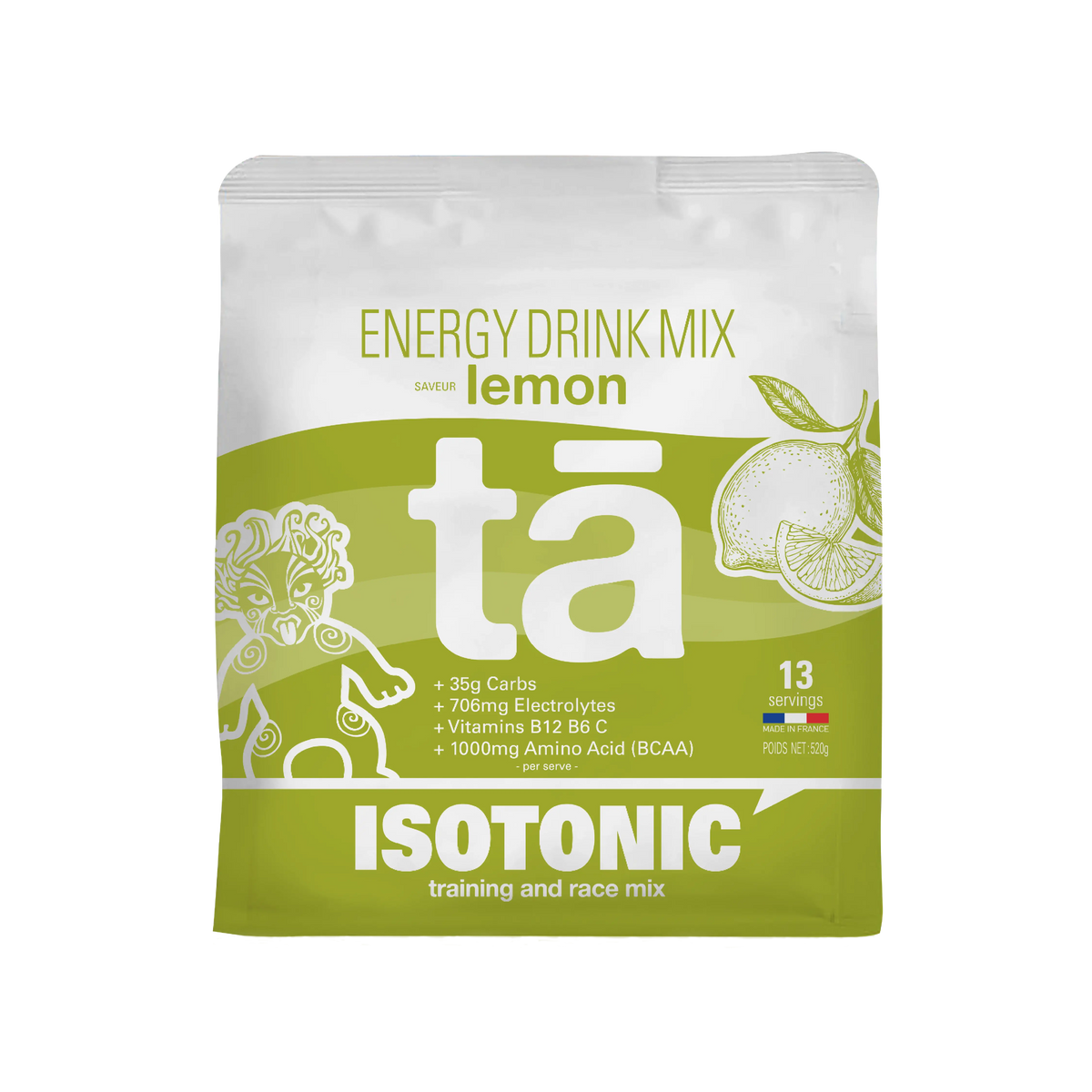
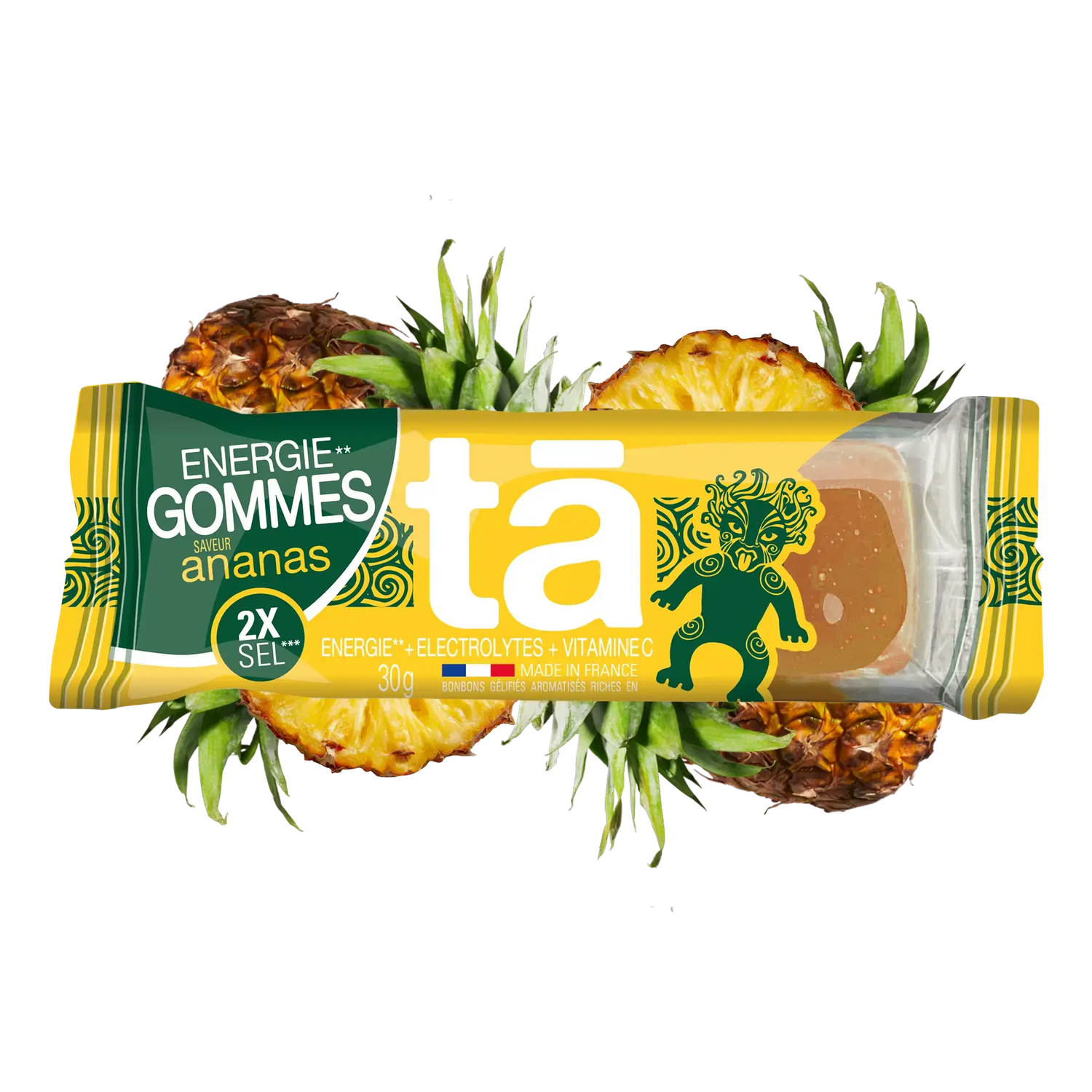
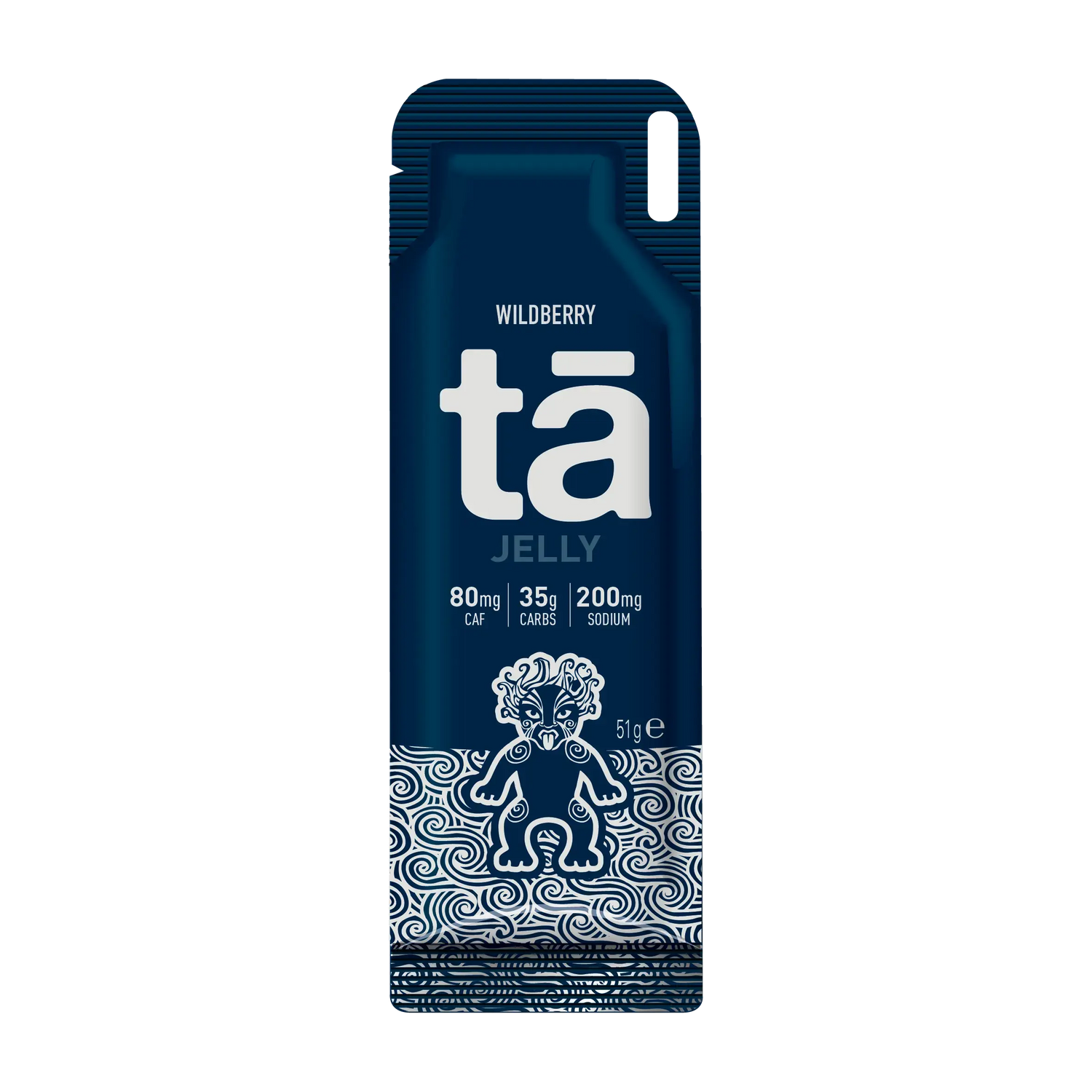
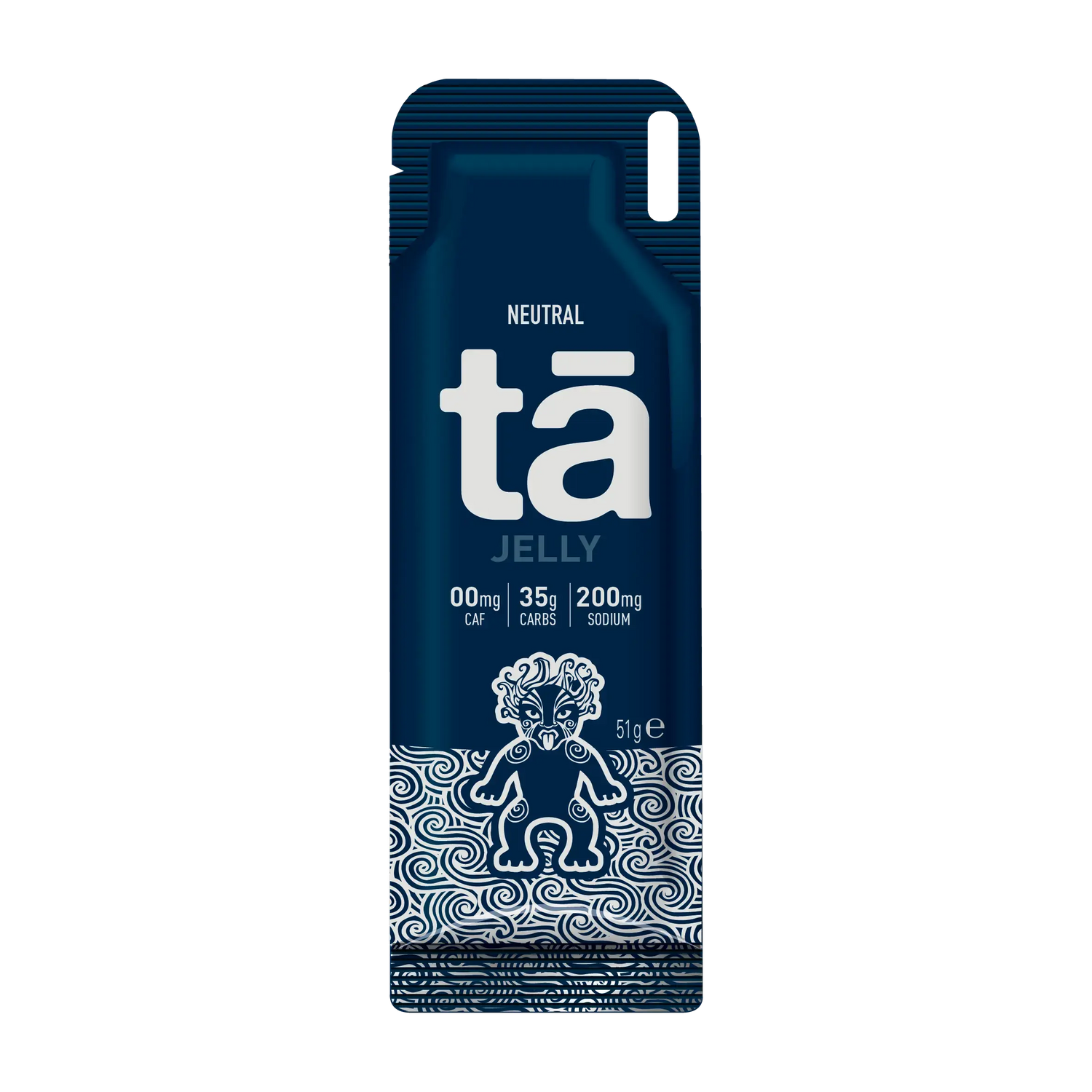
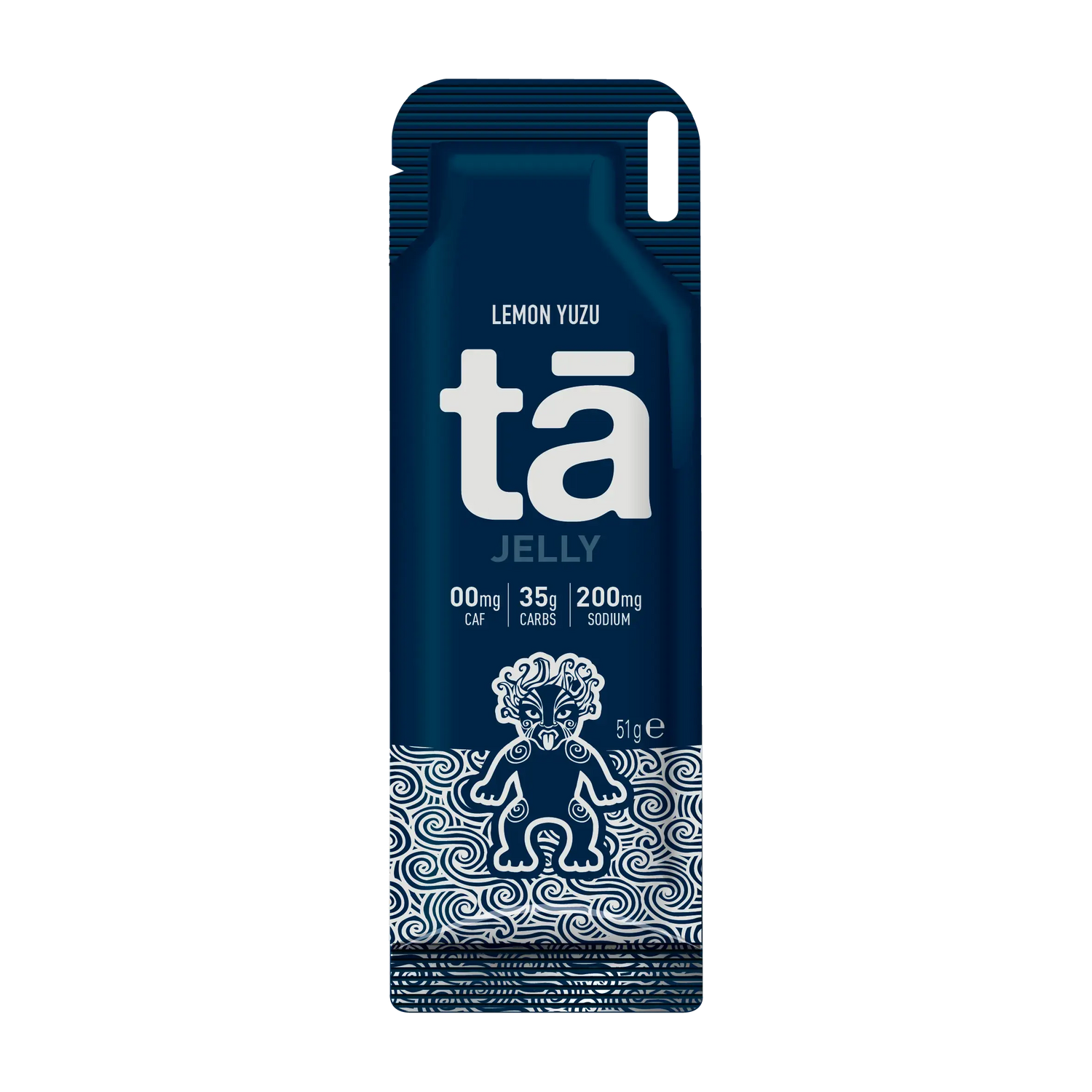
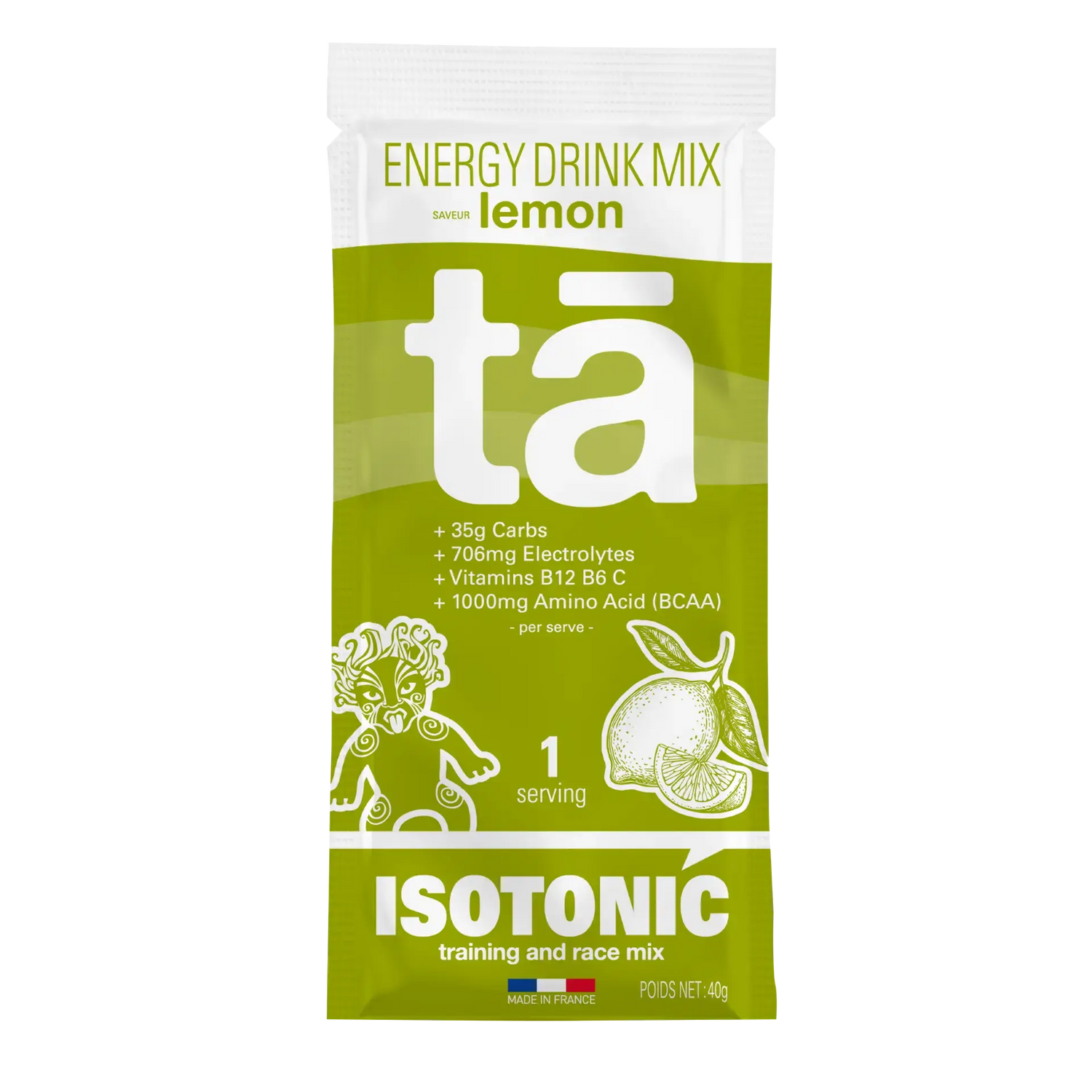
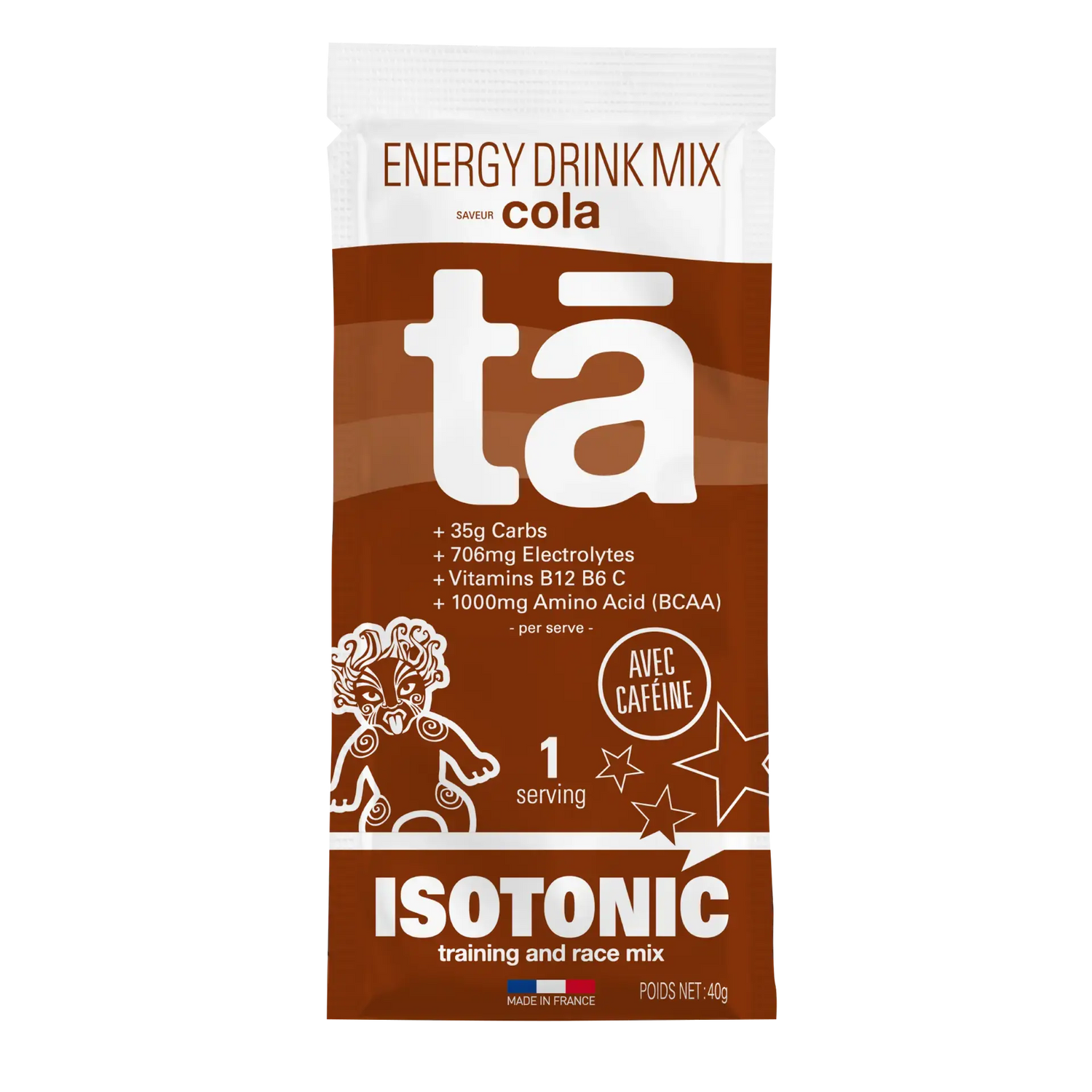
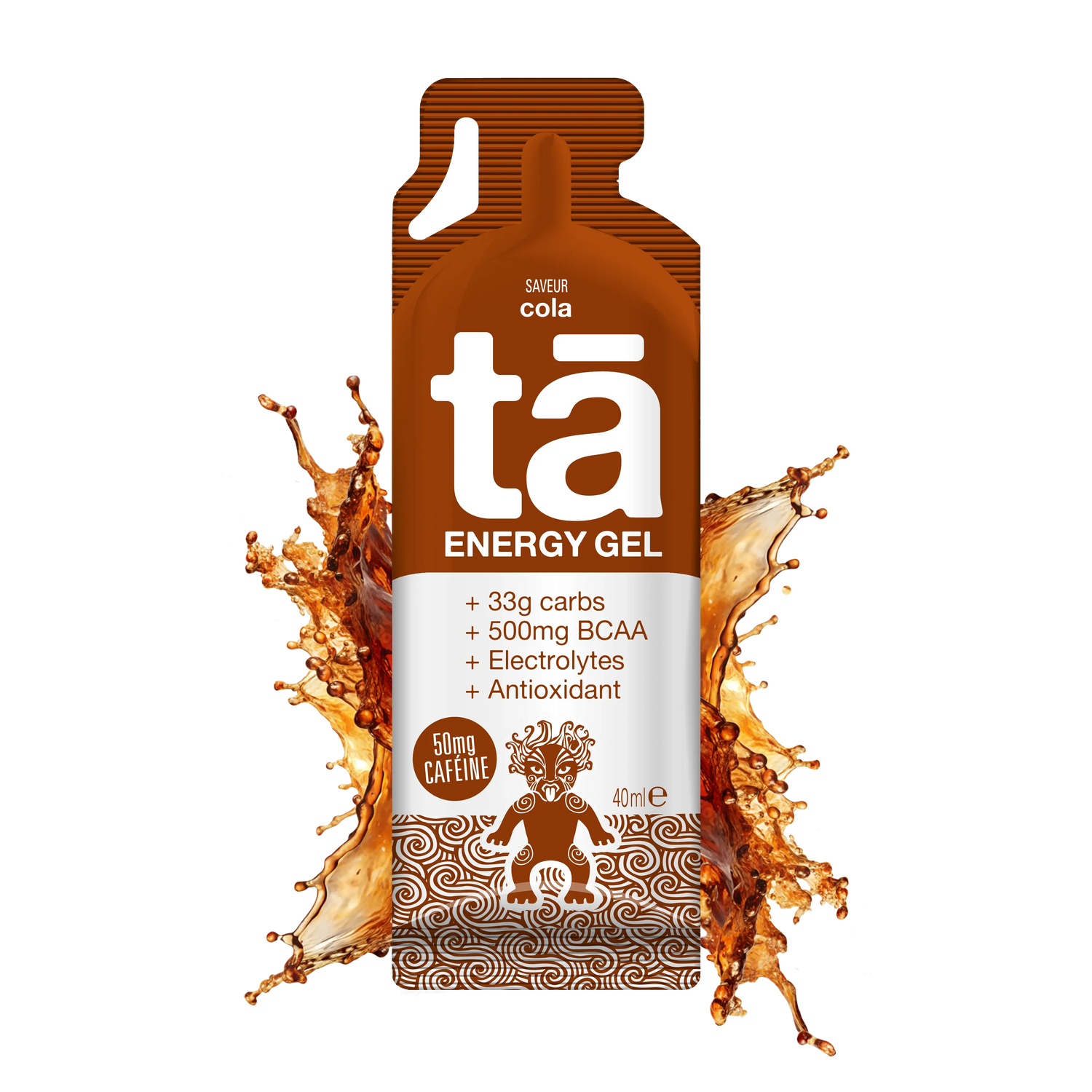
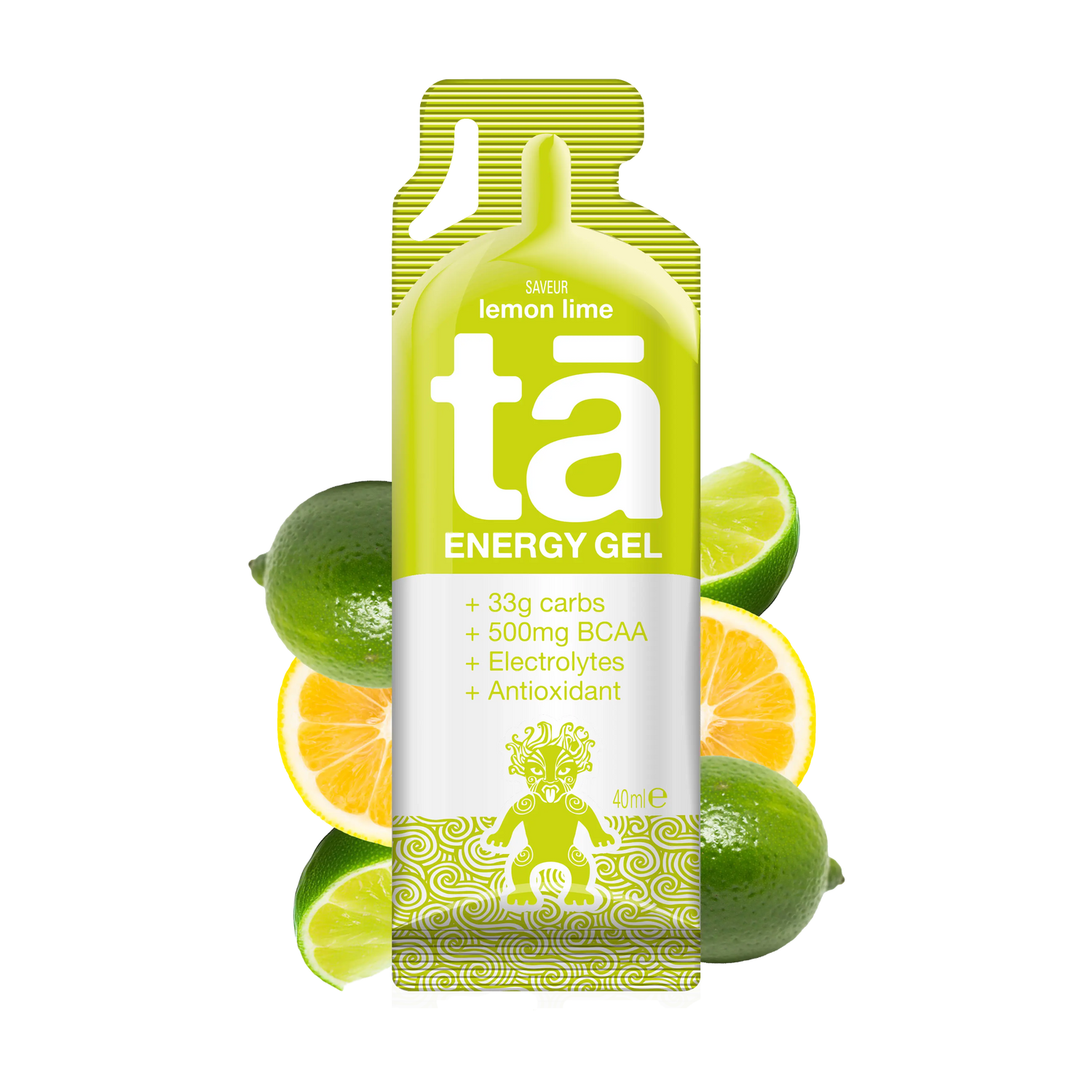
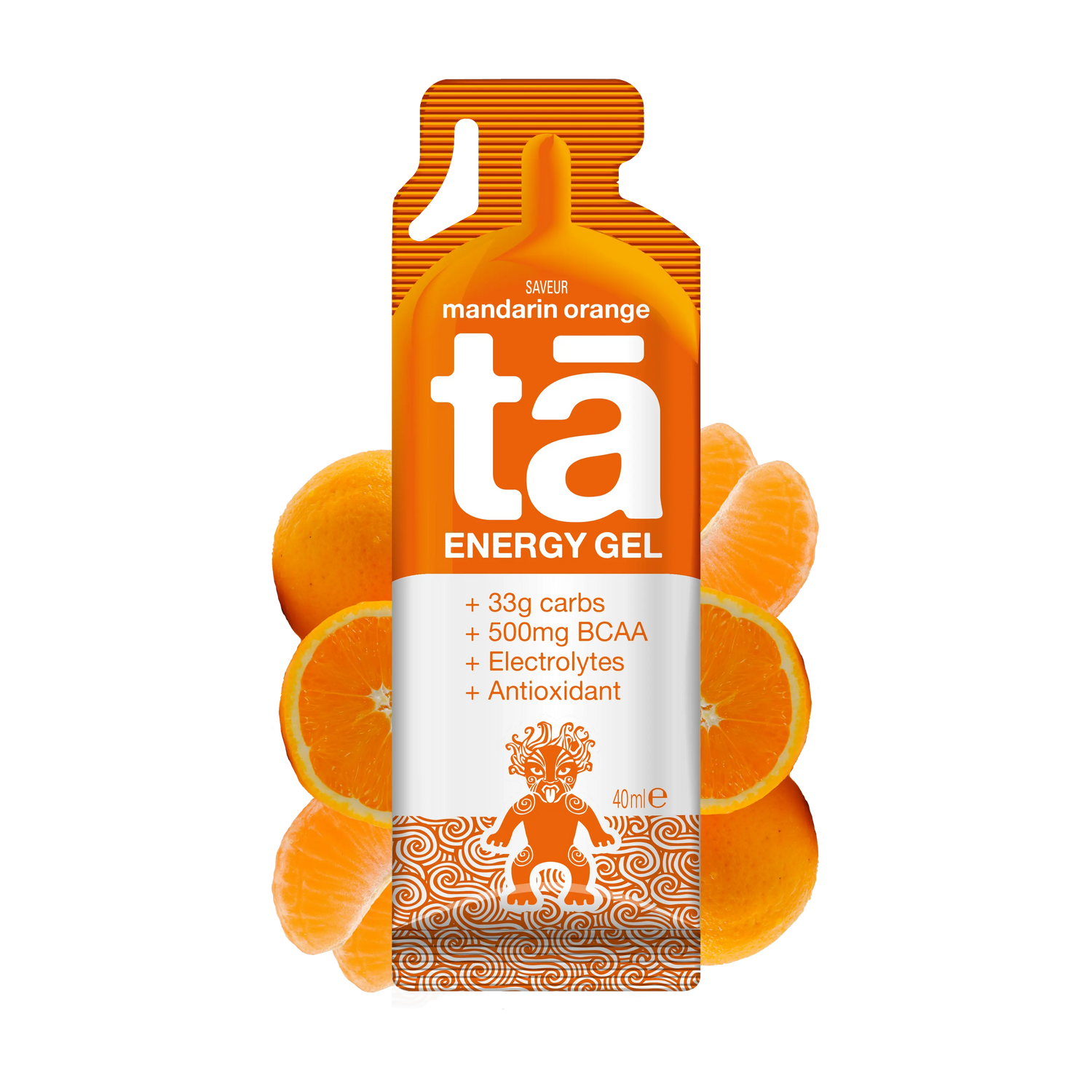
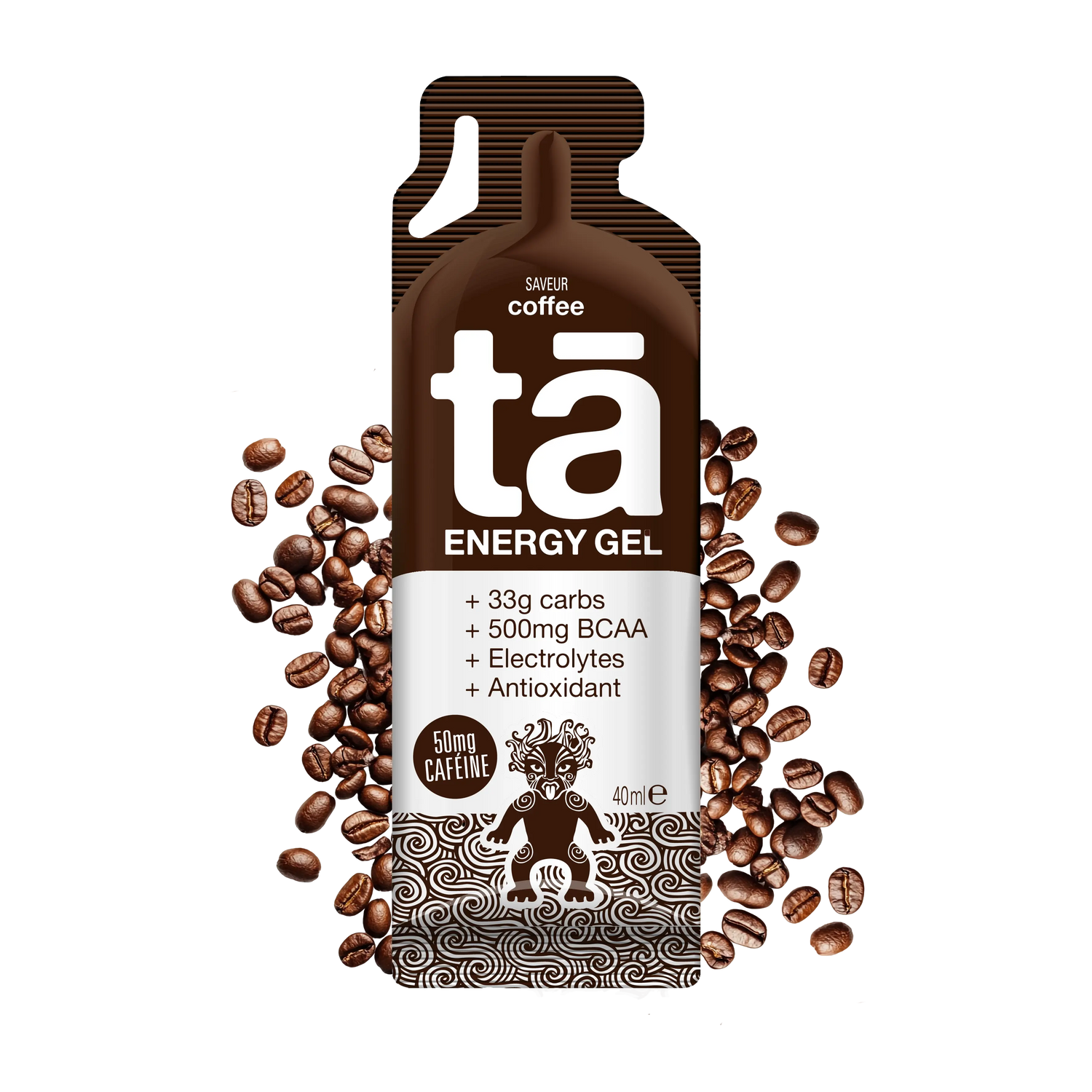
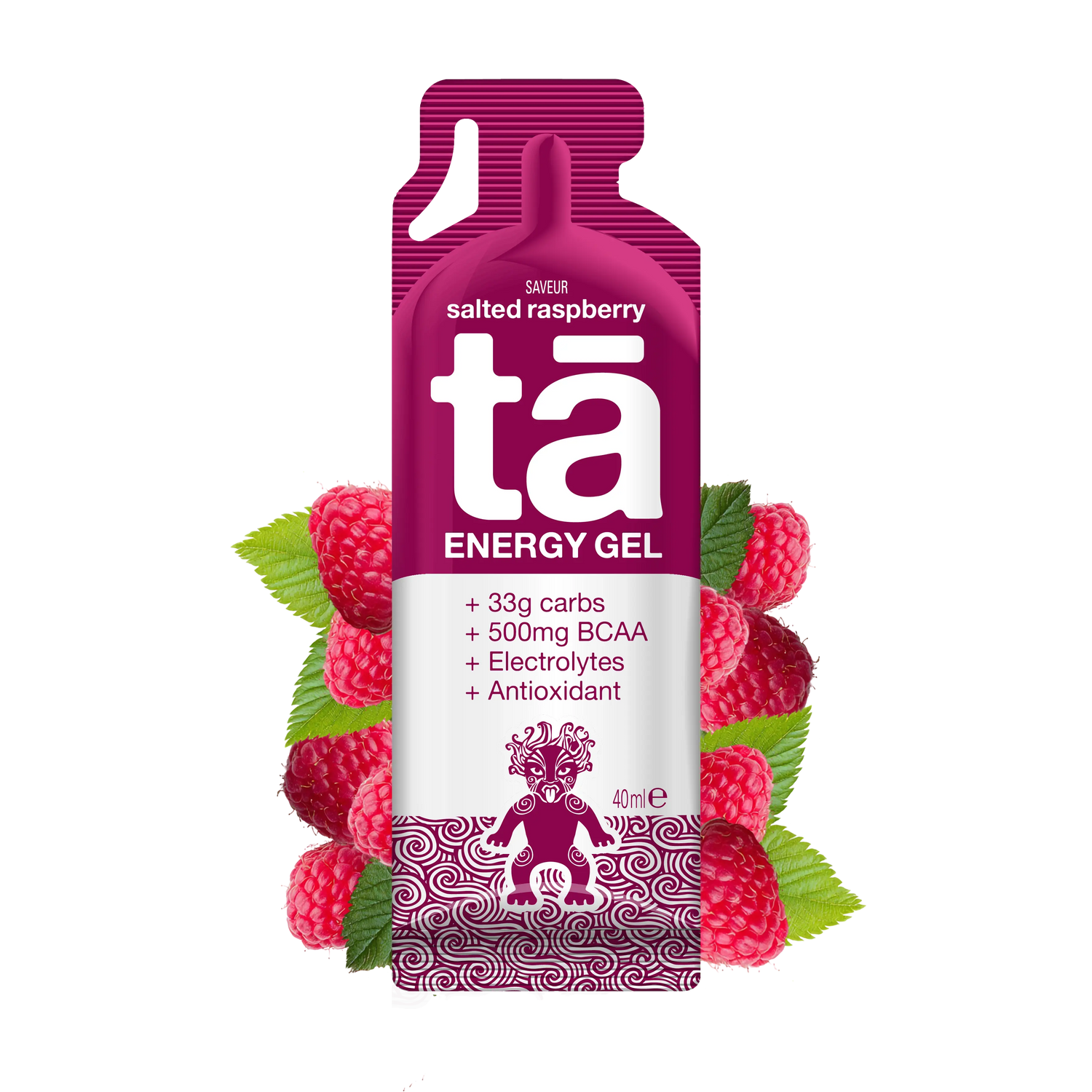
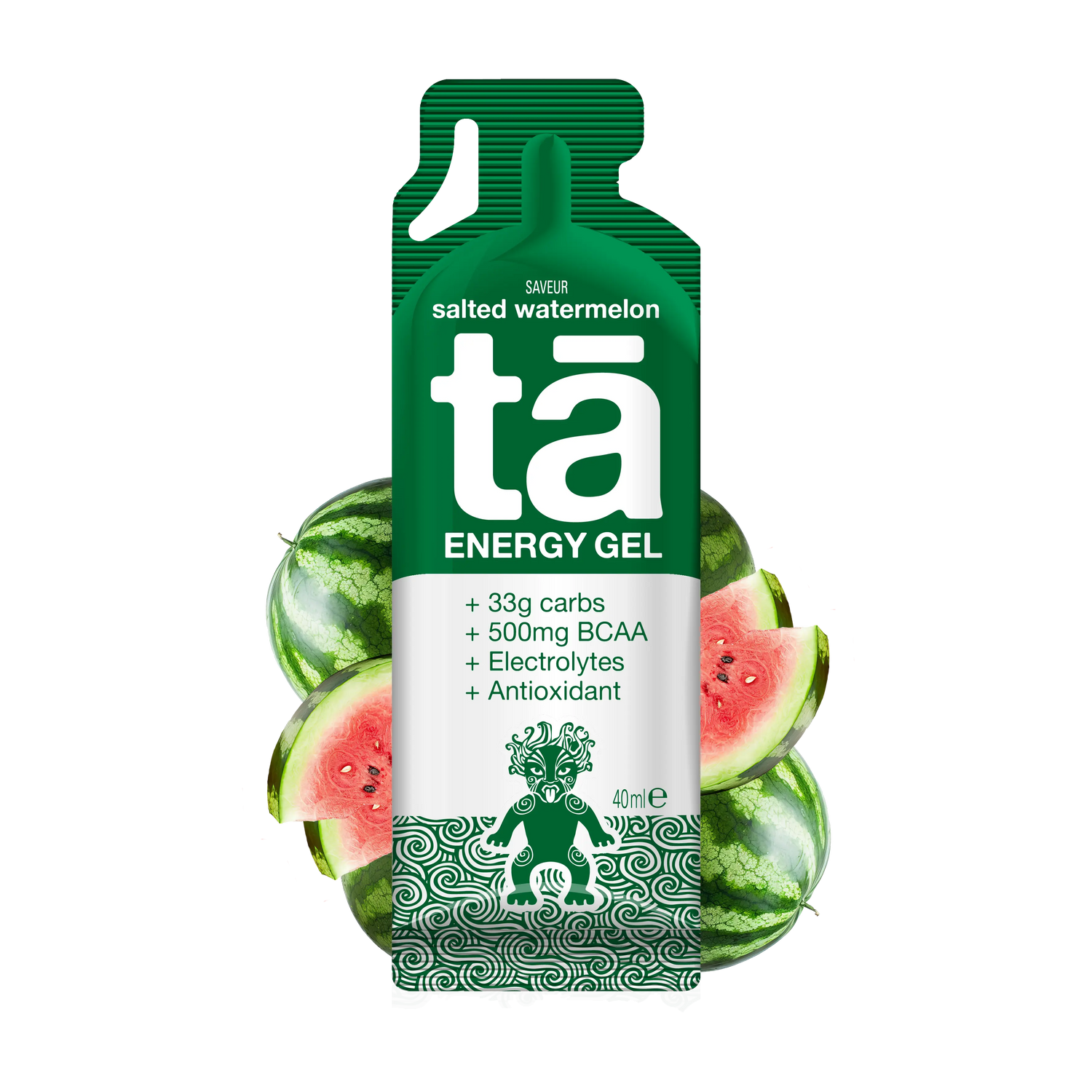
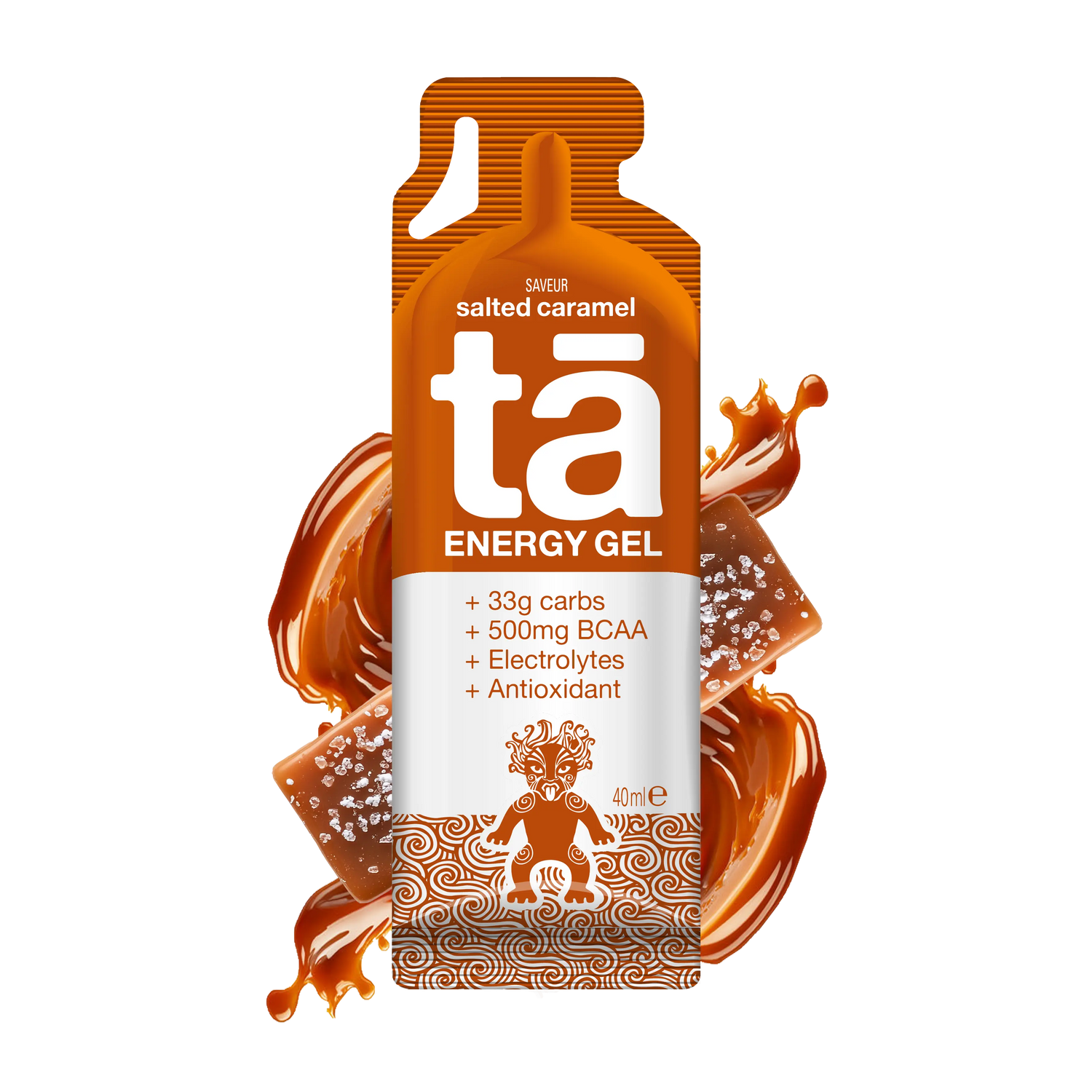
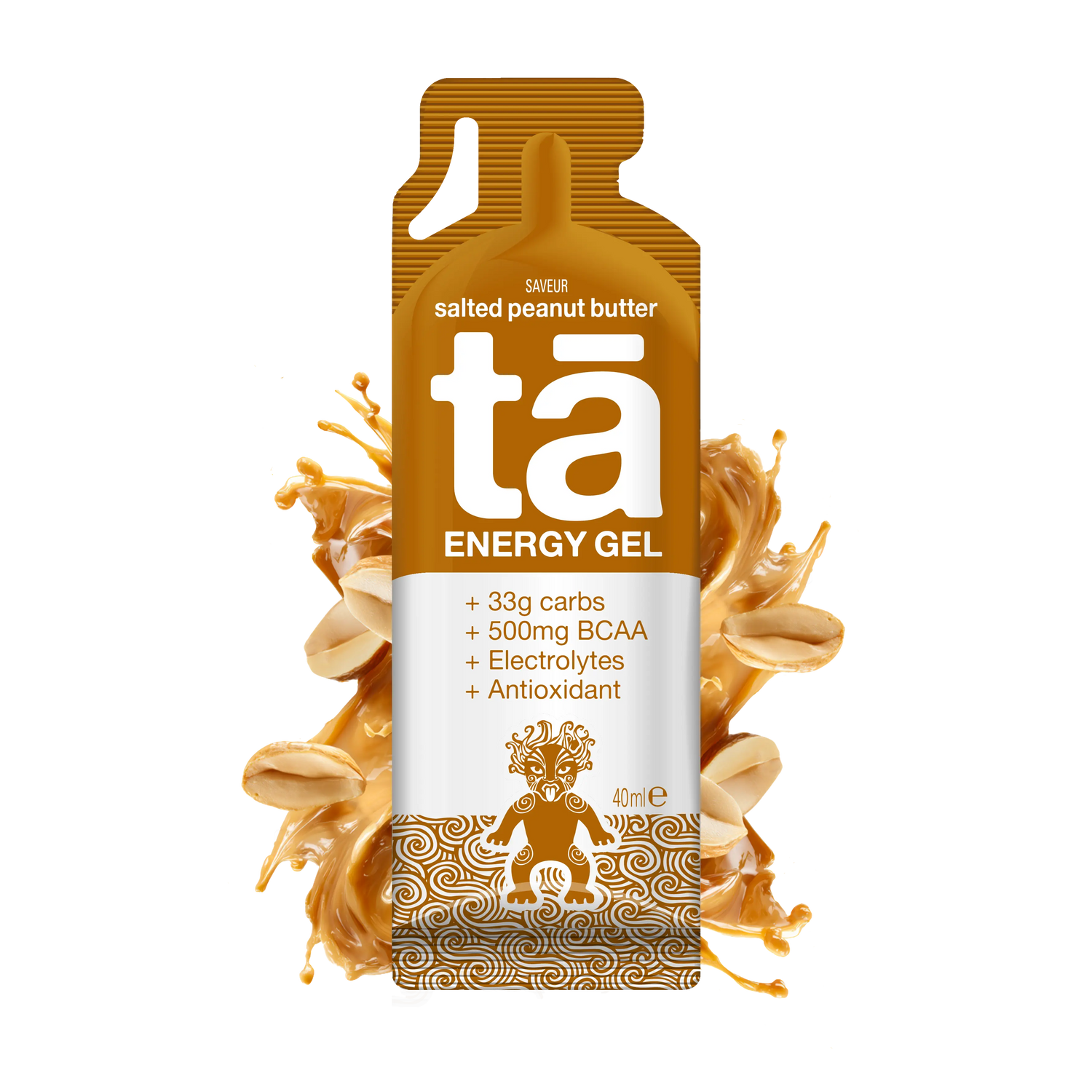
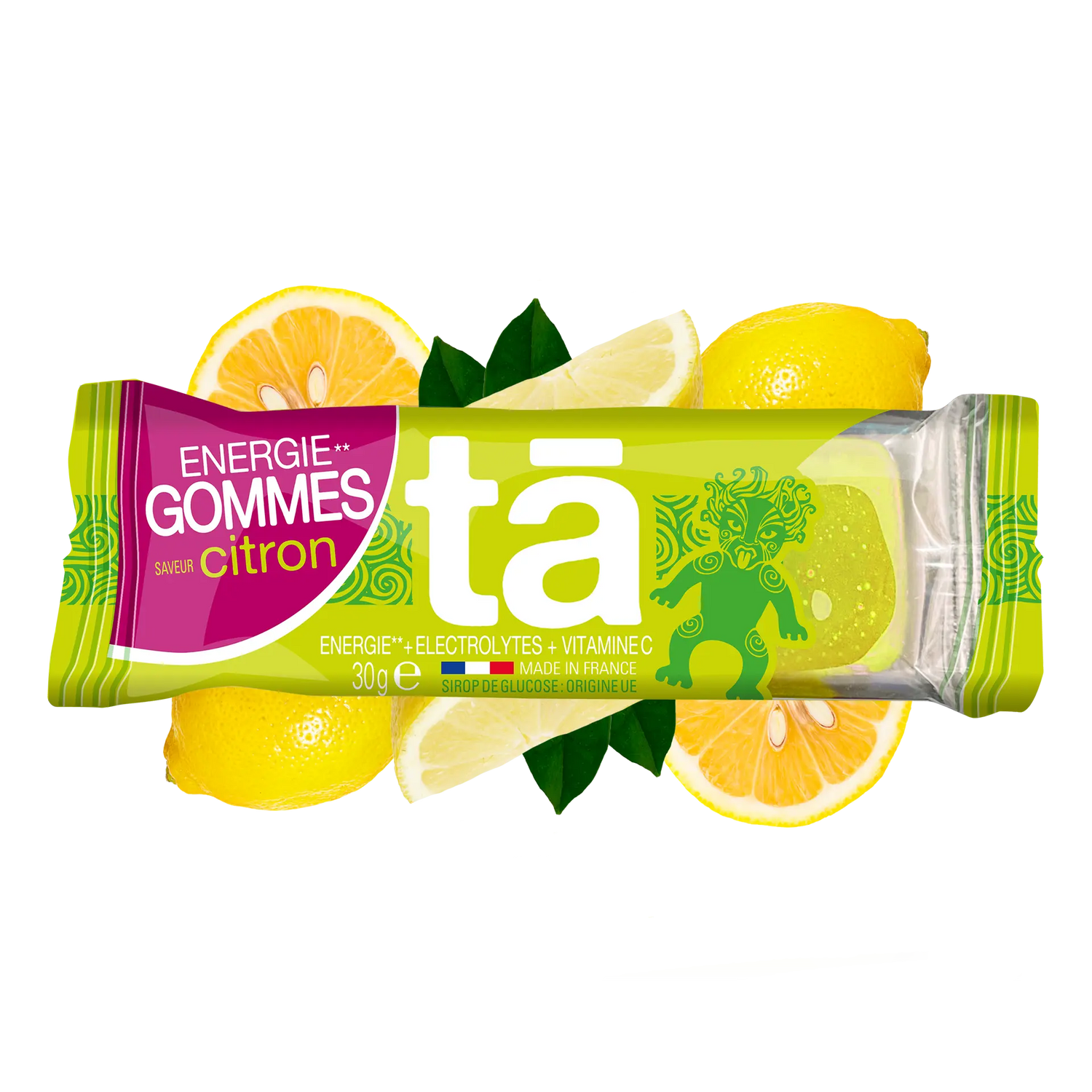
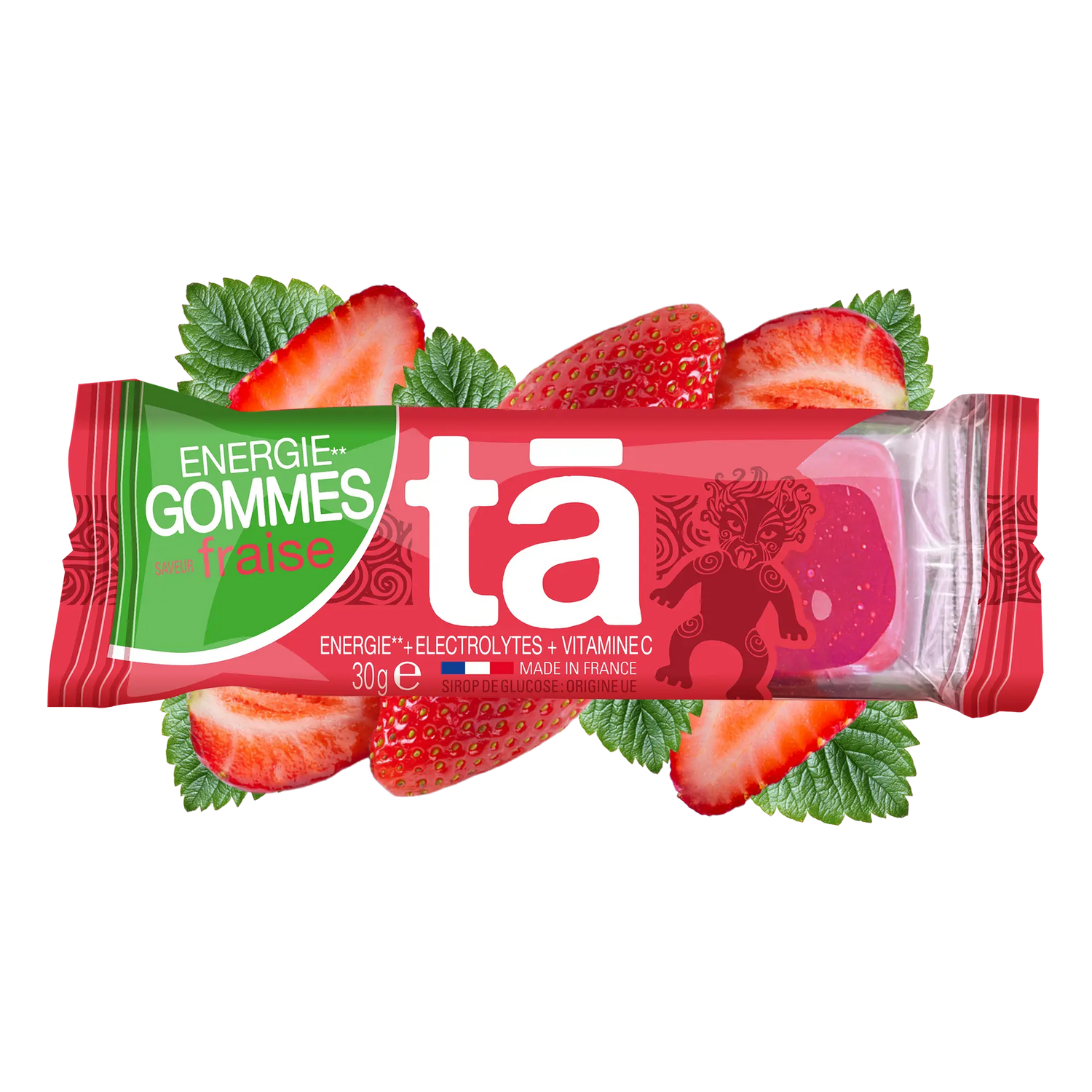
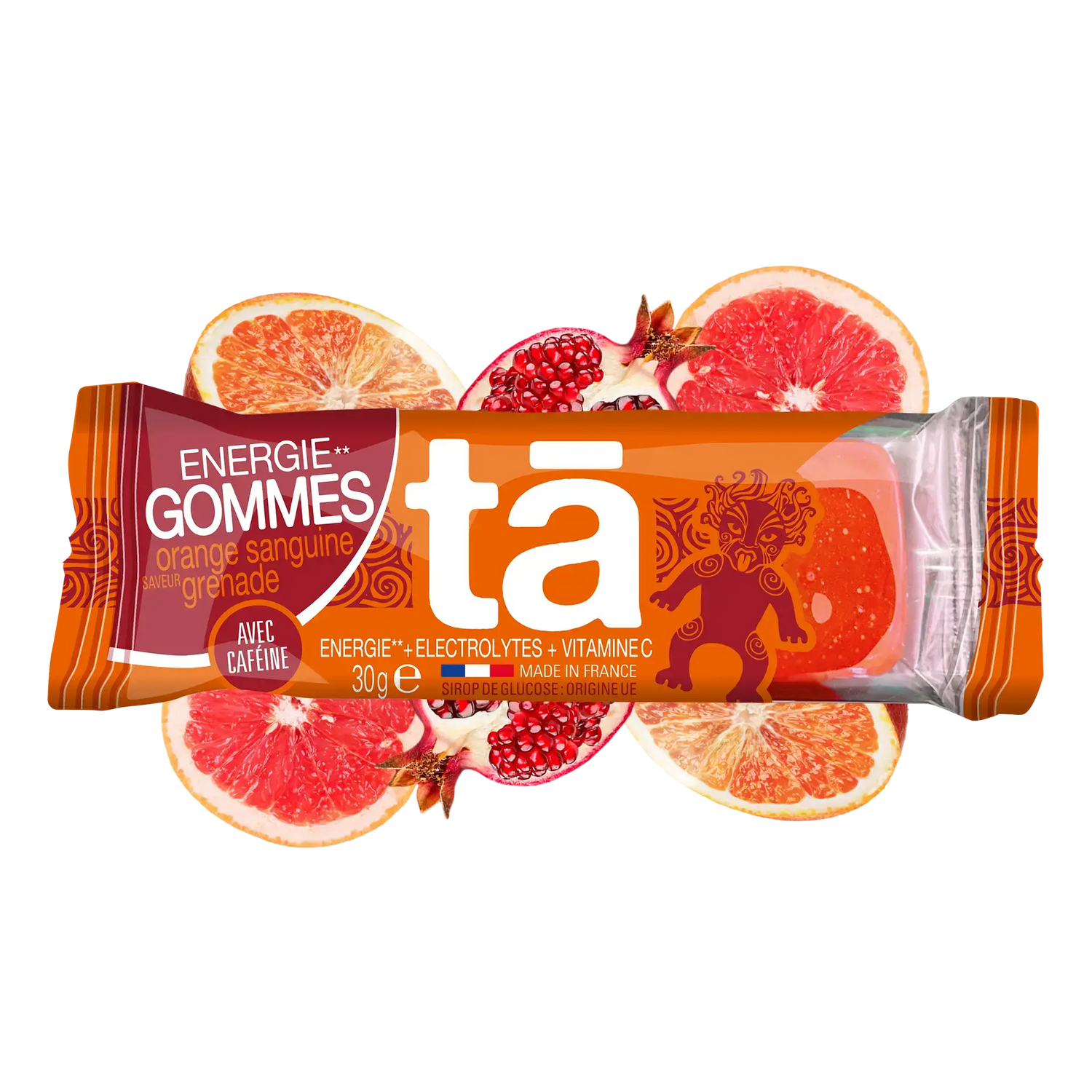
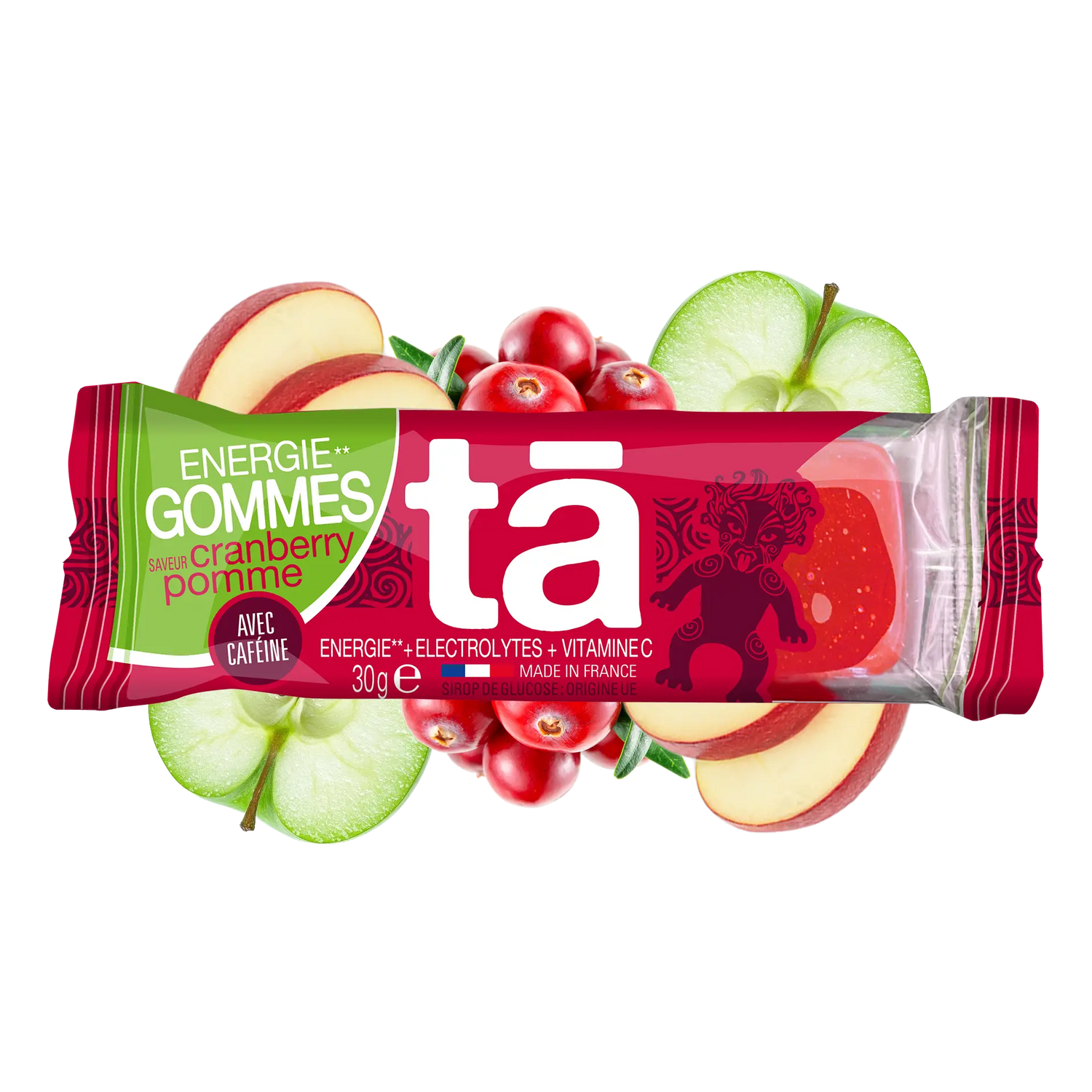
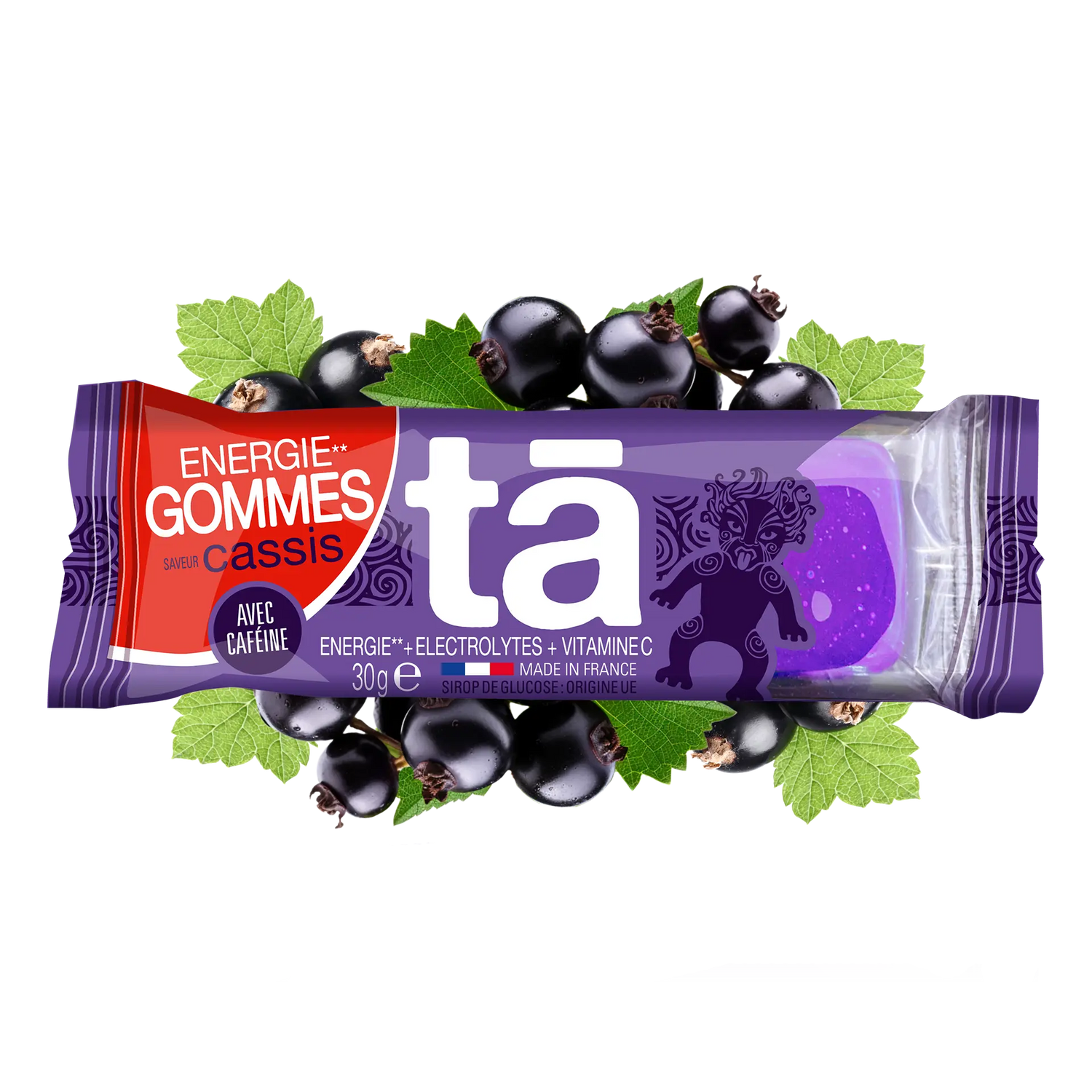
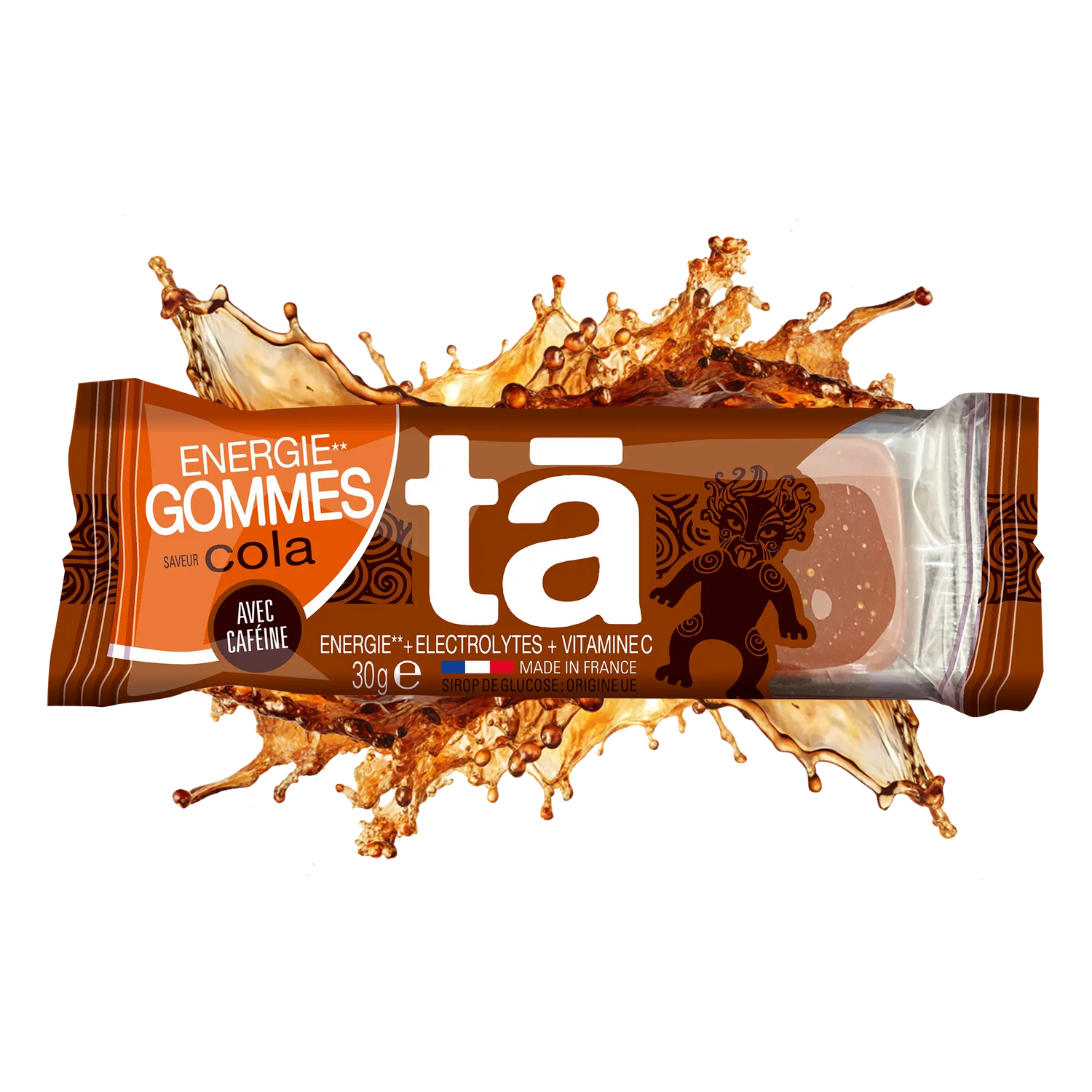
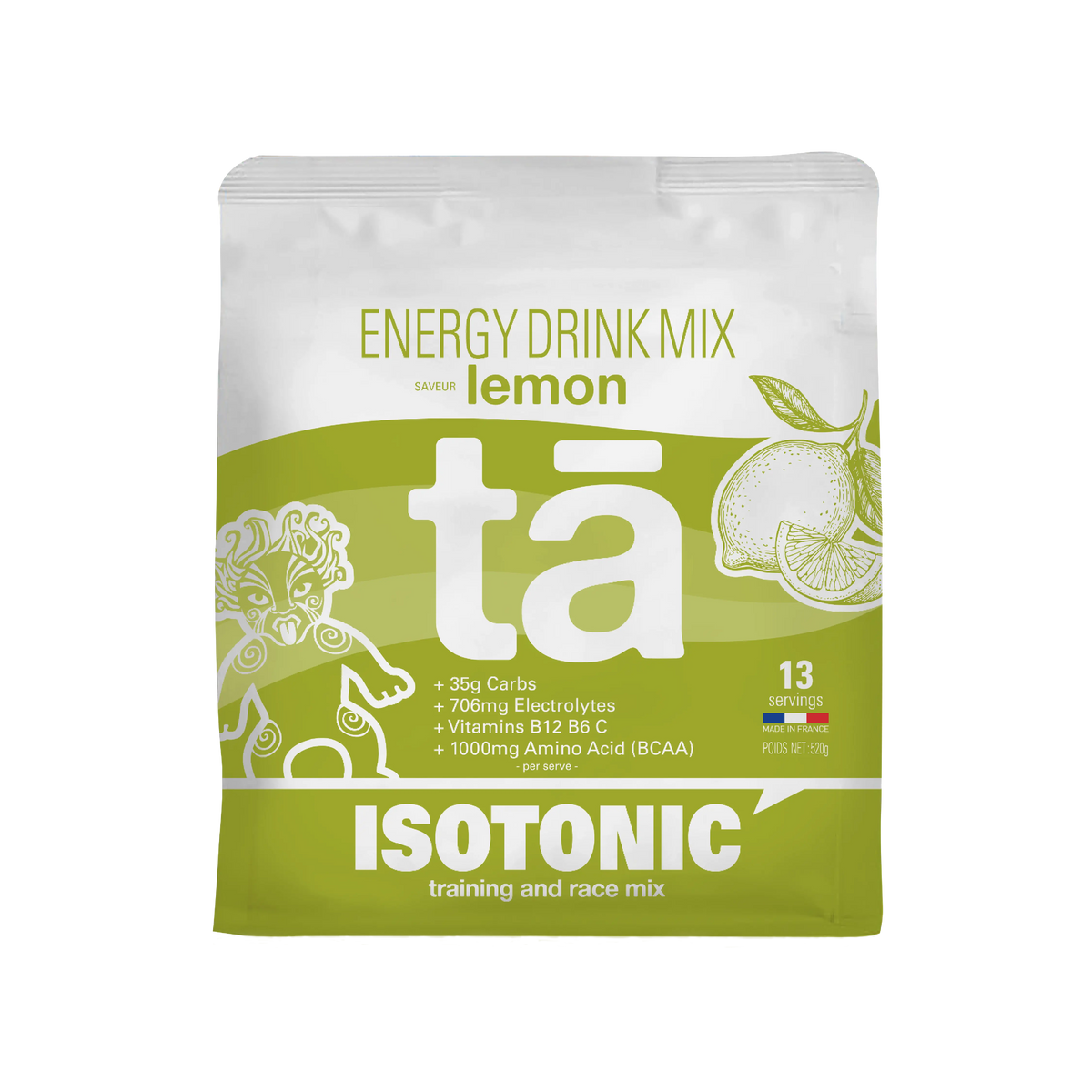
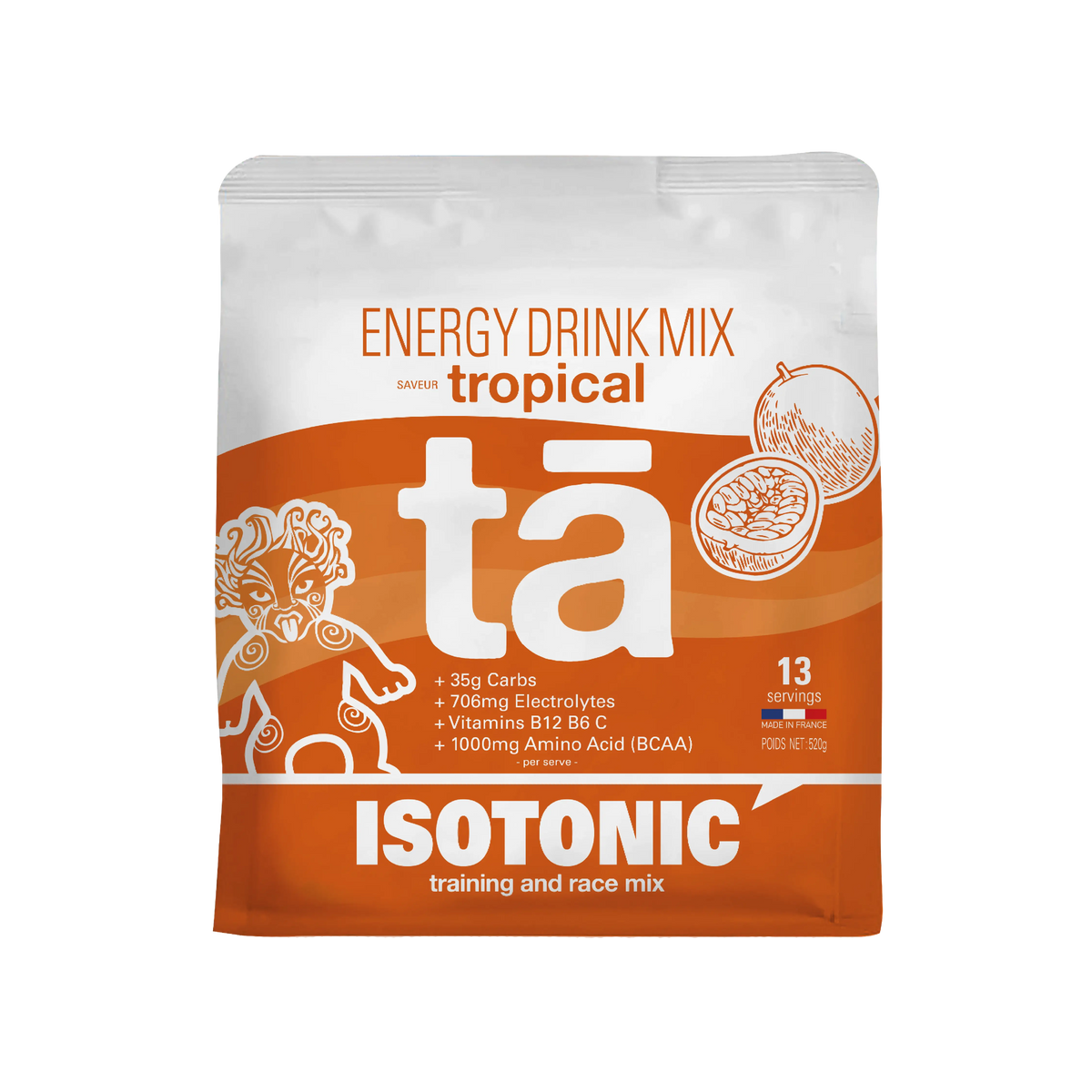
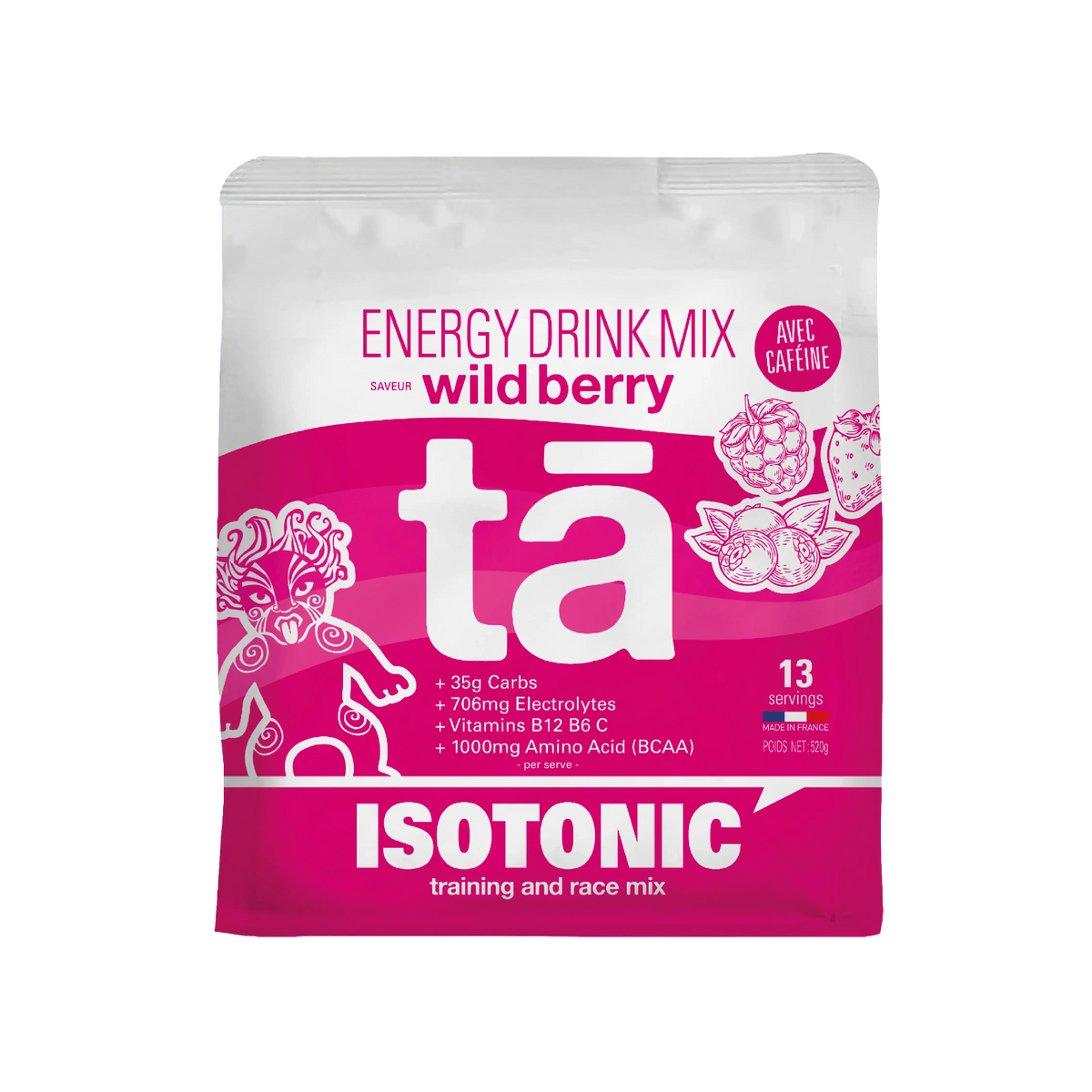
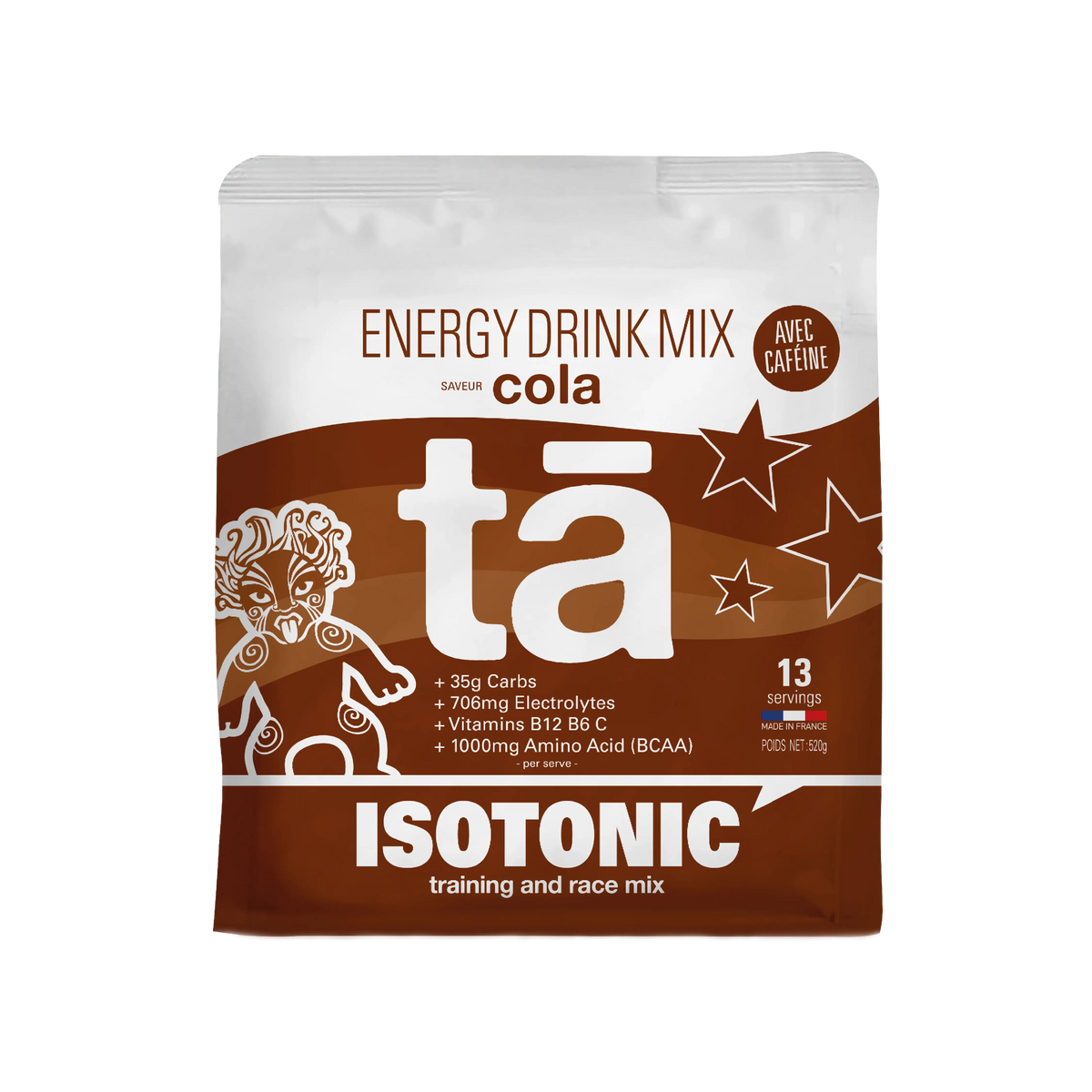
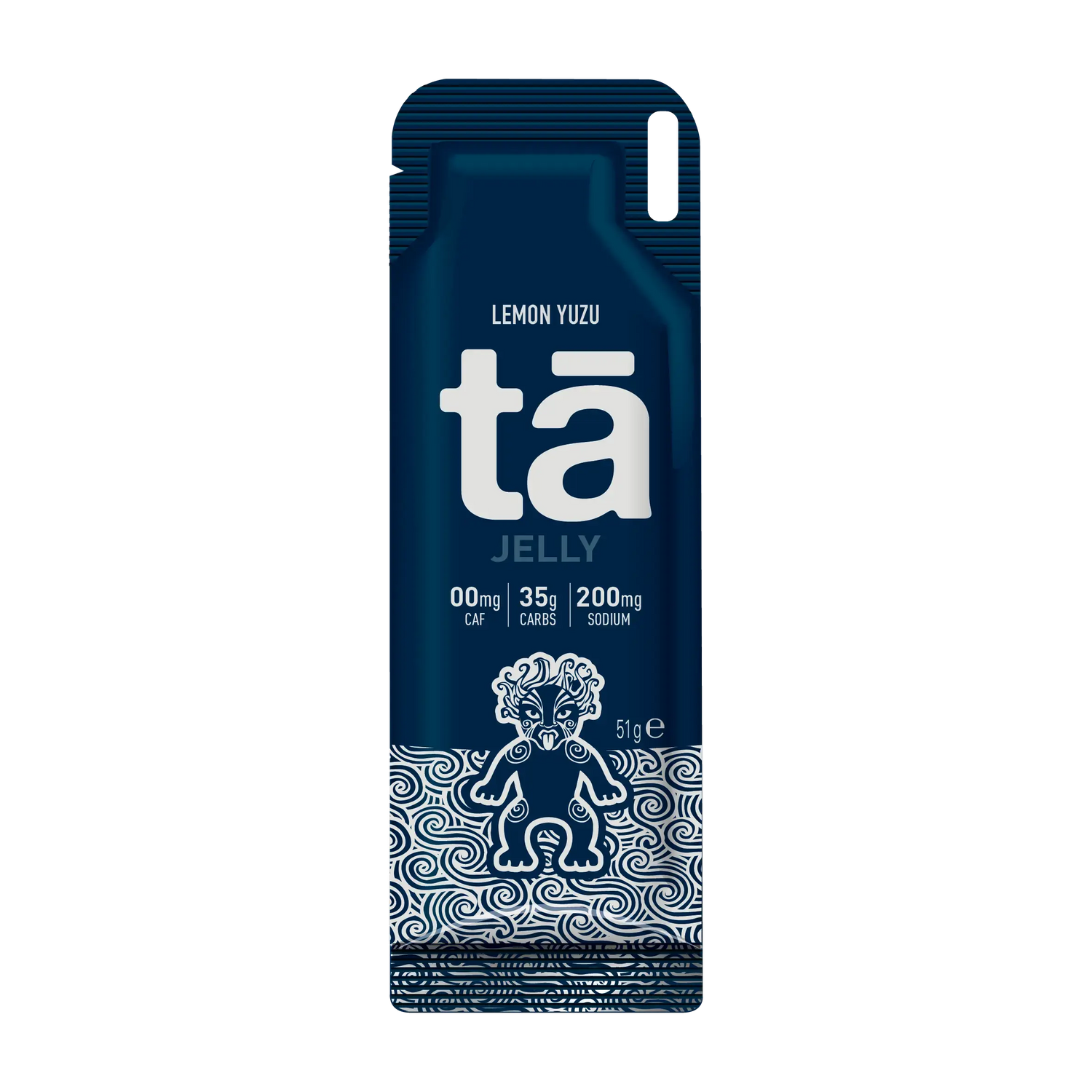
Our most suitable products are the isotonic drink, which you can dilute further if needed (1 scoop in 500mL), as well as our gels and jelly gels.

Each discipline has its own mechanical constraint

Road Racing: The runner is exposed to direct sunlight combined with the thermal effect of the asphalt. Repeated impacts with the ground increase gastric stress, making it essential to drink in small sips.

• Trail Running: In narrow valleys or windless wooded areas, sweat evaporates poorly and runs off without cooling the body, while intensity variations caused by elevation gain increase cardiac stress.

• Cycling: The apparent wind evaporates sweat immediately. The athlete dries out and underestimates their fluid losses. In addition, the bent-forward position compresses the stomach, limiting tolerance for solid foods. 


Hydration protocol before, during, and after exercise
Before exercise: Optimizing reserves

• 4 hours before: Consume 5 to 7 ml of water per kilogram of body weight (i.e., 350 to 500 ml for a 70 kg athlete).

• 2 hours before: Add 3 to 5 ml per kilogram if your urine remains dark.

During exercise : Replenish without overloading

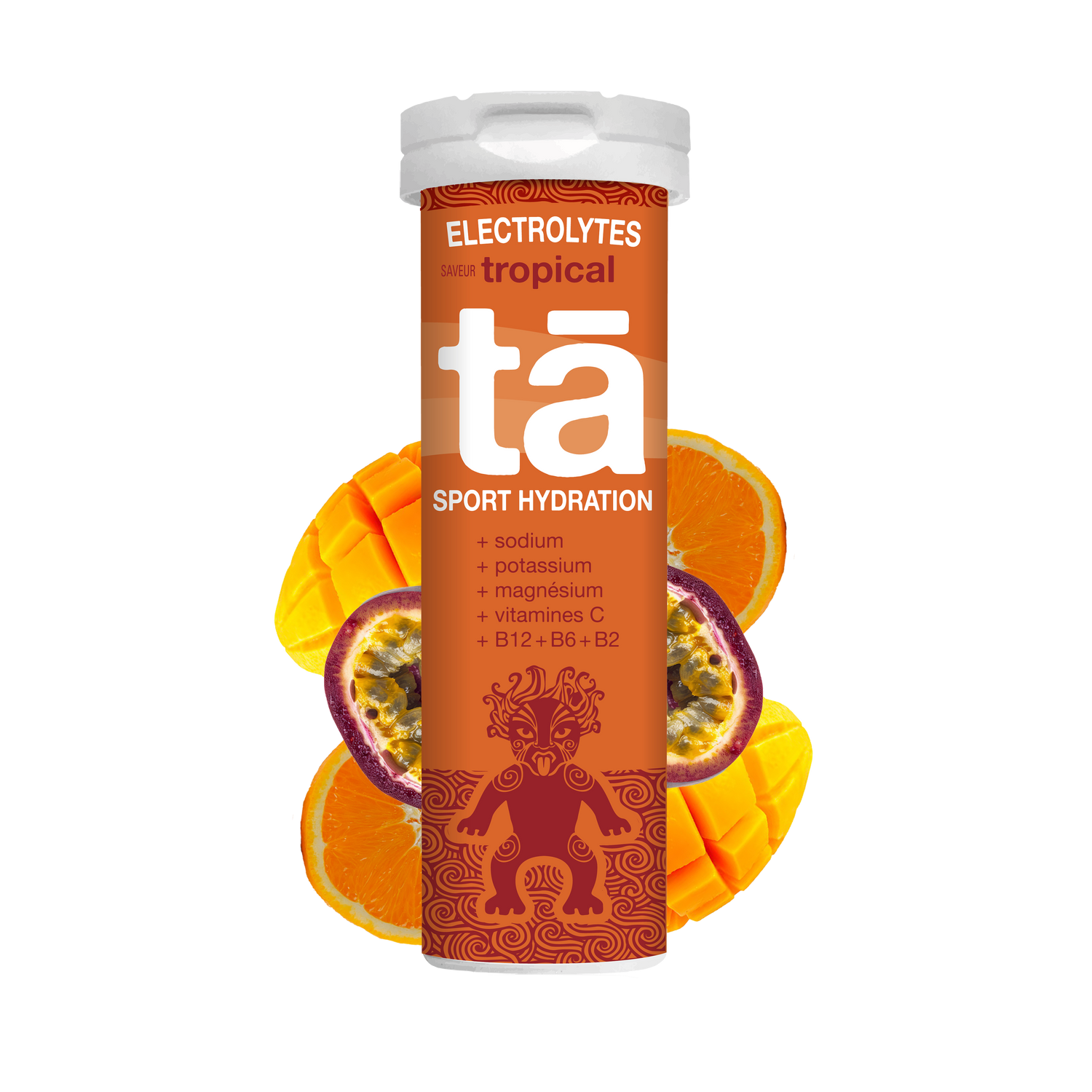
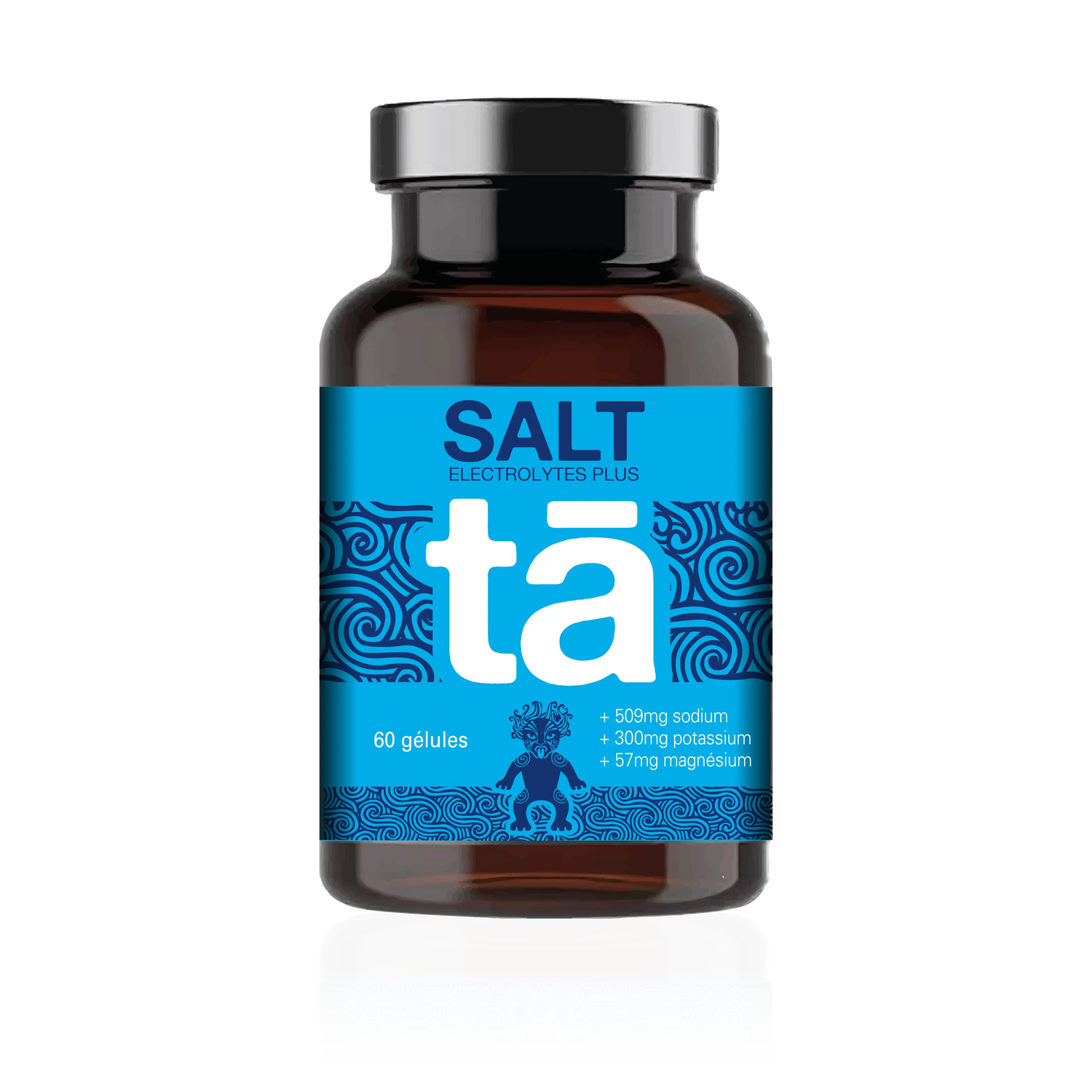
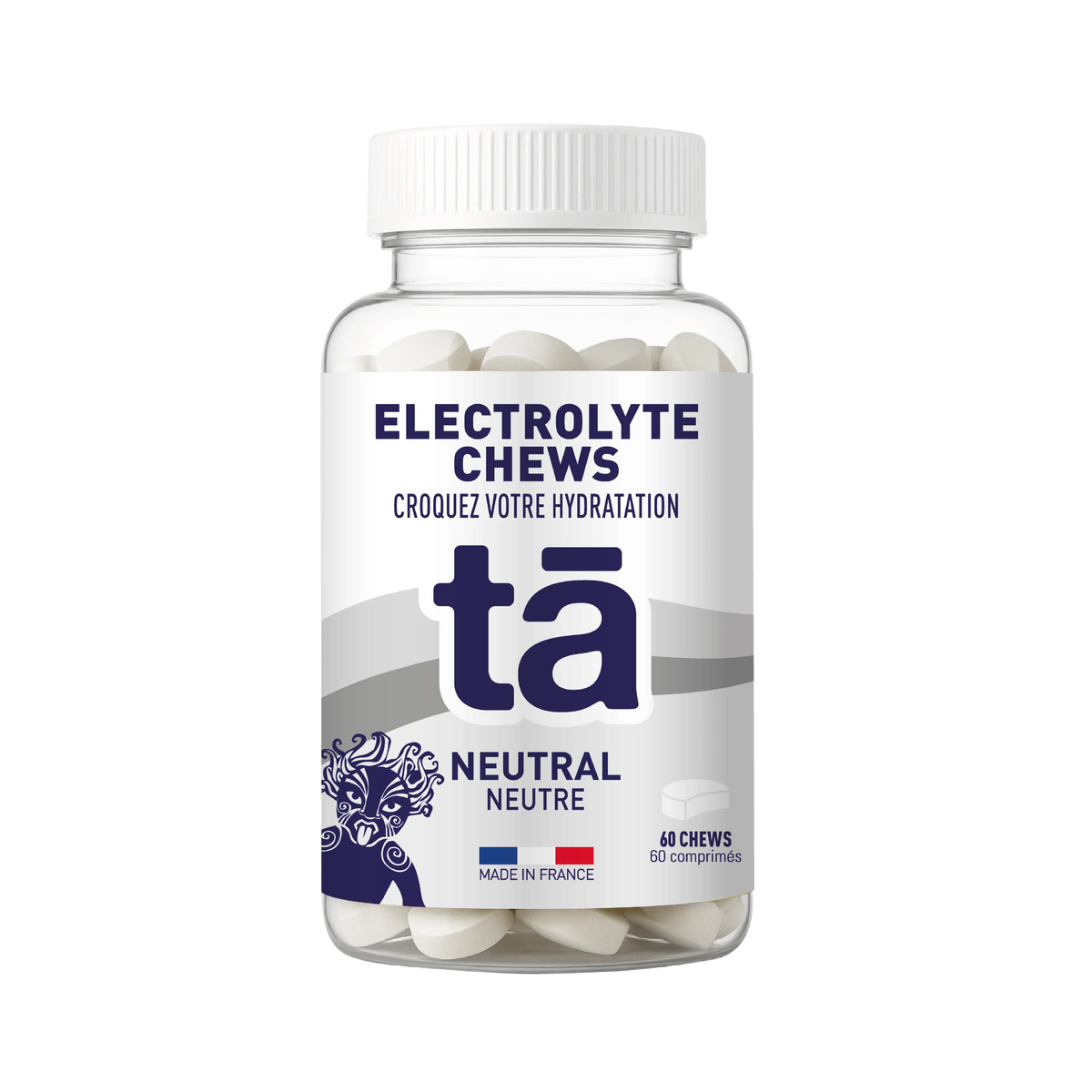
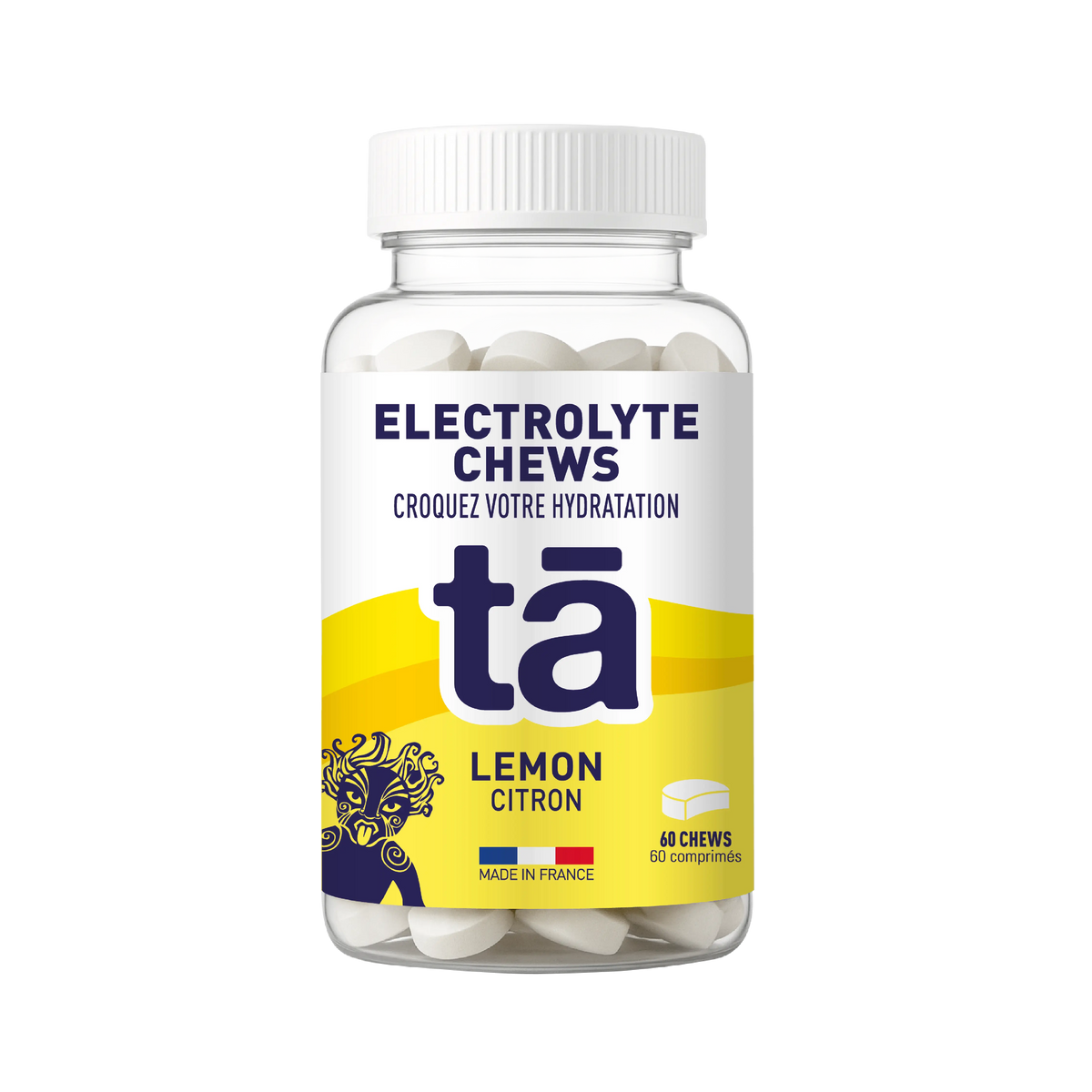
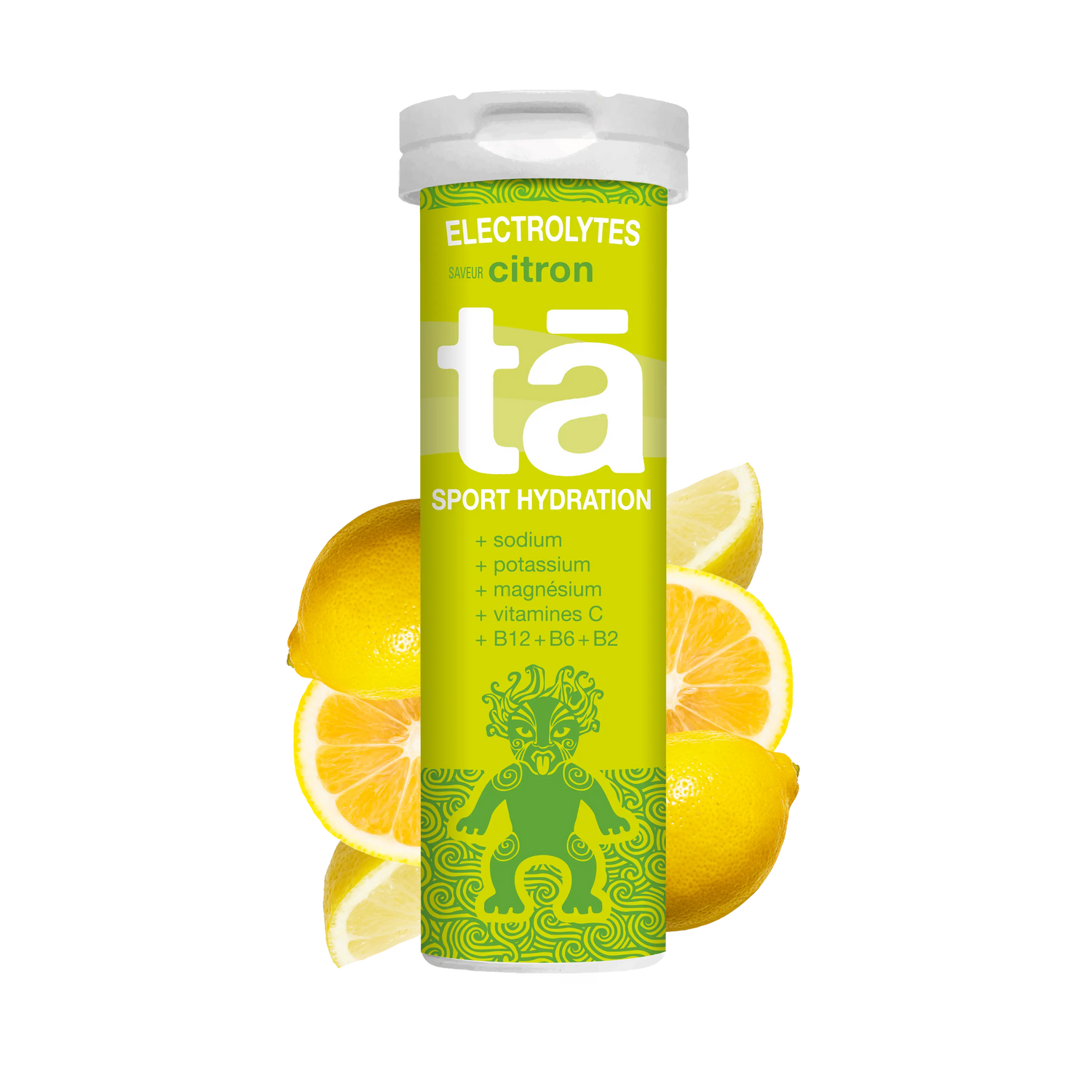
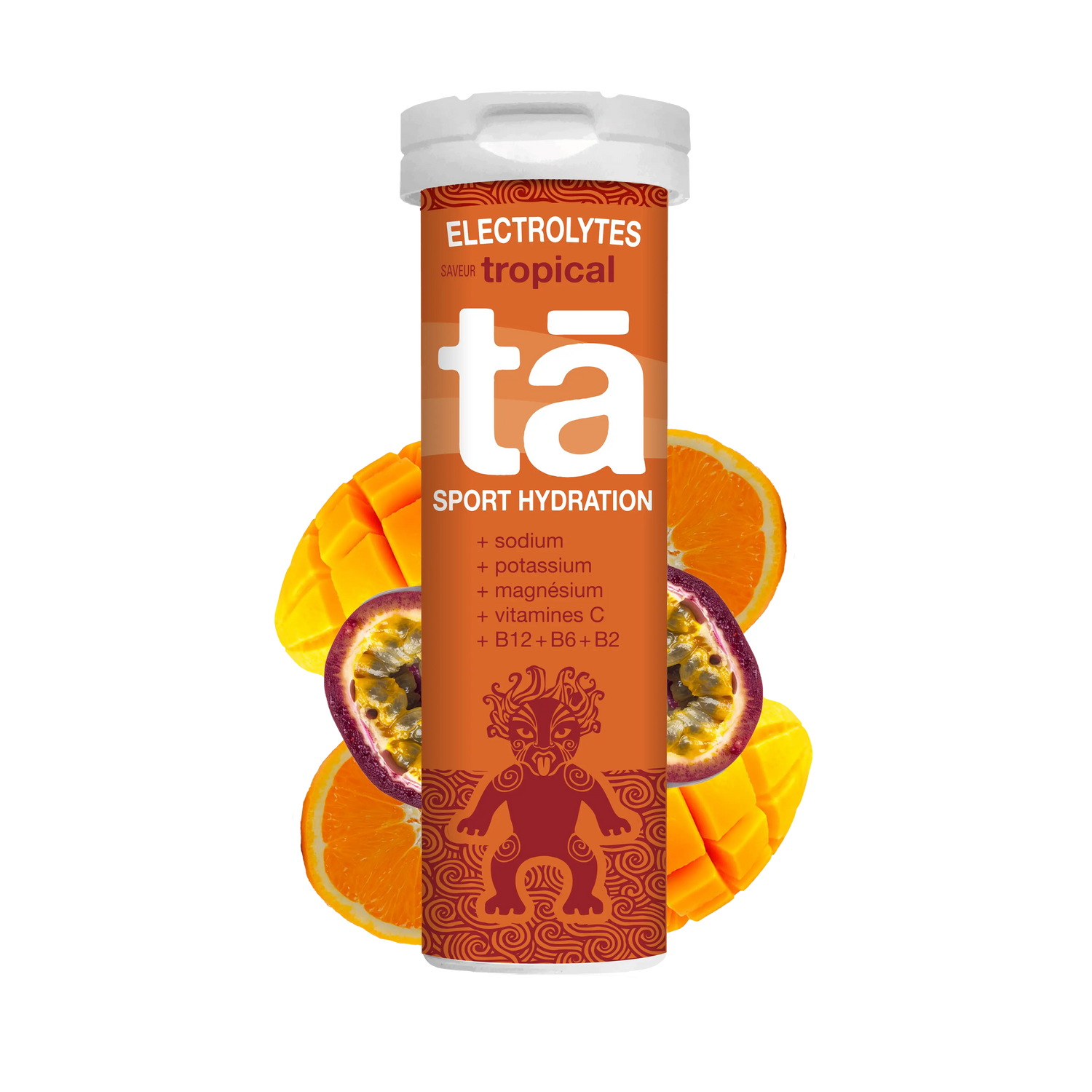
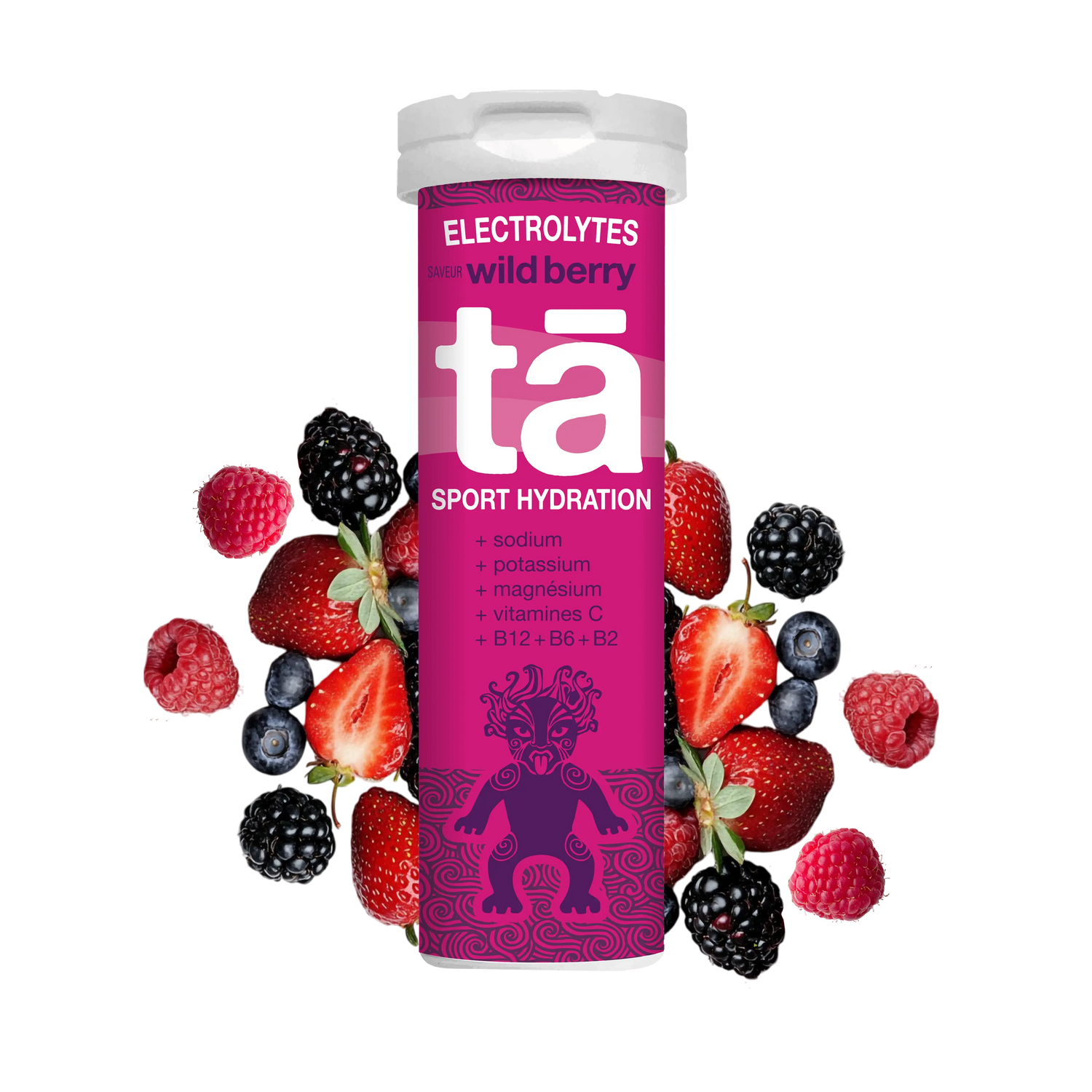
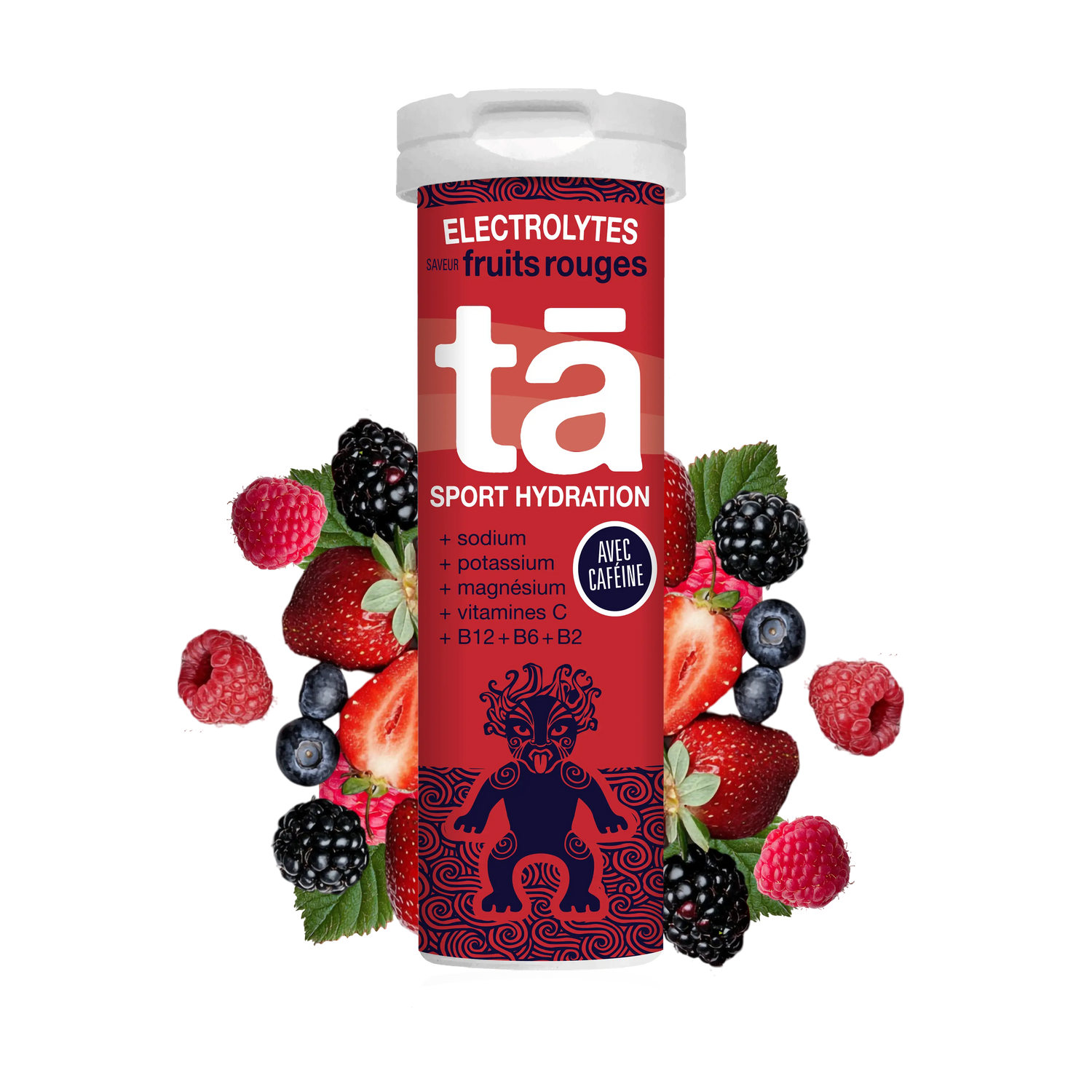
Don't rely on thirst, which is a late signal. Establish a routine every 10 to 20 minutes to aim for a volume of 400 ml to 800 ml per hour. Include sodium through electrolytes to dilute or chew, salt capsules, and isotonic drinks.

• Isotonic vs. Hypotonic

In extreme heat, choosing a hypotonic drink (more diluted than a classic isotonic drink) speeds up the passage of water through the intestinal walls.

• The salt trap

Consuming large quantities of plain water exposes you to the risk of hyponatremia (dilution of sodium in the blood). It is essential that your drink contains between : 0.5g and 0.7g of sodium per liter . : (3) 

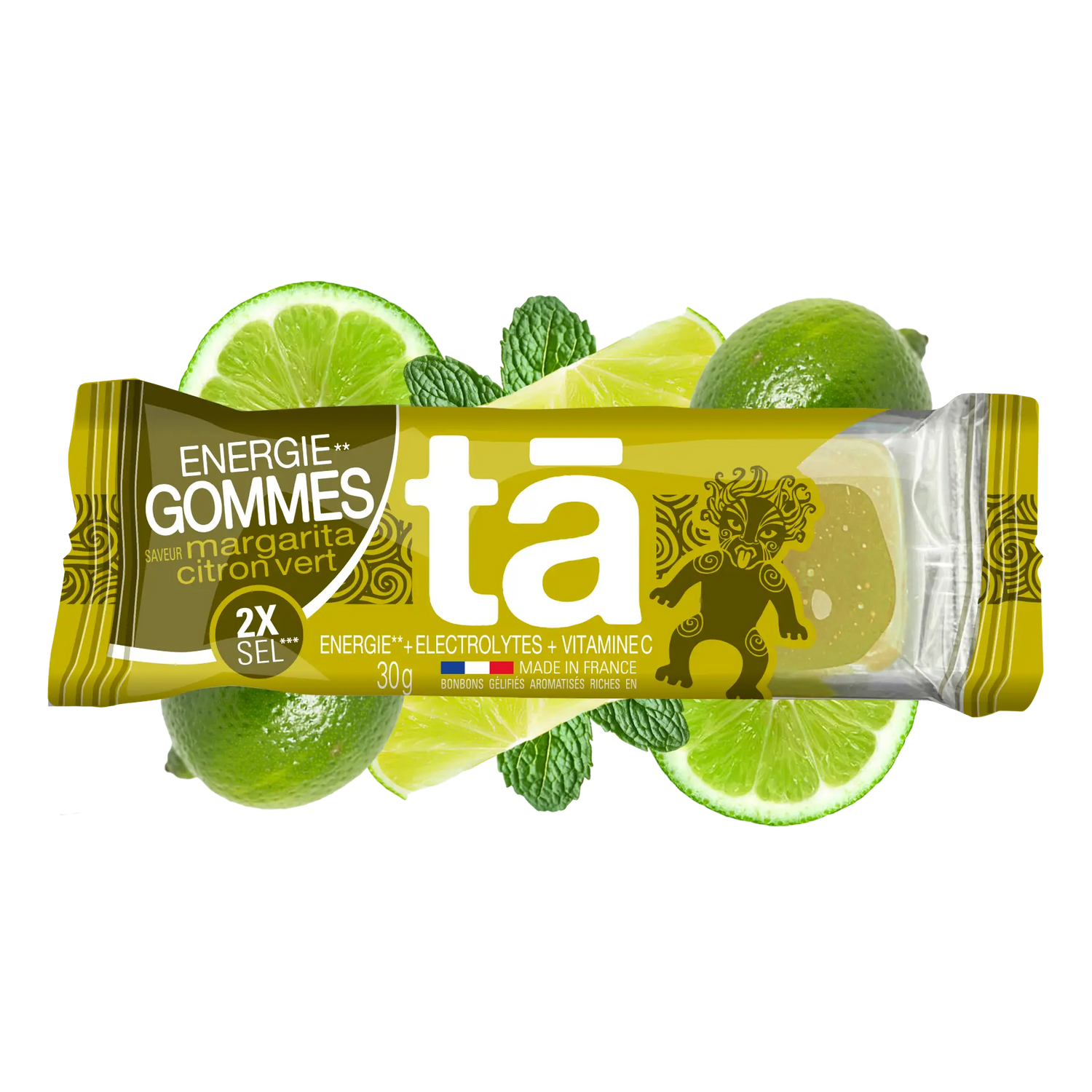
For this, you can consume our isotonic drink, our jelly gels, or our double-salted flavors. After exercise Gradual rehydration

• The 150% rule: Weigh yourself before and after exercise. For every kilogram lost, you should ingest 150% of that loss in water (e.g., 1 kg lost = 1.5 liters of fluid to replenish over the course of several hours). (4) 

• The protocol: Combine a solution containing

0.7g to 1g : of sodium per liter with salty meals to restore fluid balance. The importance of acclimatization Regular and progressive exposure to heat during your training induces beneficial physiological changes: increased plasma volume, decreased heart rate, and better sodium retention by the sweat glands. By scientifically planning your intake and water volumes, heat becomes a manageable factor.


L'importance de l'acclimatation

Une exposition régulière et progressive à la lors de vos entraînements chaleur induit des modifications physiologiques bénéfiques : augmentation du volume plasmatique, diminution de la fréquence cardiaque et meilleure rétention du sodium par les glandes sudoripares. En planifiant scientifiquement vos apports et vos volumes d'eau, la chaleur devient un paramètre maîtrisable.

SOURCES

Source:

(1) Mougin, L., Macrae, HZ, Taylor, L., James, LJ and Mears, S. (2025). Effects of heat stress and dehydration on carbohydrate utilization during endurance exercise: systematic review and meta-analysis. Sports Medicine (Auckland, New Zealand), 55, 2825-2847. https://doi.org/10.1007/s40279-025-02294-3

(2) Martinez, IG, Mika, A., Biesiekierski, J. and Costa, RJS (2023). The effect of gut training and dietary challenge on gastrointestinal status markers in response to endurance exercise: a systematic review of the literature. Sports Medicine (Auckland, NZ),

53, 1175 - 1200. https://doi.org/10.1007/s40279-023-01841-0

(3) Wierick, SC, Perez, RI, Zhao, X. and McDermott, BP (2025). Hydration strategies in ultra-endurance: a narrative review of scheduled and thirst-based approaches. Nutrients, 17. https://doi.org/10.3390/nu17223526

(4) McCartney, D., Desbrow, B. and Irwin, C. (2017). Effect of rehydration after dehydration on subsequent athletic and cognitive performance: systematic review and meta-analysis. Sports Medicine - Open, 3. https://doi.org/10.1186/

s40798-017-0079-