The sodium paradox - something to monitor daily, essential for endurance
INTRODUCTION
"Don't eat too much salt." This is the public health message we hear everywhere, and rightly so, for the general population. And yet, while preparing your flasks for your next long run, you slip electrolyte tablets or salt capsules into them.
Could there be a paradox? Why does salt, singled out in everyday life, become a runner's best ally once their running shoes are on?
Delving into the science to understand why, in endurance sports, sodium is anything but an enemy.
Two worlds, two measures: The sedentary person vs. the athlete
To understand the importance of sodium, we must first distinguish between two completely different physiological realities:
• The sedentary person's daily life: The major health agencies (WHO, EFSA) are unanimous:
for an inactive adult, an intake of 1.5 g of sodium per day (approximately 3.8 g of salt) is
more than sufficient. Beyond that, chronic excess salt intake is linked to cardiovascular
risks.
• The runner's reality: As soon as the effort lasts longer, especially in hot weather, the figures soar. An athlete can lose between 0.3 and 2.4 liters of sweat per hour, carrying approximately 1 gram of sodium per liter with it. In other words: in just two hours of running, a runner can sweat out the equivalent of an entire sedentary person's daily sodium requirement!
The Role of Sodium: Your Cardiovascular Bodyguard
Contrary to popular belief, sodium does not act as a direct performance "booster" during exercise. Its role is far more crucial: it is a homeostatic protector.
1. The guardian of blood volume
Sodium is the boss of the extracellular compartment. Its role? To retain water where your body needs it most: in the blood. Studies show that salty drinks maintain plasma volume much better than plain water.
Did you know? A decrease in blood volume forces your heart to beat faster to
deliver oxygen to your muscles. Consuming sodium therefore helps reduce cardiac and thermal strain.
2. The key to carbohydrate absorption.
This is sodium's secret role, yet it is what saves you from the dreaded "energy crash." To put it simply: the carbohydrates (sugar) you consume during a race cannot cross your intestinal wall on their own. To enter the bloodstream and refuel your muscles, they need a transporter. And this transporter only works with one key: sodium.
• Without sodium: The carbohydrates build up in your stomach. The result? You get
bloating and stomachaches, and your muscles lack energy even though you have just
taken a gel.
• With the right amount of sodium: Sodium throws open the intestinal door, carries
the carbohydrates with it, and draws in water at the same time.
In short: Consuming sodium is not just about replacing what you lose through sweat. It is the most effective way to make your body absorb the energy and water you give it.
3. The safeguard against dilutional hyponatremia
If you run for hours while drinking only large quantities of plain water, you are making a common mistake: you are "diluting" your blood. This is hyponatremia. Plasma sodium levels drop, causing fatigue, dizziness, and even serious complications. Providing sodium helps limit this decrease in athletes who hydrate heavily.
Science-based recommendations: How much to take?
For prolonged efforts (over 2 to 3 hours), the American College of Sports Medicine (ACSM) and the scientific literature agree on precise guidelines:
• During exercise: Aim for an intake of 300 to 600 mg of sodium per hour. This corresponds to a concentration of 230 to 690 mg of sodium per liter of beverage.
• In extreme conditions (high heat / ultra-endurance): A landmark study (Twerenbold, 2003) demonstrated that among female runners drinking 1 L/h, an intake of at least 680 mg of sodium/h drastically reduced the drop in blood sodium levels and the risk of hyponatremia.
However, beware of the pitfall: Sodium is not a license to drink excessively. Scientific data remind us that the primary safety strategy is still to adjust your overall fluid intake to your thirst and actual losses, rather than overloading the body with water.And what about the other minerals (Potassium, Magnesium...)?
We often hear about magical formulas containing the entire periodic table (Zinc, Copper, Calcium...). What does science say? Apart from sodium/chloride, losses of other minerals in sweat remain very low and are largely compensated for by a varied daily diet.
In a sports drink:
• Potassium is a useful supplement to support electrolyte and cellular balance.
• Calcium and magnesium support muscle function, but do not directly influence hydration.
The true winning duo for hydration and absorption during exercise remains sodium and carbohydrates.
PRODUCTS DESIGNED FOR YOU

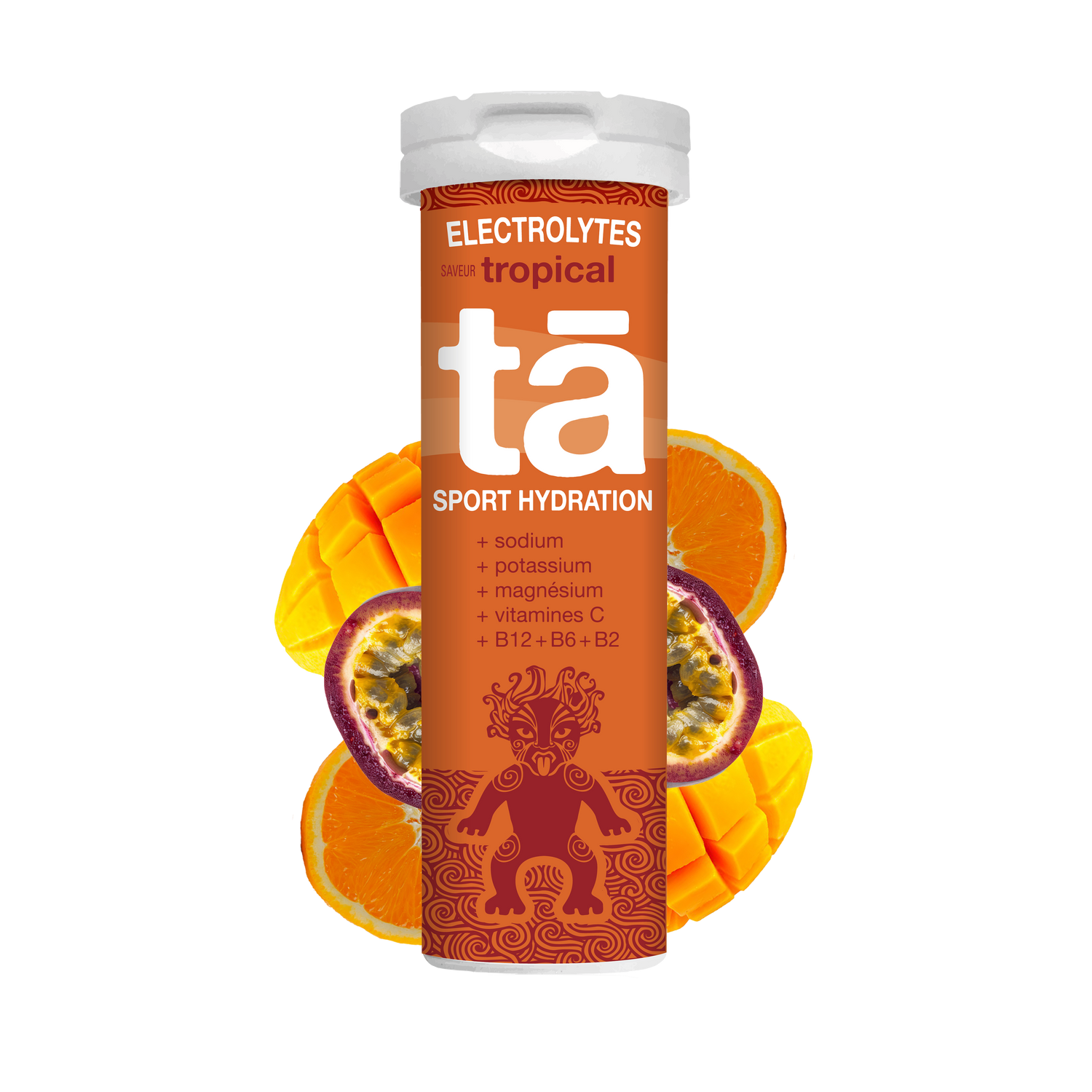
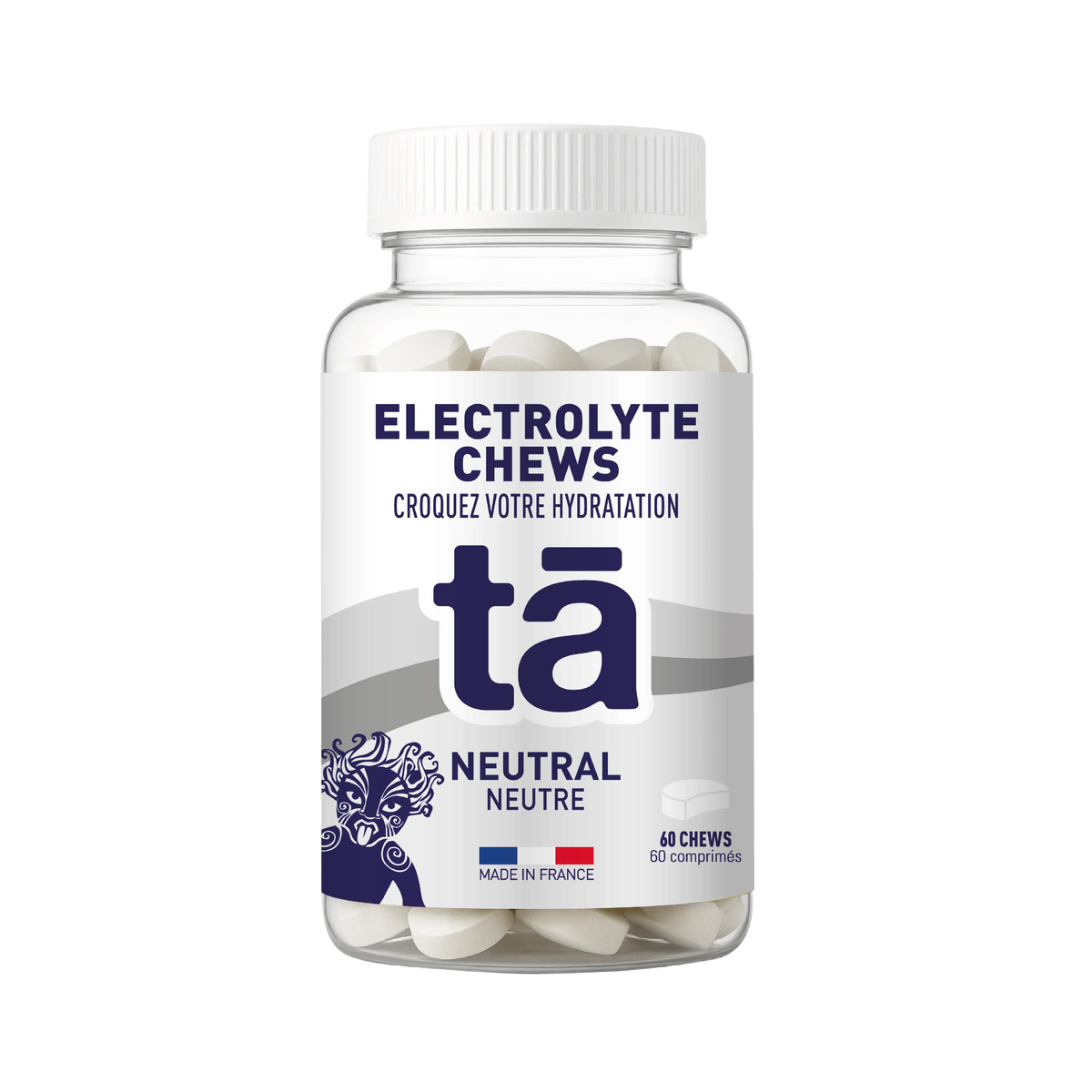
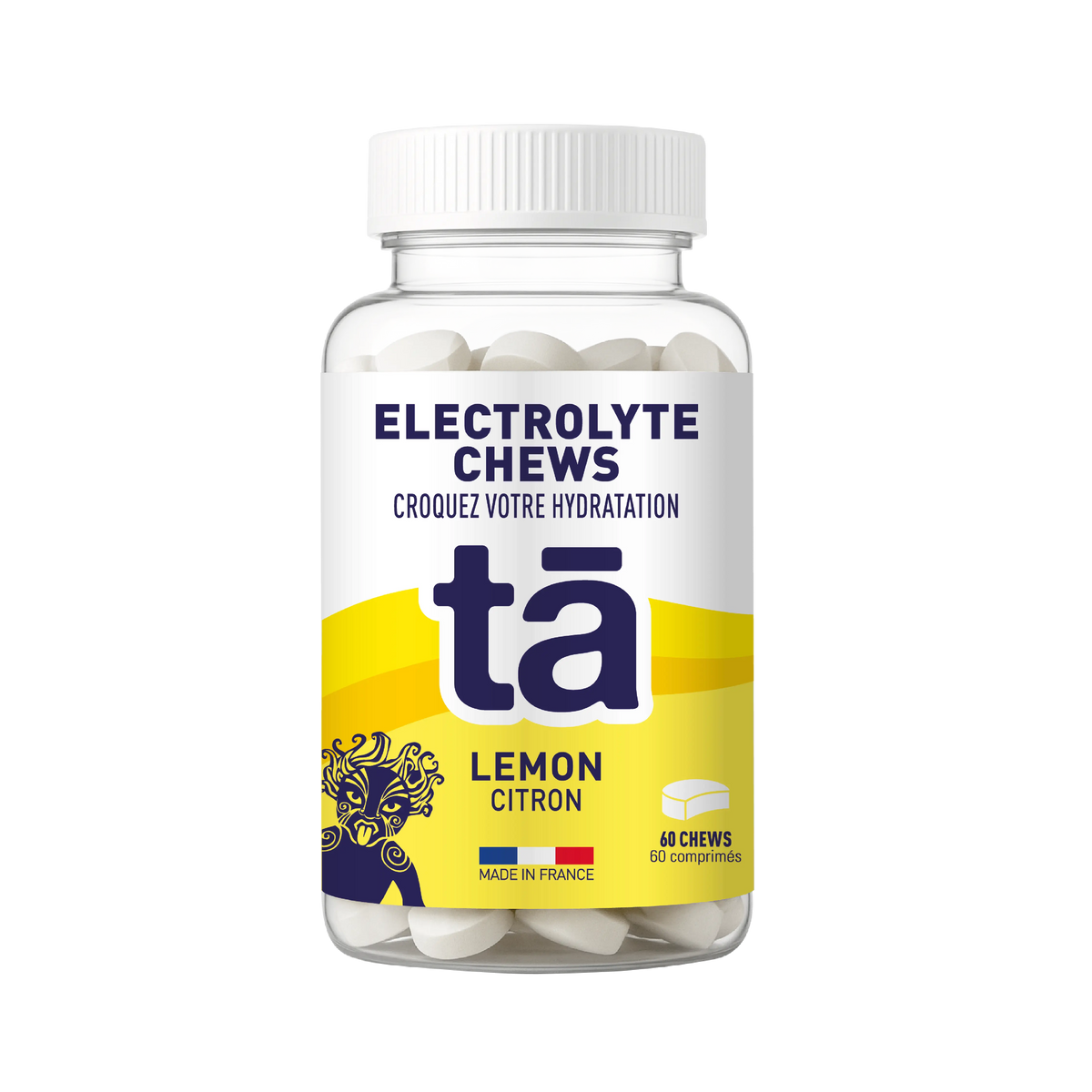
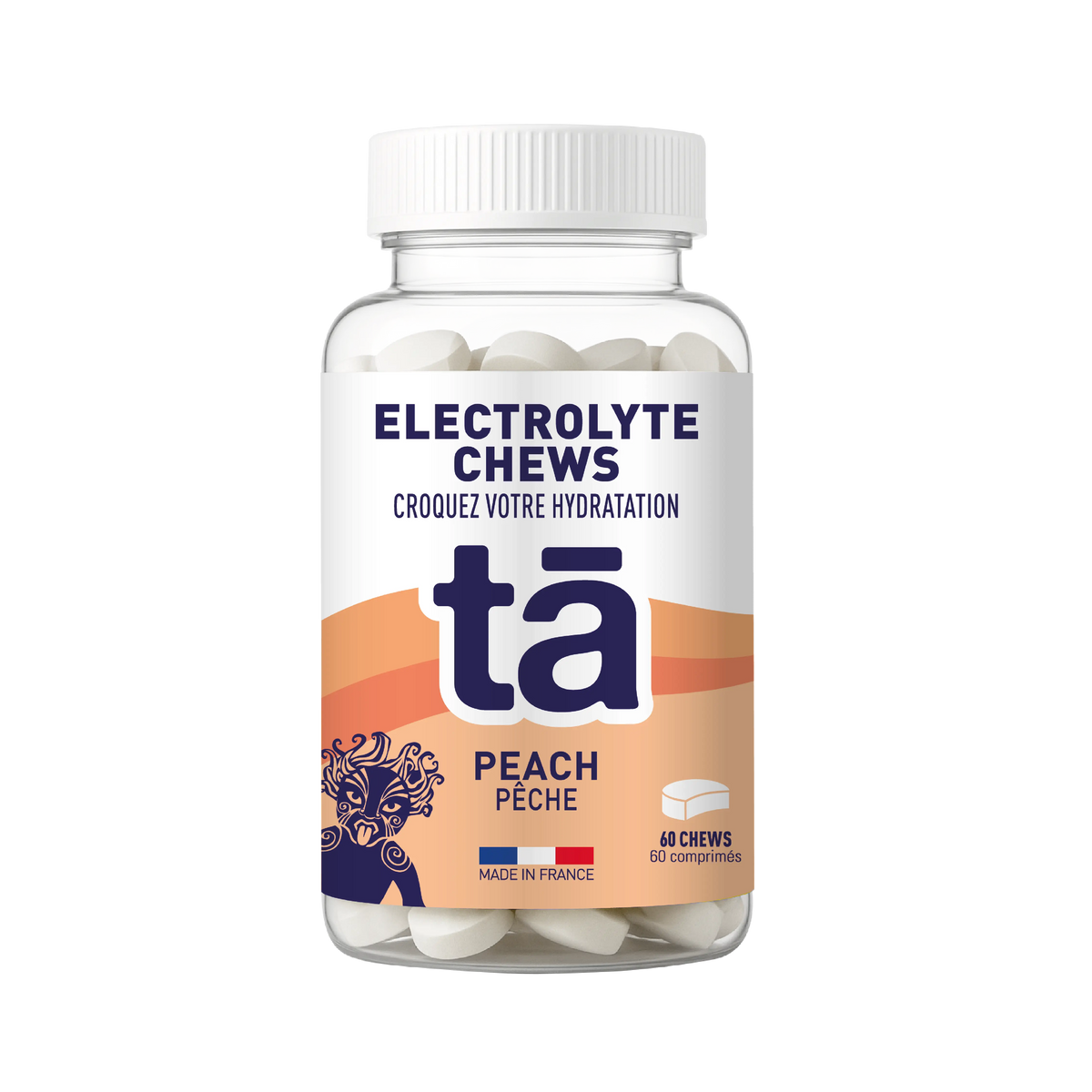
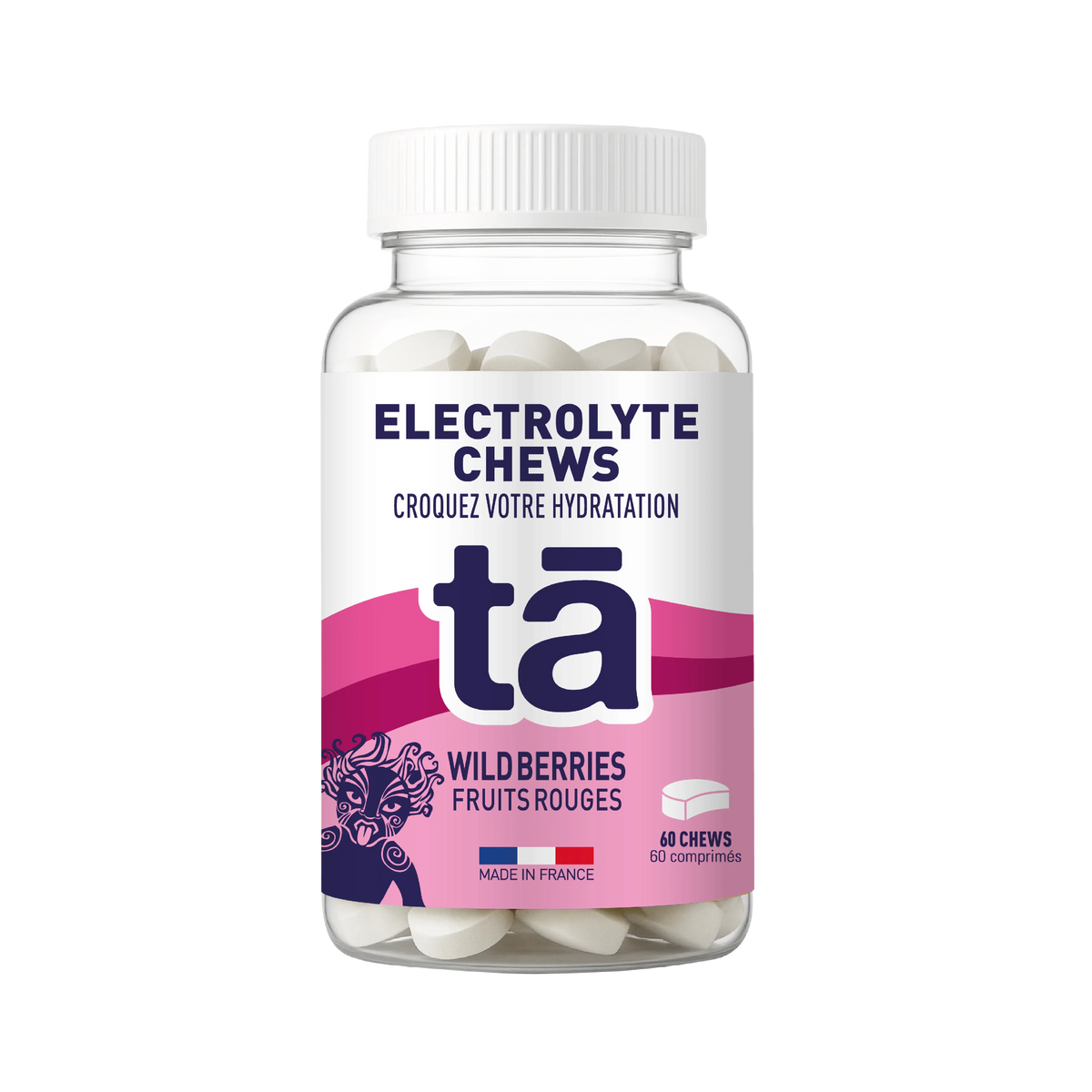
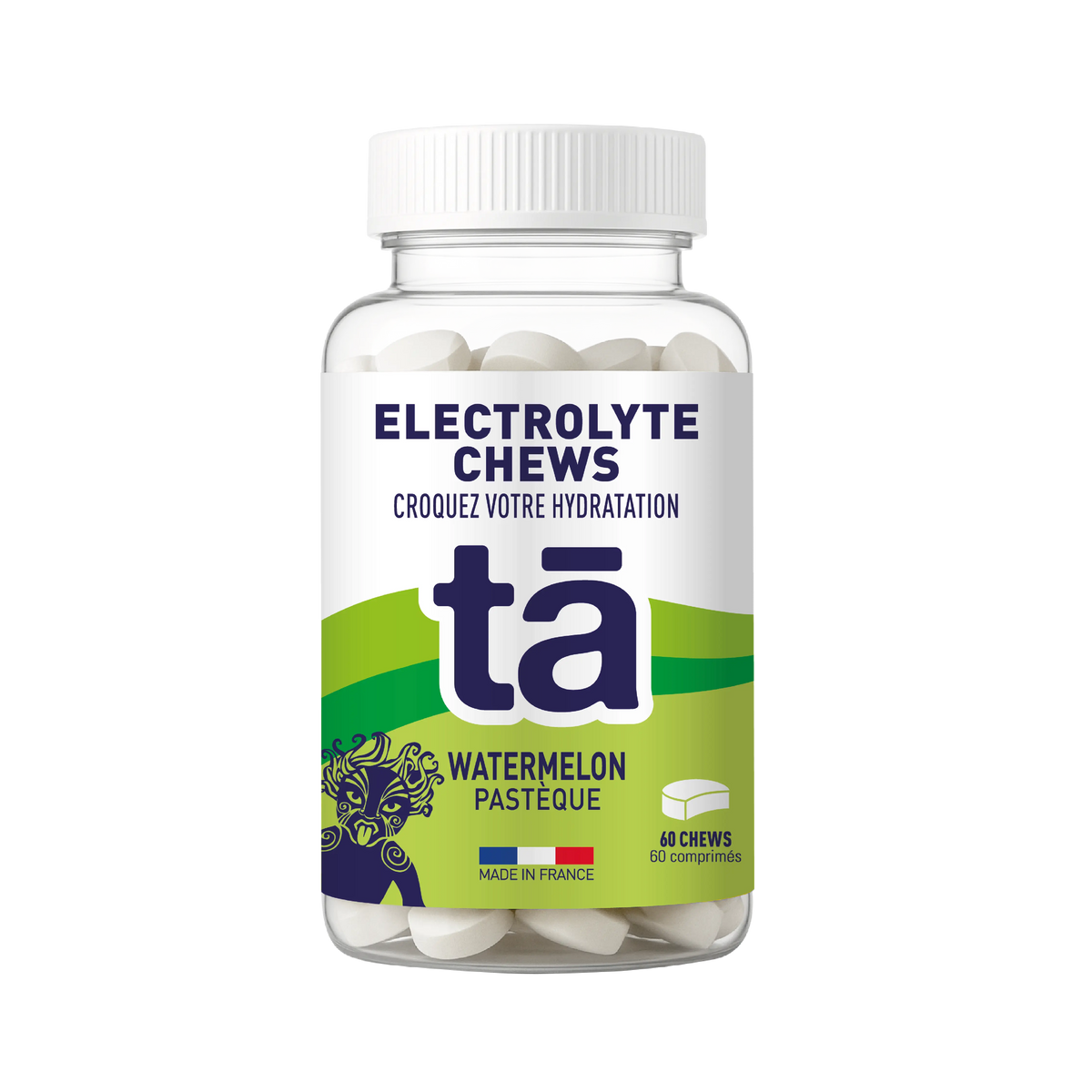
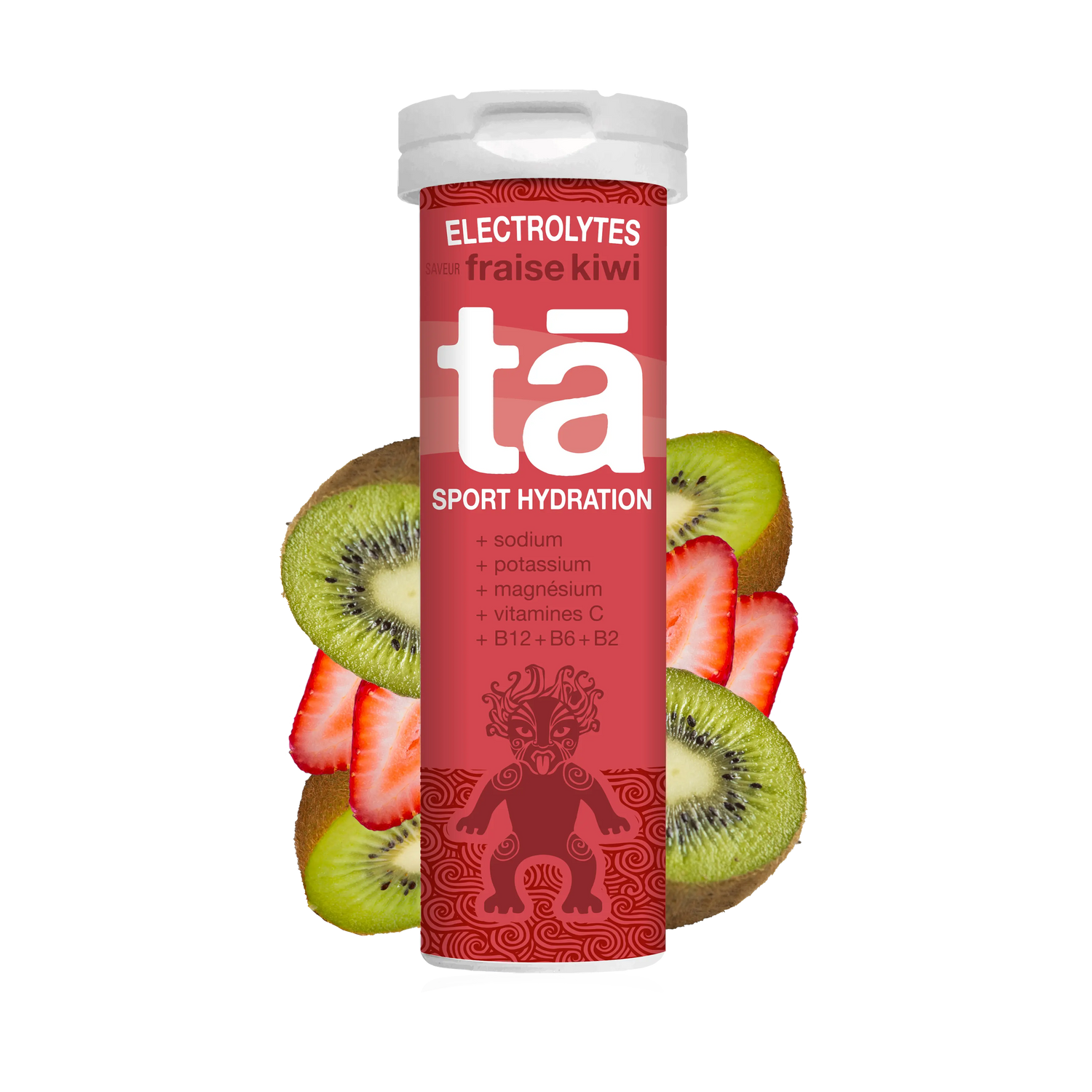
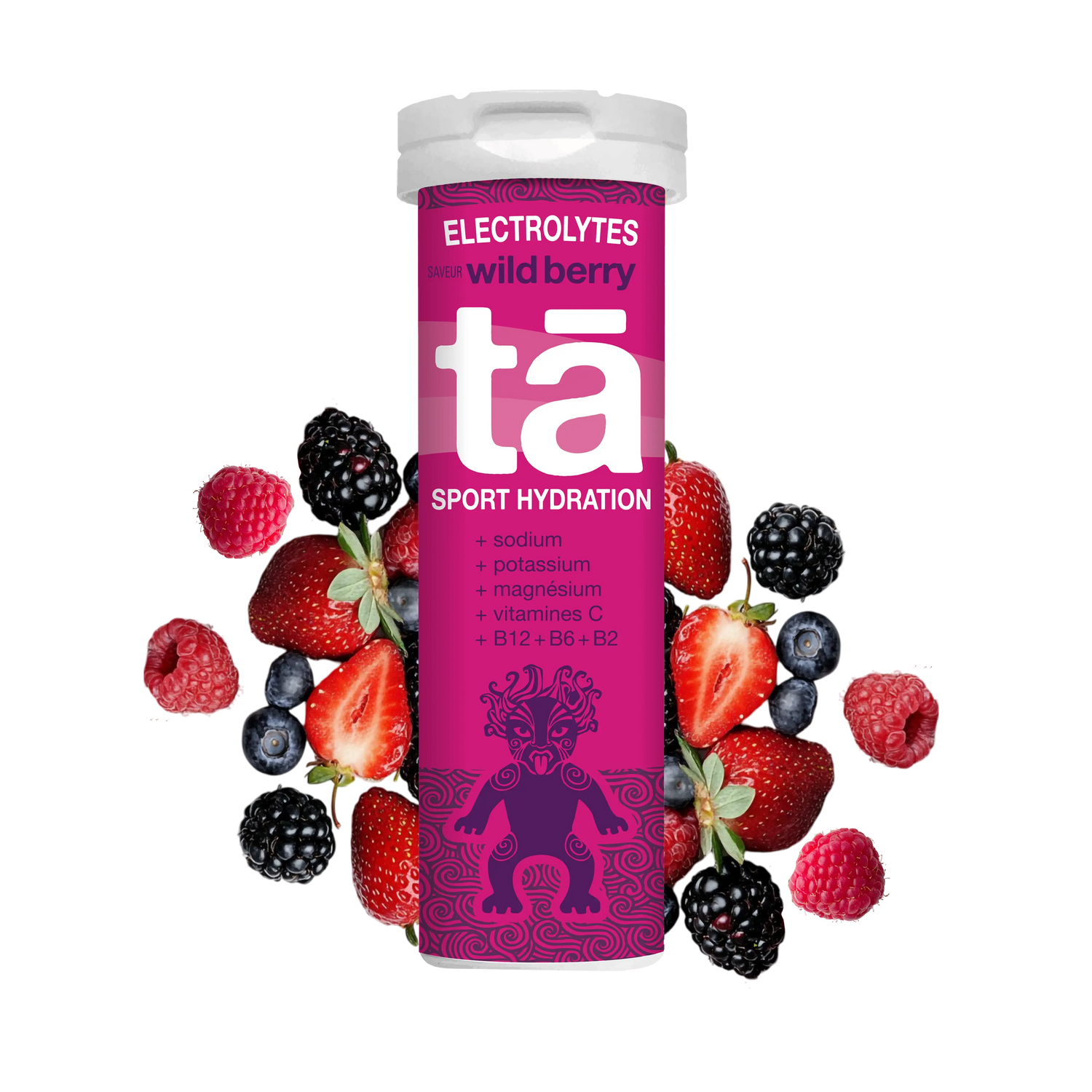
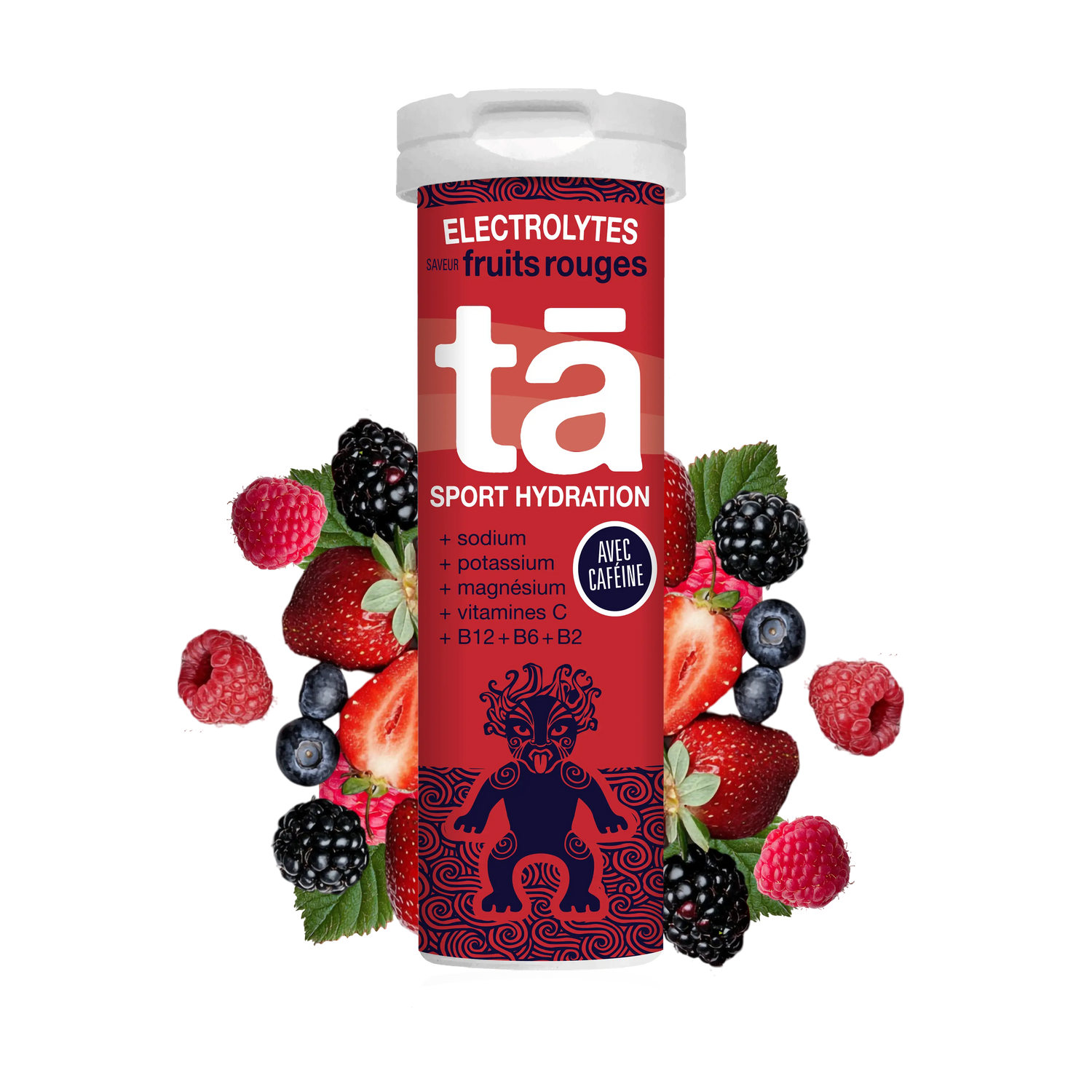
Électrolytes à croquer 60 pastilles
The Tā Energy strategy: The art of individualization
Because a race plan cannot be improvised, Tā Energy products have been developed to address these scientific realities without making things more complicated on the trails:
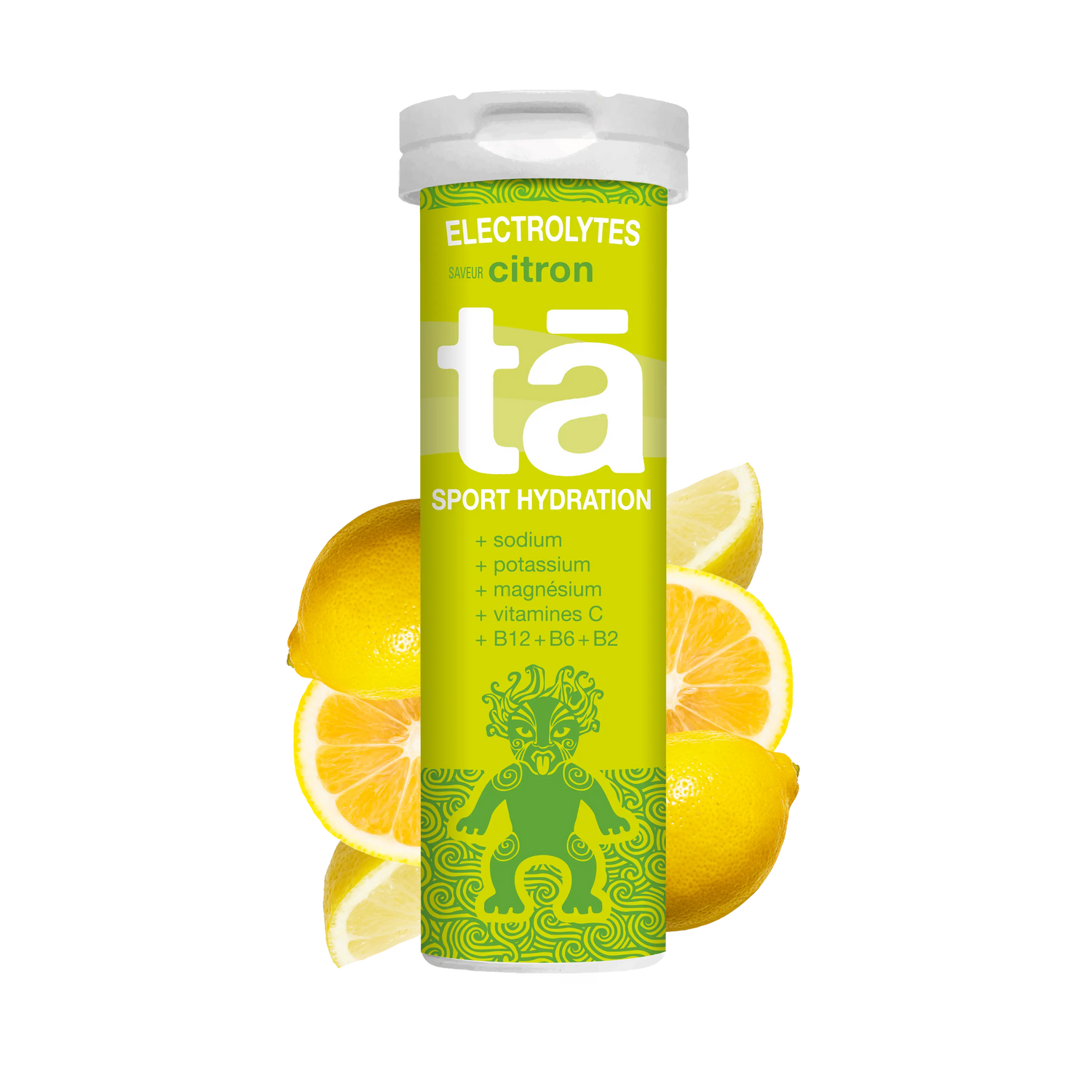
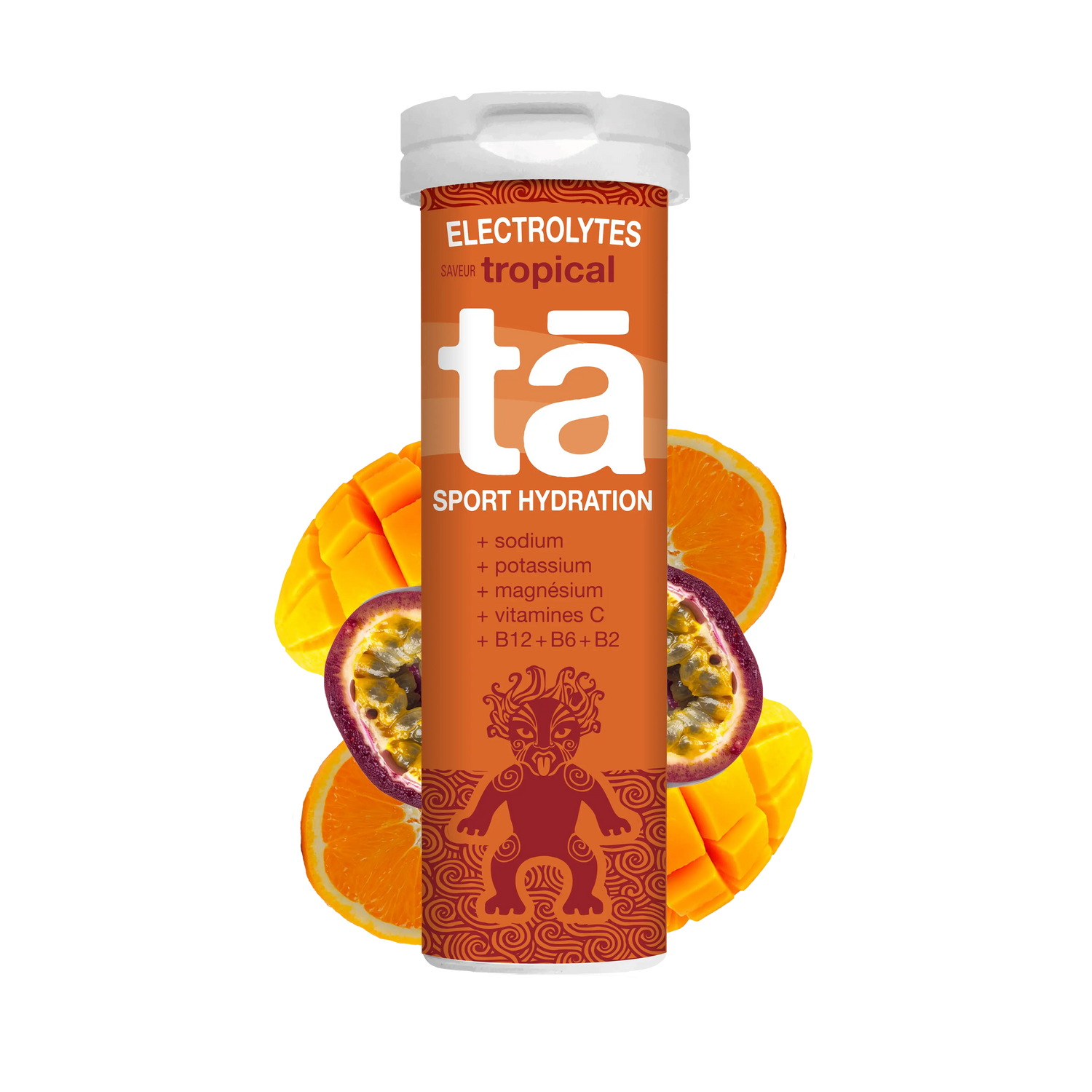
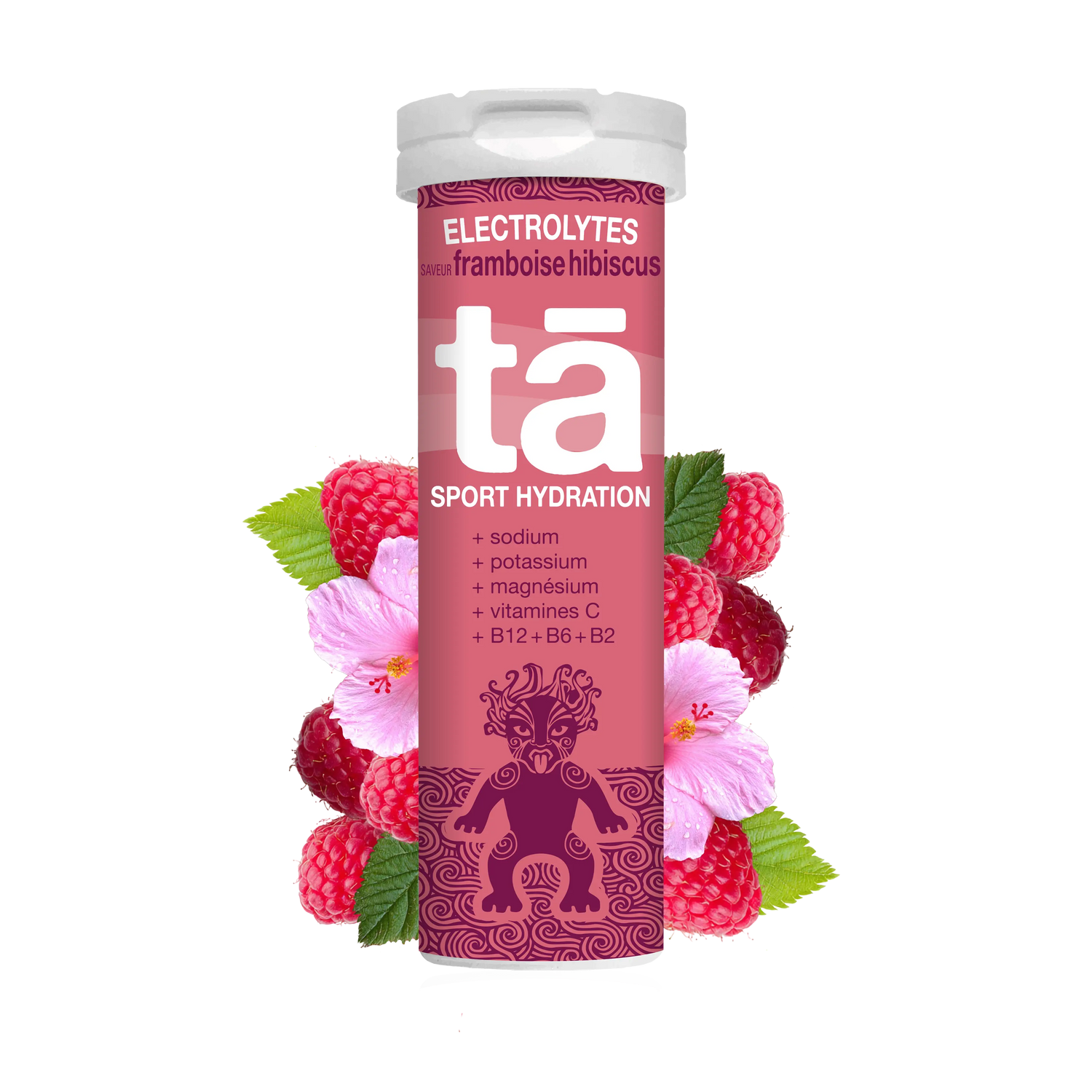
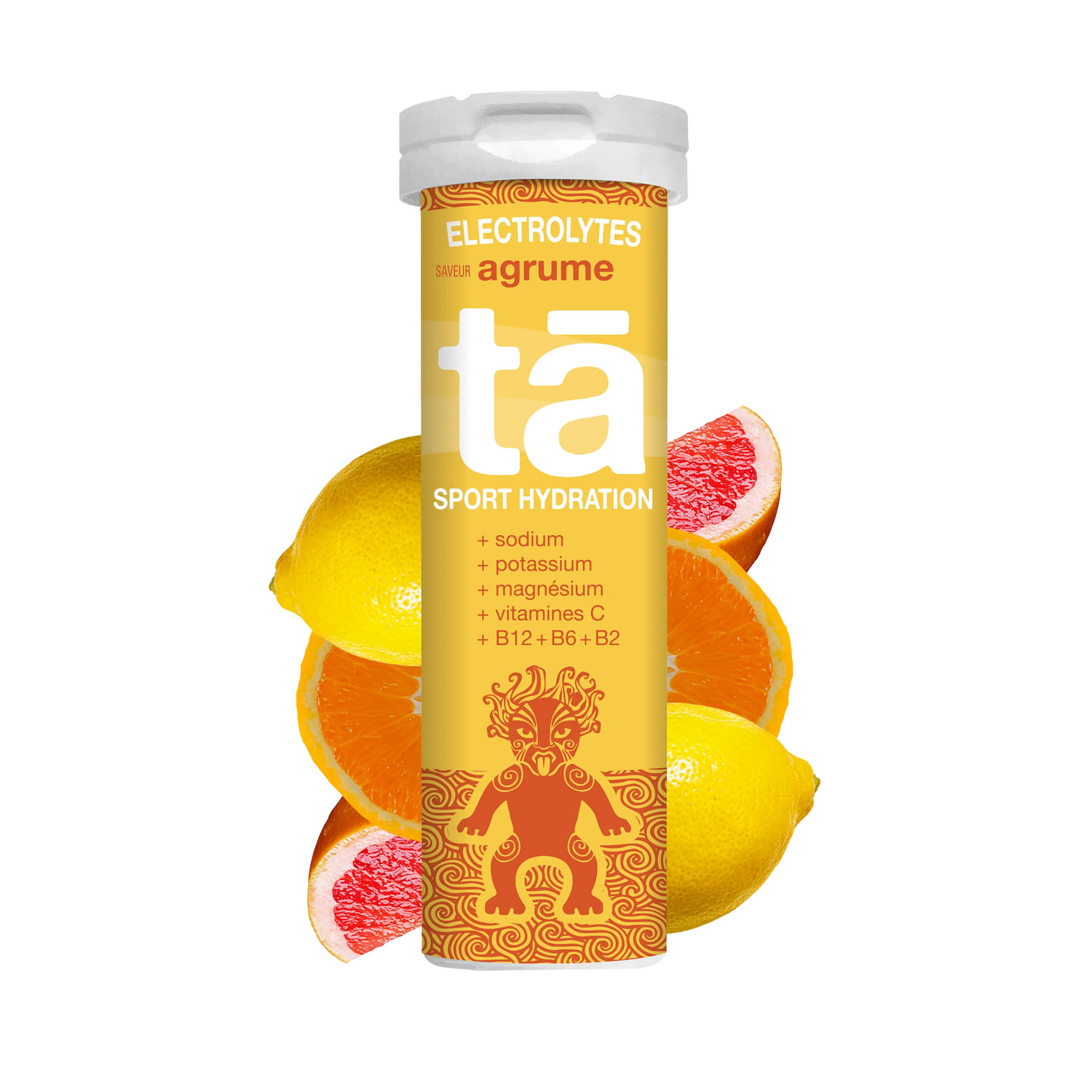
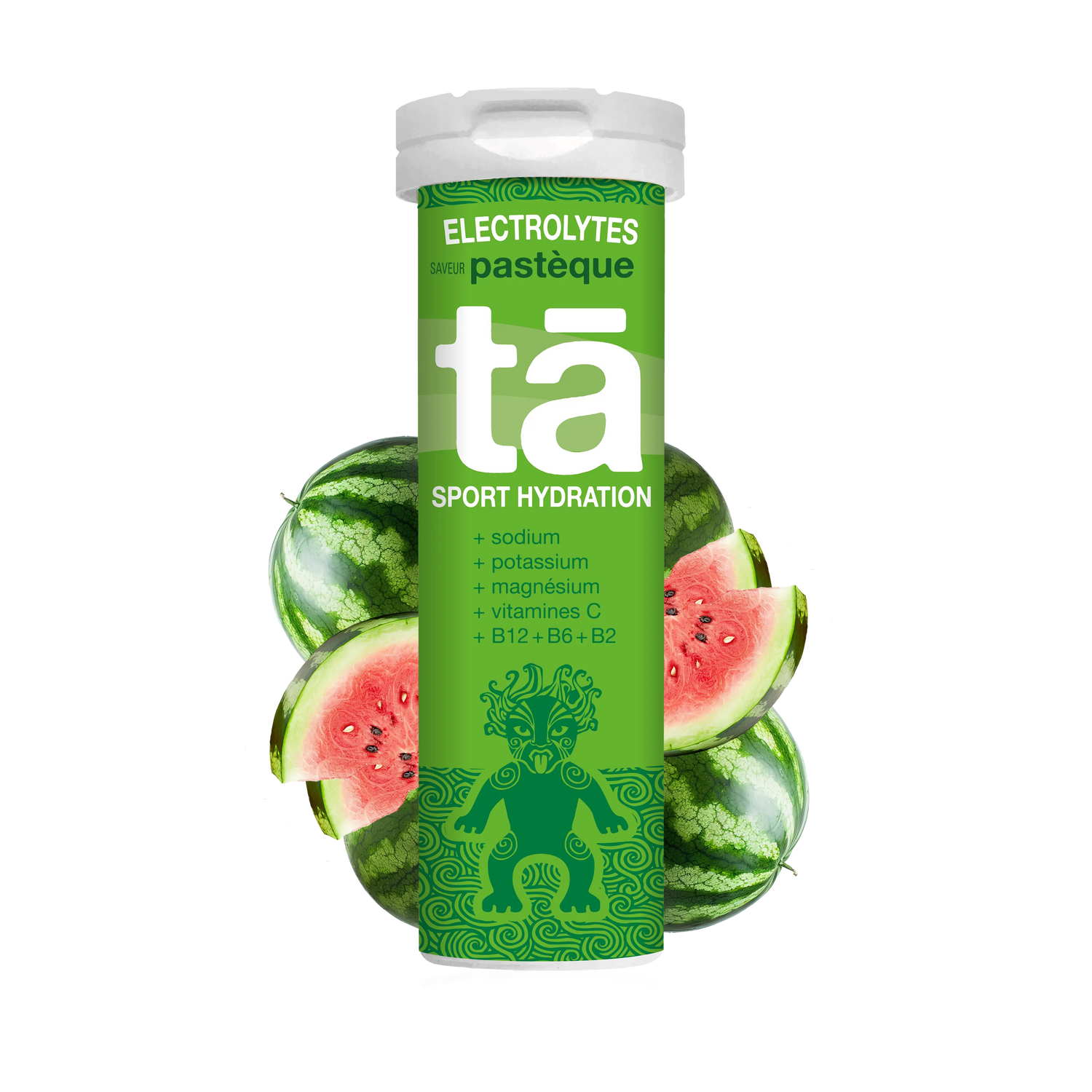
• Our electrolyte tablets: Ideal for creating a perfectly dosed drink (meeting the recommended 230-690 mg/L) for your regular, high-energy outings.
* 1 tablet = 350 mg of sodium (in 500 mL)
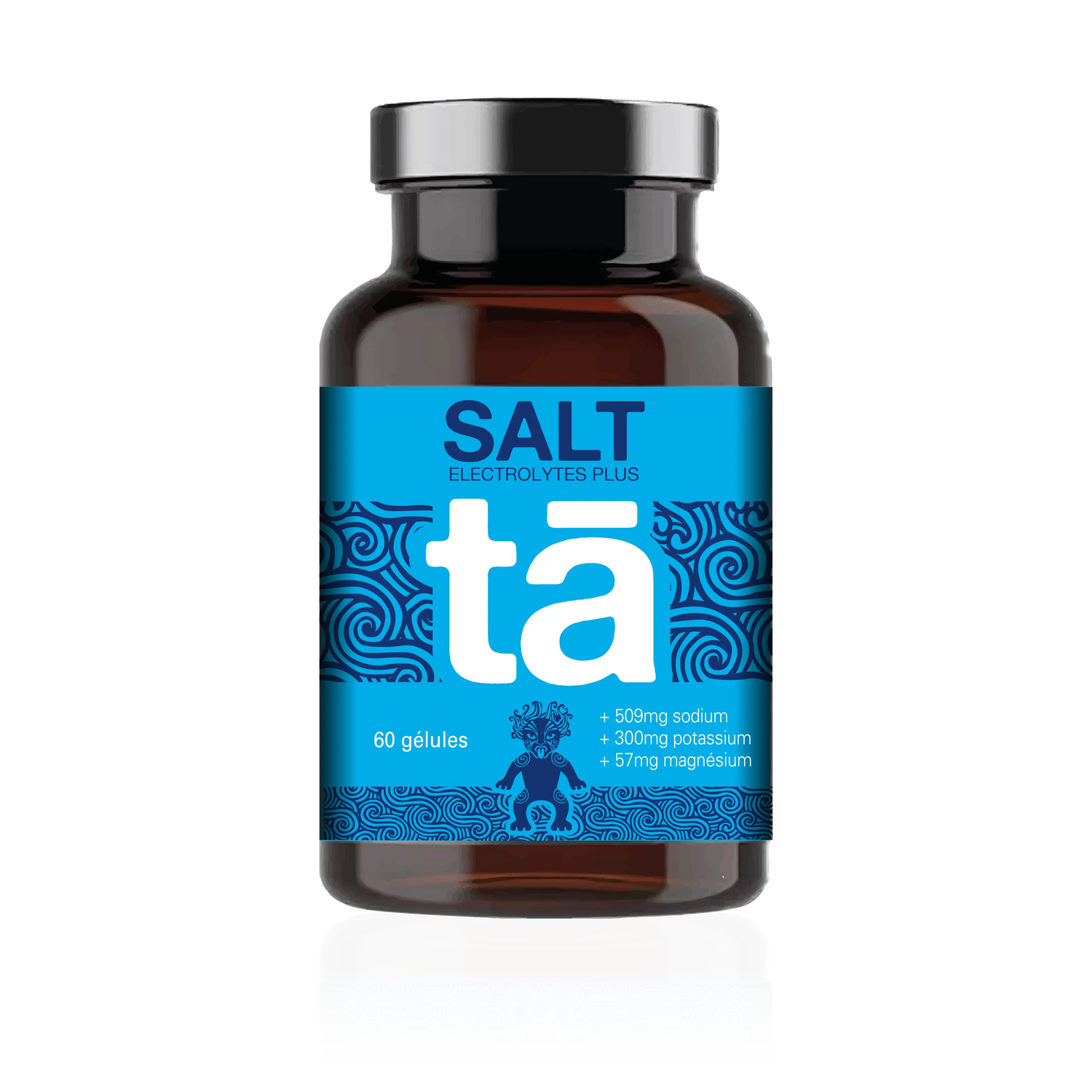
• Our salt capsules: The ultimate tool for ultras or scorching-hot days. They allow you to easily reach 300 to 600 mg of sodium per hour without overloading your stomach with disproportionate fluid volumes.
* 1 salt capsule: 169 mg of sodium
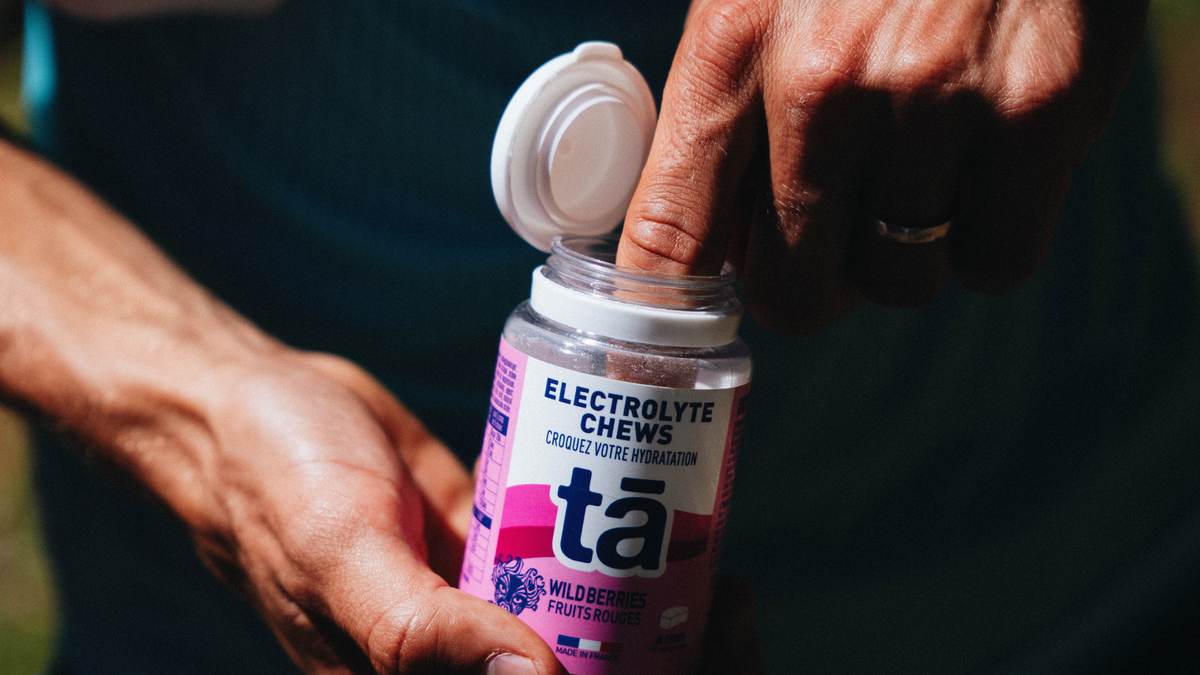
• Our Electrolytes chews: Designed to provide mineral salts when water supplies are limited or to keep pure water in your flasks.
* 1 serving (2 tablets): 150 mg of sodium
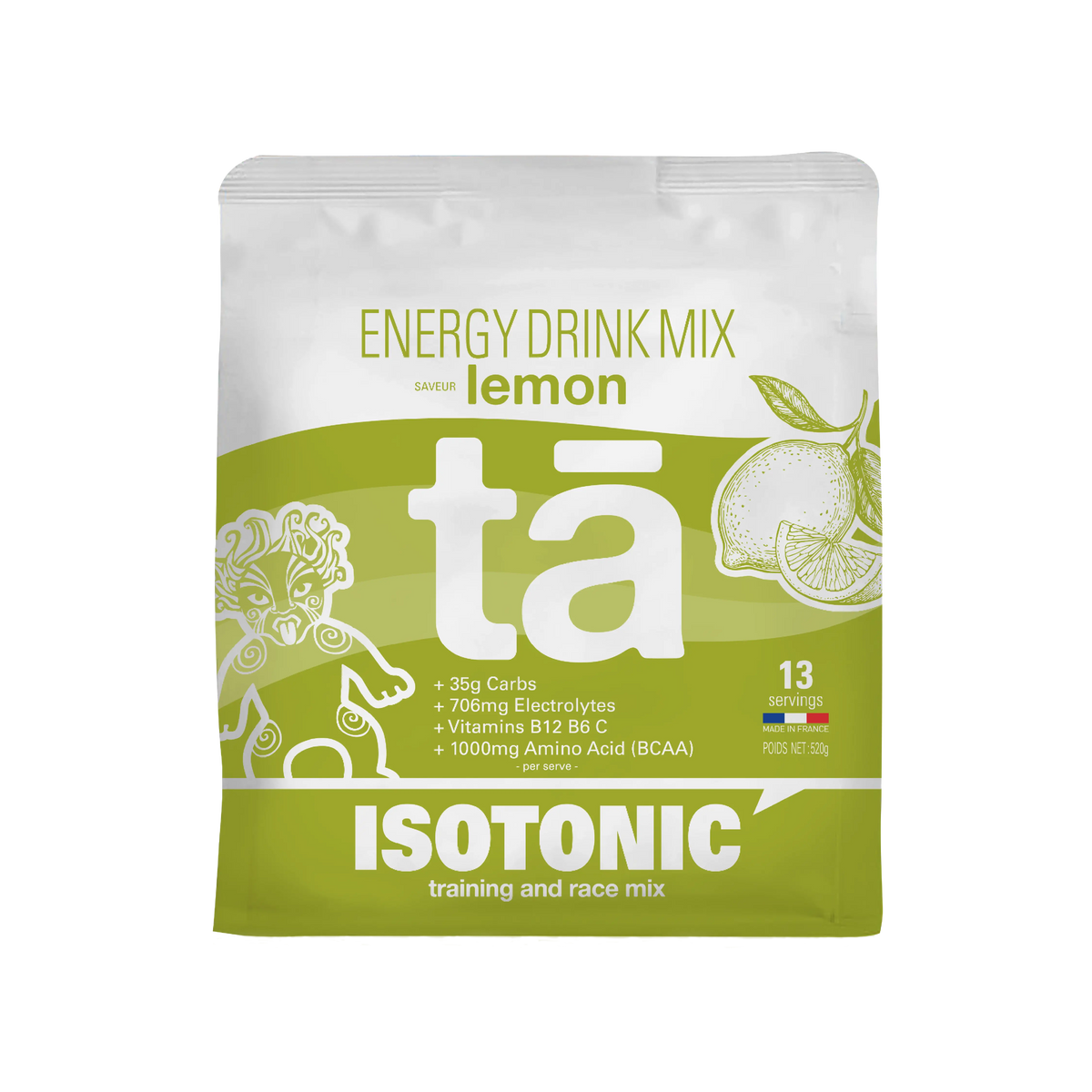
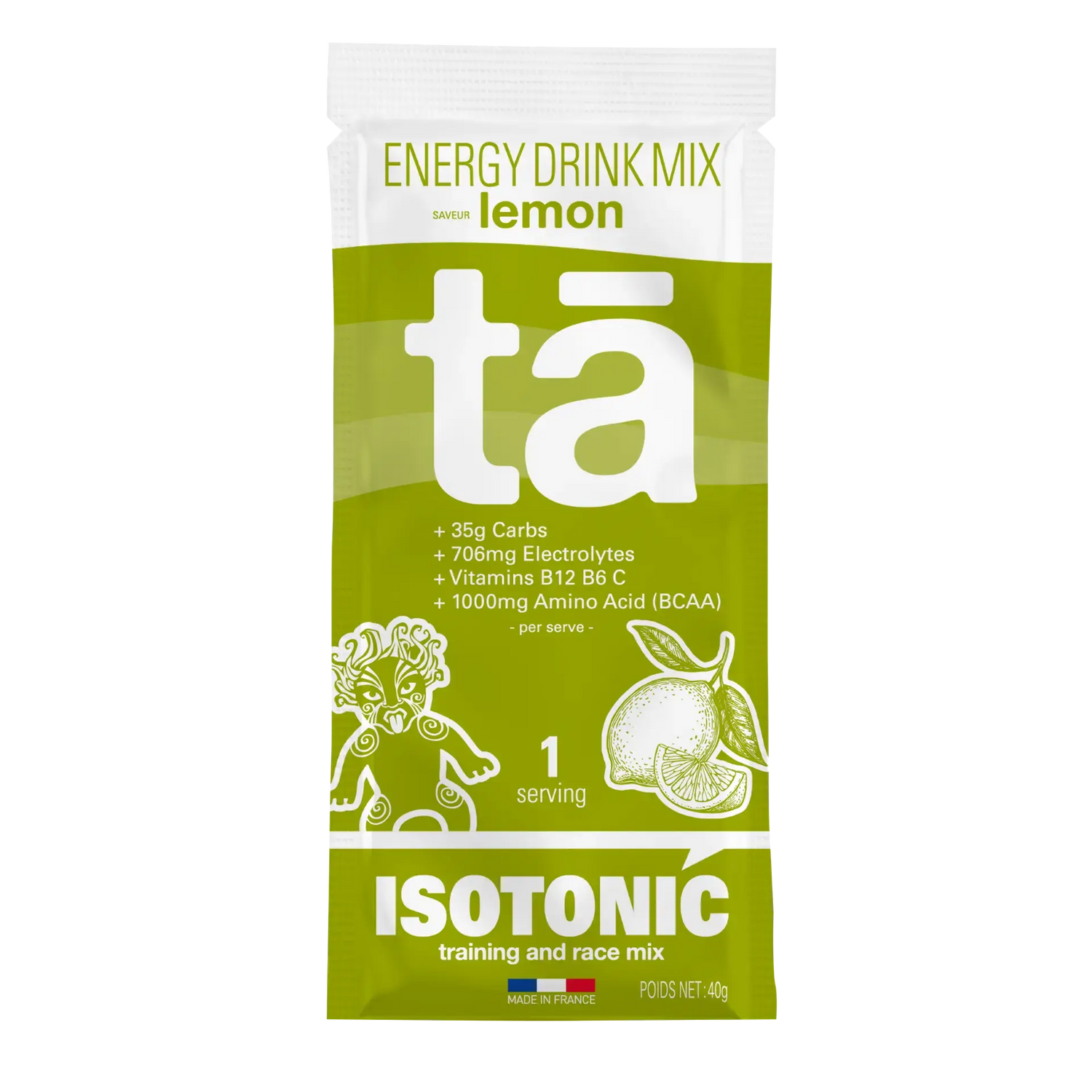
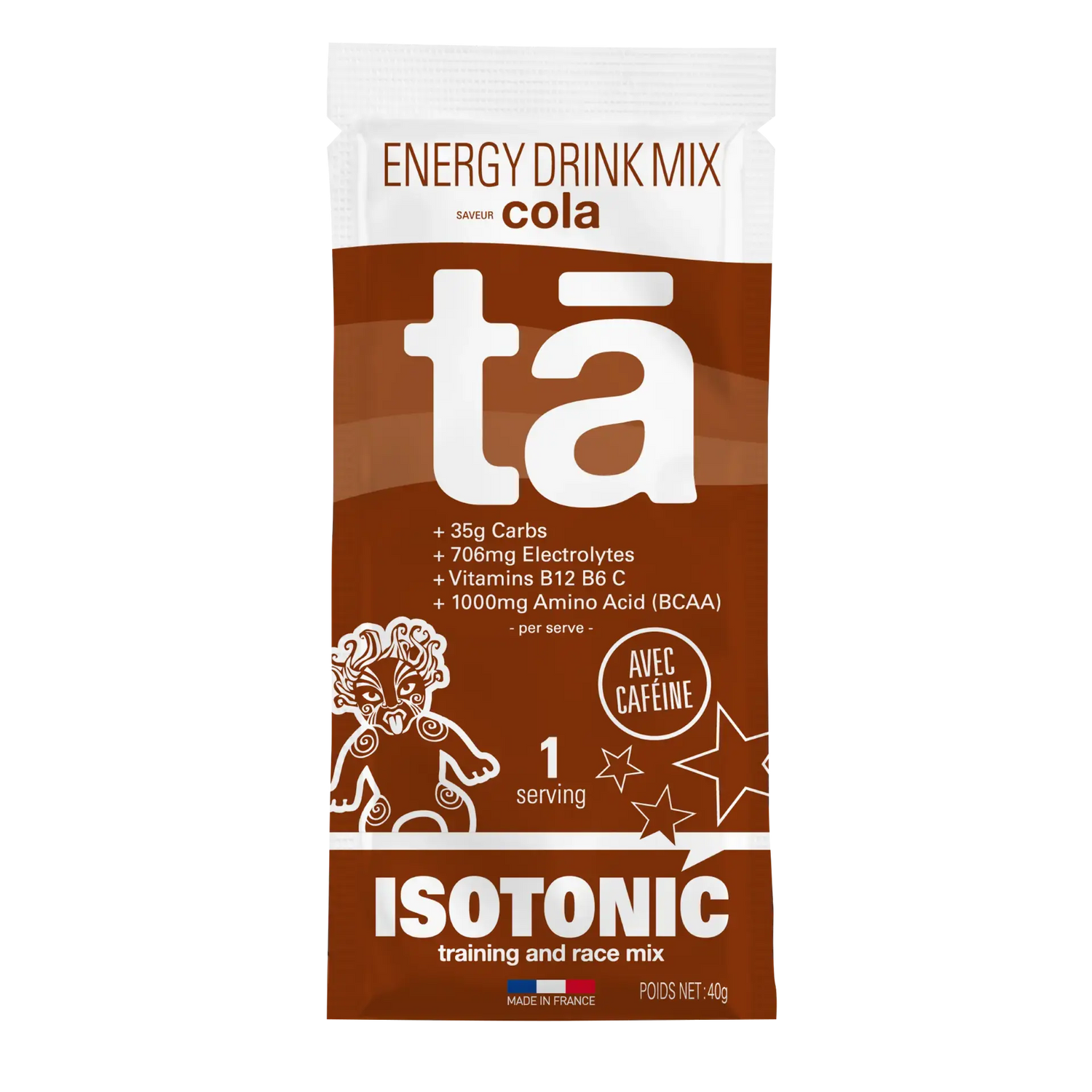
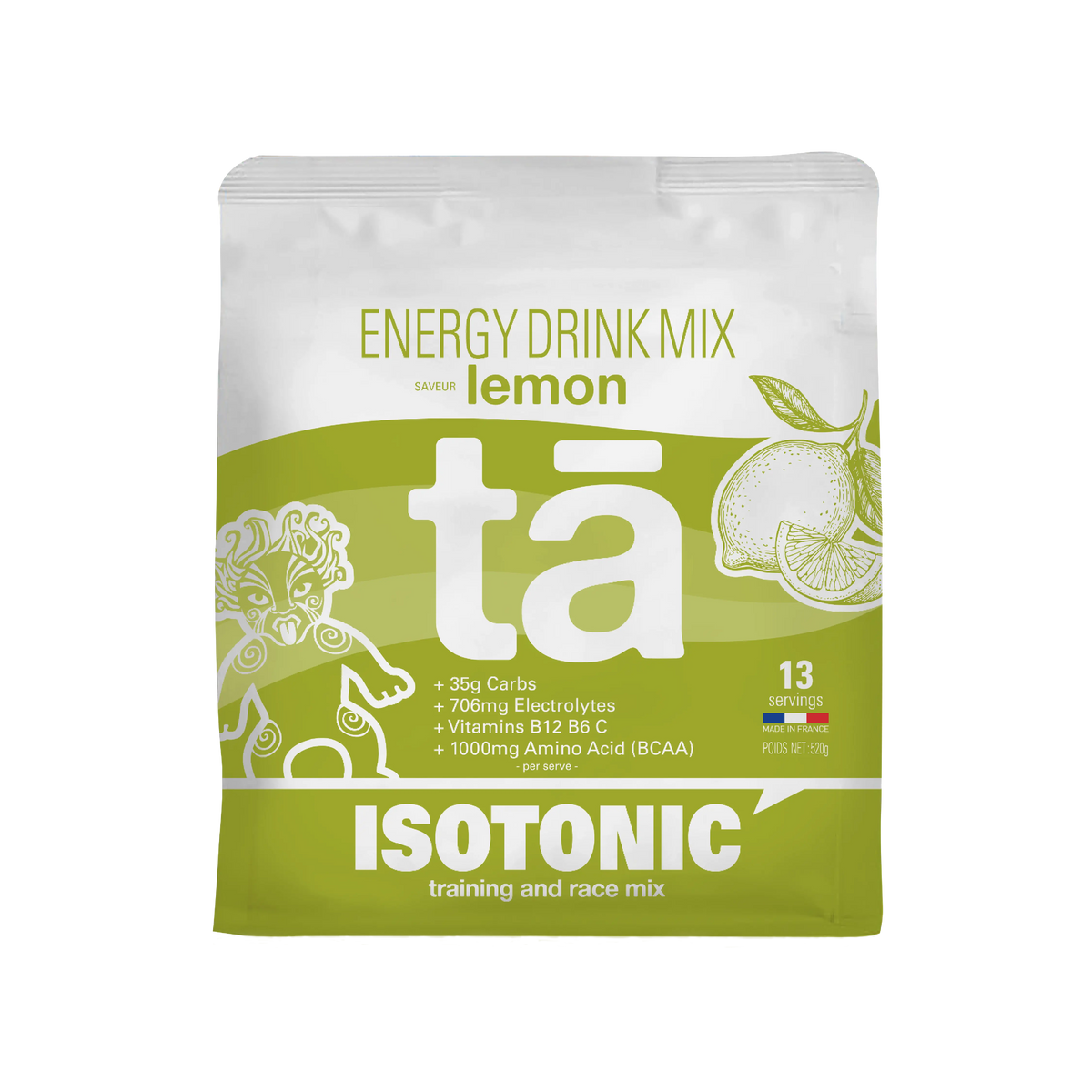
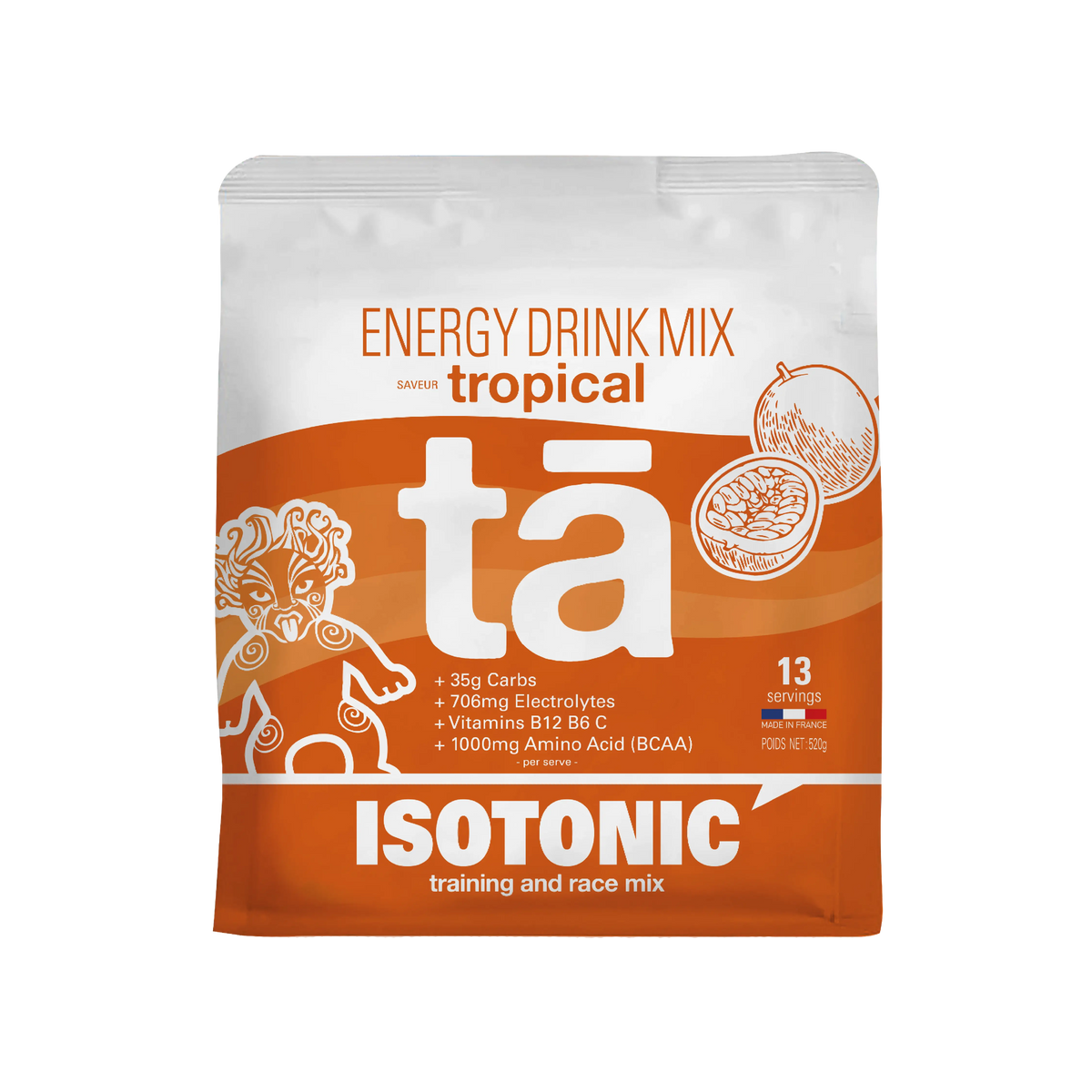
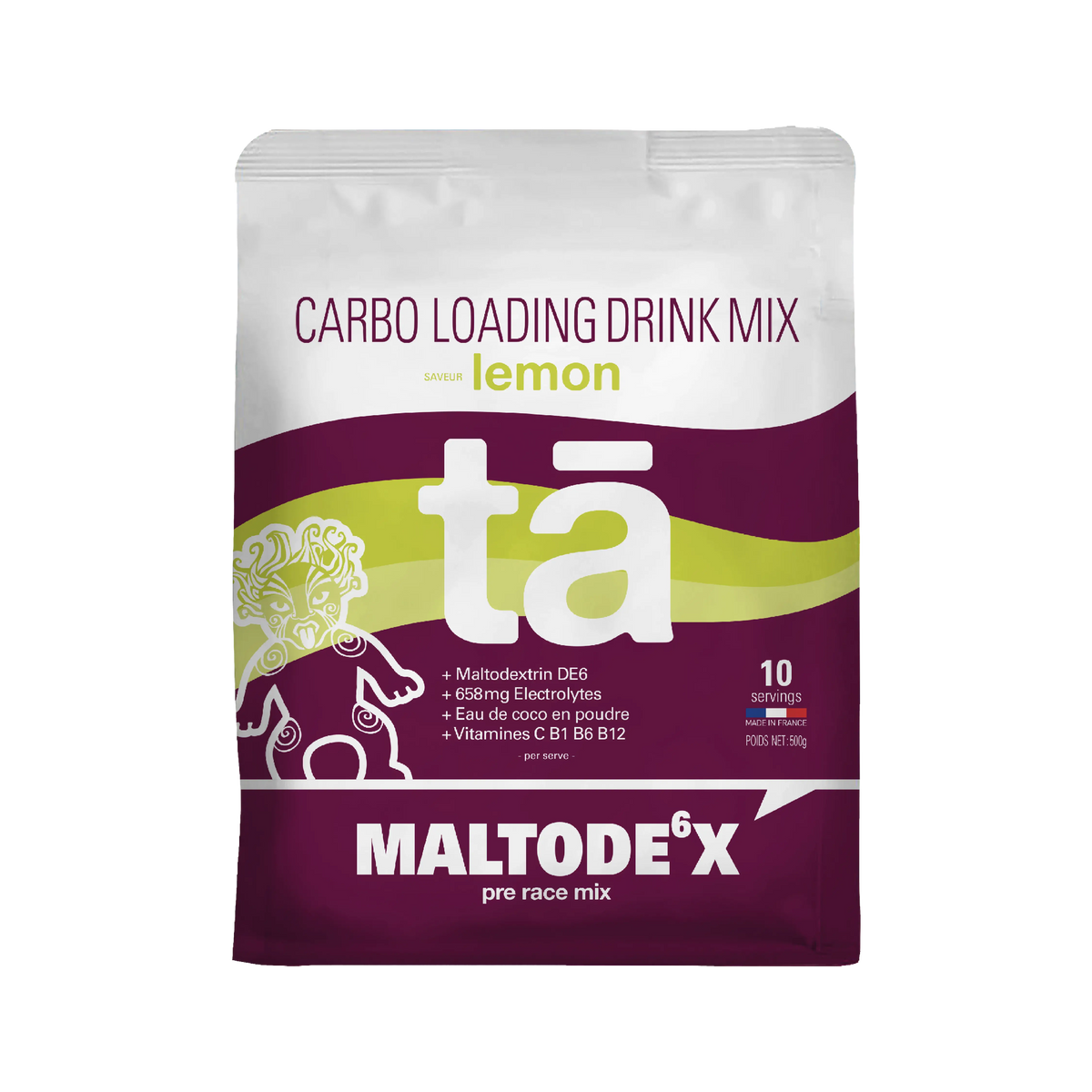
• Our isotonic drink: Designed for efforts lasting more than 1 hour 30 minutes, it provides energy through 35 g of carbohydrates and mineral salts.
* 1 serving (2 scoops): 350 mg of sodium
Sodium is present in all our products to complement your nutrition strategy. We also offer a range specially enriched with sodium among our various products:
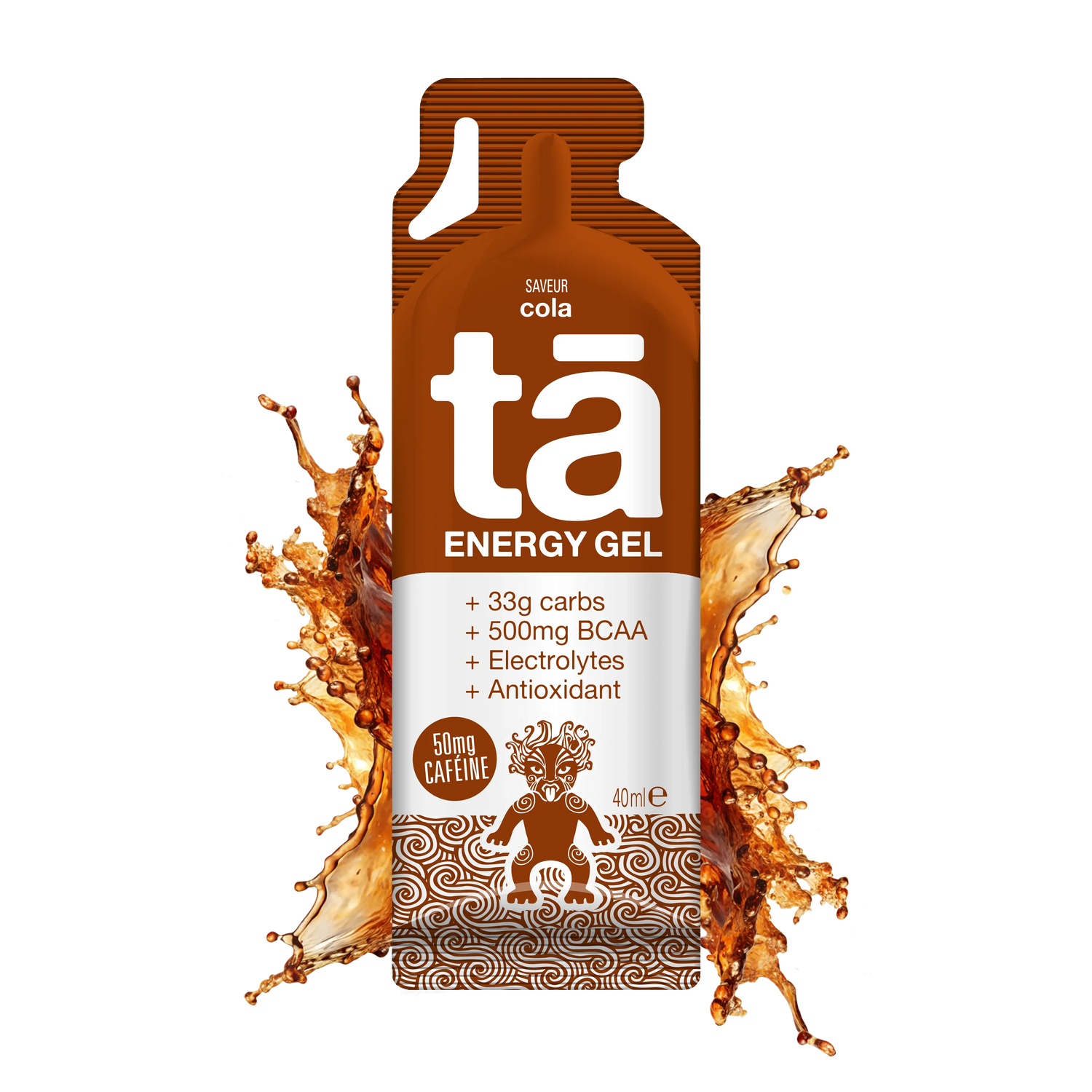
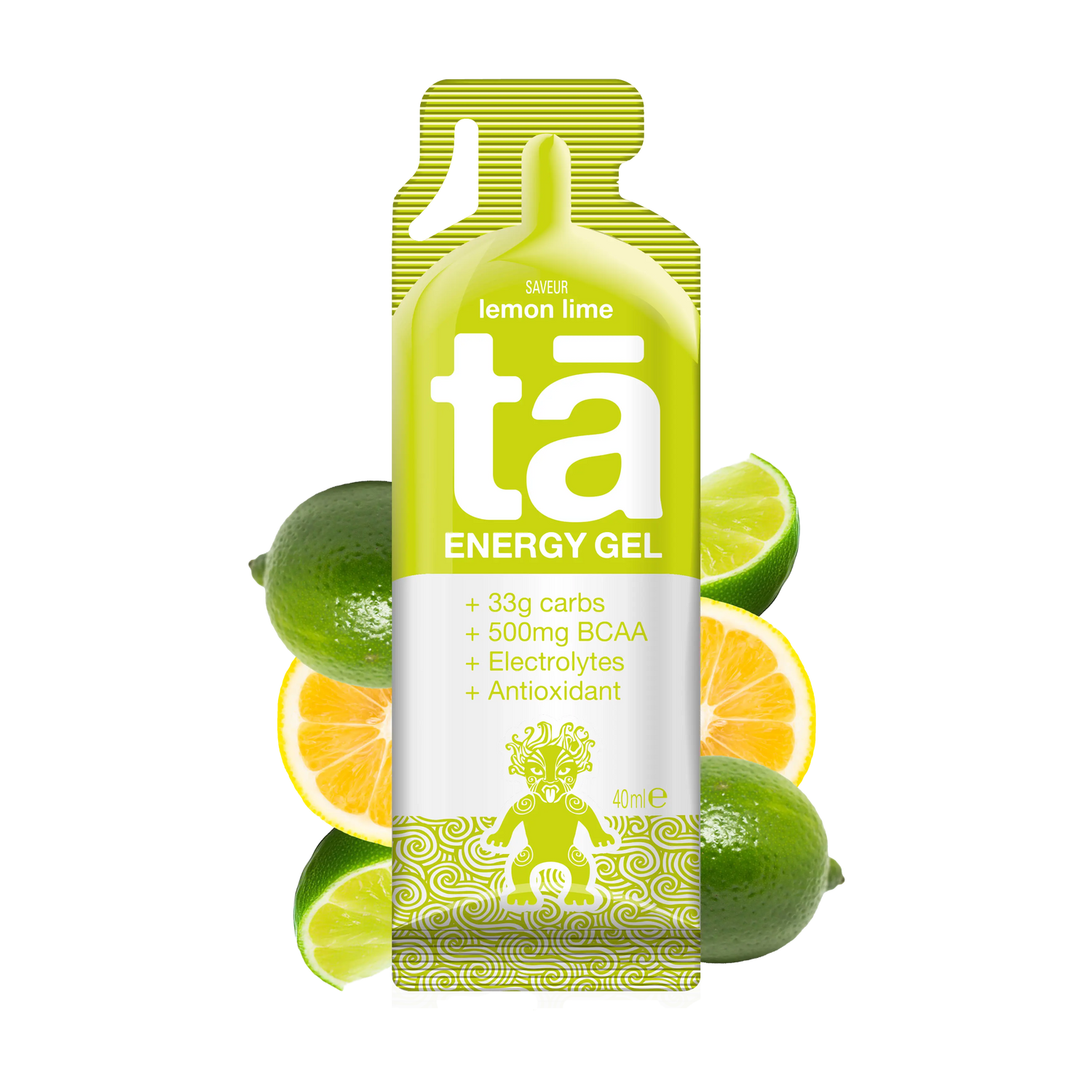
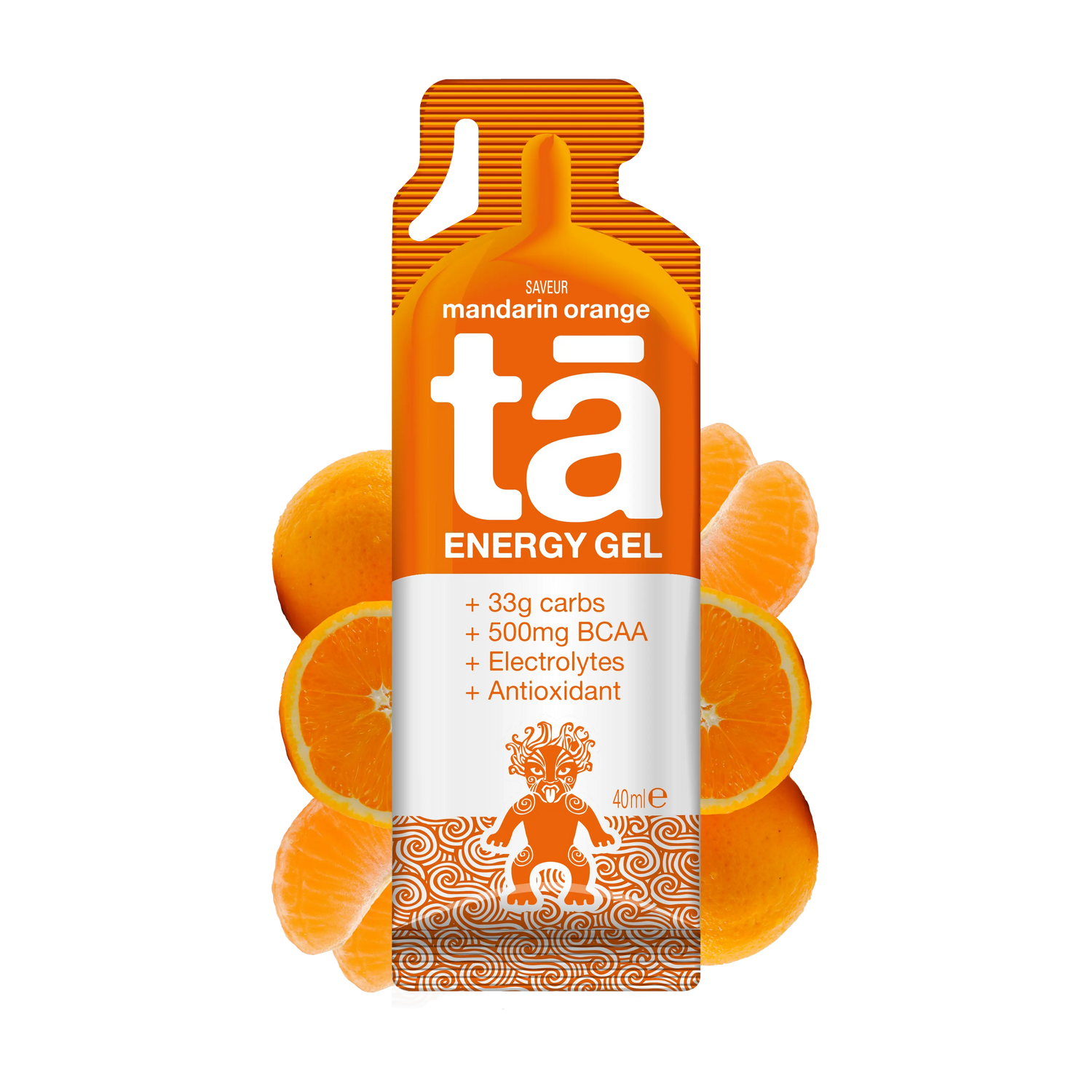
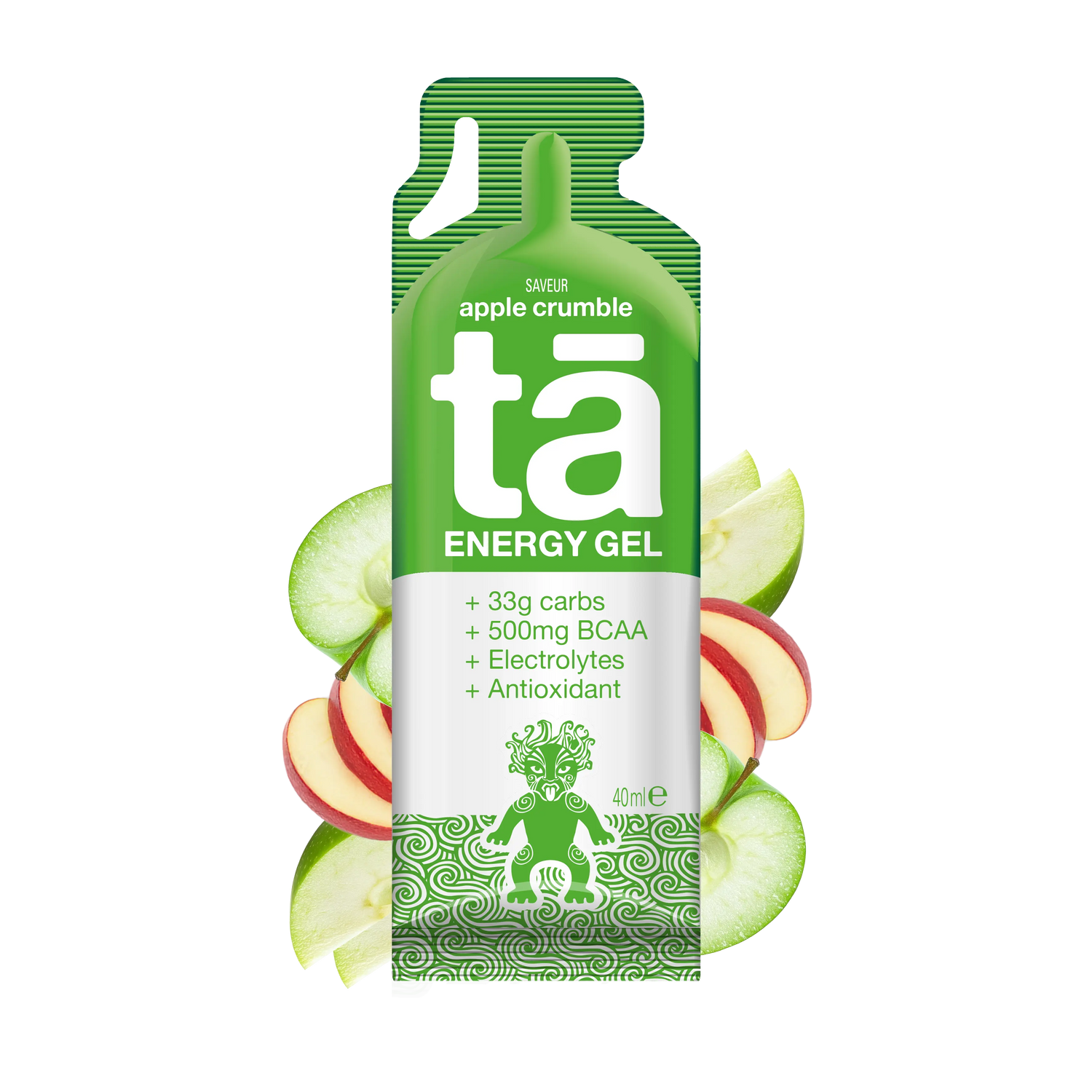
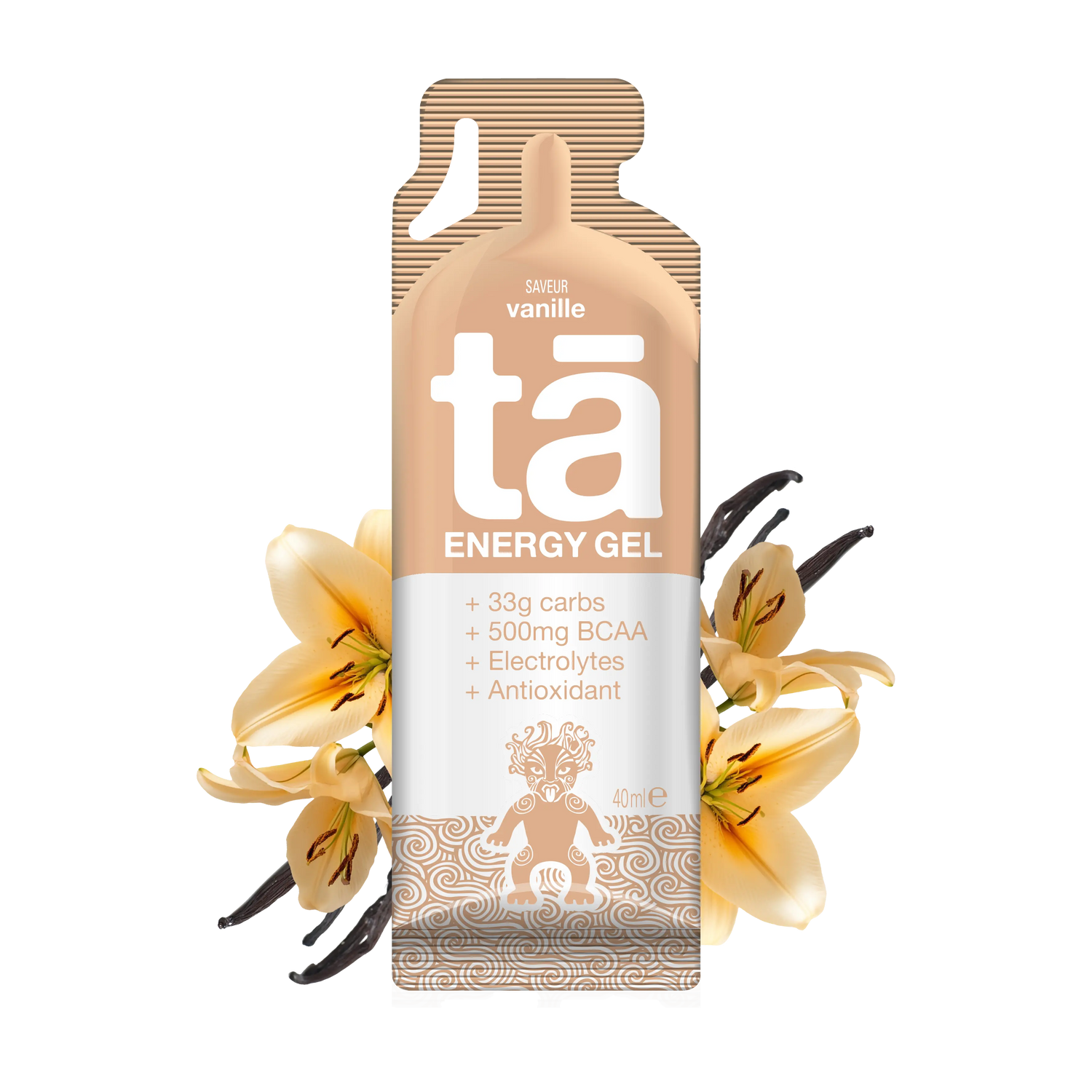
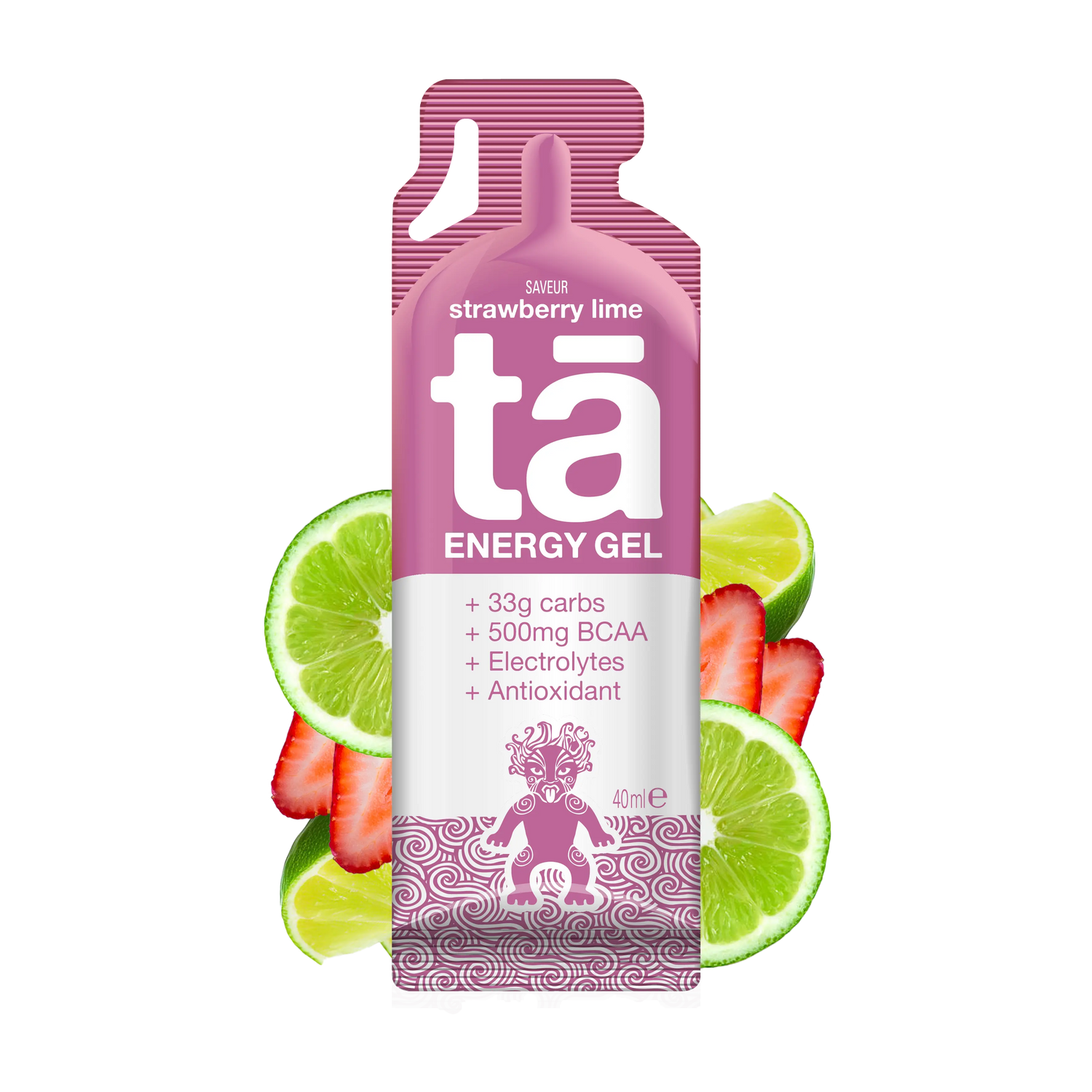
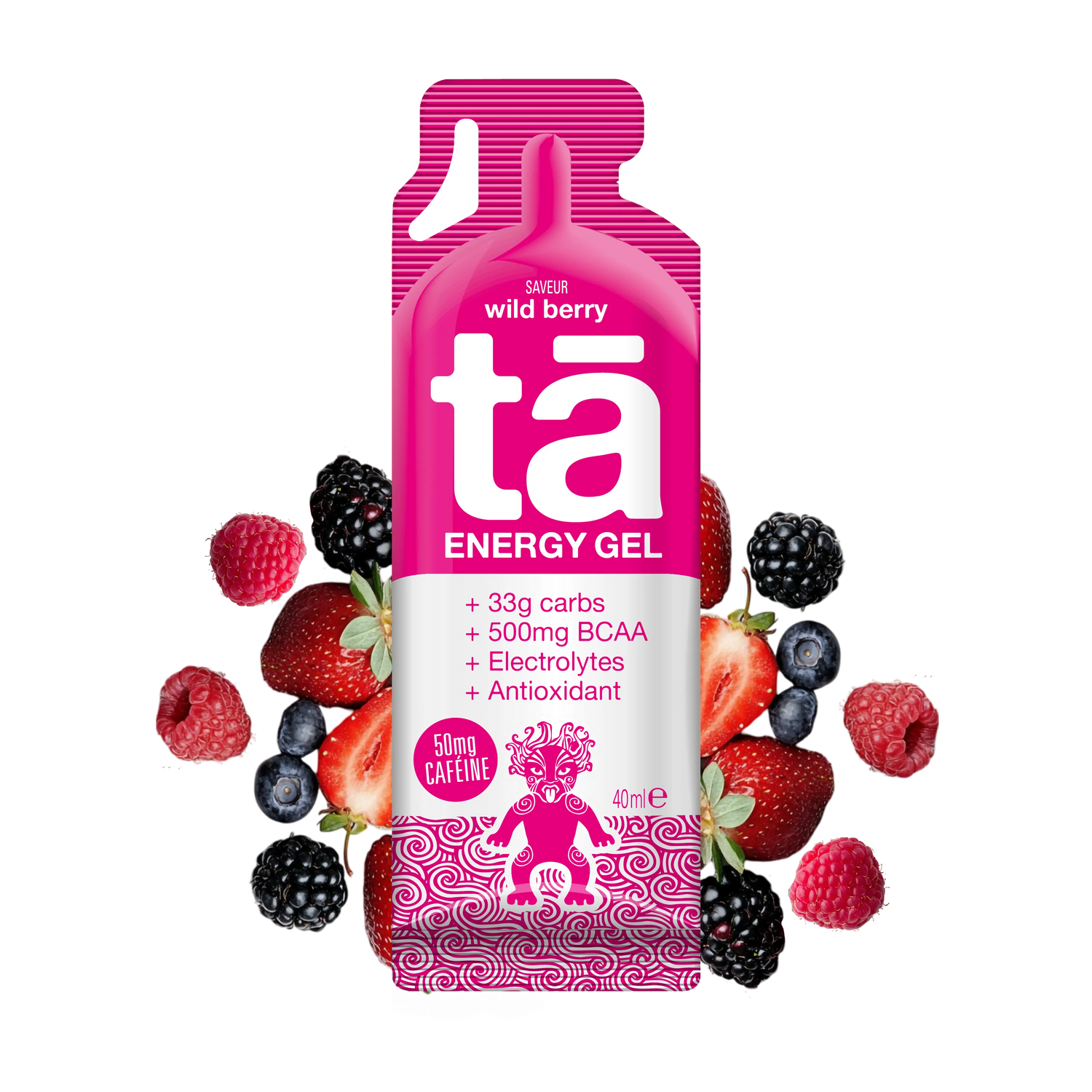
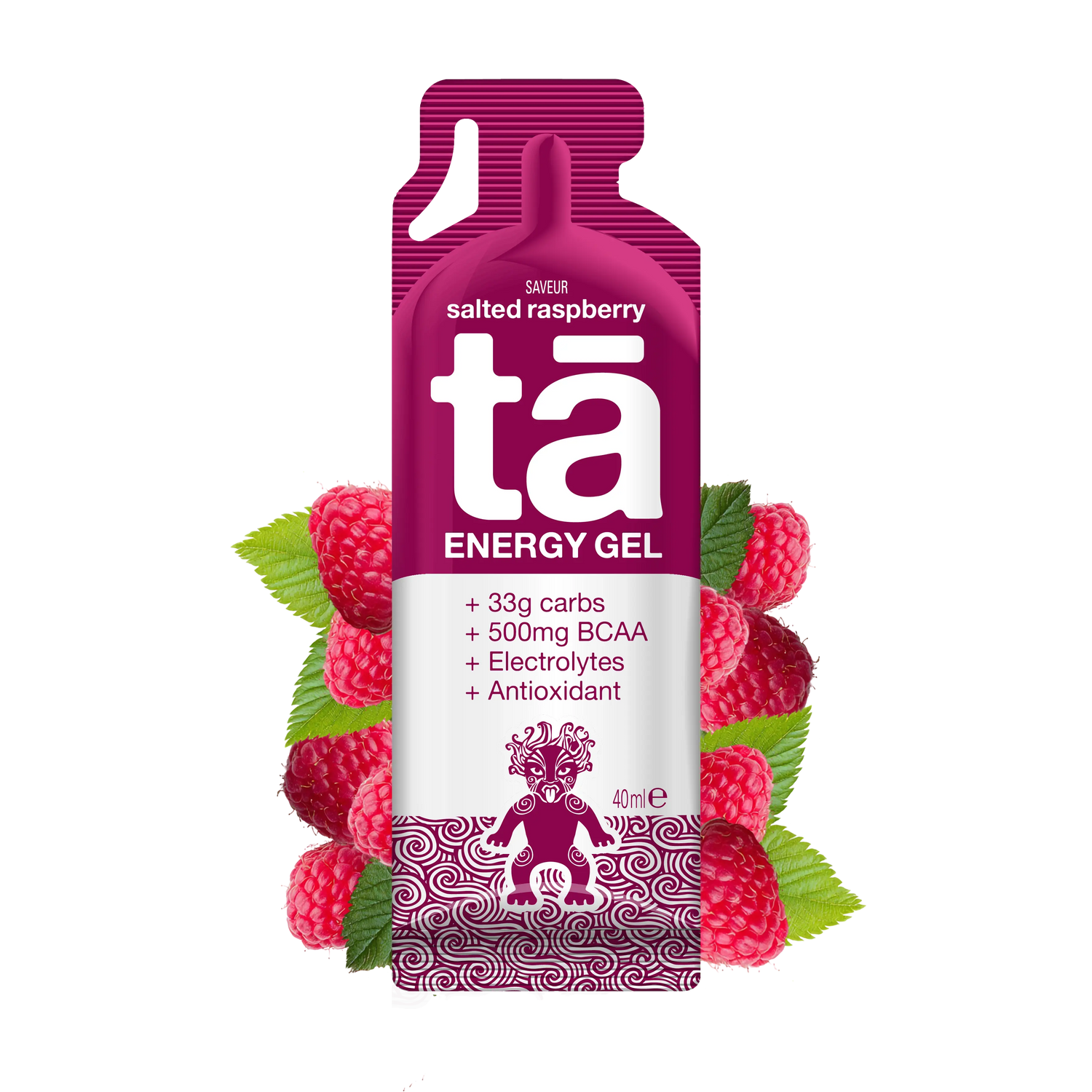
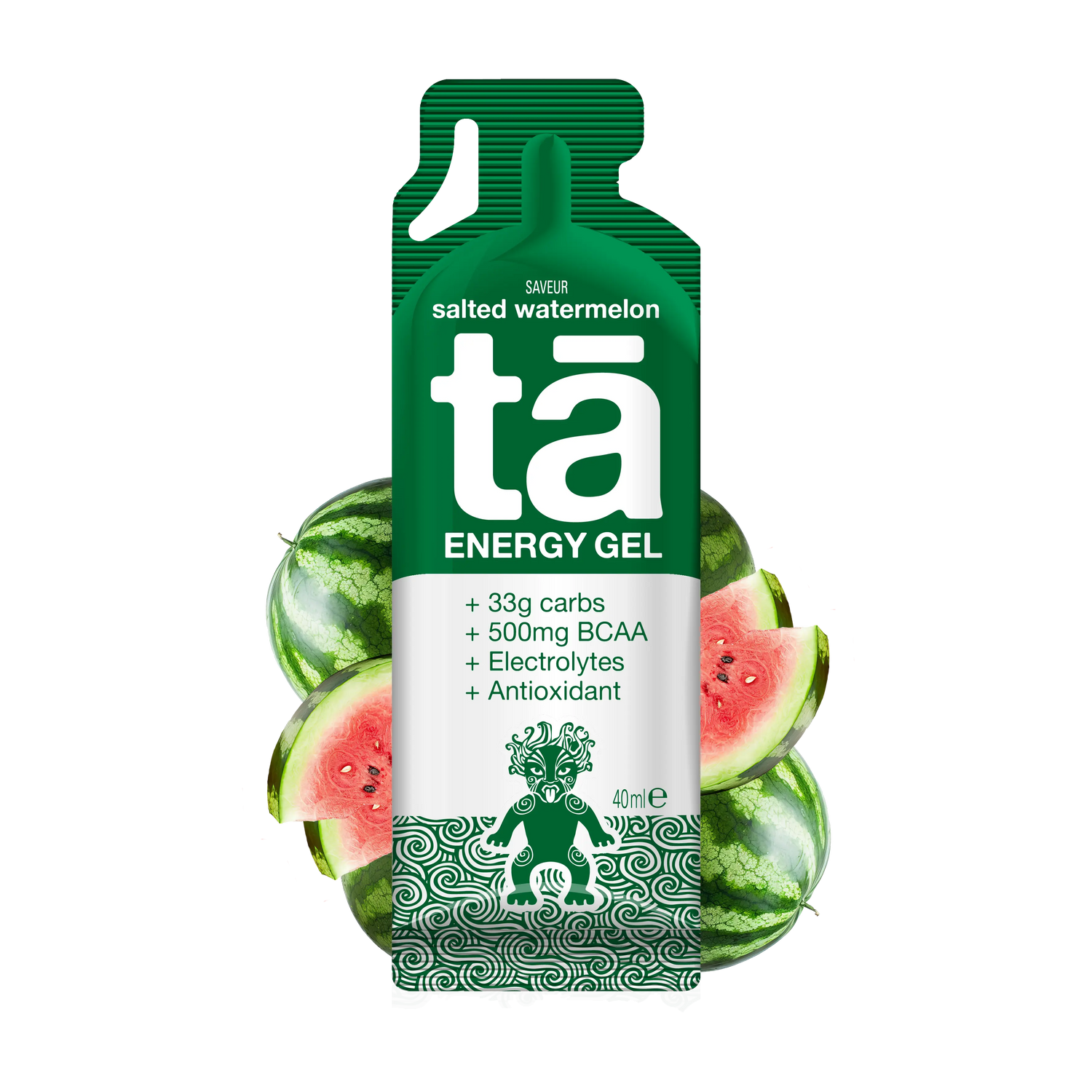
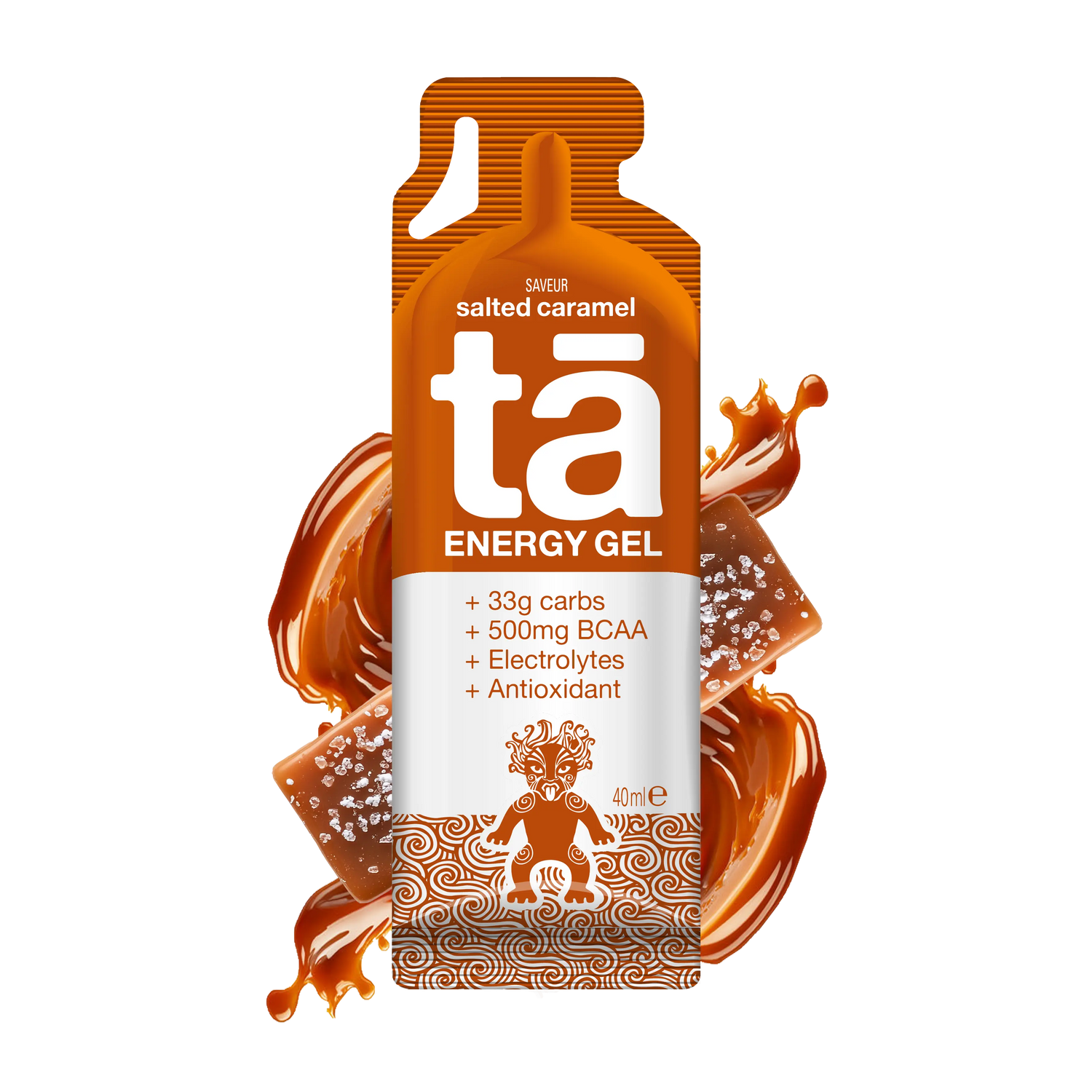
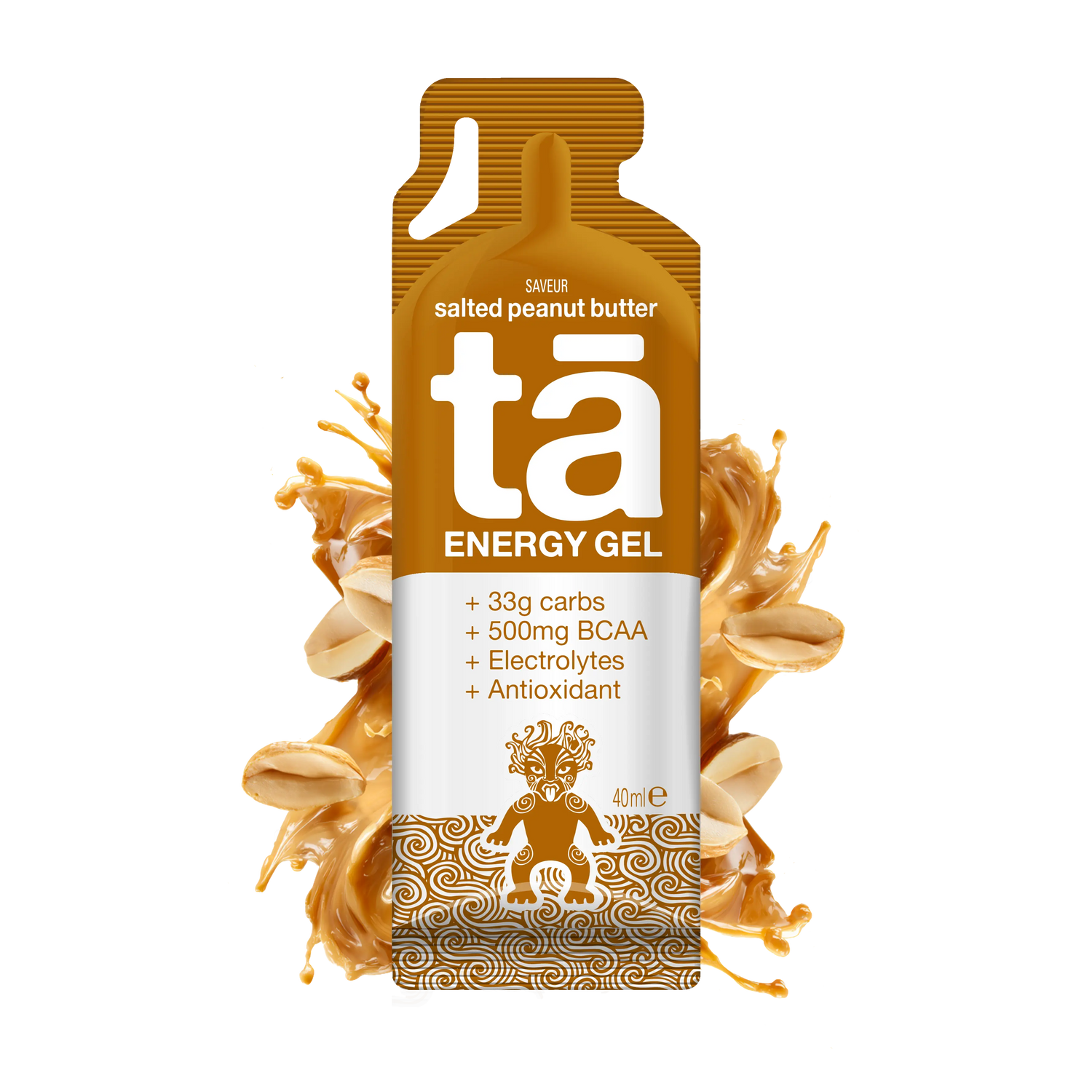
• Our Gels: salted range (raspberry, watermelon, caramel, peanut butter) with 100 mg of sodium / gel
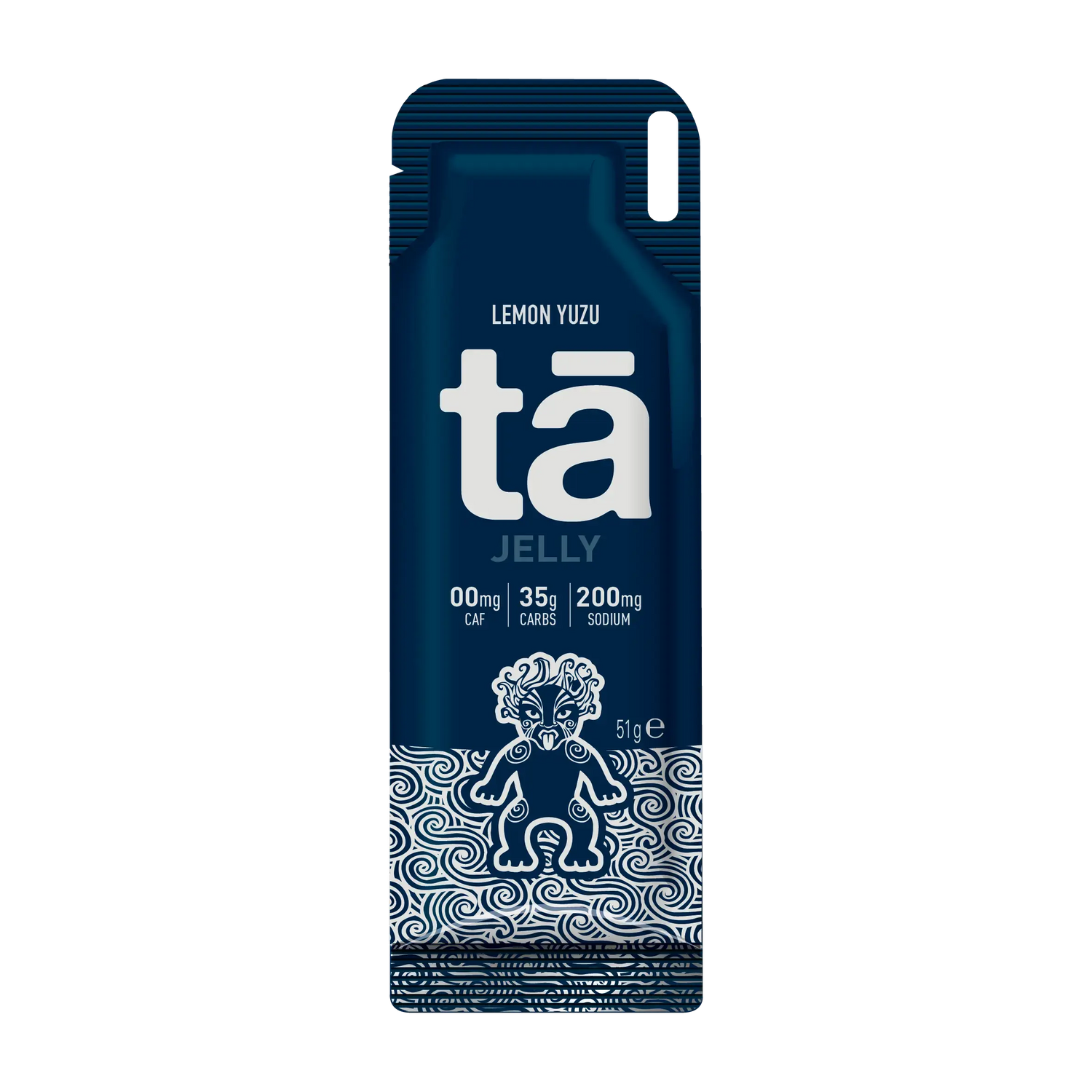
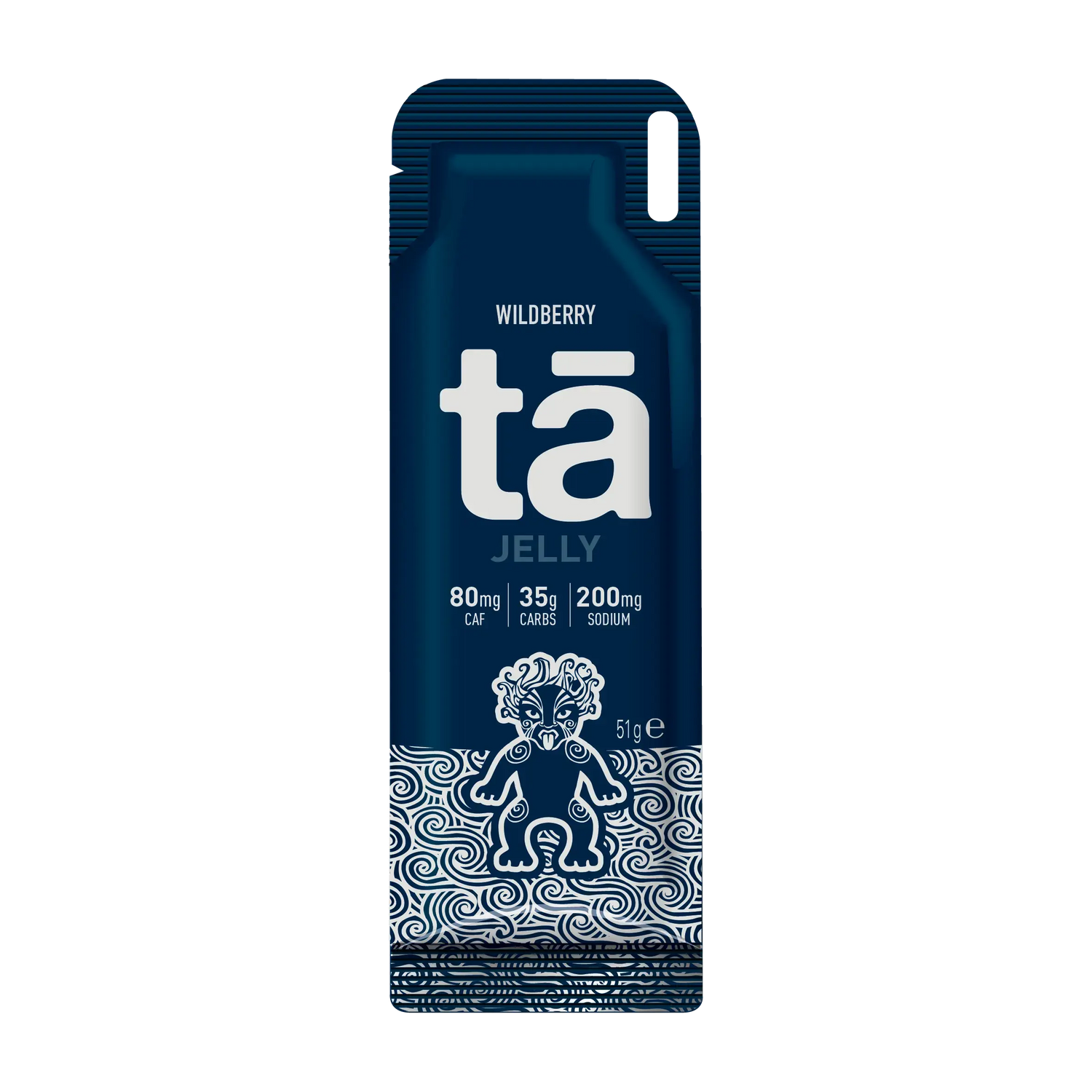
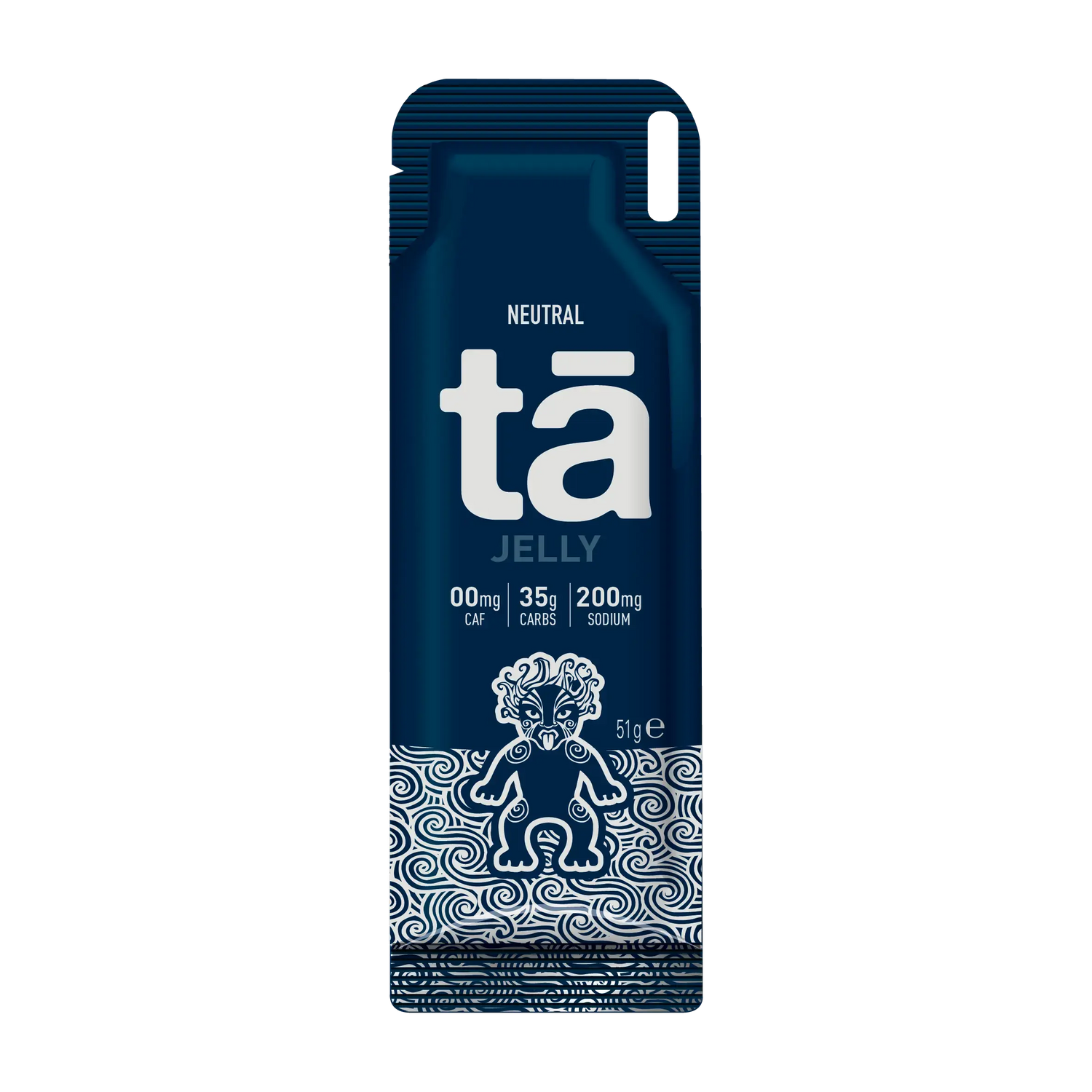
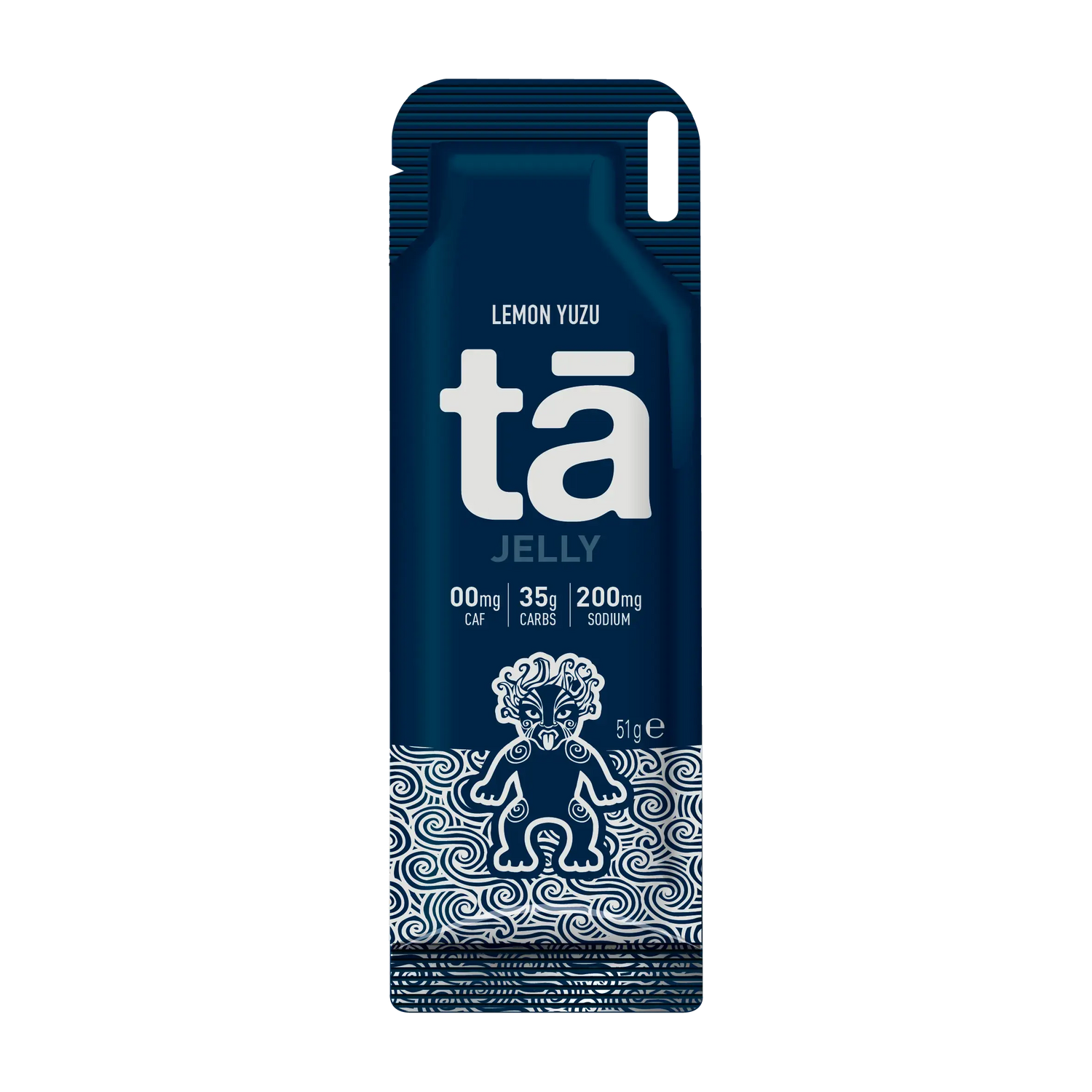
• Our Jelly gels: wild berry, neutral, lemon yuzu, with 200 mg of sodium / gel
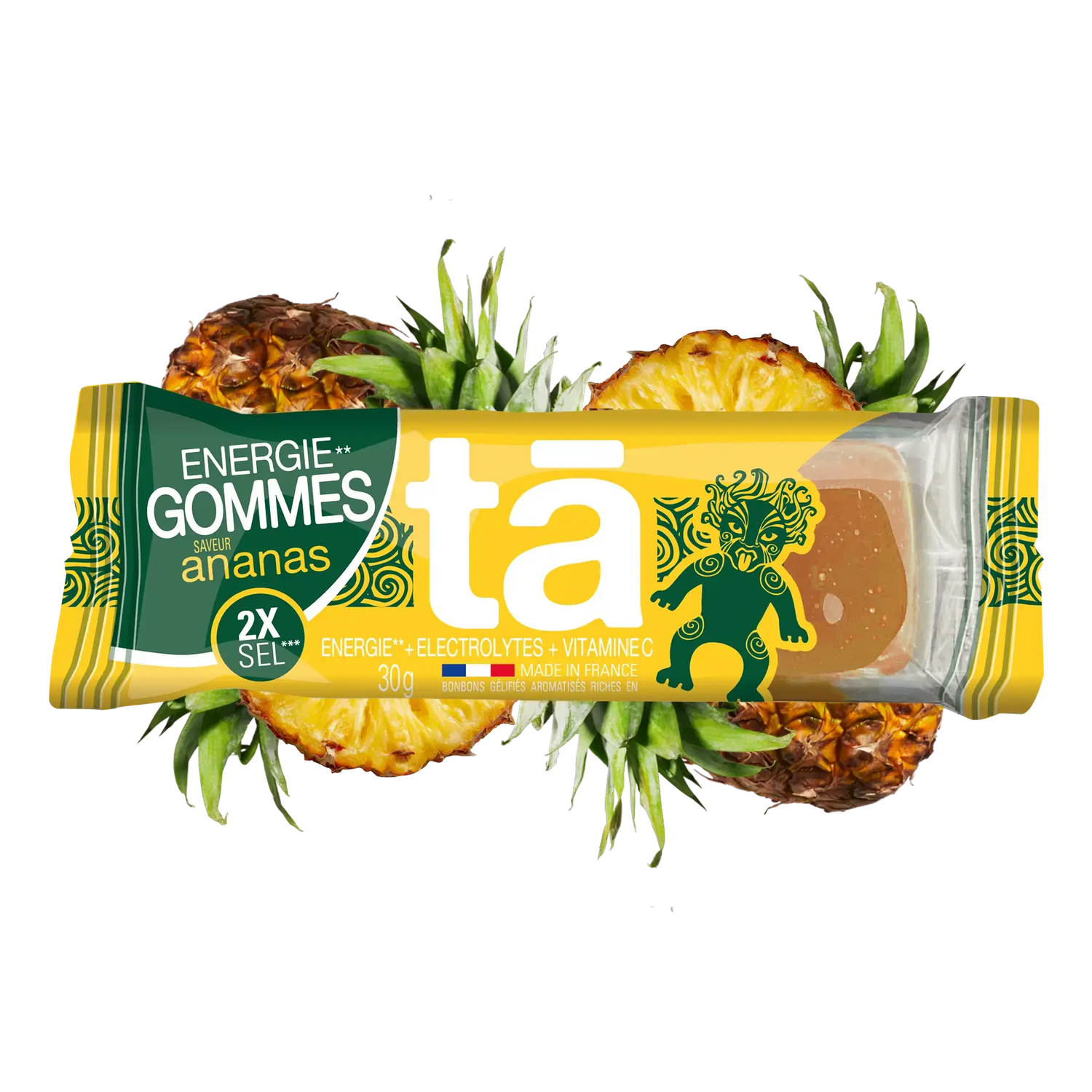
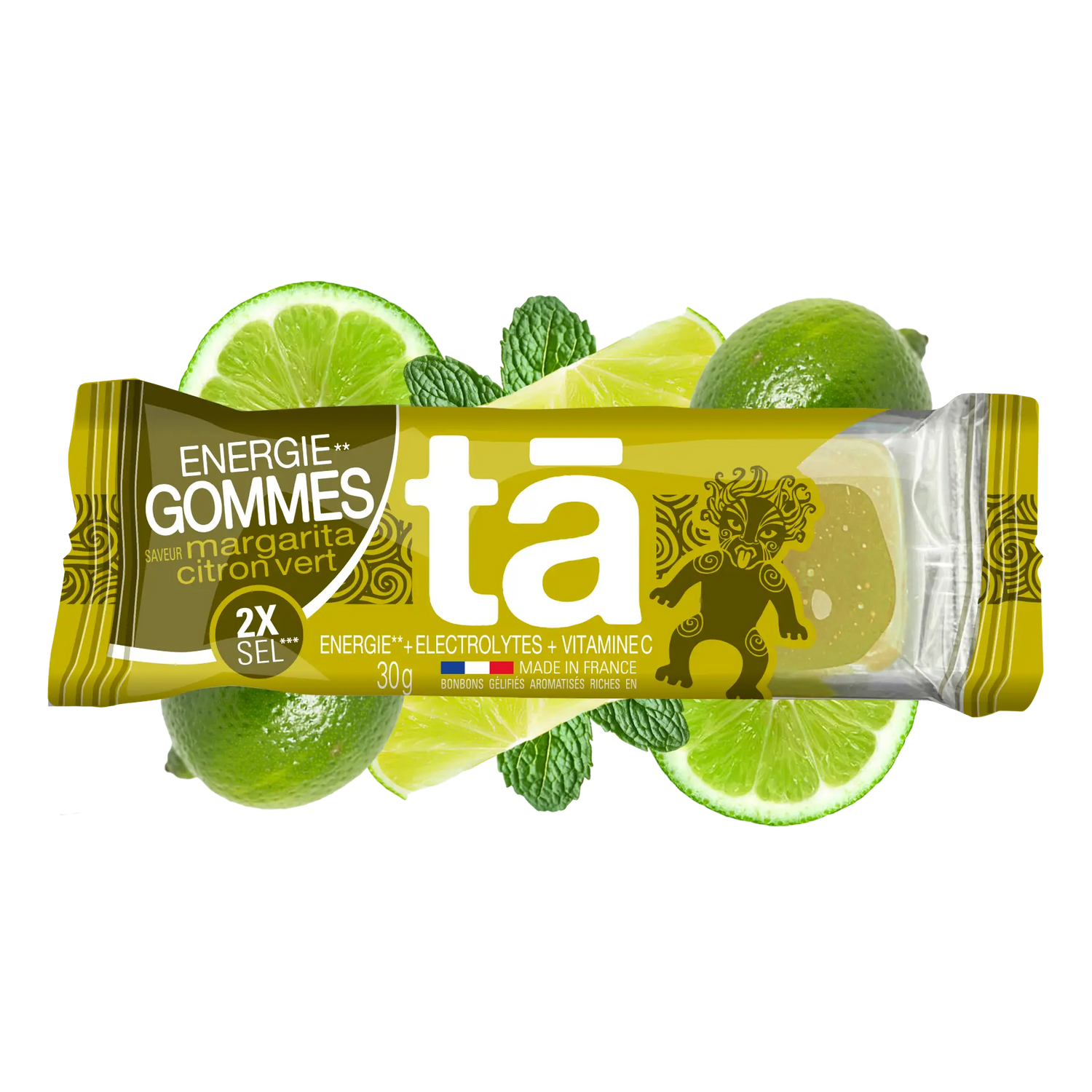
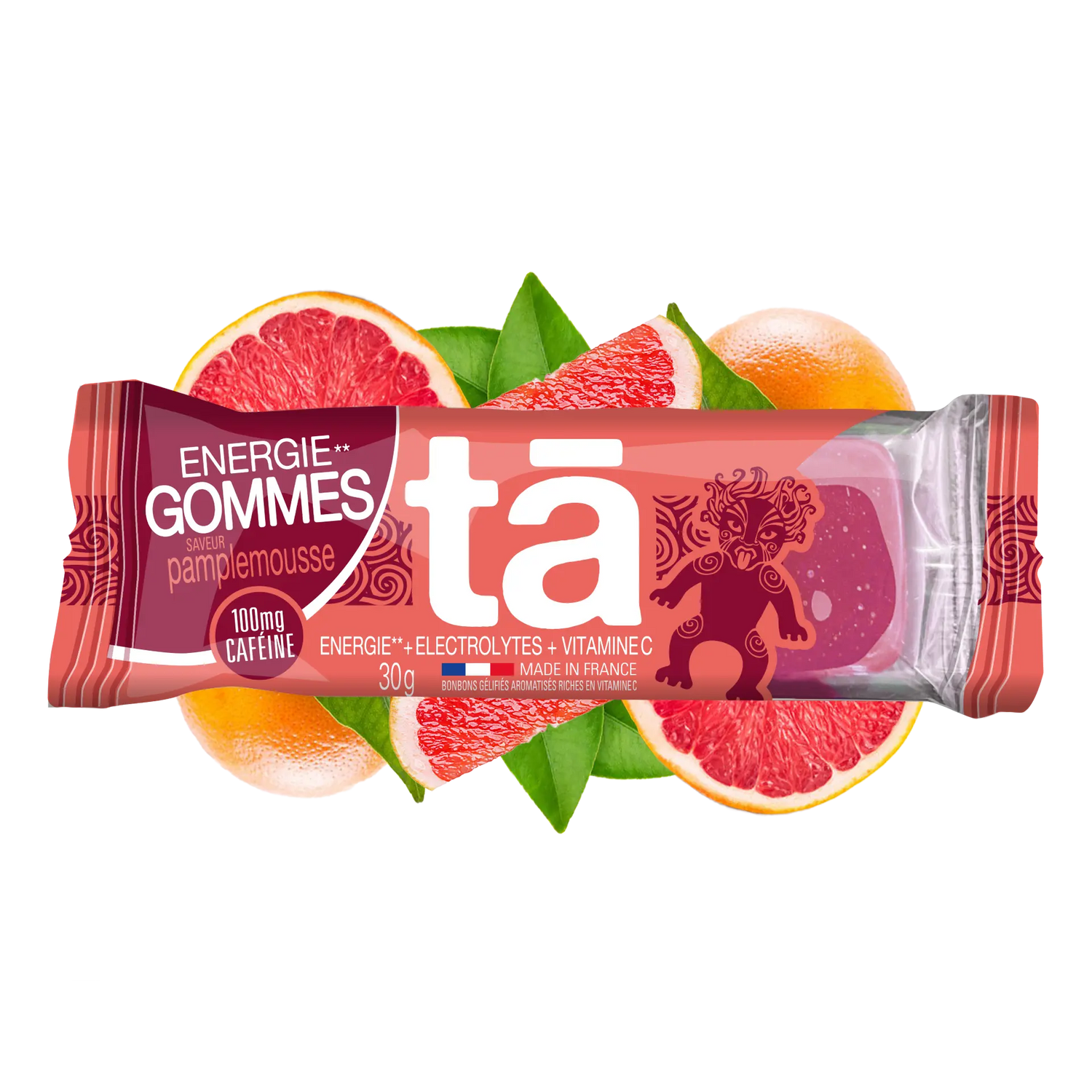
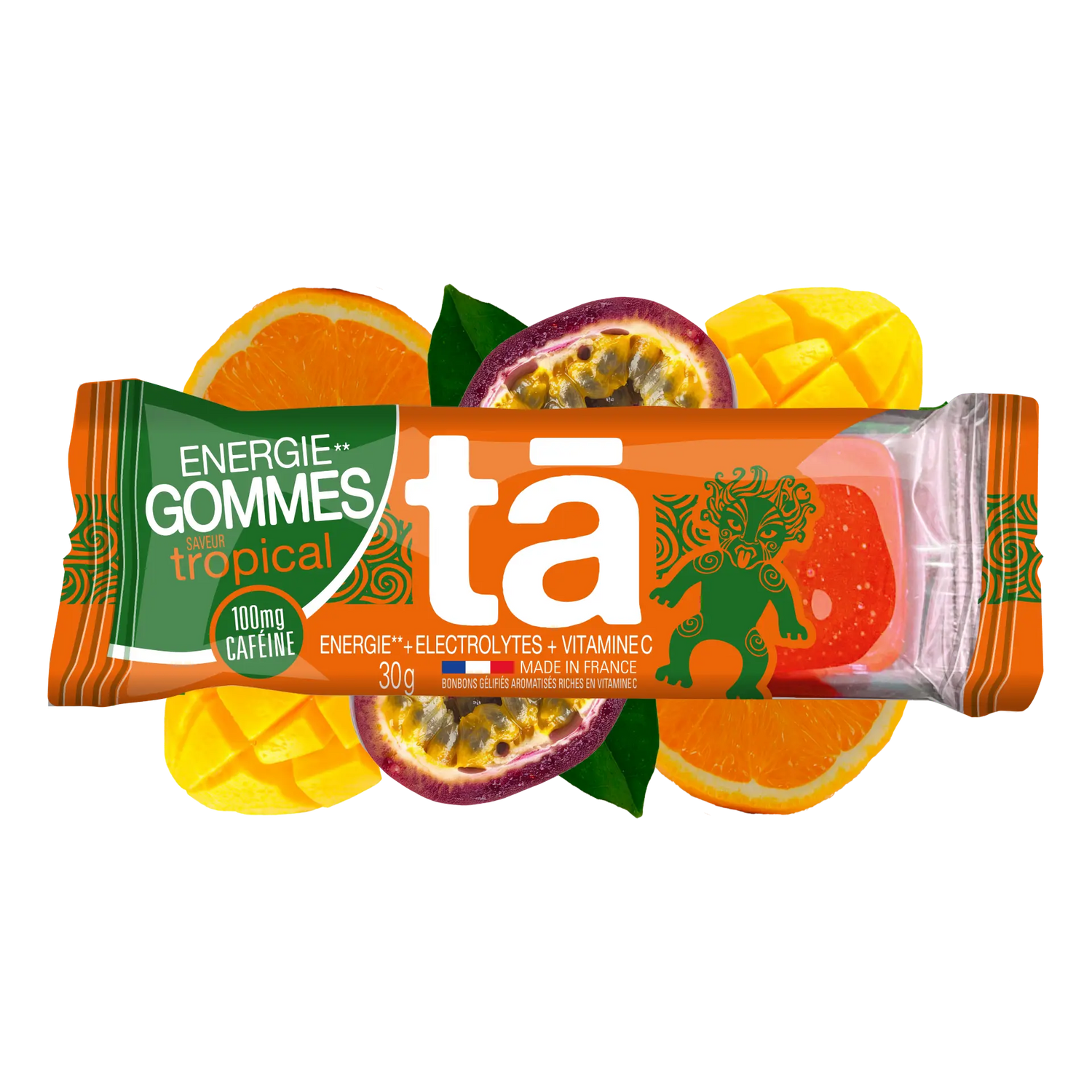
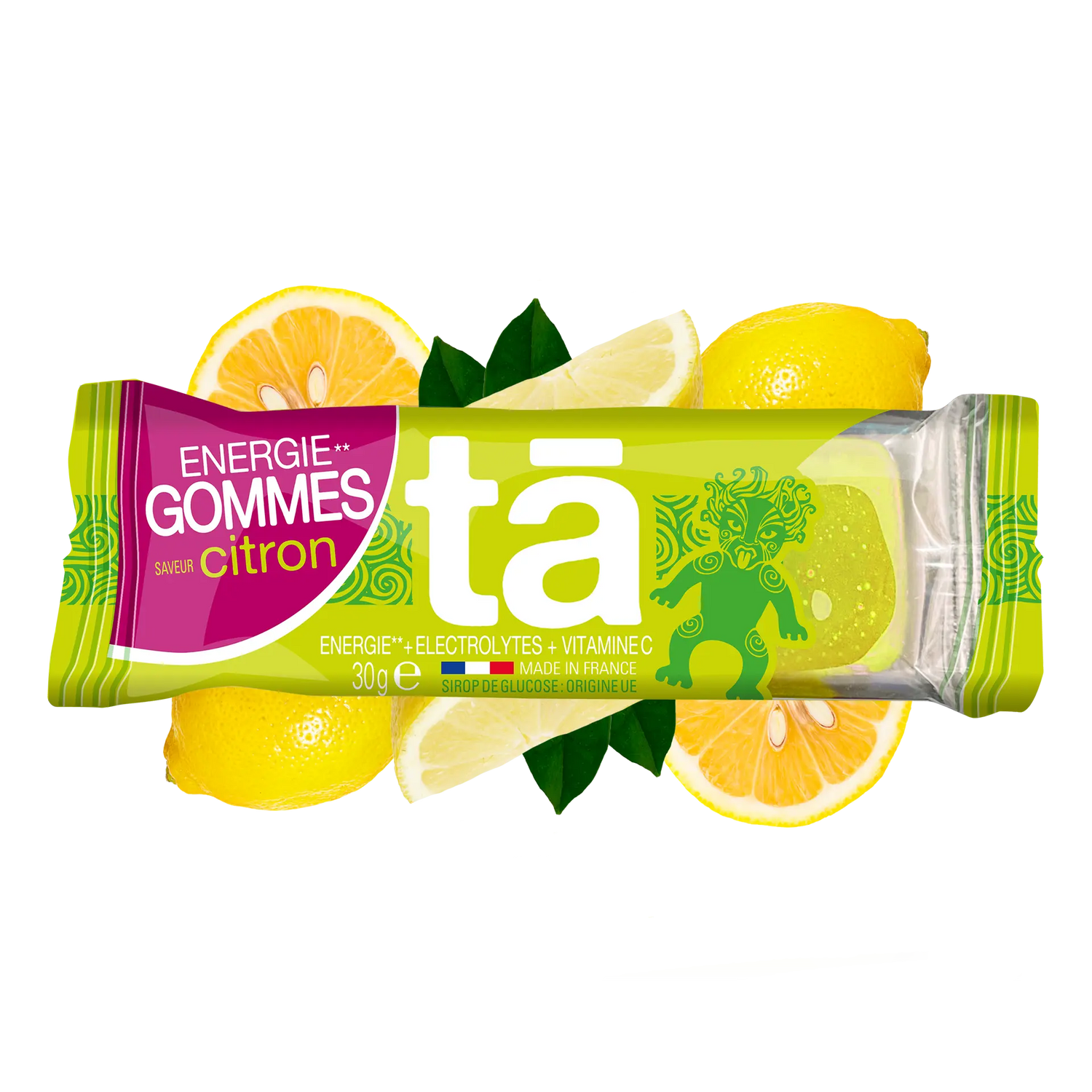
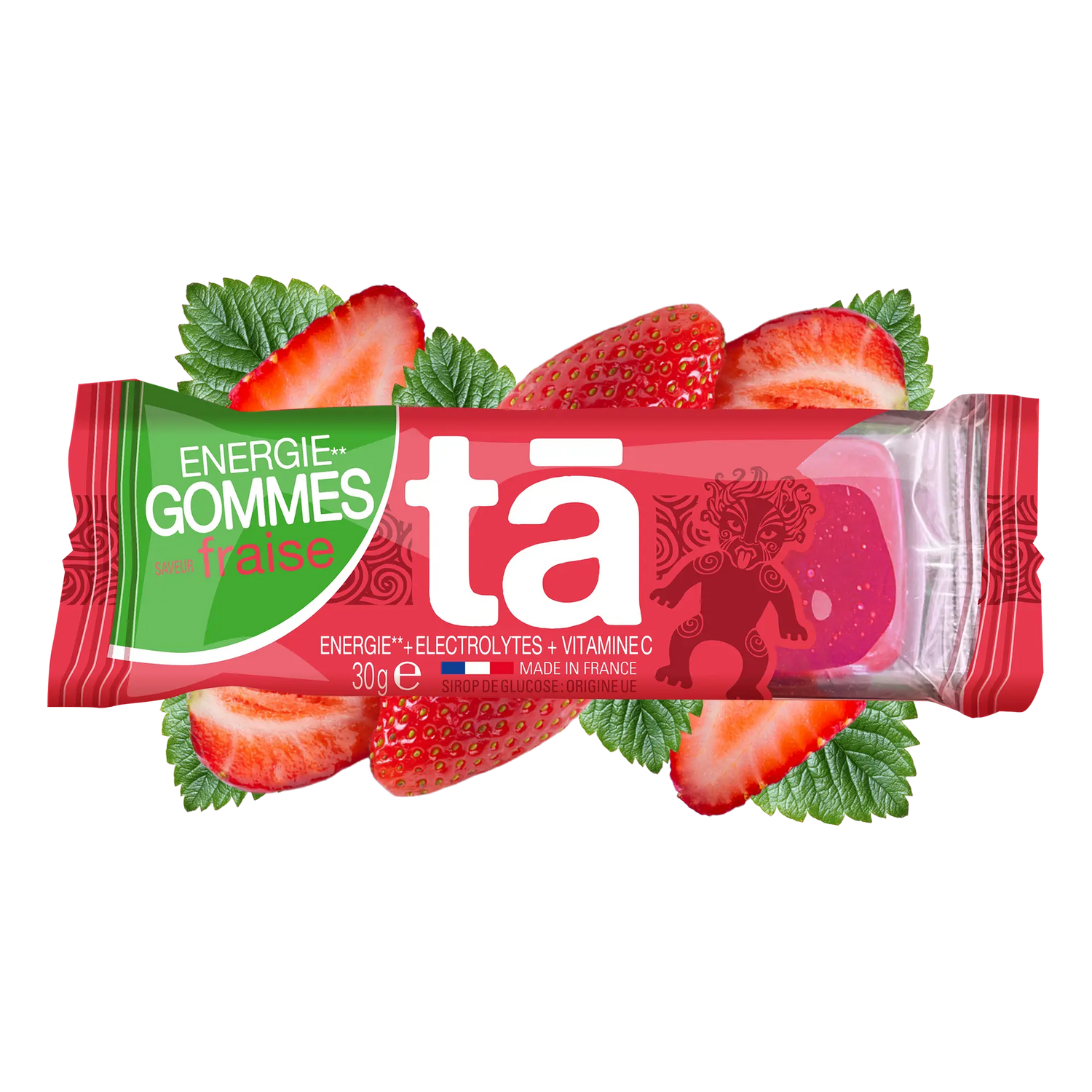
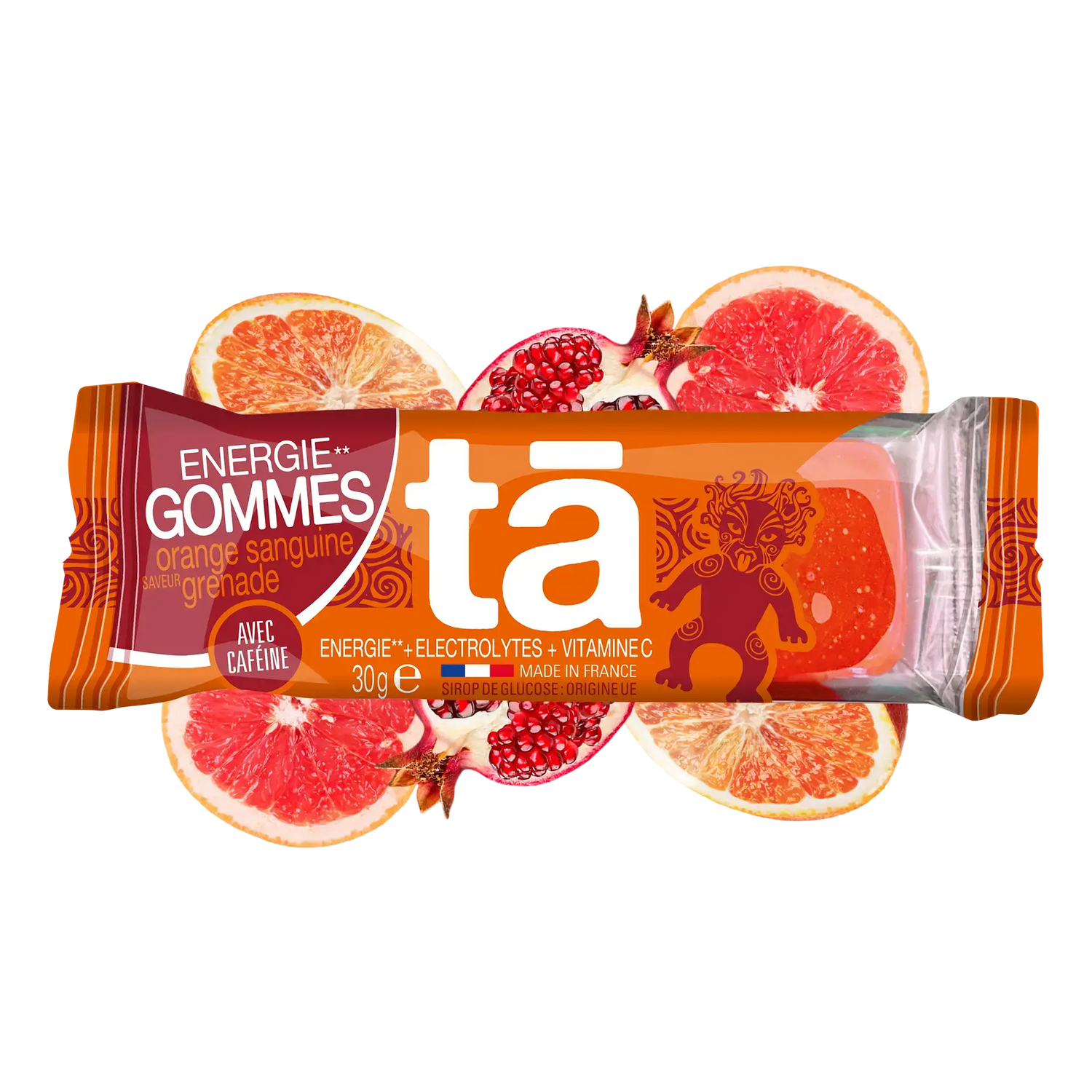
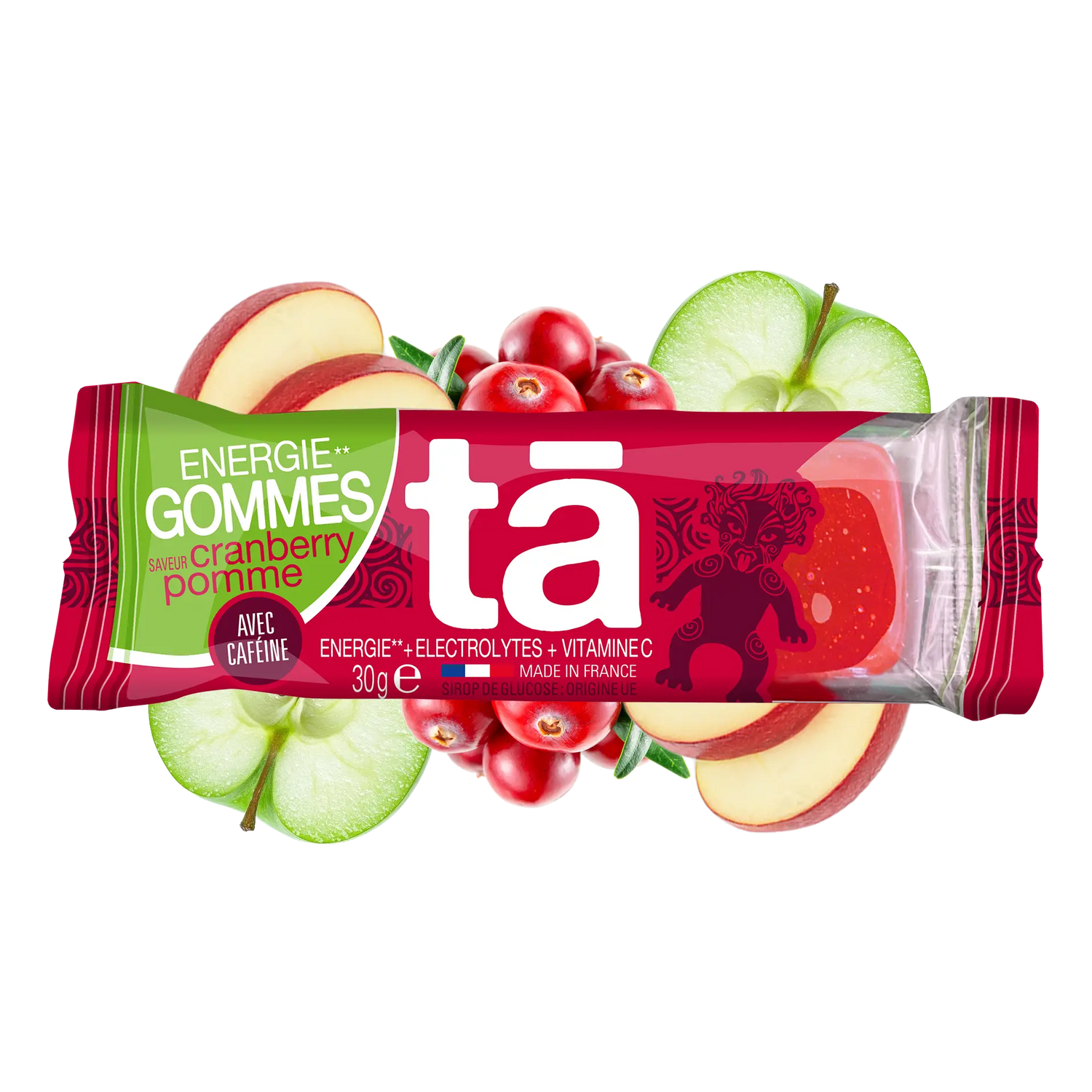
• Our Gummies: double-salted (lime margarita, lychee, pineapple) with 230 mg of sodium / sachet.
Don’t change any of your healthy habits at home (go easy on the salt shaker every day!), but learn to salt your efforts. Test your intake during training, listen to your thirst, and give your body the valuable sodium it needs to see your challenges through.

Energy gel 40ml salted raspberry flavor

Gels énergétiques Jelly 51g
SOURCES
- Wijering, L., Cotter, J. and Rehrer, N. (2022). Randomized crossover trial evaluating the effects of sodium concentration in beverages on plasma sodium concentration and plasma volume during prolonged exercise in a hot environment. European Journal of Applied Physiology, 123 , 81-89. https://doi.org/10.1007/s00421-022-05025-y
- Anastasiou, C., Kavouras, S., Arnaoutis, G., Gioxari, A., Kollia, M., Botoula, E. and Sidossis, L.
(2009). Sodium supplementation and the decrease in serum sodium during exercise in a hot environment when fluid intake matches losses. Journal of athletic training, 44(2) ,
117-123. https://doi.org/10.4085/1062-6050-44.2.117
- Hoffman, M., & Stuempfle, K. (2015). Sodium supplementation and exercise-associated hyponatremia during prolonged exertion . https://doi.org/10.1249/mss.0000000000000599
- Veniamakis, E., Kaplanis, G., Voulgaris, P. and Nikolaidis, P. (2022). Effects of sodium intake on health and performance in endurance and ultra-endurance sports. International Journal of Environmental Research and Public Health, 19. https://doi.org/10.3390/
ijerph19063651
- Périard, J., Eijsvogels, T. and Daanen, H. (2021). Exercise in the heat:
thermoregulation, hydration, performance implications and mitigation strategies.
Physiological reviews . https://doi.org/10.1152/physrev.00038.2020
- Veniamakis, E., Kaplanis, G., Voulgaris, P., & Nikolaidis, P. (2022). Effects of Sodium Intake on
Health and Performance in Endurance and Ultra-Endurance Sports. International Journal of Environmental Research and Public Health, 19.https://doi.org/10.3390/ijerph19063651
- Pérez-Castillo, Í. M., Williams, JA, López-Chicharro, J., Mihic, N., Rueda, R., Bouzamondo, H., et Horswill, CA (2023). Compositional aspects of beverages designed to promote
hydration before, during and after exercise: revisited concepts. Nutrients, 16.https://doi.org/10.3390/nu16010017
- Jula, A. (2024). Sodium – a systematic review for the Nordic Nutrition Recommendations 2023. Food & Nutrition Research, 68.https://doi.org/10.29219/fnr.v68.10319
- Turck, D., Castenmiller, J., De Henauw, S., Hirsch‐Ernst, K., Kearney, J., Knutsen, H., Maciuk, A., Mangelsdorf, I., Mcardle, H., Peláez, C., Pentieva, K., Siani, A., Thies, F., Tsabouri, S.,
Vinceti, M., Aggett, P., Fairweather-Tait, S., Martin, A., Przyrembel, H., . . . Naska, A. (2019).
Dietary reference values for sodium. EFSA Journal, 17 . https://doi.org/
10.2903/j.efsa.2019.577