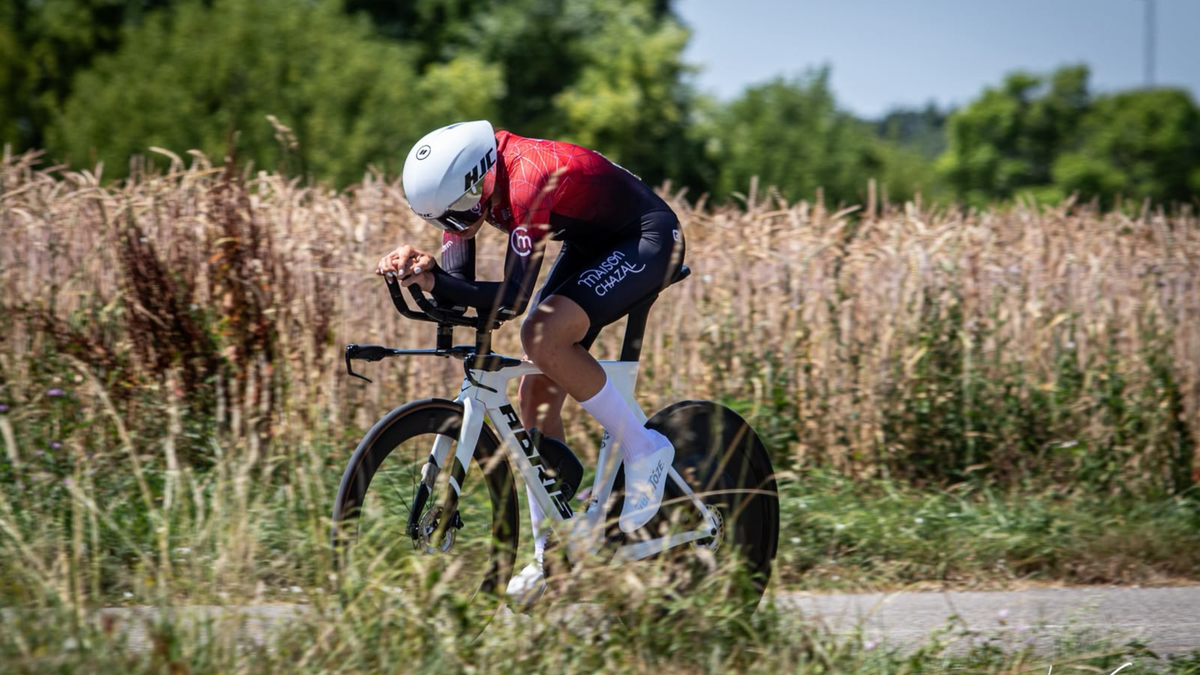
RED-S syndrome: When insufficient fuel puts your body into "survival mode"
INTRODUCTION
In the world of cycling and endurance sports, the belief that “the less you weigh, the faster you climb” remains deeply rooted. To shed a few grams on climbs, many athletes reduce their portions, cut out starchy foods, or skip fueling during training.
Yet restricting intake or underfueling your effort can trigger a devastating chain reaction: RED-S (Relative Energy Deficiency in Sport). Documented and highlighted by the International Olympic Committee (IOC) since 2014 and updated in 2023, this syndrome affects women and men alike, amateurs and elite cyclists alike.
Here’s everything you need to know to understand the mechanisms of RED-S, recognize its warning signs, and protect your health while preserving your watts. (I) (II)
RED-S and Low Energy Availability: What Are We Talking About?
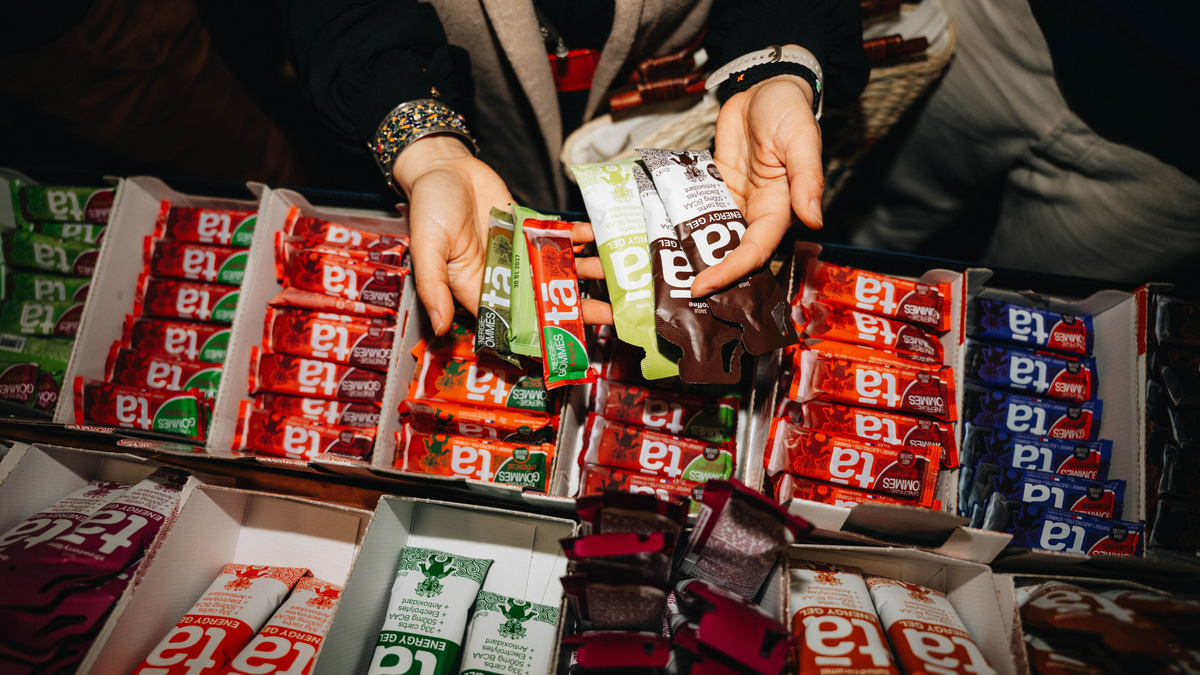
To properly understand RED-S, it must first be distinguished from simple weight loss or a negative energy balance over 24 hours. The underlying cause of RED-S is what scientists call Low Energy Availability (LEA).
What is Energy Availability (EA)?
It is the amount of energy (in calories) remaining for your body to carry out its vital functions (heart, brain, hormones, bones, immunity) after deducting the energy expended during physical exercise. This figure is expressed relative to lean mass (muscles, bones, organs), which represents the metabolically active part of your body.
The IOC points out that Low Energy Availability can occur even if your weight remains stable or your daily energy balance appears neutral.
When food intake is insufficient to cover both training expenditure and basal metabolism, the body perceives this shortfall as a state of scarcity or starvation. To preserve life, the hypothalamic-pituitary axis reorganizes its priorities: the body switches into "survival mode." It downregulates or puts on hold biological functions deemed "non-essential" to immediate survival. (IV) (II)
What are the scientific risk thresholds?
Laboratory studies base energy availability on the number of kilocalories available per kilogram of fat-free mass per day:
• 45 kcal/kg of fat-free mass/day: This is the reference value associated with optimal physiological functioning in women. The hormonal, skeletal, and immune systems function at 100%. (IV) 30 kcal/kg of fat-free mass/day: This is the historical risk threshold for women. At this level (which approximately corresponds to basal metabolic rate), energy is insufficient and many physiological systems begin to become dysregulated (this figure is a useful reference point but is not a universal diagnostic criterion for all female athletes). (IV)
• In men: There is not yet a universally validated threshold. The data suggest that men are slightly more hormonally resilient and that a more severe or prolonged deficit is needed to observe similar impacts. (V)
The effects of RED-S on health and performance
RED-S syndrome is not simply a bout of fatigue. It is a systemic alteration that affects many systems:
Reproductive function
Deprived of energy, the brain shuts down the production of sex hormones. In women, this leads to menstrual disturbances that can progress to a complete cessation of periods (amenorrhea). In men, a drop in testosterone levels is observed.
Bone health
The decrease in sex hormones (estrogen and testosterone) disrupts bone remodeling. The formation of bone tissue decreases while its resorption increases. This leads to an irreversible decrease in bone mineral density and doubles or triples the risk of stress fractures.
Immunity and recovery
A body lacking fuel struggles to renew its immune cells. Athletes with RED-S contract infections more frequently (particularly respiratory infections). In addition, protein synthesis and the ability to replenish glycogen stores in the muscles are impaired.
Decline in performance
Contrary to the intended effect of weight loss, RED-S destroys performance: chronic fatigue, inability to maintain high intensity (inability to increase wattage), loss of muscle mass, reduced concentration, and irritability. (IV)
PRODUCTS DESIGNED FOR YOU

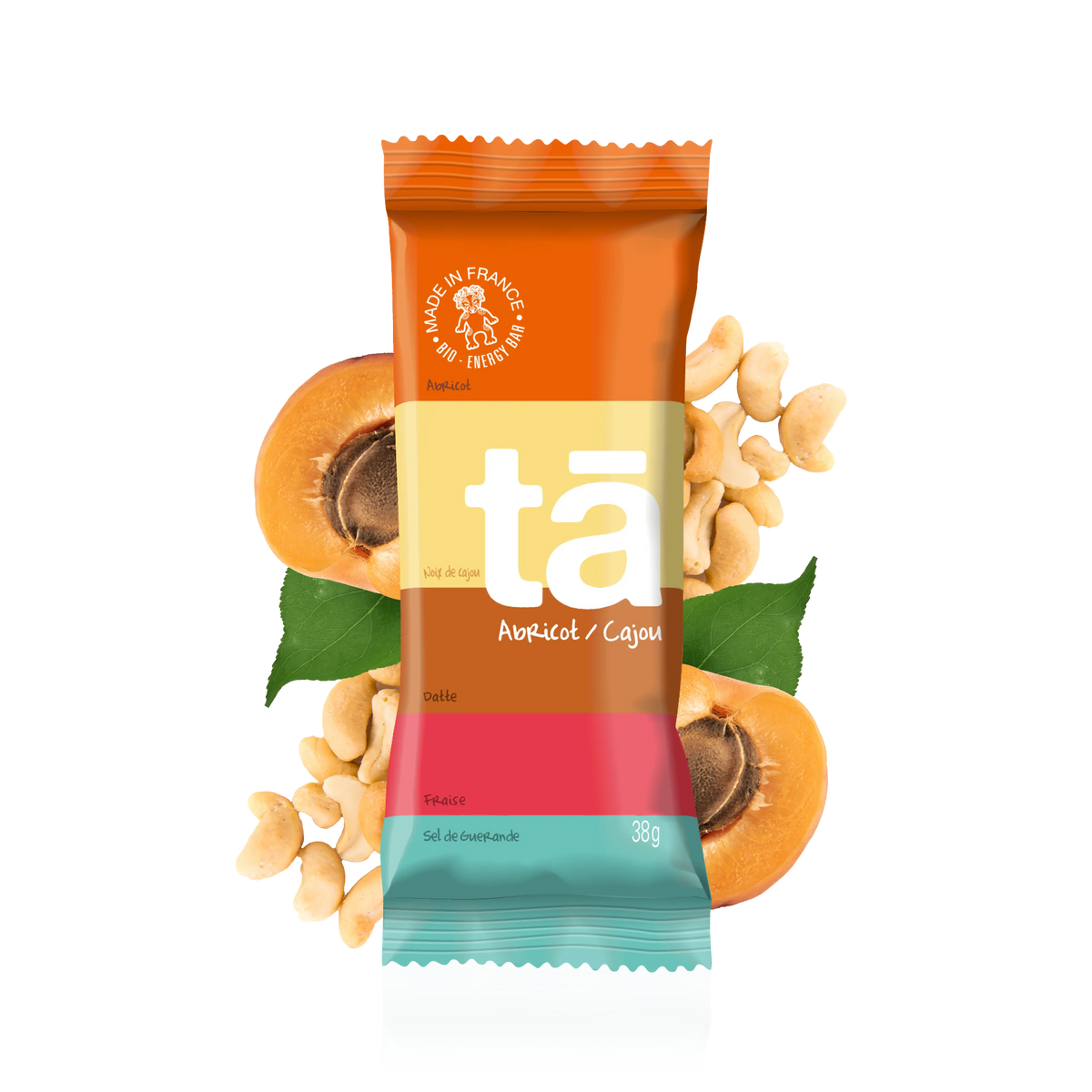
Organic 38g energy bar, apricot cashew flavor
The central role of carbohydrates in the onset of RED-S
The 2023 update to the IOC consensus emphasizes a major point: insufficient carbohydrate intake is one of the primary triggers of RED-S. Carbohydrates are the muscle’s and brain’s preferred and most efficient fuel during high-intensity exercise. When a cyclist undertakes heavy training loads without consuming enough carbohydrates (daily or on the bike), they create a severe energy deficit.
Eating "enough calories" while consuming only protein or fat is not sufficient if carbohydrate availability remains too low to support the demands of exercise. (II)
Prevention & Field: How can you secure your inputs?
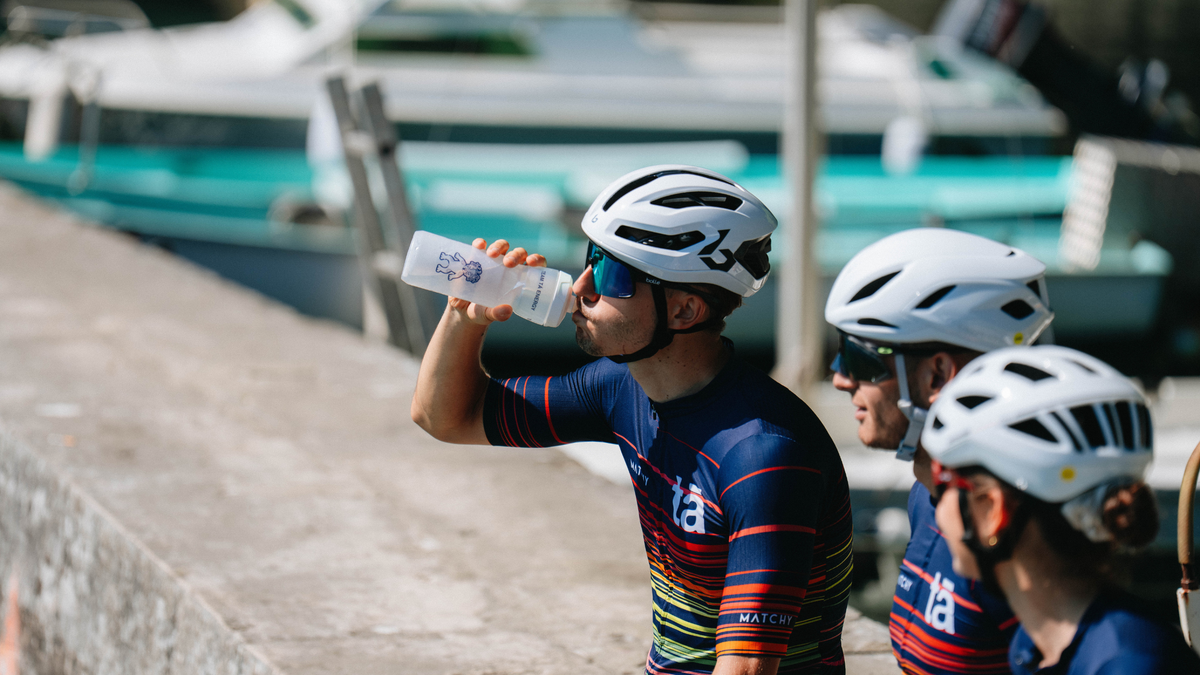
One of the most striking findings in the scientific literature is that in 90% of cases, affected athletes genuinely believe they eat well. The problem often stems from a lack of understanding of the actual needs imposed by endurance cycling.
On a daily basis:
Do not view nutrition as a threat to your weight, but as the tool that allows your muscles to adapt and improve. Adjust your portions on days with demanding sessions or high weekly training volumes.
During an event such as a cyclosportive:
On race day, to prevent your body from slipping into a severe deficit and to maintain your watts on the climbs, follow the scientific recommendations:
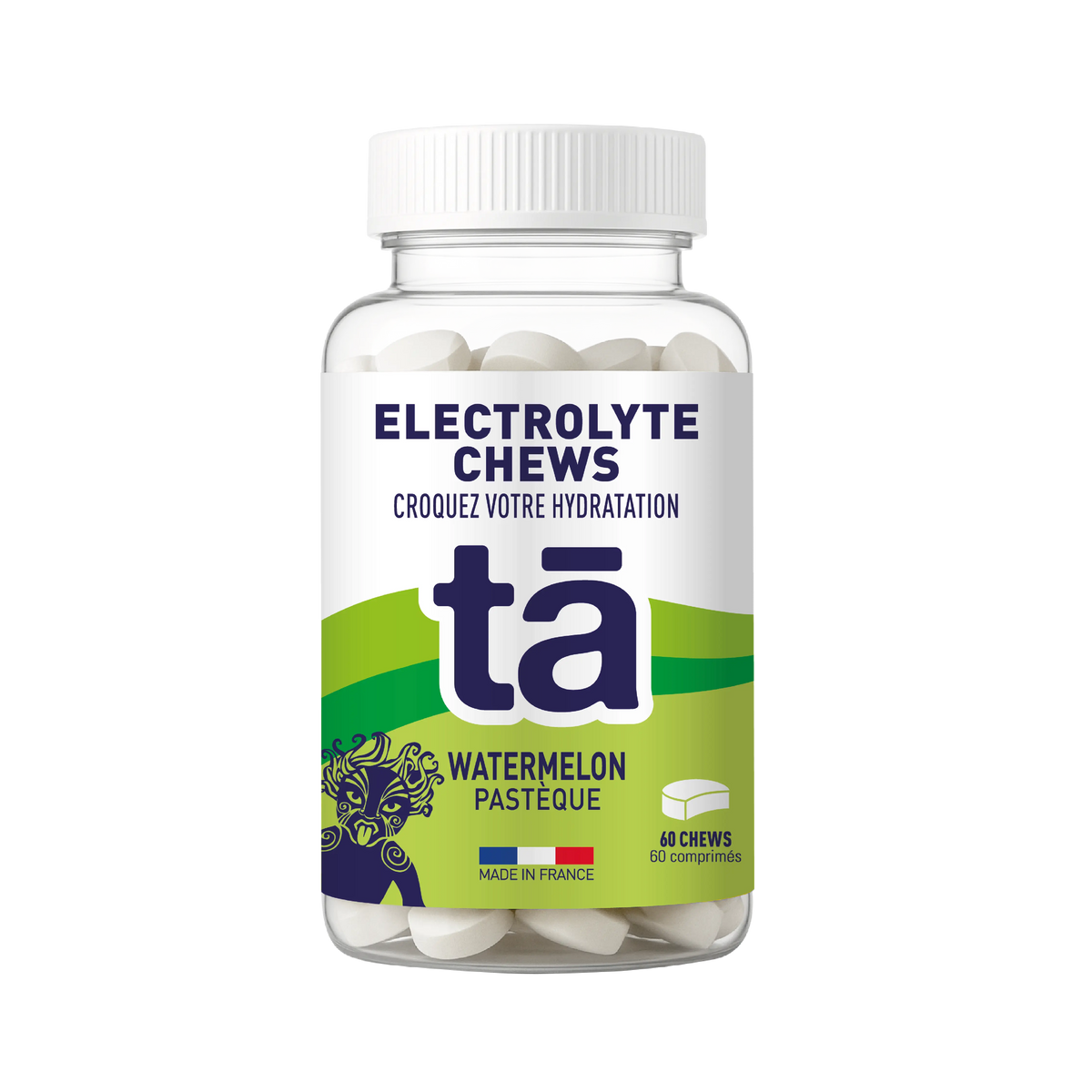
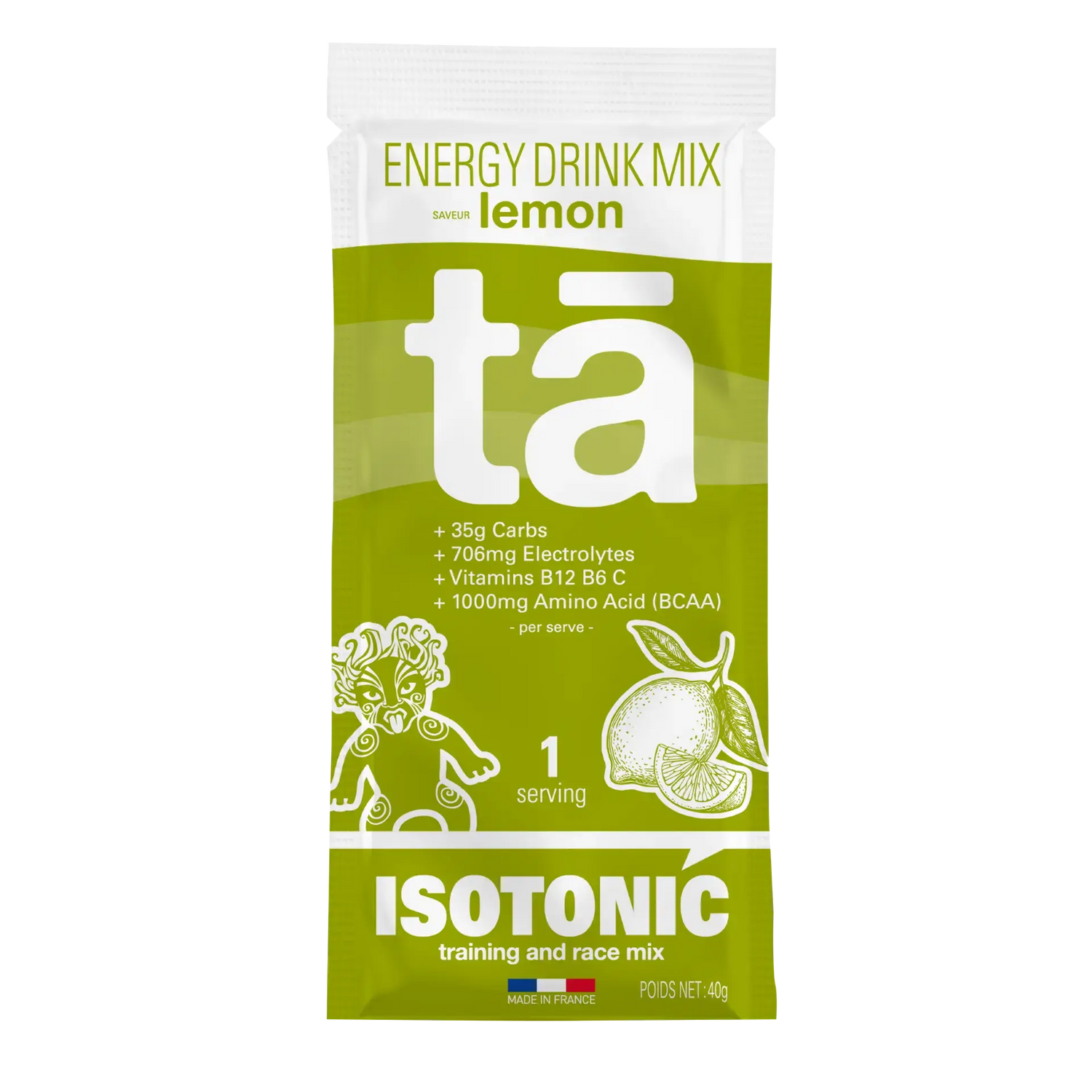
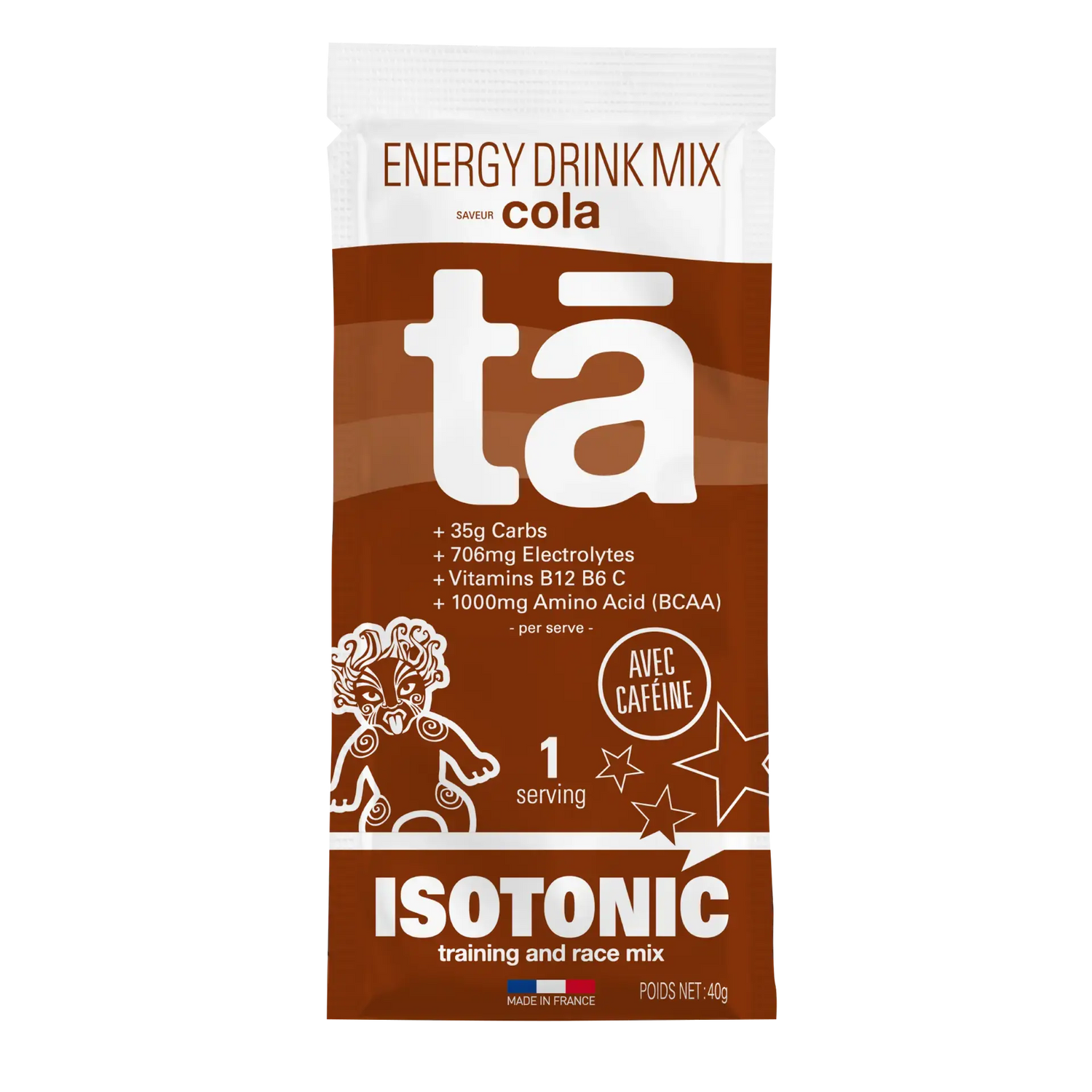
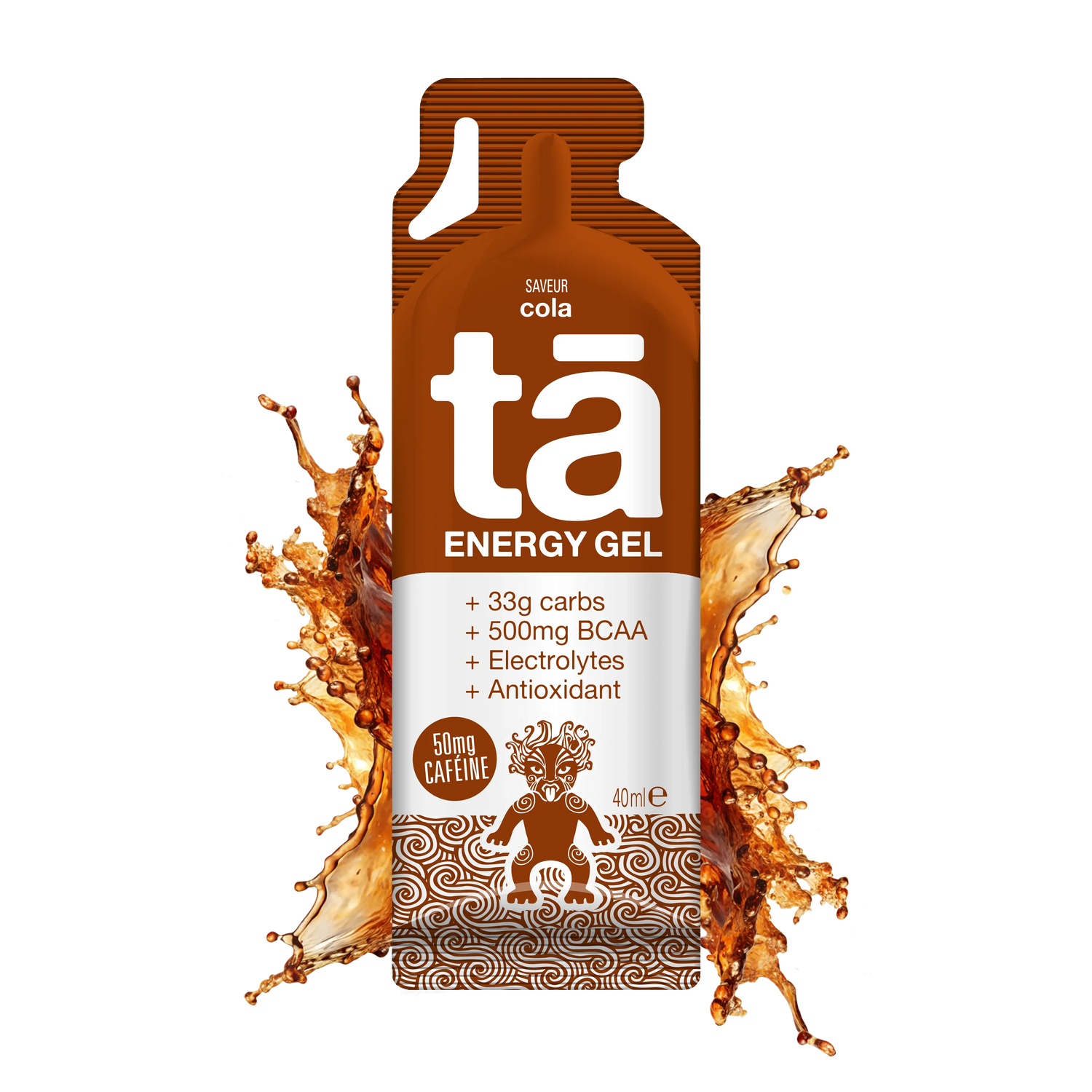
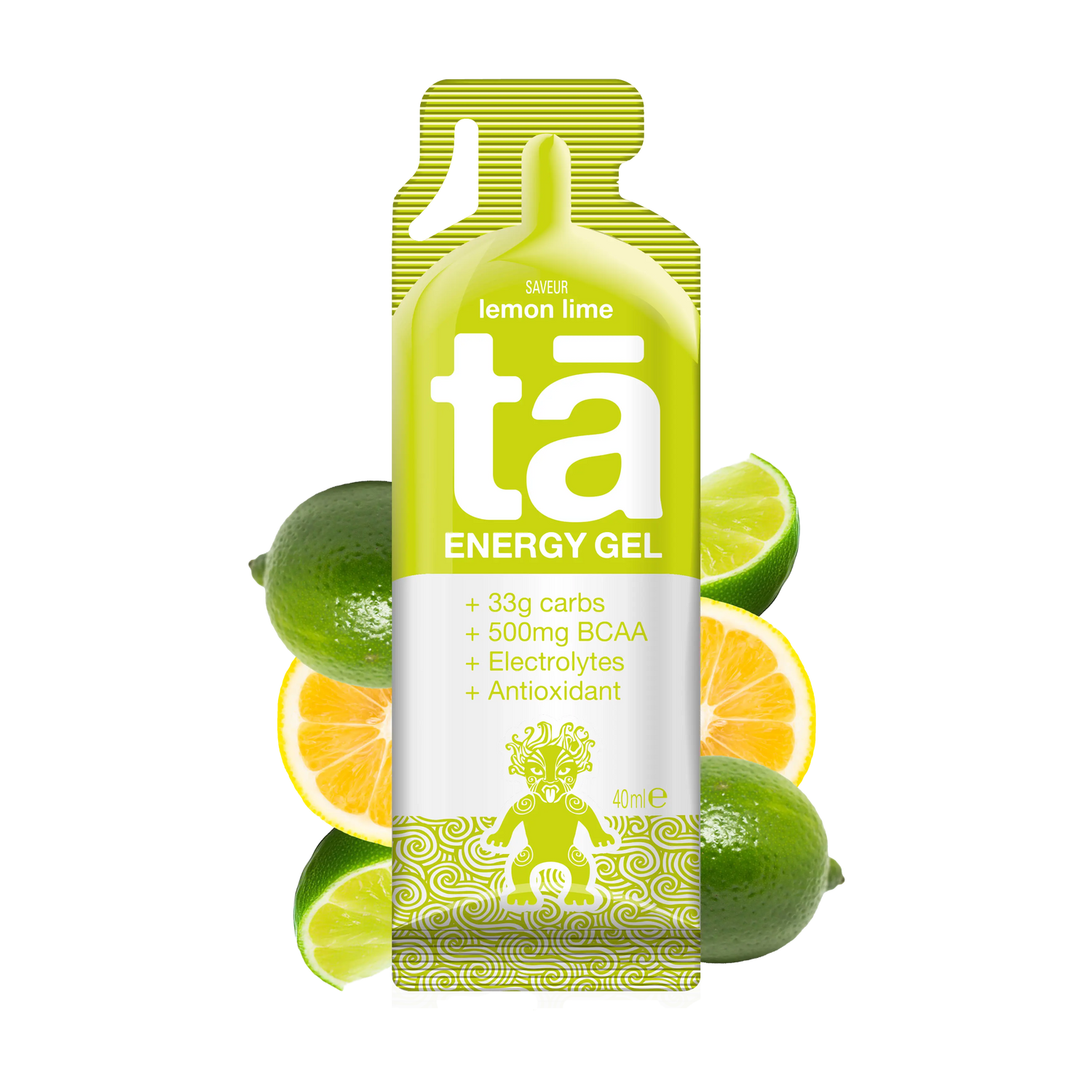
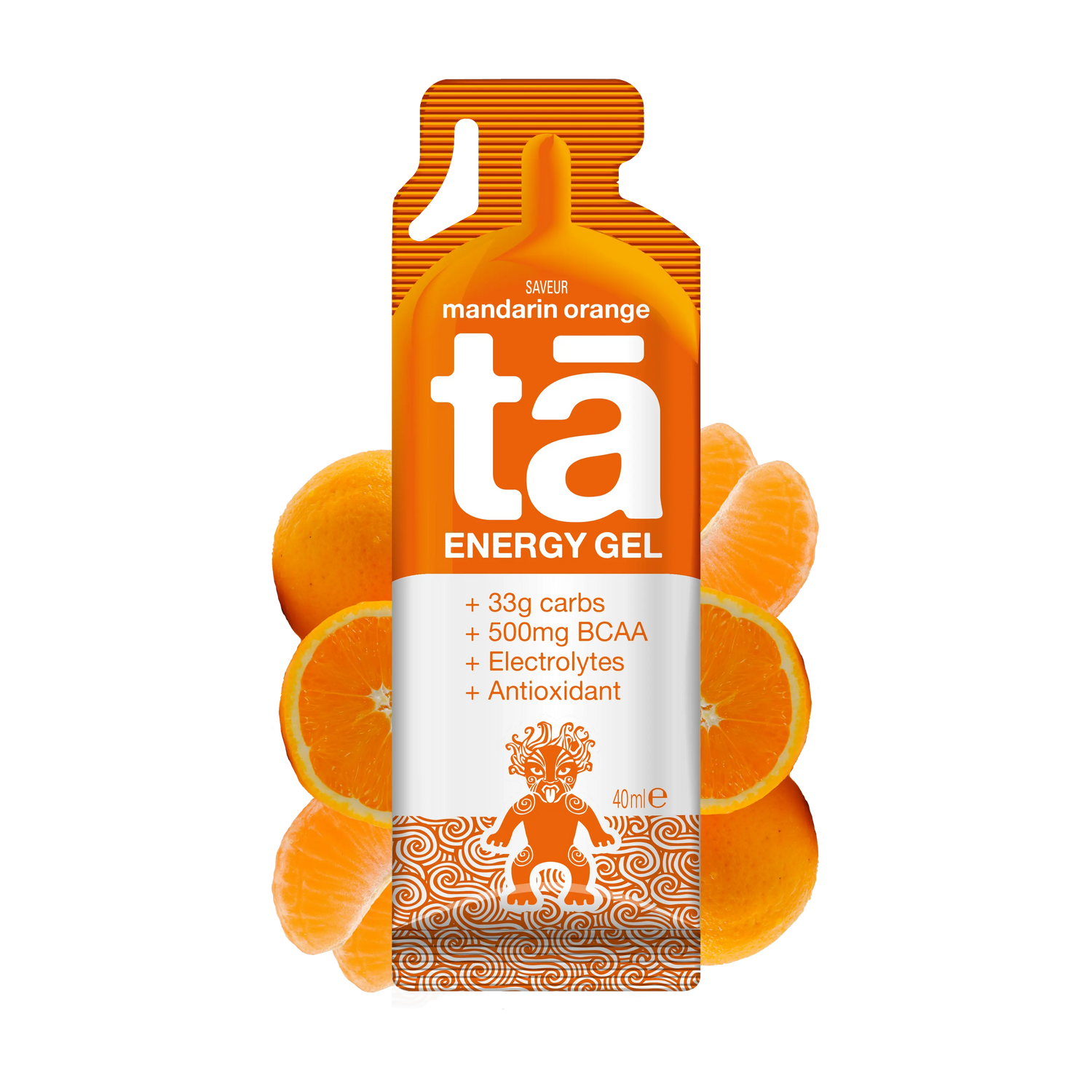
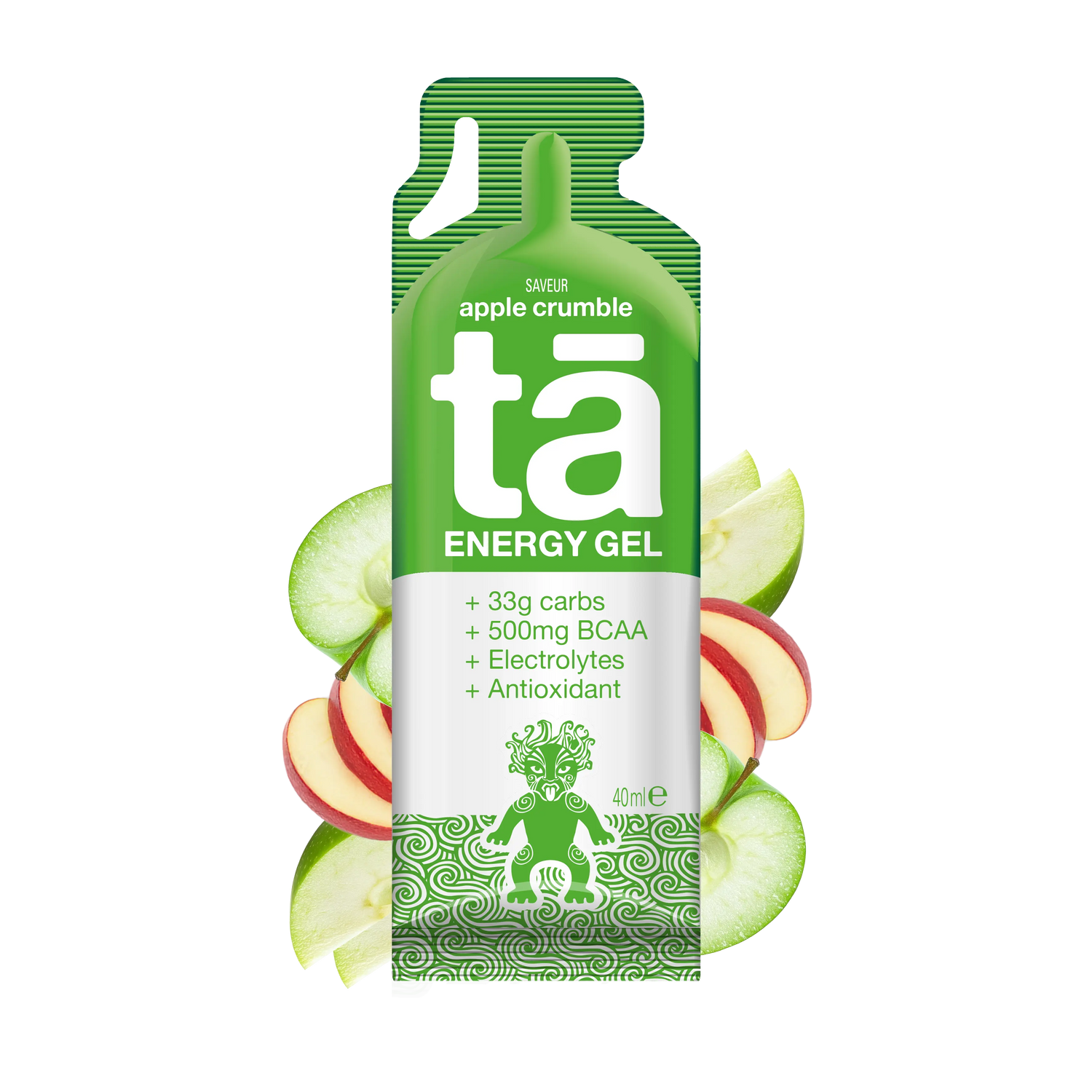
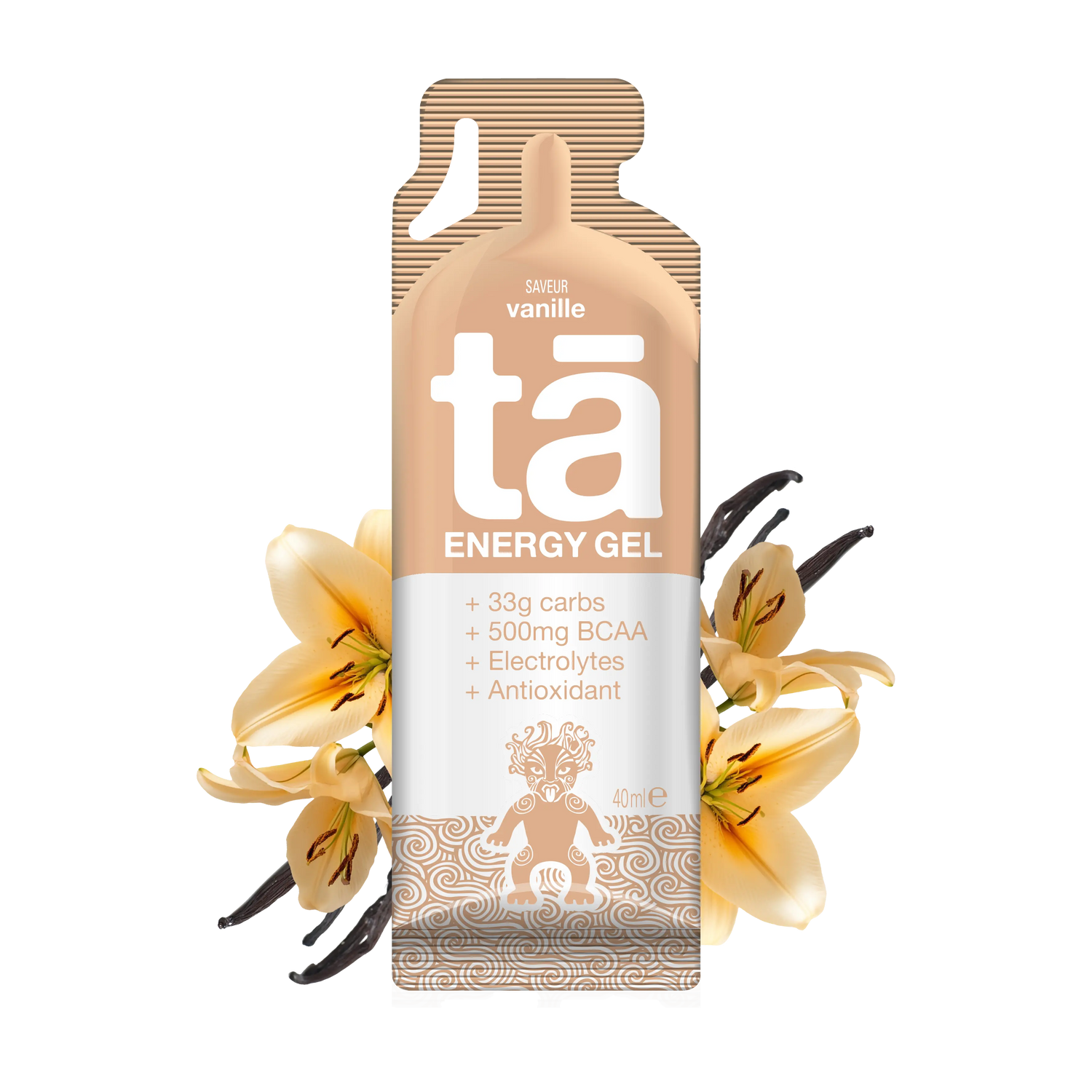
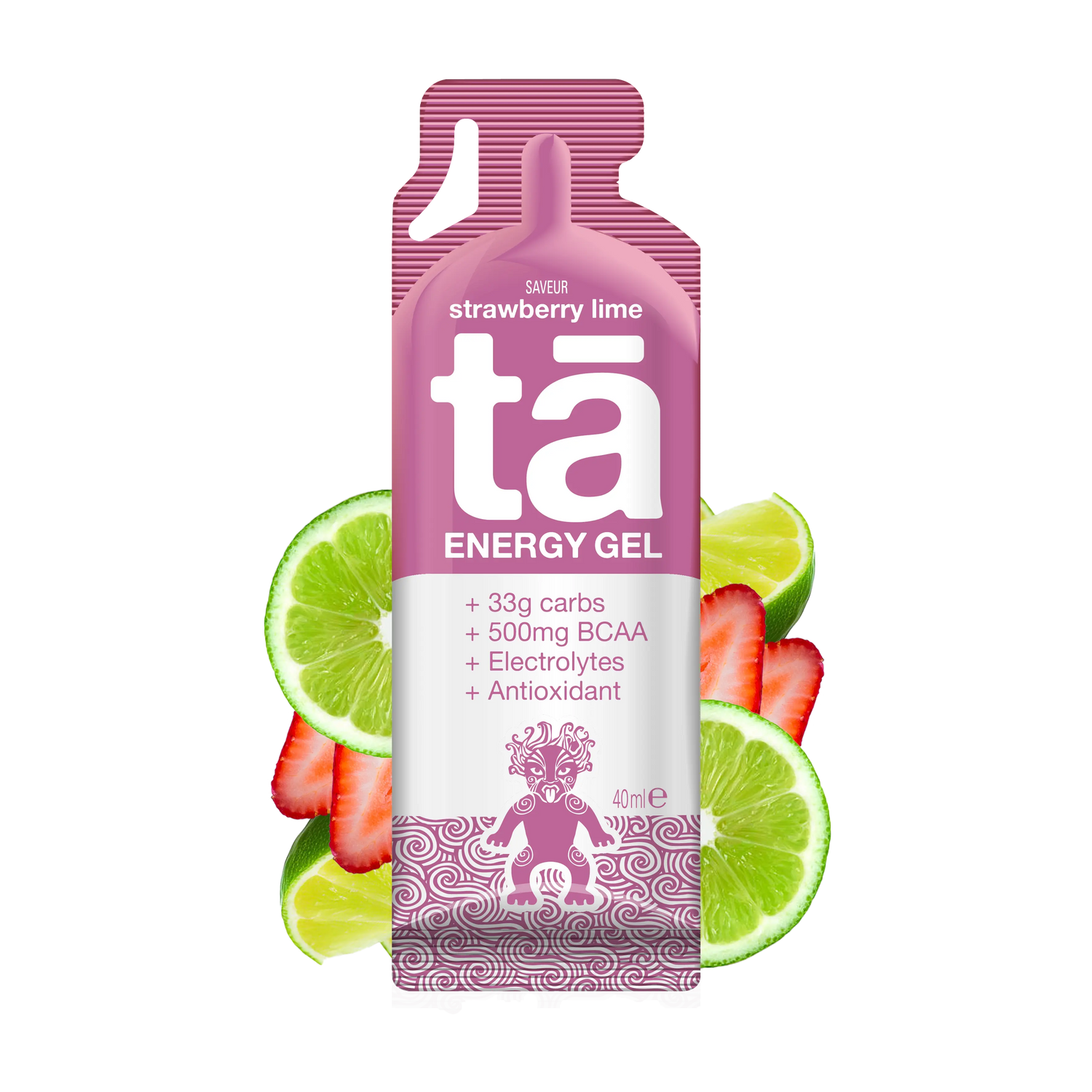
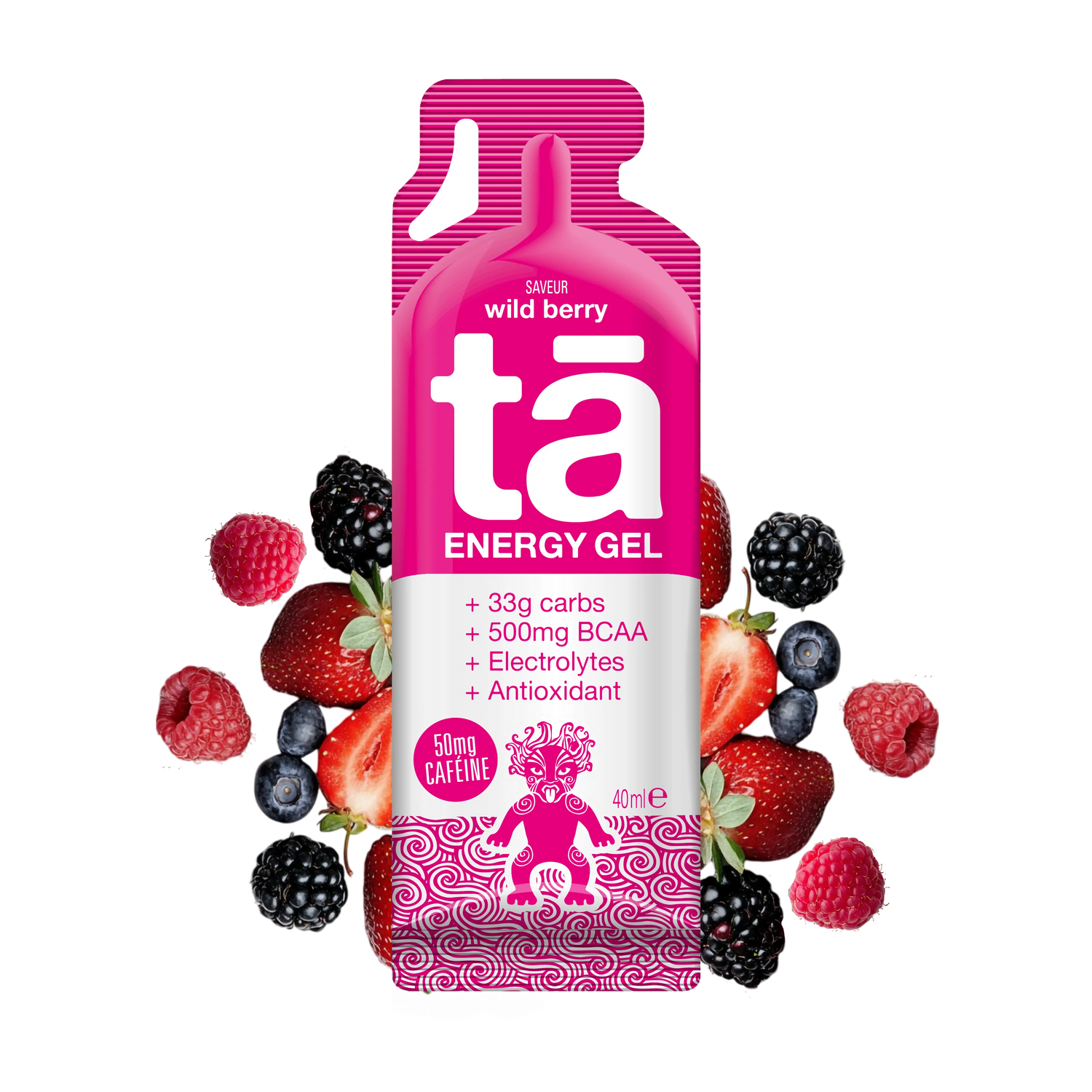
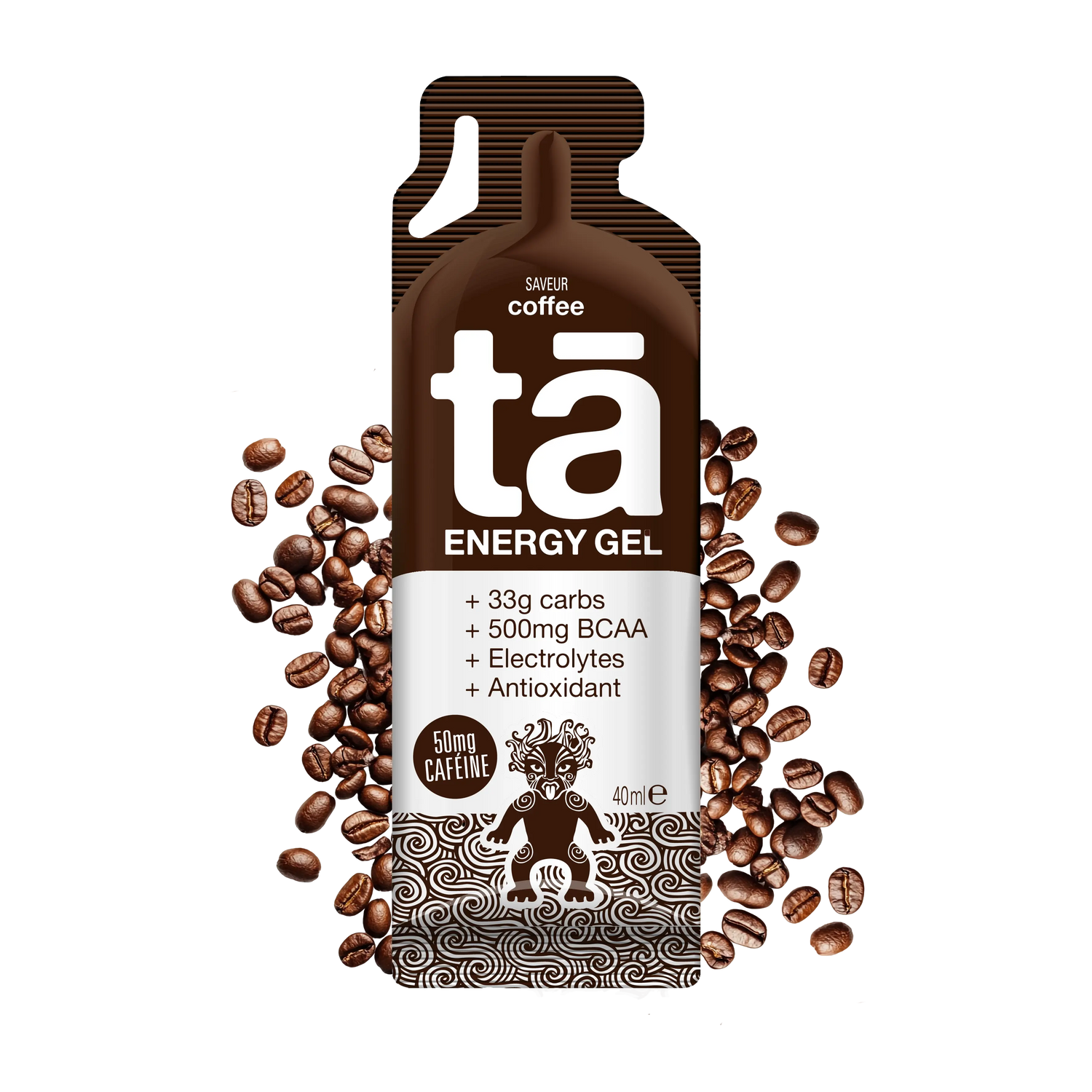
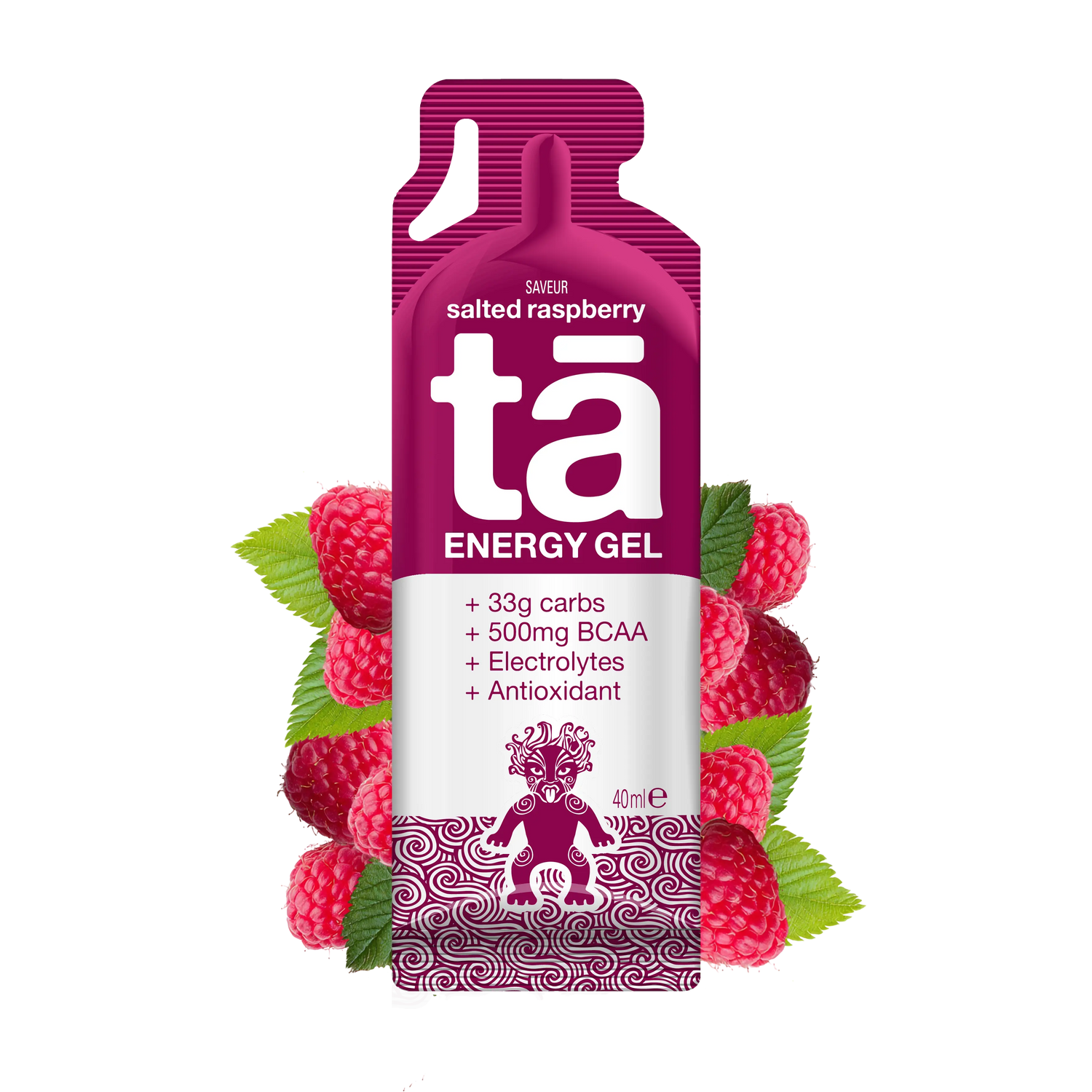
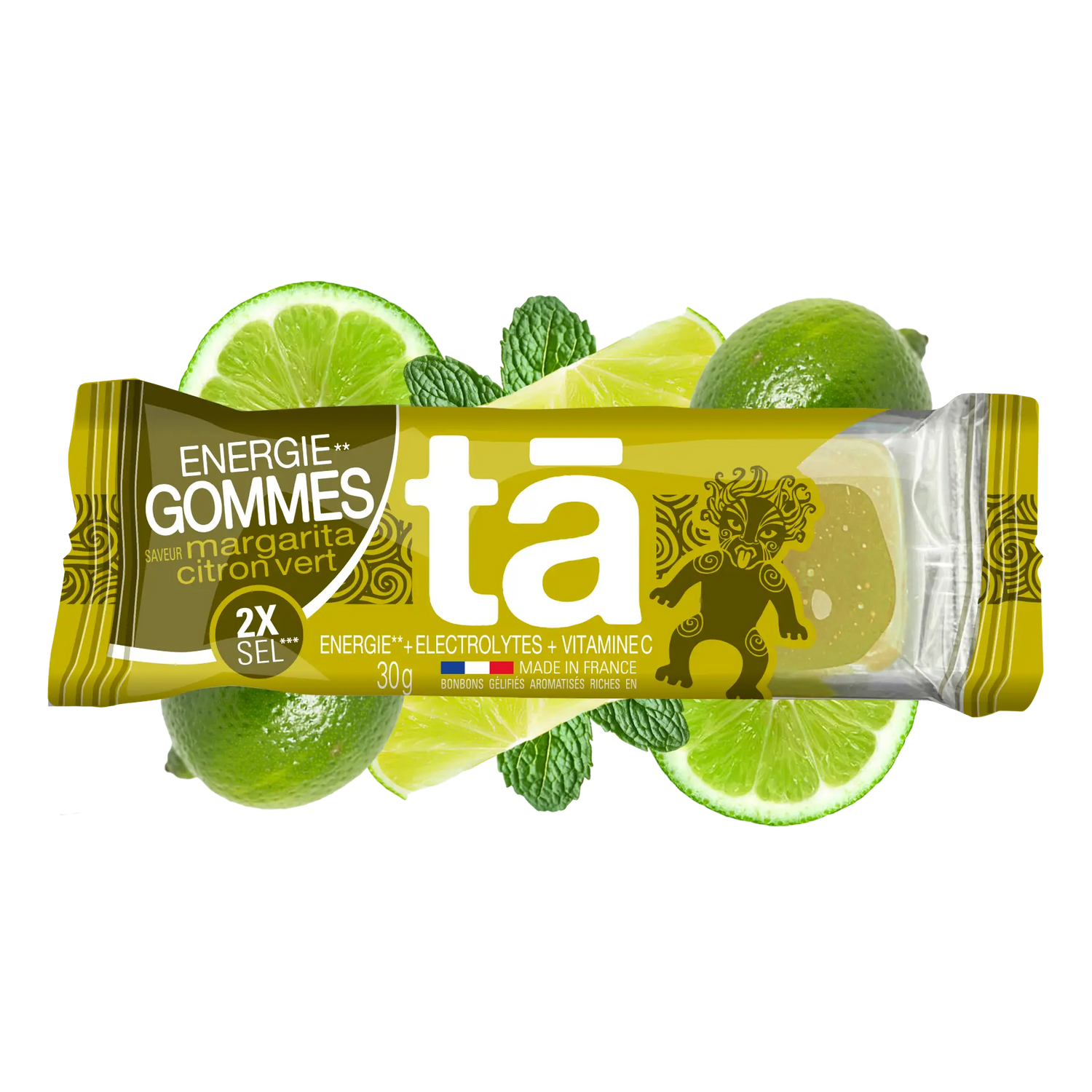
• Carbohydrate intake: Consume between 30 g and 90 g of carbohydrates per hour from the start of the event. Favor isotonic drinks, gels, and chews, which are easier to absorb when your heart is beating fast during climbs.
• Hydration: Aim to consume at least 400 mL to 800 mL of water per hour, adjusting
according to the temperature.
• Electrolytes: Consume 300 mg to 600 mg of sodium per hour to prevent hyponatremia and optimize water absorption .(III)
IN CONCLUSION
To climb quickly and for long stretches in the mountains, pursuing lightness at all costs is a bad calculation. A high-performing, resilient body is above all a properly fueled body. By meeting your fuel needs, you protect your health today and ensure you can ride hard for many years to come!

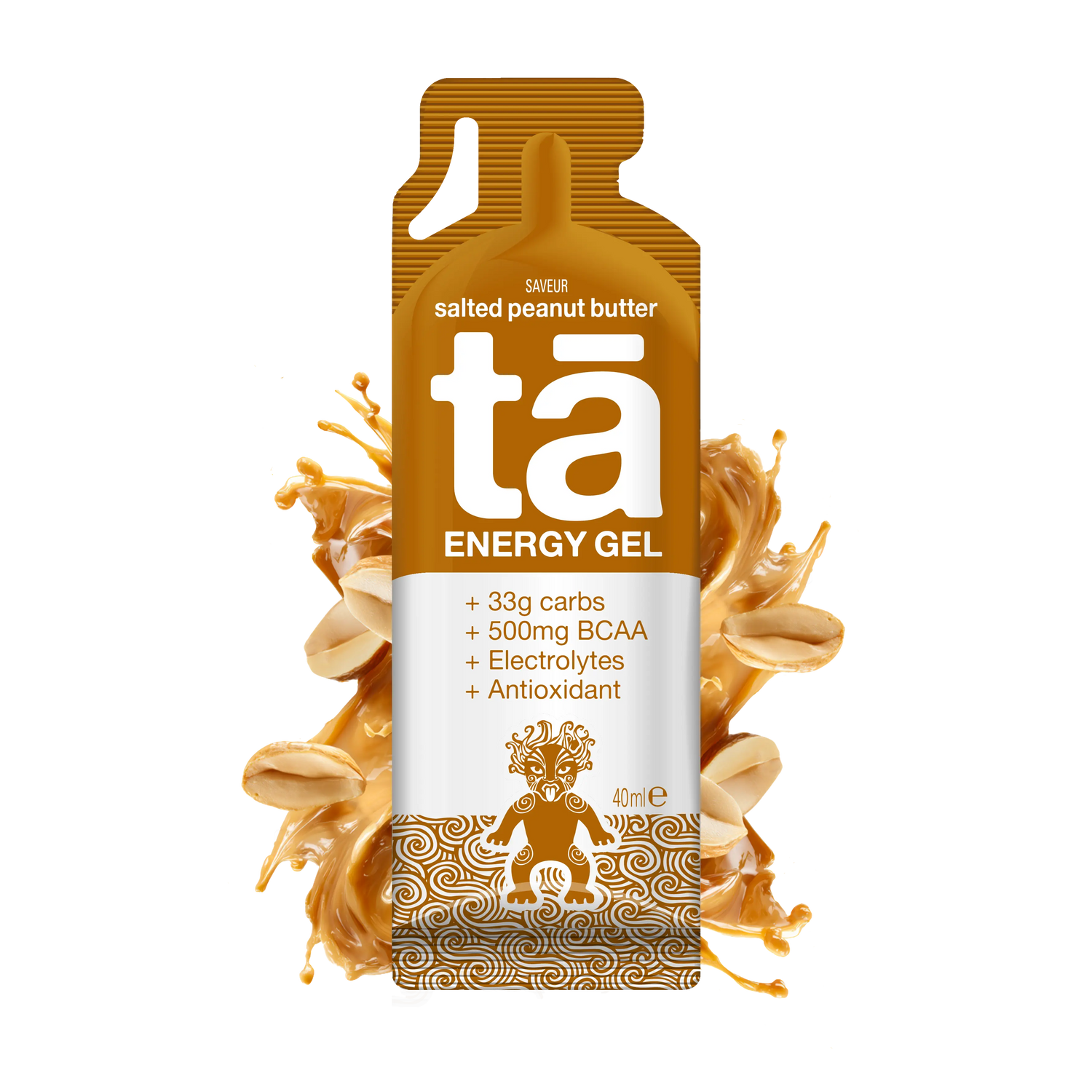
40ml energy gel, salted peanut butter flavor

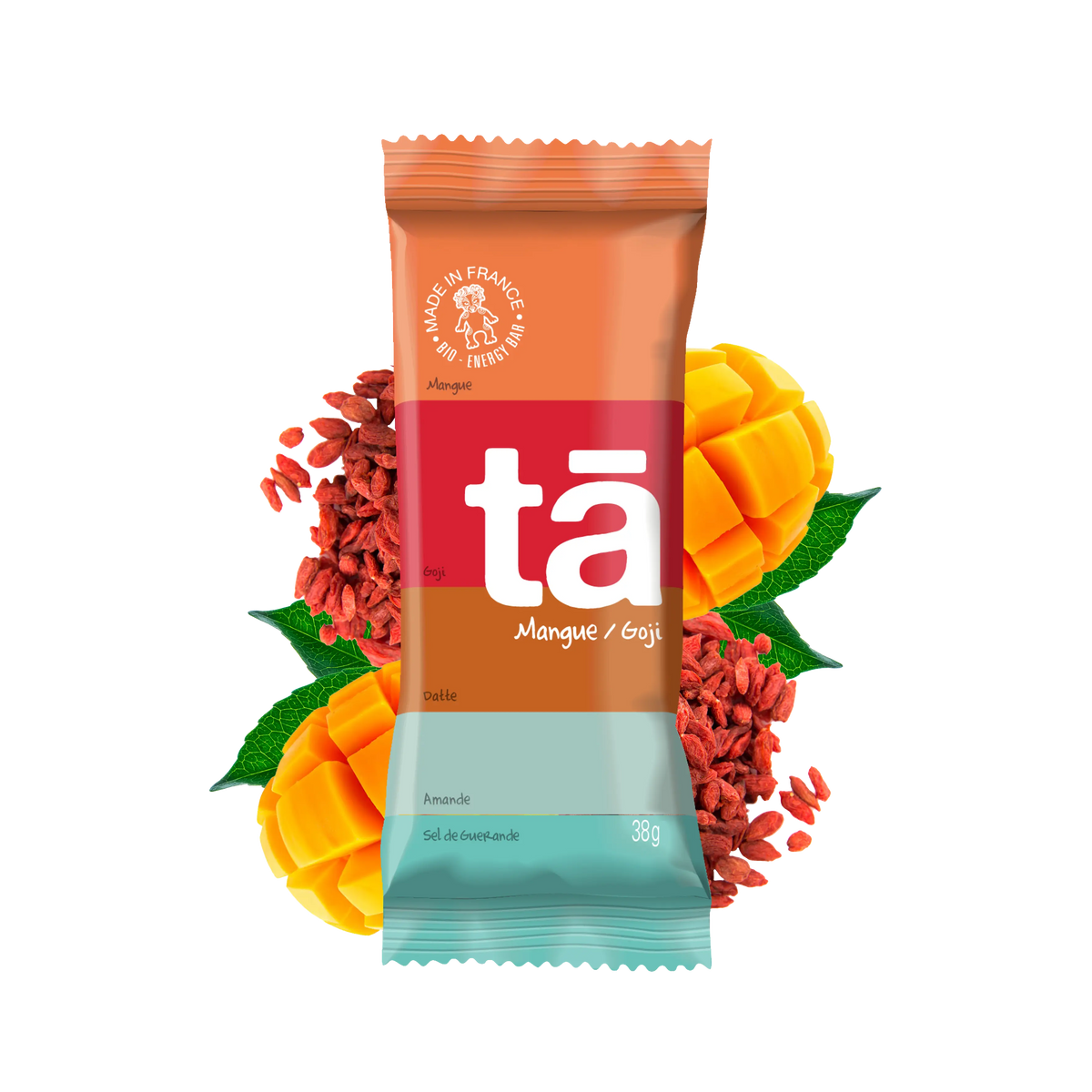
Organic 38g energy bar, mango goji flavor
SOURCES
• Mountjoy, M., et al. (2018). IOC consensus statement on relative energy deficiency in sport (RED-S): 2018 update. British Journal of Sports Medicine. (I)
• Mountjoy, M., et al. (2023). 2023 IOC consensus statement on Relative Energy Deficiency
in Sport (REDs). British Journal of Sports Medicine. (II)
• Bourdas, DI, Zacharakis, ED, Panagiotakos, DB and Georgousopoulou, EN (2021). Meta-analysis of carbohydrate solution intake during prolonged exercise in adults: perspective from the last 45 years. Nutrients, 13(6), 1890. https://doi.org/10.3390/nu13061890 (III)
• Jeukendrup, A., et al. (2024). Does Relative Energy Deficiency in Sport (REDs) Syndrome
Exist?. Sports Medicine. (IV)
• De Souza, MD, Koltun, KJ and Williams, N. (2019). Role of energy availability in reproductive function in women with the female athlete triad syndrome and
extension of its effects to men: an initial working model of a similar syndrome
in male athletes. Sports Medicine (Auckland, New Zealand), 49, 125-137.
https://doi.org/10.1007/s40279-019-01217-3 (V