VOUS POURRIEZ AUSSI AIMER
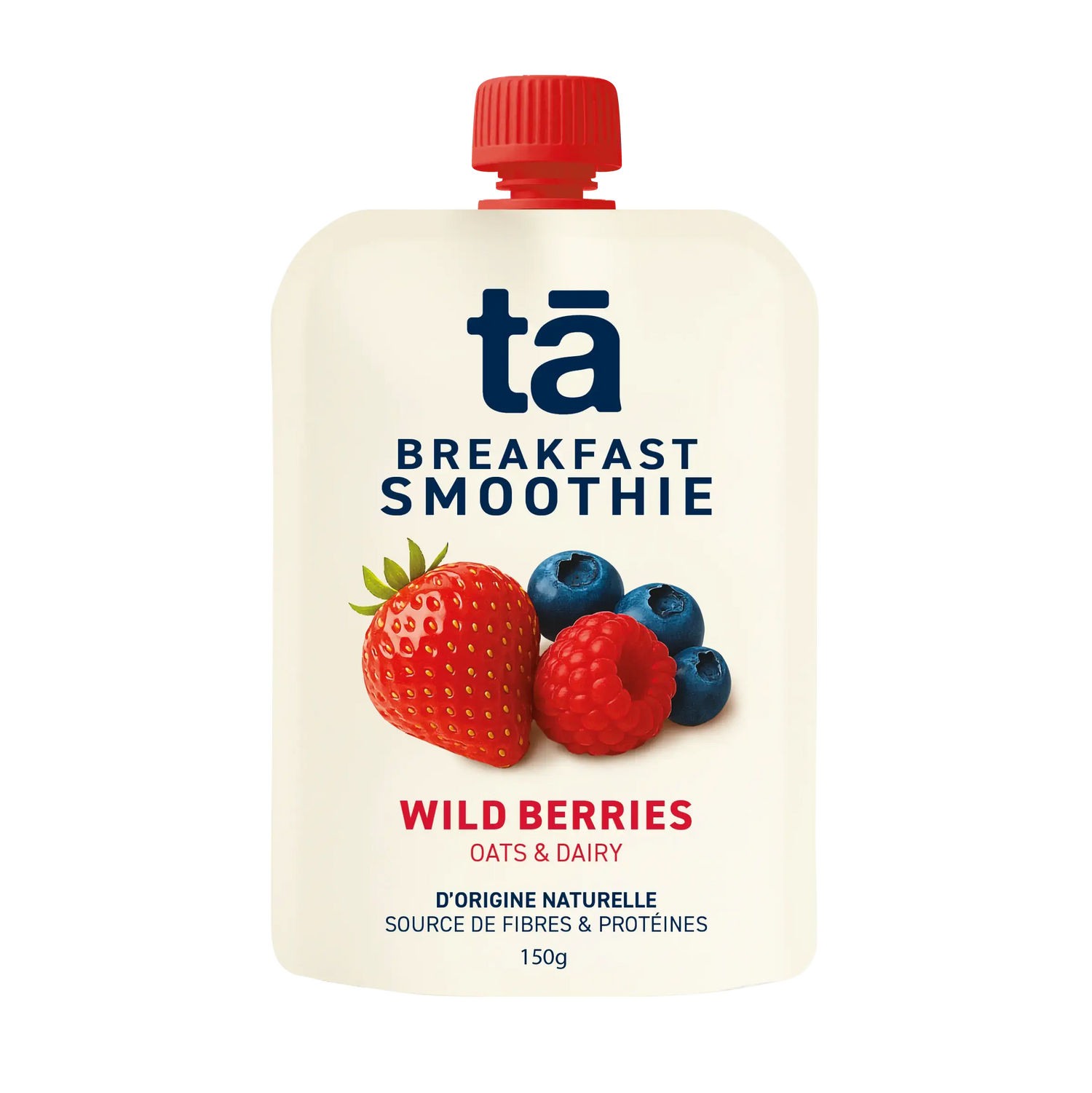
Breakfast Smoothie 150g forest fruit flavor
Regular price
3,20 €
Regular price
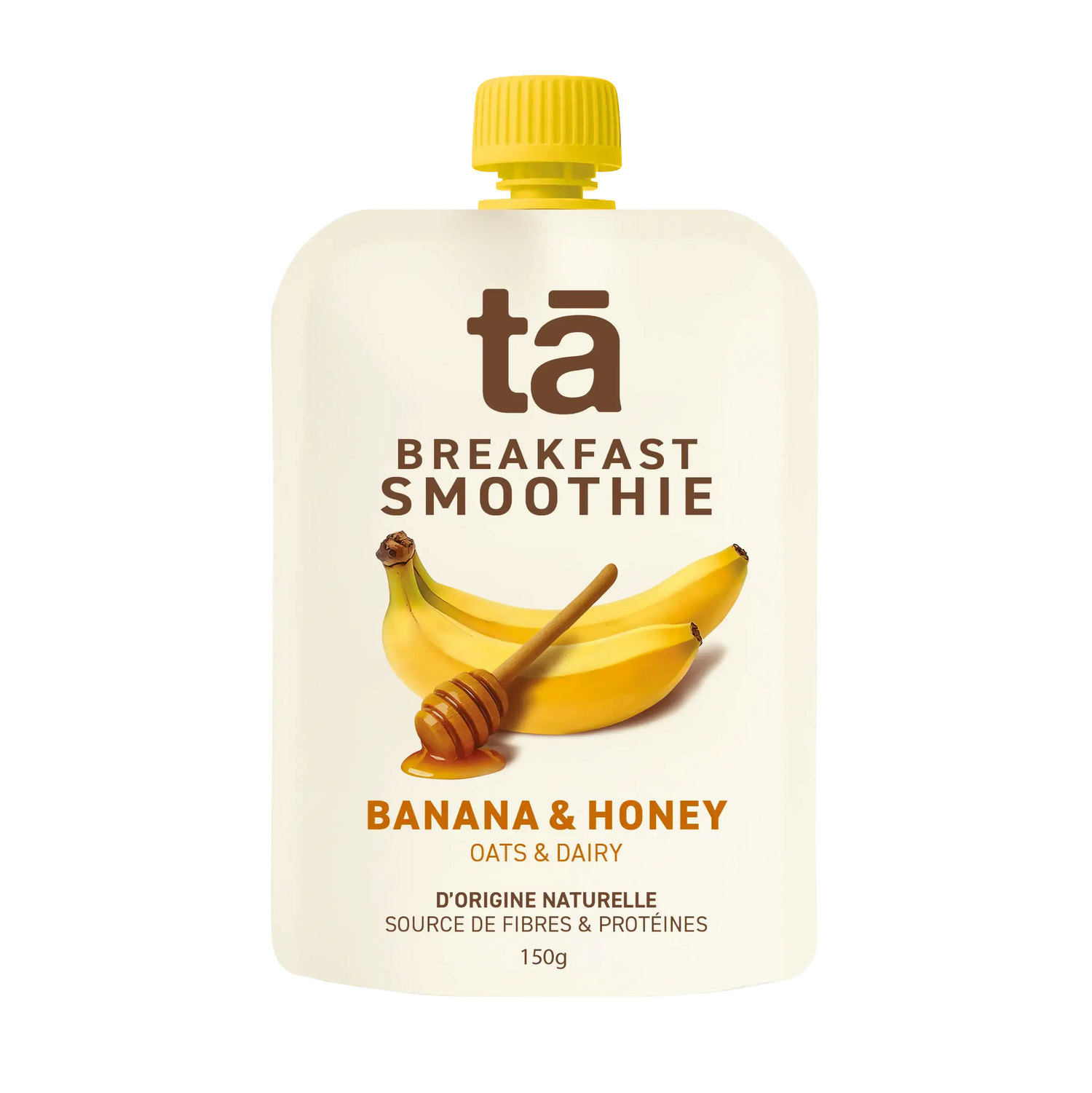
Breakfast Smoothie 150g banana honey flavor
Regular price
3,20 €
Regular price
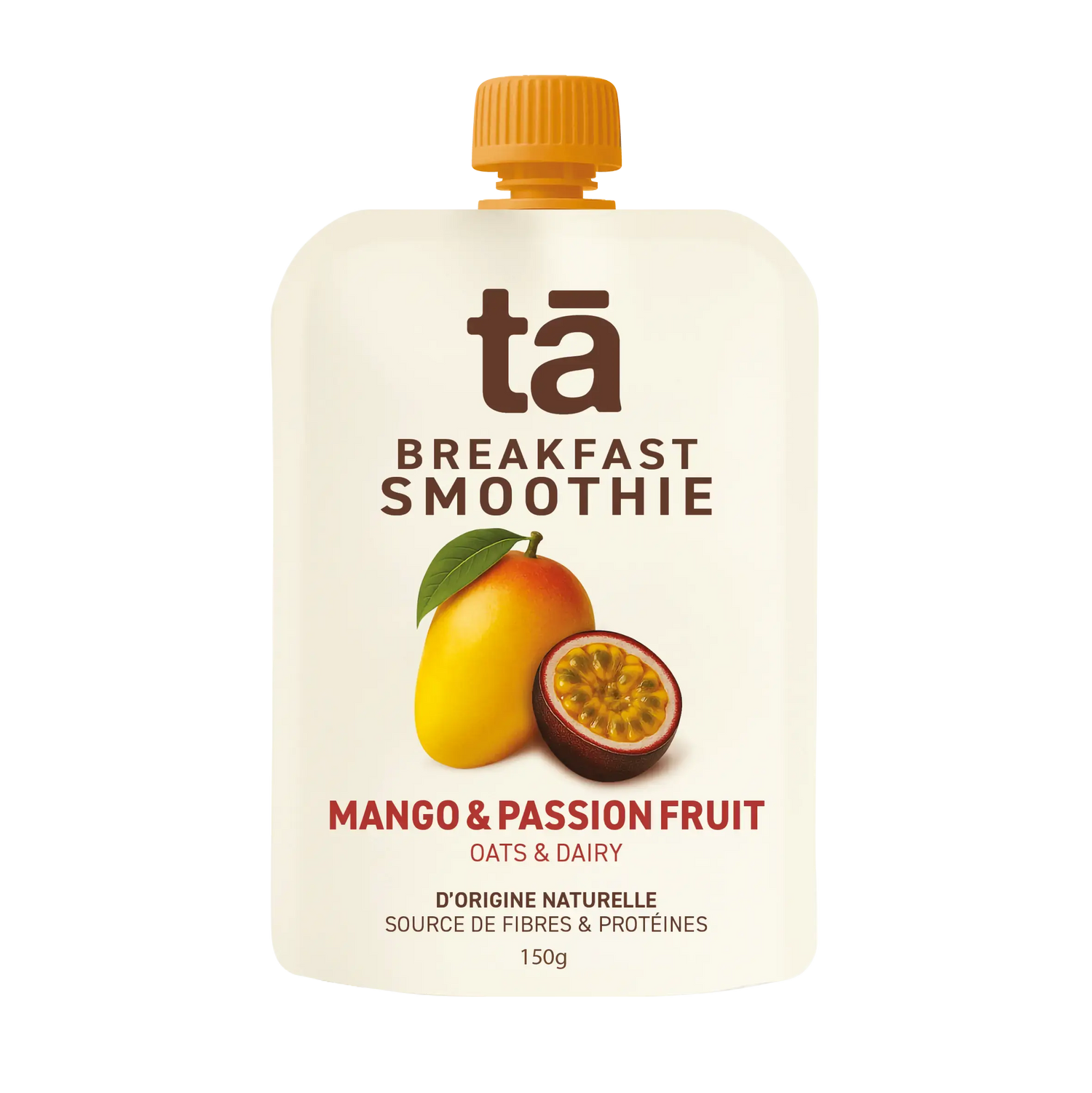
Breakfast Smoothie 150g mango passion fruit flavor
Regular price
3,20 €
Regular price
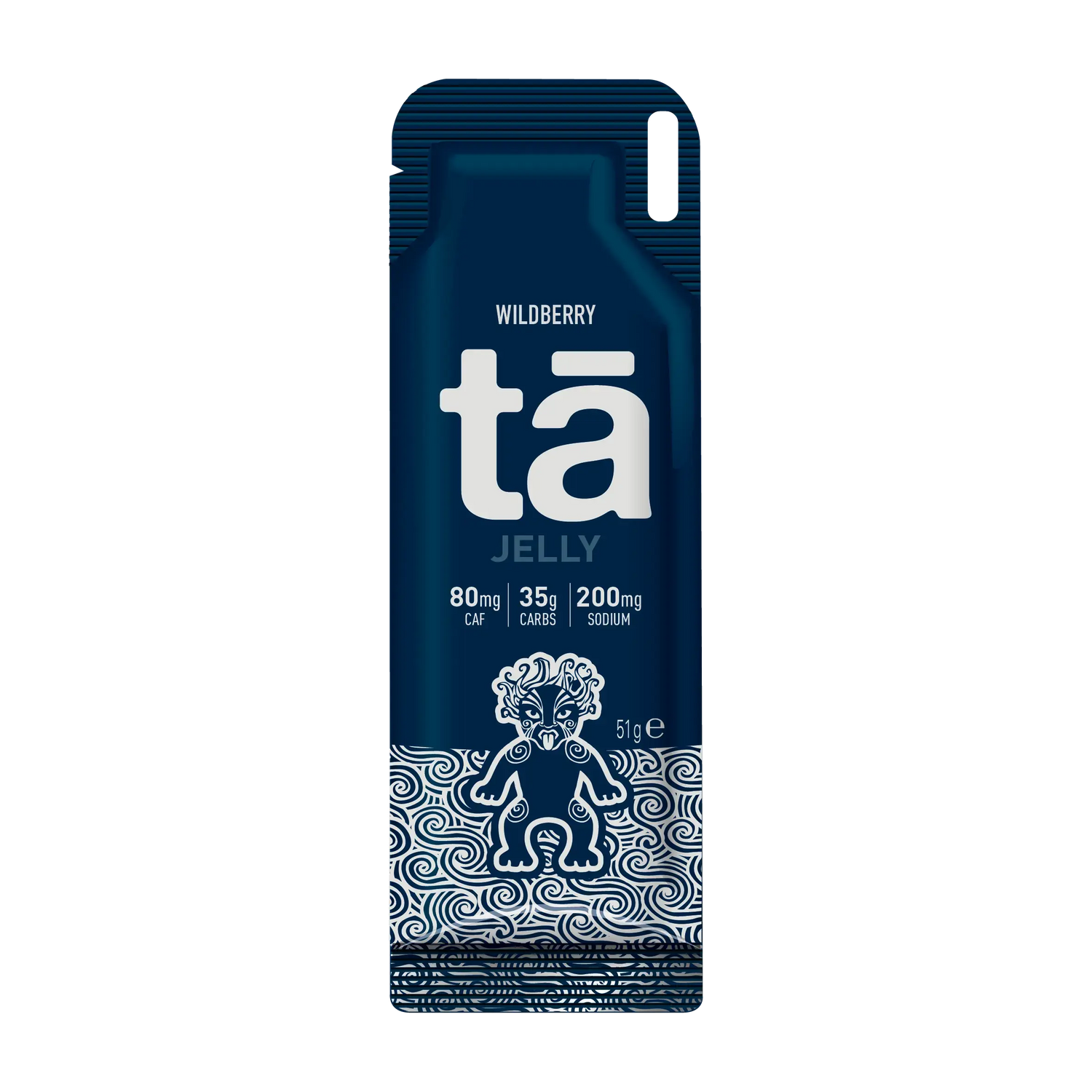
51g Jelly energy gel, wild berry flavor
Regular price
3,50 €
Regular price
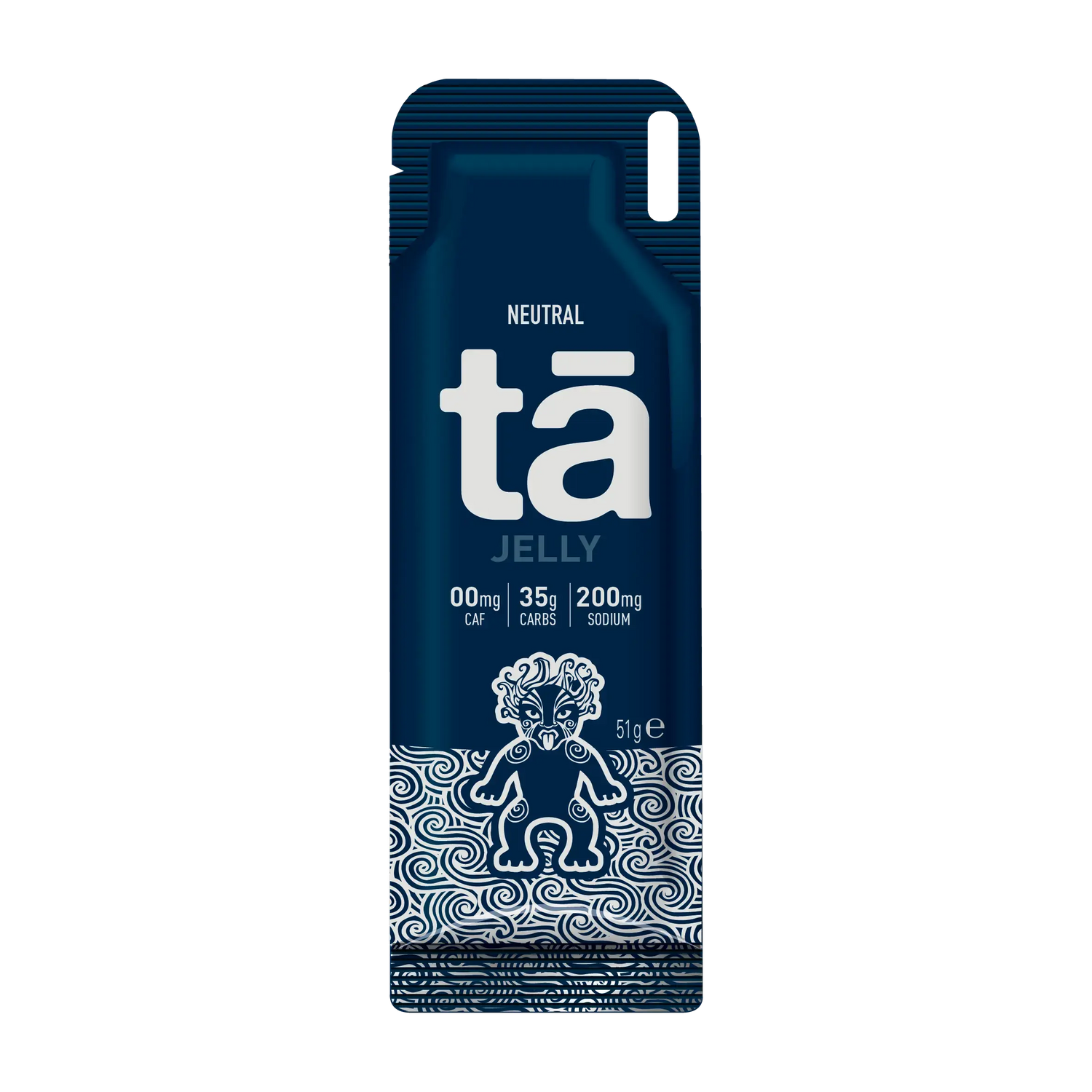
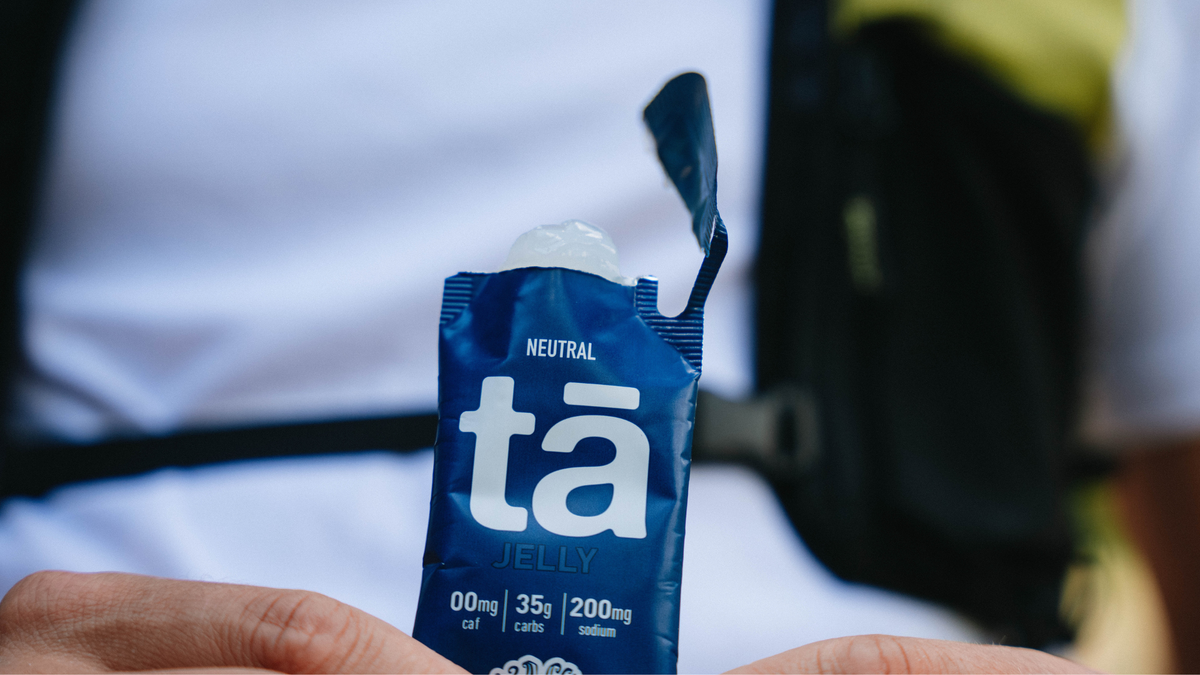
51g Jelly energy gel, neutral flavor
Regular price
3,50 €
Regular price
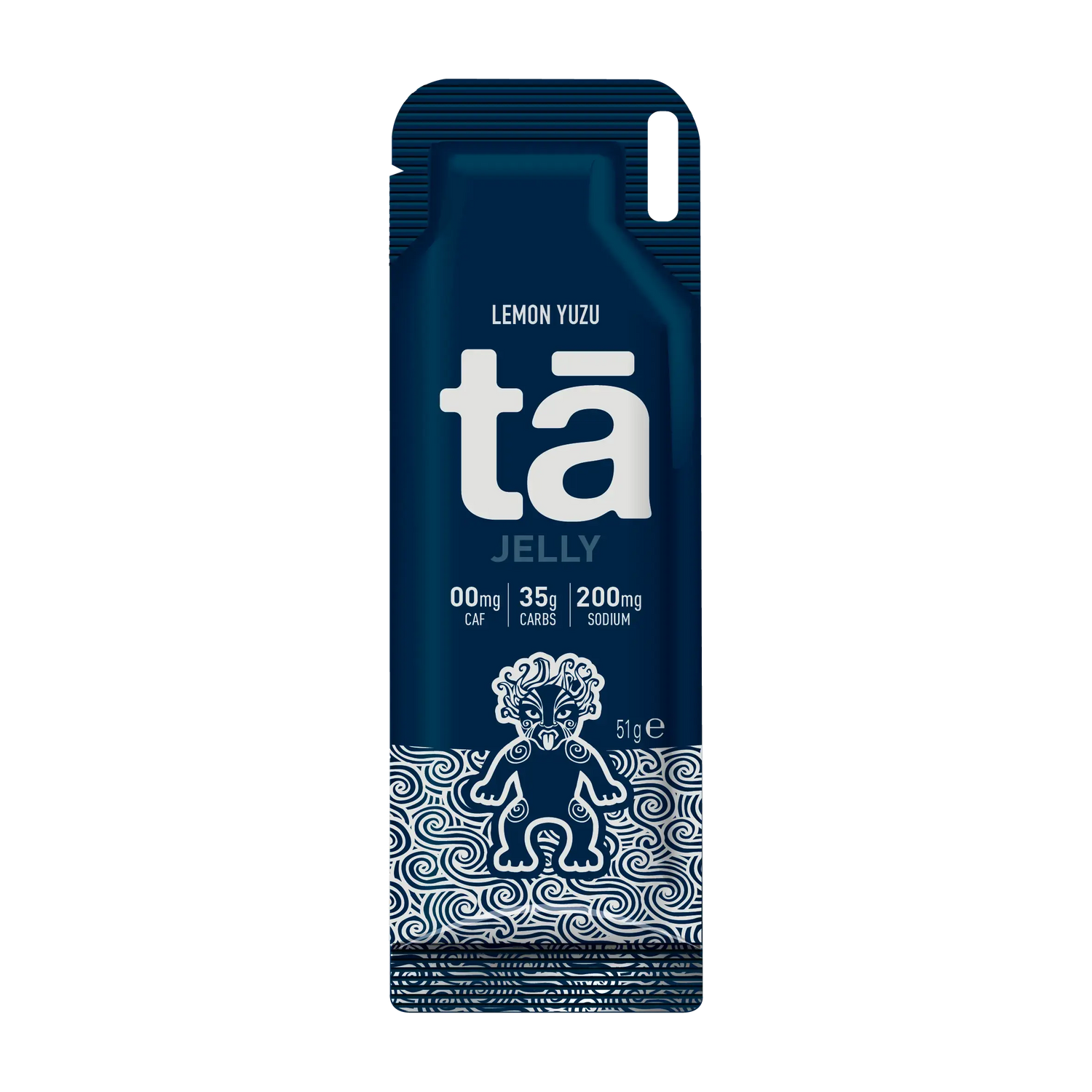
51g Jelly energy gel, lemon yuzu flavor
Regular price
3,50 €
Regular price
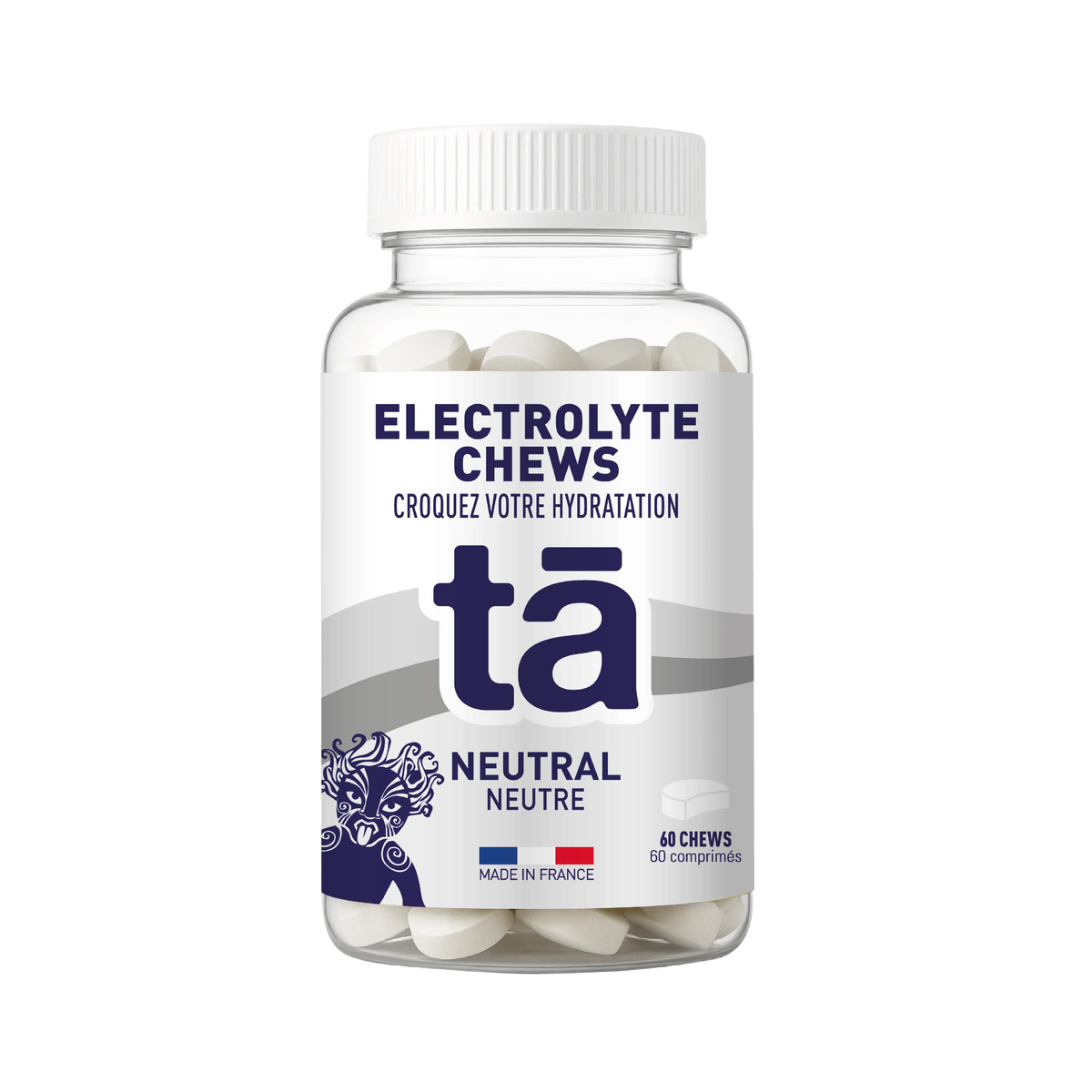
60 chewable electrolyte tablets, neutral flavor
Regular price
19,90 €
Regular price
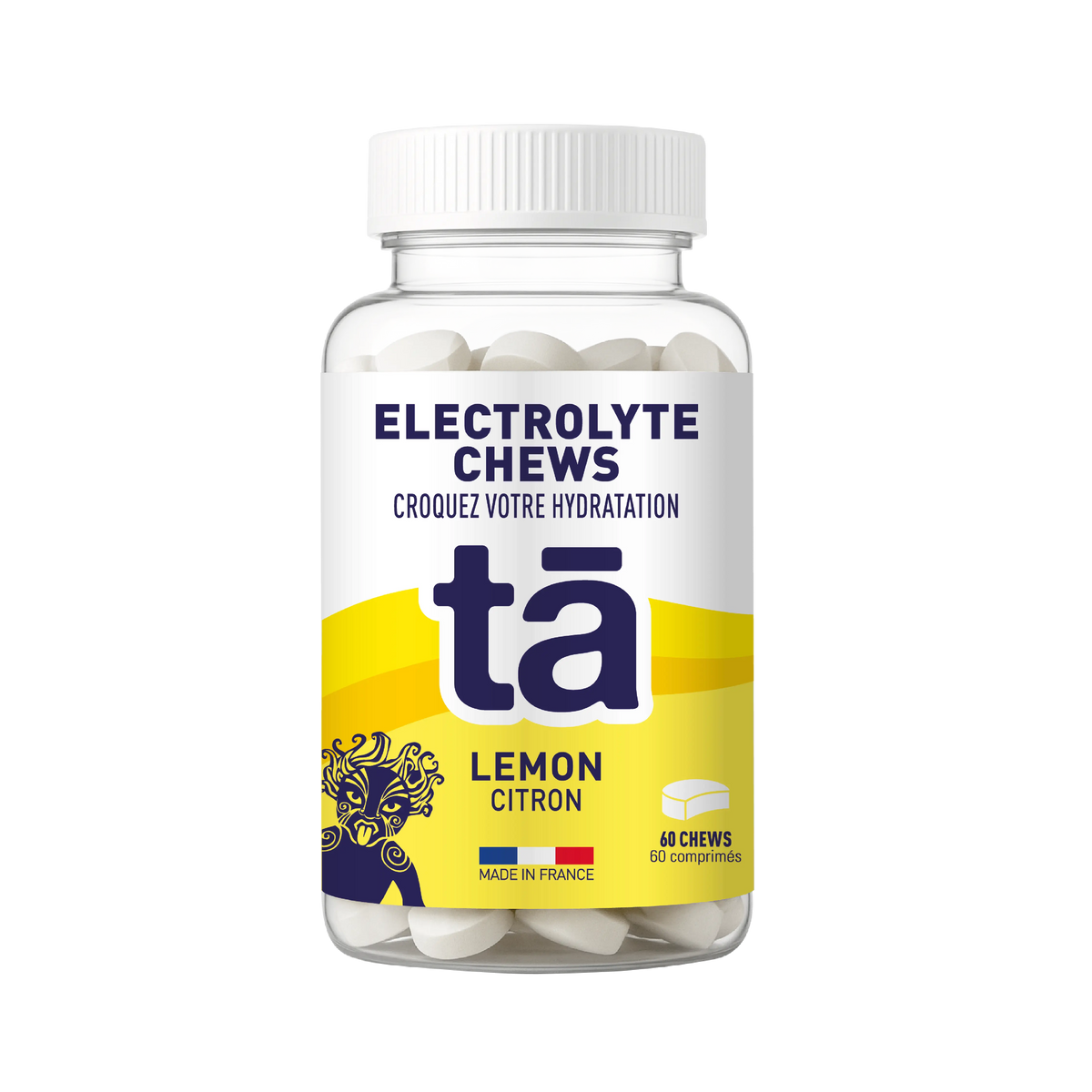
60 chewable electrolyte tablets, lemon flavor
Regular price
19,90 €
Regular price
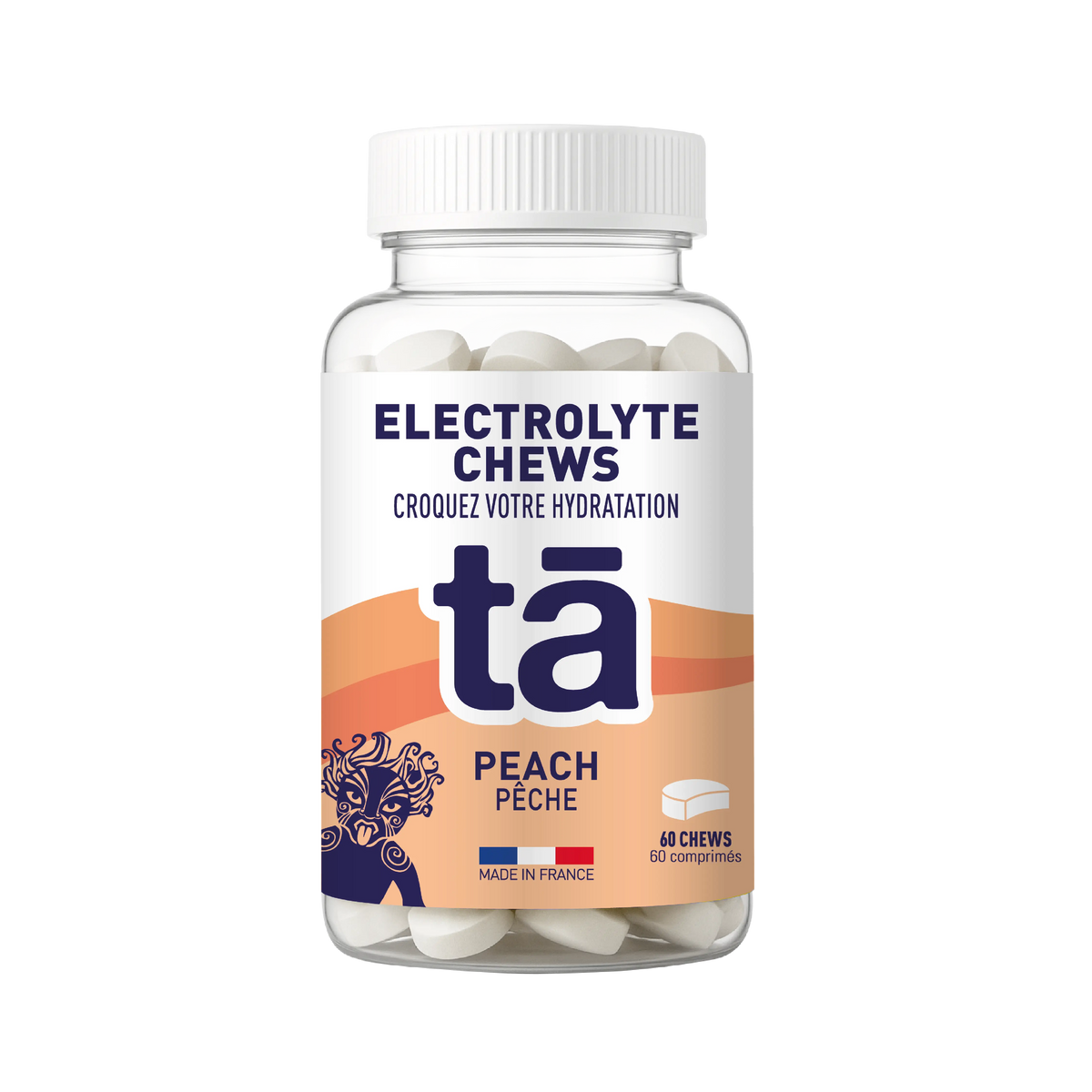
60 chewable electrolyte tablets, peach flavor
Regular price
19,90 €
Regular price
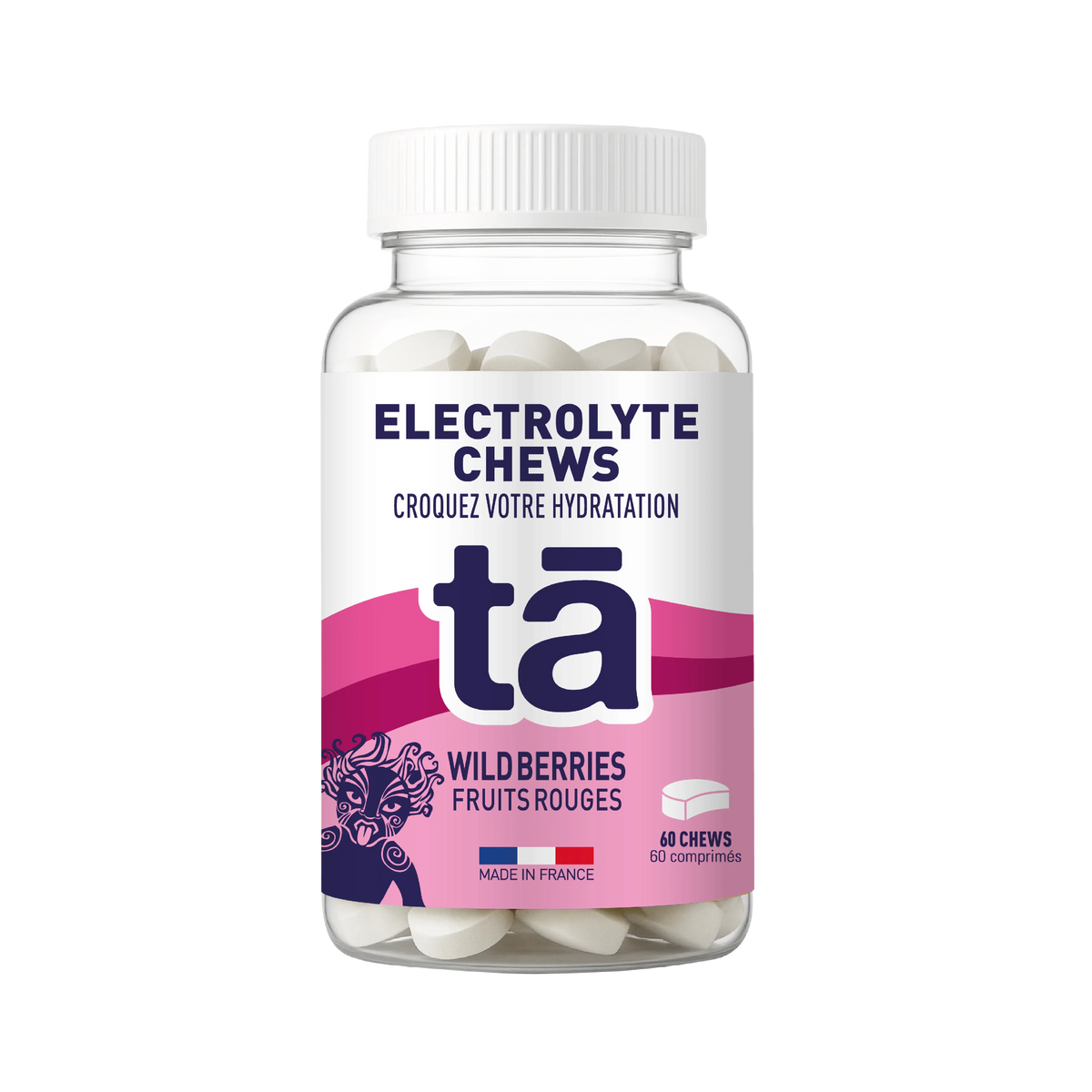
60 chewable electrolyte tablets, wild berry flavor
Regular price
19,90 €
Regular price
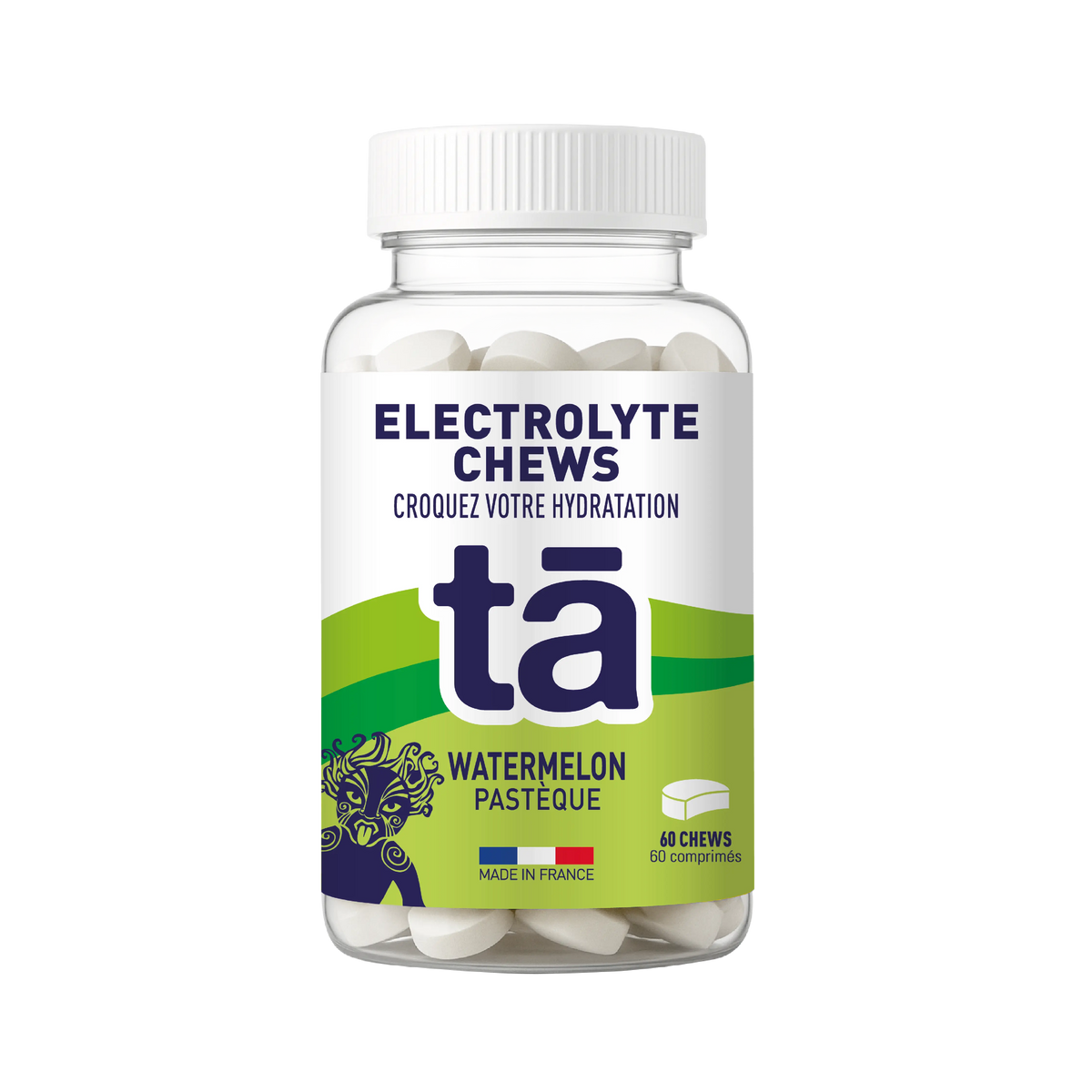
60 chewable electrolyte tablets, watermelon flavor
Regular price
19,90 €
Regular price
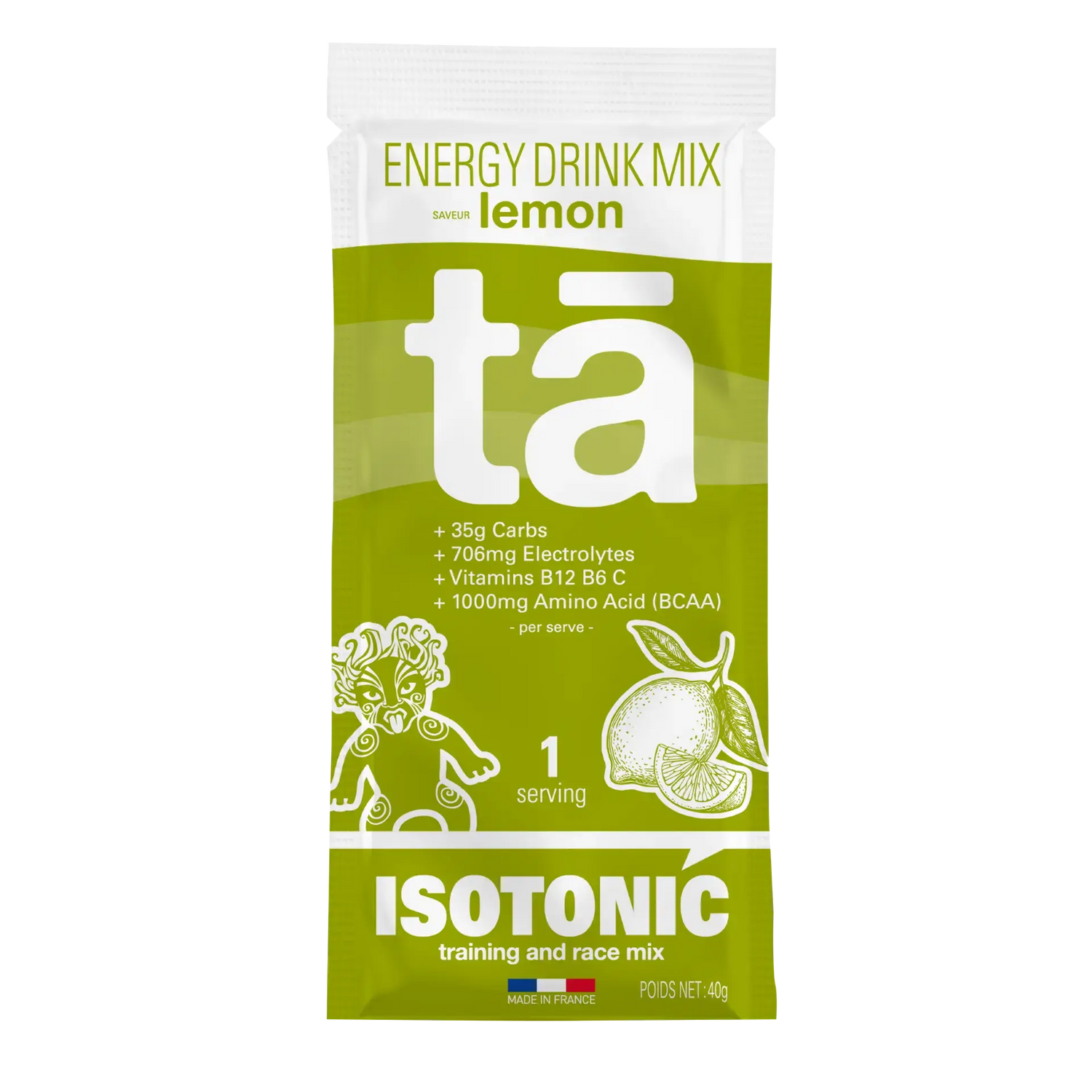
40g isotonic drink sachet, lemon flavor
Regular price
3,50 €
Regular price
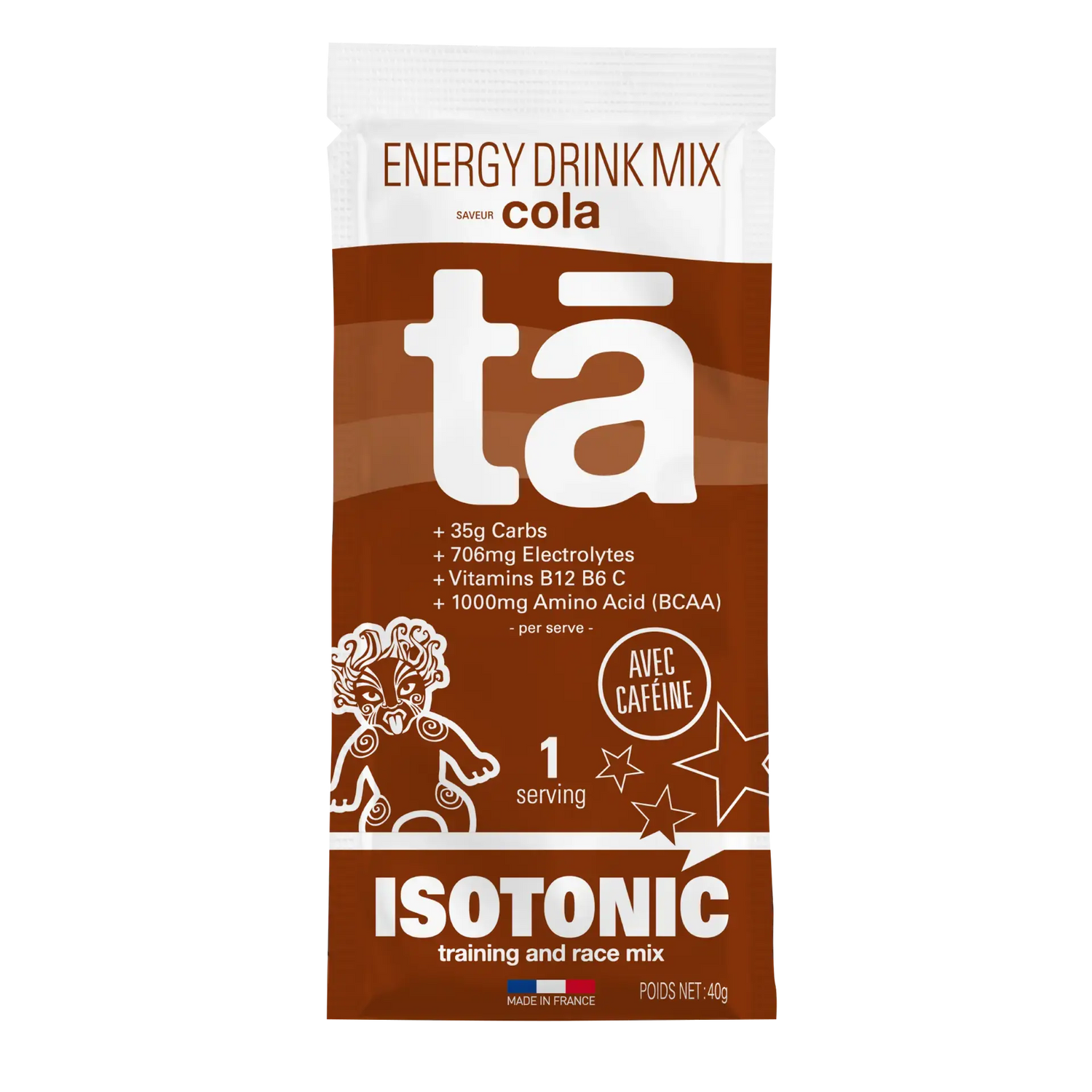
40g isotonic drink sachet, cola flavor
Regular price
3,50 €
Regular price
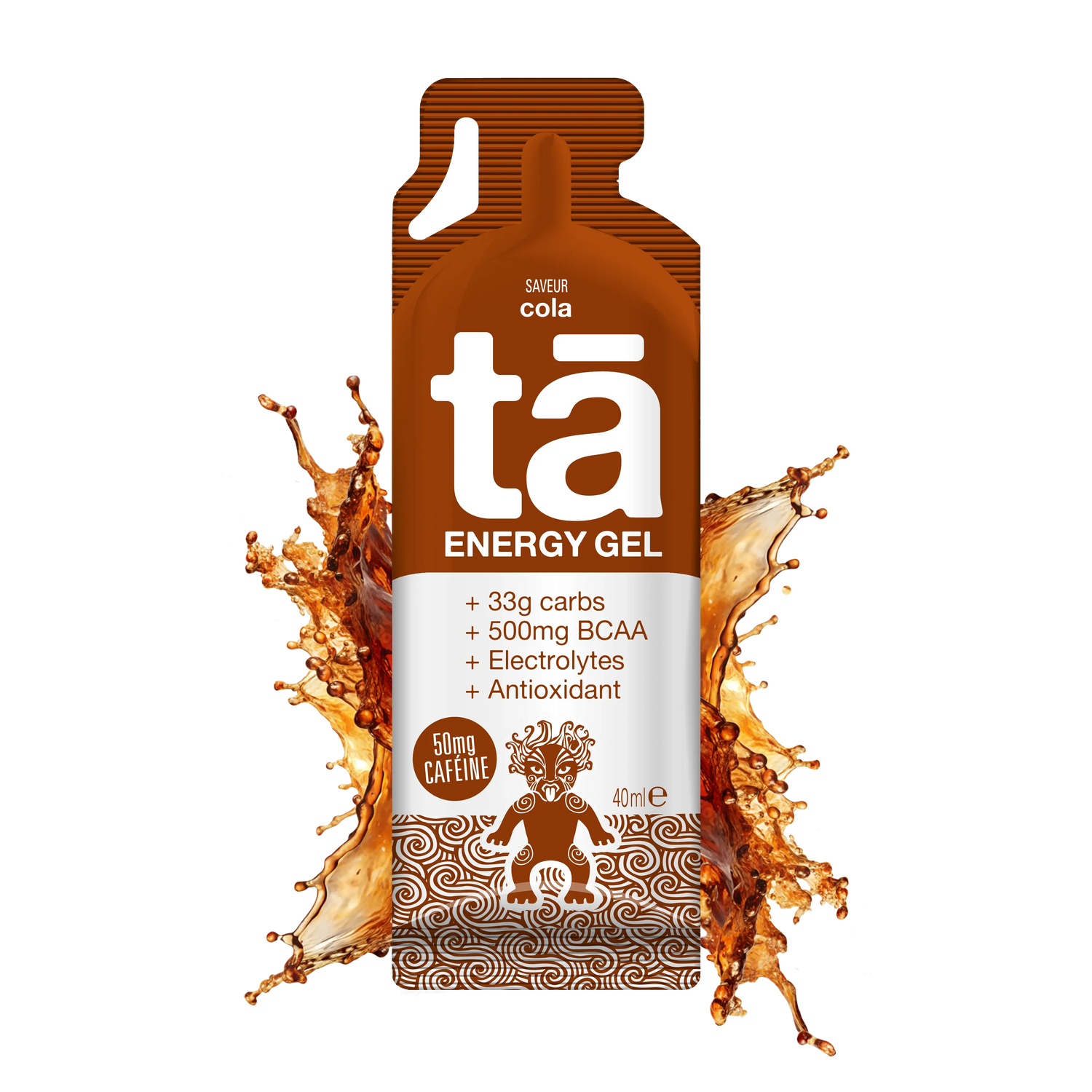
40ml ENERGY GEL, COLA FLAVOR
Regular price
2,50 €
Regular price
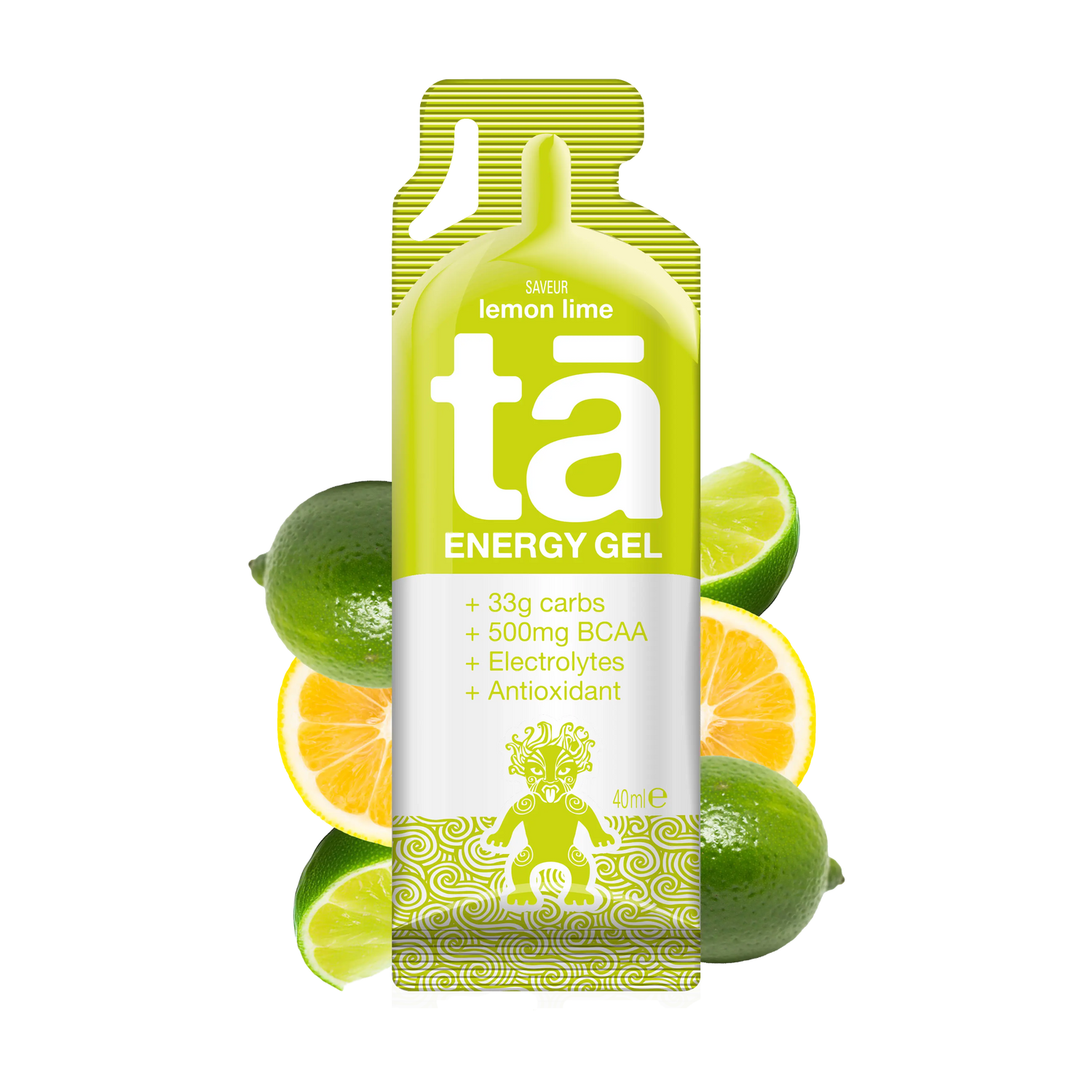
Energy gel 40ml lemon lime flavor
Regular price
2,50 €
Regular price
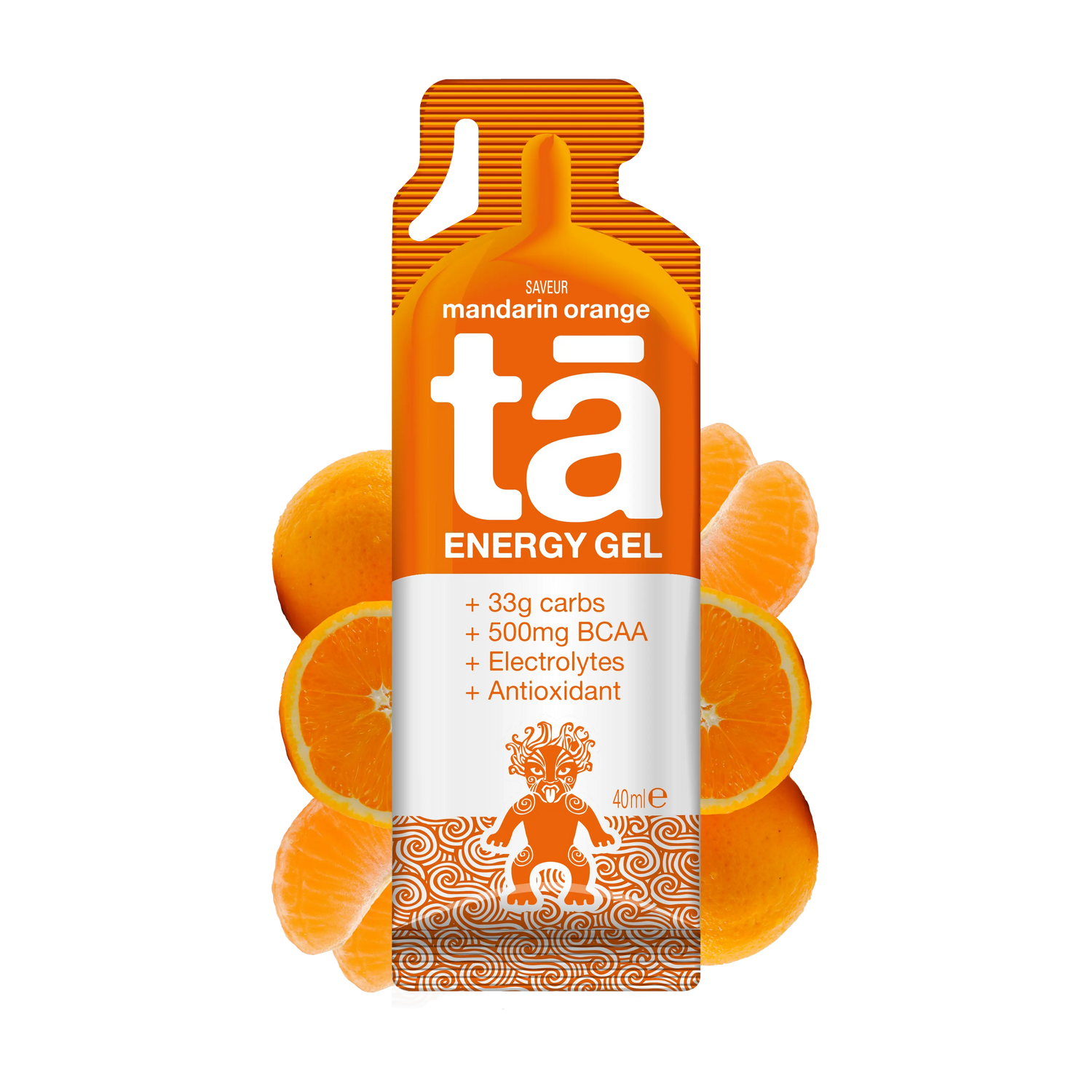
Energy gel 40ml mandarin orange flavor
Regular price
2,50 €
Regular price
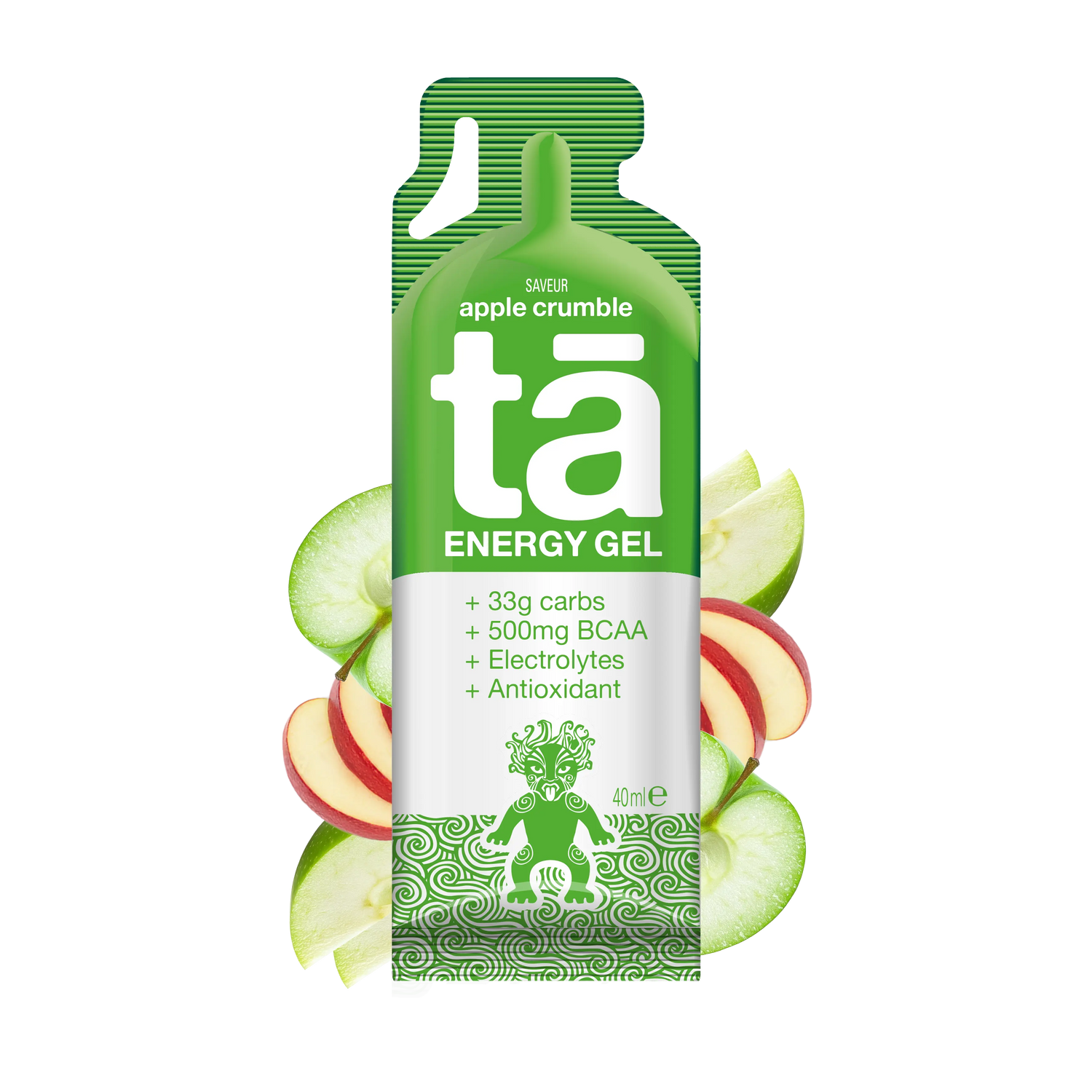
Energy gel 40ml apple crumble flavor
Regular price
2,50 €
Regular price
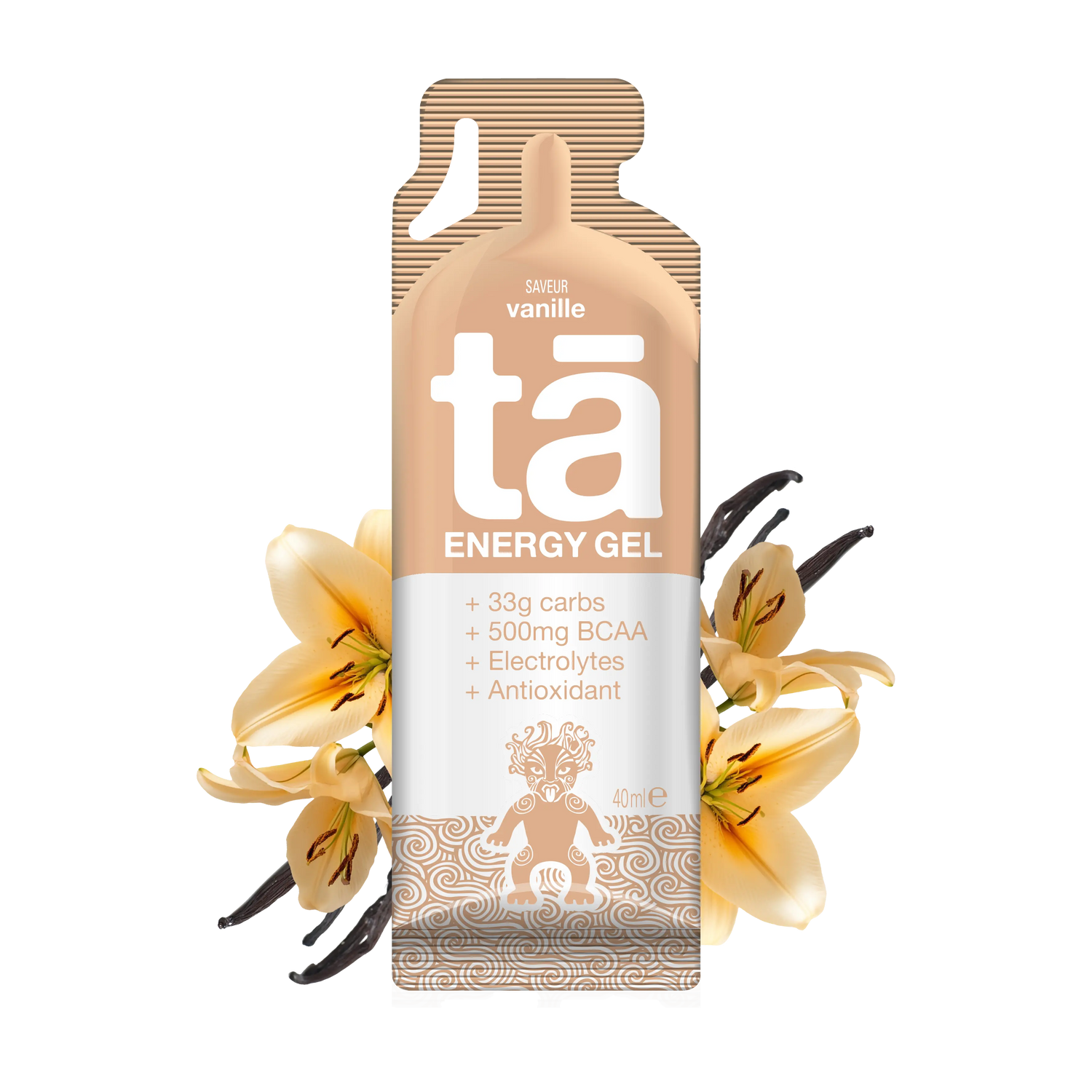
Energy gel 40ml vanilla flavor
Regular price
2,50 €
Regular price
0,00 €
Sale price
2,50 €
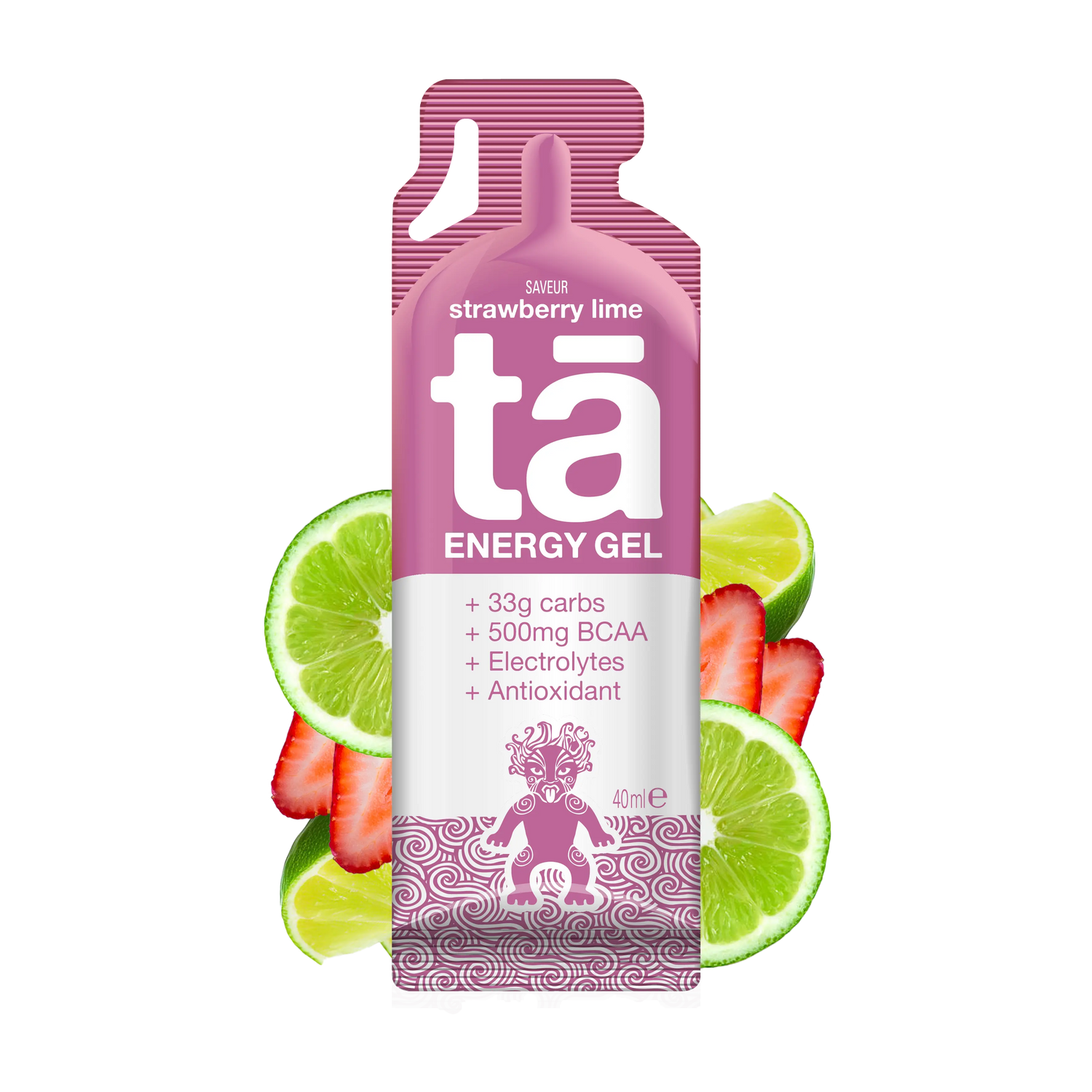
Energy gel 40ml strawberry lime flavor
Regular price
2,50 €
Regular price
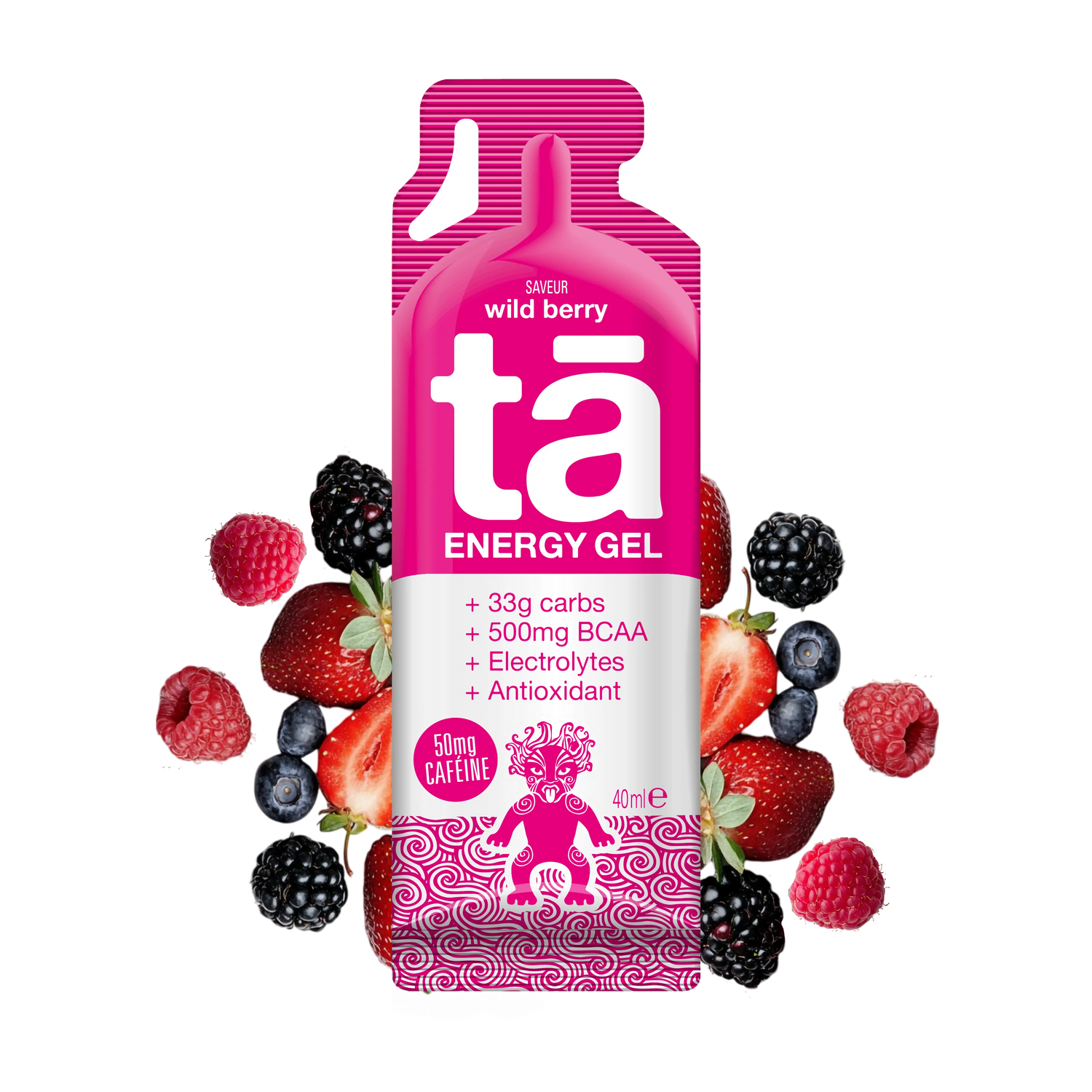
Energy gel 40ml wild berry flavor
Regular price
2,50 €
Regular price
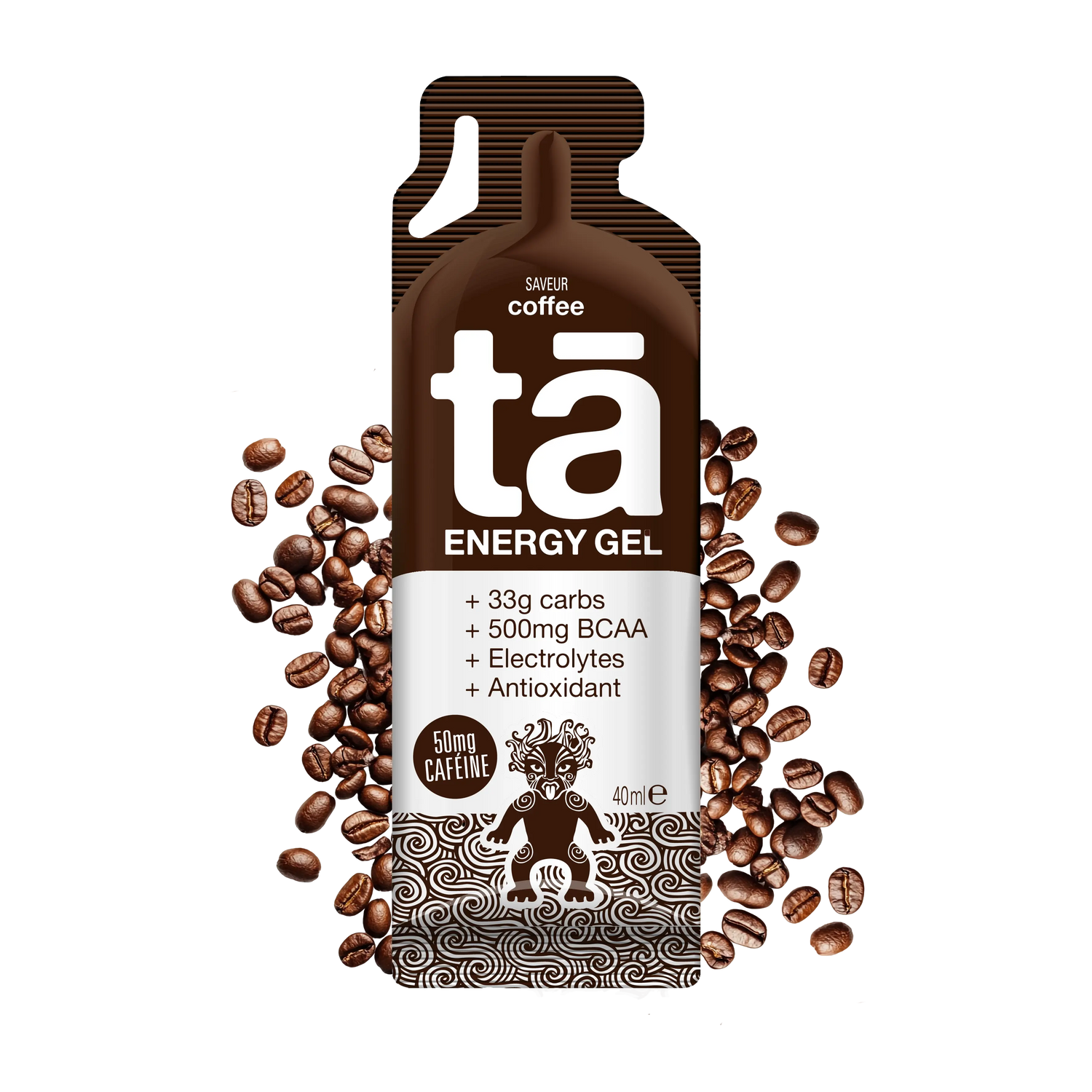
Energy gel 40ml coffee flavor
Regular price
2,50 €
Regular price
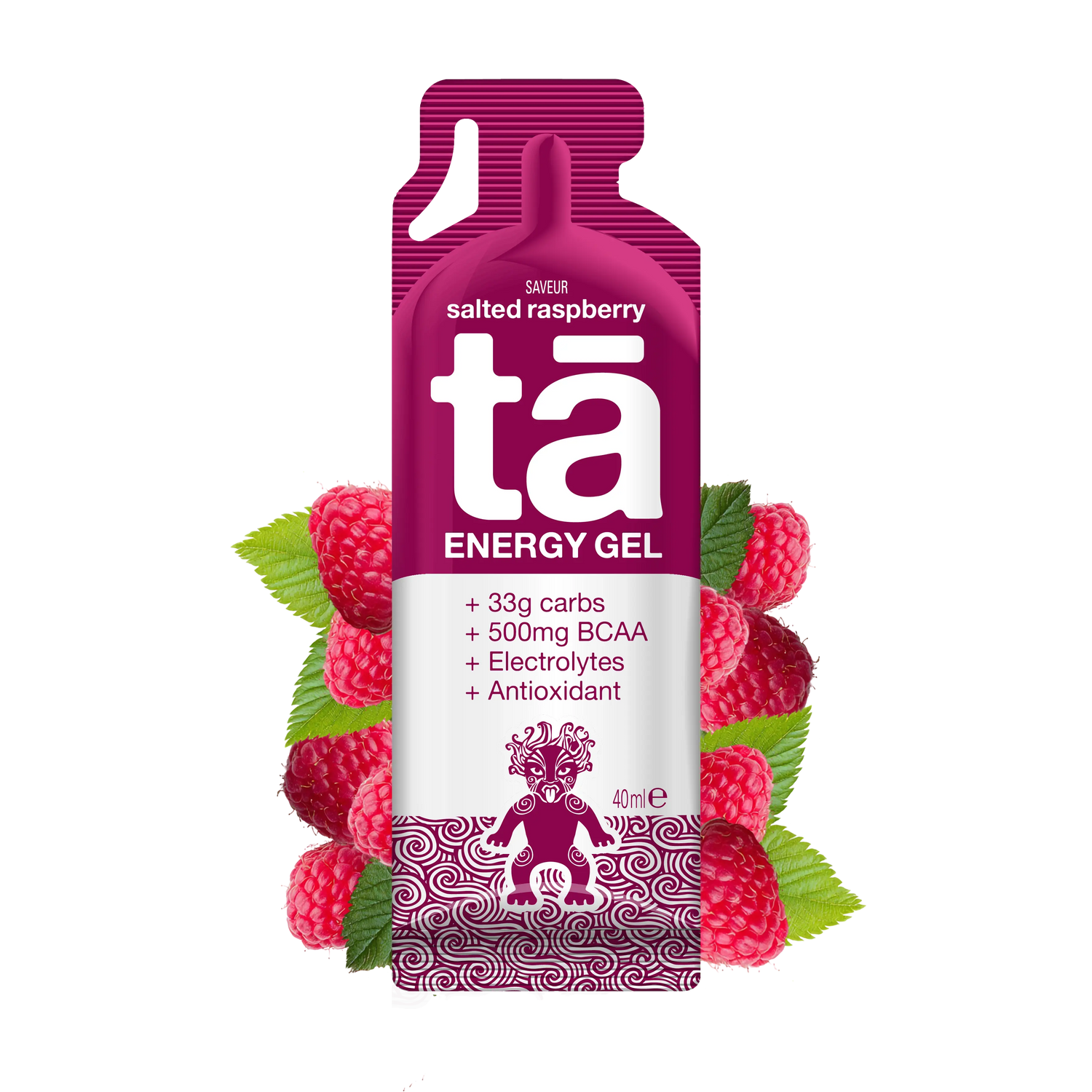
Energy gel 40ml salted raspberry flavor
Regular price
2,50 €
Regular price
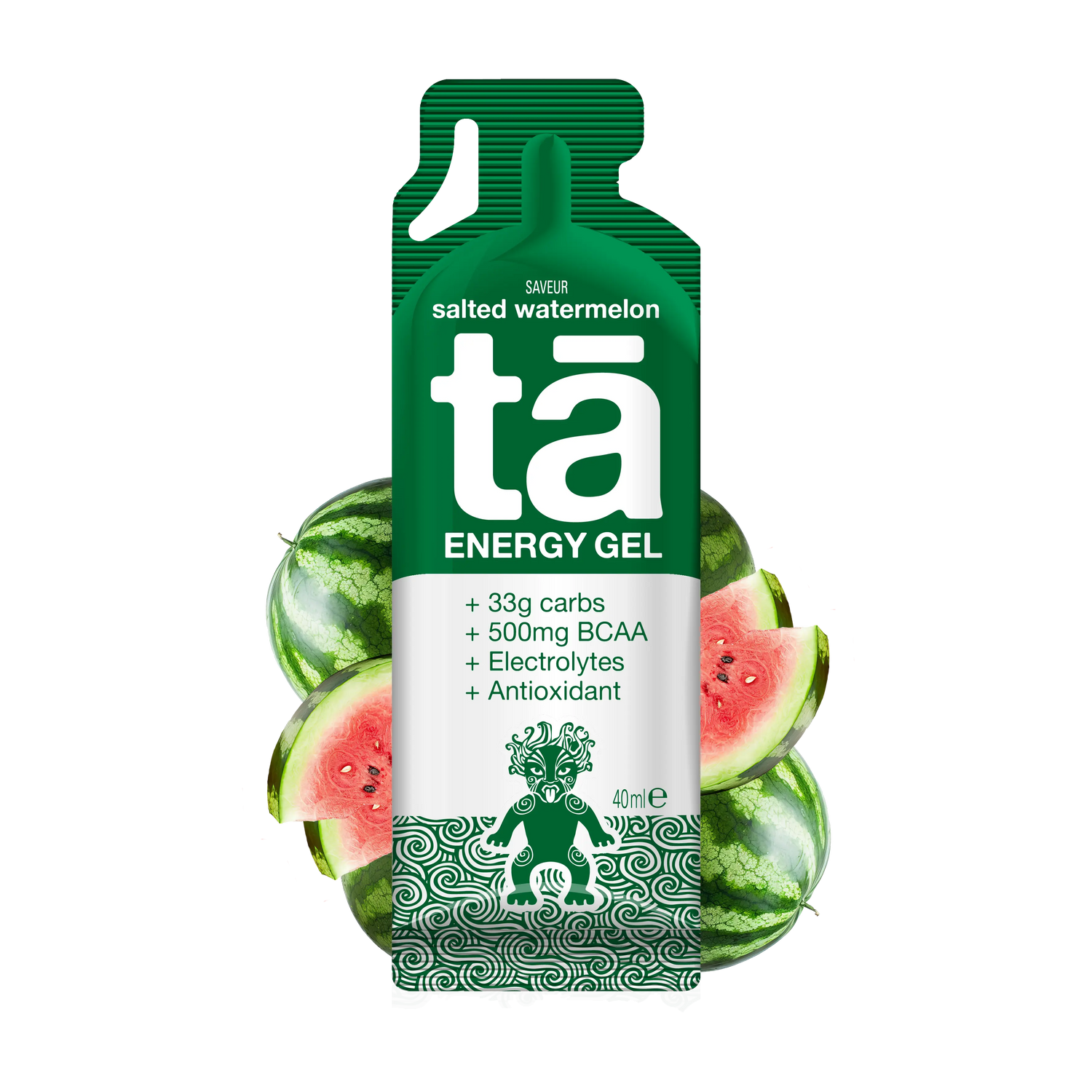
40ml energy gel, salted watermelon flavor
Regular price
2,50 €
Regular price
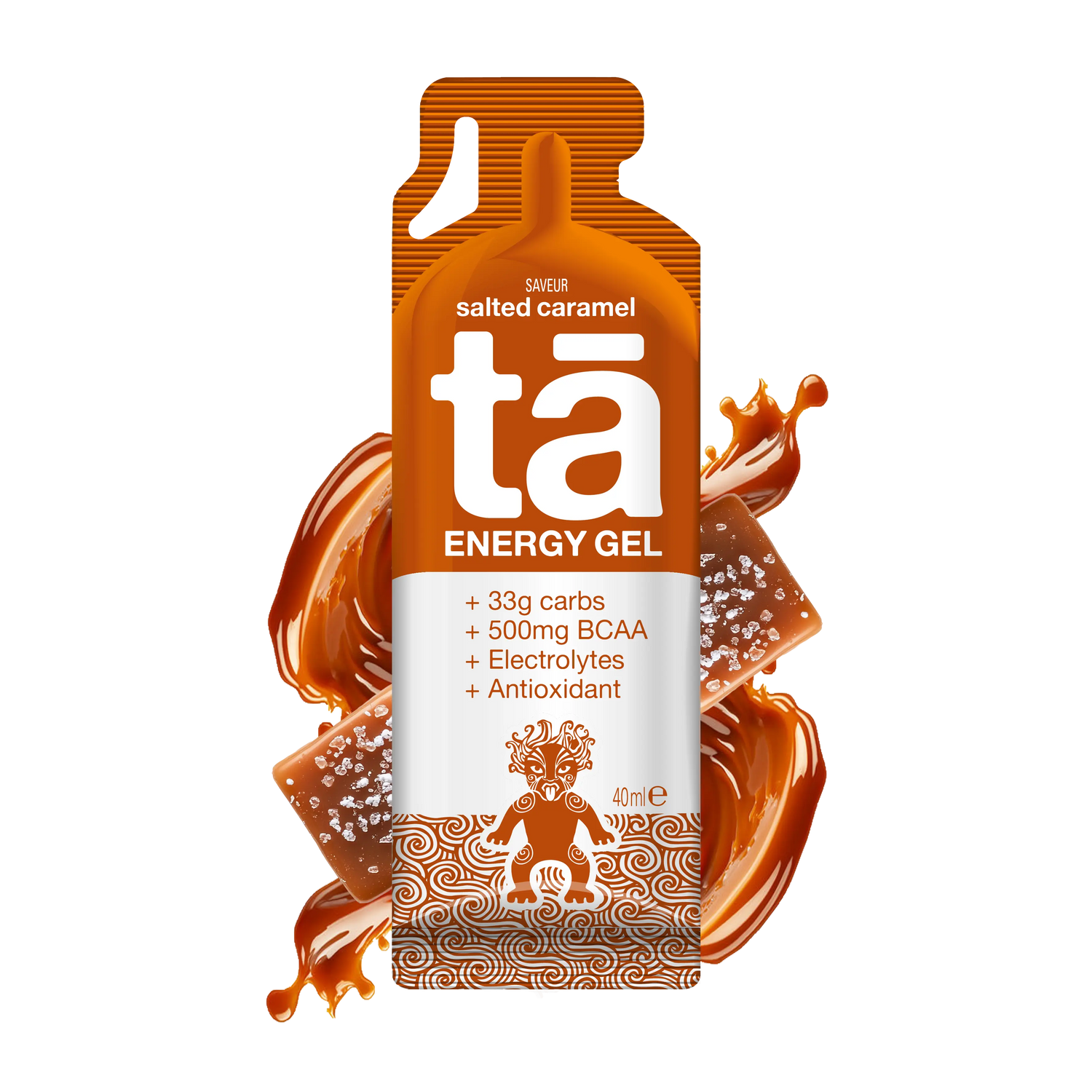
40ml energy gel, salted caramel flavor
Regular price
2,50 €
Regular price
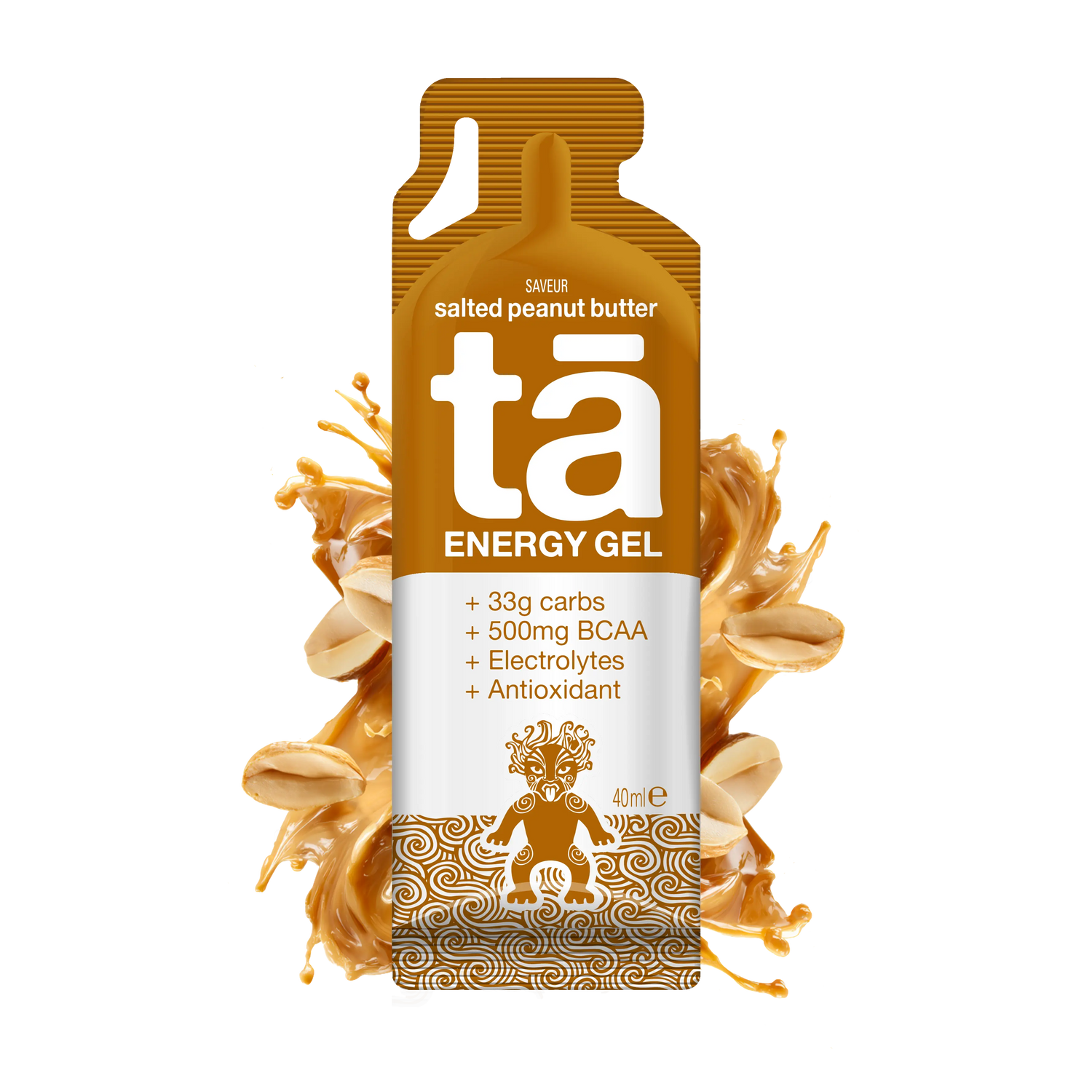
40ml energy gel, salted peanut butter flavor
Regular price
2,50 €
Regular price
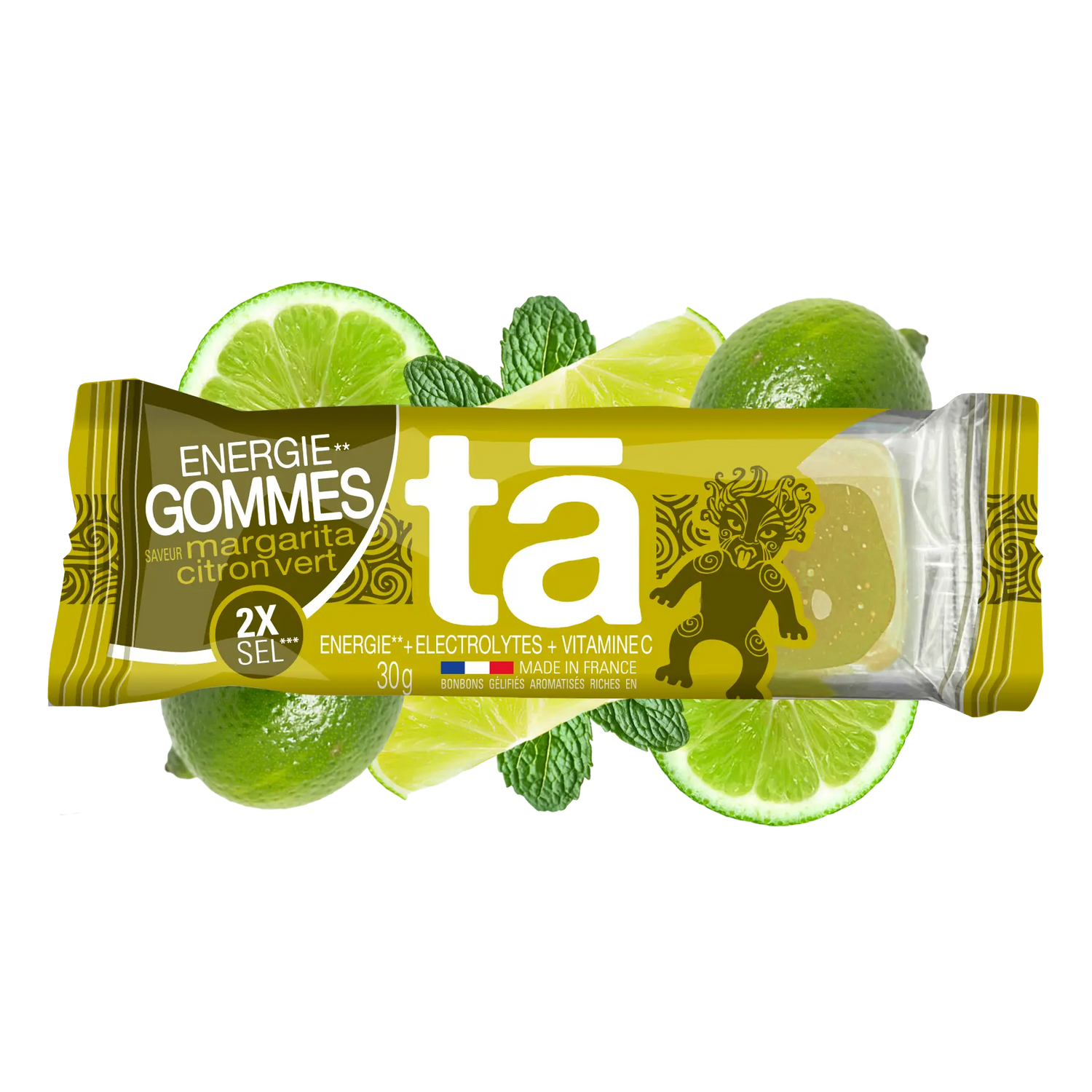
30g energy gummies, lime margarita flavor
Regular price
2,00 €
Regular price
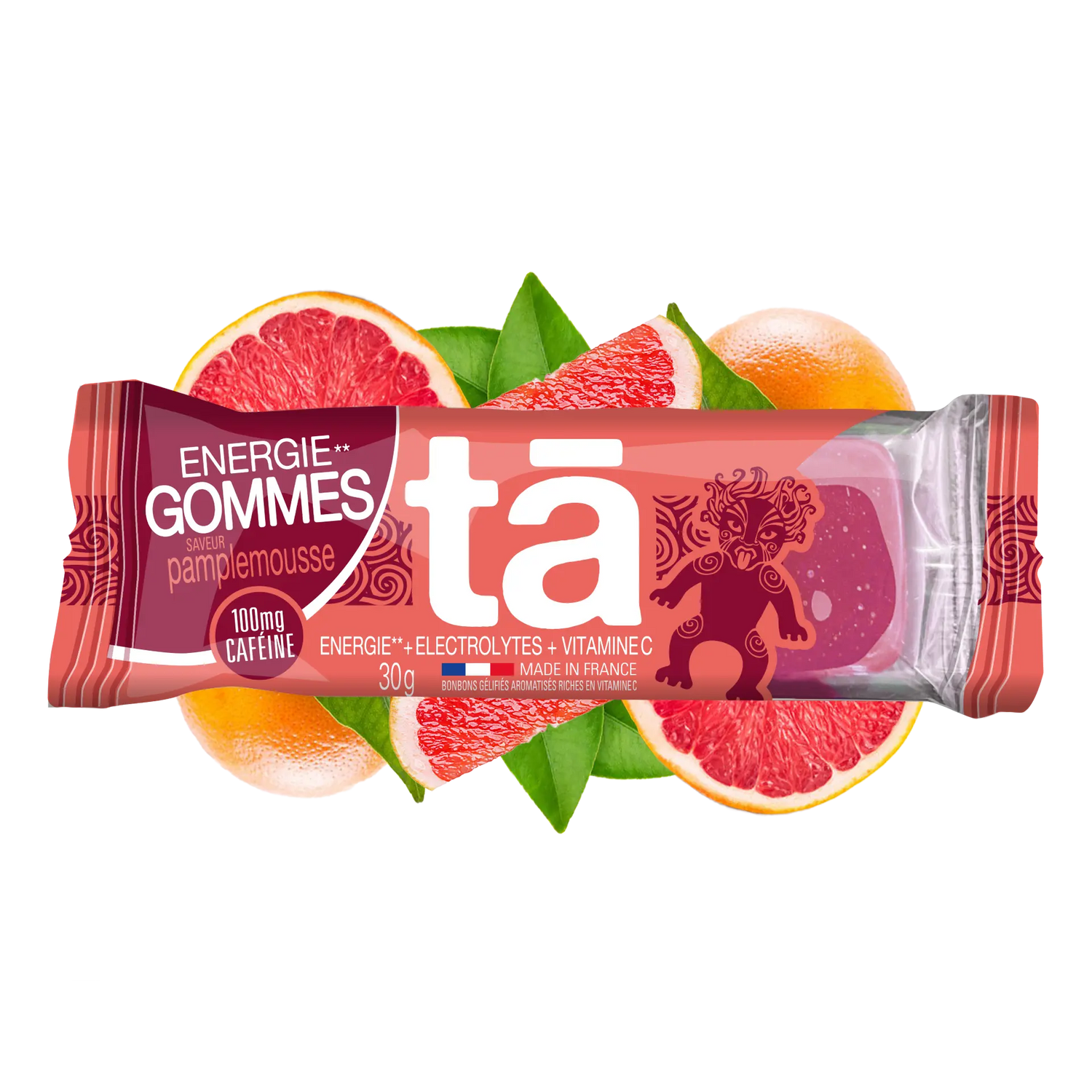
30g energy gummies, grapefruit flavor
Regular price
2,00 €
Regular price
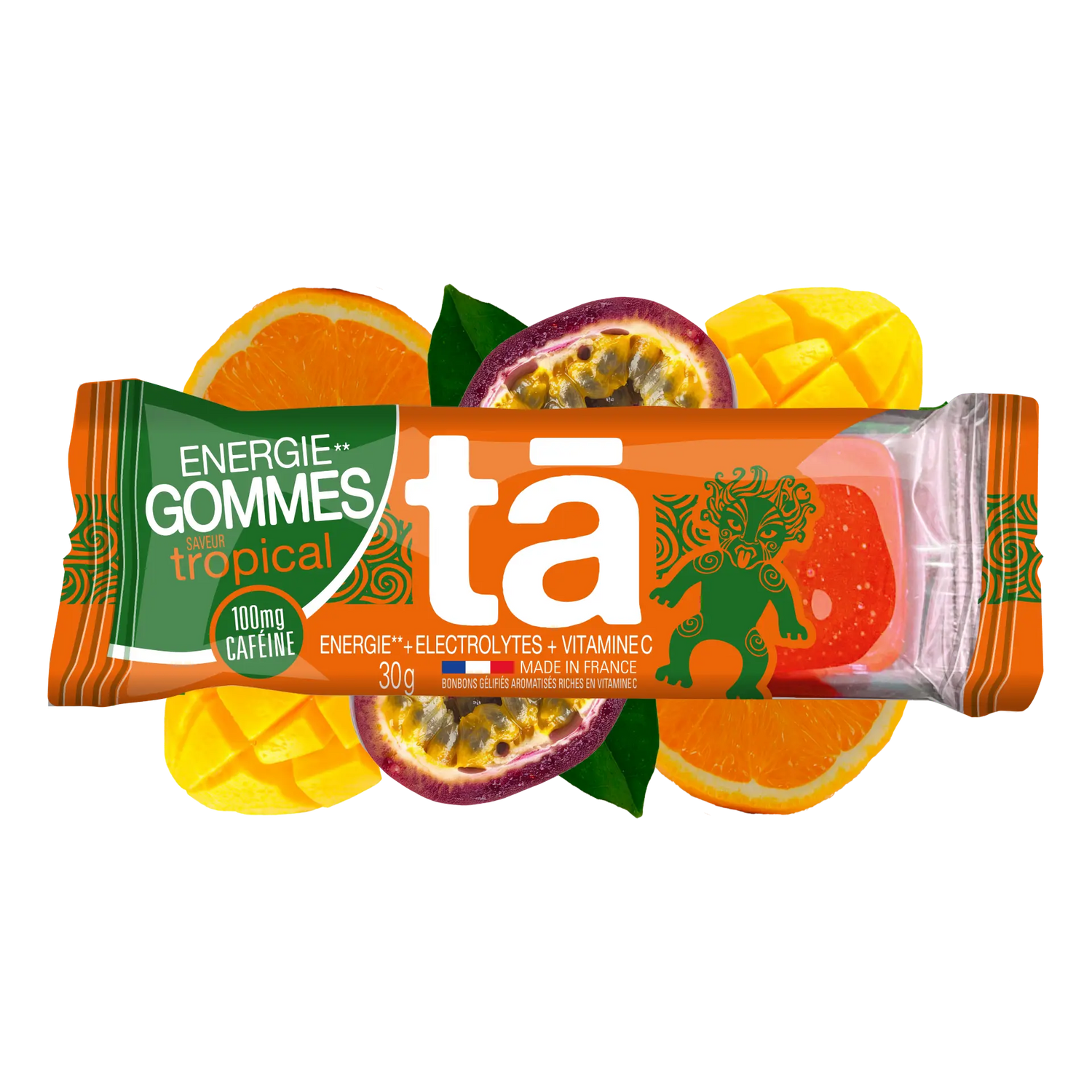
30g energy gummies, tropical flavor
Regular price
2,00 €
Regular price
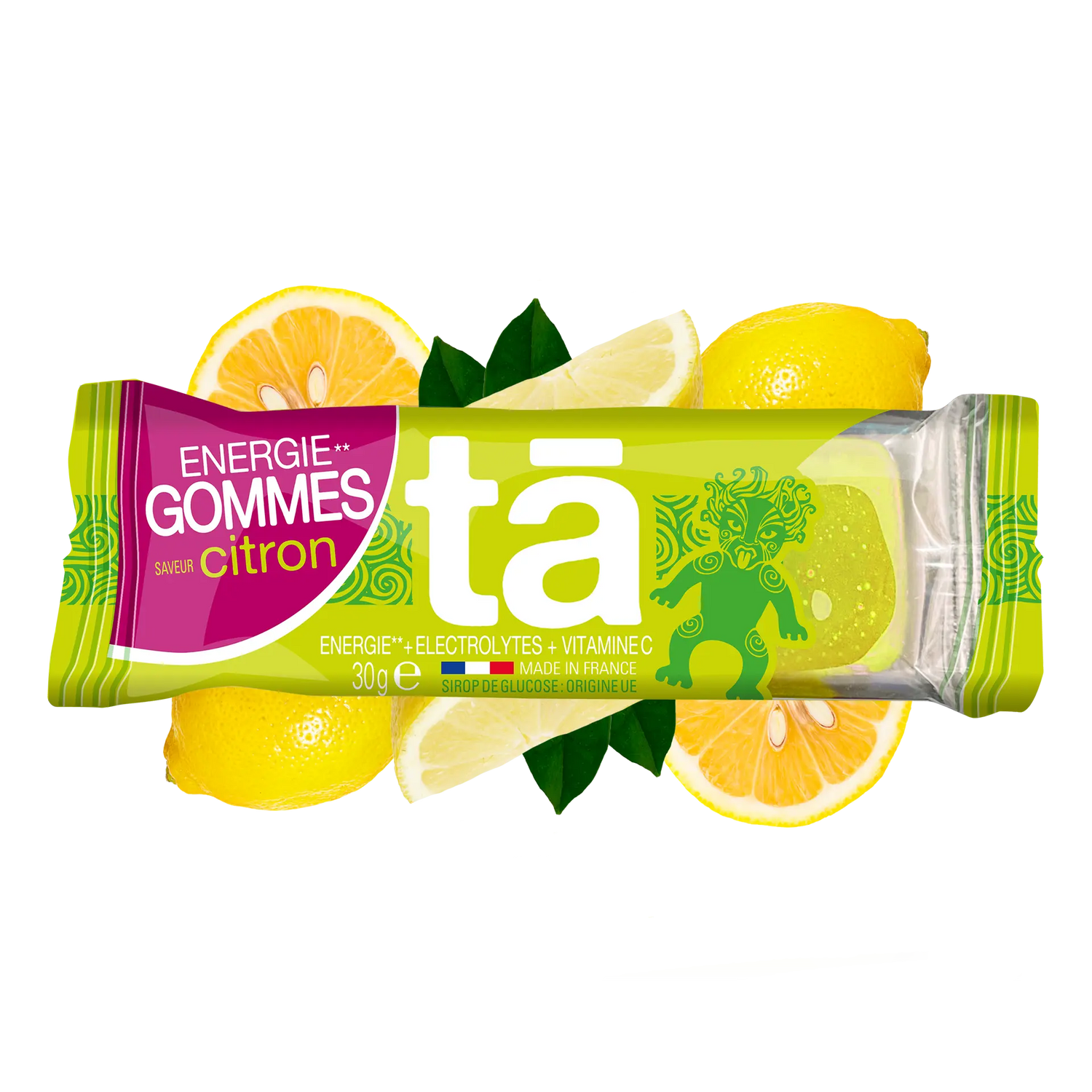
Energy chews 30g lemon flavor
Regular price
2,00 €
Regular price
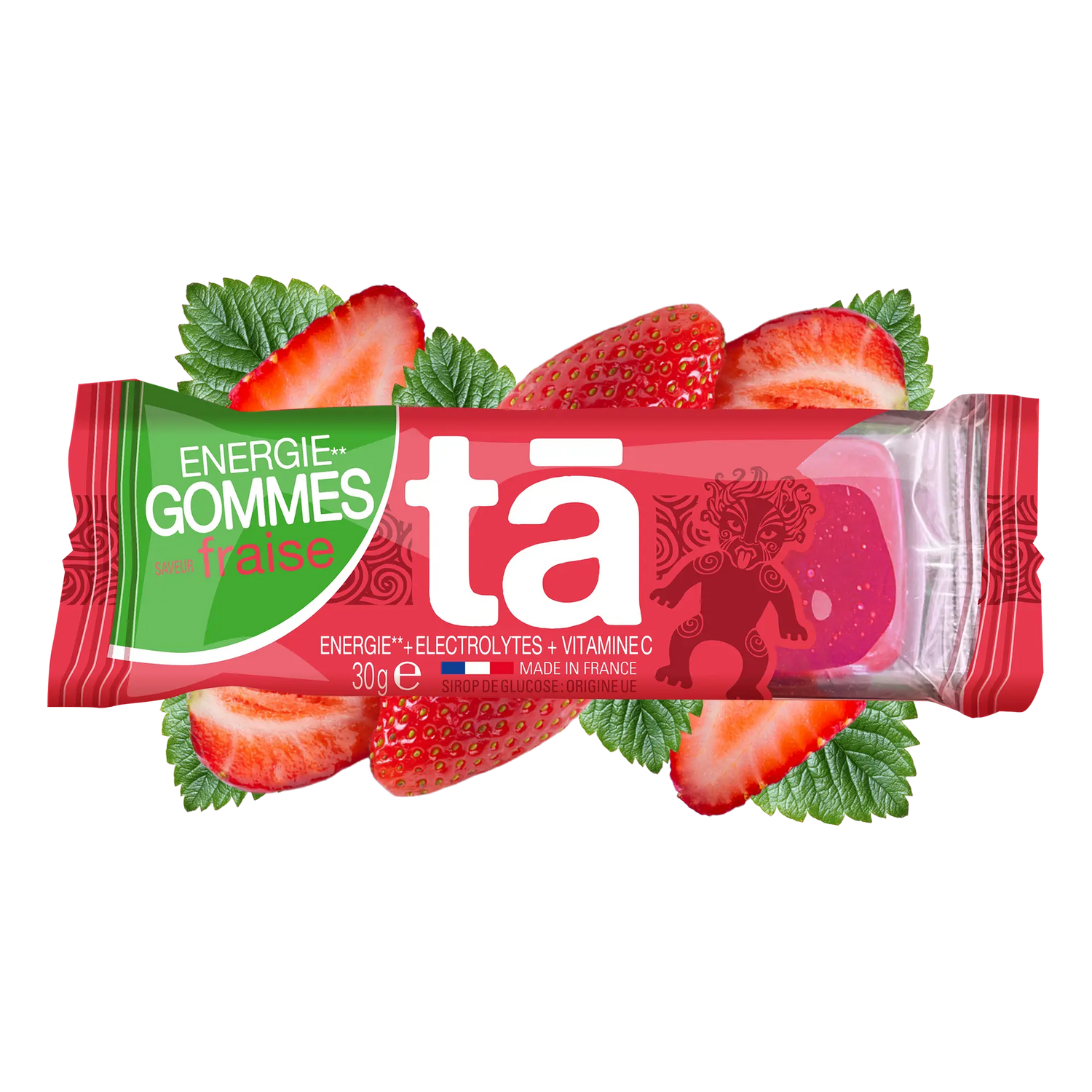
Energy chews 30g strawberry flavor
Regular price
2,00 €
Regular price
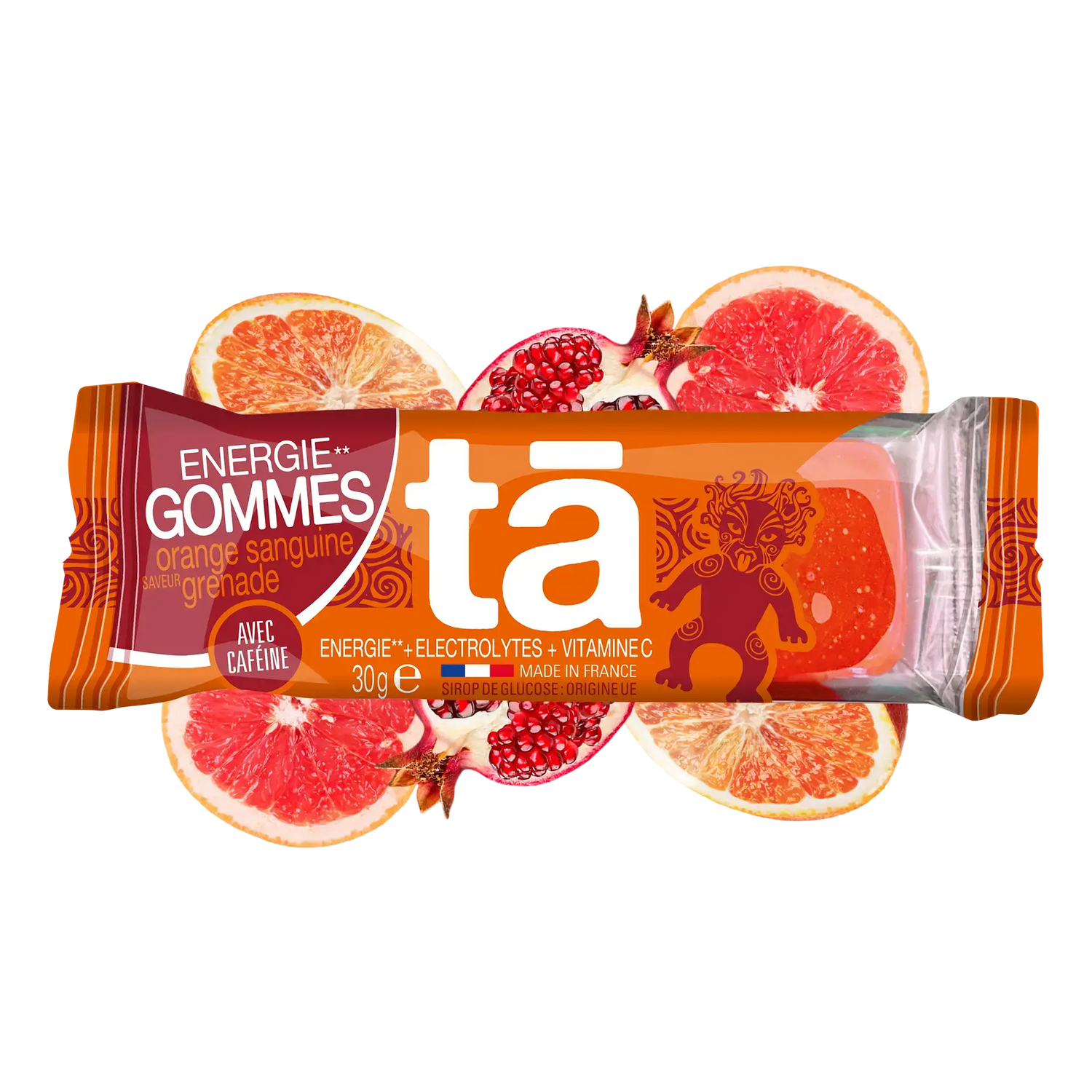
Energy chews 30g orange pomegranate flavor
Regular price
2,00 €
Regular price
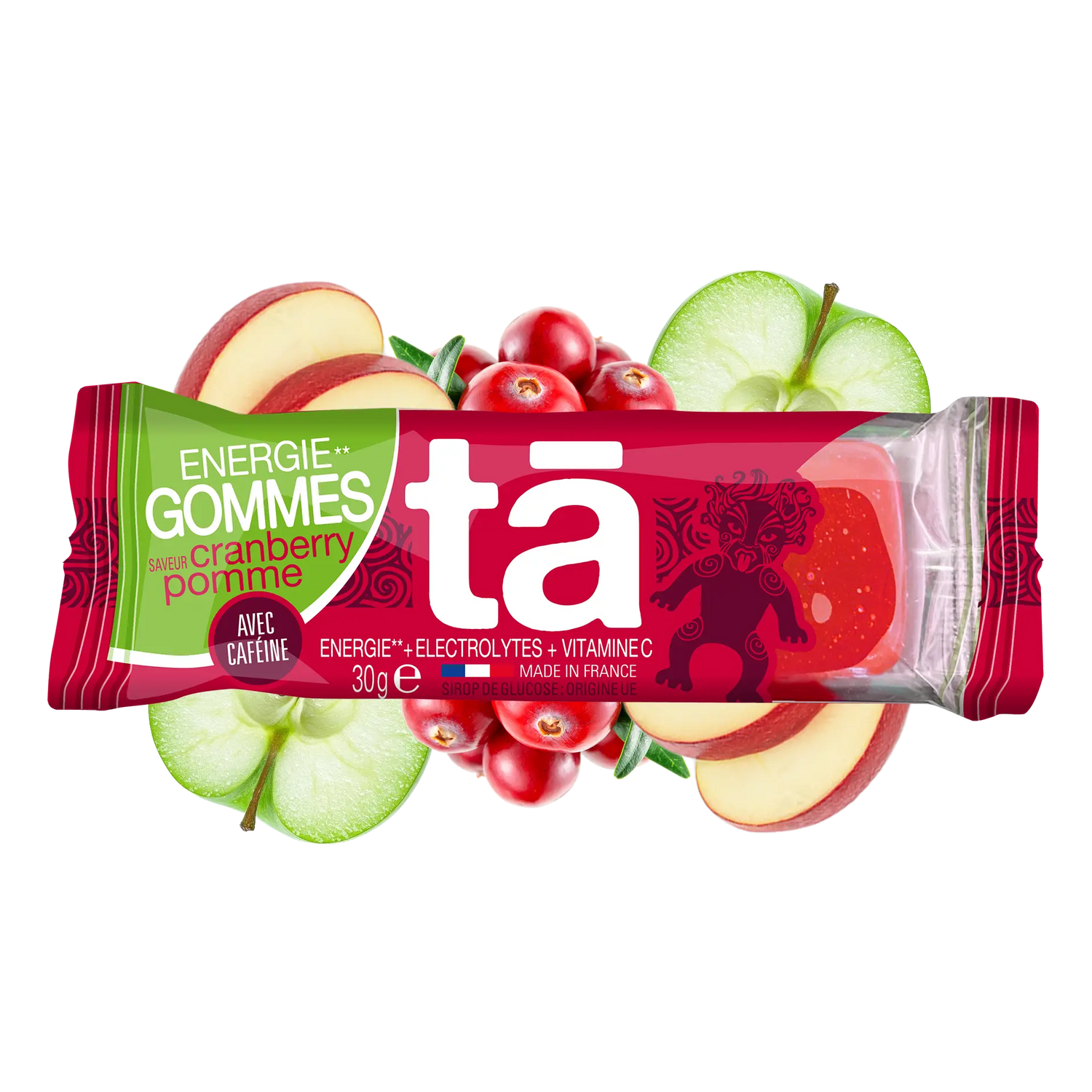
Energy chews 30g cranberry apple flavor
Regular price
2,00 €
Regular price
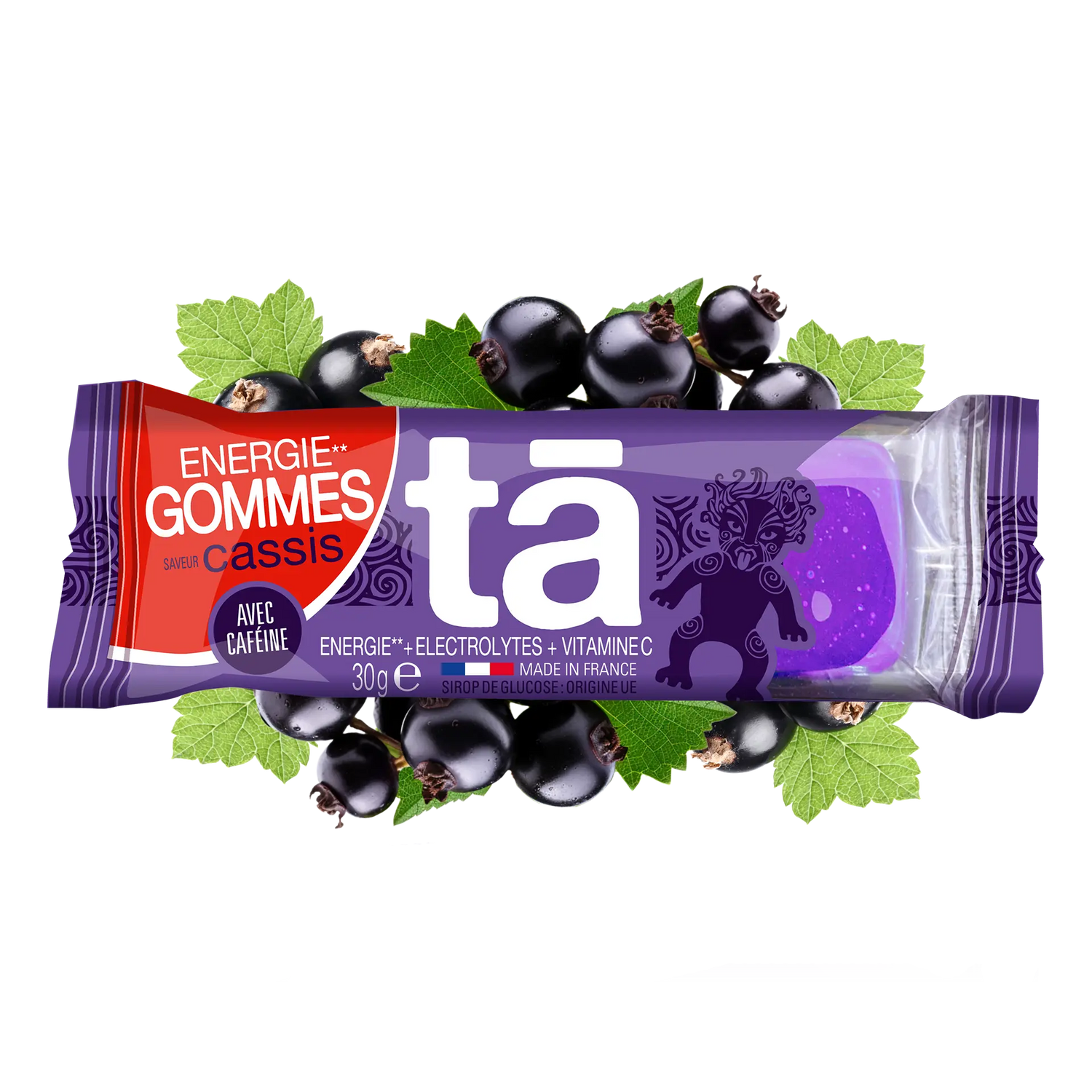
Energy chews 30g blackcurrant flavor
Regular price
2,00 €
Regular price
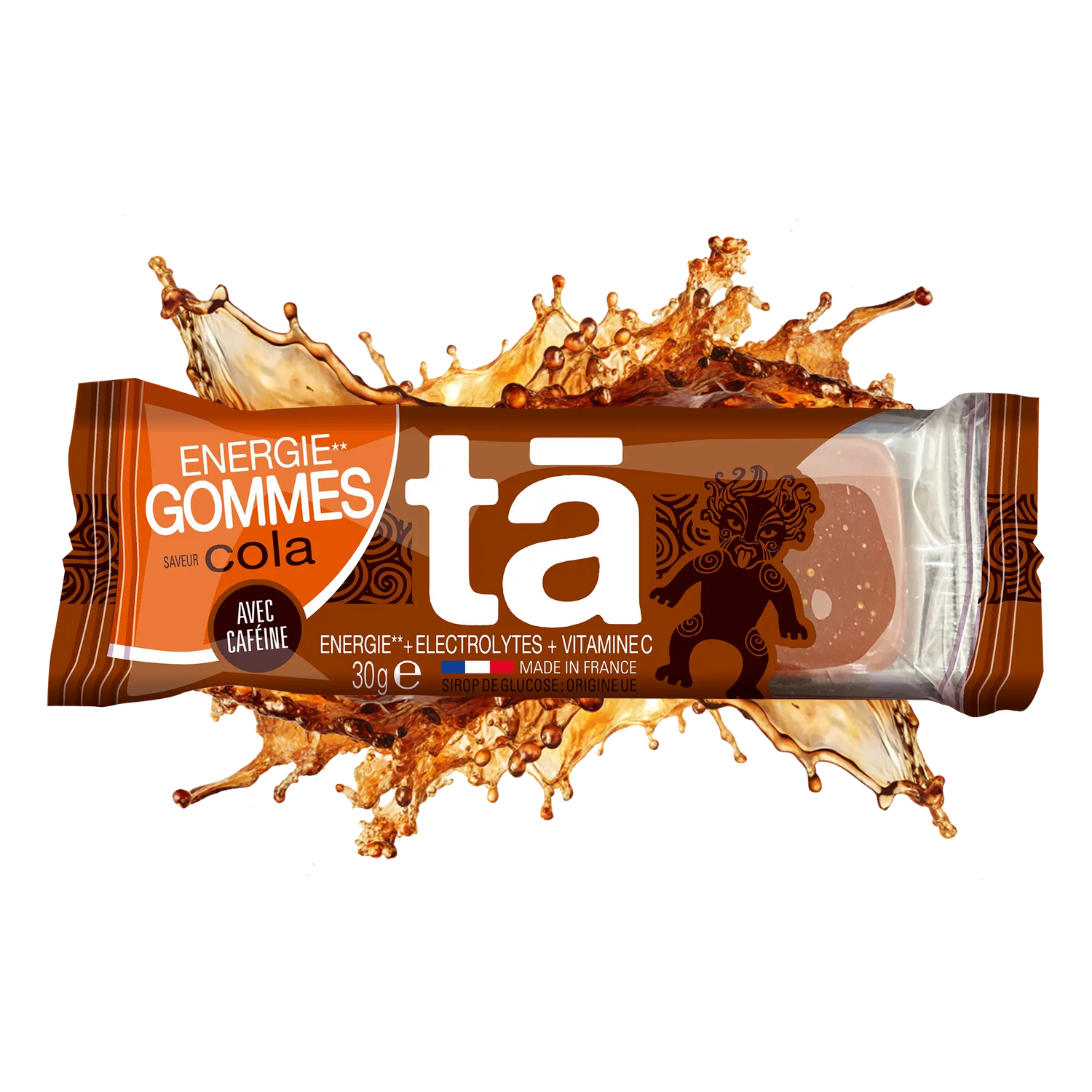
Energy chews 30g cola flavor
Regular price
2,00 €
Regular price
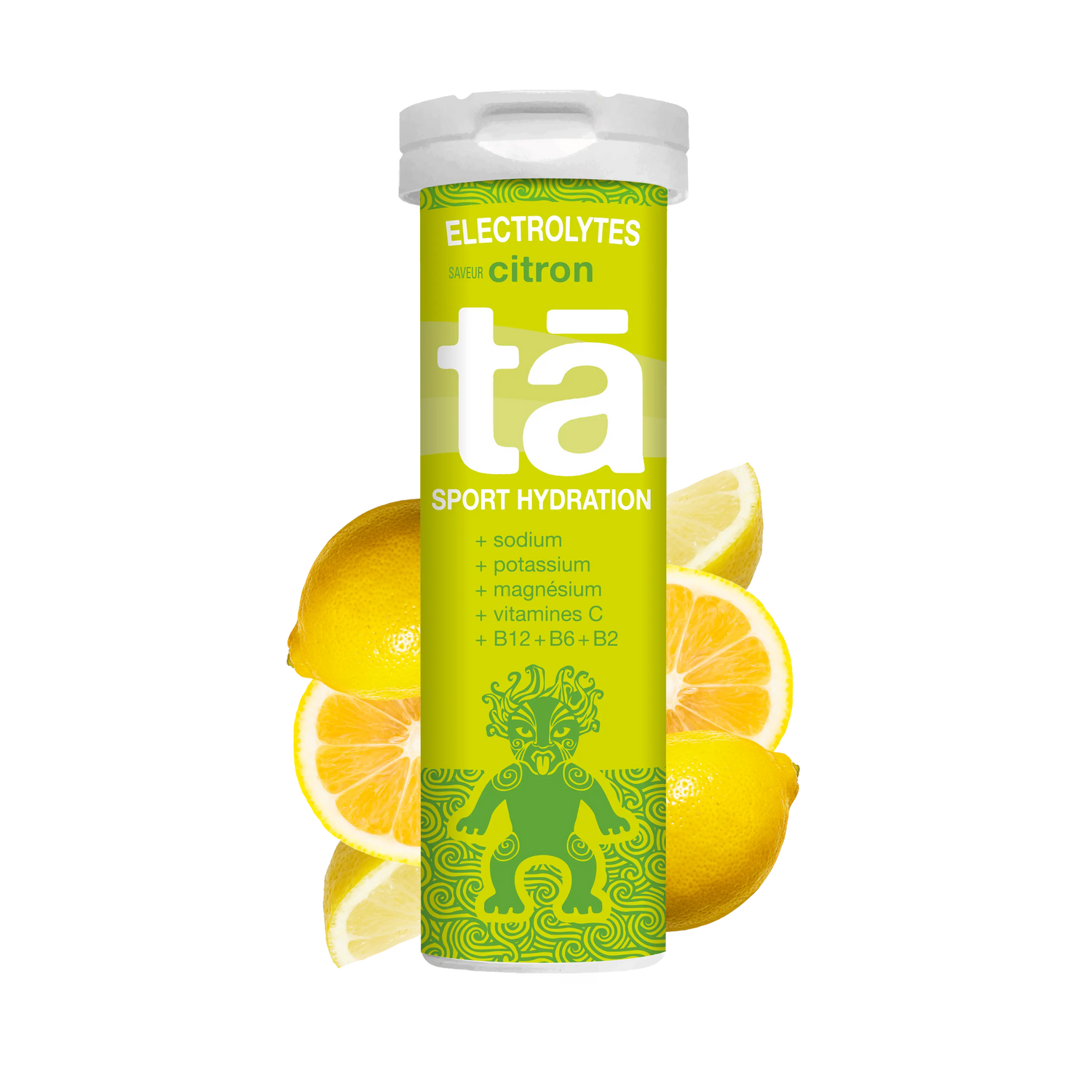
Electrolyte tablets lemon flavor
Regular price
9,90 €
Regular price
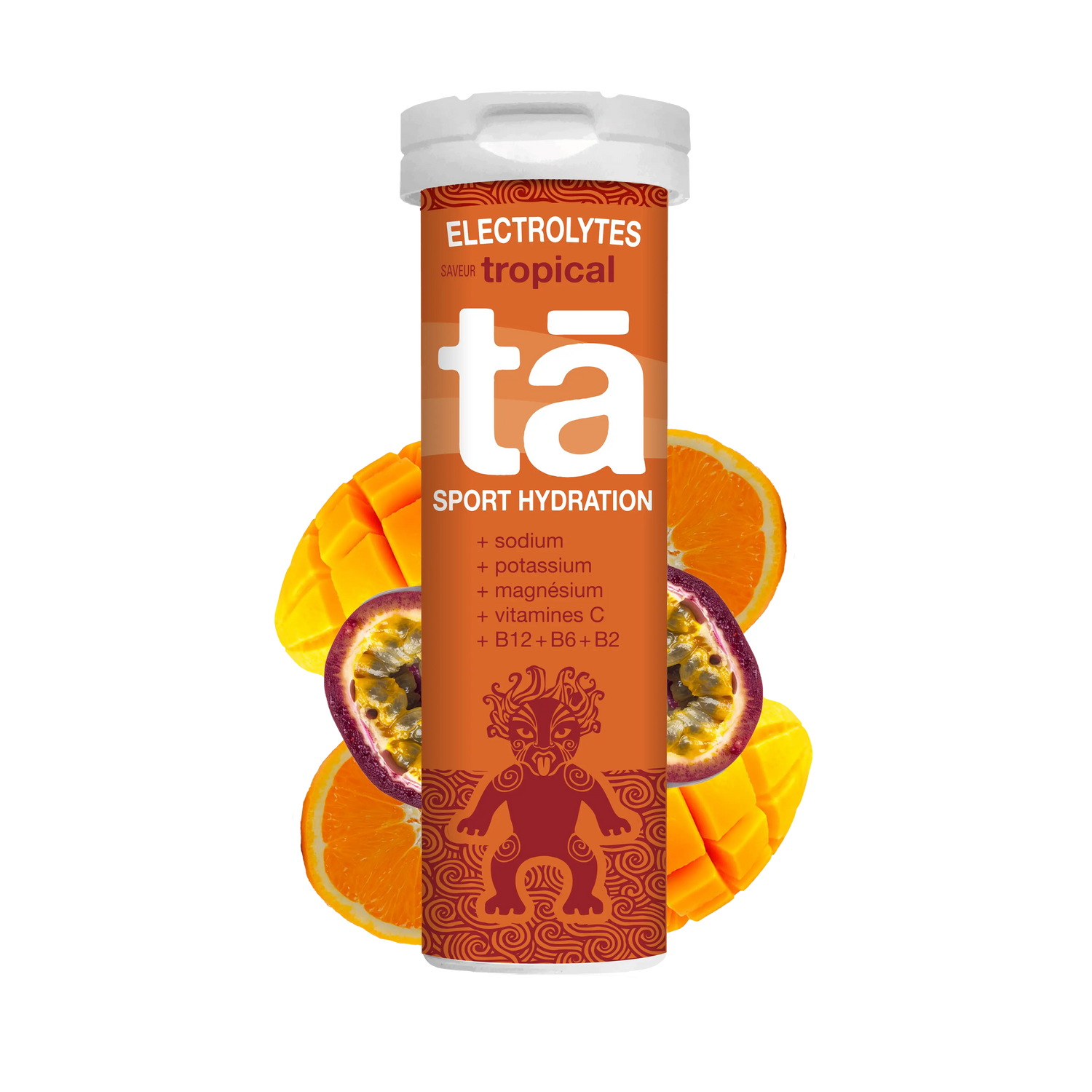
Electrolyte tablets tropical flavor
Regular price
9,90 €
Regular price
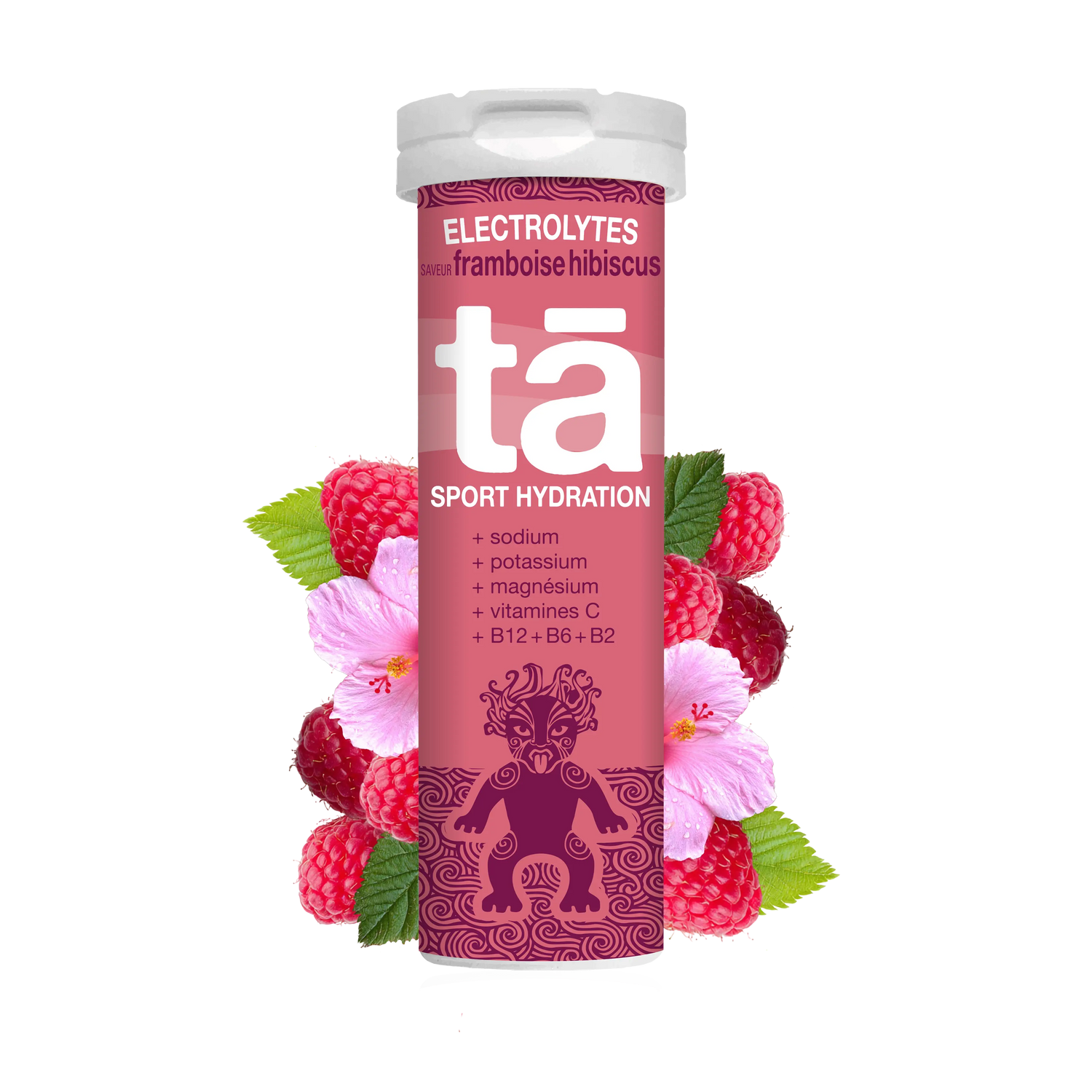
Electrolyte tablets raspberry hibiscus flavor
Regular price
9,90 €
Regular price
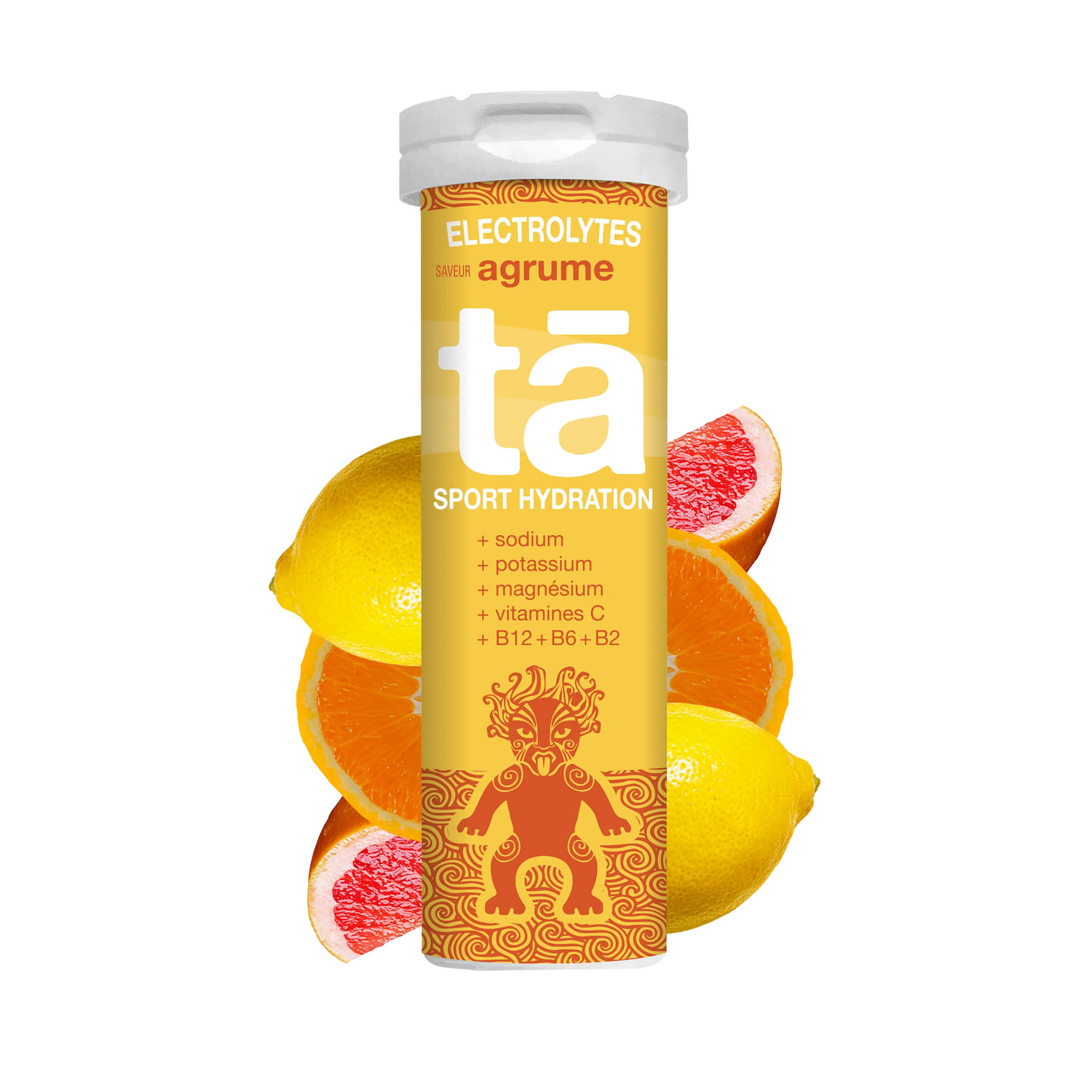
Electrolyte tablets citrus flavor
Regular price
9,90 €
Regular price
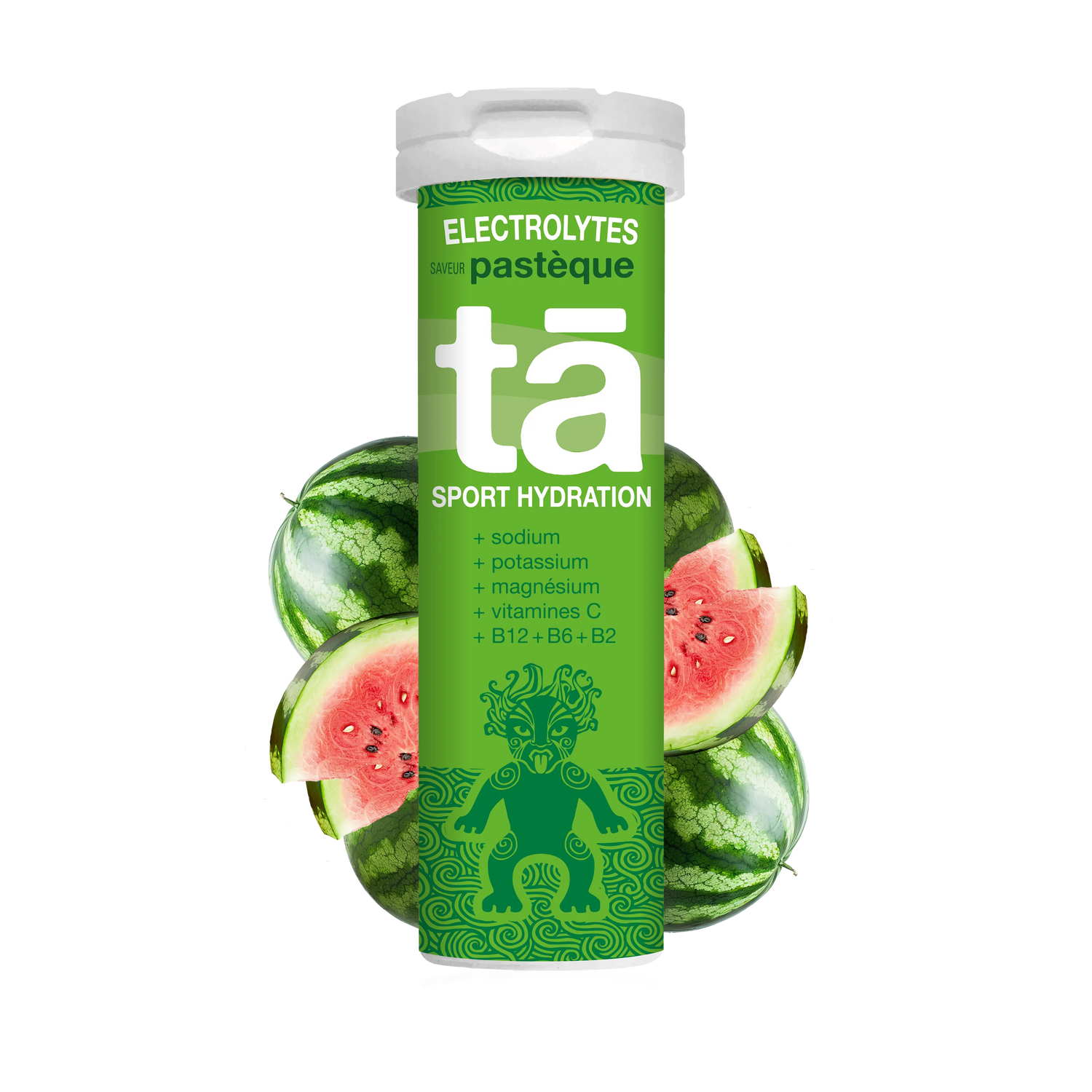
Electrolyte tablets watermelon flavor
Regular price
9,90 €
Regular price
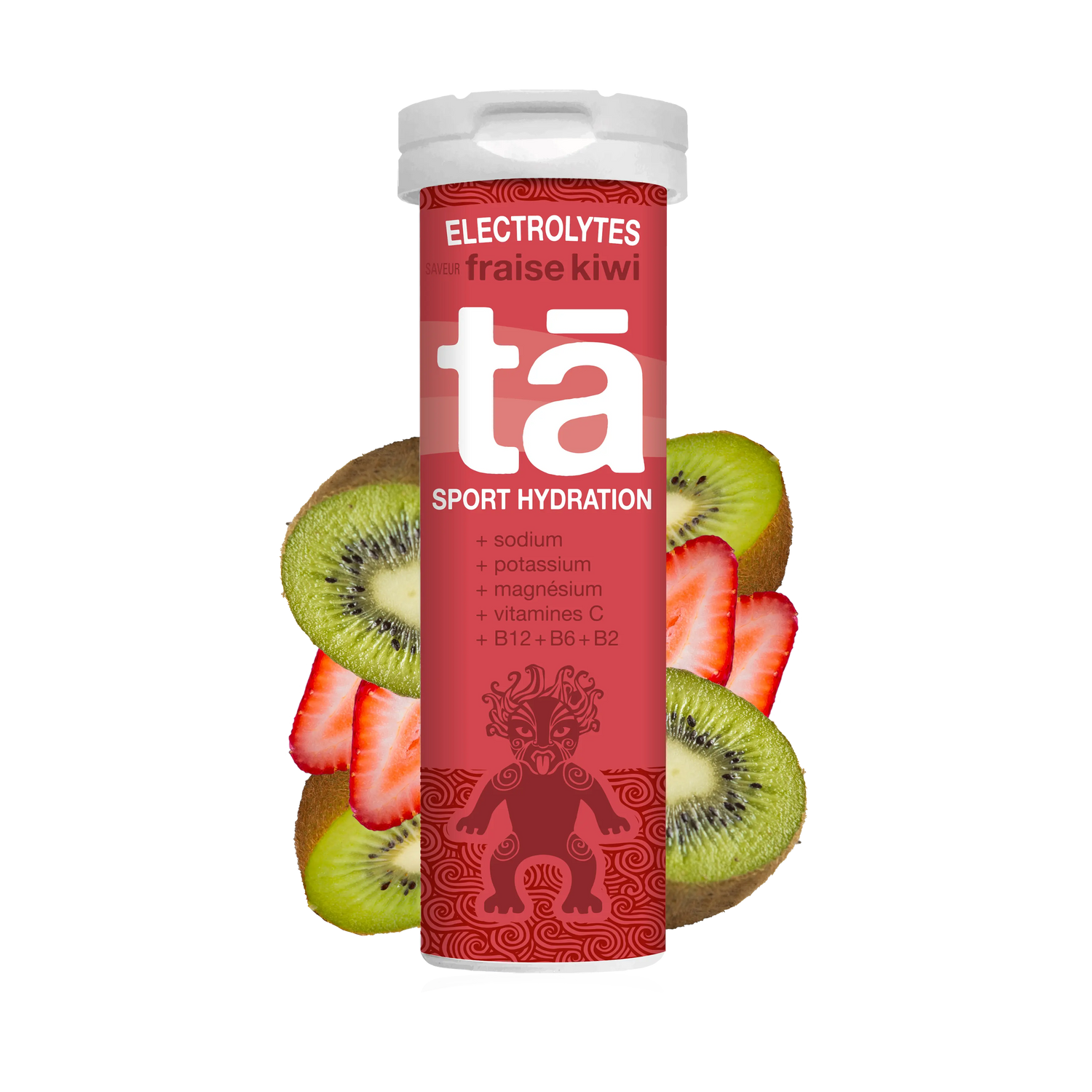
Electrolyte tablets strawberry kiwi flavor
Regular price
9,90 €
Regular price
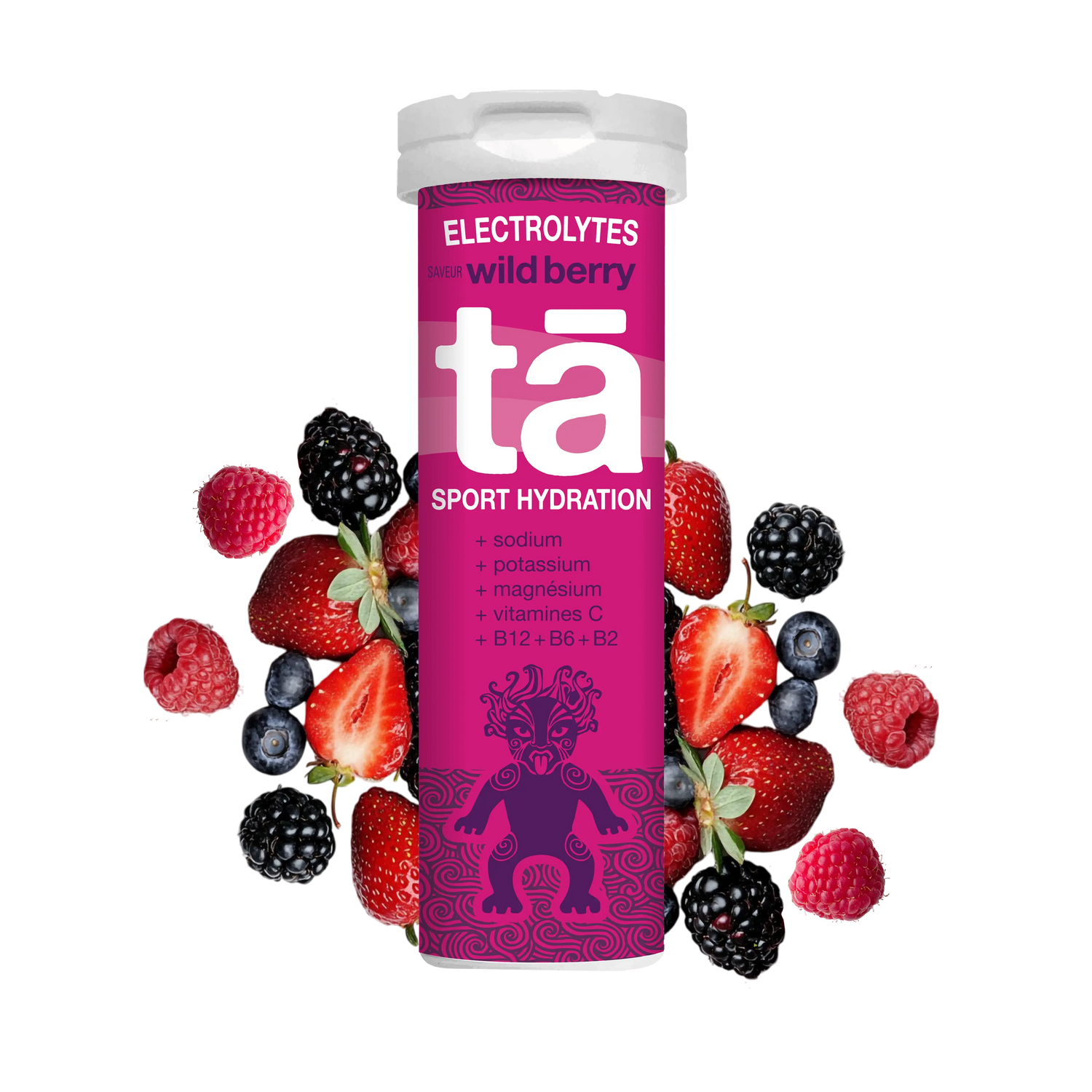
Electrolyte tablets wild berry flavor
Regular price
9,90 €
Regular price
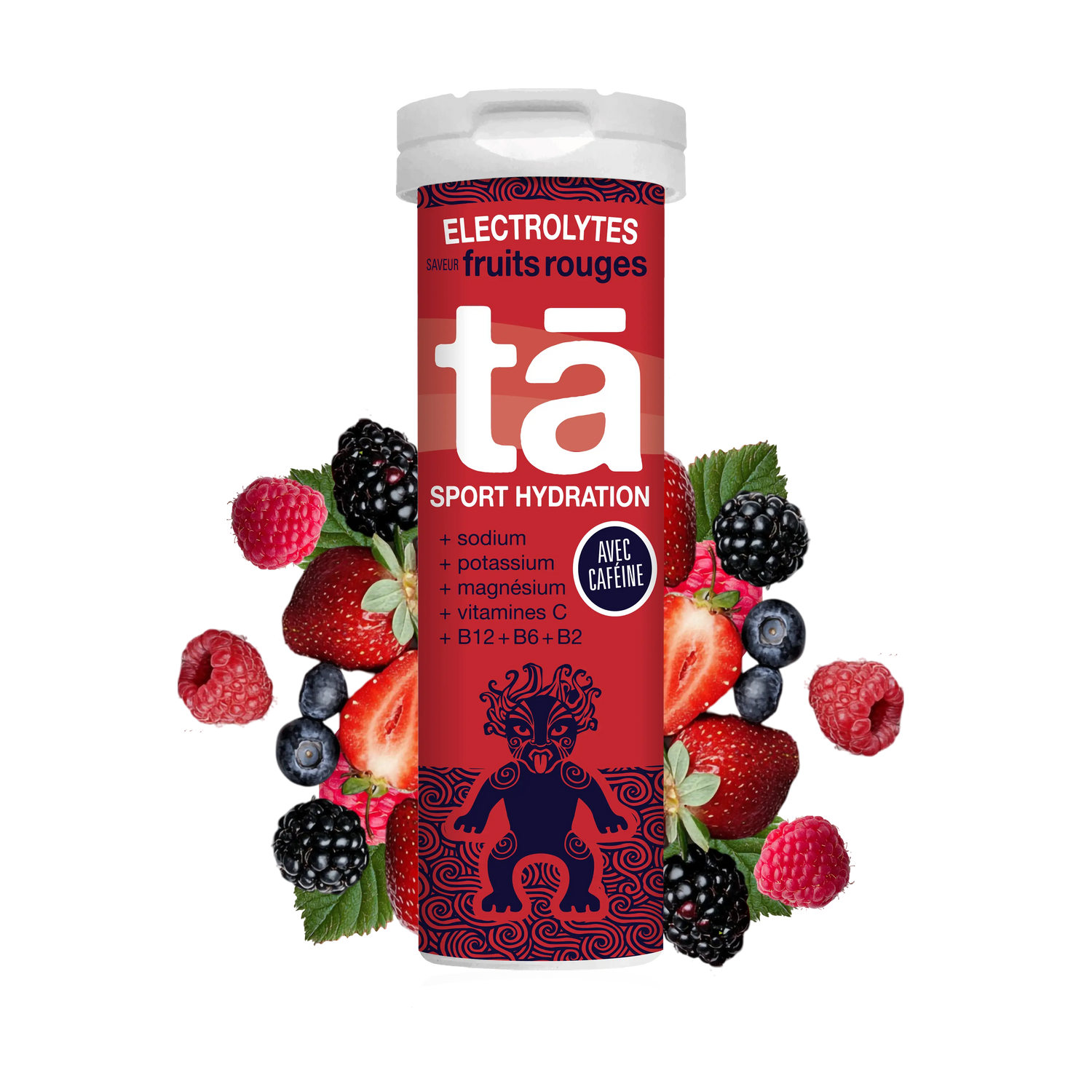
Caffeinated electrolyte tablets wild berry flavor
Regular price
9,90 €
Regular price
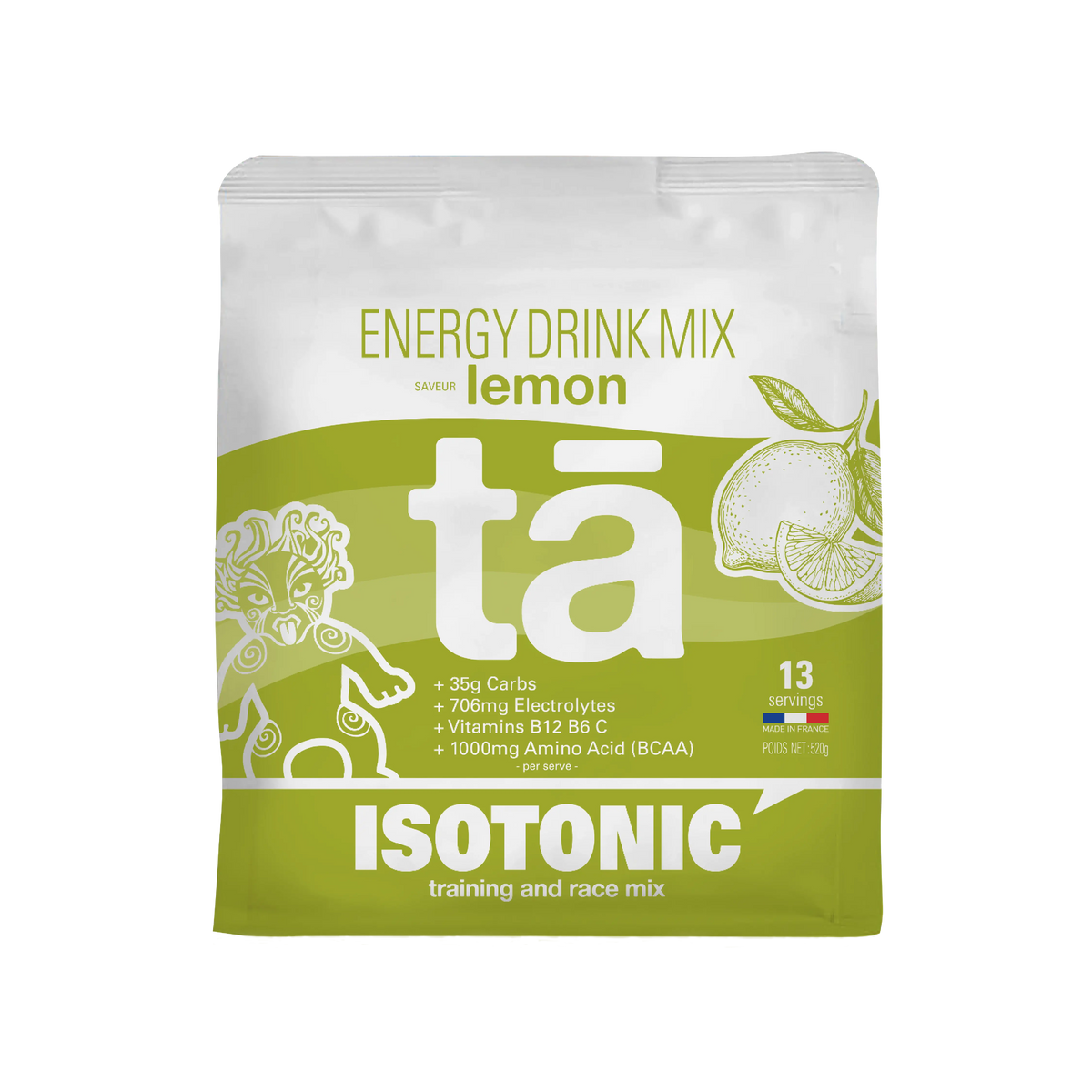
Isotonic drink, lemon flavor
Regular price
29,90 €
Regular price
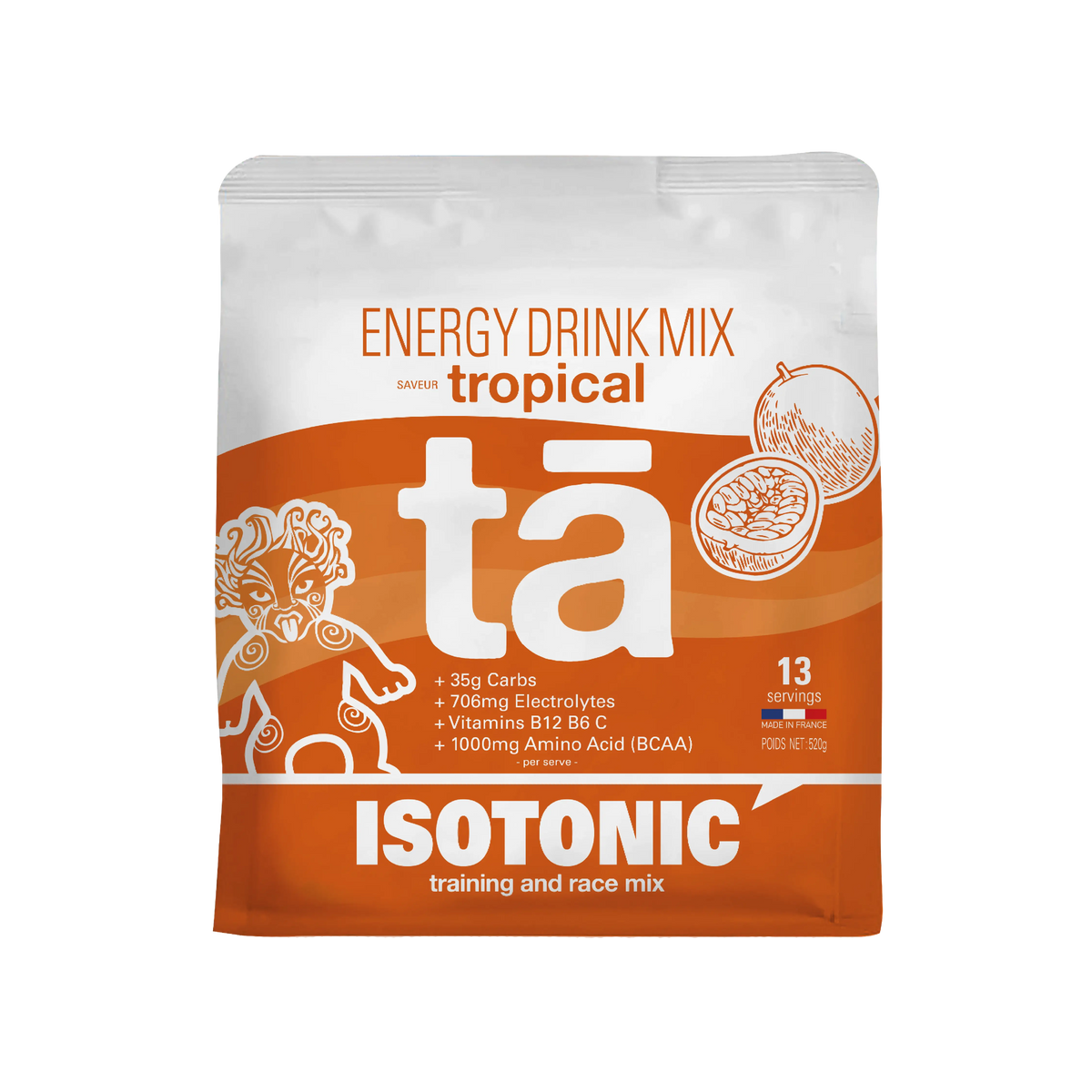
Isotonic drink, tropical flavor
Regular price
29,90 €
Regular price
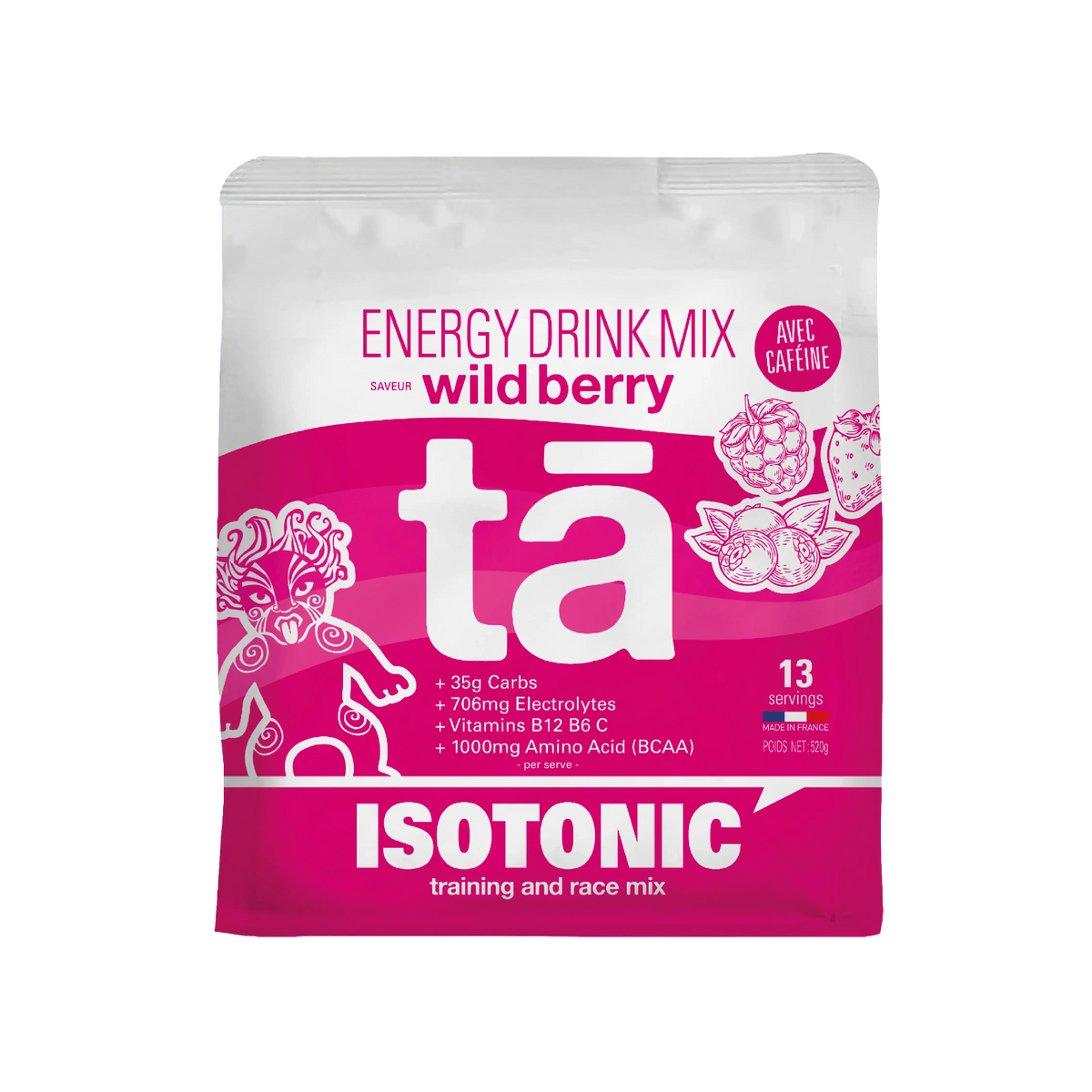
Isotonic drink, forest berry flavor
Regular price
29,90 €
Regular price
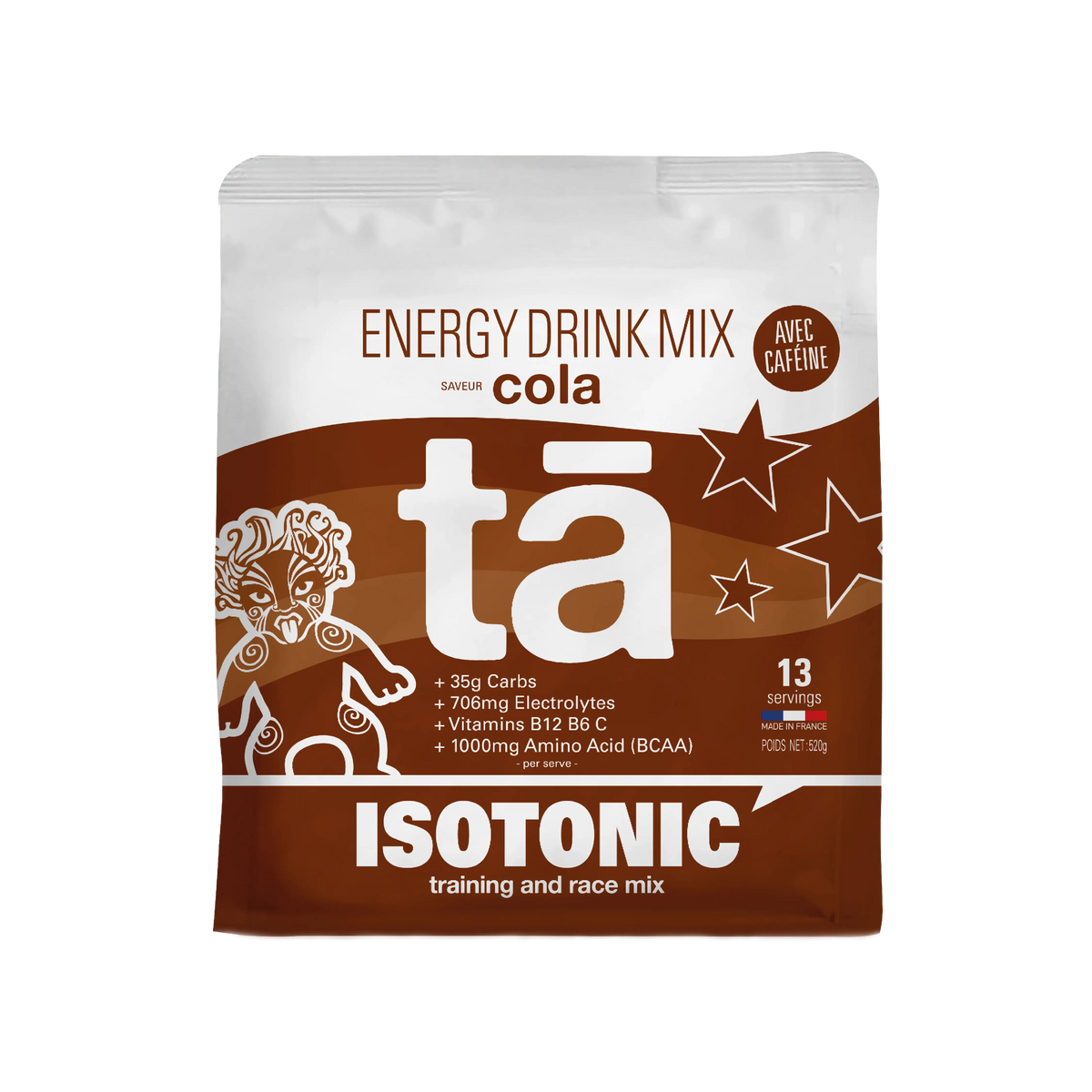
Isotonic drink, cola flavor
Regular price
29,90 €
Regular price
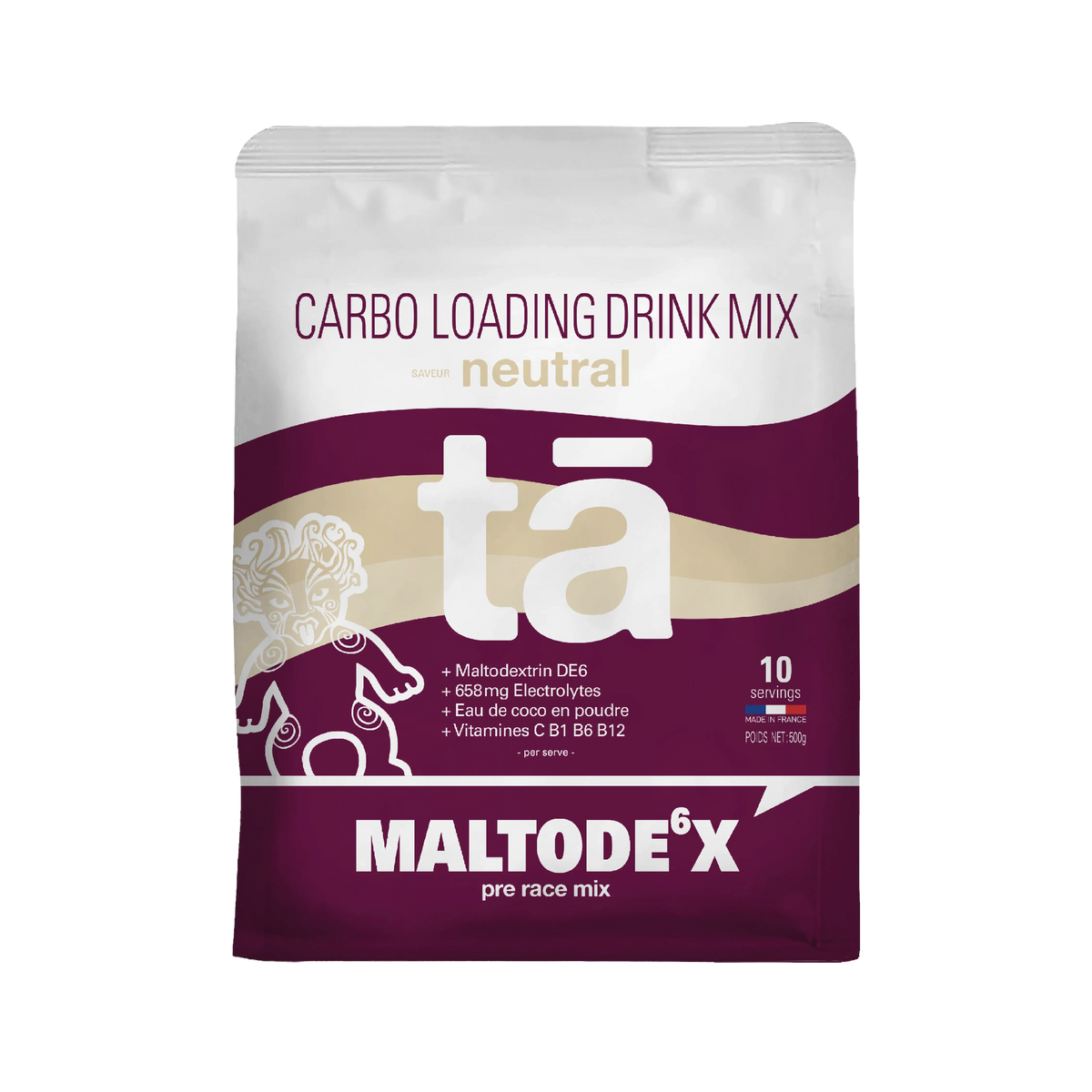
Maltodextrin drink 500g, neutral flavor
Regular price
19,90 €
Regular price
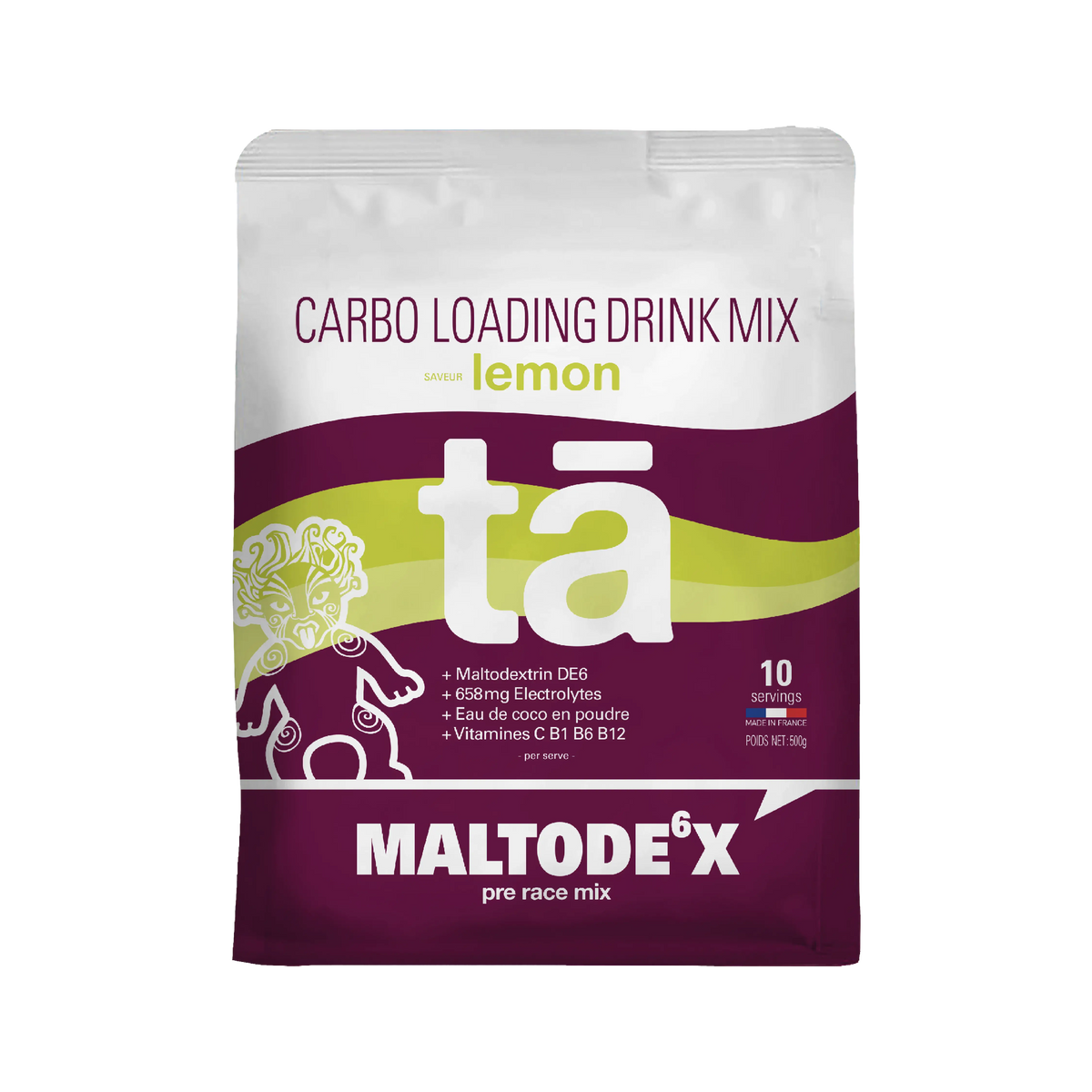
Maltodextrin drink 500g, lemon flavor
Regular price
19,90 €
Regular price
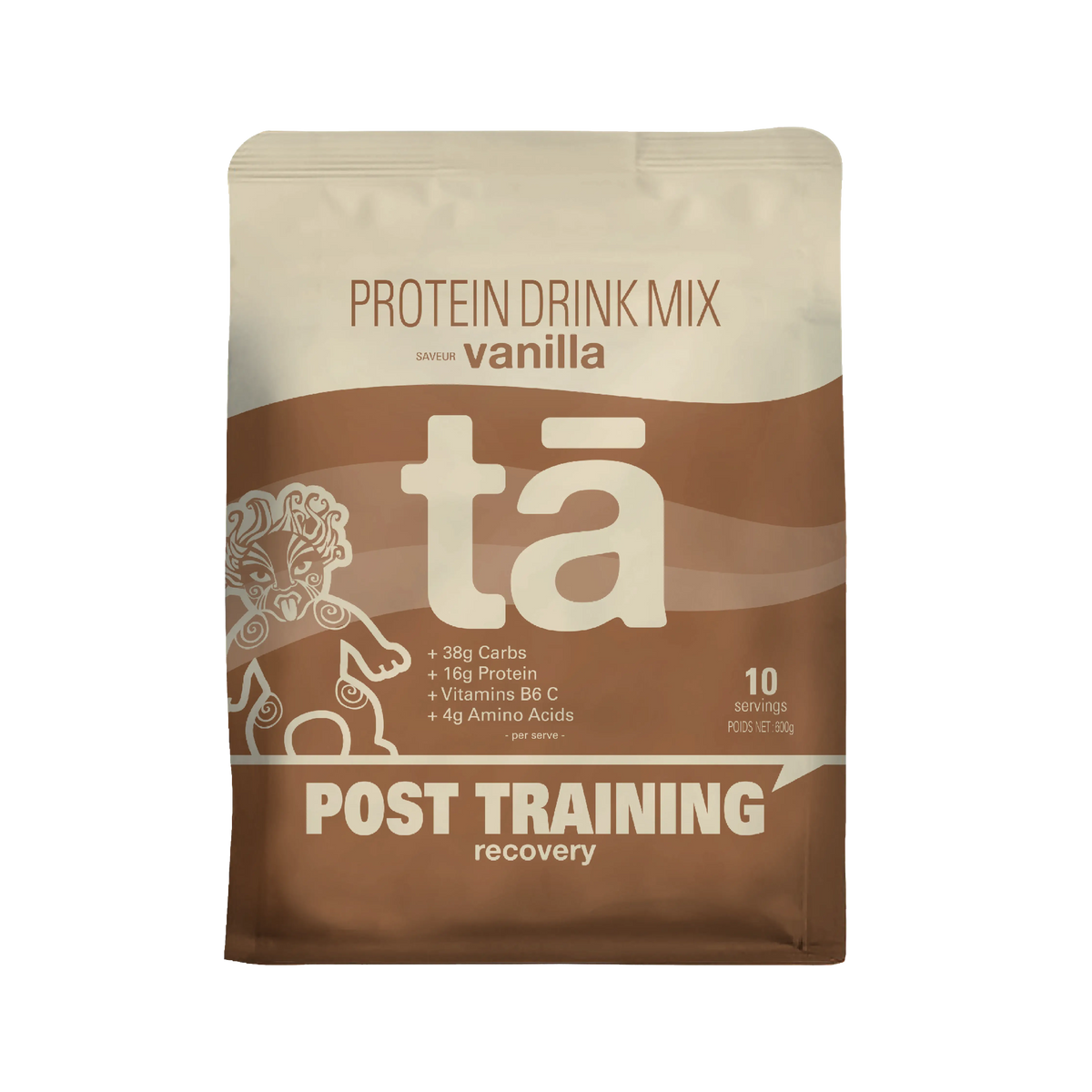
Recovery Drink 600g vanilla flavor
Regular price
29,90 €
Regular price
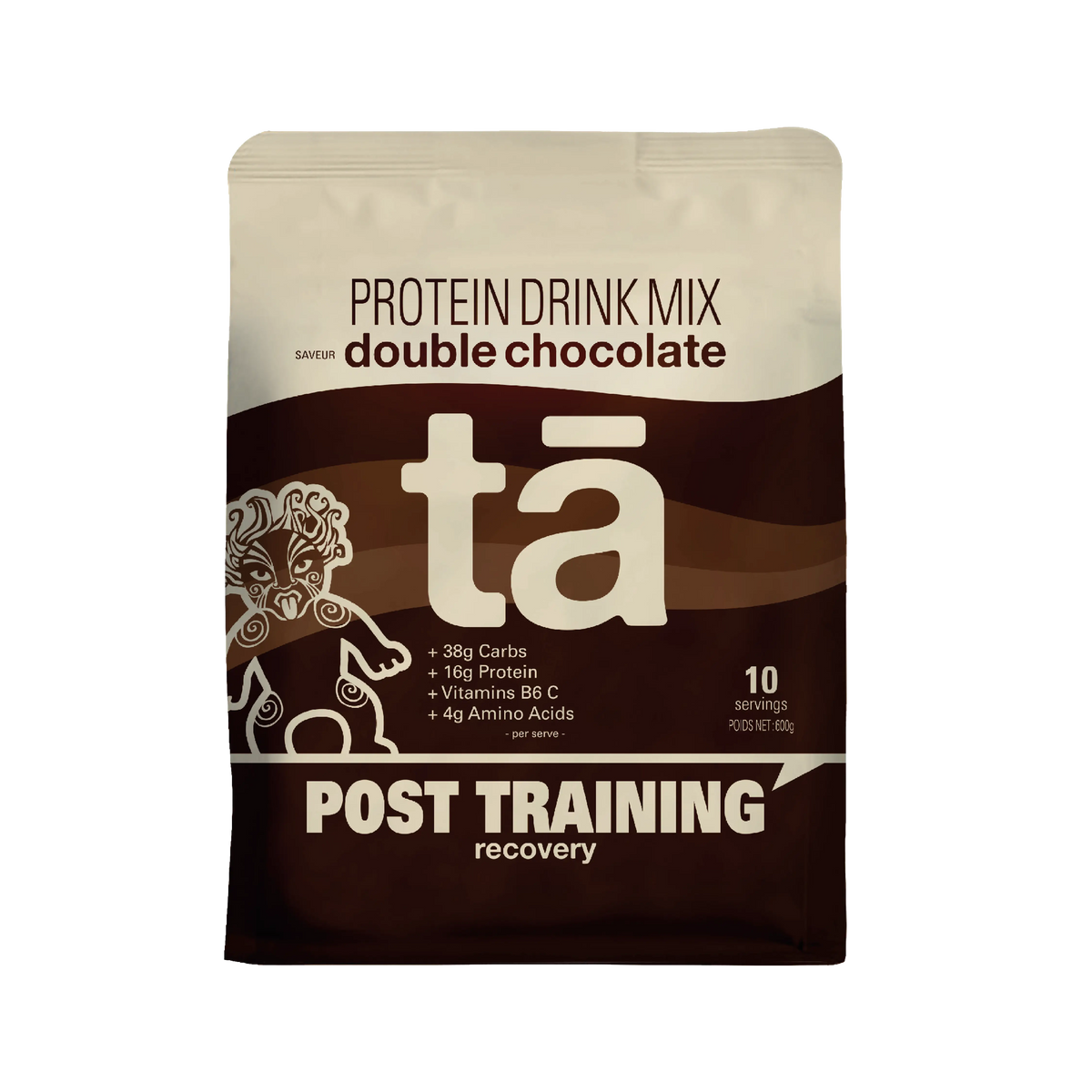
Recovery Drink 600g double chocolate flavor
Regular price
29,90 €
Regular price
Cart
-
VOUS POURRIEZ AUSSI AIMER
Breakfast Smoothie 150g forest fruit flavor
Regular price
3,20 €
Regular price
Breakfast Smoothie 150g banana honey flavor
Regular price
3,20 €
Regular price
Breakfast Smoothie 150g mango passion fruit flavor
Regular price
3,20 €
Regular price
51g Jelly energy gel, wild berry flavor
Regular price
3,50 €
Regular price
51g Jelly energy gel, neutral flavor
Regular price
3,50 €
Regular price
51g Jelly energy gel, lemon yuzu flavor
Regular price
3,50 €
Regular price
60 chewable electrolyte tablets, neutral flavor
Regular price
19,90 €
Regular price
60 chewable electrolyte tablets, lemon flavor
Regular price
19,90 €
Regular price
60 chewable electrolyte tablets, peach flavor
Regular price
19,90 €
Regular price
60 chewable electrolyte tablets, wild berry flavor
Regular price
19,90 €
Regular price
60 chewable electrolyte tablets, watermelon flavor
Regular price
19,90 €
Regular price
40g isotonic drink sachet, lemon flavor
Regular price
3,50 €
Regular price
40g isotonic drink sachet, cola flavor
Regular price
3,50 €
Regular price
40ml ENERGY GEL, COLA FLAVOR
Regular price
2,50 €
Regular price
Energy gel 40ml lemon lime flavor
Regular price
2,50 €
Regular price
Energy gel 40ml mandarin orange flavor
Regular price
2,50 €
Regular price
Energy gel 40ml apple crumble flavor
Regular price
2,50 €
Regular price
Energy gel 40ml vanilla flavor
Regular price
2,50 €
Regular price
0,00 €
Sale price
2,50 €
Energy gel 40ml strawberry lime flavor
Regular price
2,50 €
Regular price
Energy gel 40ml wild berry flavor
Regular price
2,50 €
Regular price
Energy gel 40ml coffee flavor
Regular price
2,50 €
Regular price
Energy gel 40ml salted raspberry flavor
Regular price
2,50 €
Regular price
40ml energy gel, salted watermelon flavor
Regular price
2,50 €
Regular price
40ml energy gel, salted caramel flavor
Regular price
2,50 €
Regular price
40ml energy gel, salted peanut butter flavor
Regular price
2,50 €
Regular price
30g energy gummies, lime margarita flavor
Regular price
2,00 €
Regular price
30g energy gummies, grapefruit flavor
Regular price
2,00 €
Regular price
30g energy gummies, tropical flavor
Regular price
2,00 €
Regular price
Energy chews 30g lemon flavor
Regular price
2,00 €
Regular price
Energy chews 30g strawberry flavor
Regular price
2,00 €
Regular price
Energy chews 30g orange pomegranate flavor
Regular price
2,00 €
Regular price
Energy chews 30g cranberry apple flavor
Regular price
2,00 €
Regular price
Energy chews 30g blackcurrant flavor
Regular price
2,00 €
Regular price
Energy chews 30g cola flavor
Regular price
2,00 €
Regular price
Electrolyte tablets lemon flavor
Regular price
9,90 €
Regular price
Electrolyte tablets tropical flavor
Regular price
9,90 €
Regular price
Electrolyte tablets raspberry hibiscus flavor
Regular price
9,90 €
Regular price
Electrolyte tablets citrus flavor
Regular price
9,90 €
Regular price
Electrolyte tablets watermelon flavor
Regular price
9,90 €
Regular price
Electrolyte tablets strawberry kiwi flavor
Regular price
9,90 €
Regular price
Electrolyte tablets wild berry flavor
Regular price
9,90 €
Regular price
Caffeinated electrolyte tablets wild berry flavor
Regular price
9,90 €
Regular price
Isotonic drink, lemon flavor
Regular price
29,90 €
Regular price
Isotonic drink, tropical flavor
Regular price
29,90 €
Regular price
Isotonic drink, forest berry flavor
Regular price
29,90 €
Regular price
Isotonic drink, cola flavor
Regular price
29,90 €
Regular price
Maltodextrin drink 500g, neutral flavor
Regular price
19,90 €
Regular price
Maltodextrin drink 500g, lemon flavor
Regular price
19,90 €
Regular price
Recovery Drink 600g vanilla flavor
Regular price
29,90 €
Regular price
Recovery Drink 600g double chocolate flavor
Regular price
29,90 €
Regular price