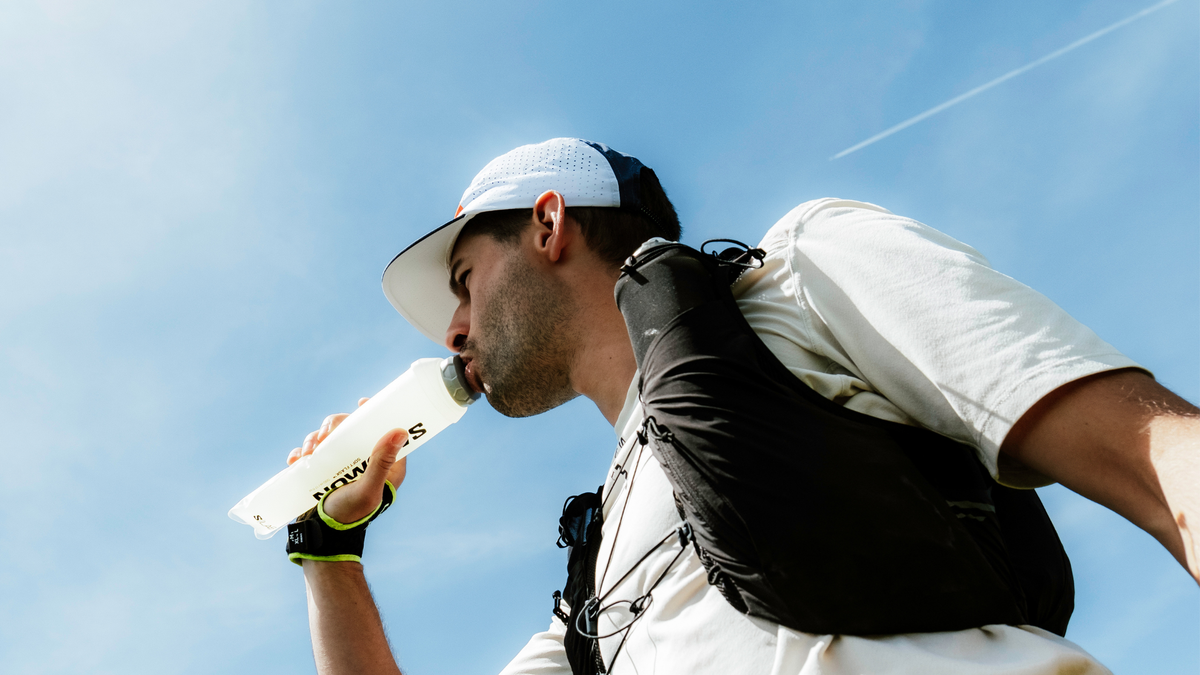
The truth about electrolytes: drinking isn’t always enough

The truth about electrolytes: drinking isn’t always enough

INTRODUCTION

Endurance hydration: when water is no longer enough

It’s 9:30 a.m. The race has been underway for more than two hours. The pace is steady, your legs are still responding, but something has changed. Your mouth is dry, your concentration is fading, and maintaining your pace is becoming more demanding. Yet you’re drinking regularly. At every aid station, a cup of water. Then another. So why does this feeling of fatigue set in anyway? In endurance sports, hydration is not just about drinking. What the body loses during exertion is not only water. It is also, and above all, mineral salts, particularly sodium.

What sweat carries away with it…

With every drop of sweat, the body cools down… but it also runs low.

On average, an athlete can lose between 0.3 and 2.4 liters of sweat per hour, containing about 1 gram of sodium per liter. For some, much more. Over the miles, these losses add up. And if you replenish only with water, the body's internal balance begins to waver. Studies show that drinking too much without electrolytes can be just as problematic as not drinking enough.

Finding the right pace: neither too much nor too little

The scientific recommendations are clear: When exercise lasts more than 1 hour, aim for approximately: 0.4 to 0.8 L per hour , adjusting to limit body mass loss to less than 2–3 %.

This is not a rigid rule.

It is a safety range to adapt according to:

  • The heat,
  • The humidity,
  • The intensity,
  • Your own sweat rate.

In the field, this means learning to drink intelligently, not mechanically.

Sodium: the small detail that changes everything

Of all the electrolytes, sodium is the most overlooked… and yet the most crucial.

Scientific data show that consuming it during exercise helps:

  • Maintain blood sodium levels, 
  • Improve water and carbohydrate absorption, 
  • Preserve plasma volume, 
  • Reduce cardiovascular and thermal strain, 
  • And sometimes even maintain your pace better over time.

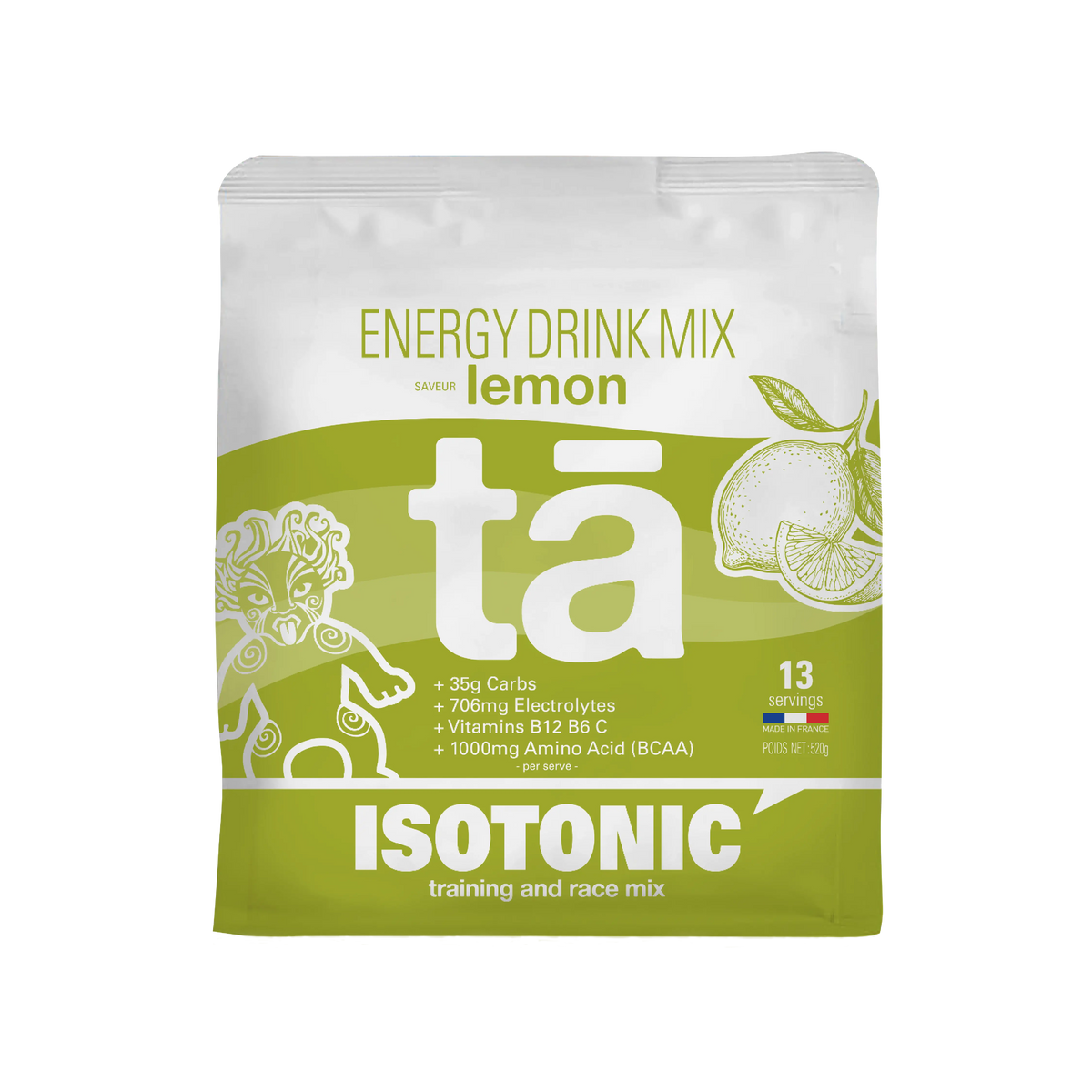
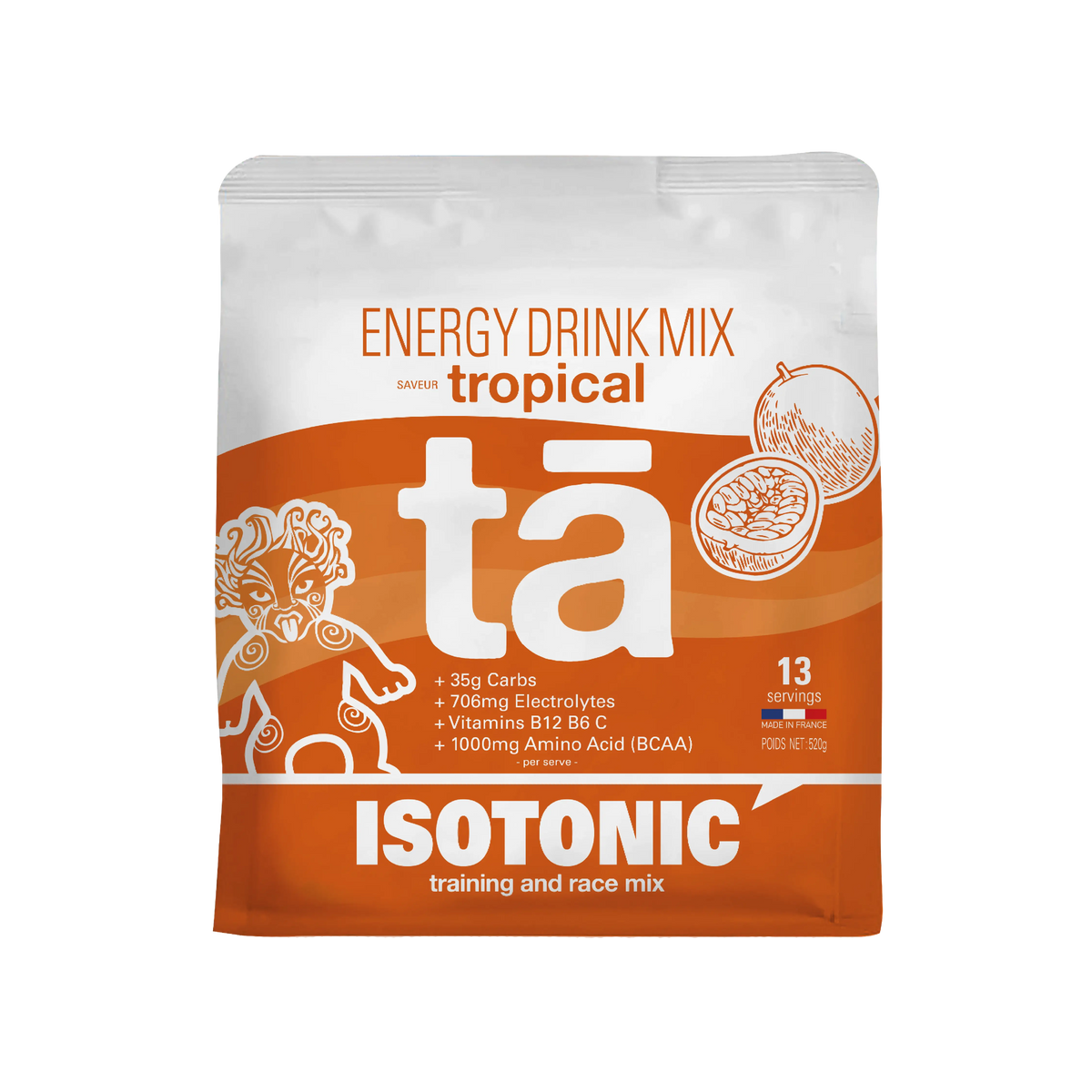
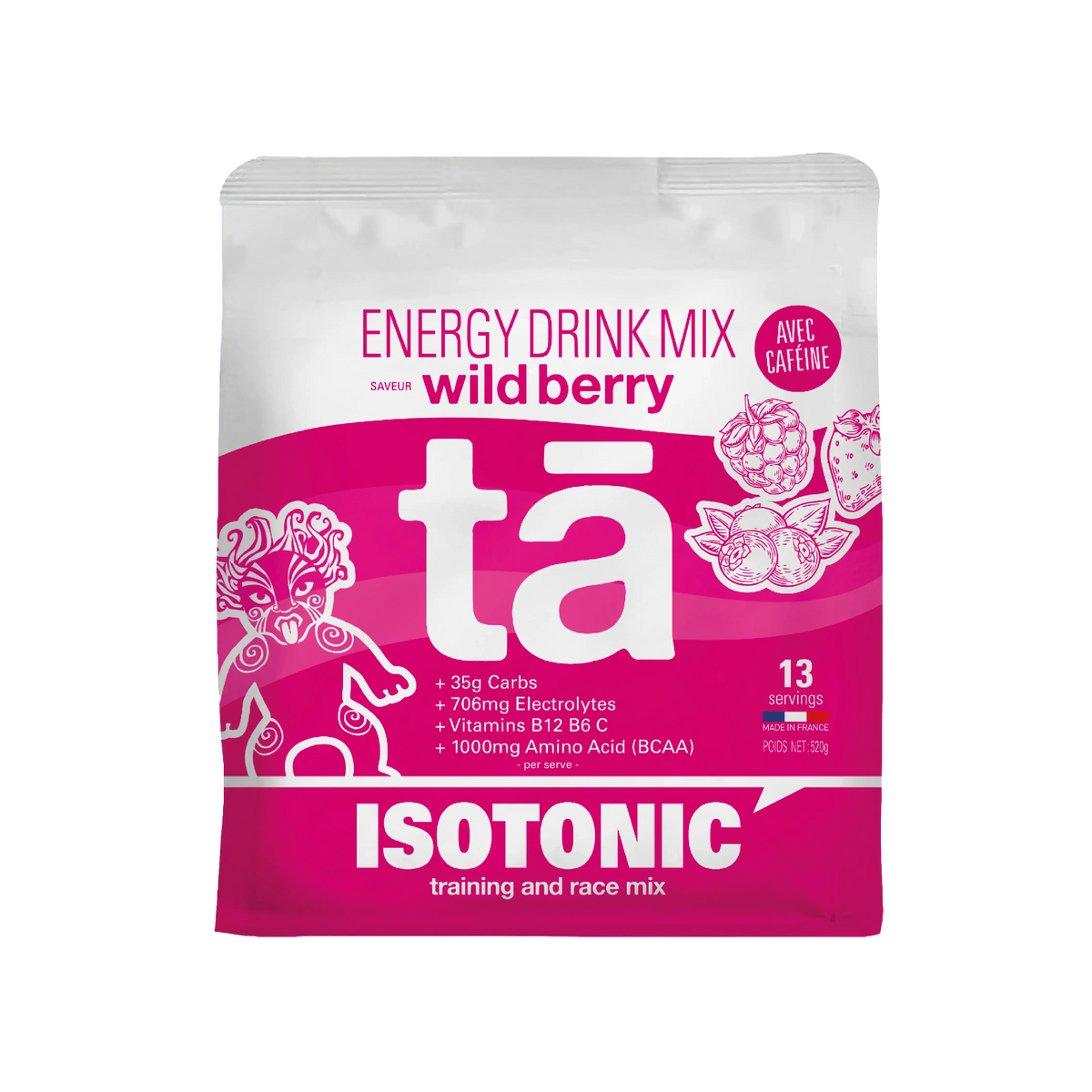
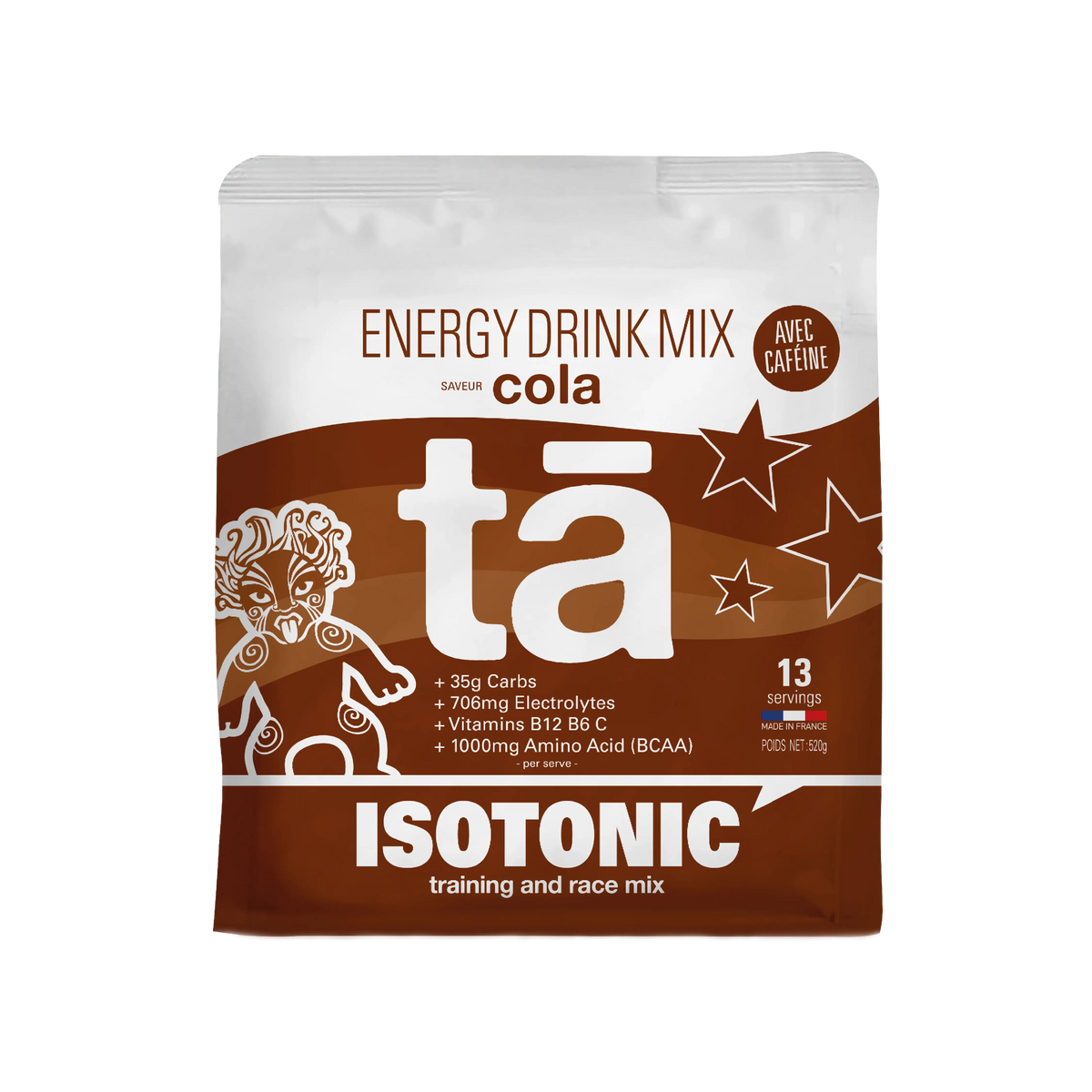
That is why electrolyte-enriched drinks and salt tablets have become essential for endurance athletes.

Chewable tablets, tablets to dissolve in water, or salt capsules? The choice is influenced by the individual’s predisposition.

Of course, each format has its role.

Electrolyte chews

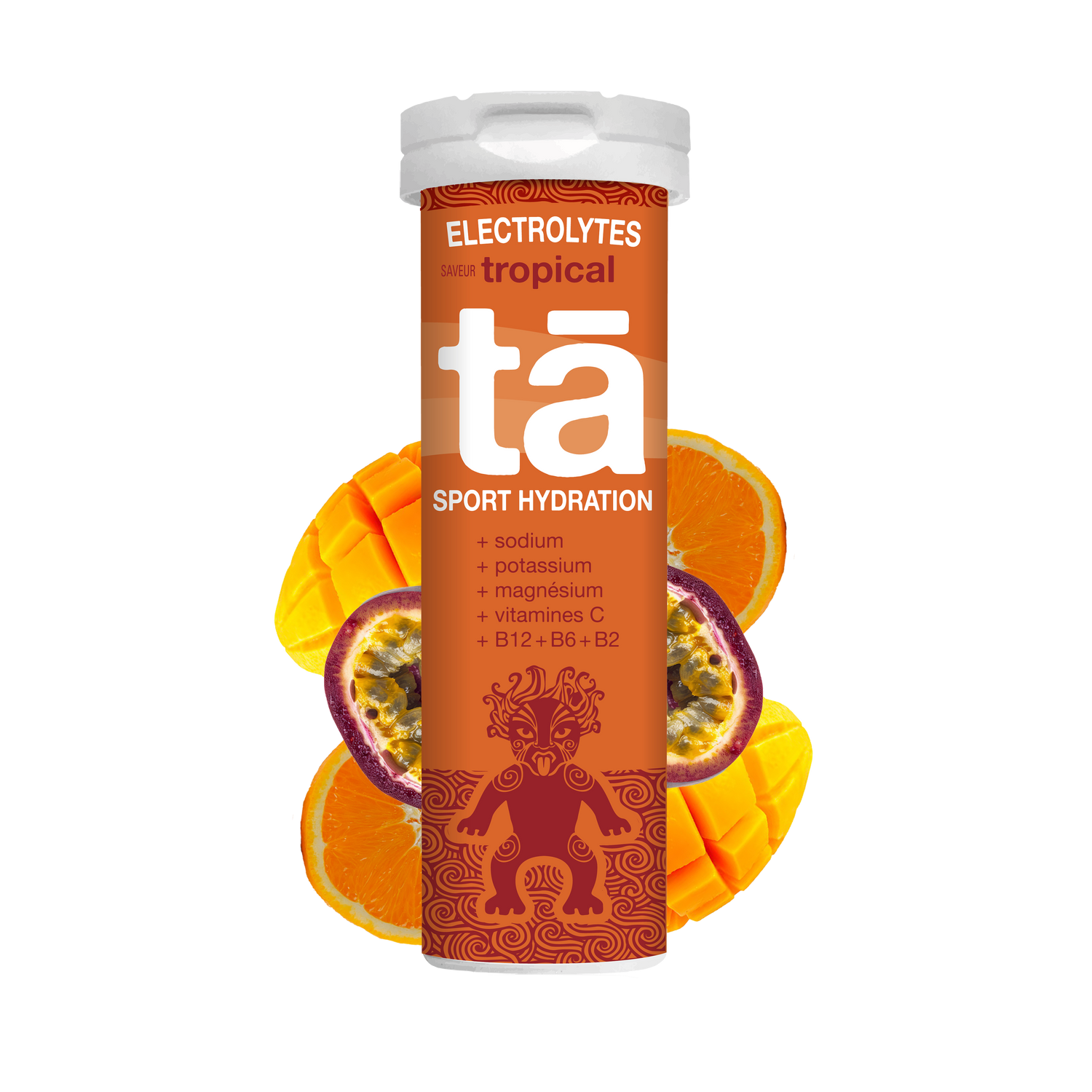
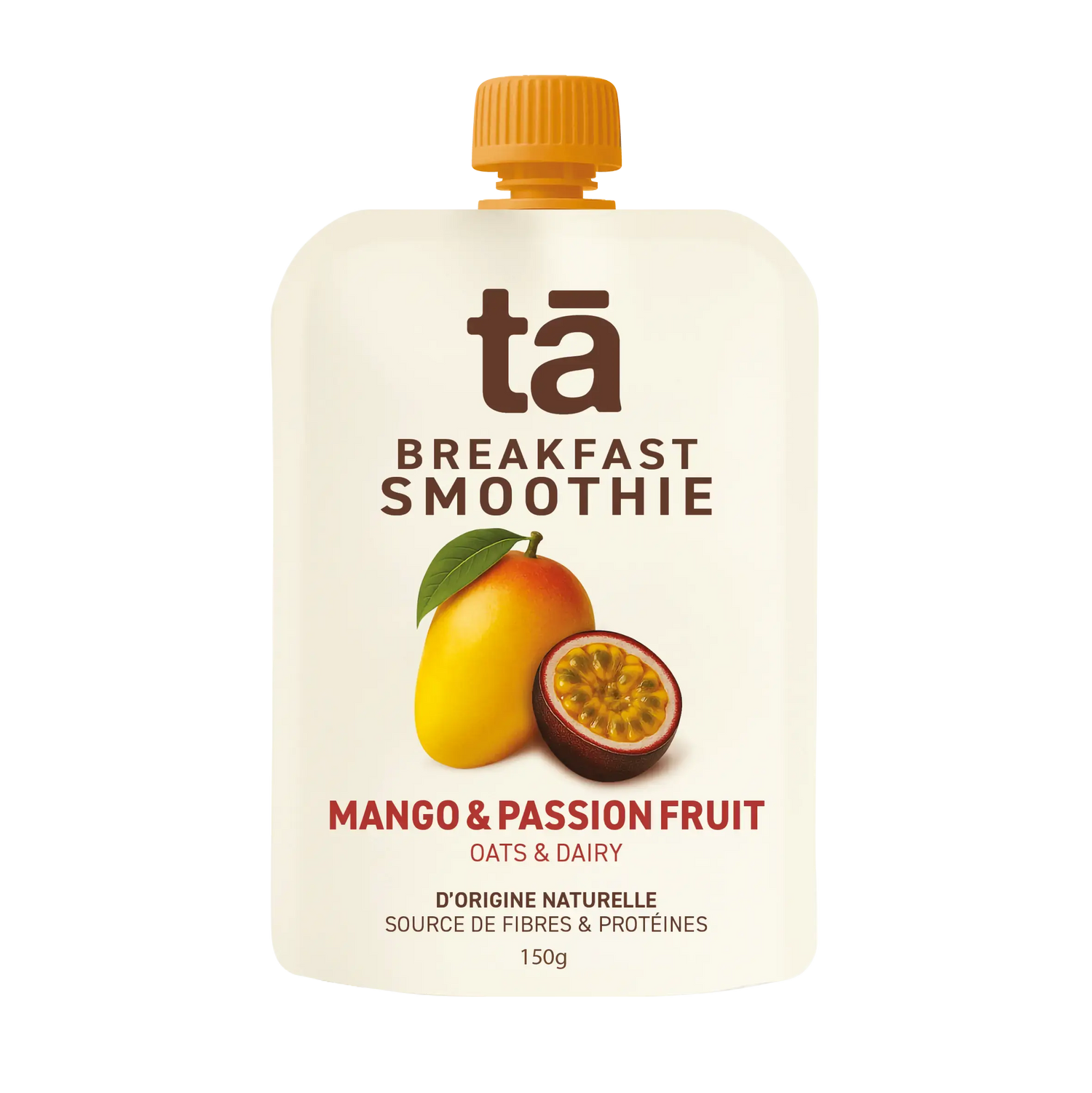
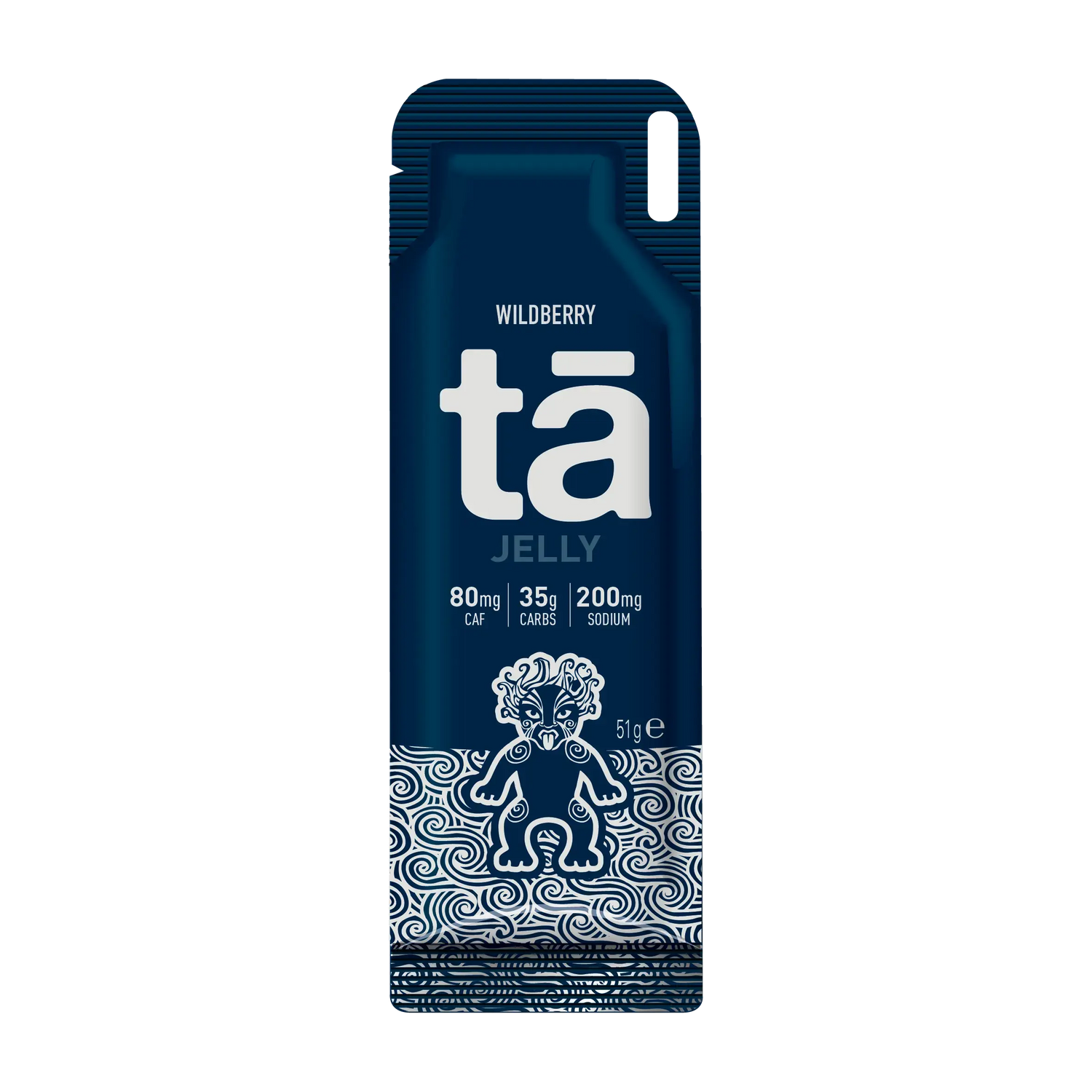
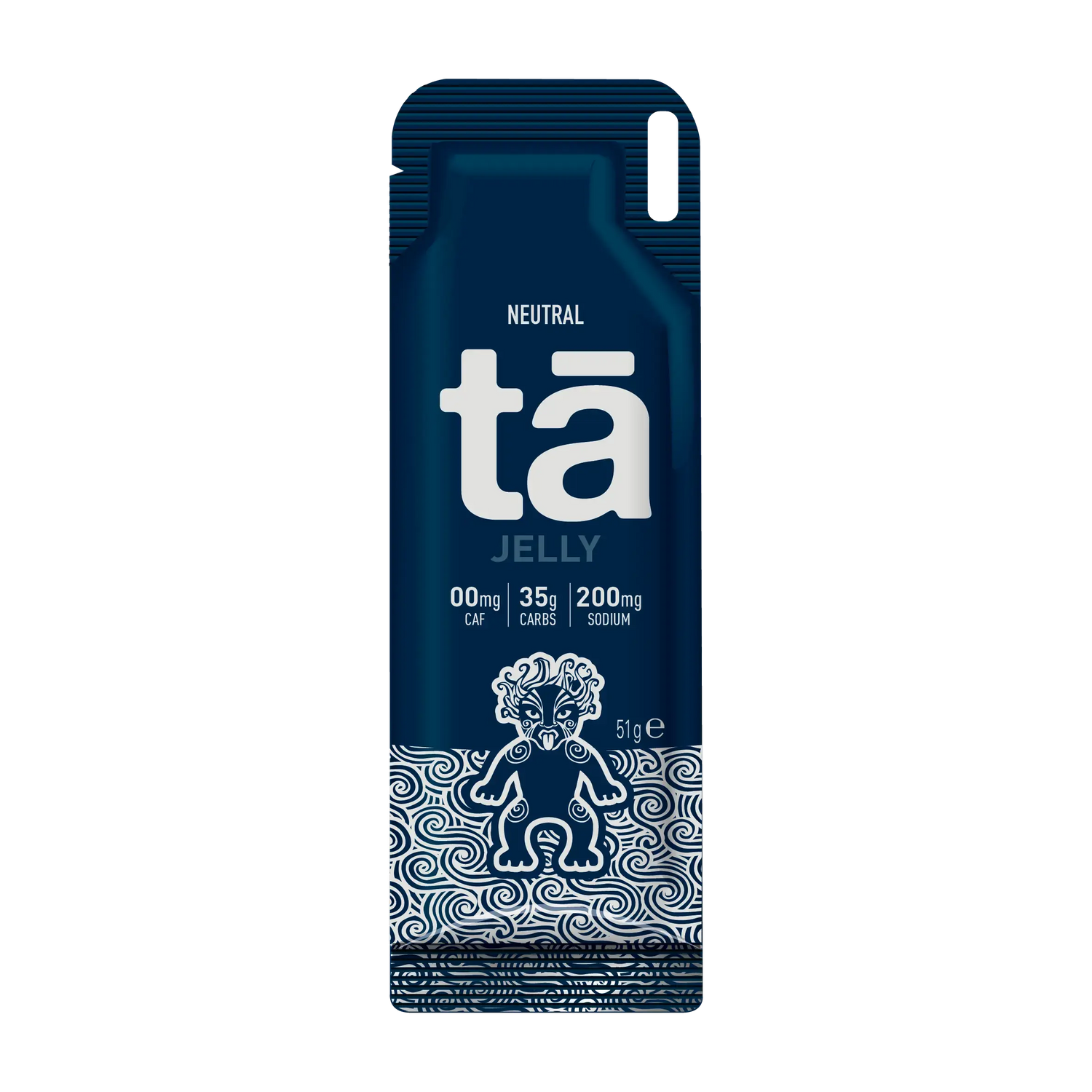
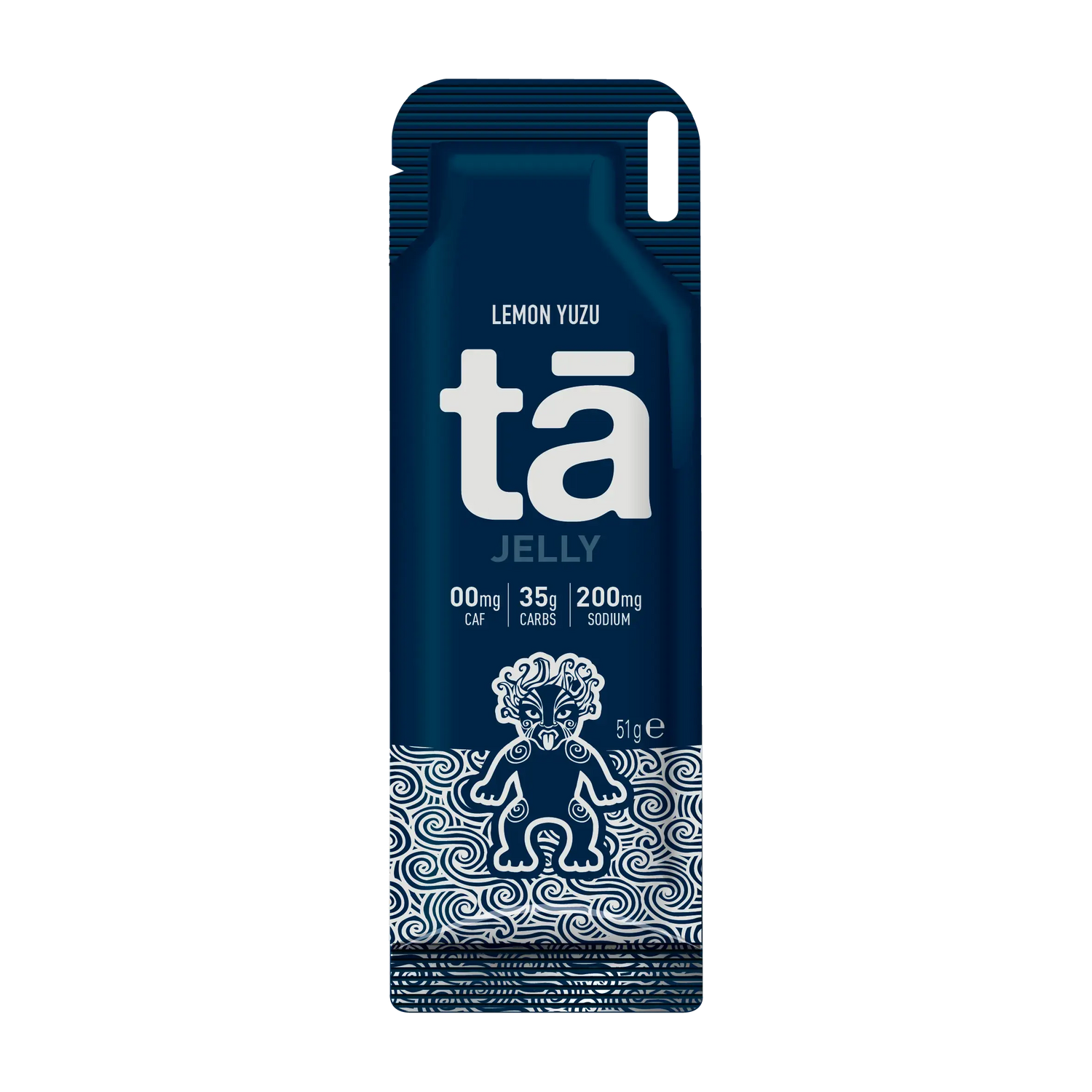
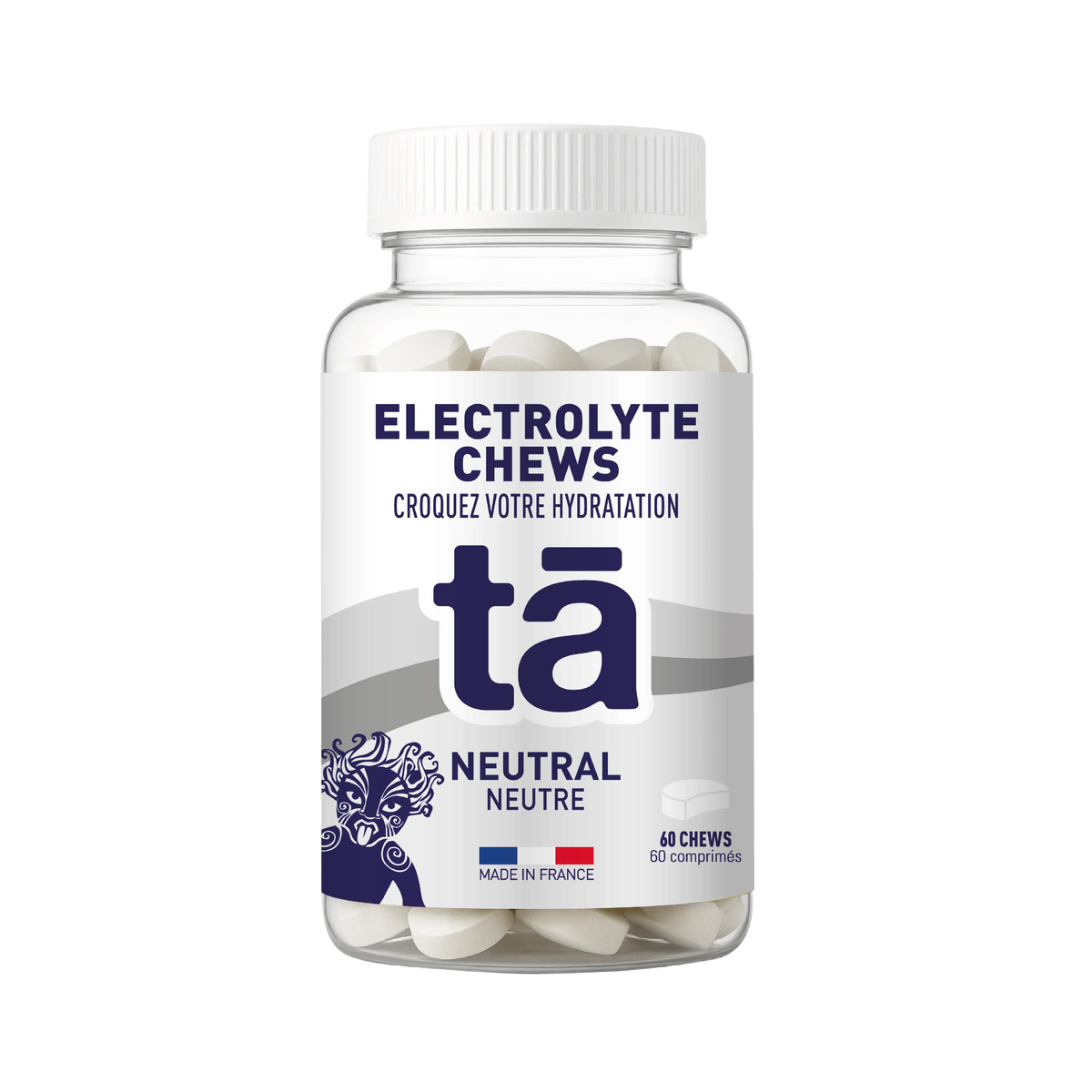
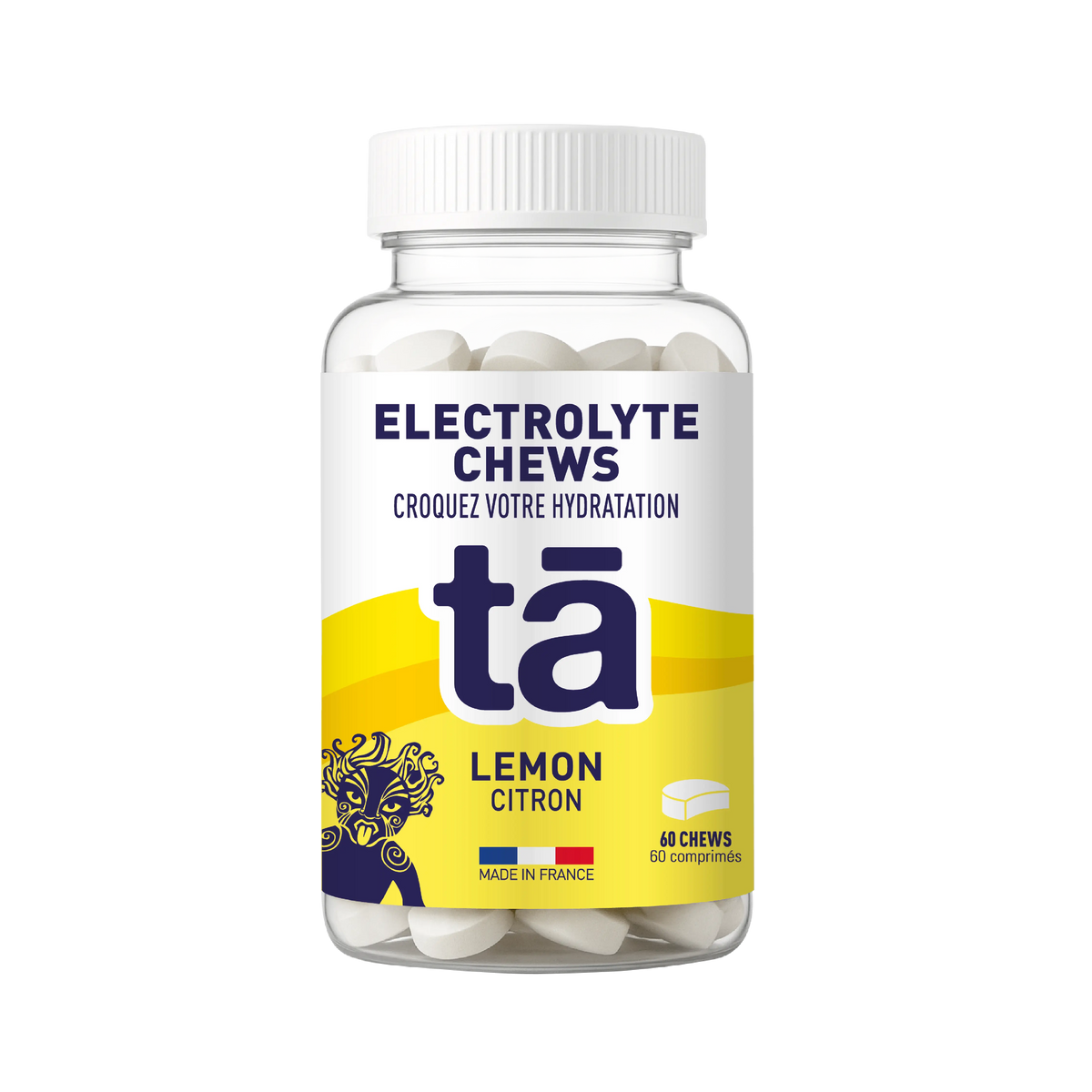
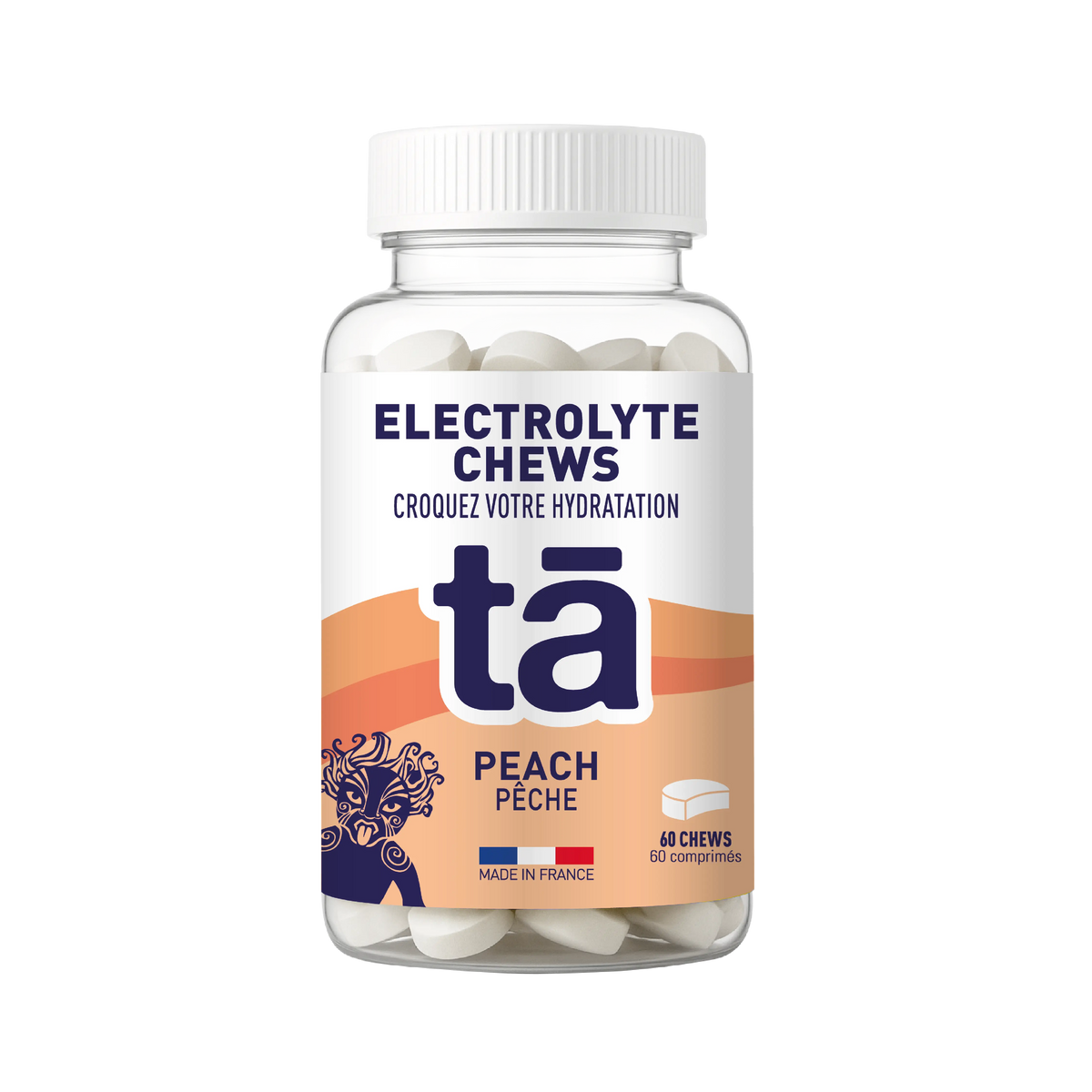
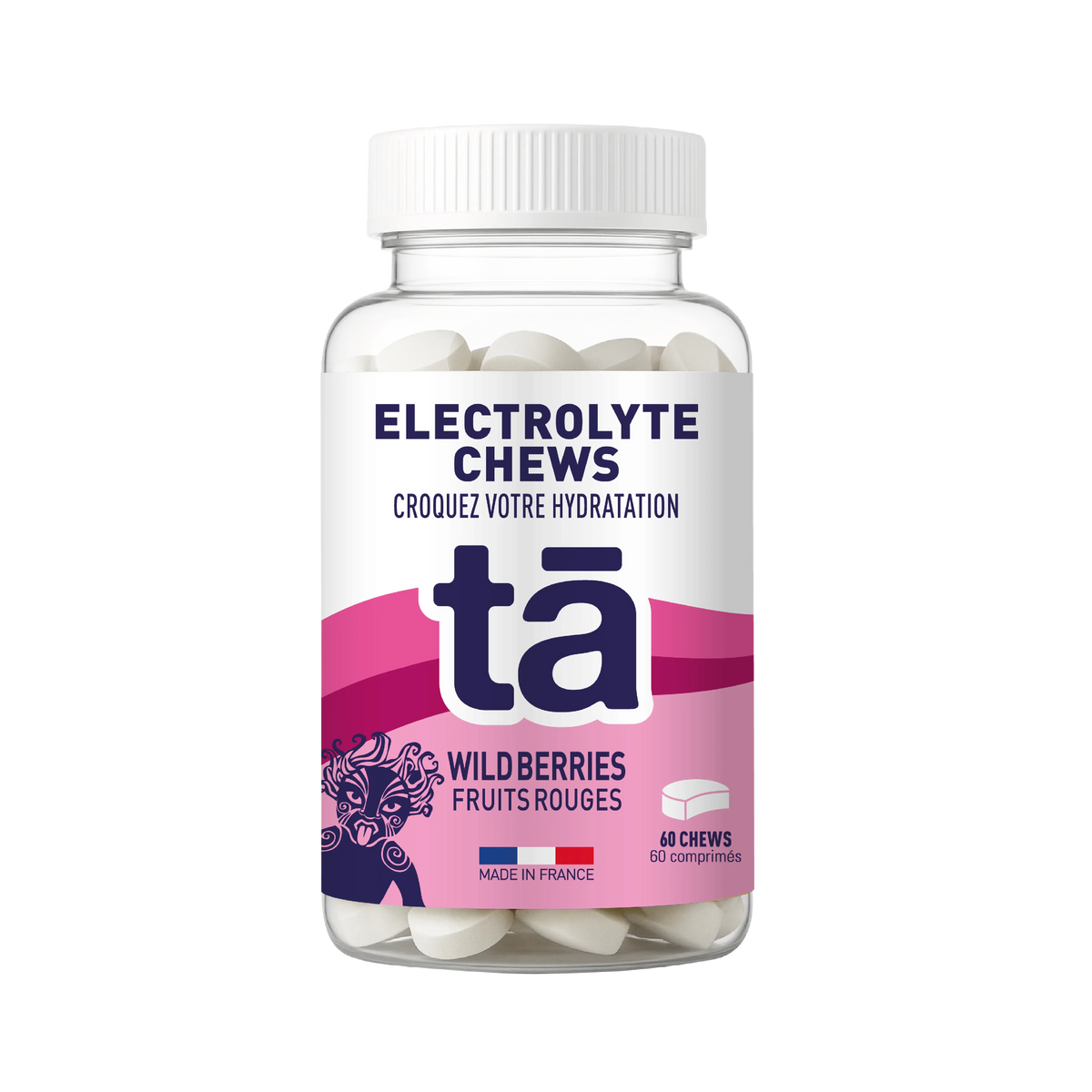
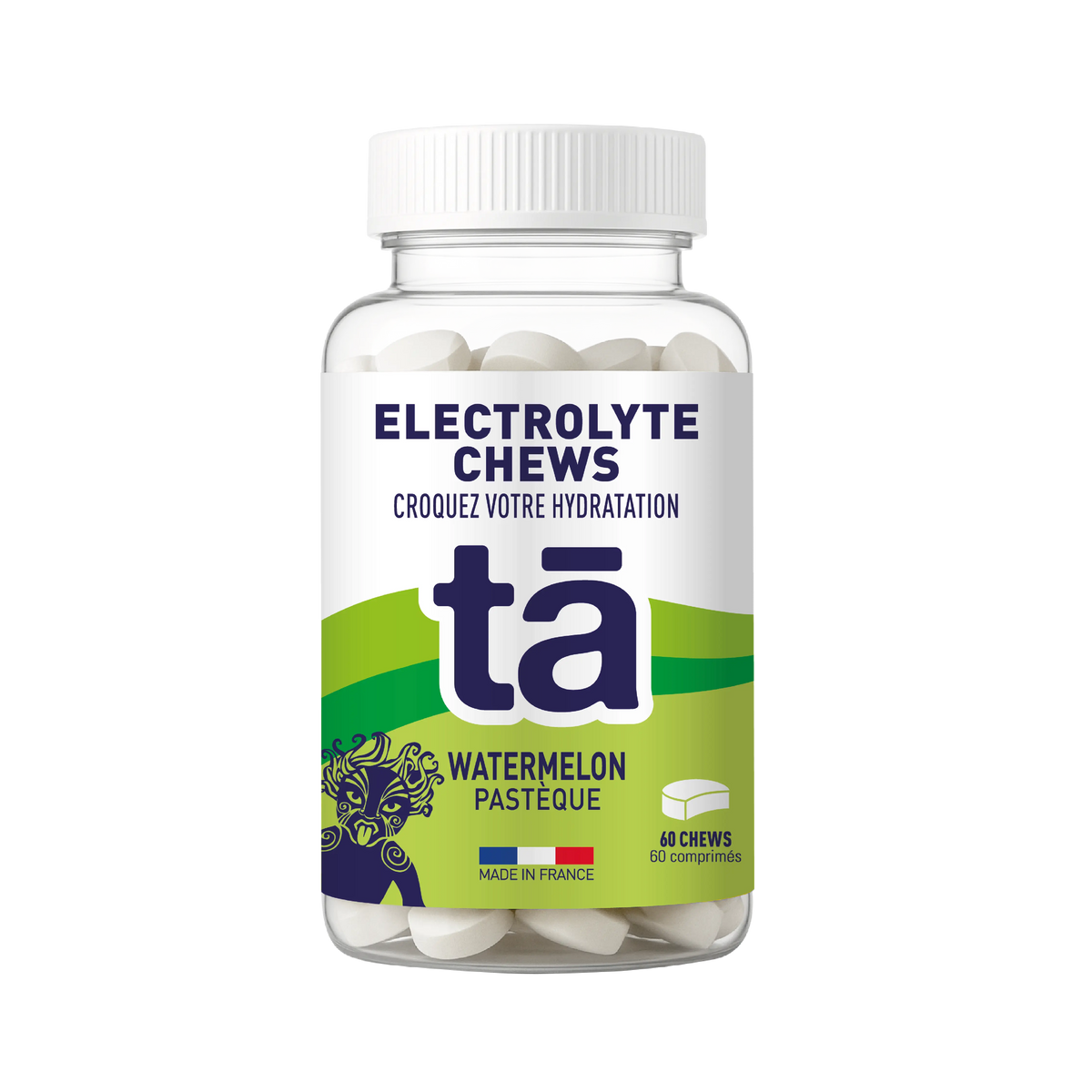
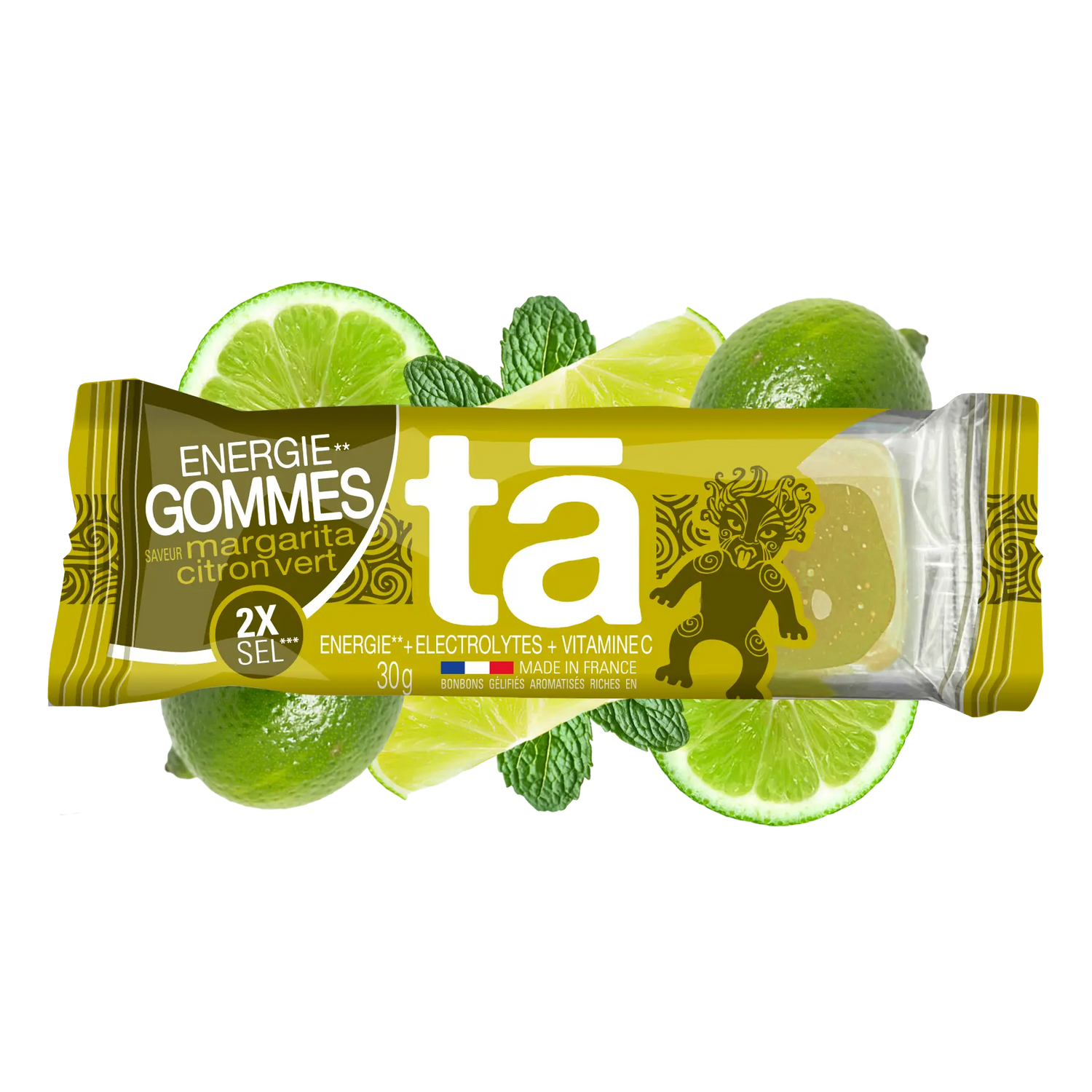
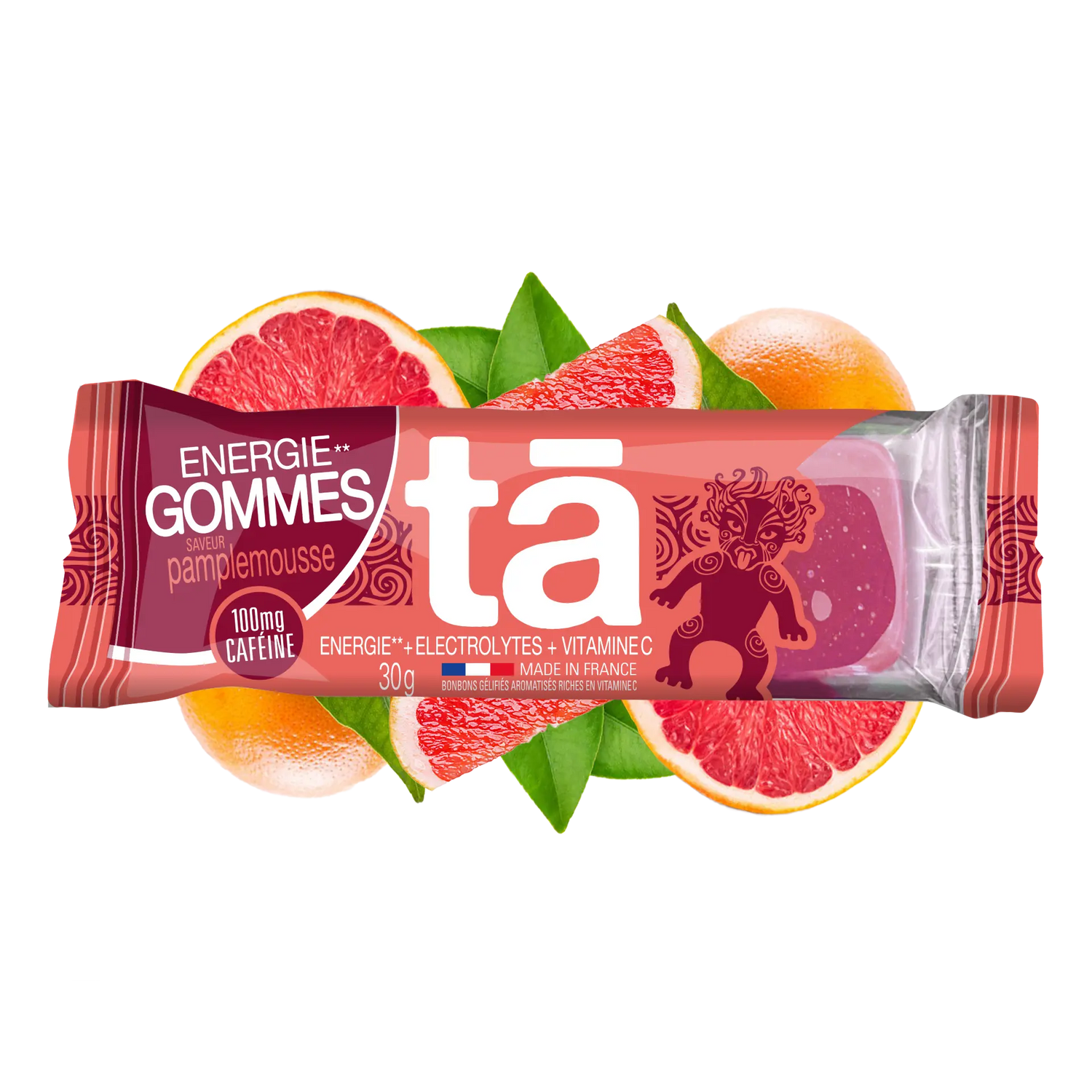
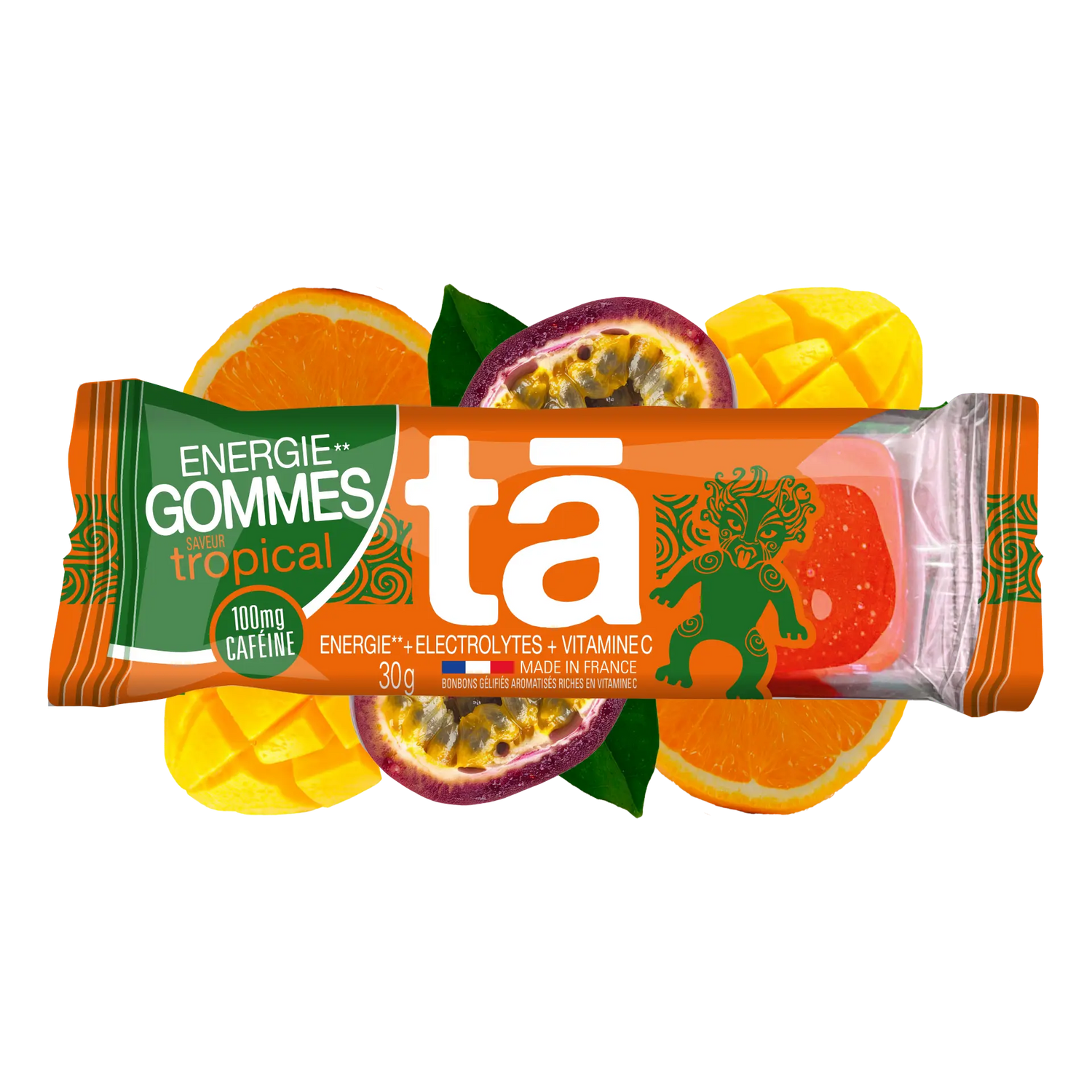
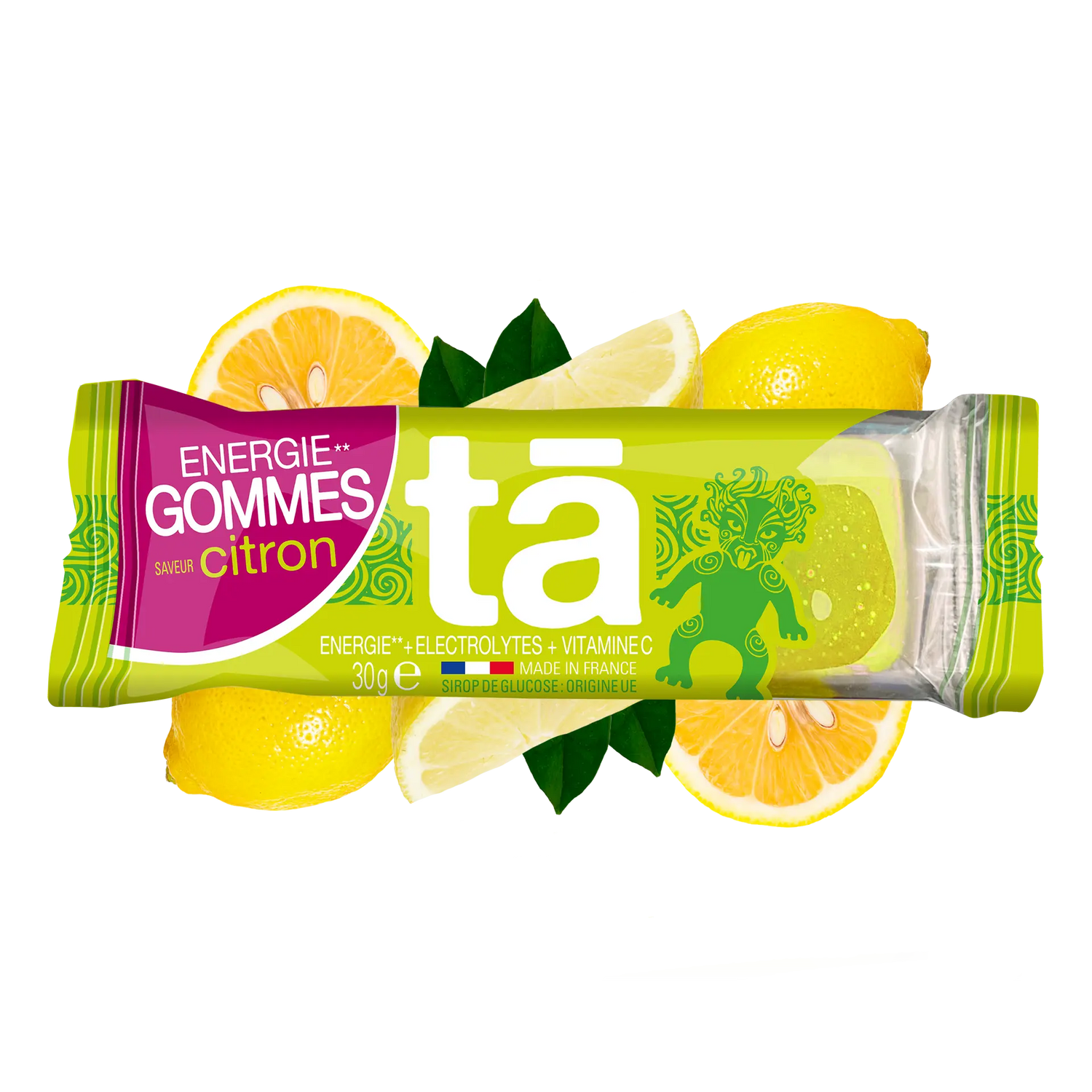
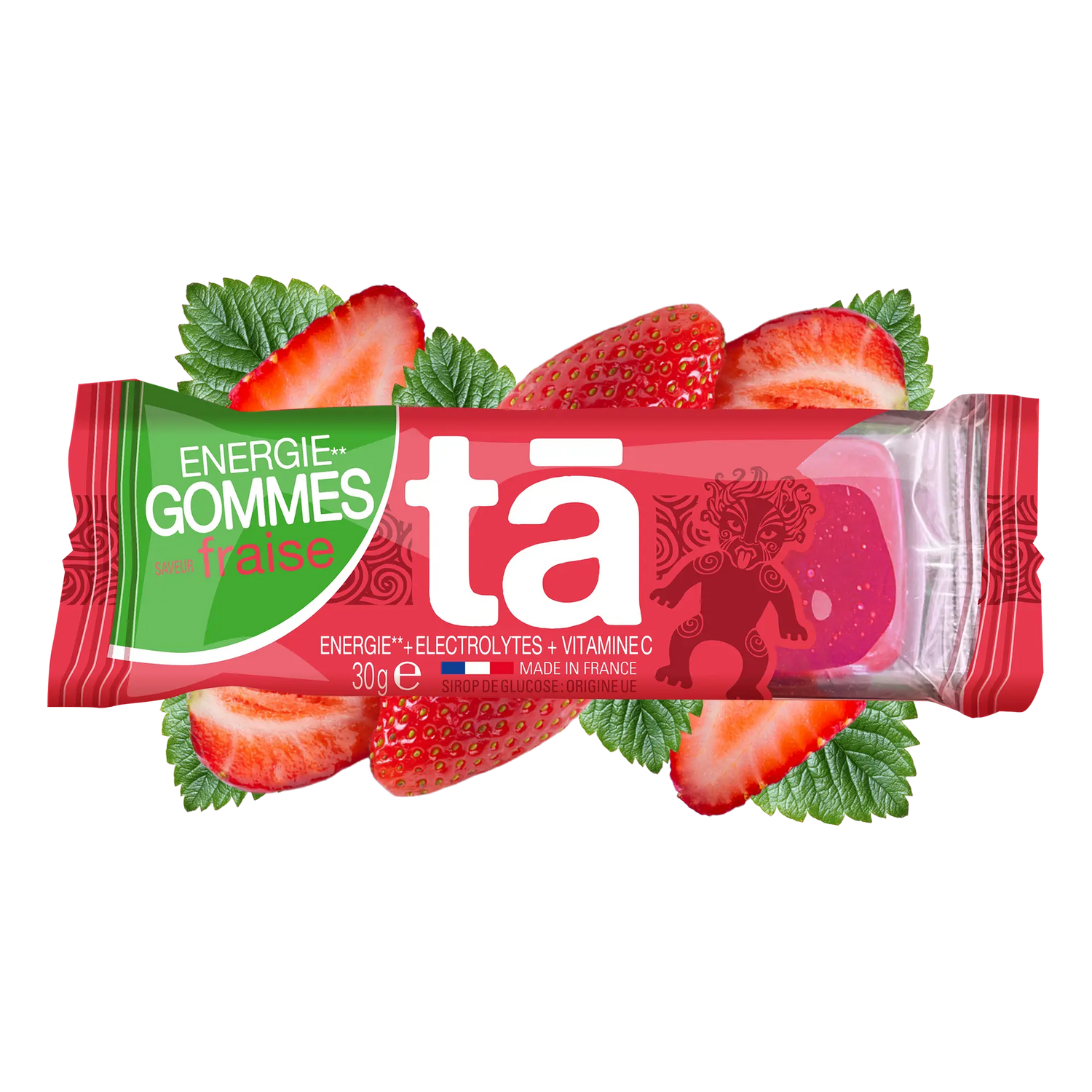
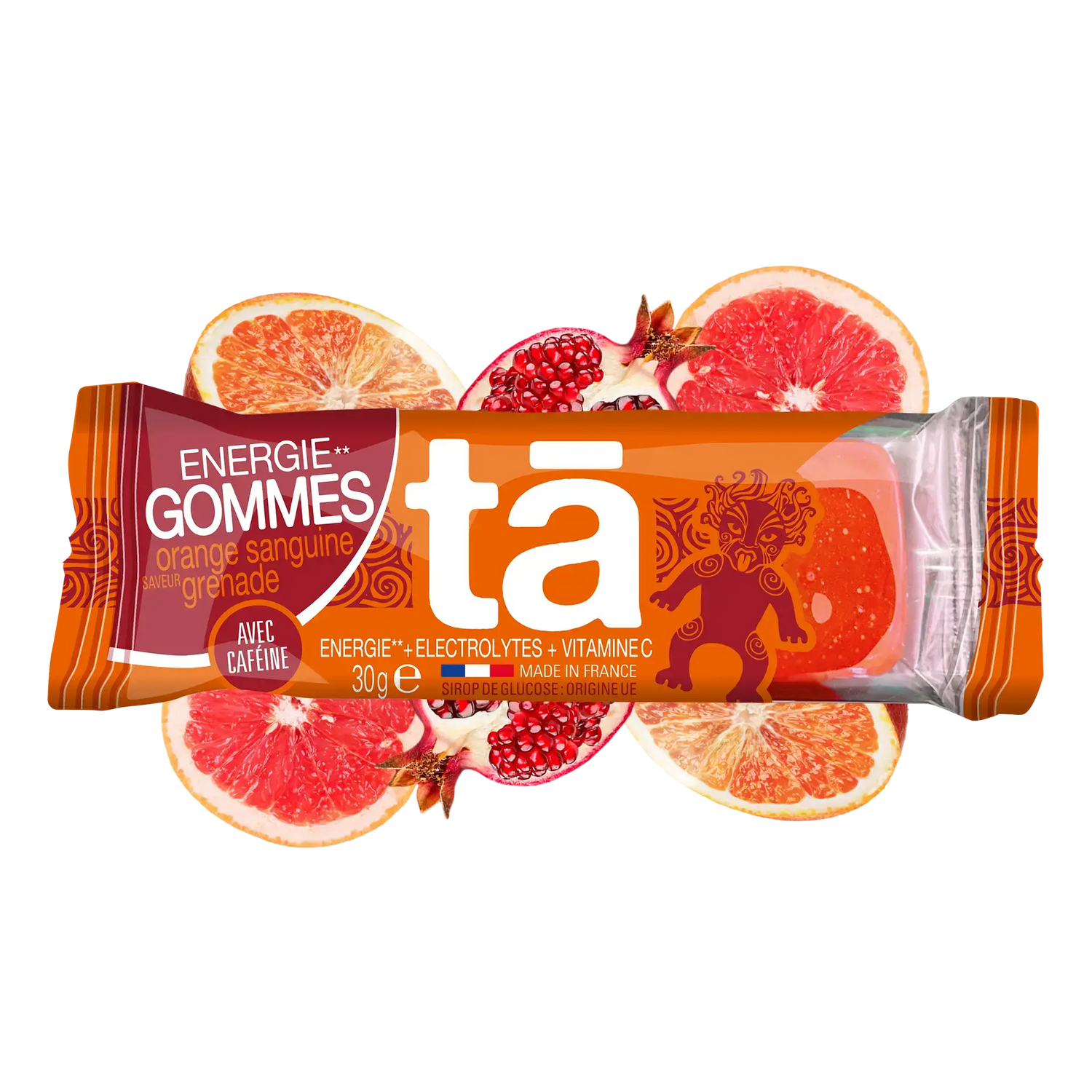
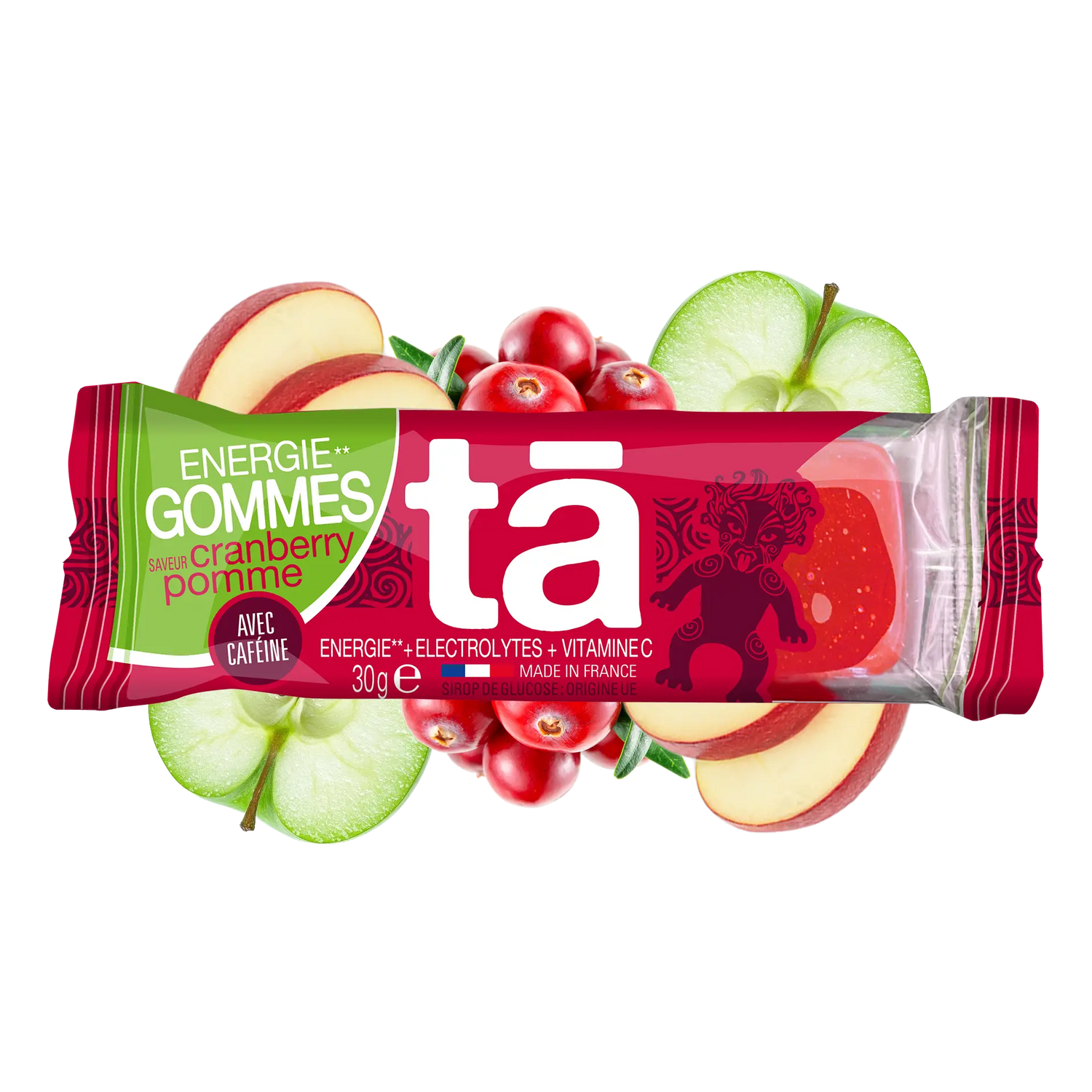
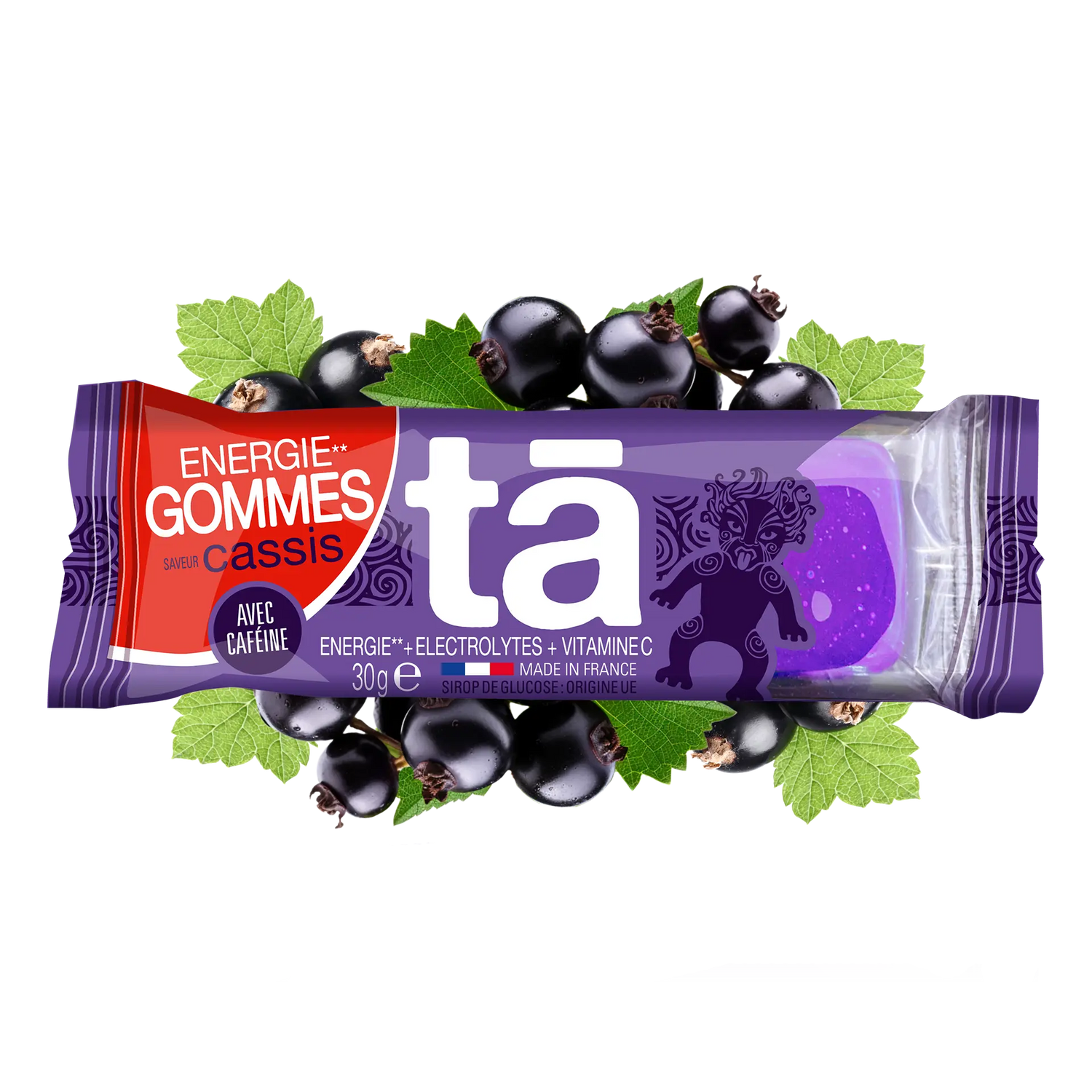
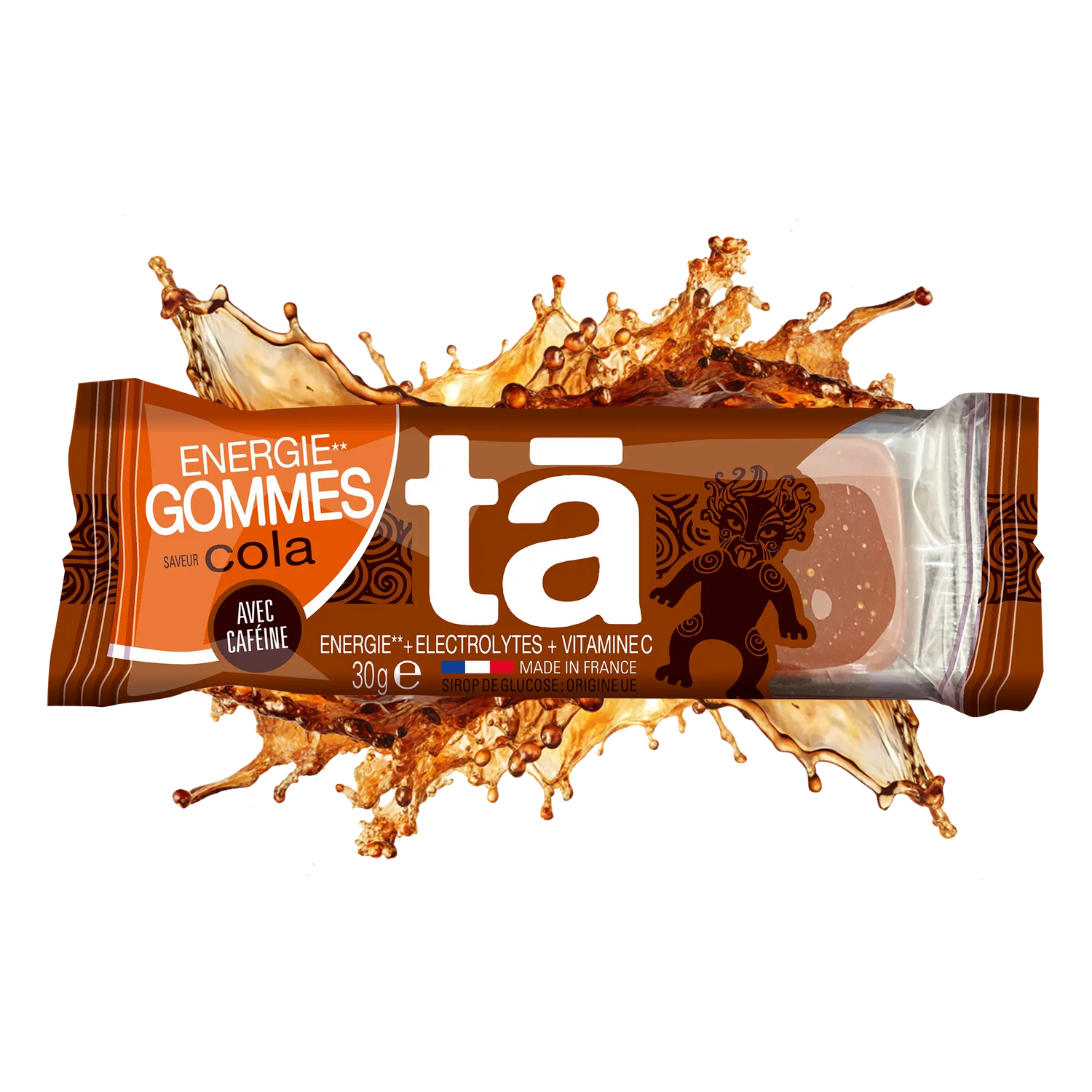
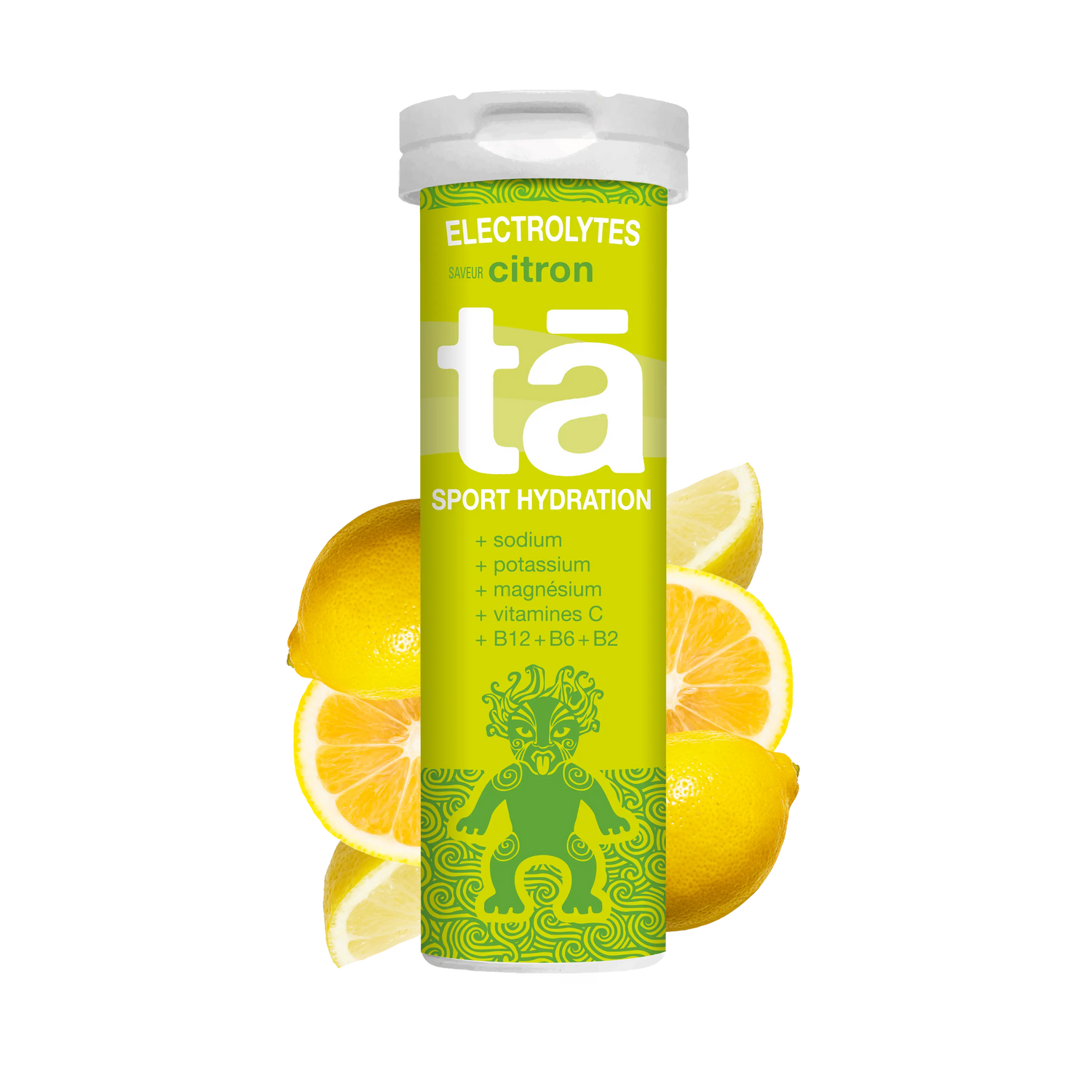
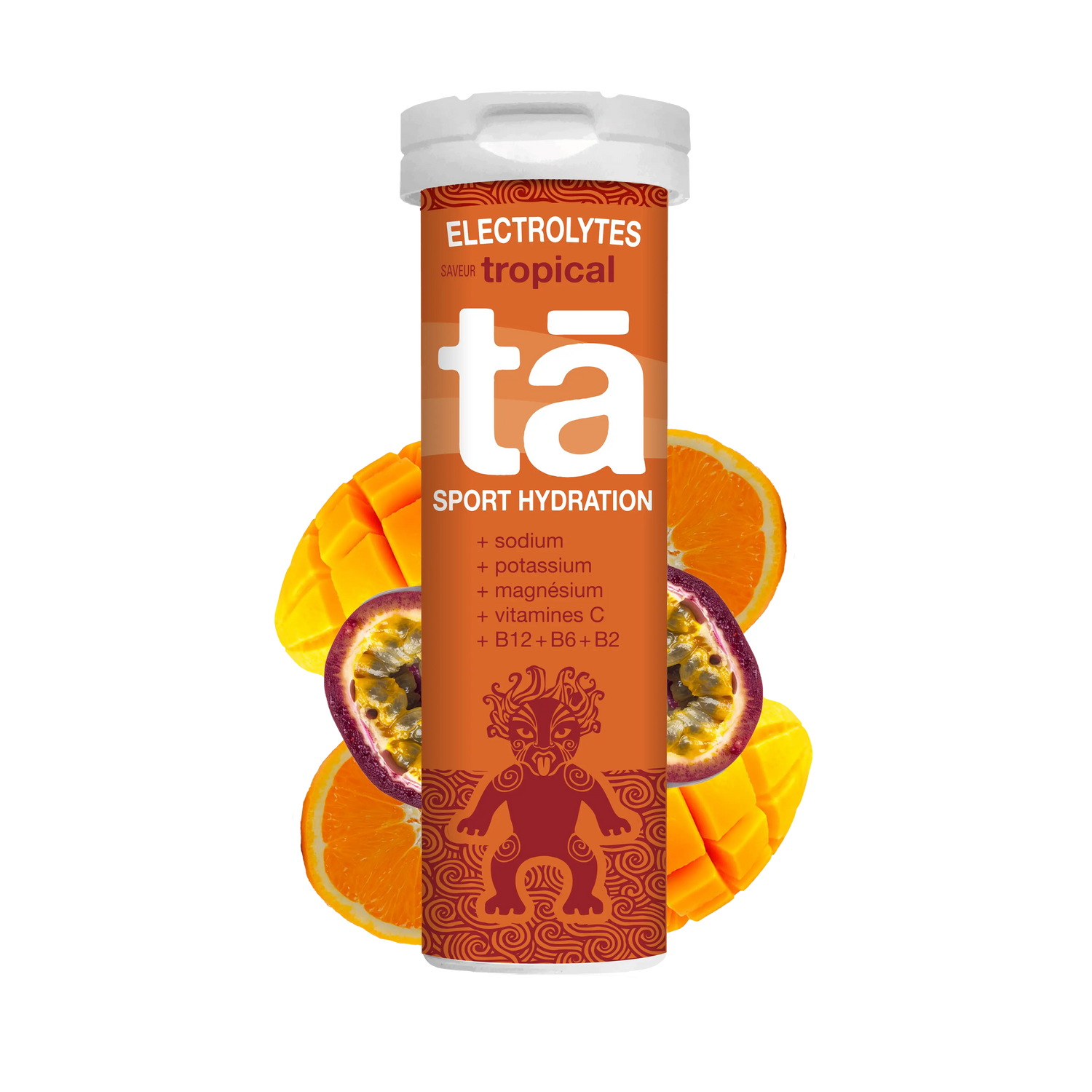
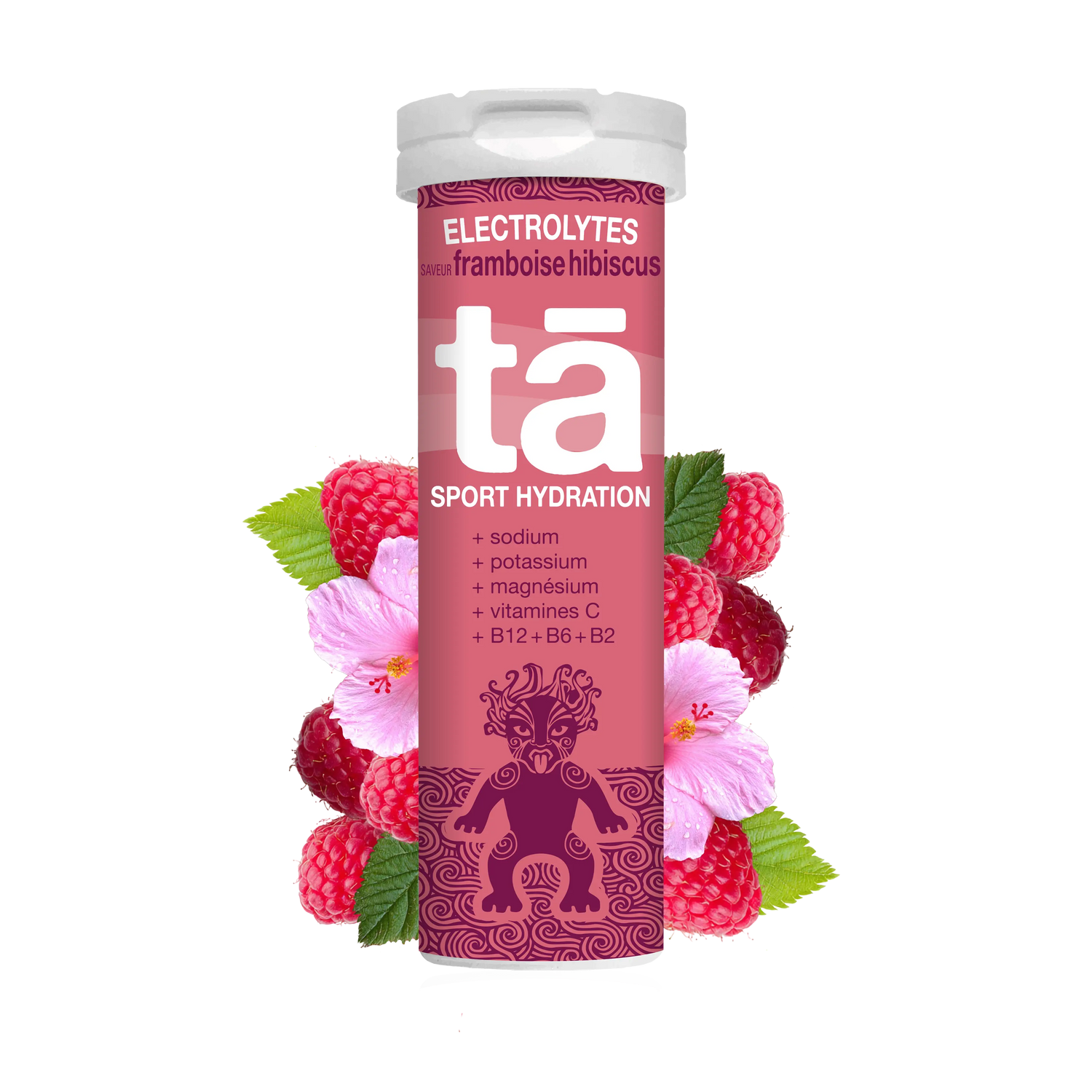
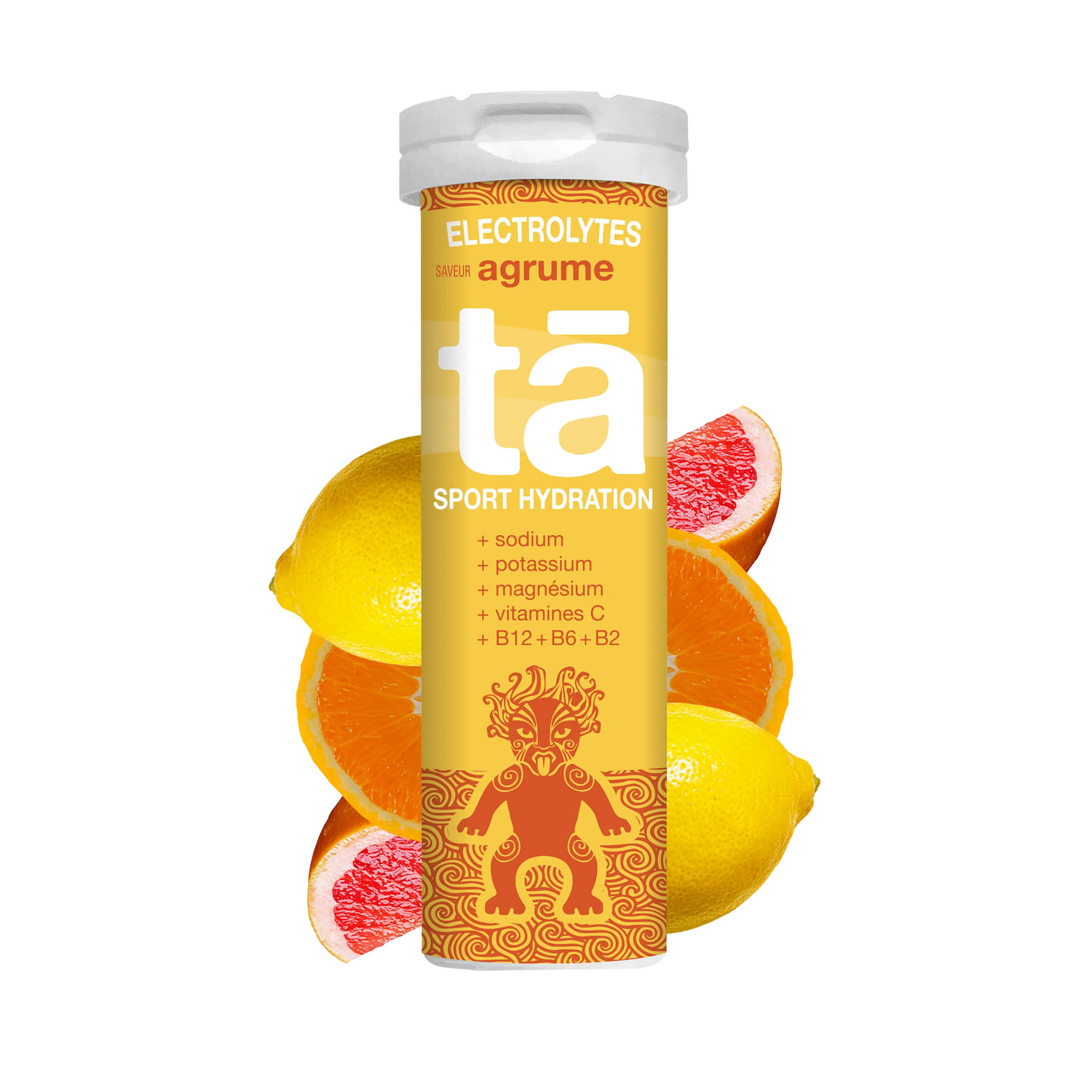
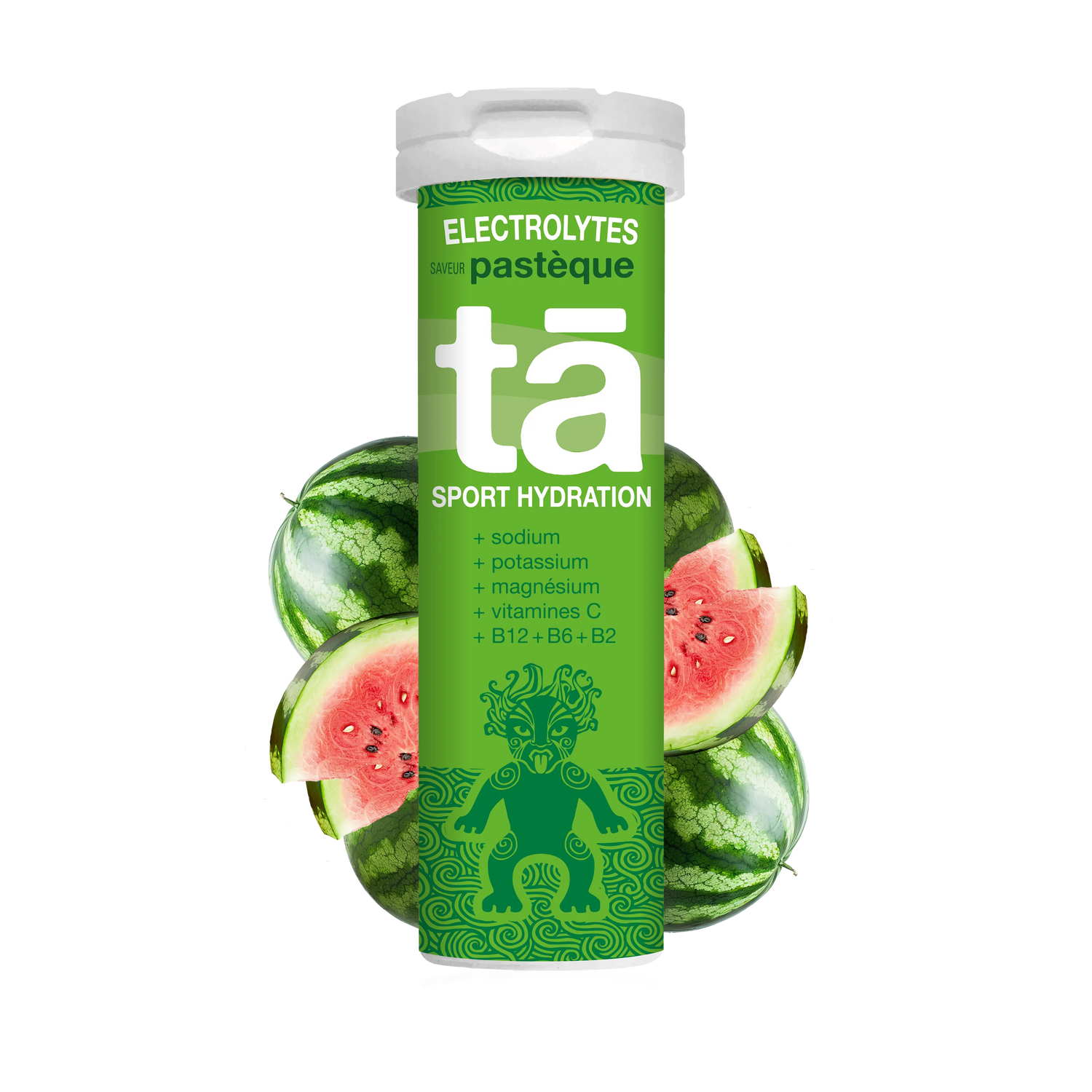
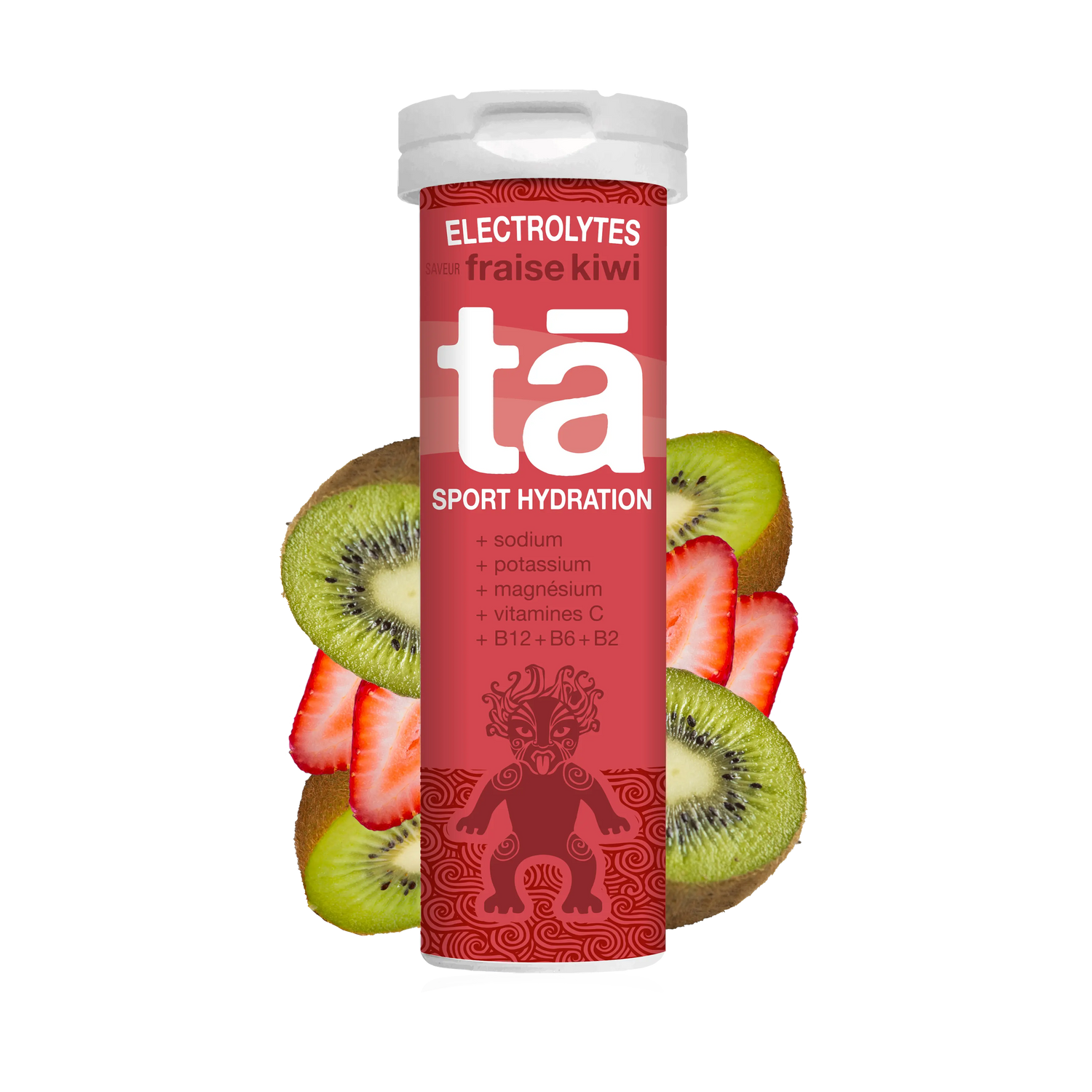
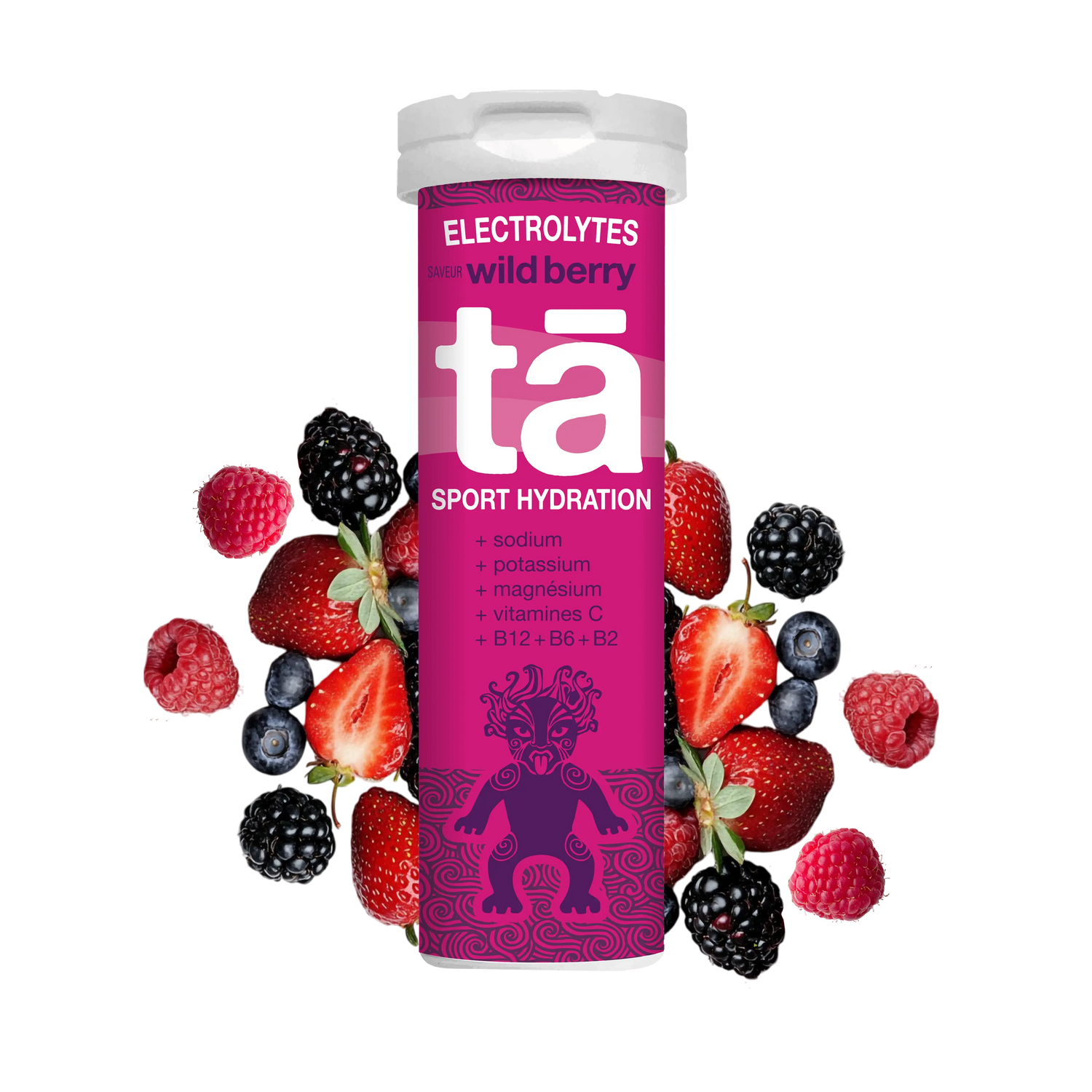
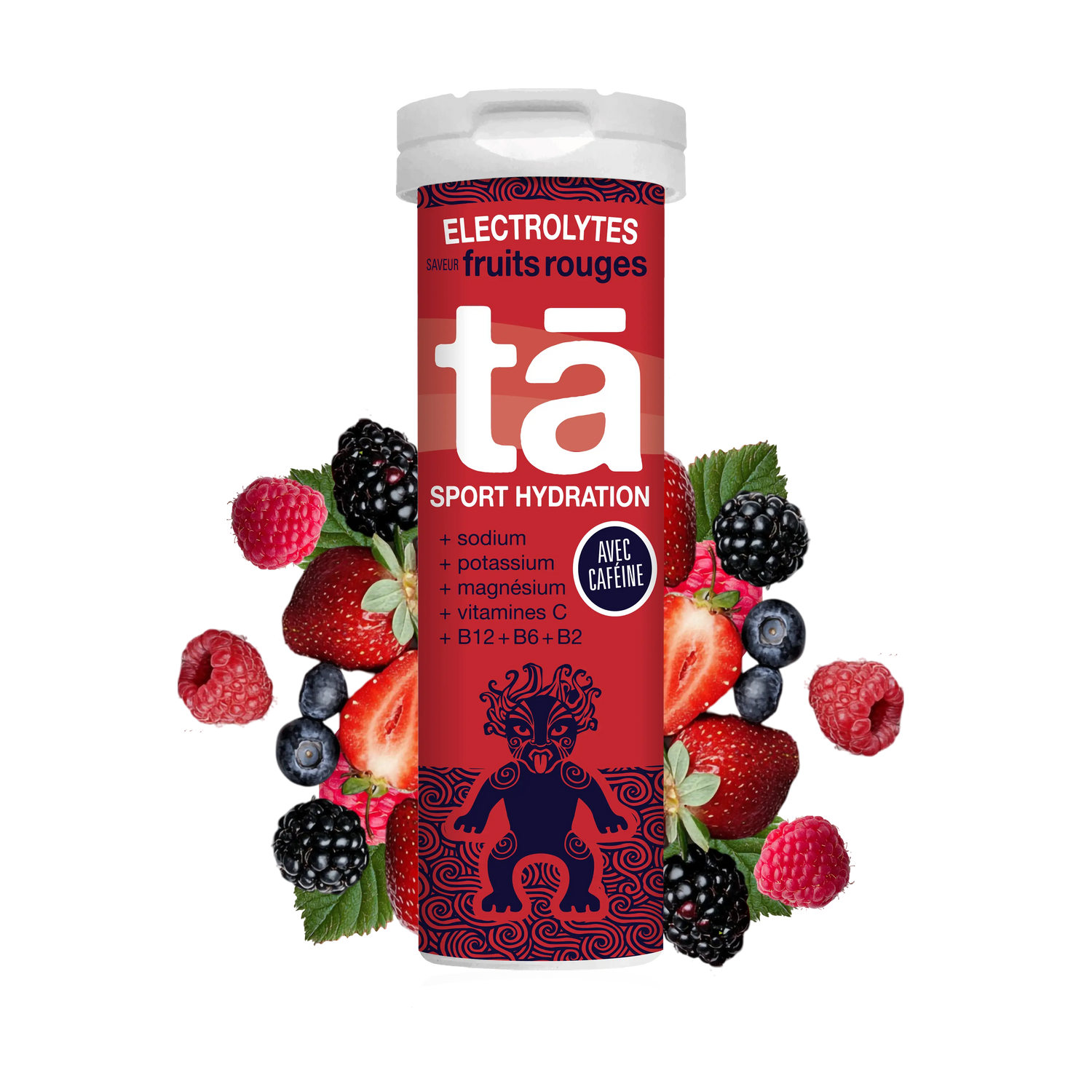
What if you discovered a new way to hydrate? Made in France, these chewable electrolyte tablets are formulated to support hydration and help provide essential minerals during exercise. Ready to use, they offer a practical and innovative alternative to formats that need to be diluted. Their rapid absorption allows for an almost instant replenishment of sodium, potassium, and magnesium to compensate for losses caused by sweating. Available in 5 flavors.

Hydration tablets 

They support exercise progressively. They hydrate and provide sodium, magnesium, and potassium. The sodium content improves energy absorption. They are ideal when the heat rises or sweating becomes heavy.


Salt capsules

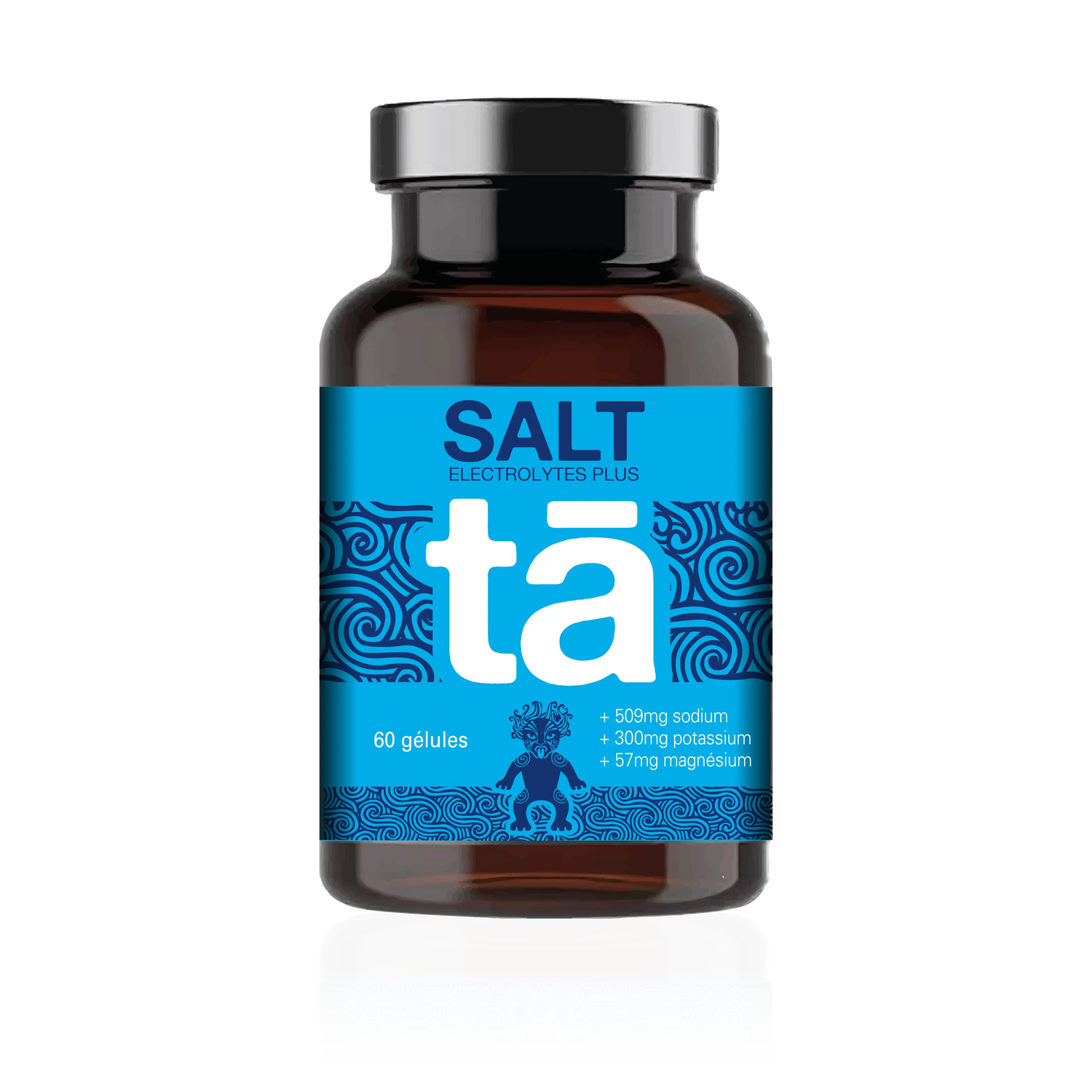
They offer valuable freedom. When drinking becomes more difficult, when the stomach feels overloaded, or when sodium needs increase sharply (ultra, heat, heavy sweating), they allow you to adjust your mineral intake without overloading on fluids.

Scientific recommendations converge on: 300 to 600 mg of sodium per hour

or 2 to 3 salt tablets per hour.

Tips: salt tablets can be swallowed like a capsule or dissolved in water. 

The silent trap: hyponatremia

On some long courses, the figures are striking: up to 15 to 30% of ultra-endurance athletes develop exercise-associated hyponatremia.

The main cause? Drinking too much water for too long without taking in mineral salts.

This phenomenon is more common among:

  •  Slower athletes,
  • Very long efforts (> 4–6 h),
  • Hot environments,
  • And those who gain weight during the race.

Including sodium helps maintain balance, but it is not enough if you continue to drink too much. The key remains the same: moderation + electrolytes.


After the finish line: restoring balance

Once the effort is over, rehydration is far from trivial.

Studies recommend replacing around 150% of the fluid lost with a mineral-enriched drink.


What science teaches us, and what the field confirms

Across systematic reviews and controlled endurance trials, one message comes up again and again: drinking smartly with electrolytes and adapting your strategy to your own body is more effective and safer than following rigid rules. 

Our electrolytes and salt tablets are not gimmicks. They are tools designed to support exertion, maintain fluid balance, and help you go the distance.

At Tā Energy, this vision guides product development: simple, functional, field-tested solutions, so every runner can find their own balance, from the first to the last kilometer.

SOURCES

1. Klingert, M., Nikolaidis, P., Weiss, K., Thuany, M., Chlíbková, D., & Knechtle, B. (2022).

Exercise-associated hyponatremia in marathon runners. Journal of Clinical Medicine, 11.

https://doi.org/10.3390/jcm11226775

2. Martínez-Sanz, J., Núñez, F., Sospedra, I., Martínez-Rodríguez, A., Domínguez, R., GonzálezJurado, J., & Sánchez-Oliver, A. (2020). Adverse consequences related to nutrition in

endurance sports competitions: A review of incidence and practical recommendations.

International Journal of Environmental Research and Public Health, 17. https://doi.org/

10.3390/ijerph17114082

3. Veniamakis, E., Kaplanis, G., Voulgaris, P., & Nikolaidis, P. (2022). Effects of sodium intake on

health and performance in endurance and ultra-endurance sports. International Journal of

Environmental Research and Public Health, 19. https://doi.org/10.3390/ijerph19063651

4. Vitale, K., & Getzin, A. (2019). Update on nutrition and supplementation for endurance

athletes: Review and recommendations. Nutrients, 11. https://doi.org/10.3390/nu11061289