How to fuel properly with carbohydrates during endurance sports?

How to fuel properly with carbohydrates during endurance sports?

INTRODUCTION

At first, everything goes smoothly: your legs respond, your breathing is easy, and your pace is perfect. 

Then suddenly… your energy collapses. Not because of your mindset or your training.

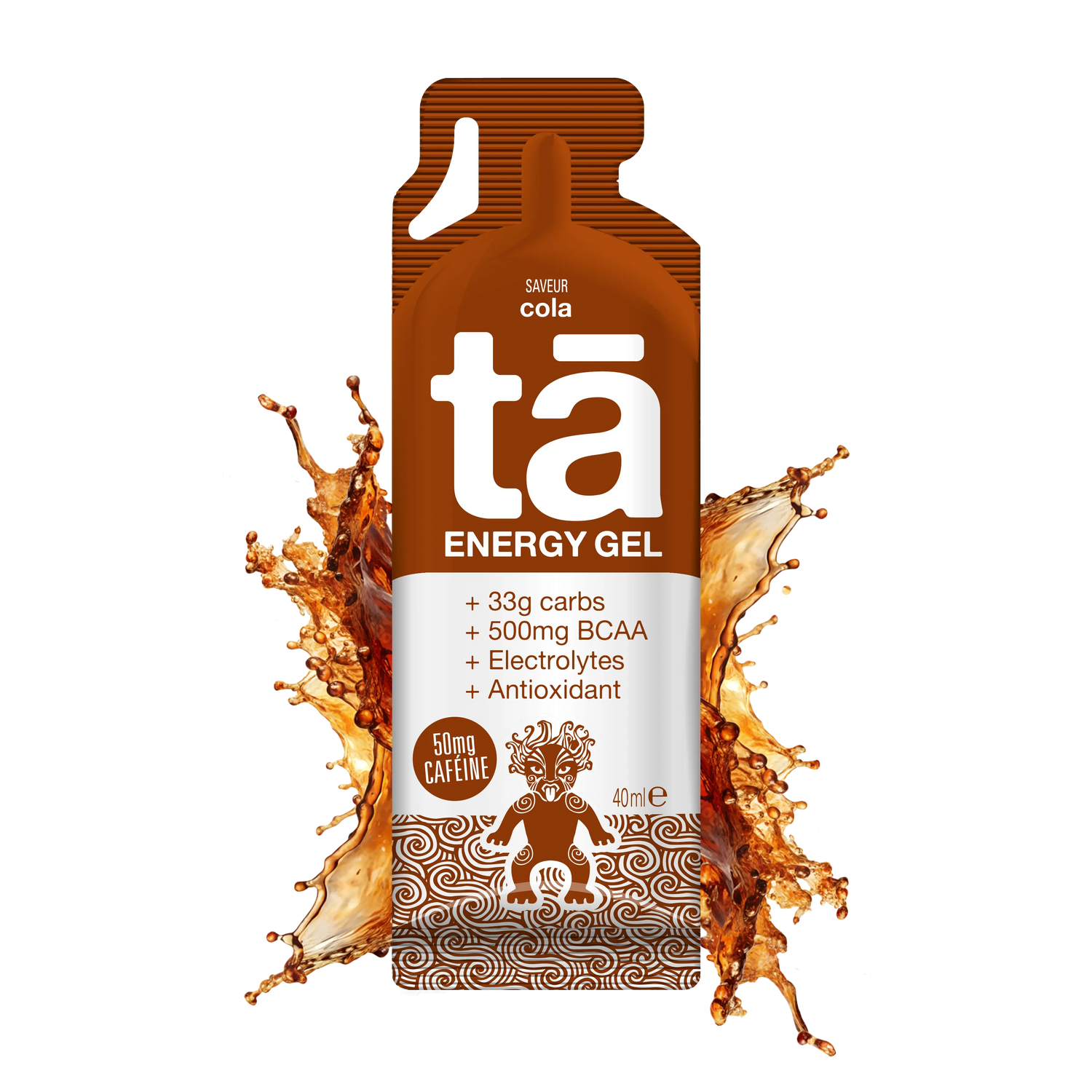
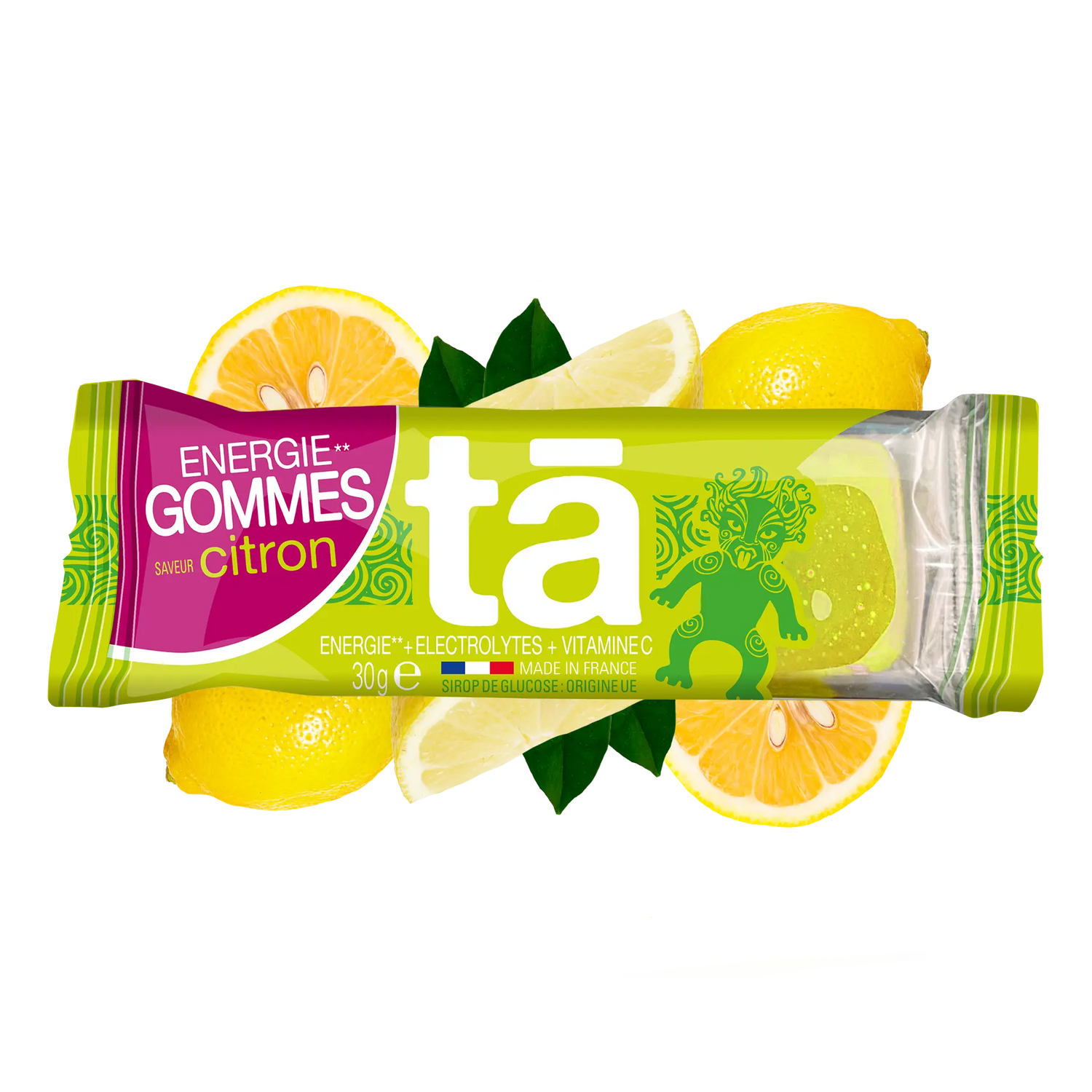
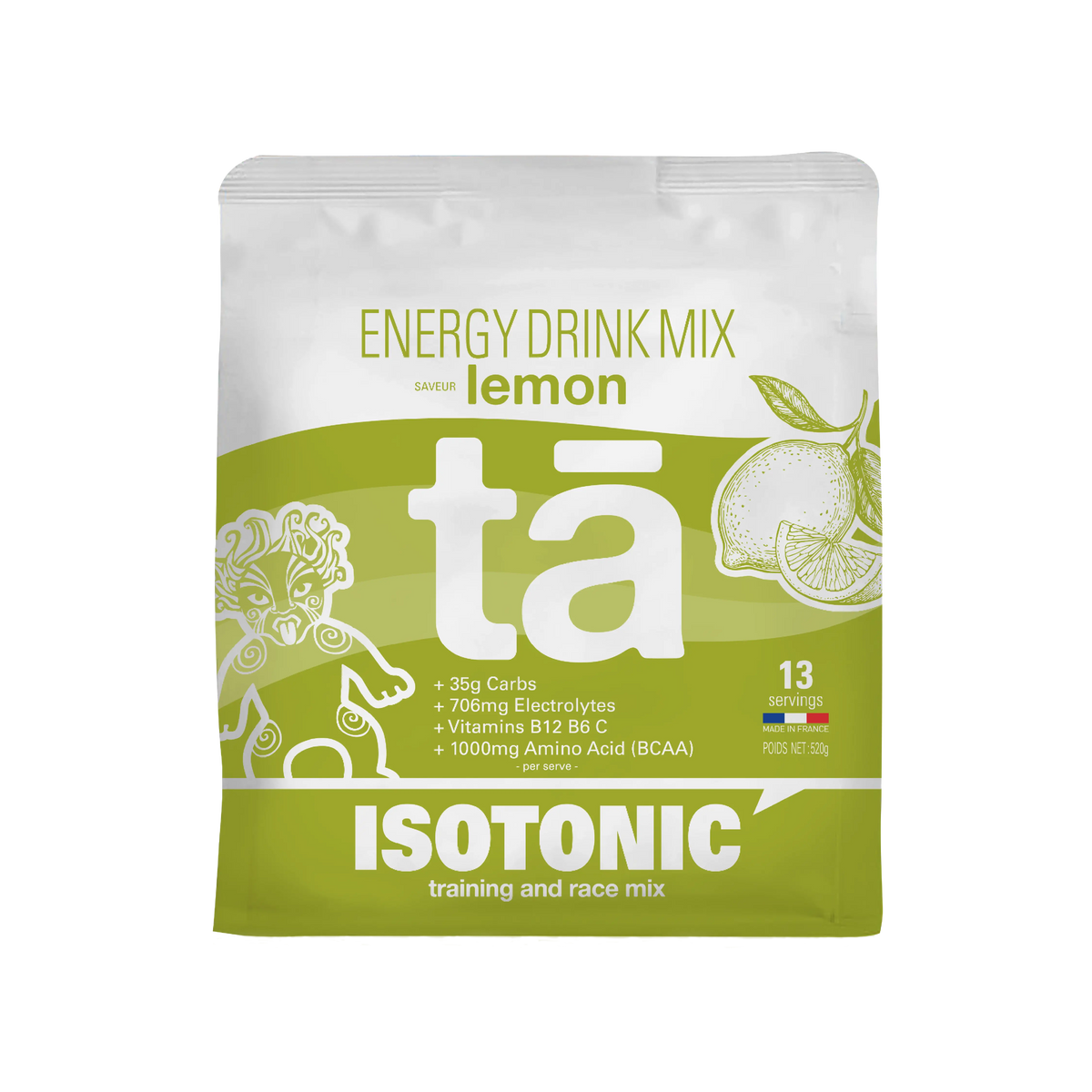
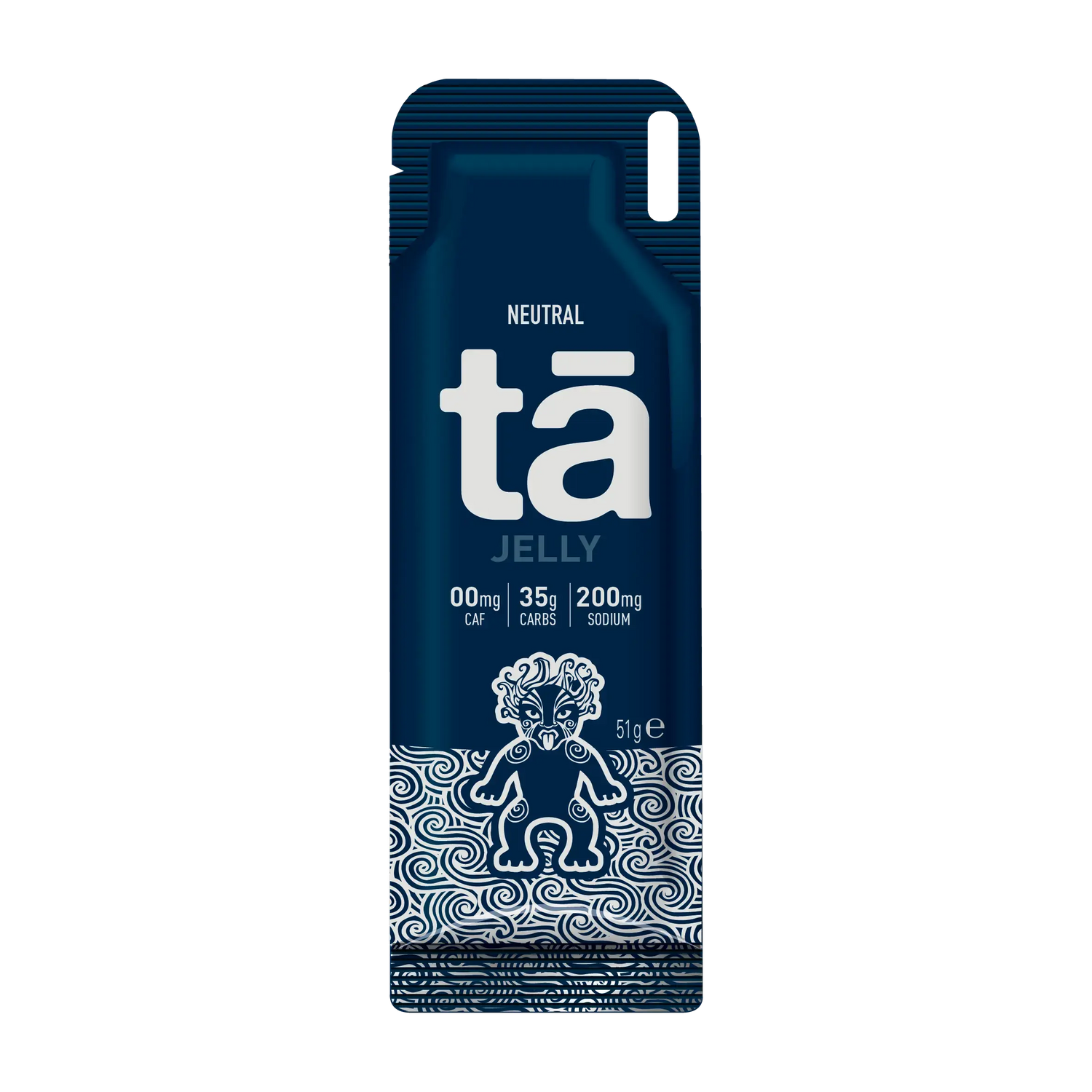
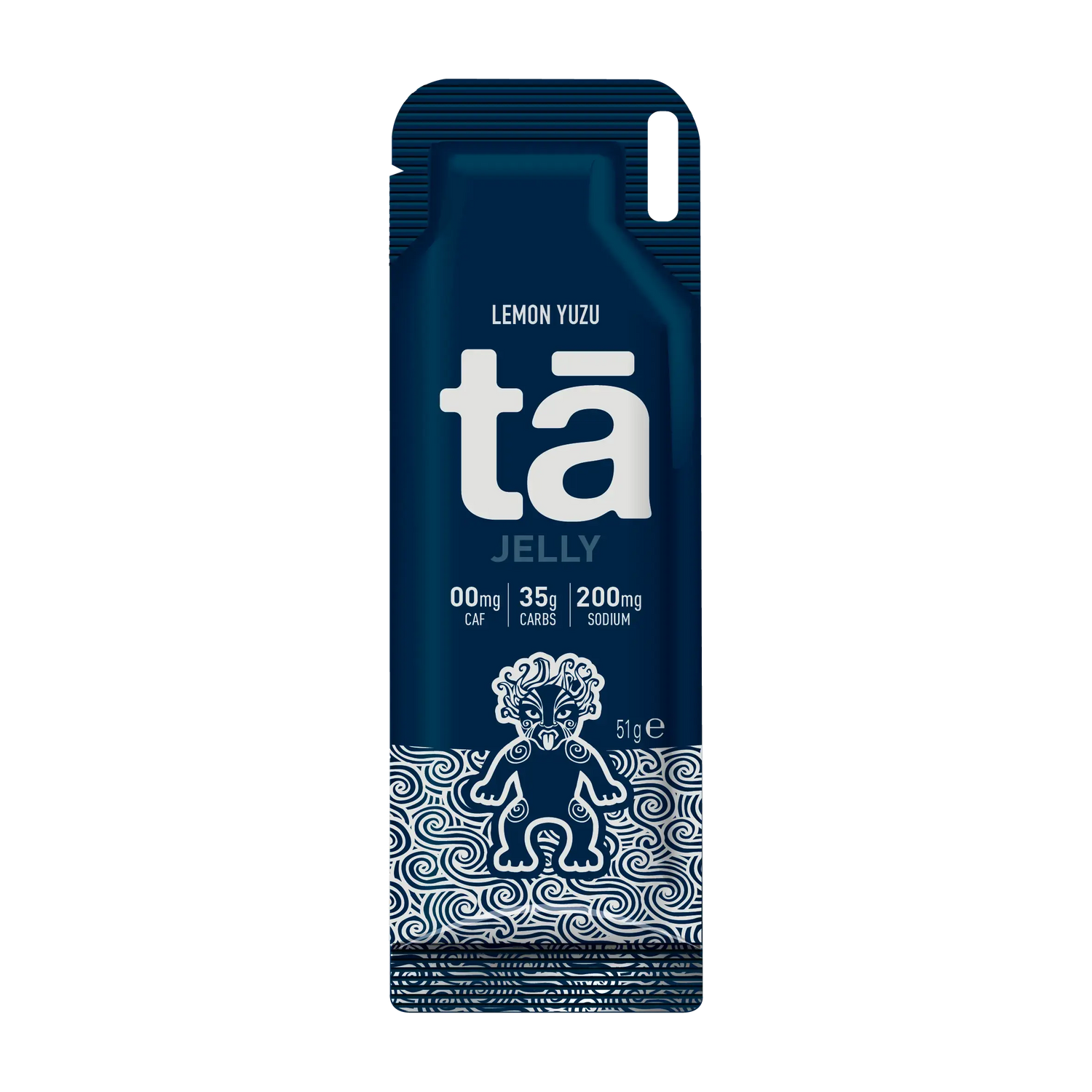
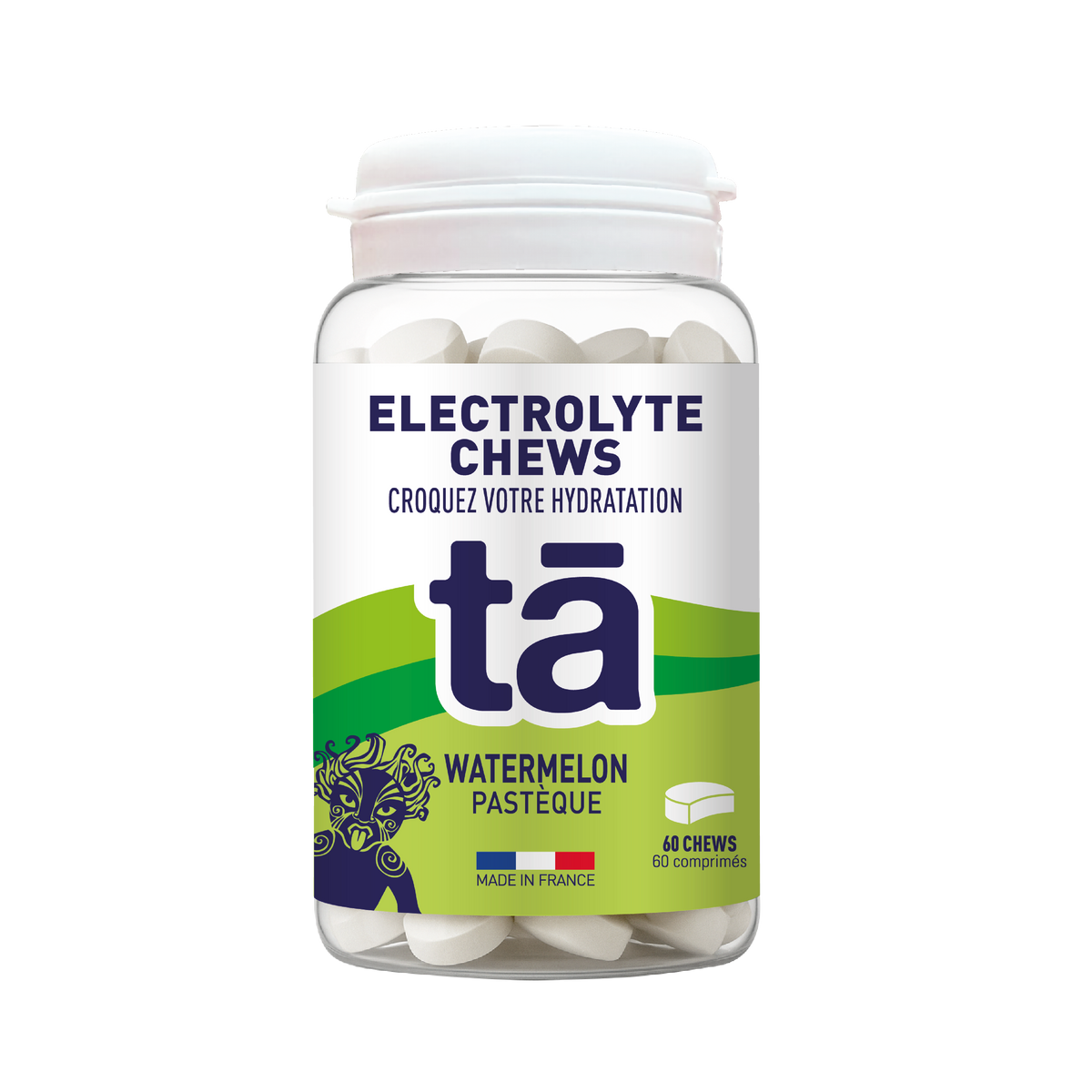
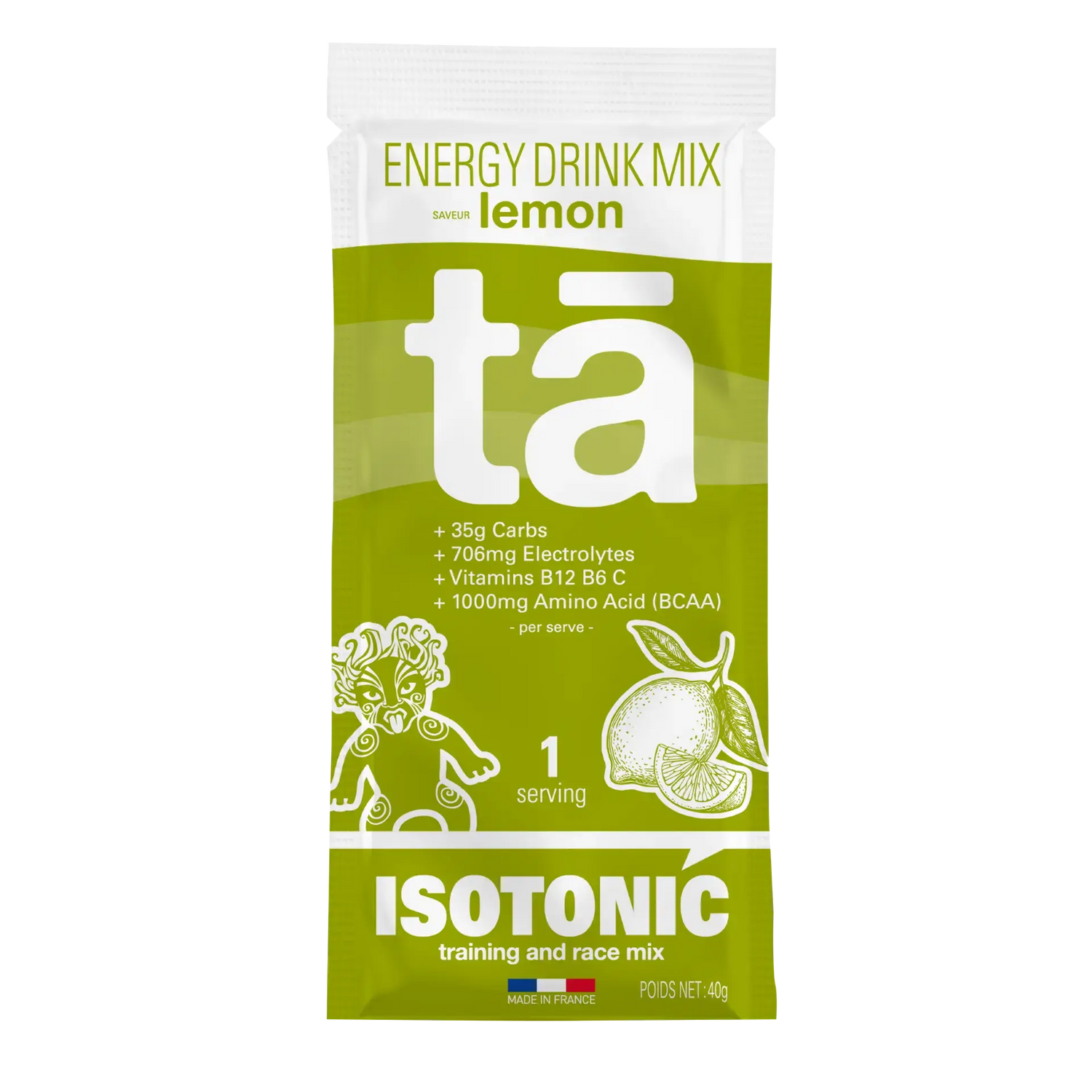
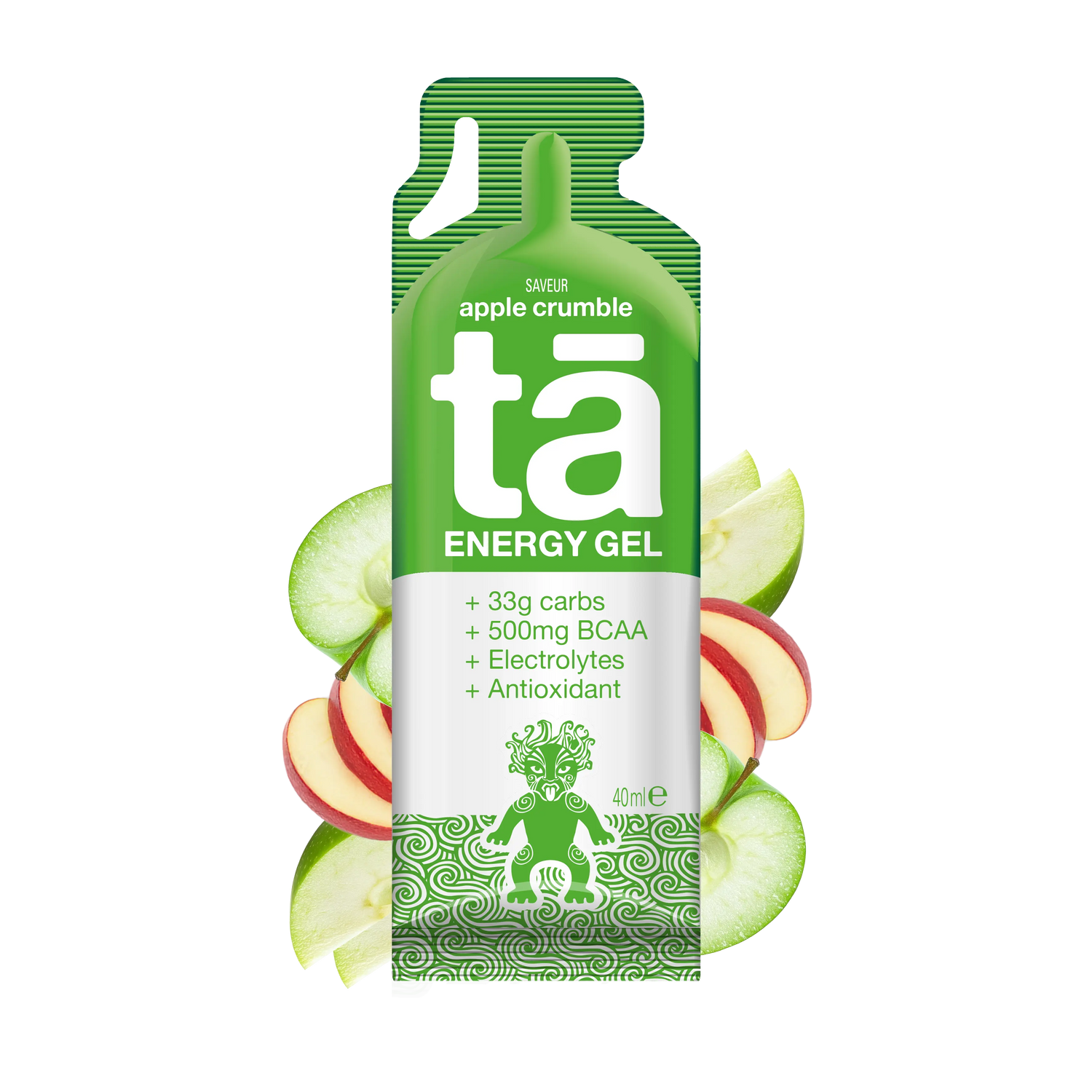
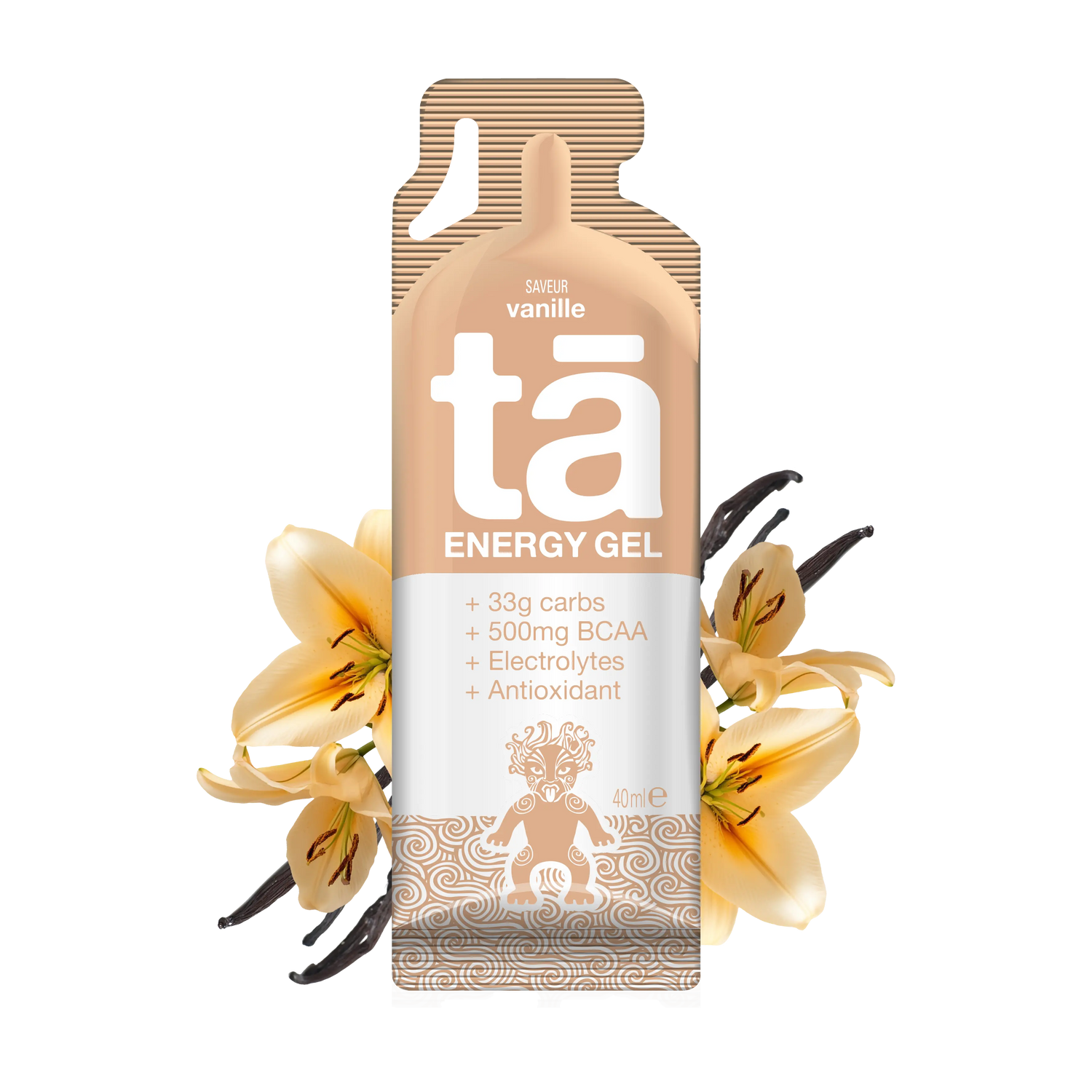
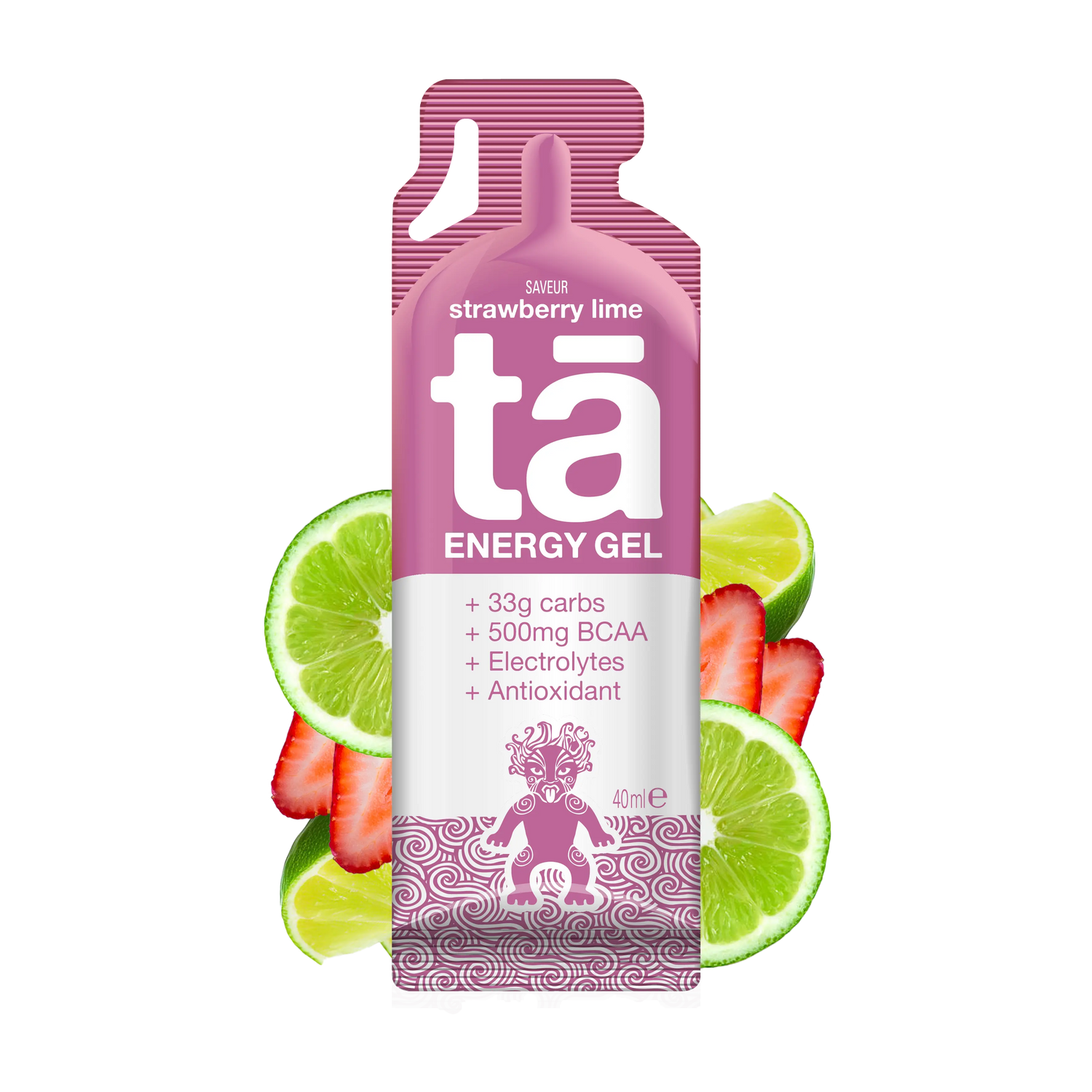
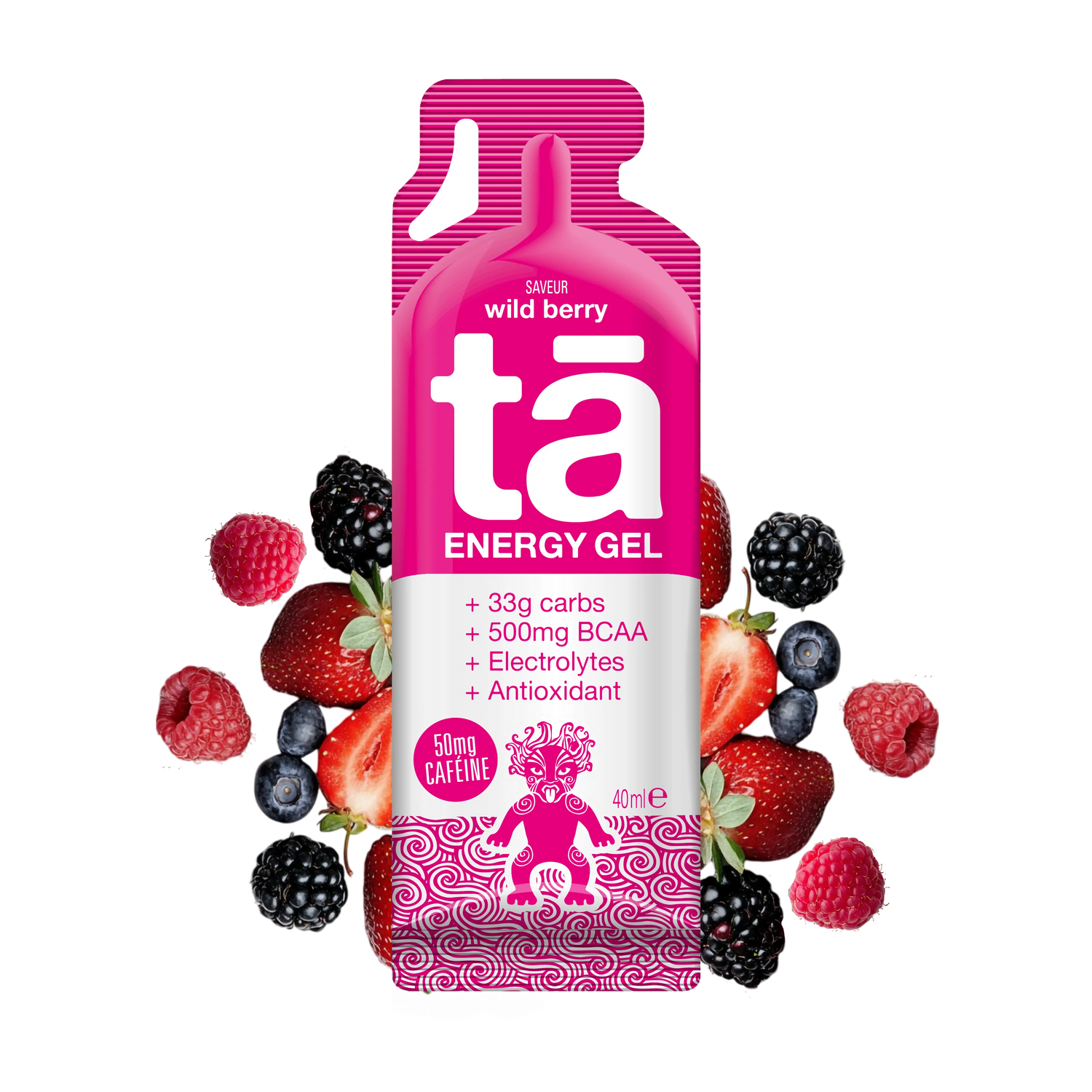
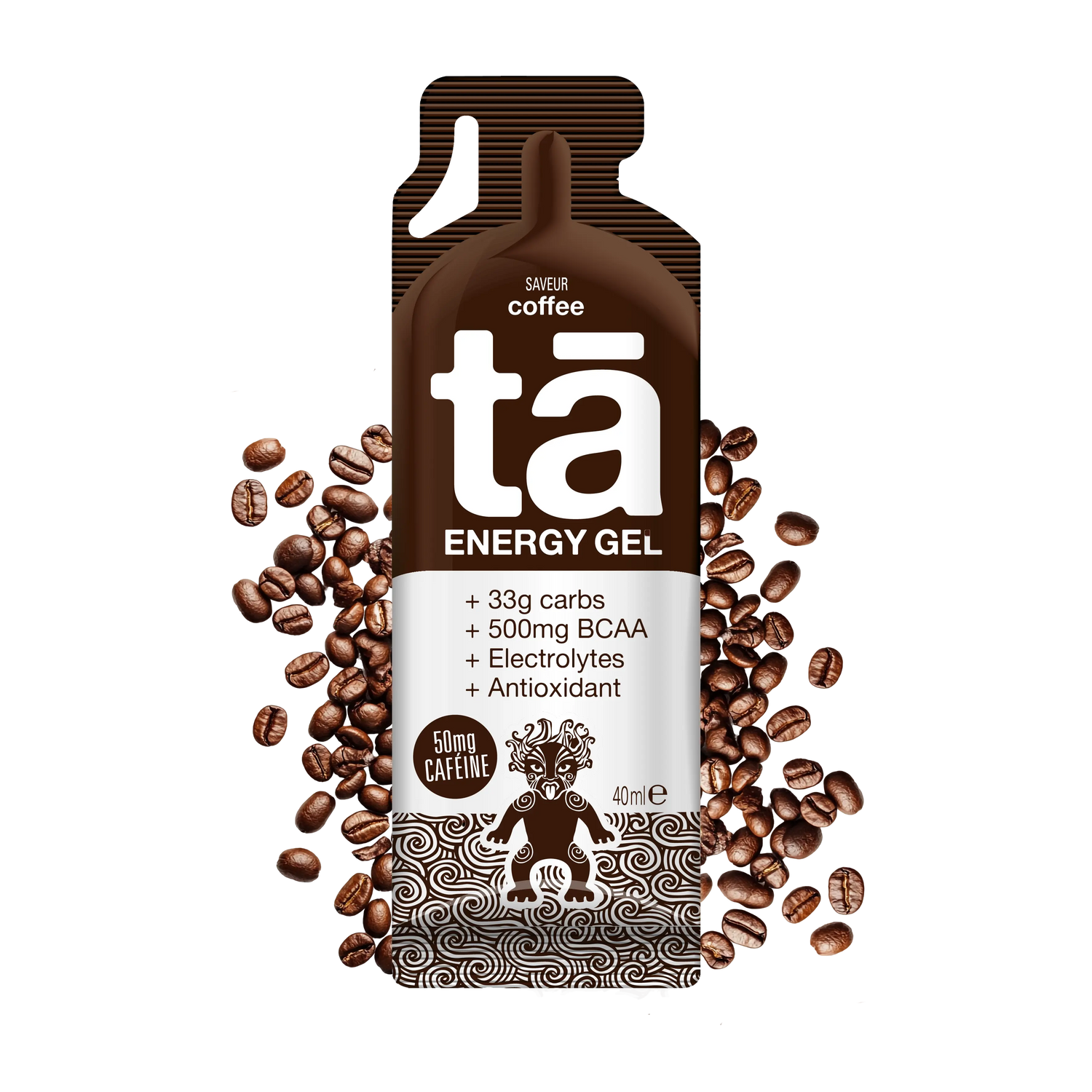
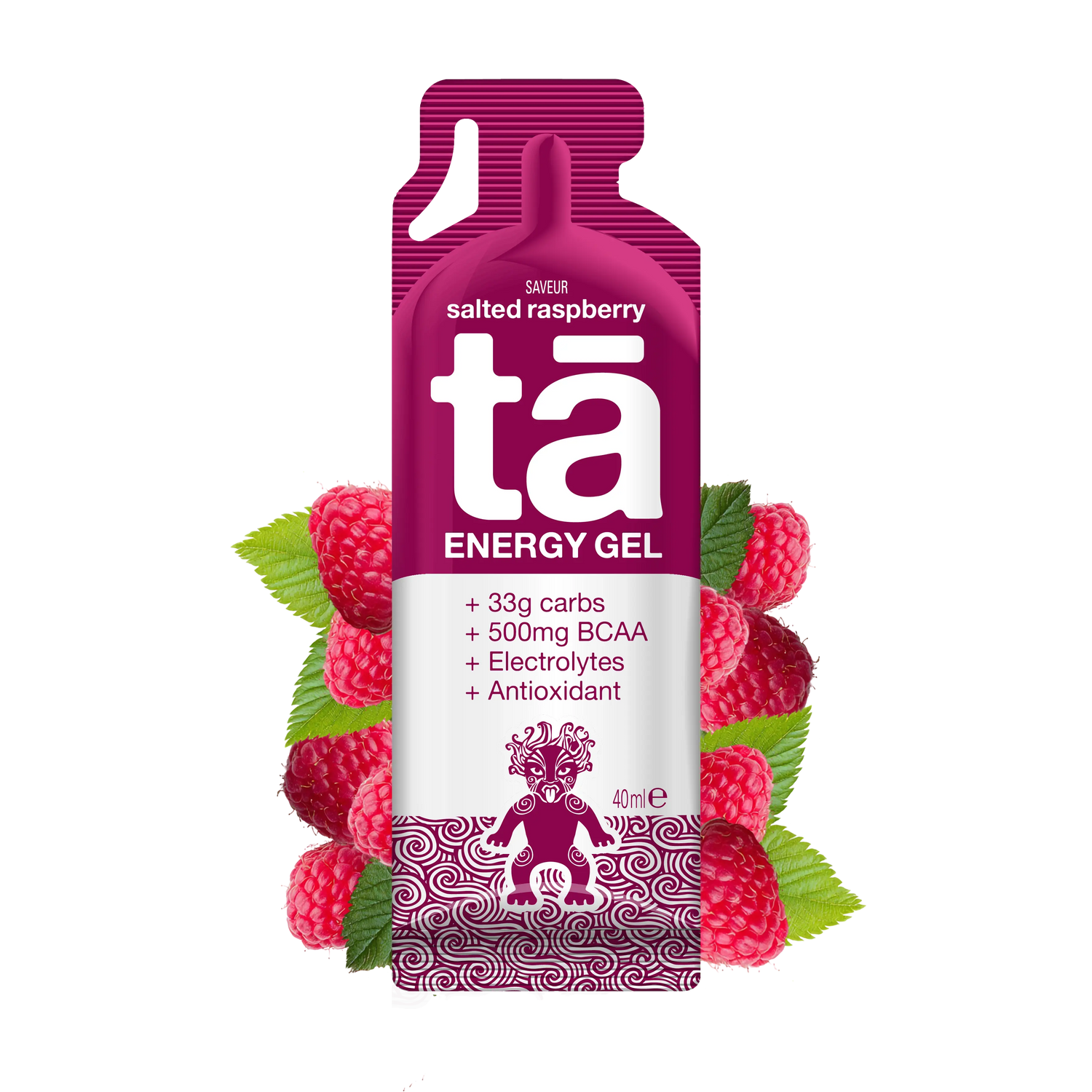
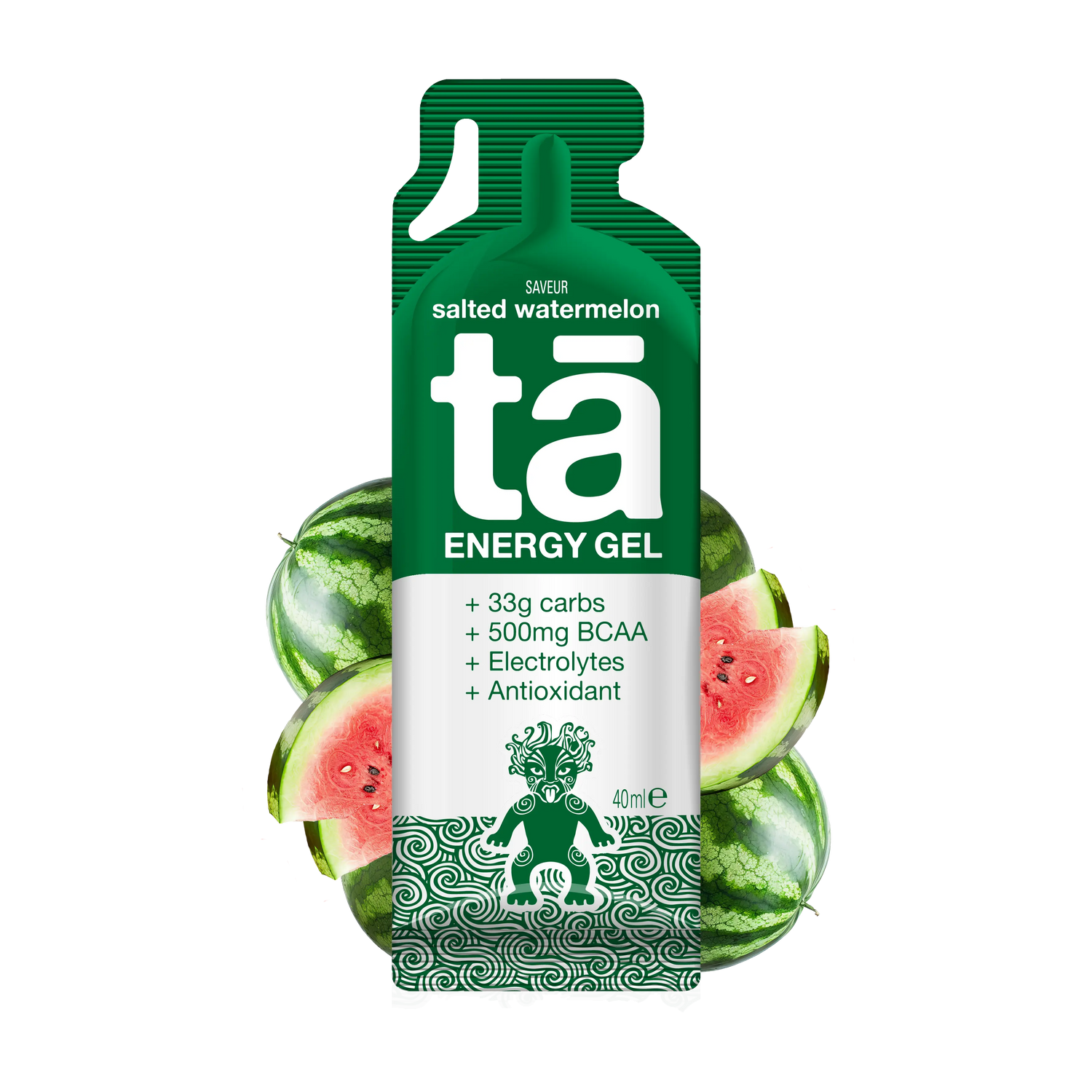
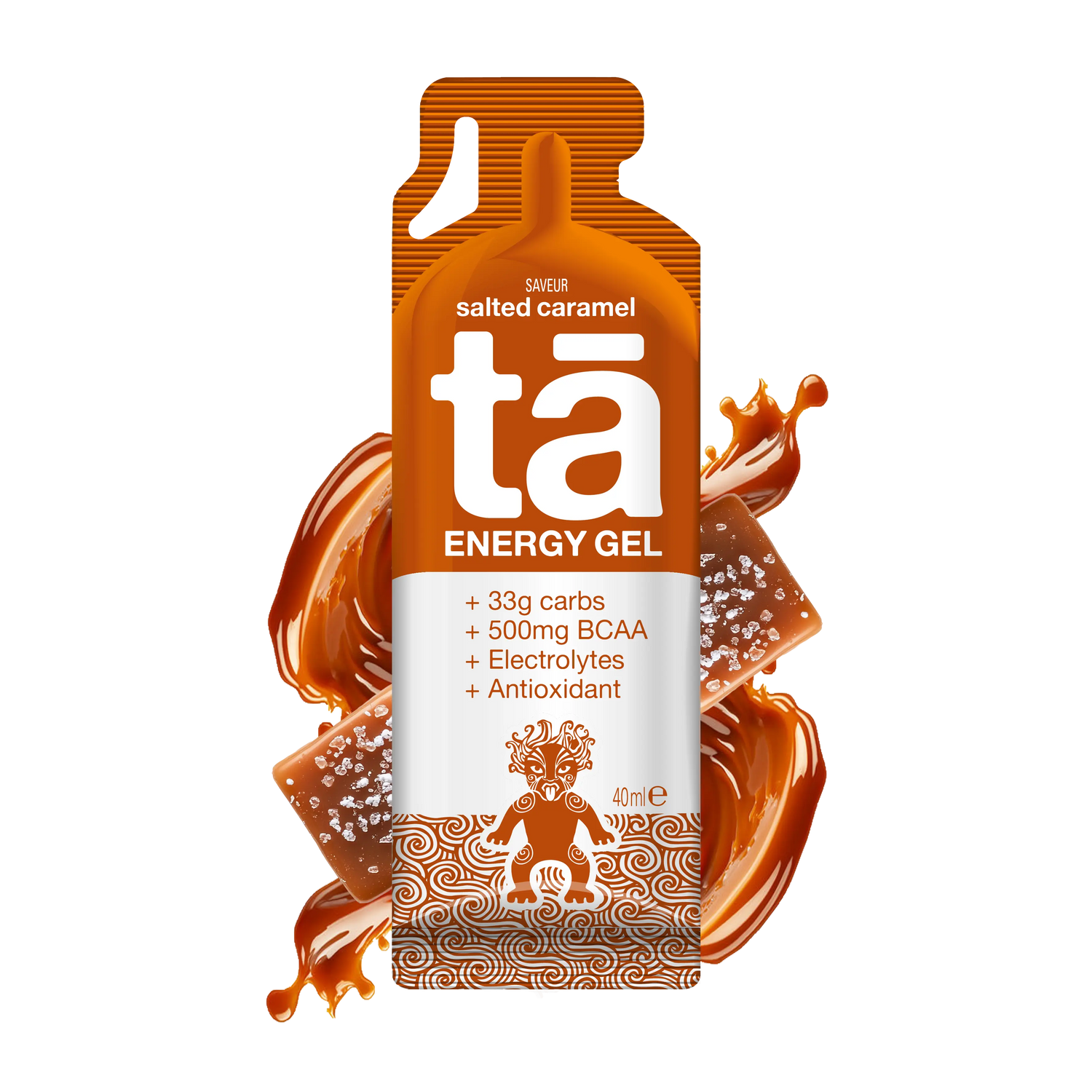
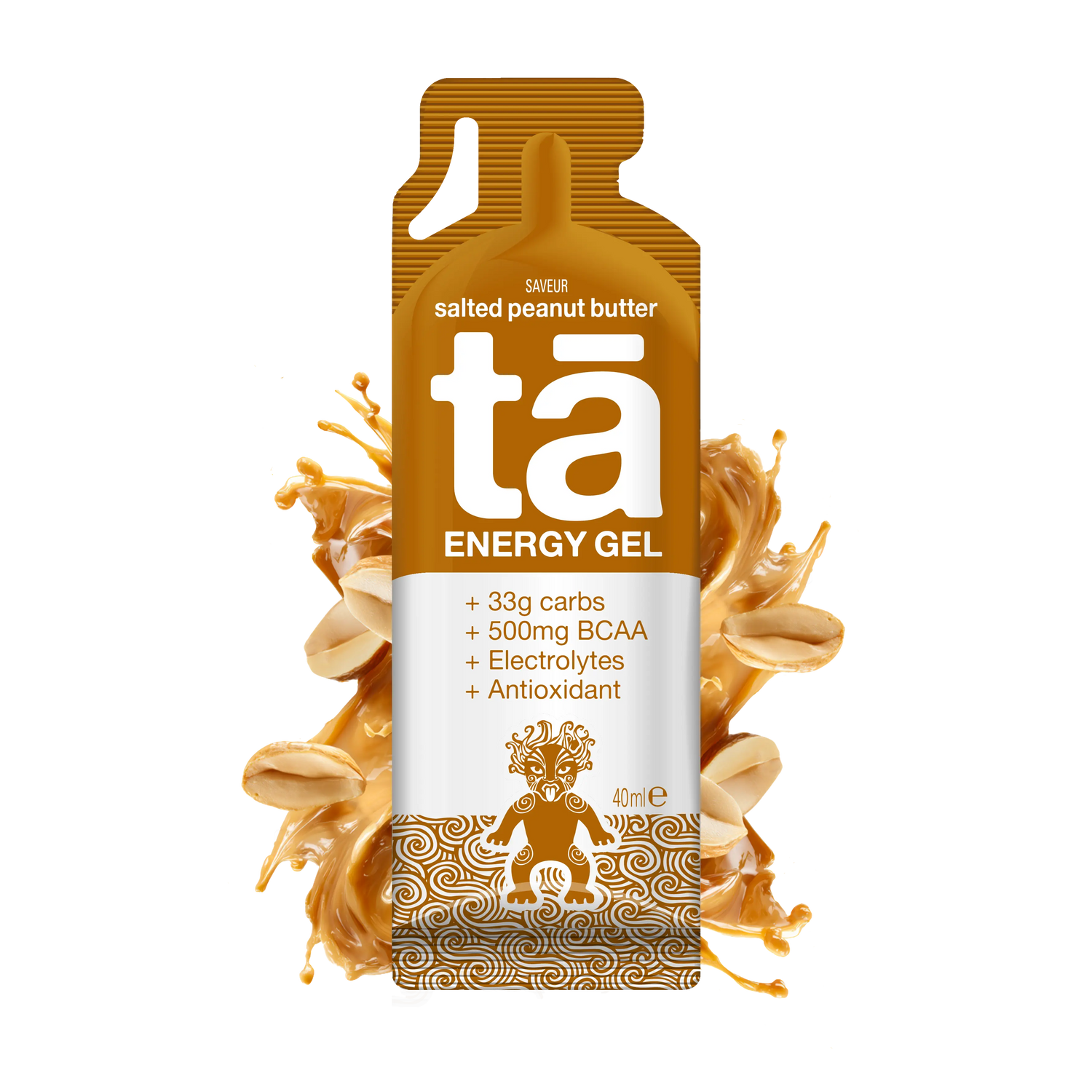
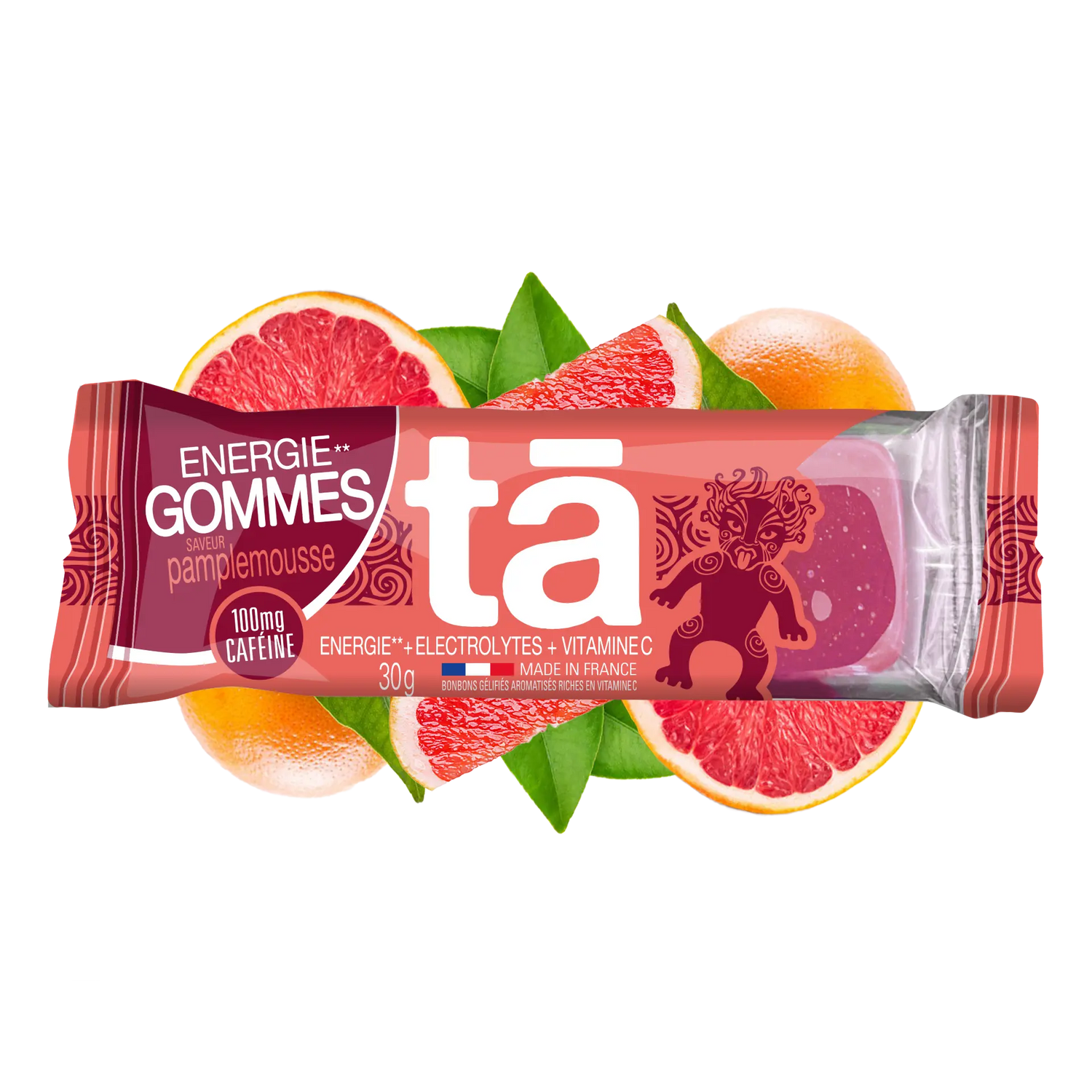
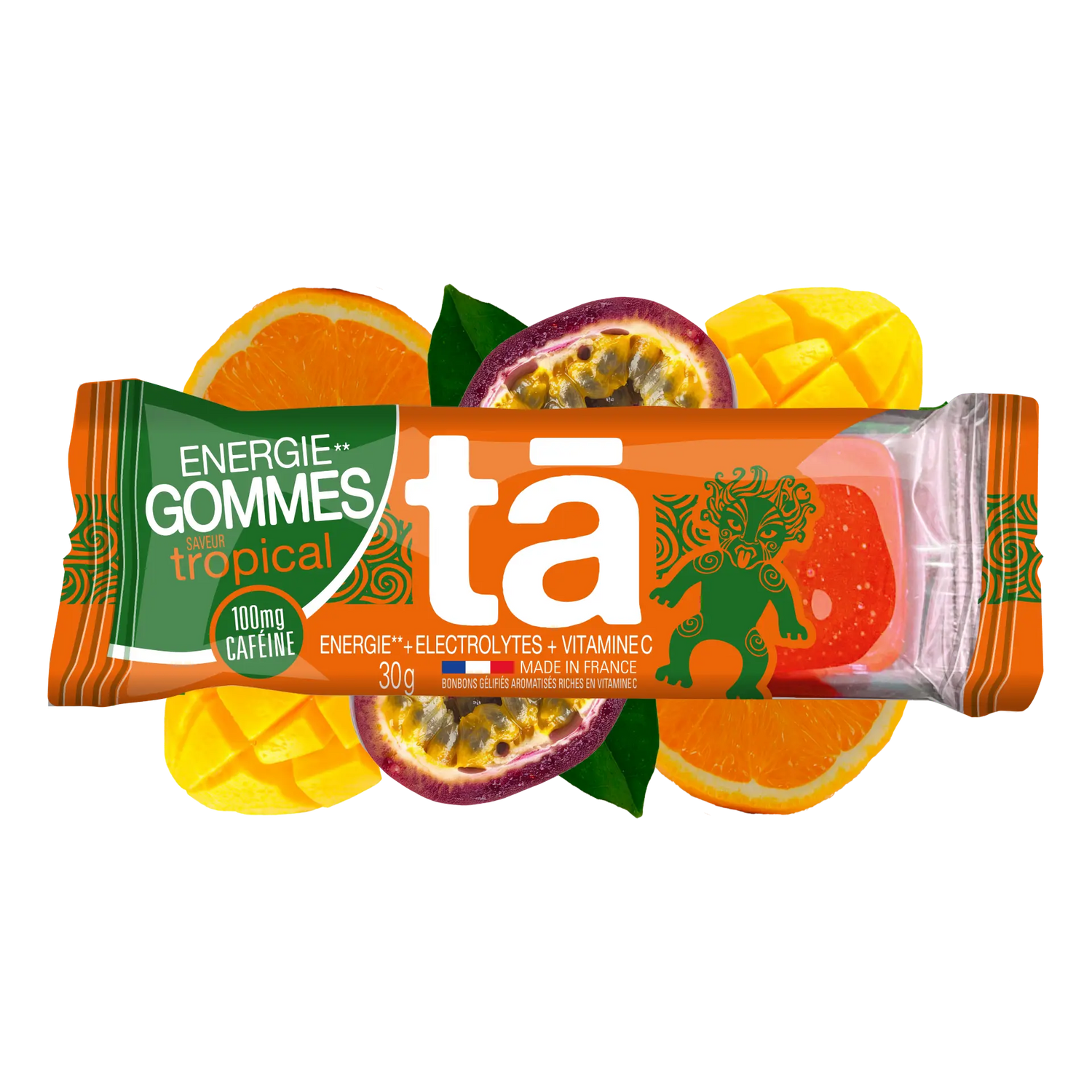
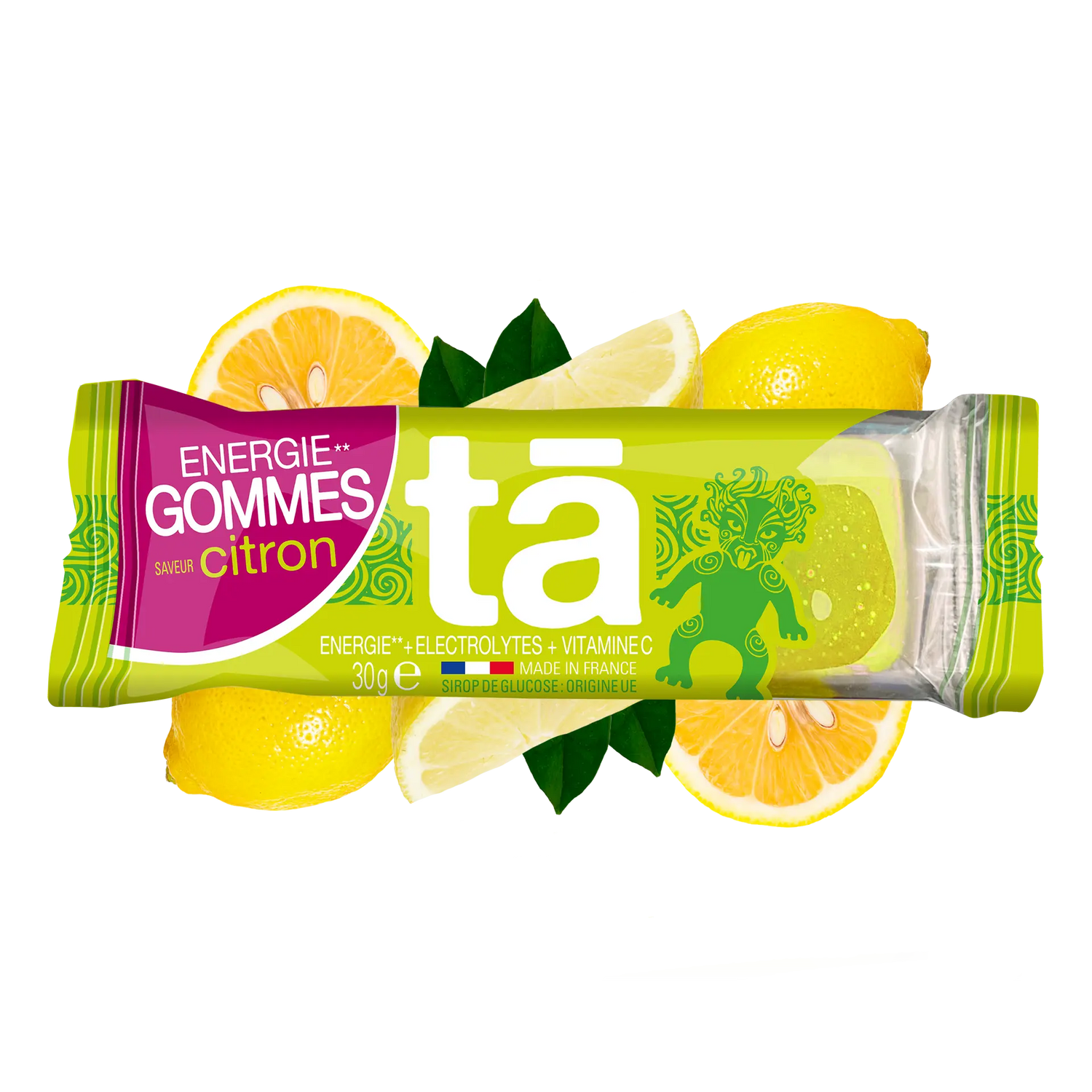
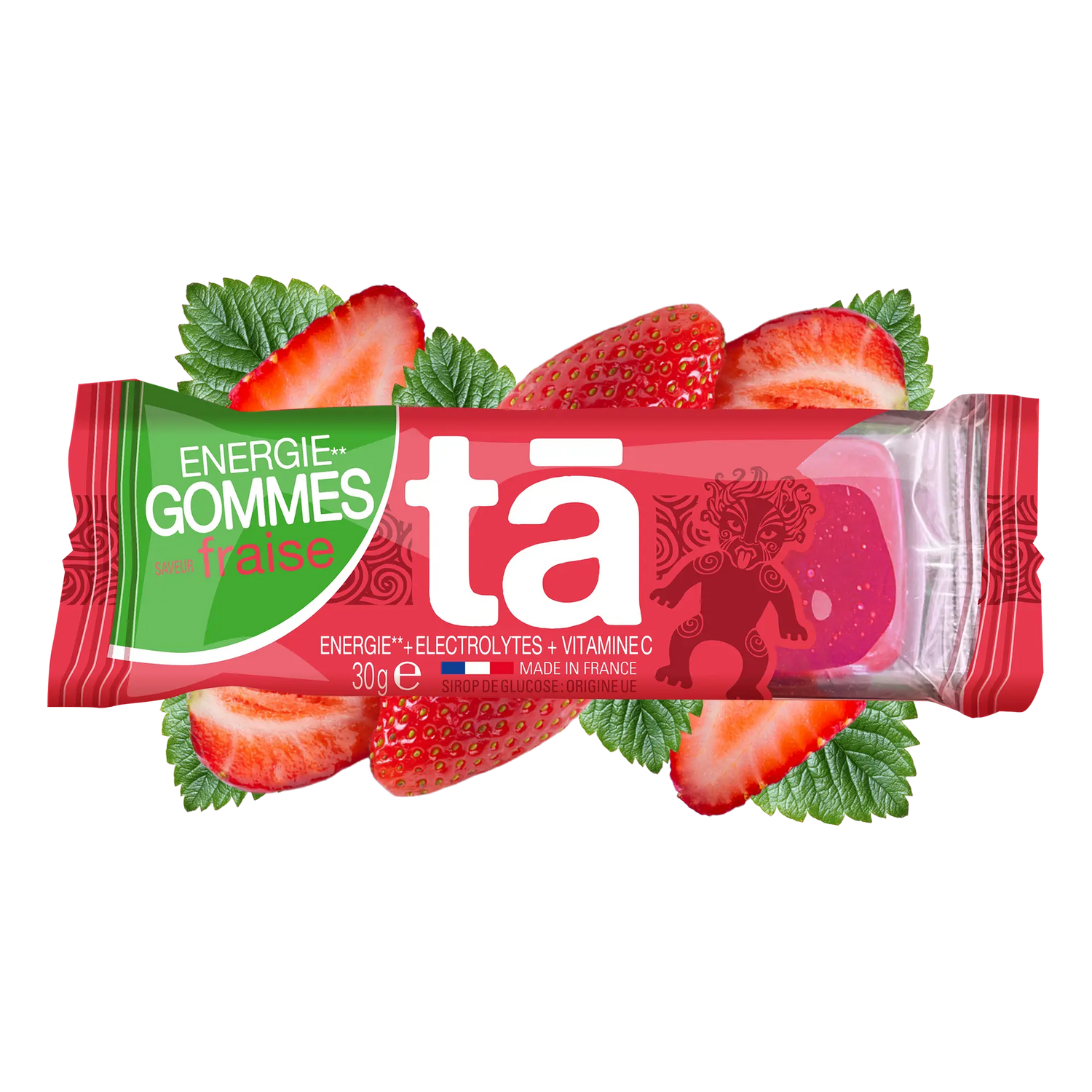
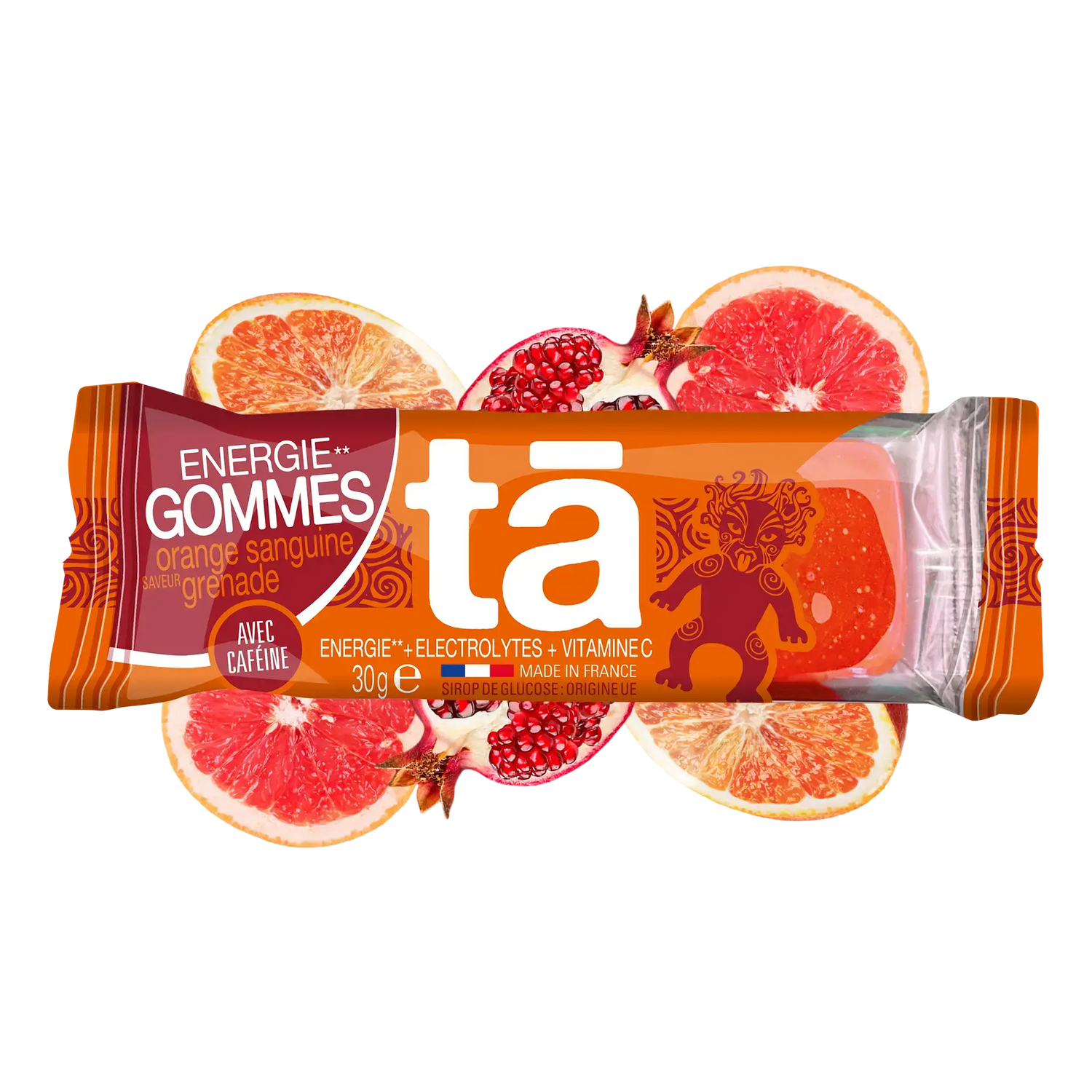
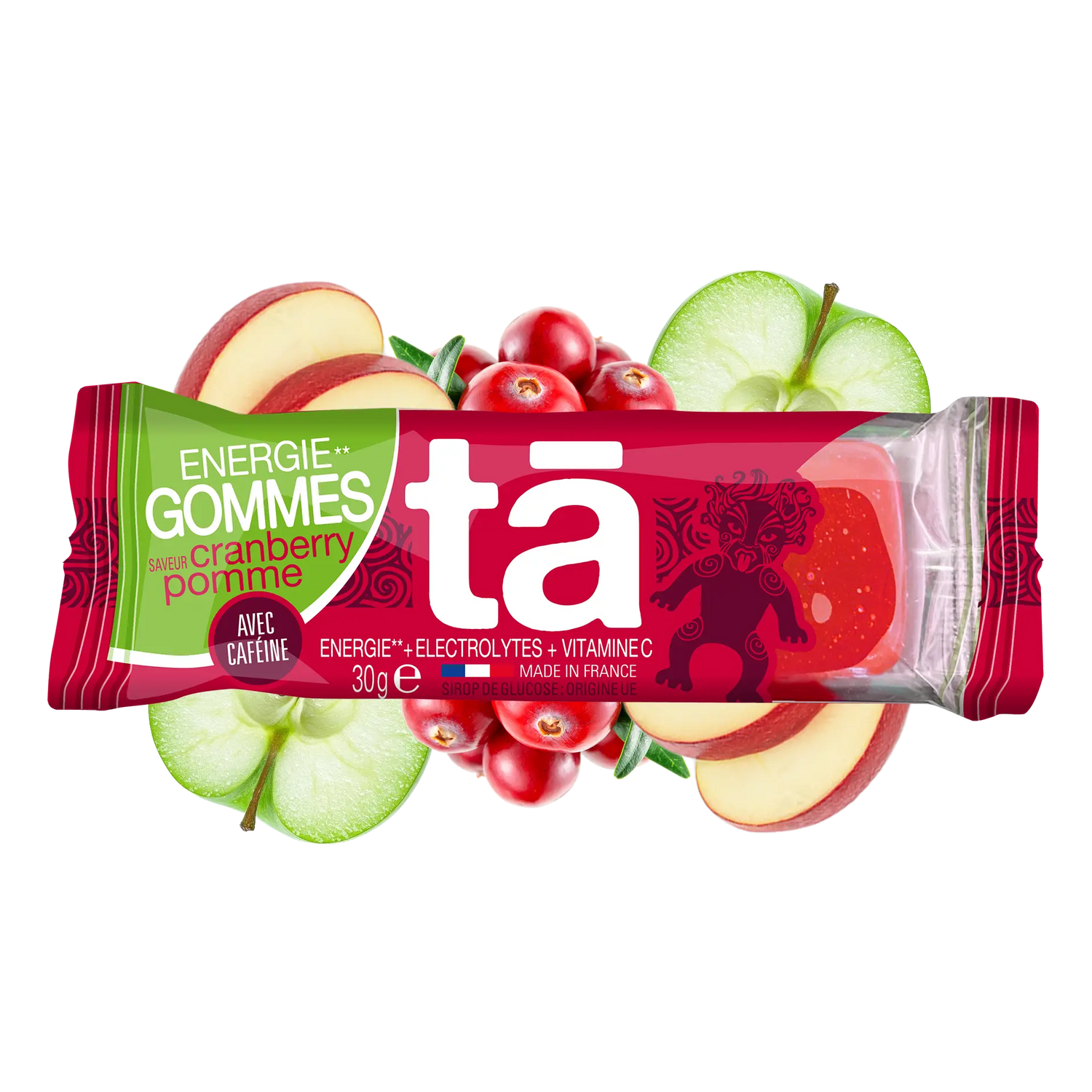
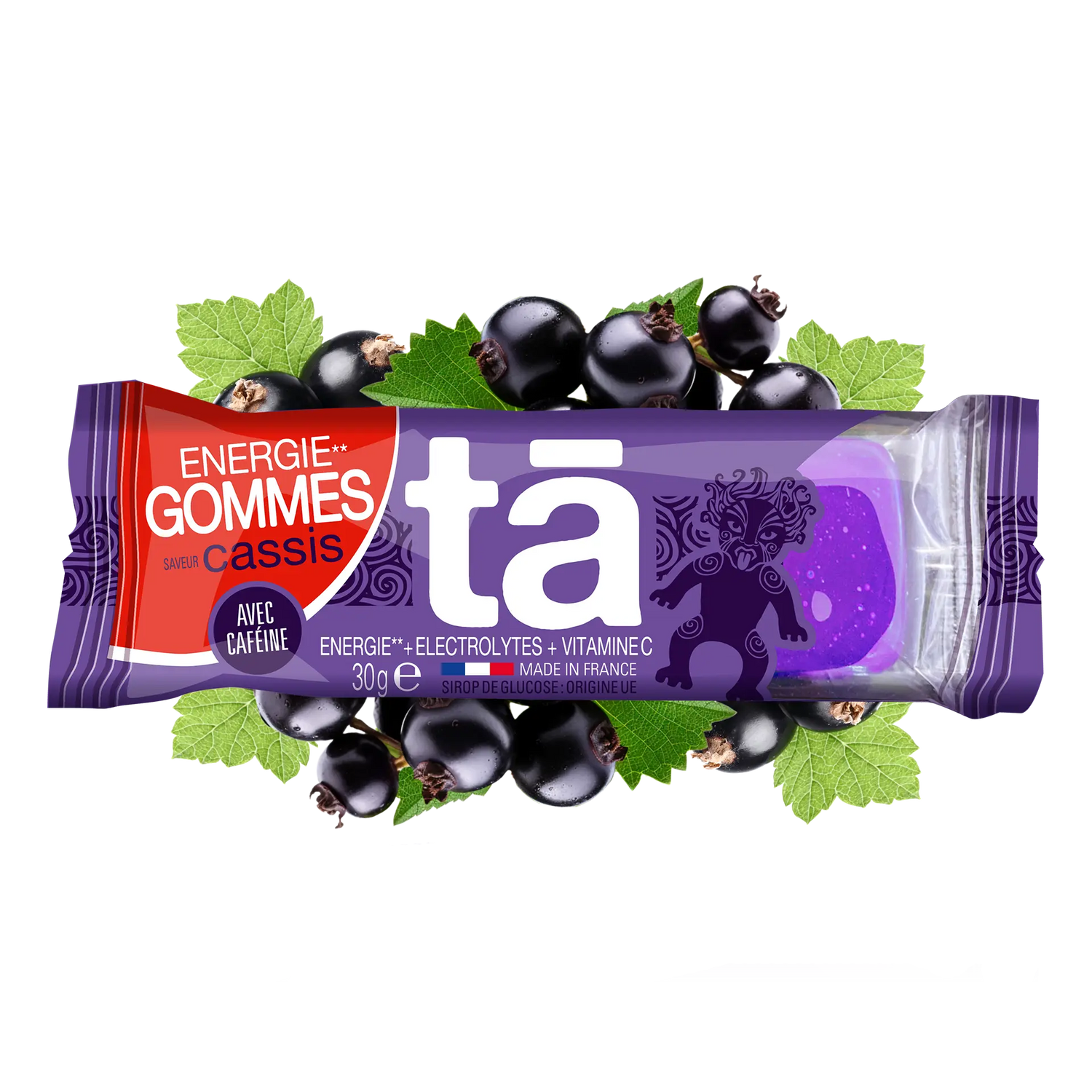
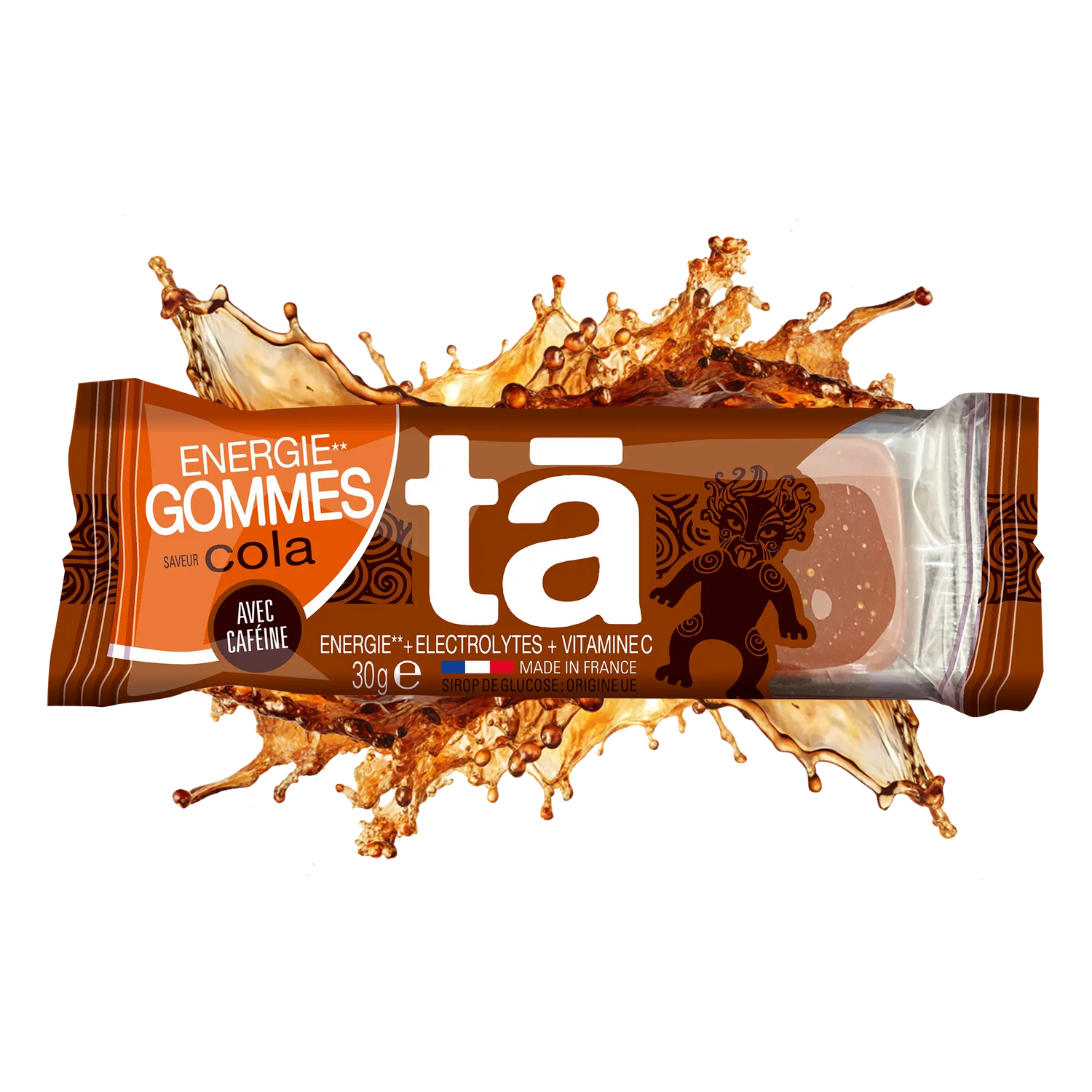
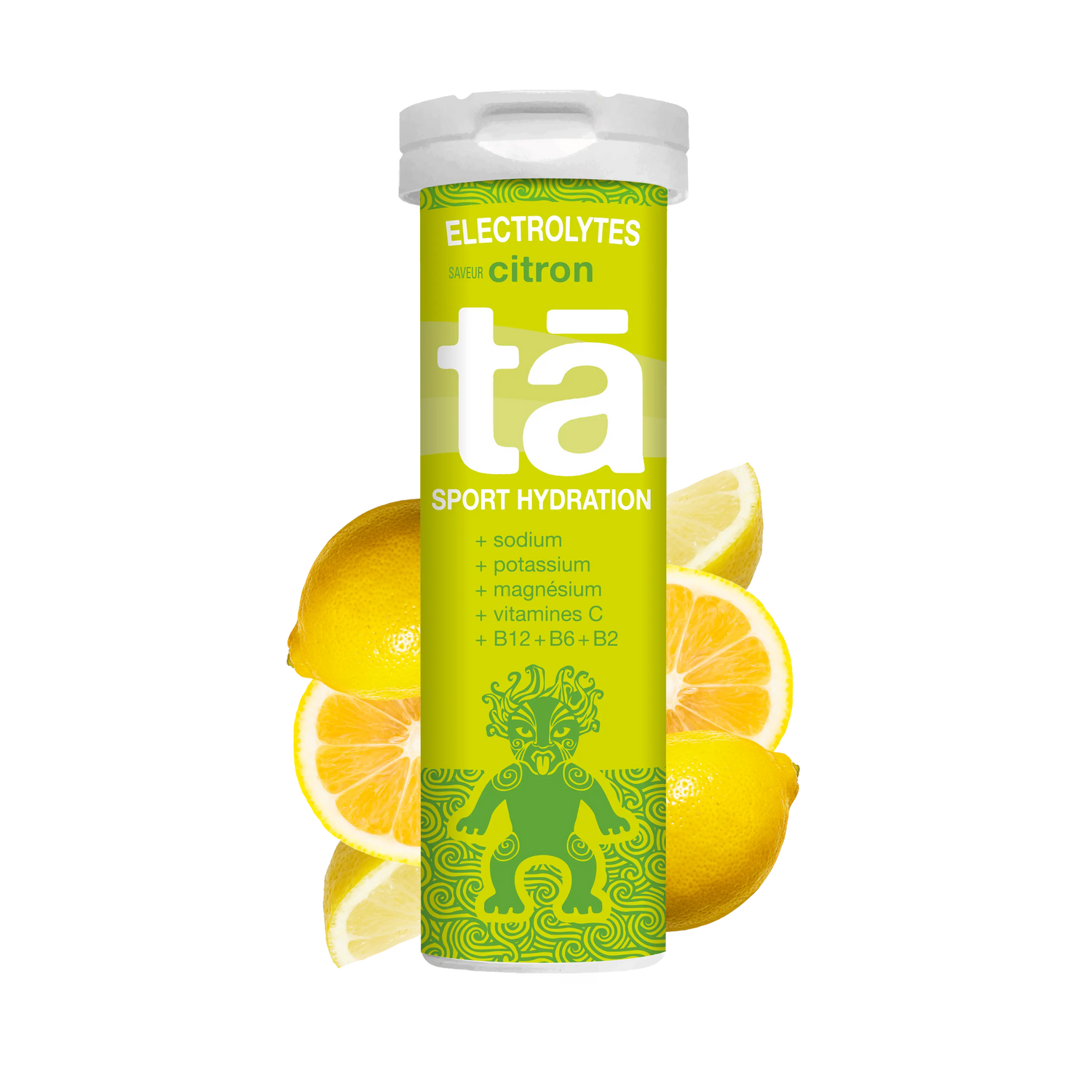
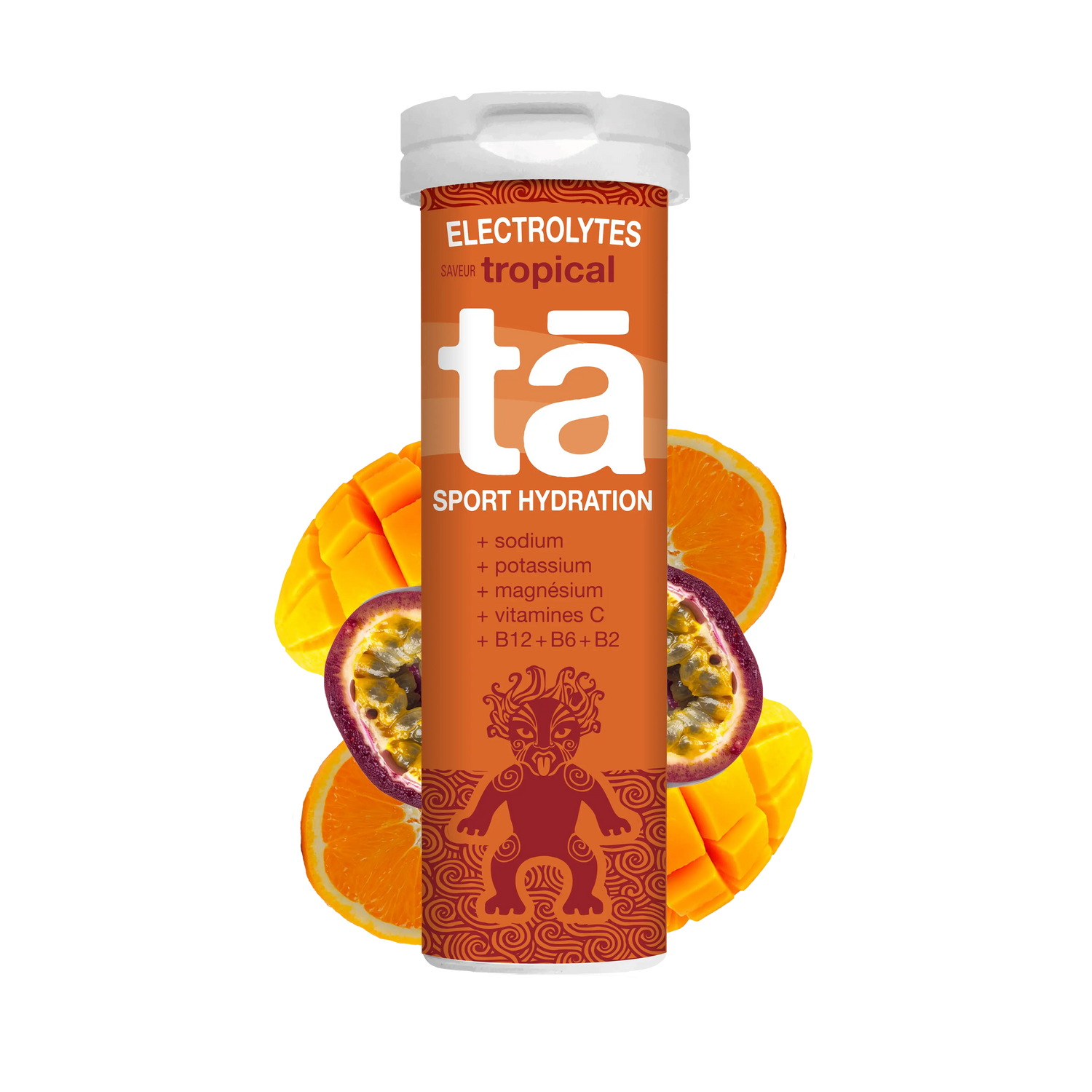
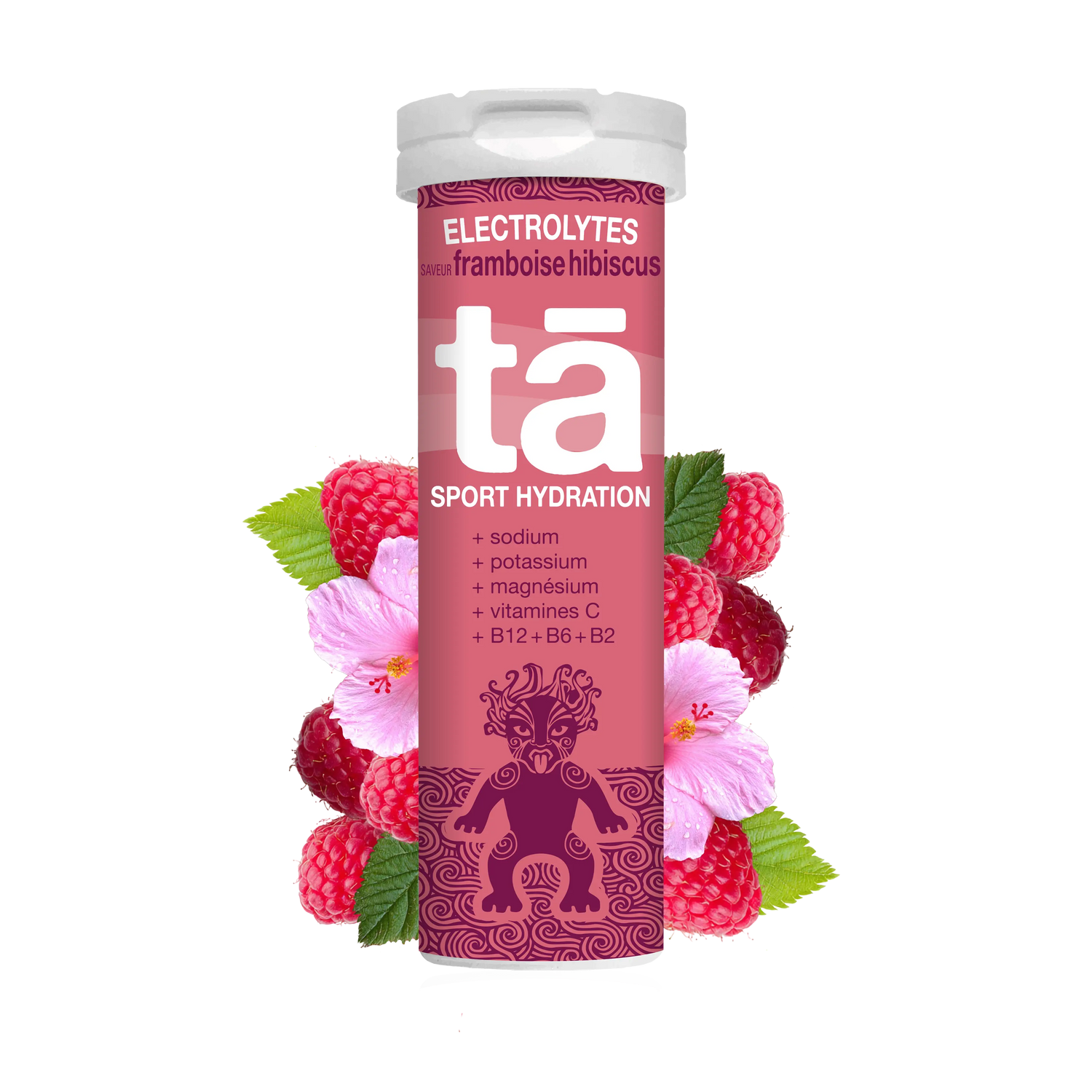
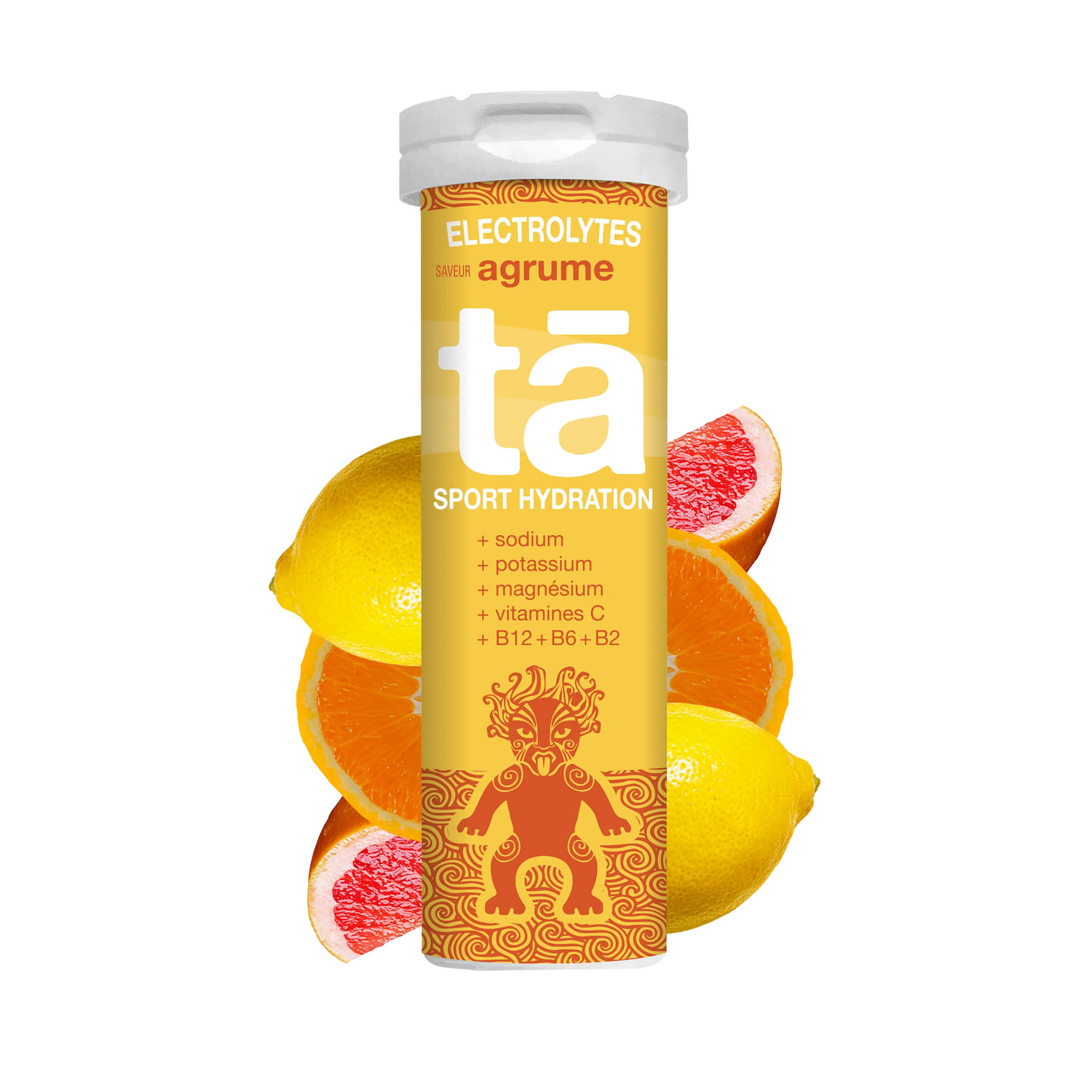
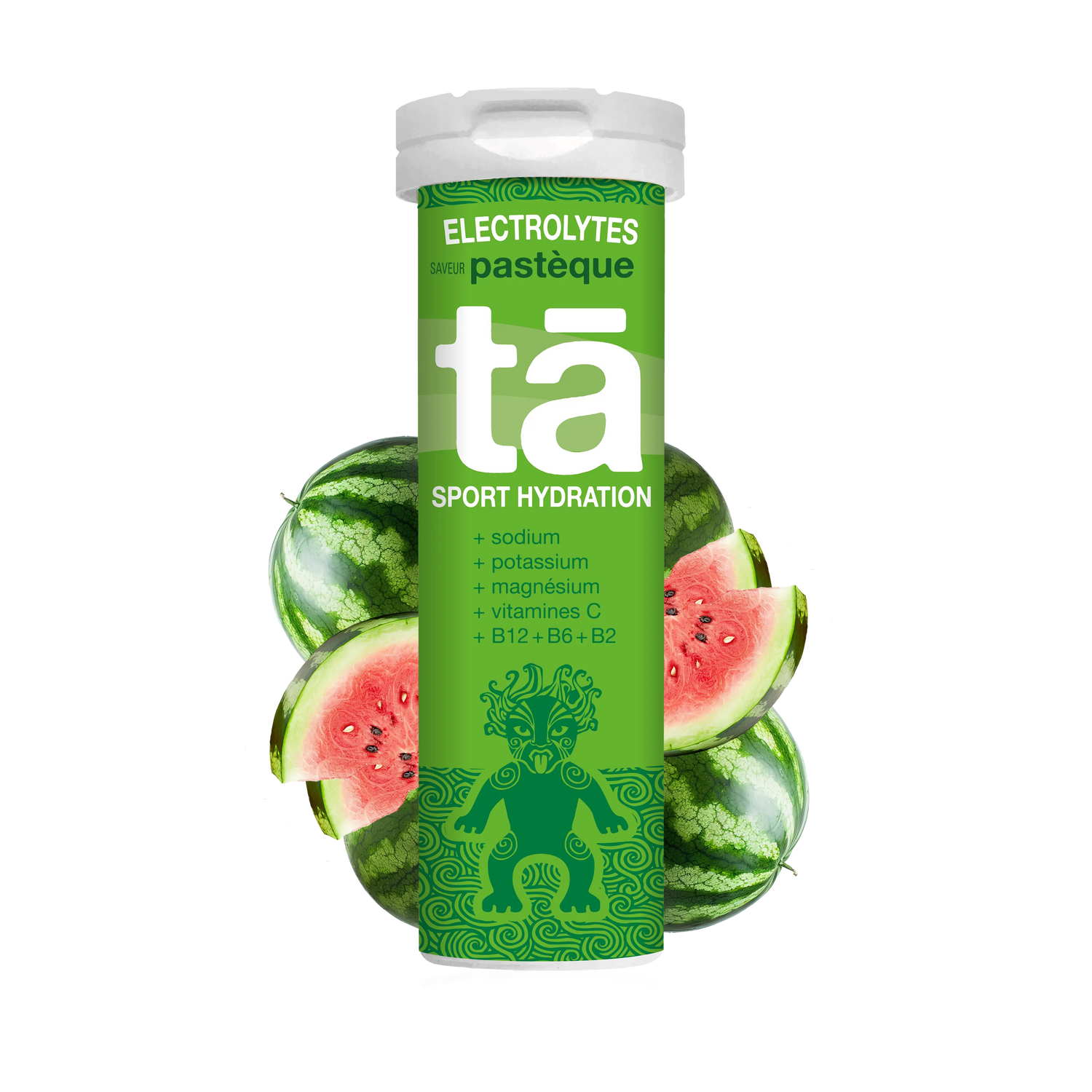
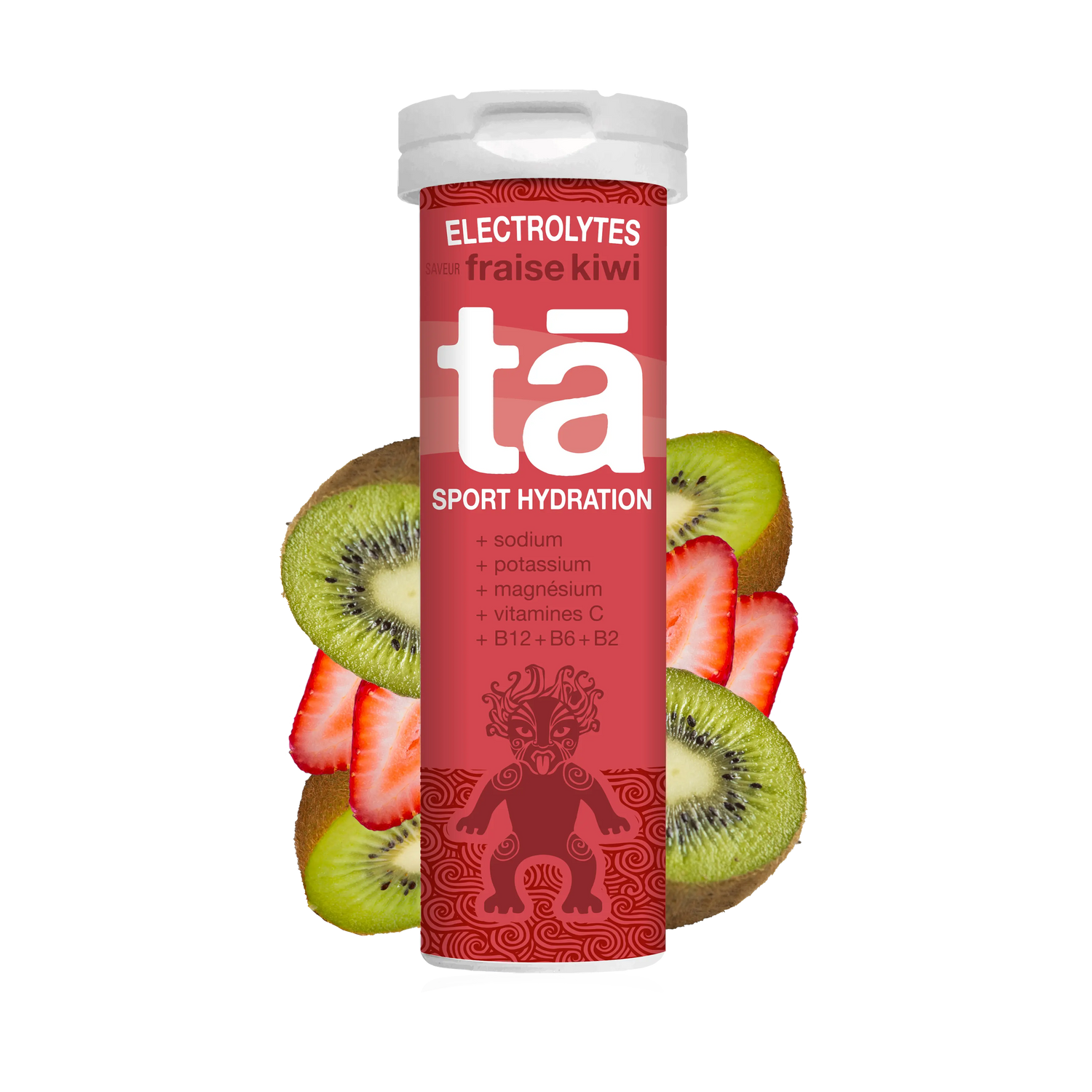
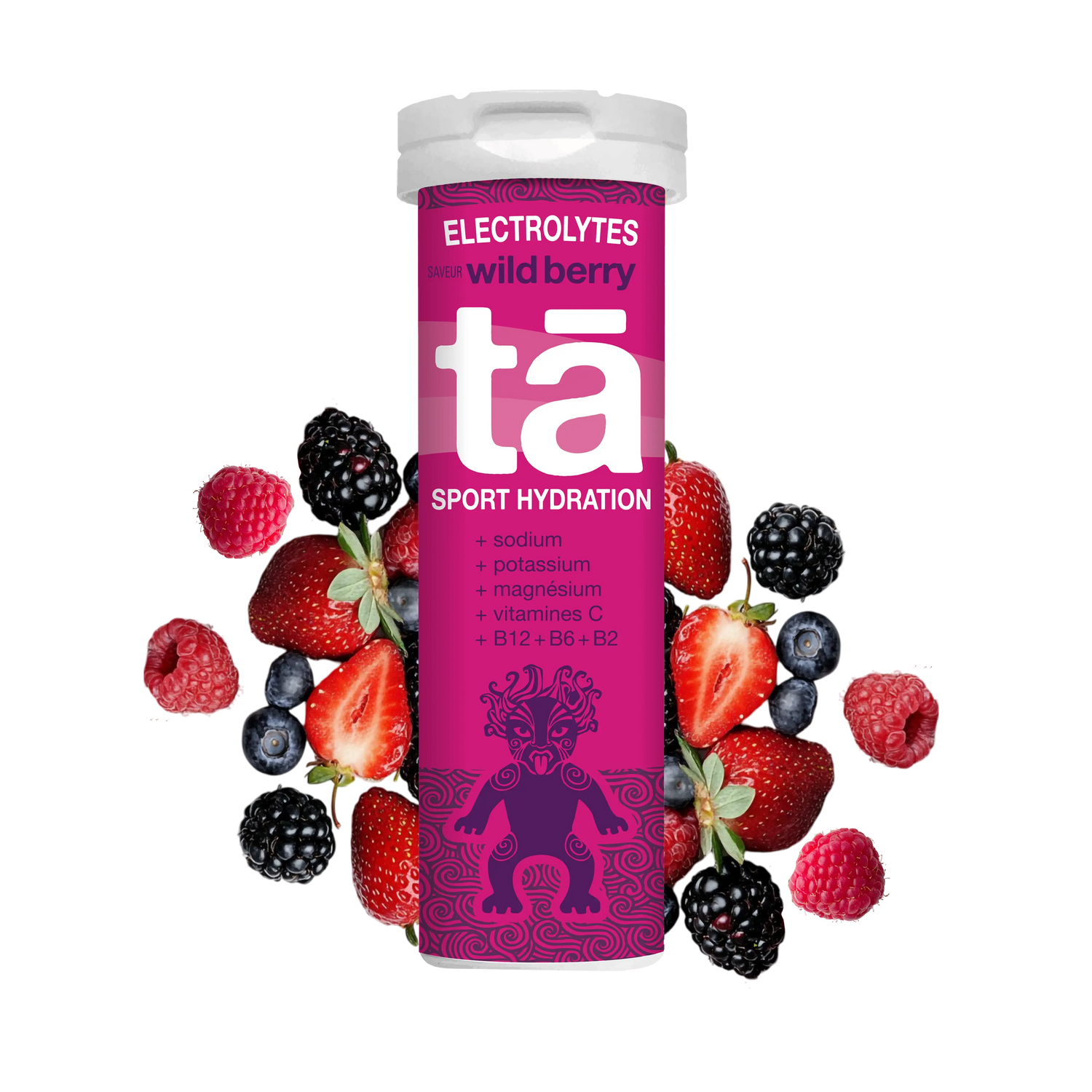
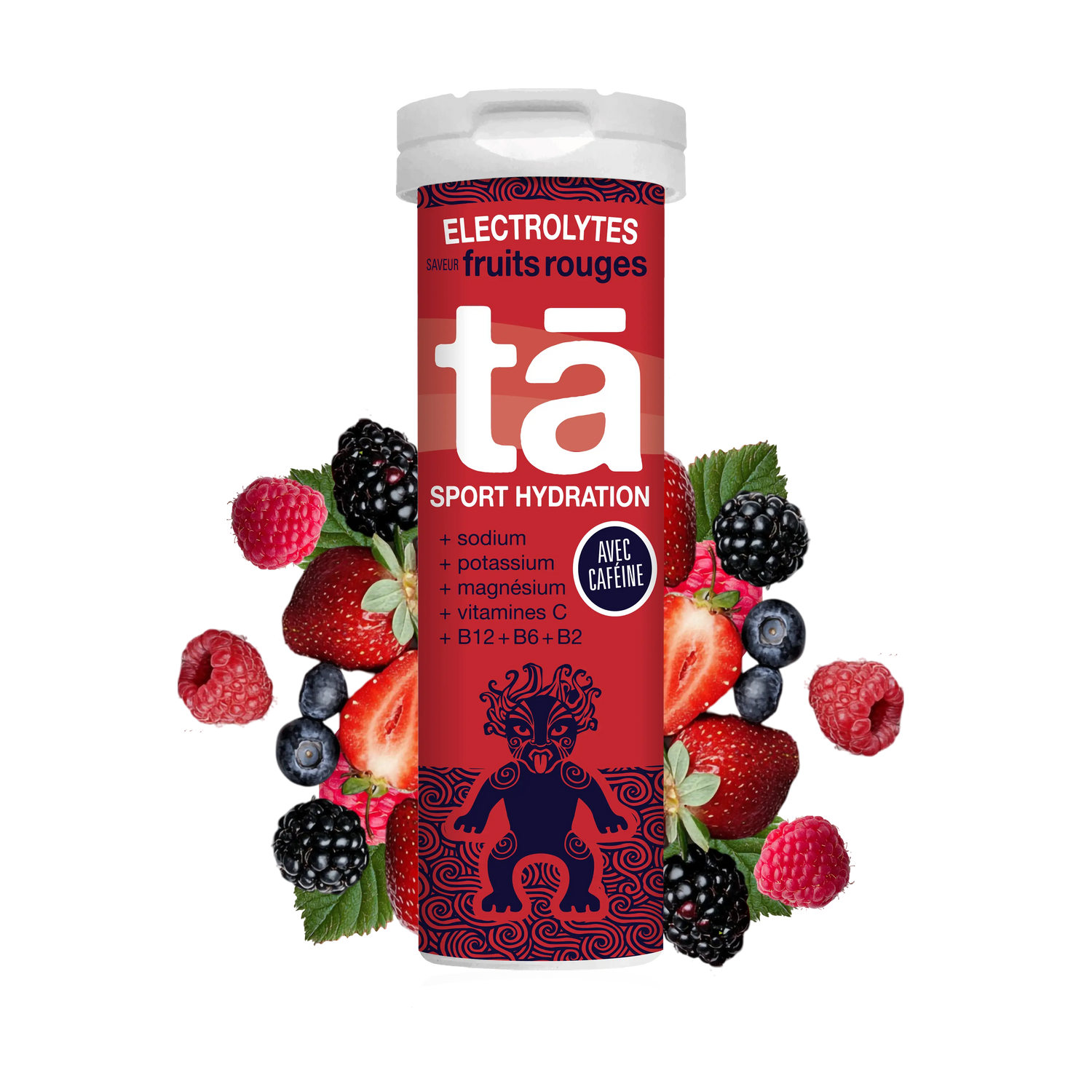
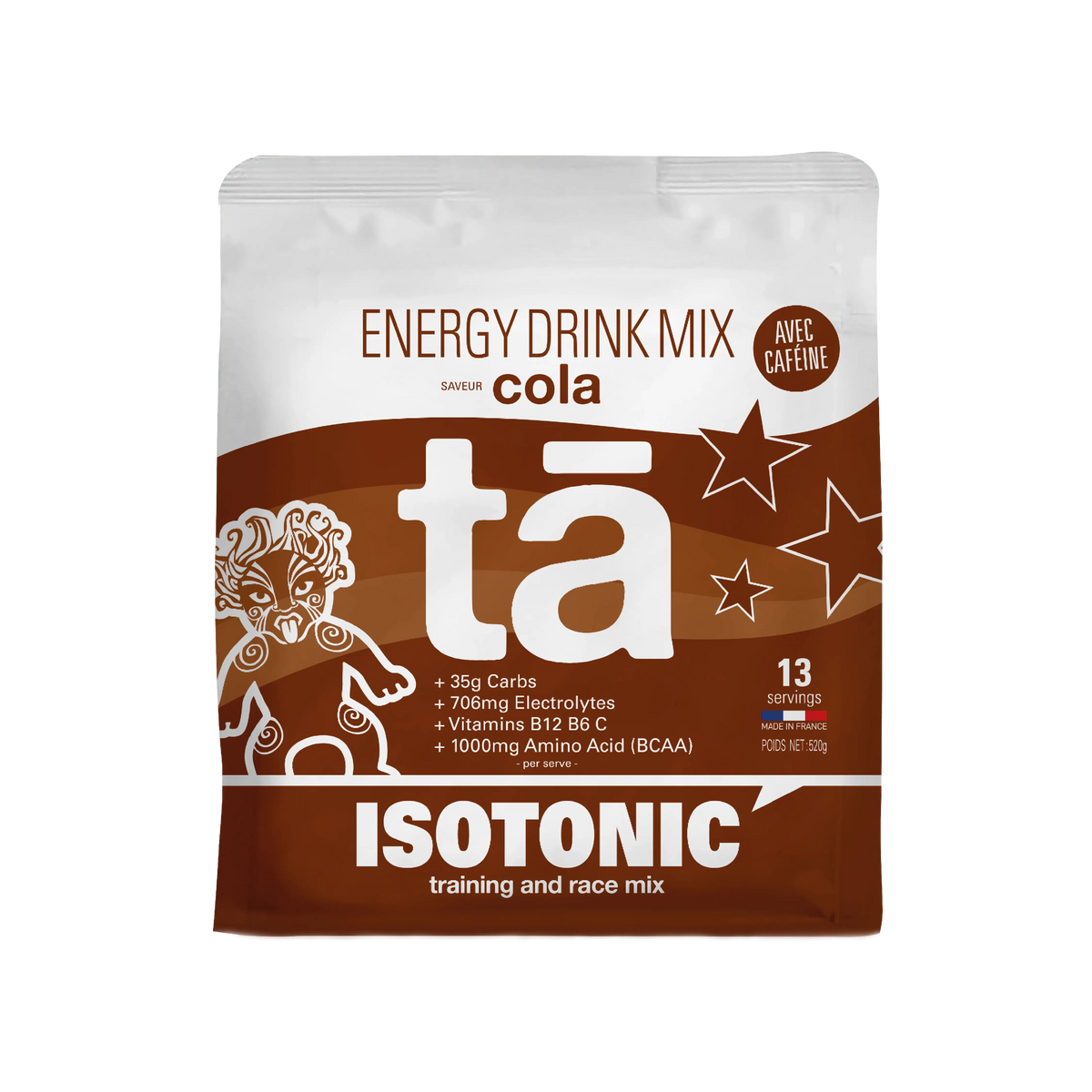
Simply because your carbohydrate stores are depleted. Tā Energy exists to prevent that moment: energy gels and chews, isotonic drinks, and bars designed to keep your energy, pace, and enjoyment going all the way to the finish.


Because in endurance sports, the difference comes down to one simple detail: having enough fuel at the right time. 

But beyond the products, scientific recommendations guide our approach. And the latest studies are unanimous: "Consuming enough carbohydrates during exercise is one of the most effective ways to improve performance and prevent premature fatigue."

In this article, we explain how many carbohydrates to consume, in what form, and how to optimize their absorption, all based on scientific data*

Why consume carbohydrates during exercise?
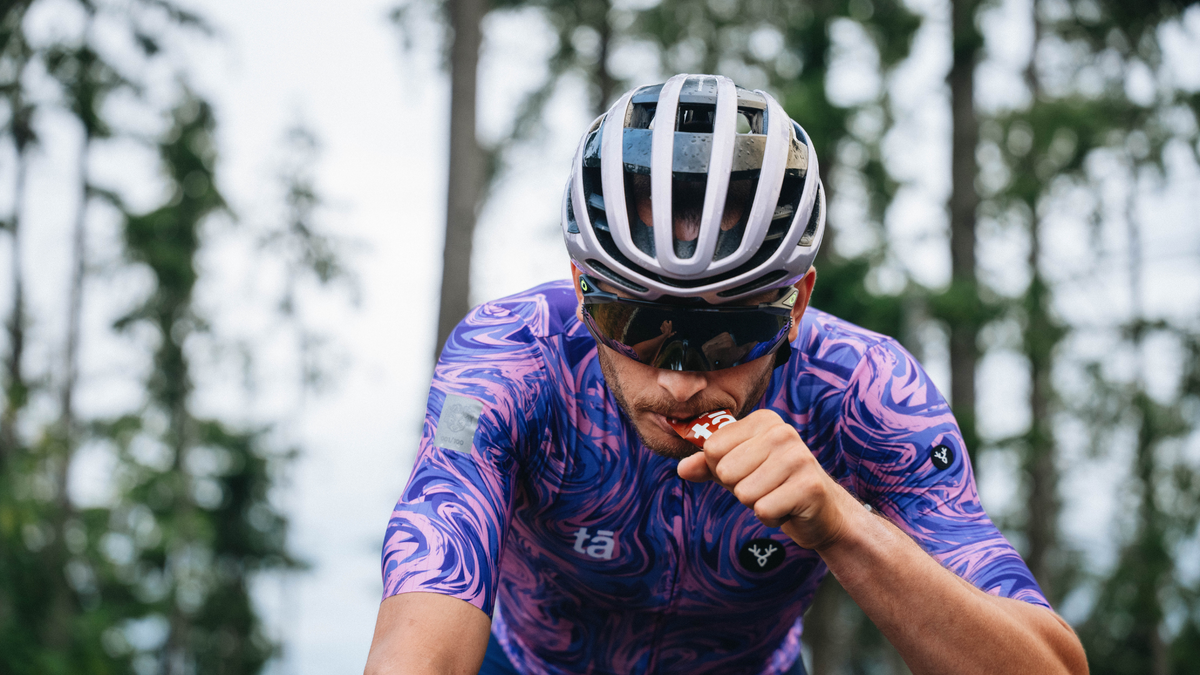
As intensity increases, the muscles preferentially use glycogen (an energy reserve in the form of carbohydrates) to produce energy.

At a sustained pace, stores can be depleted in less than 90 minutes.

According to recent scientific studies, consuming carbohydrates during exercise helps to:

• maintain stable blood sugar levels,

• preserve muscle glycogen,

• oxidize more carbohydrates to produce energy,

• delay fatigue,

• maintain a higher pace or power output,

• avoid the “energy crash”,

• improve perceived exertion during short efforts (~1 hour).

This is one of the nutrition strategies with the strongest scientific support in endurance sports (running, trail running, cycling, triathlon).

How many carbohydrates are consumed depending on the duration of the effort?

Recommended intake varies depending on the duration and intensity of the effort. Here is the current consensus based on the best scientific research: 

Efforts ≤ 1 h: 0 to 30 g/h 

For short but intense efforts (10 km, time trial), an energy gel, isotonic drink, or even a simple mouth rinse beforehand can already improve performance through a central effect.

Efforts > 1h30: 30 to 60 g/h 

This range corresponds to most endurance training sessions and short competitions:

• 30 g/h → may be sufficient for moderate intensities,

• 60 g/h → may be recommended to maintain a high level of performance over 1h30–2h30.

Depending on individual digestive tolerance, it may be recommended to increase intake to reach 90 g of carbohydrates/h. Ideal for:

- half marathon

- S triathlon

- tempo cycling rides

- short to medium trail runs


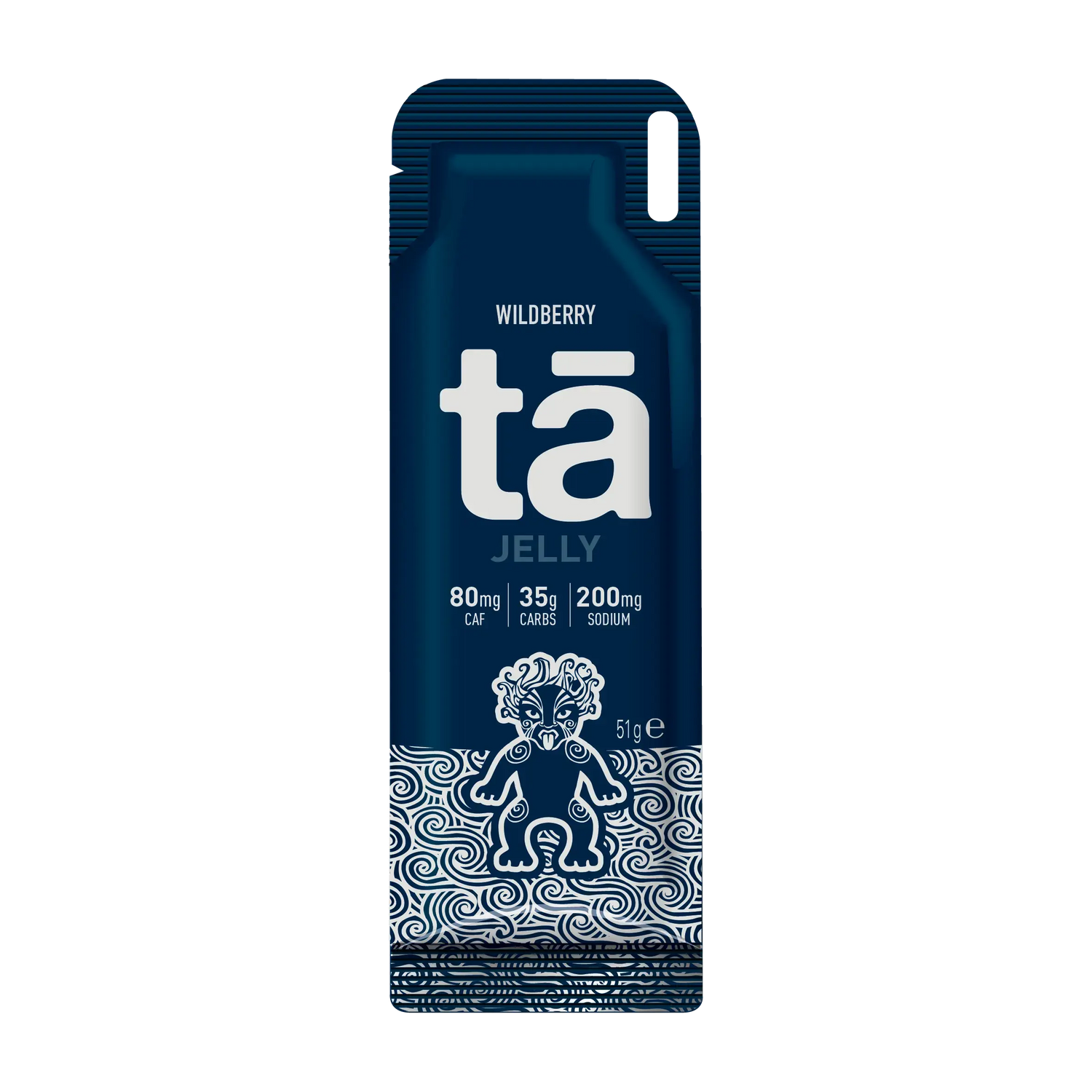
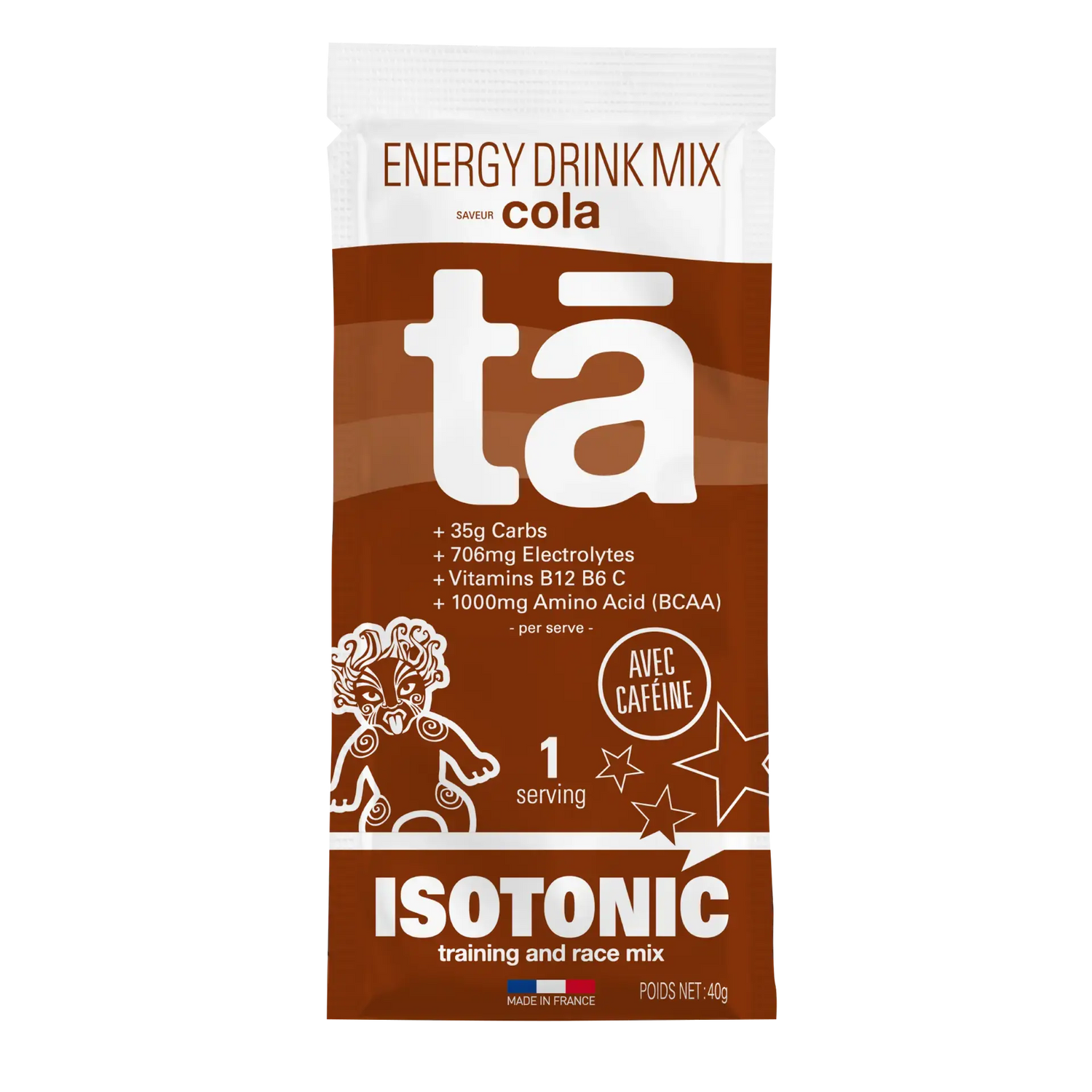
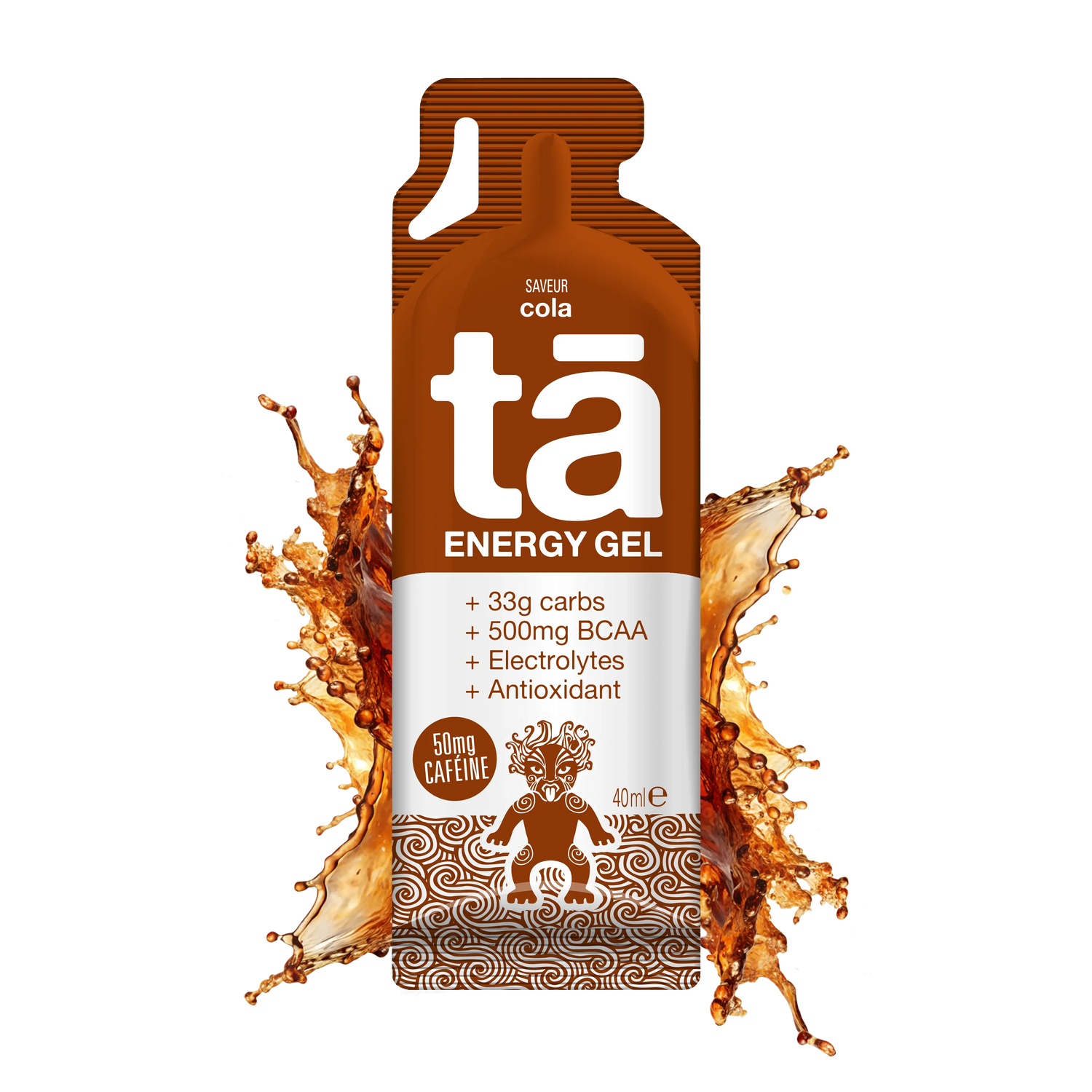
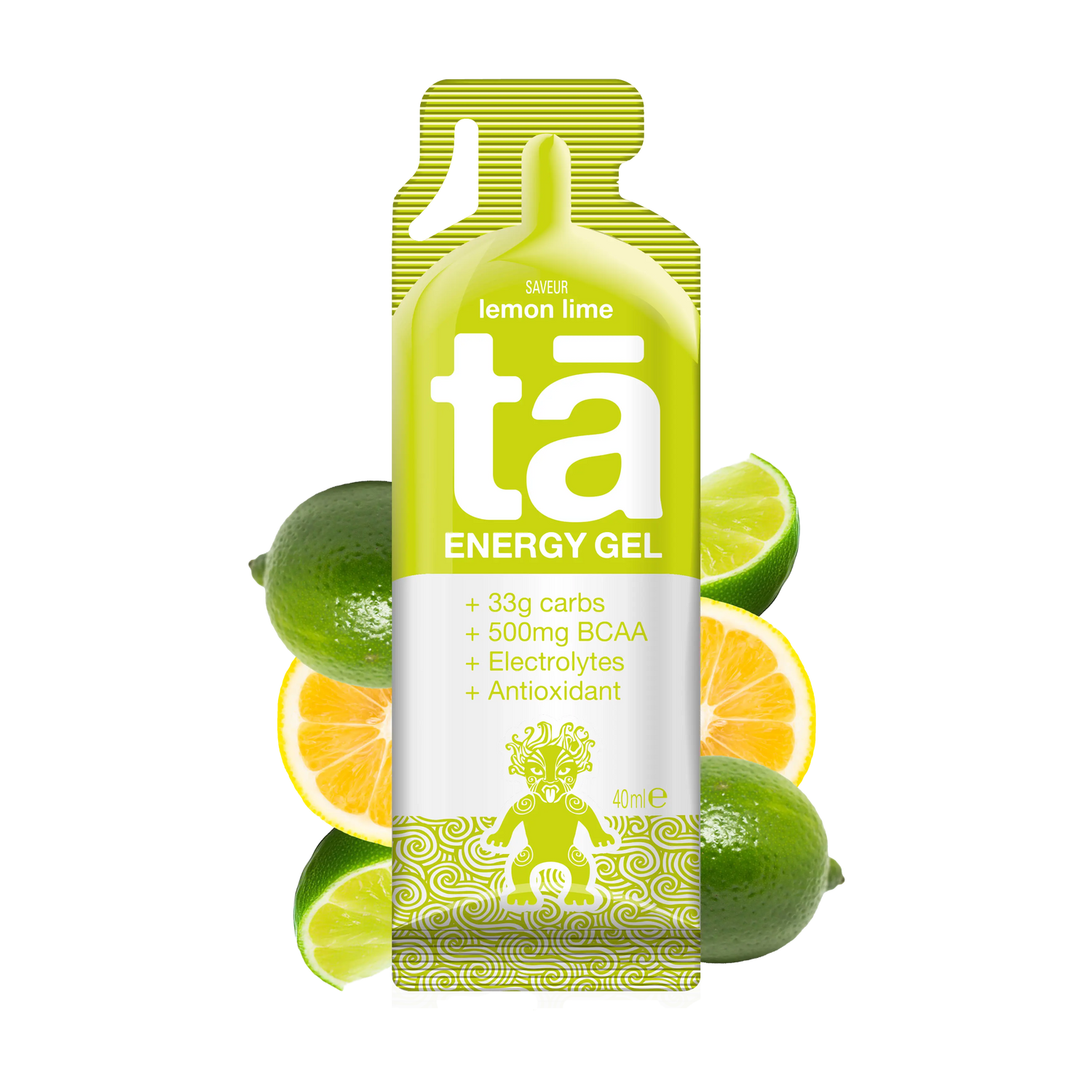
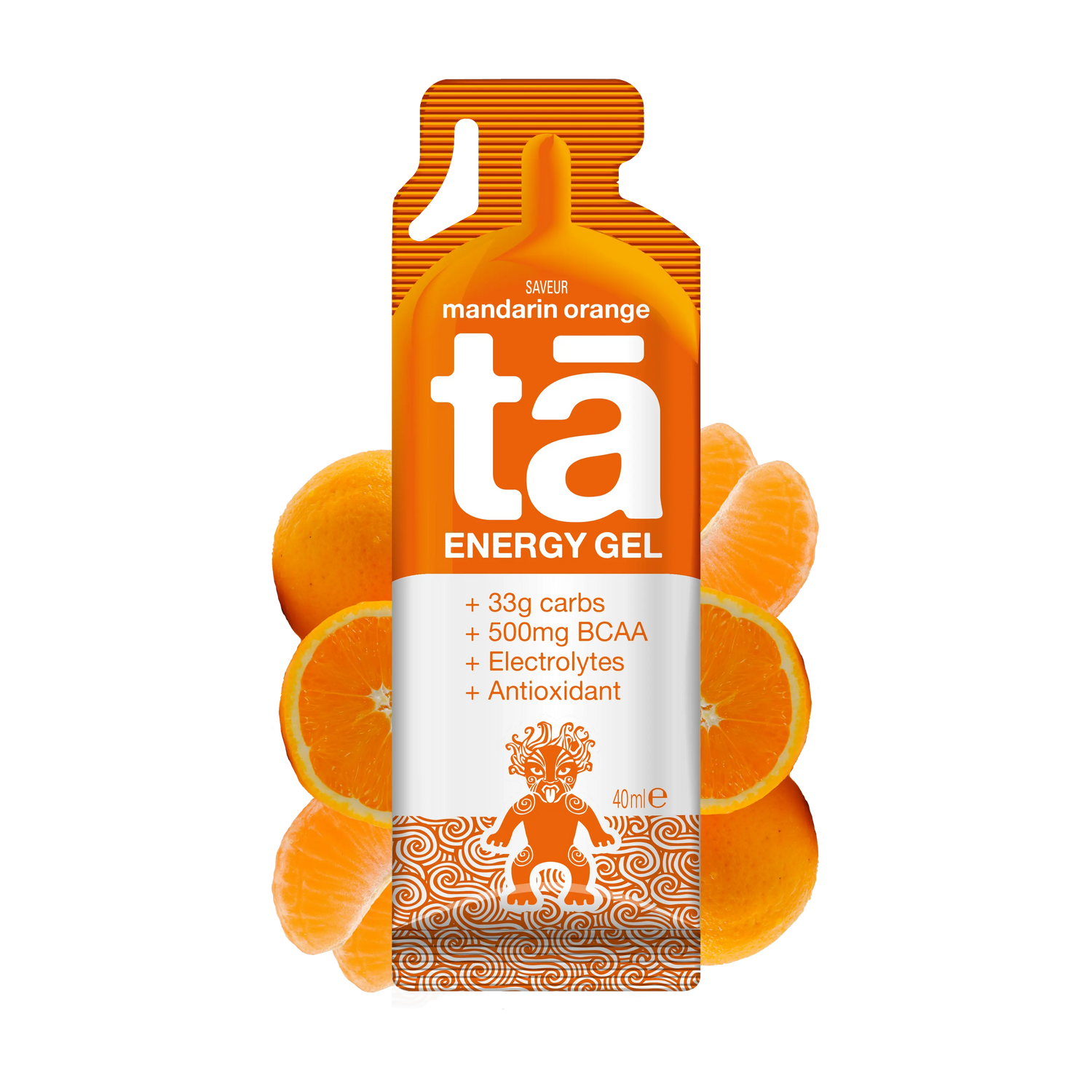
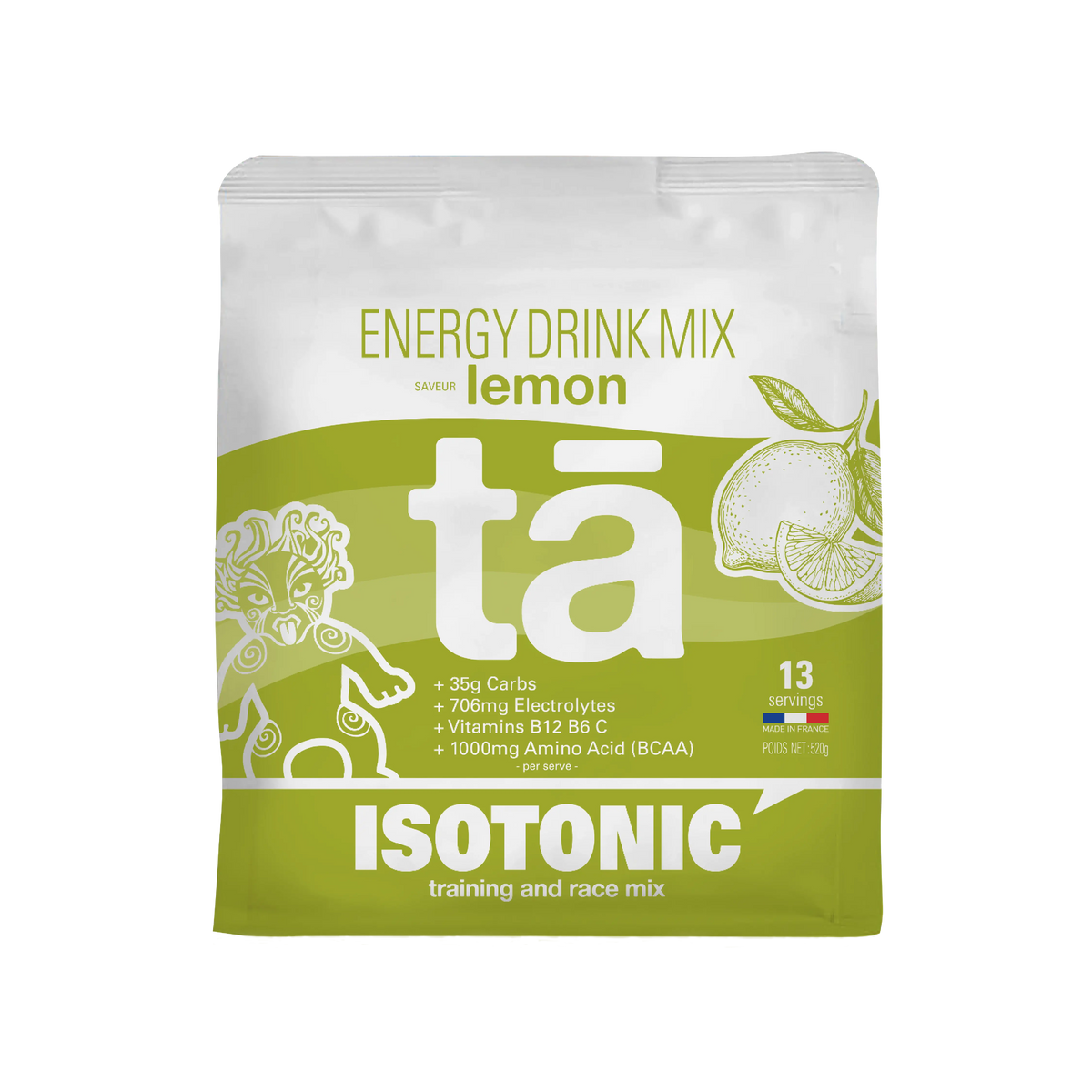
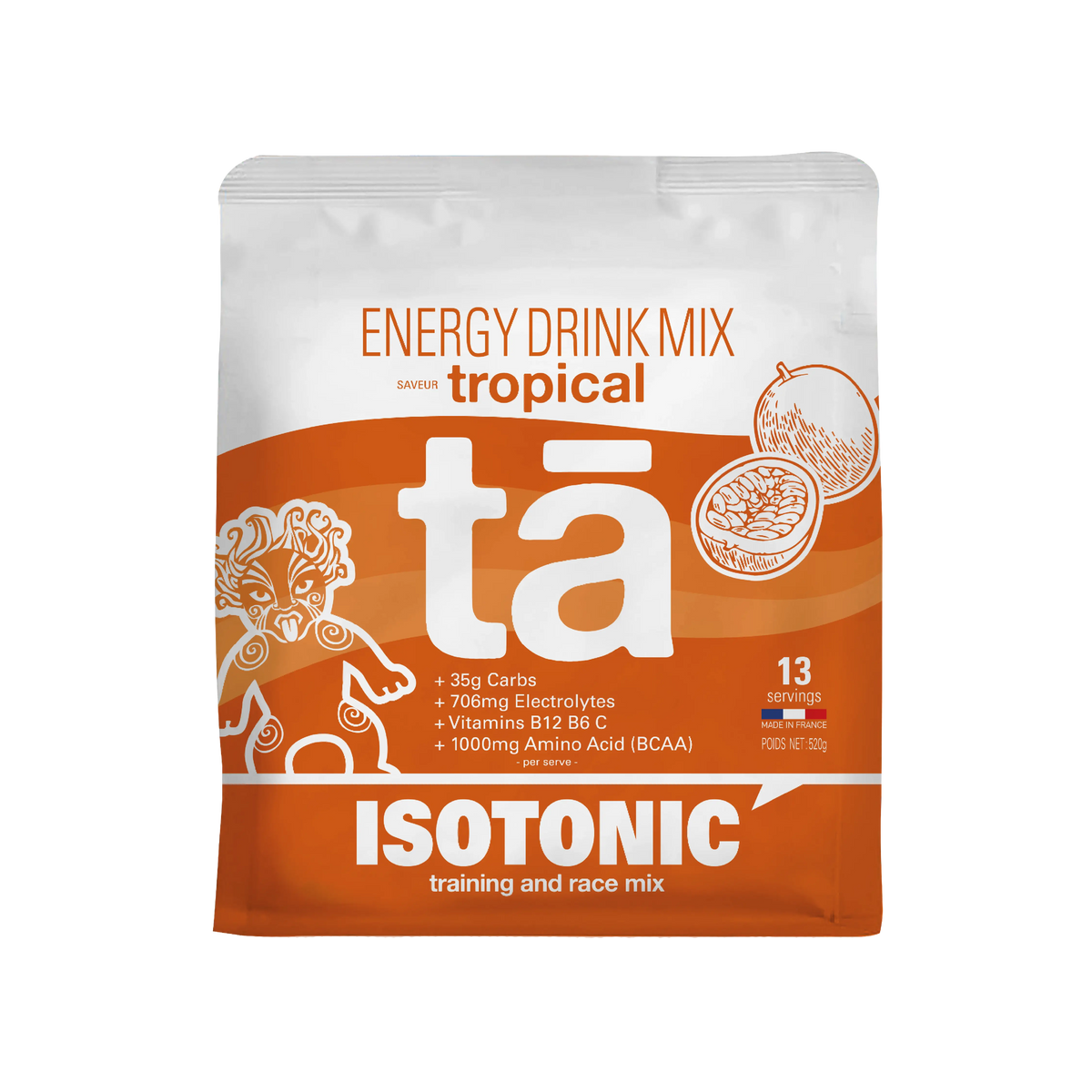
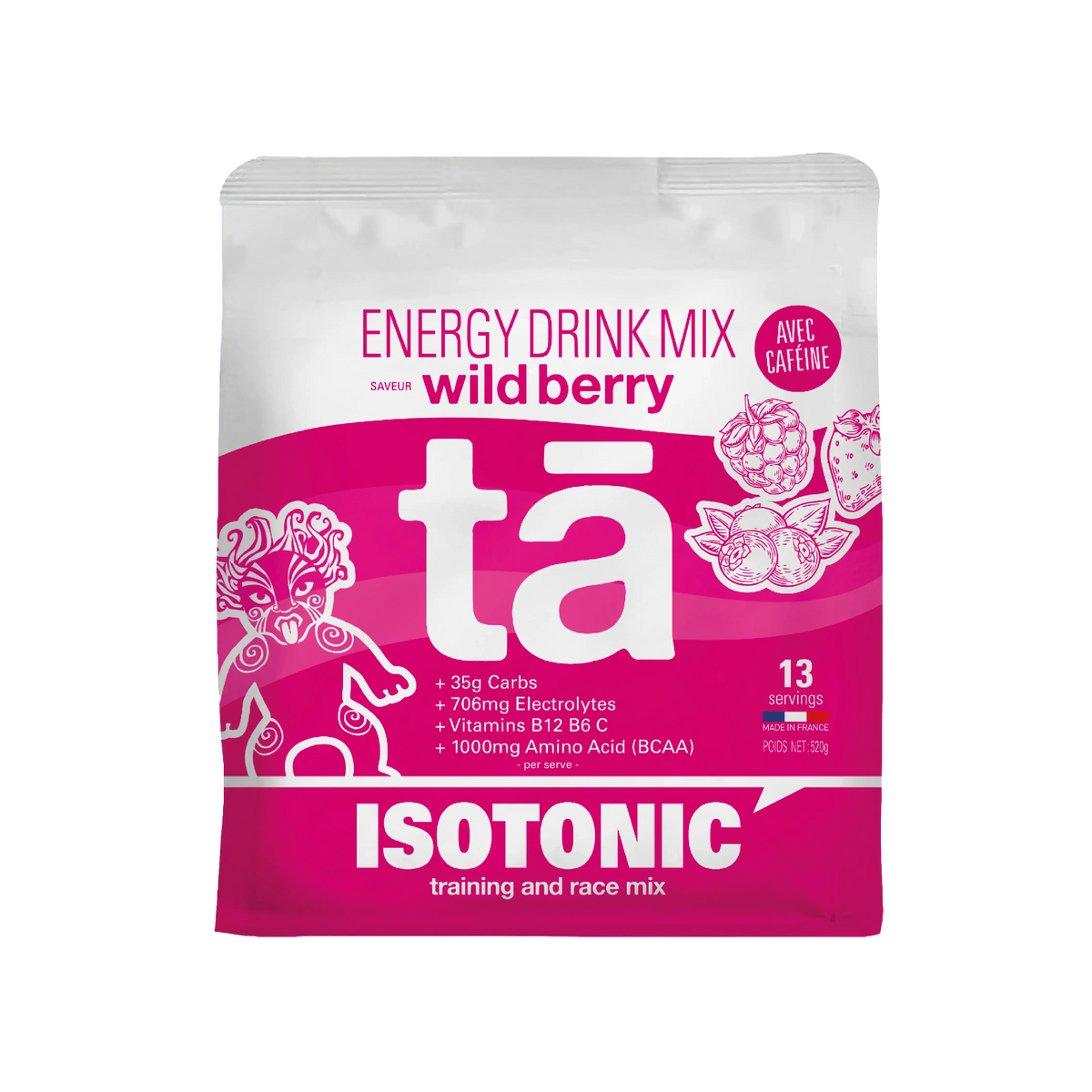
Tā Energy energy gels and chews and isotonic drinks make it easy to reach this optimal range.

This is where products designed with different carbohydrate sources, maltodextrin, glucose syrup, and fructose become essential - an approach used in Tā Energy products.

Ideal for:

  • marathon
  • long-distance trail and ultra
  • long-distance cycling
  • L and XL triathlon
  • several-hour outdoor adventures

“Gut Training”: The Secret Weapon of Endurance Athletes!
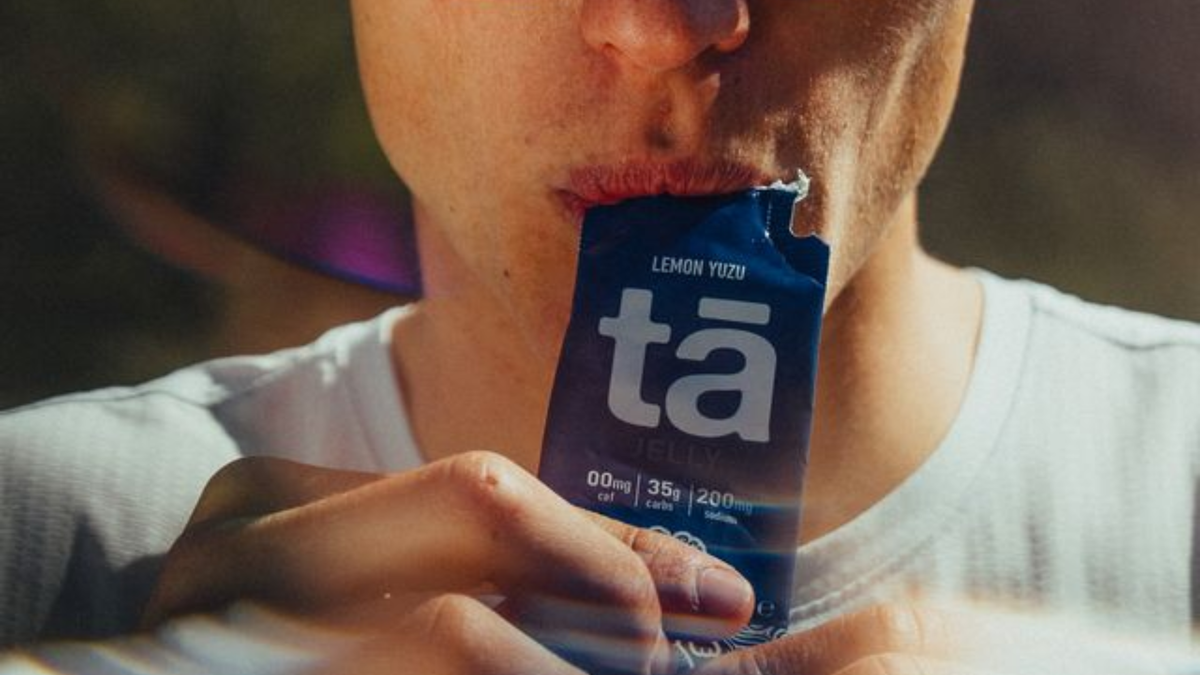
Gastrointestinal issues are the No. 1 cause of withdrawal in long-distance running, trail running, and triathlon.

The science is clear: the gut can be trained like a muscle.

By gradually increasing intake:

➡30g/h → 40 g/h → 60 g/h → 80–90 g/h

We observe:

• better carbohydrate absorption,

• fewer digestive discomforts,

• the ability to use optimal doses during competition.

Studies clearly show that gut training is a key factor in long-duration performance.

What strategy should you adopt on race day?

For a race lasting approximately 1 hour

✔ In the starting area, 5 minutes before the start 20–30 g/h

✔ Ideal for 10 km races or intense efforts

For a race lasting 1 to 2 hours 30 minutes

✔ 30–60 g/h

✔ Half marathon, S triathlon, intense cycling sessions

19/12/2025

For a race lasting more than 2 hours 30 minutes

✔ 30–90 g/h

✔ Trail running, marathon, L/XL triathlon, ultra


Conclusion : une stratégie nutritionnelle validée scientifiquement
Les dernières études scientifiques le confirment :

Les glucides consommés pendant l'effort sont l'un des moyens les plus efficaces pour améliorer la performance en endurance.

En ajustant :

• la quantité (30 à 90 g/h),

• la forme (boissons, gels et gommes énergétiques),

vous pouvez :

- maintenir votre énergie plus longtemps,

- performer à votre meilleur niveau,

- éviter les coups de barre,

- récupérer plus vite.

Chez Tā Energy, toutes nos formulations suivent cette logique : efficacité, digestibilité et plaisir, afin de vous accompagner sur chaque kilomètre.

IN CONCLUSION

Conclusion: a scientifically validated nutrition strategy


The latest scientific studies confirm it:

Carbohydrates consumed during exercise are one of the most effective ways to improve endurance performance.

By adjusting:

• the amount (30 to 90 g/h),

• the form (drinks, gels, and energy chews),

you can:

- maintain your energy for longer,

- perform at your best,

- avoid energy crashes,

- recover faster.

At Tā Energy, all our formulations follow this approach: effectiveness, digestibility, and enjoyment, so we can support you every mile.

SOURCES

- Jeukendrup, AE (2014). Carbohydrate intake during exercise. Sports Medicine, 44 (Suppl 1), 

S25 – S33. https://doi.org/10.1007/s40279-014-0148-4

- Bourdas, DI, Zacharakis, ED, Panagiotakos, DB et Georgousopoulou, EN (2021). Meta-analysis of carbohydrate solution intake during prolonged exercise in adults: 

A 45-year perspective. Nutrients, 13(6), 1890. https://doi.org/10.3390/nu13061890

- Cao, W., (2025). Carbohydrate supplementation strategies in elite endurance athletes.