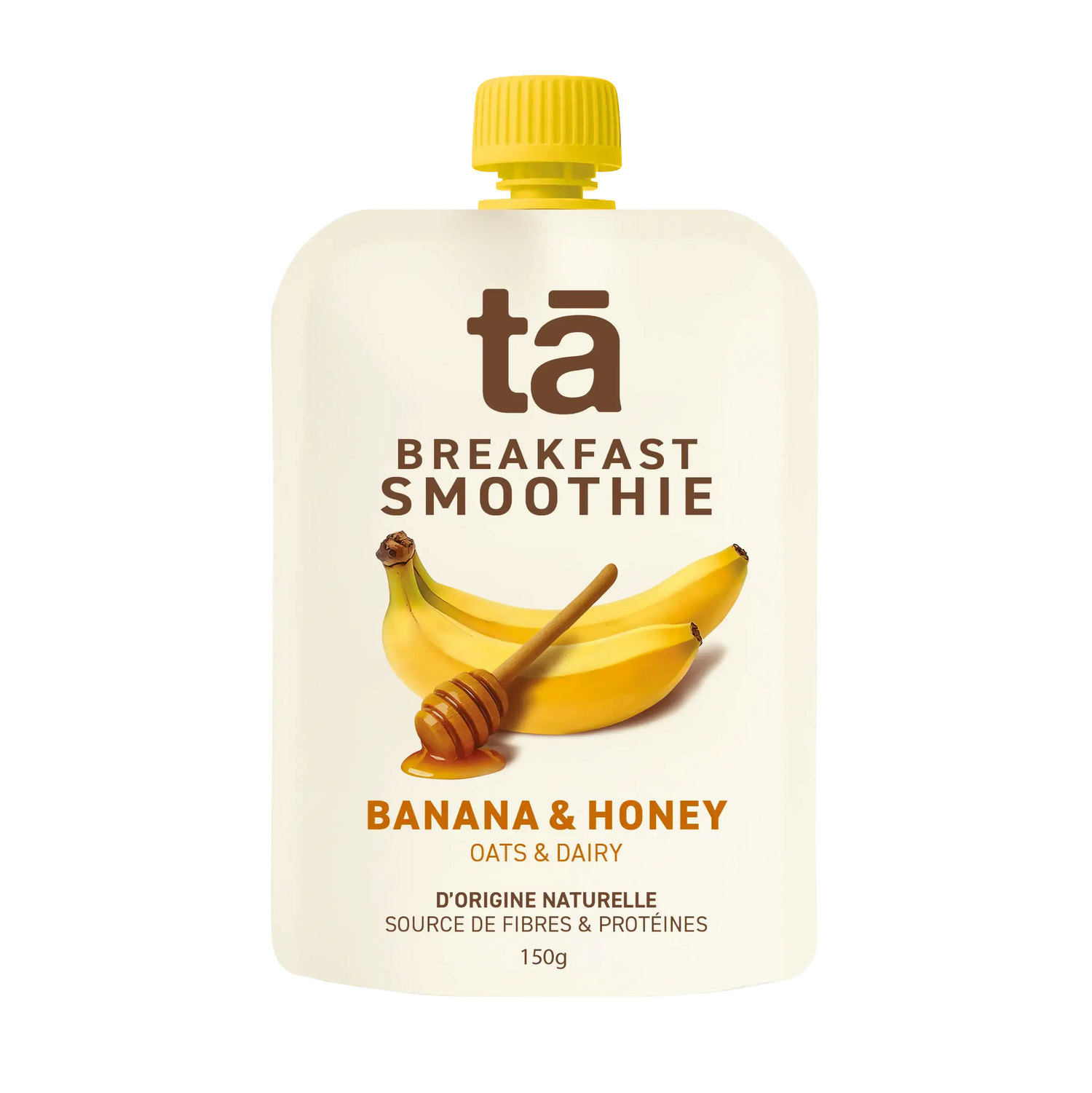
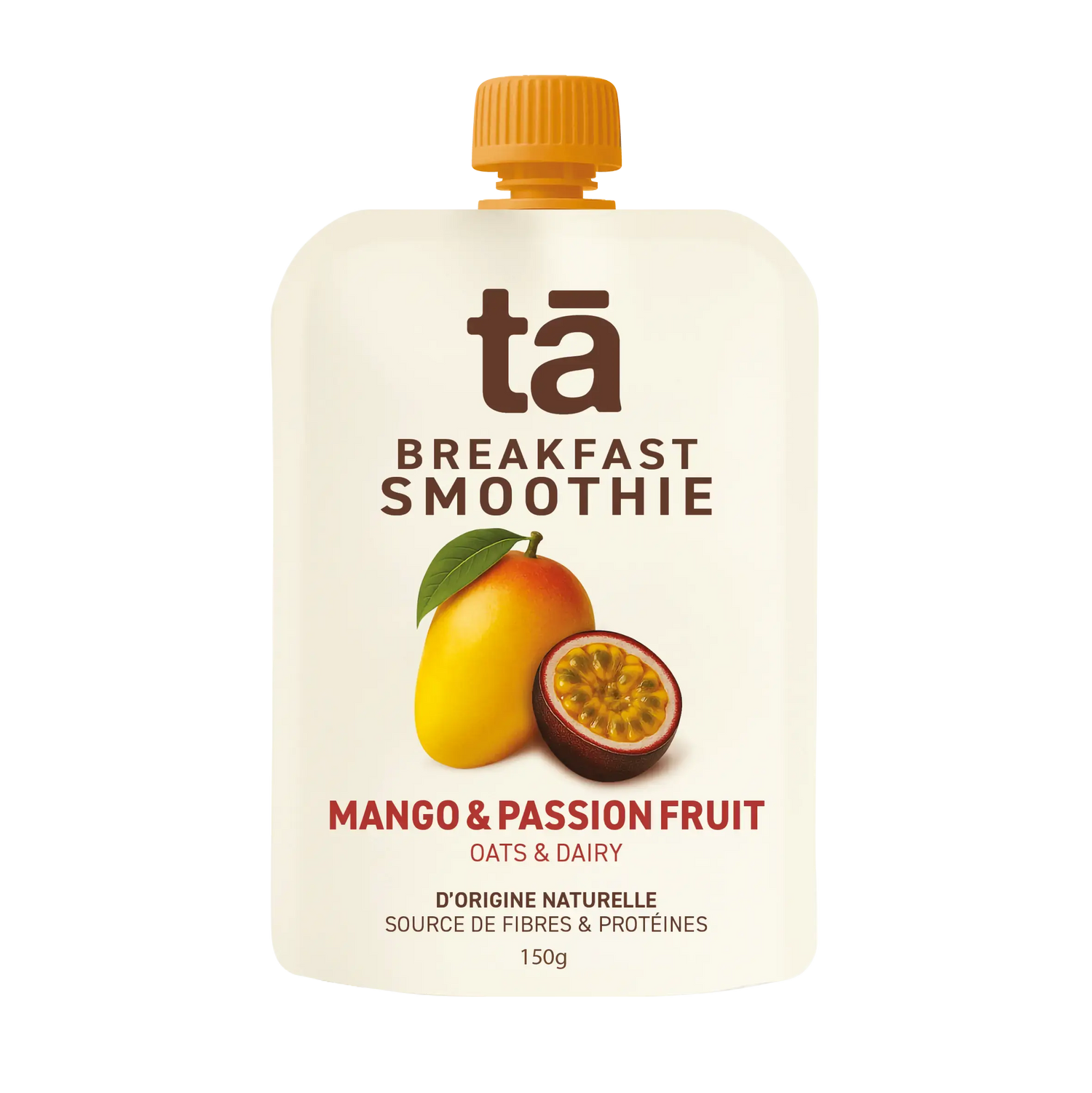
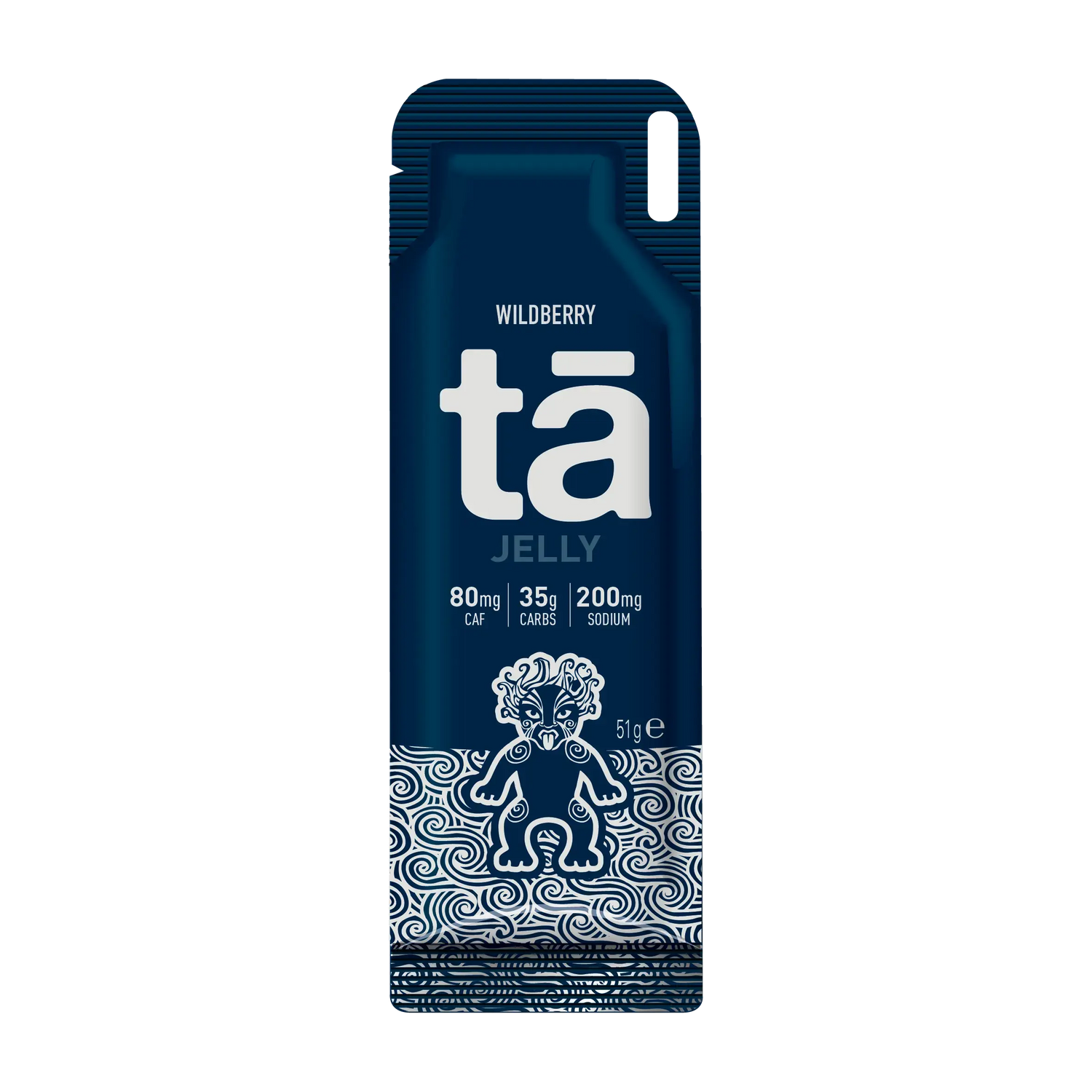
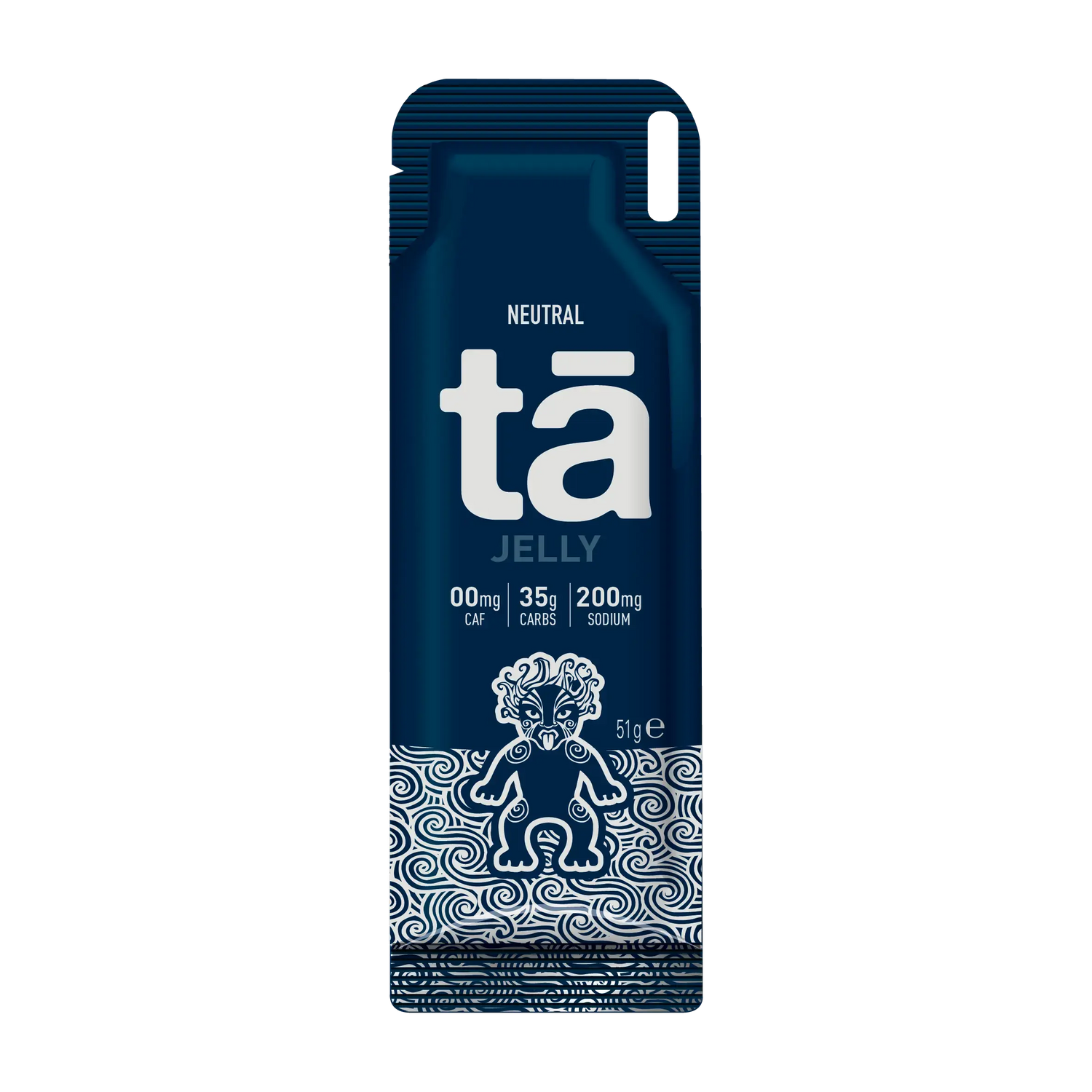
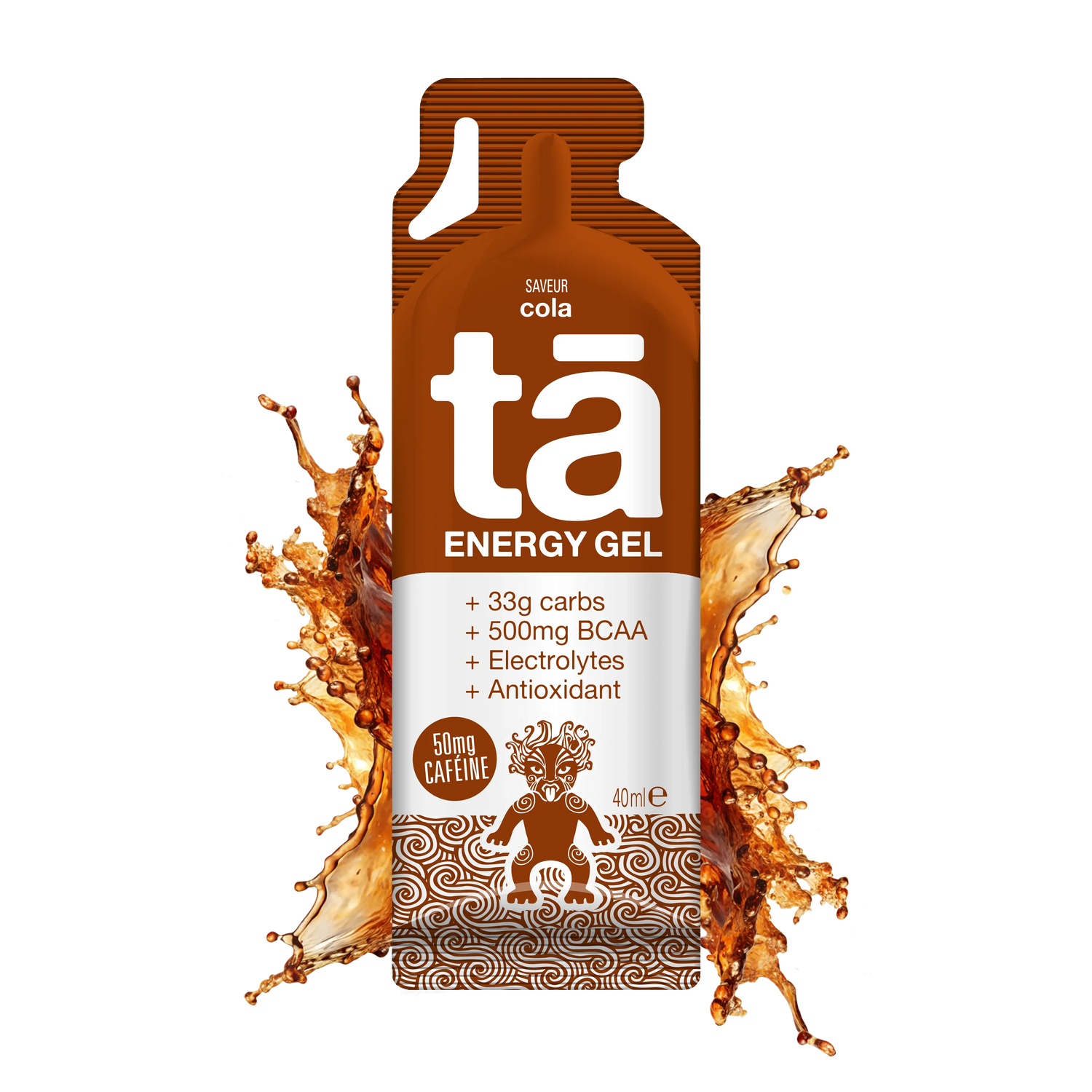
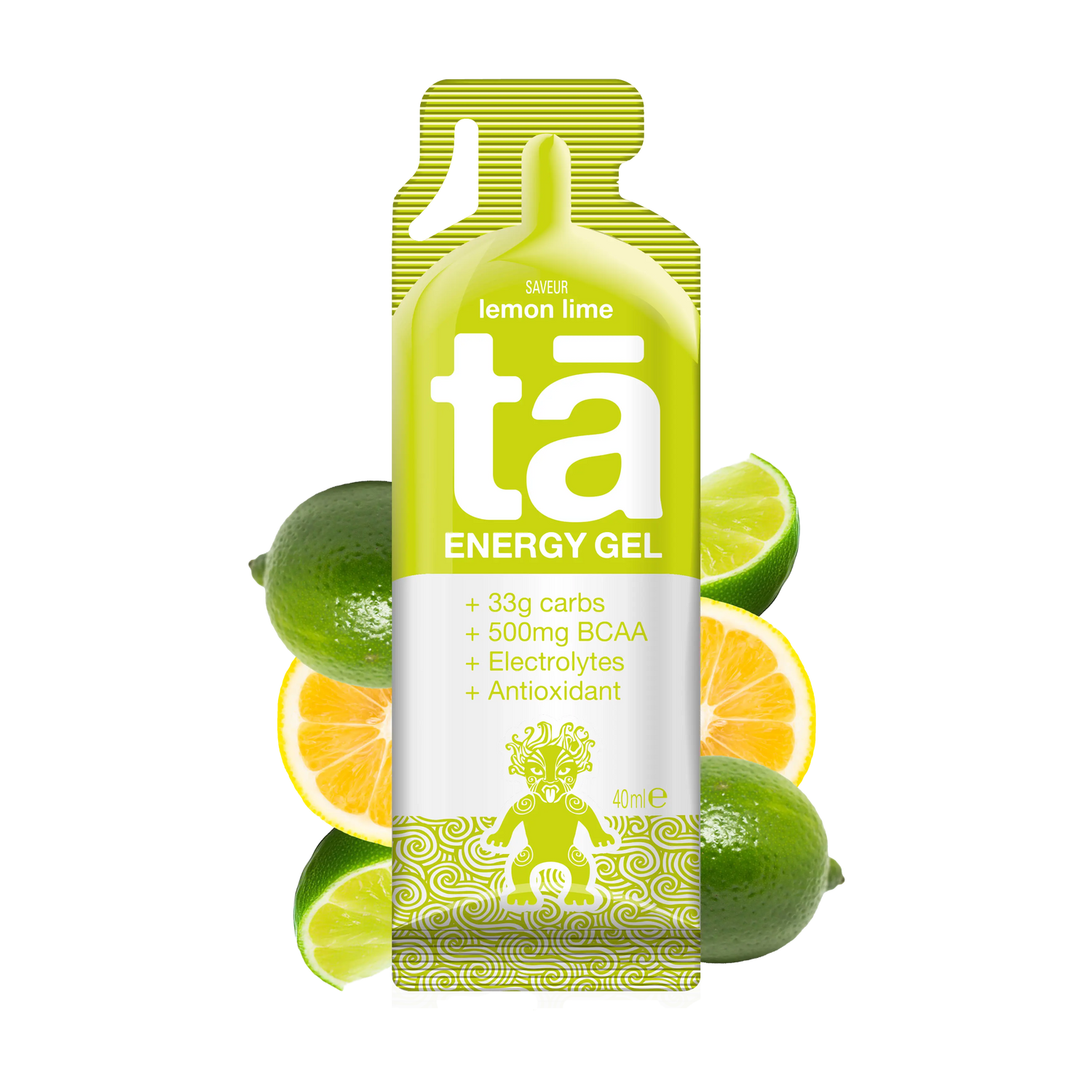
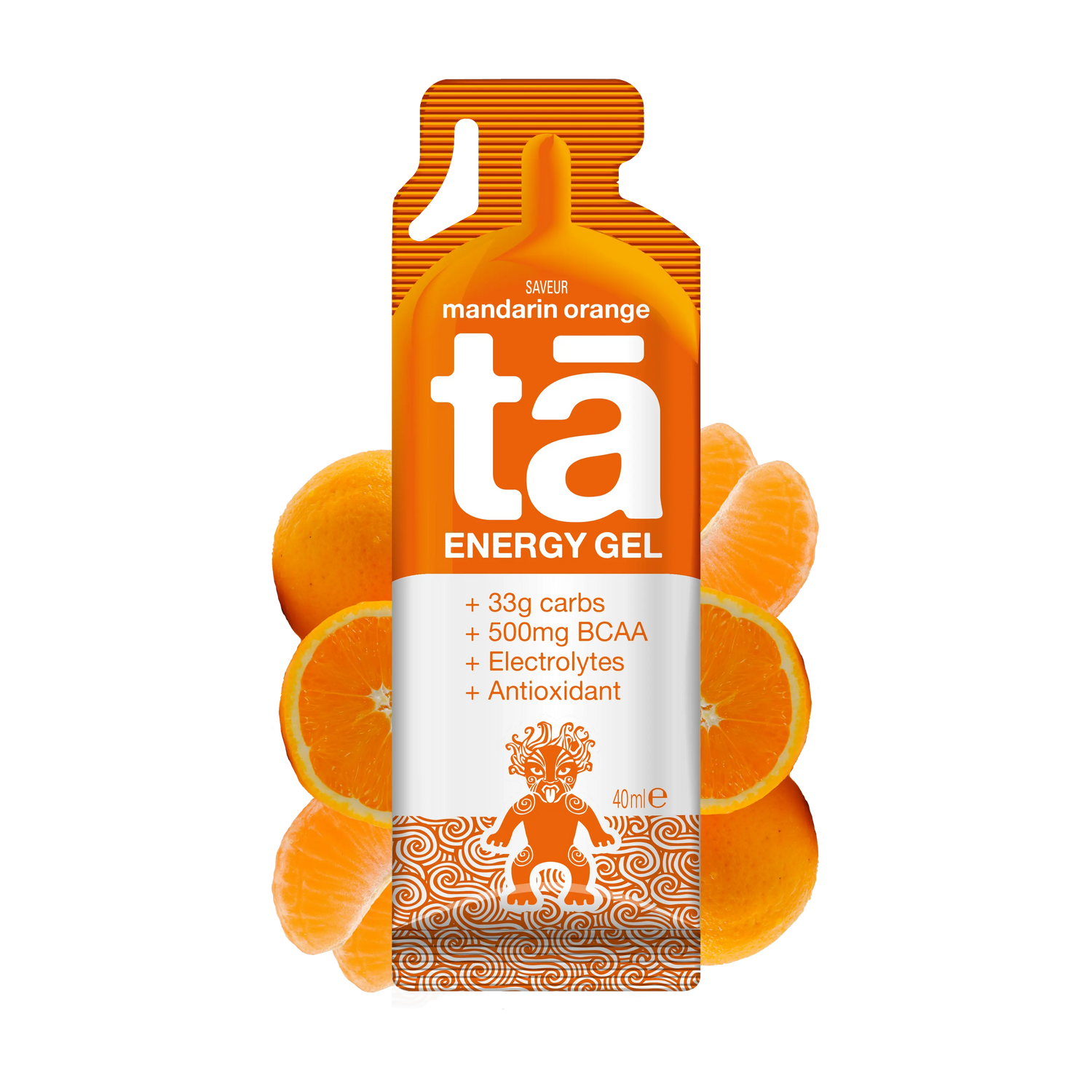
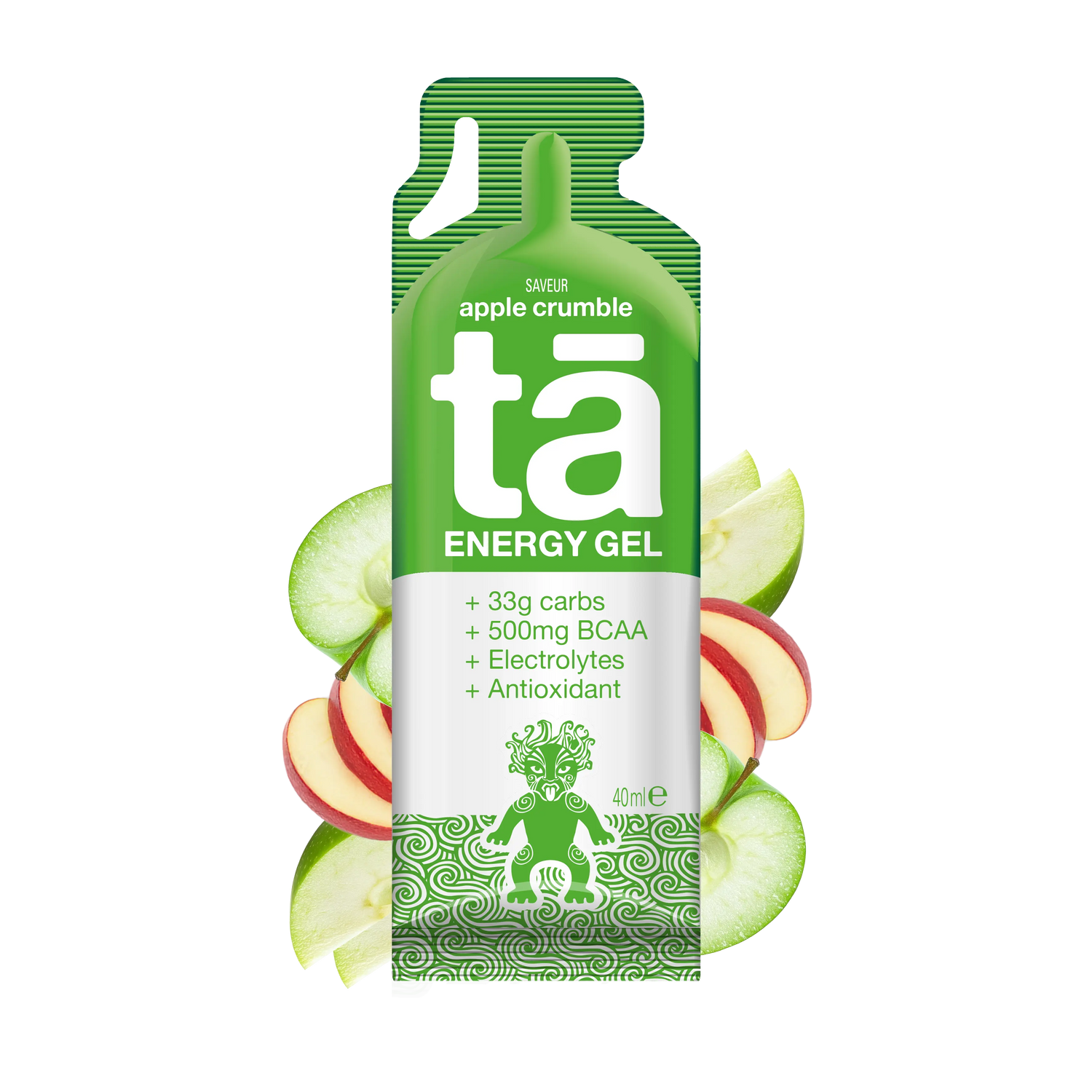
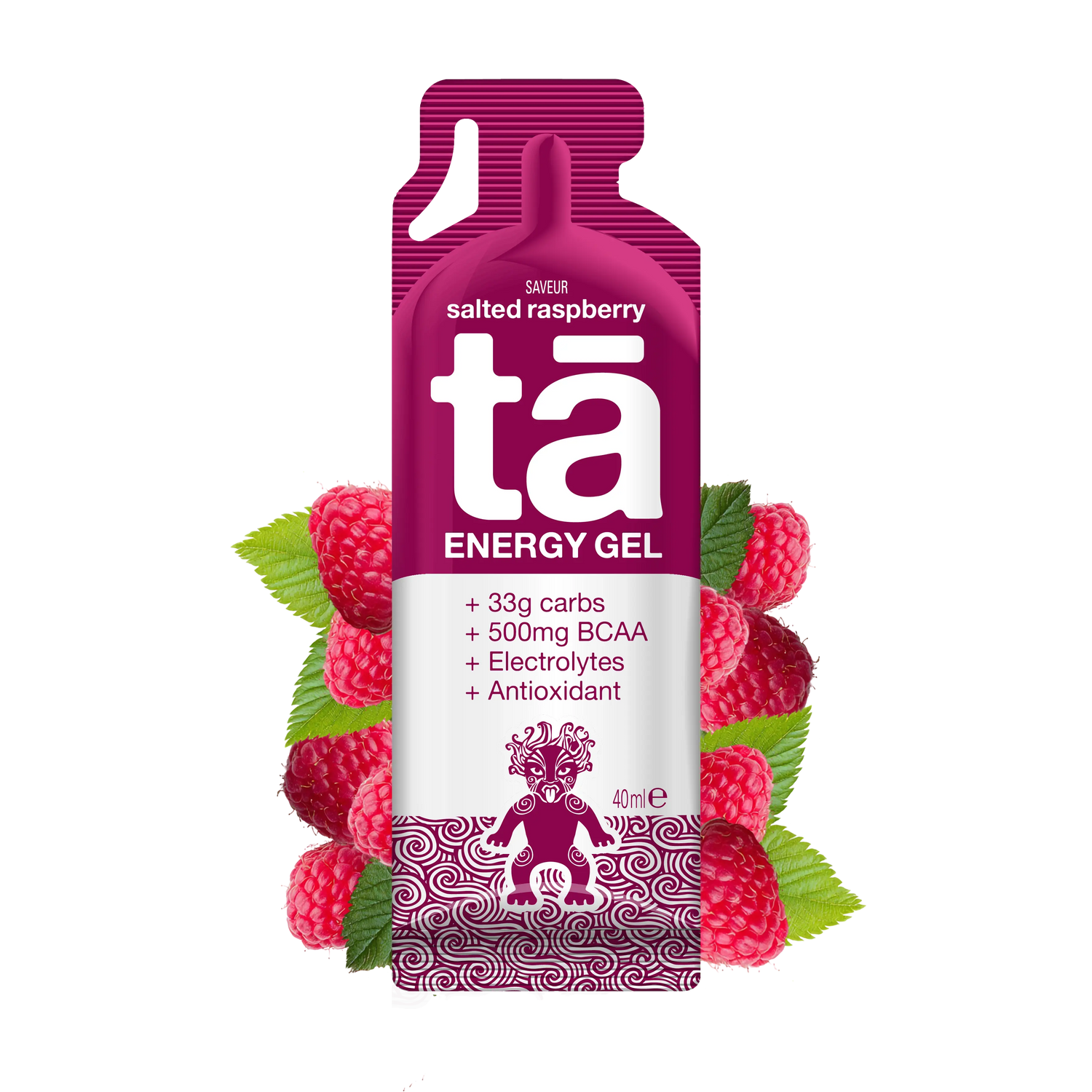
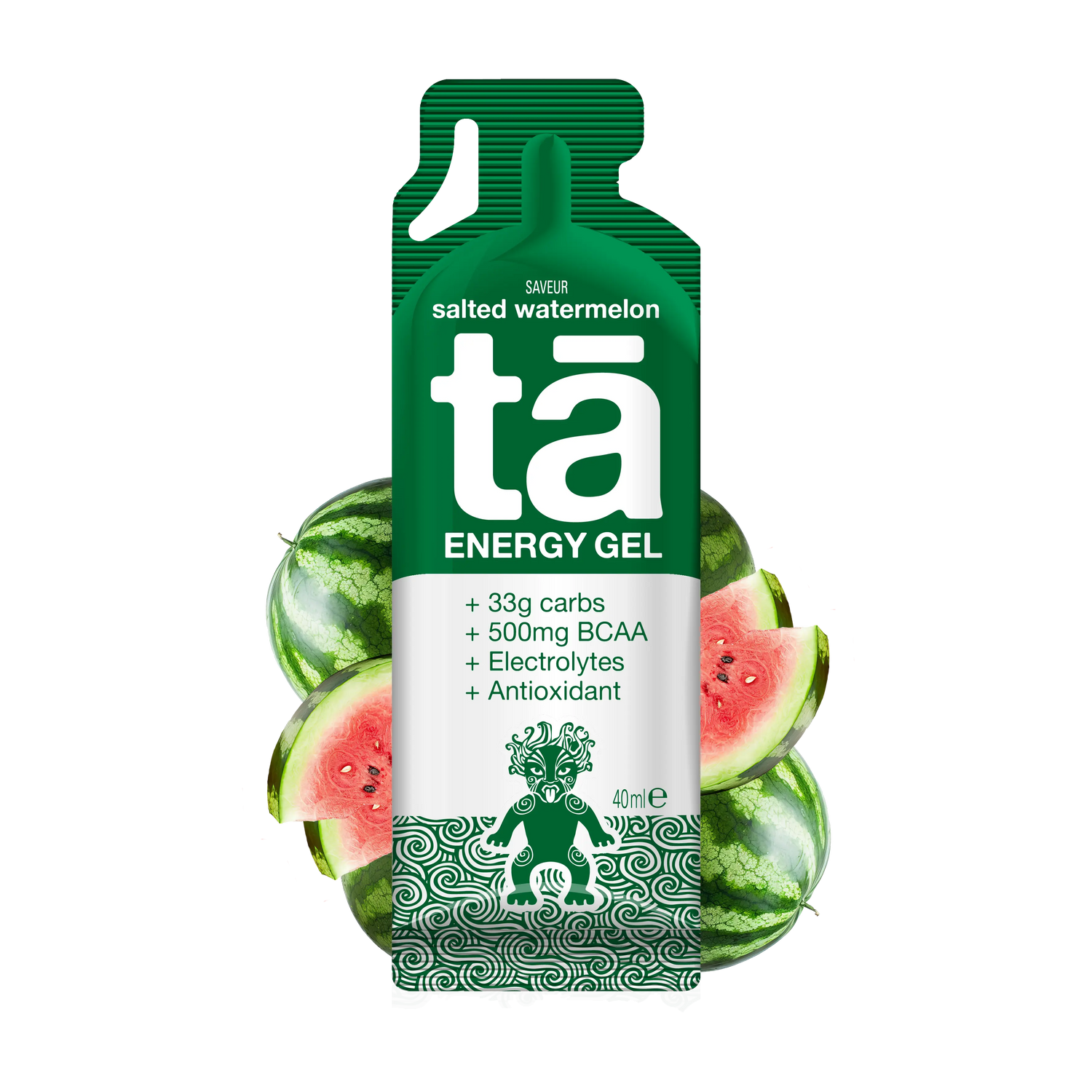
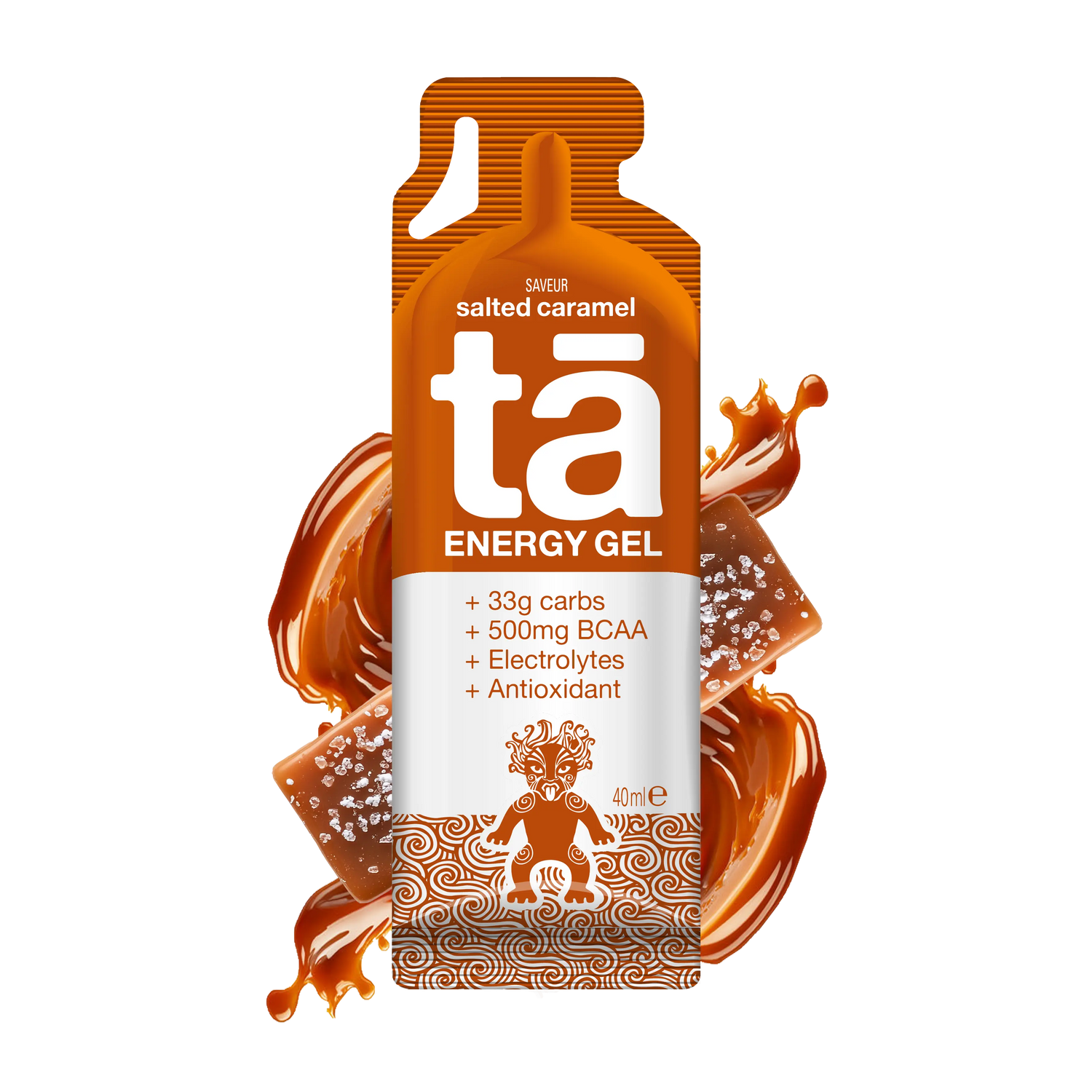
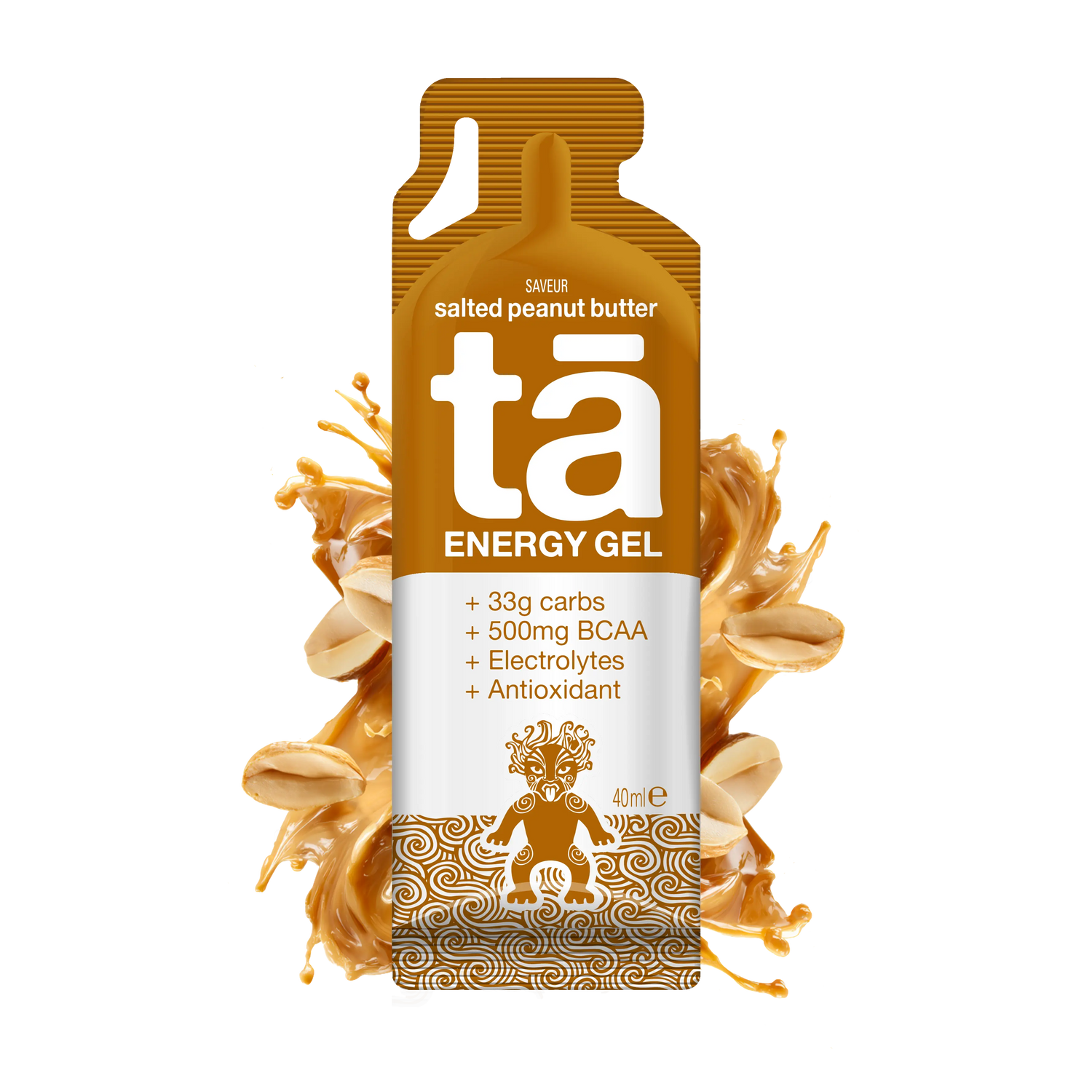
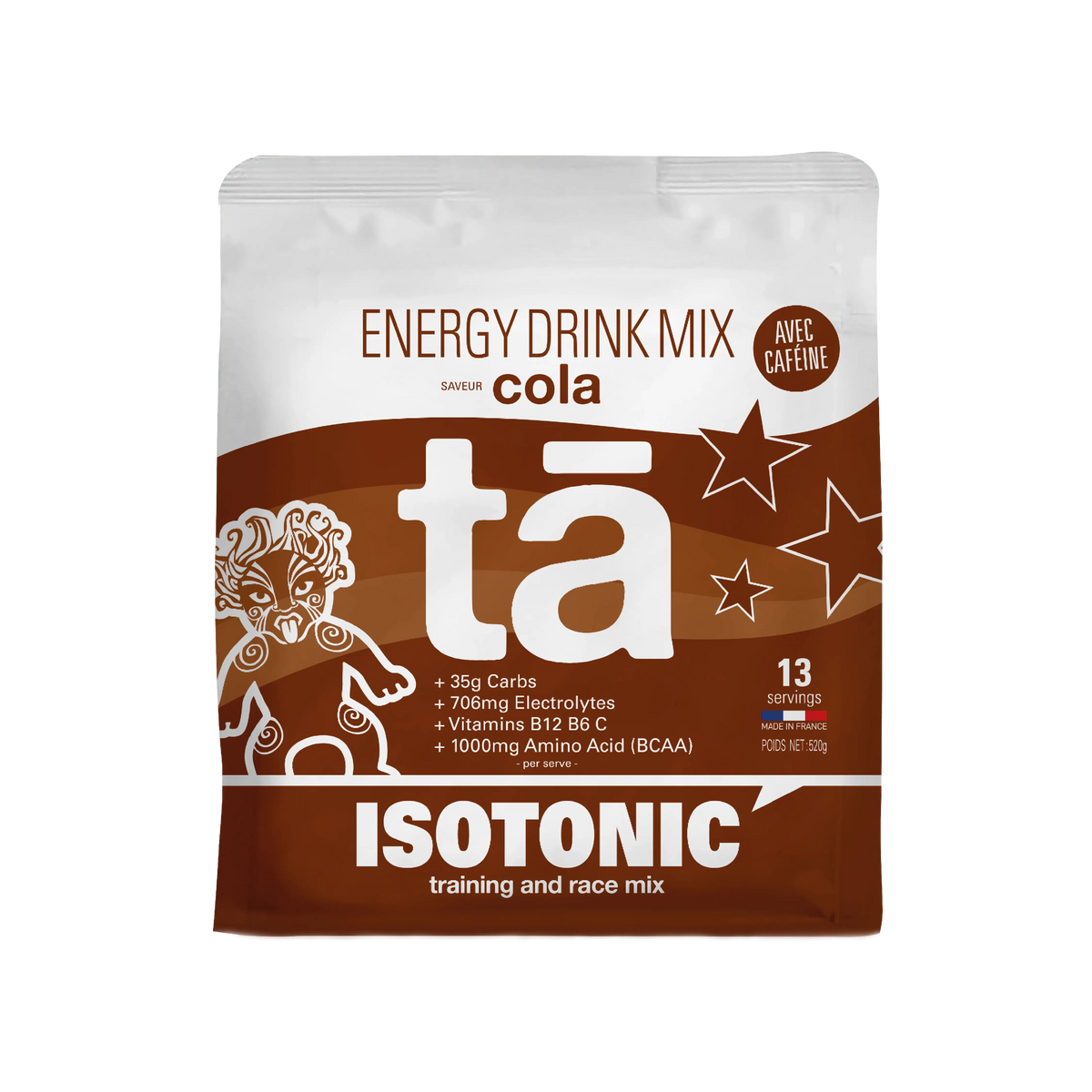
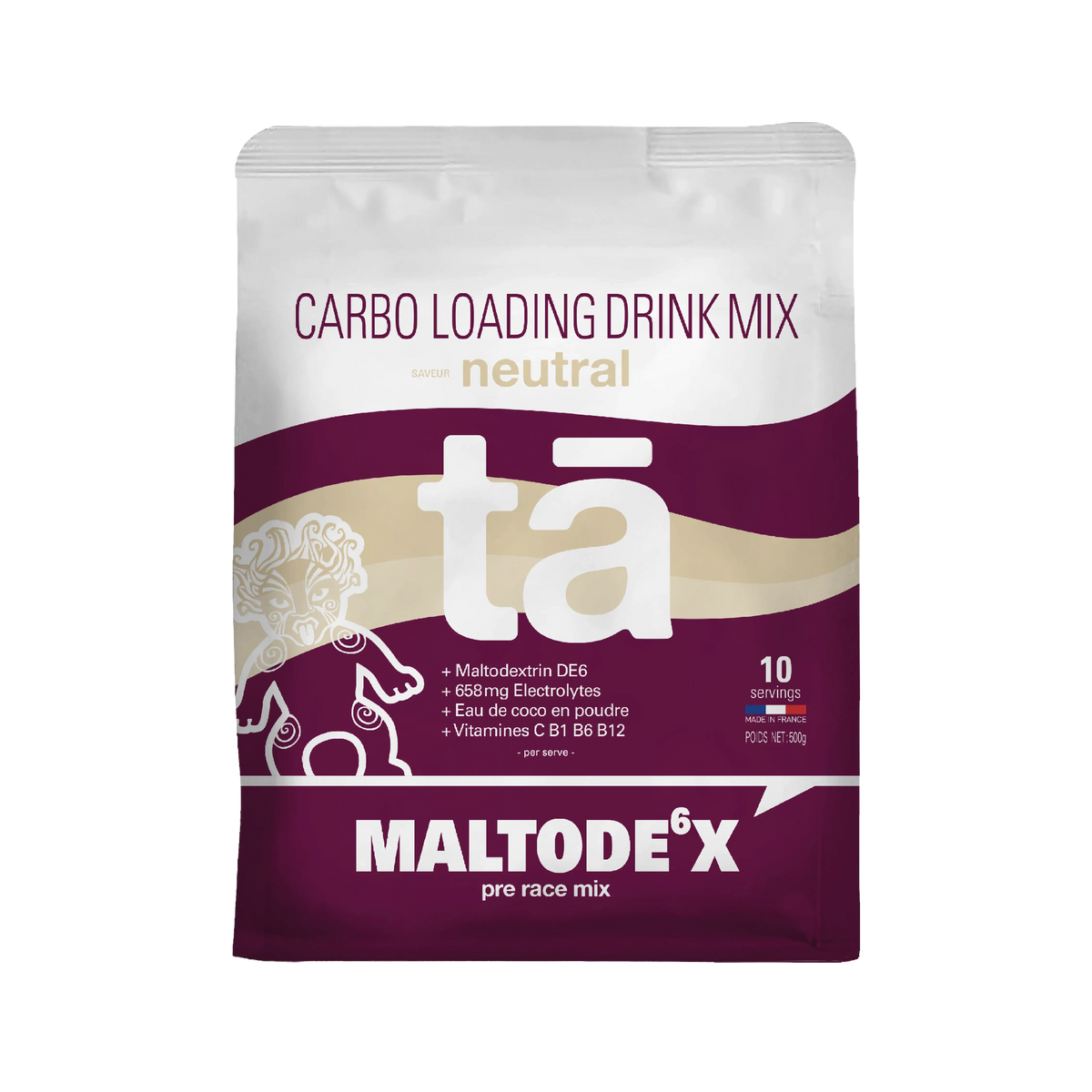
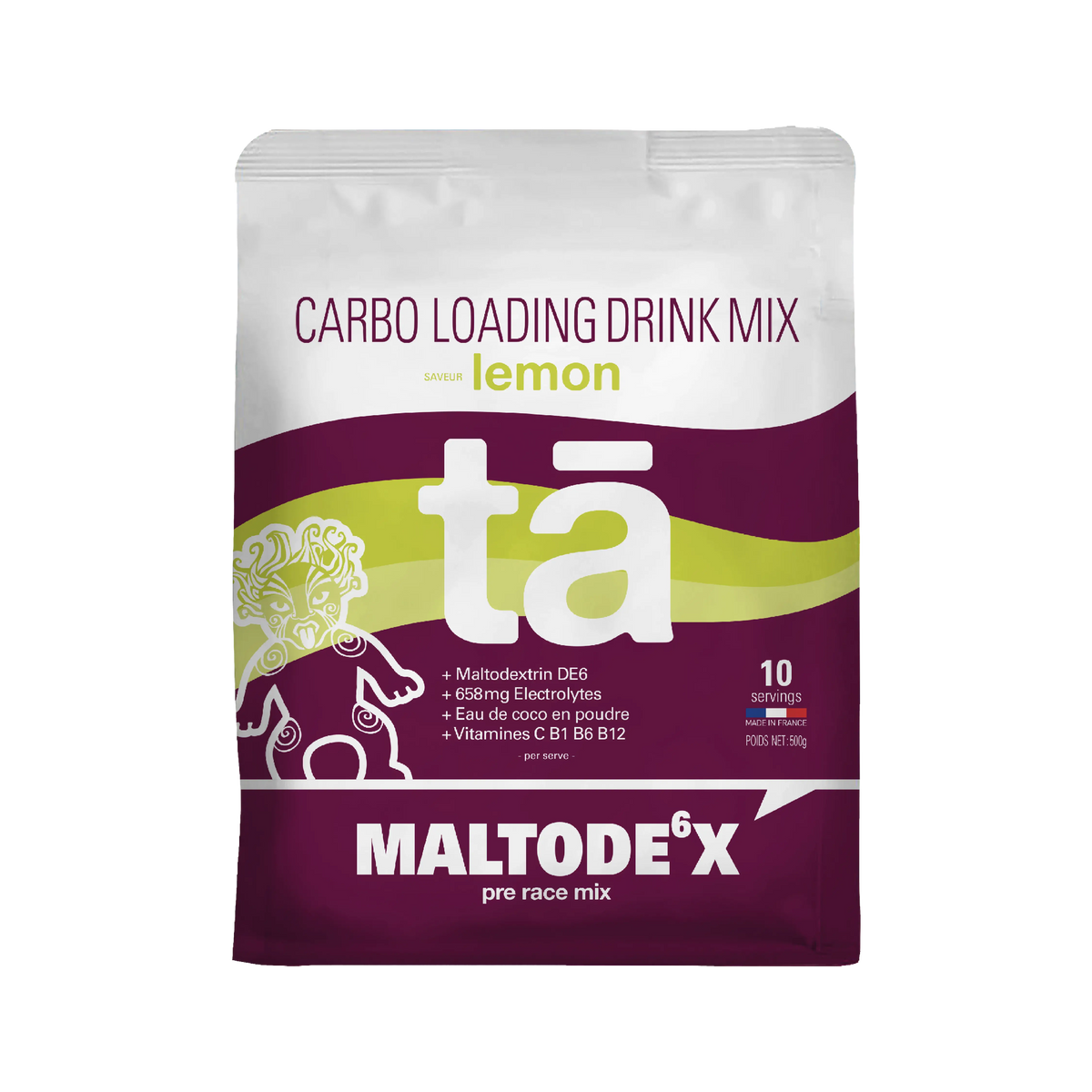
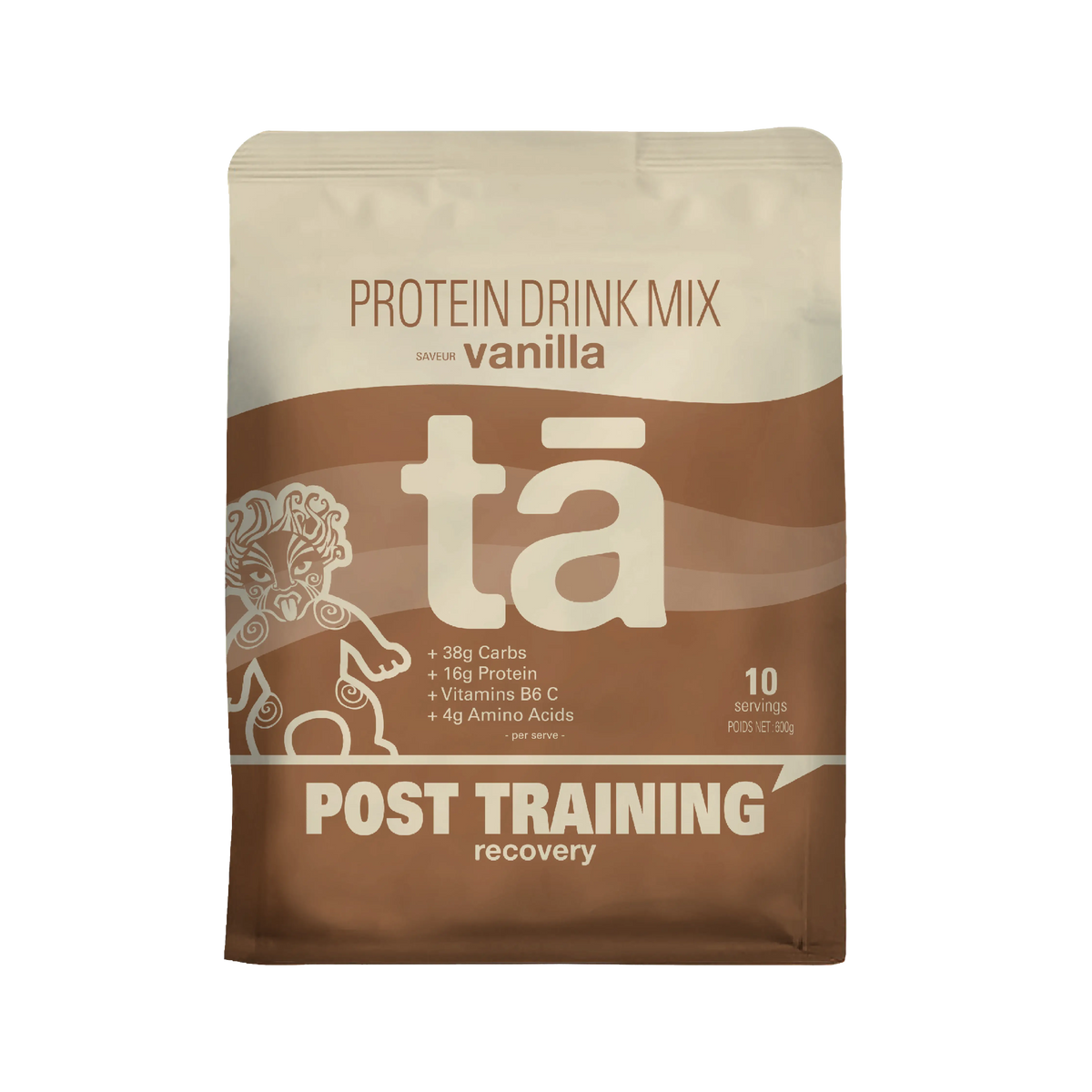
Gel énergétique Jellu Ta Energy

Pass Hunter: The Secret Science for Fueling Your Thighs in the High Mountains

Pass Hunter: The Secret Science for Fueling Your Thighs in the High Mountains

INTRODUCTION

You know, at Tā Energy, we often talk to you about trails, impacts with the ground, and trail running packs.

But when summer arrives, the mountains call, and the world's biggest men's cycling race takes over our screens, it's impossible to resist: we have to talk about cycling. If you come from the world of running, set aside your usual reference points for a moment. Long-distance road cycling with elevation gain is a different sport, requiring a different approach... and above all, a different scale of nutrition. No repeated impacts with the ground, a very specific aerodynamic position, and the ability to carry a whole little bakery in your jersey pockets.

So, how do you fuel the machine to climb legendary mountain passes without blowing up halfway through?

Fuel: Why a Cyclist’s Stomach Is an XXL Tank
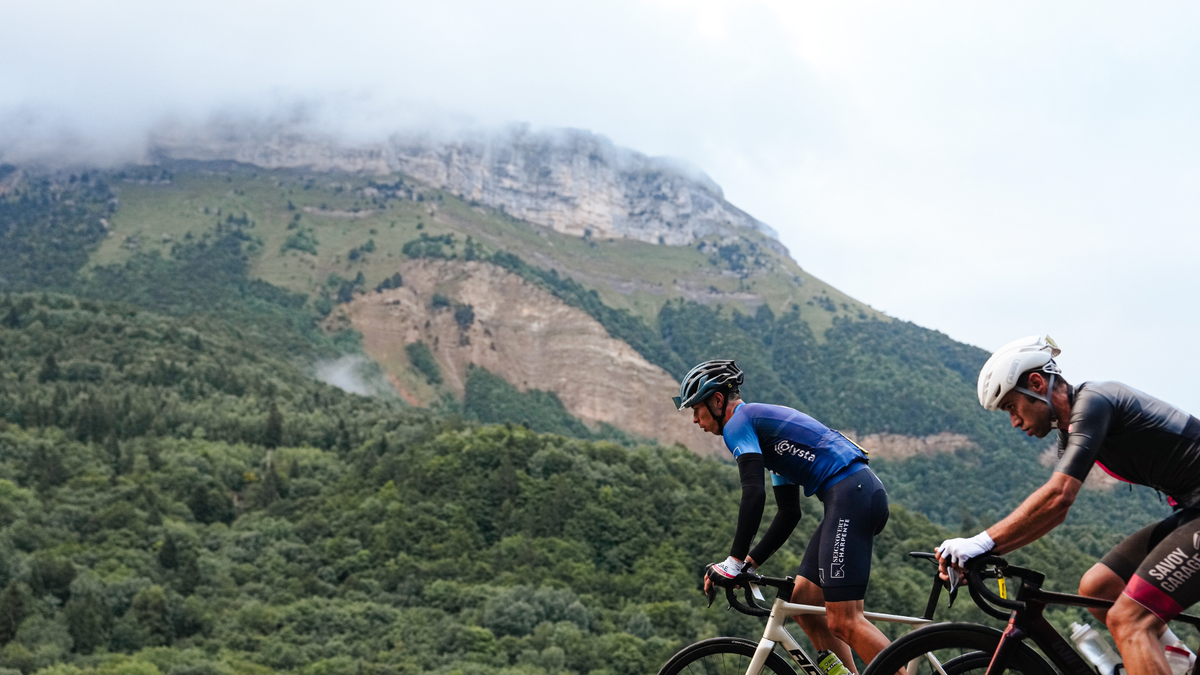
Photo paysage étape du tour

On the trail, exceeding 60g to 80g of carbohydrates per hour is sometimes a miracle because of the

gastric jostling. On a bike? It's the bare minimum if you hope to reach the summit! Without impacts from the ground, the digestive system is much more stable. As a result, modern science has raised the bar. Today, pros regularly reach 90g, or even 120g, of carbohydrates per hour on mountain stages.The secret to absorption: The 2:1 Glucose / Fructose ratio and rigorous gut training. (1)


Your body has "entry points" (transporters) to absorb energy.

• If you take only glucose (or maltodextrin), the transporter (SGLT1) saturates at 60g per hour. Beyond that? The excess sugar stagnates in the stomach and digestive problems set in

• The secret? Add fructose. It uses another gateway (GLUT5). By combining the two according to the scientific 2:1 ratio, you unlock access to 90g per hour without overloading your system.


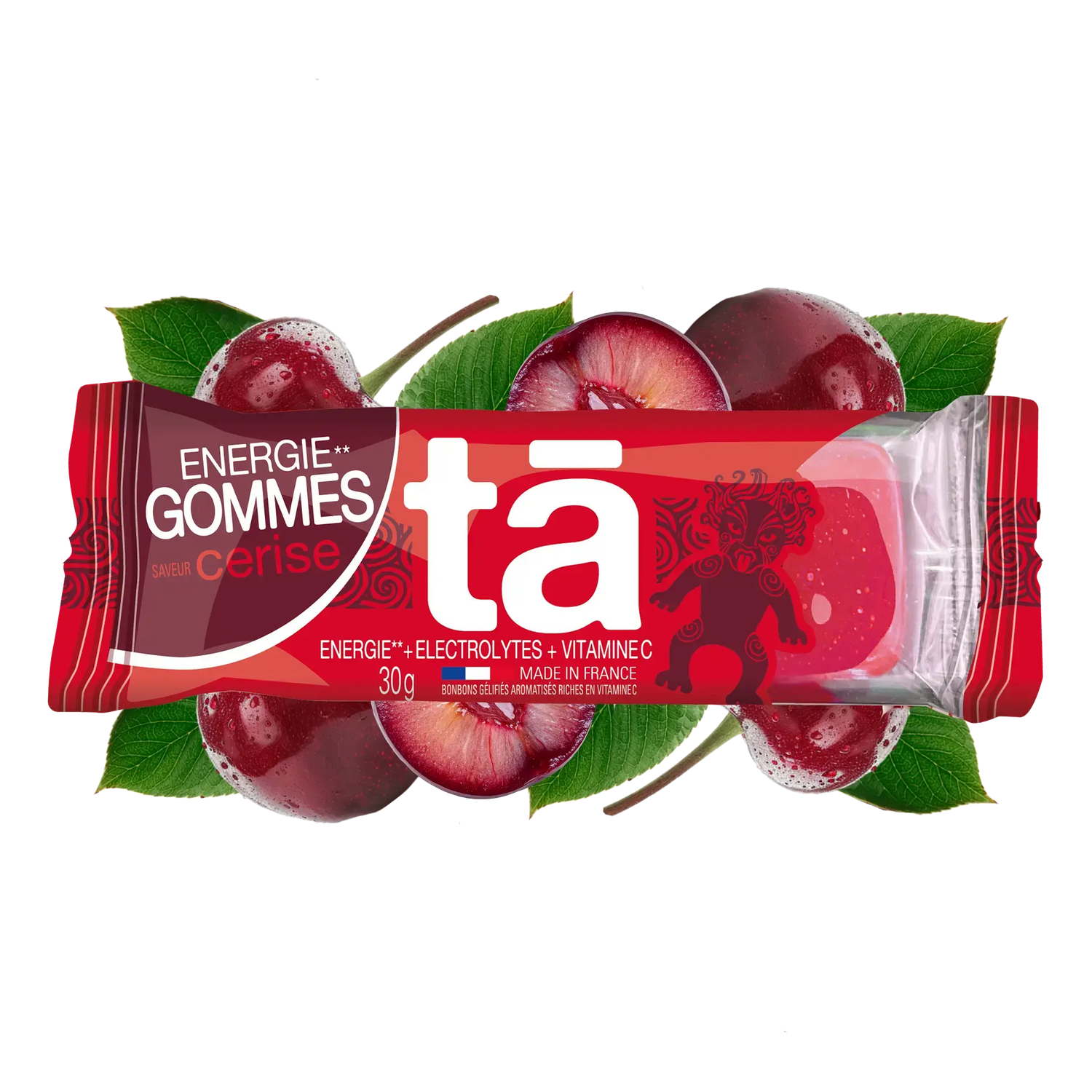
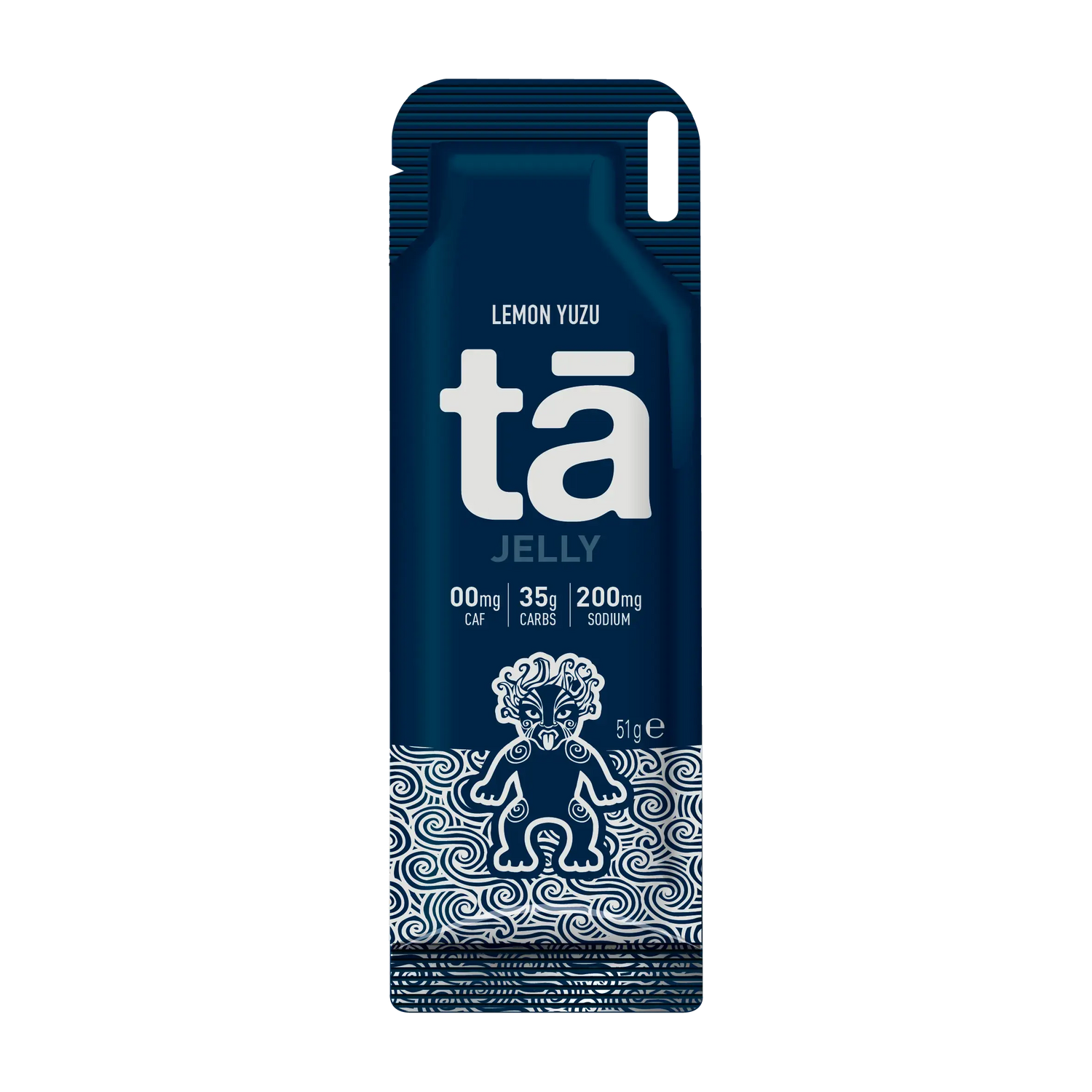
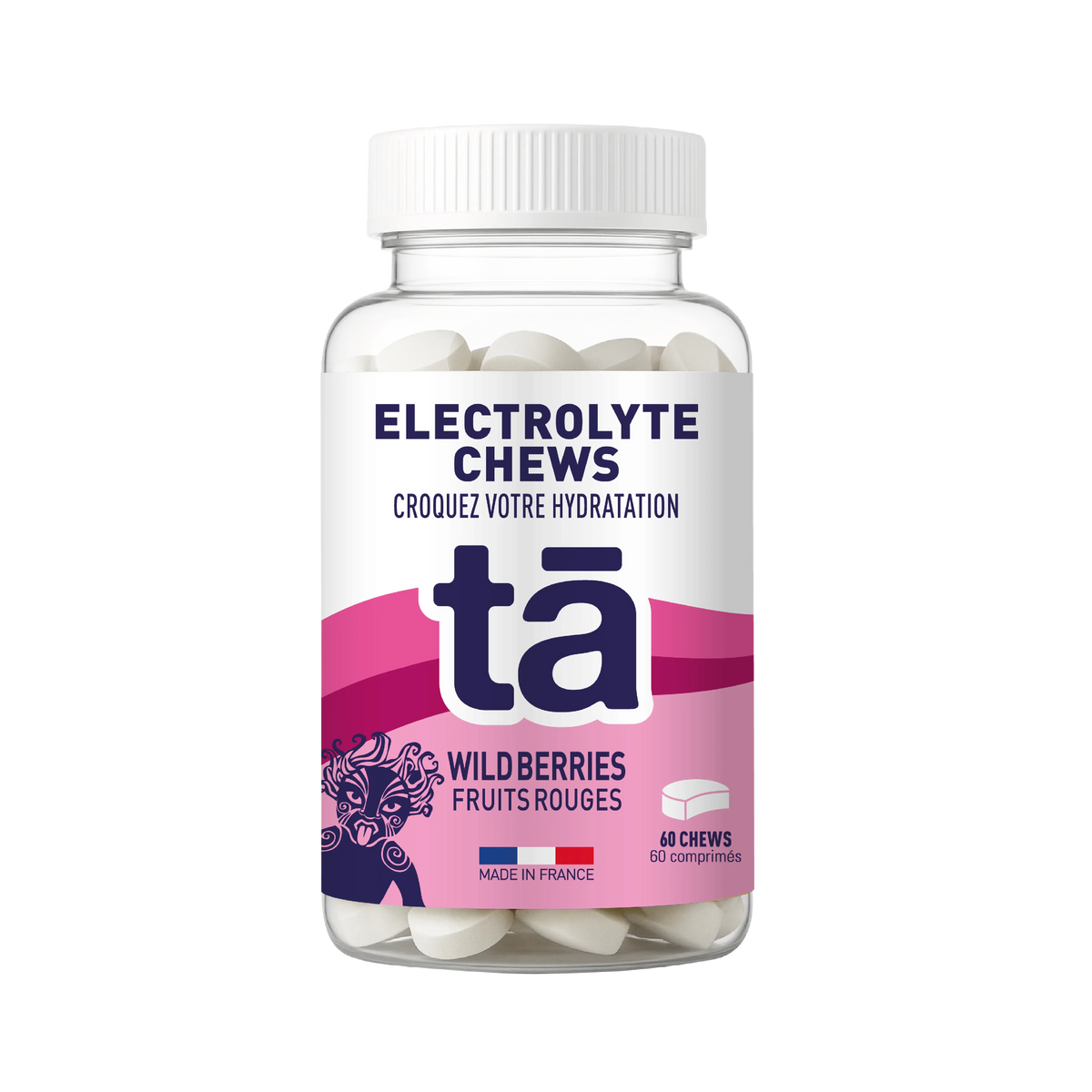
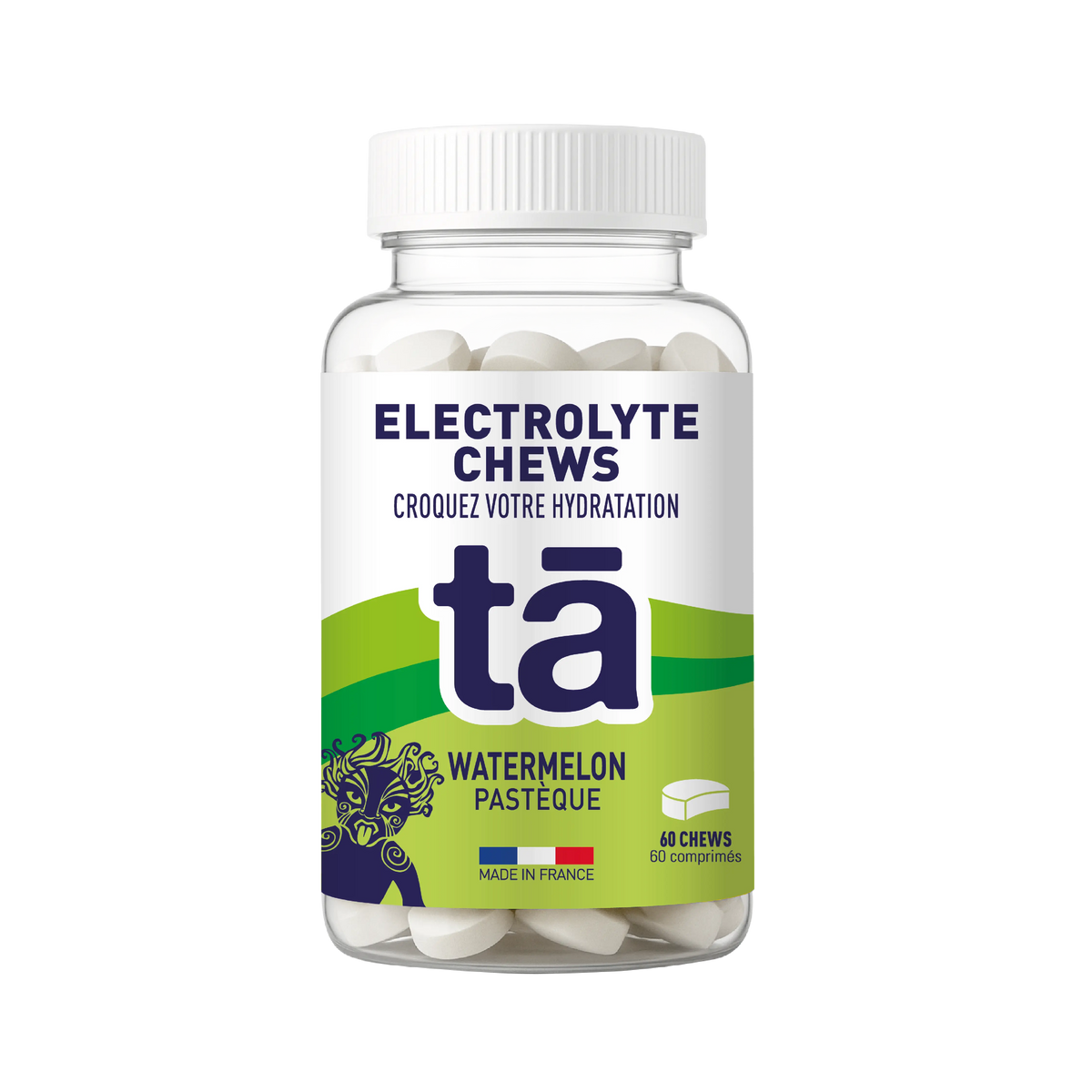
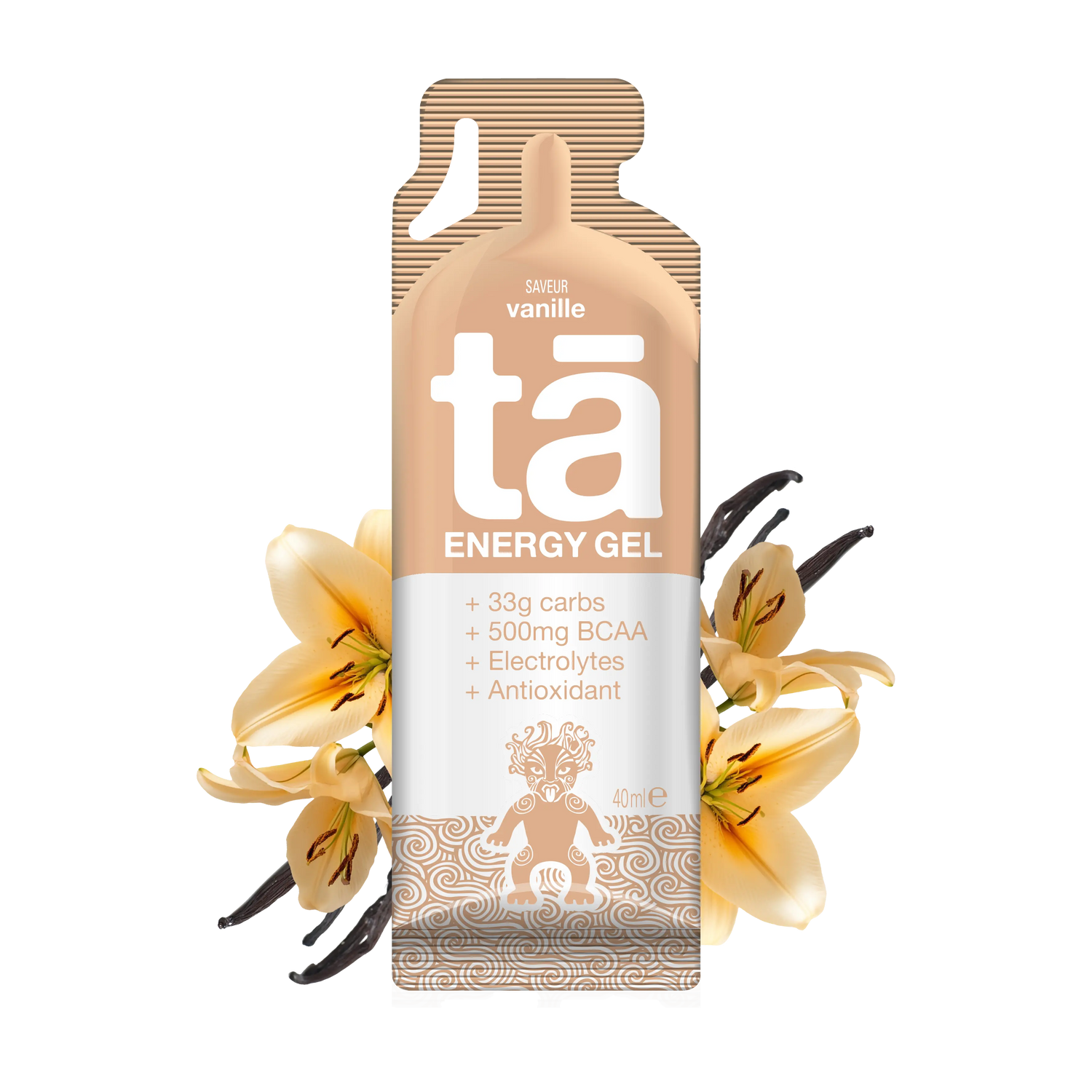
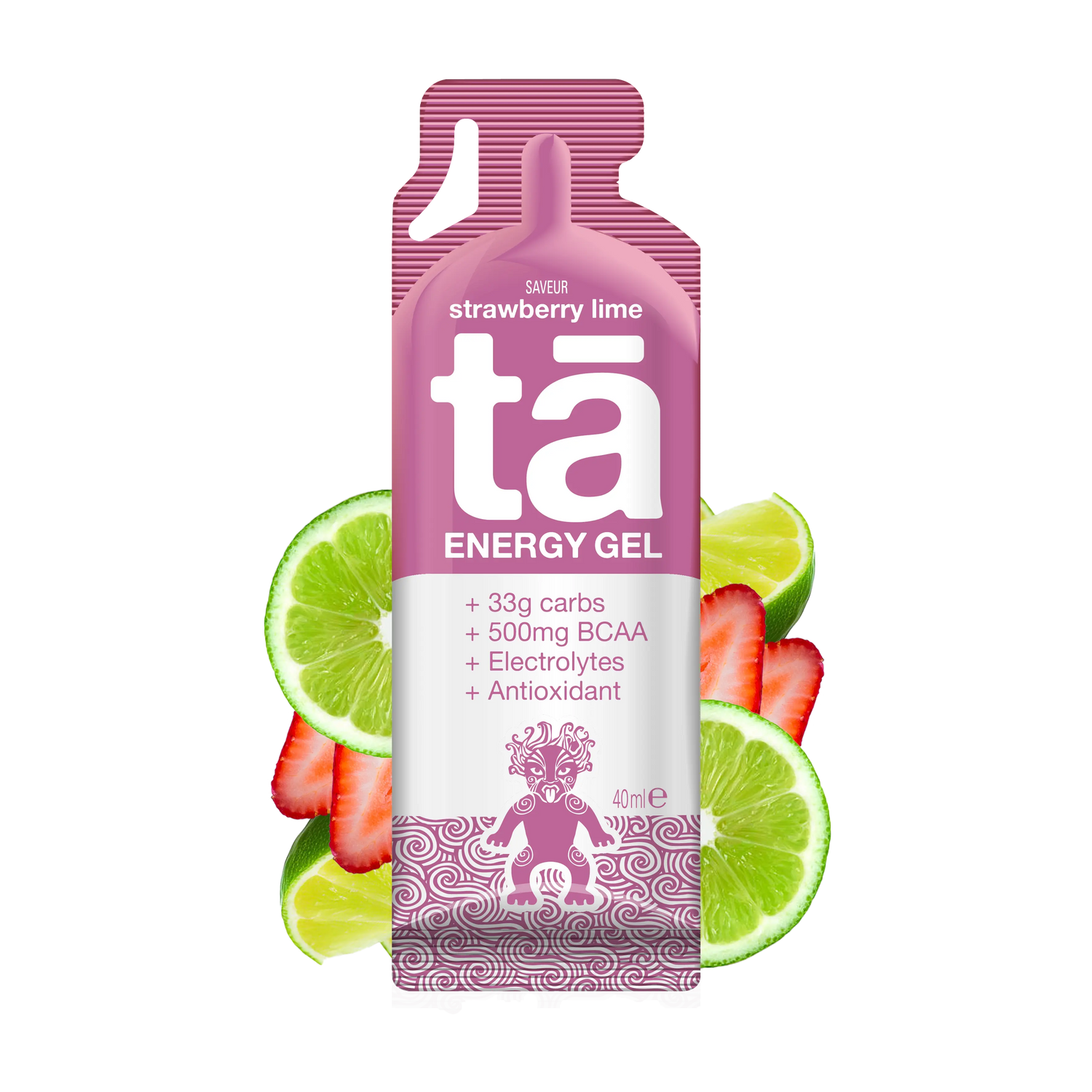
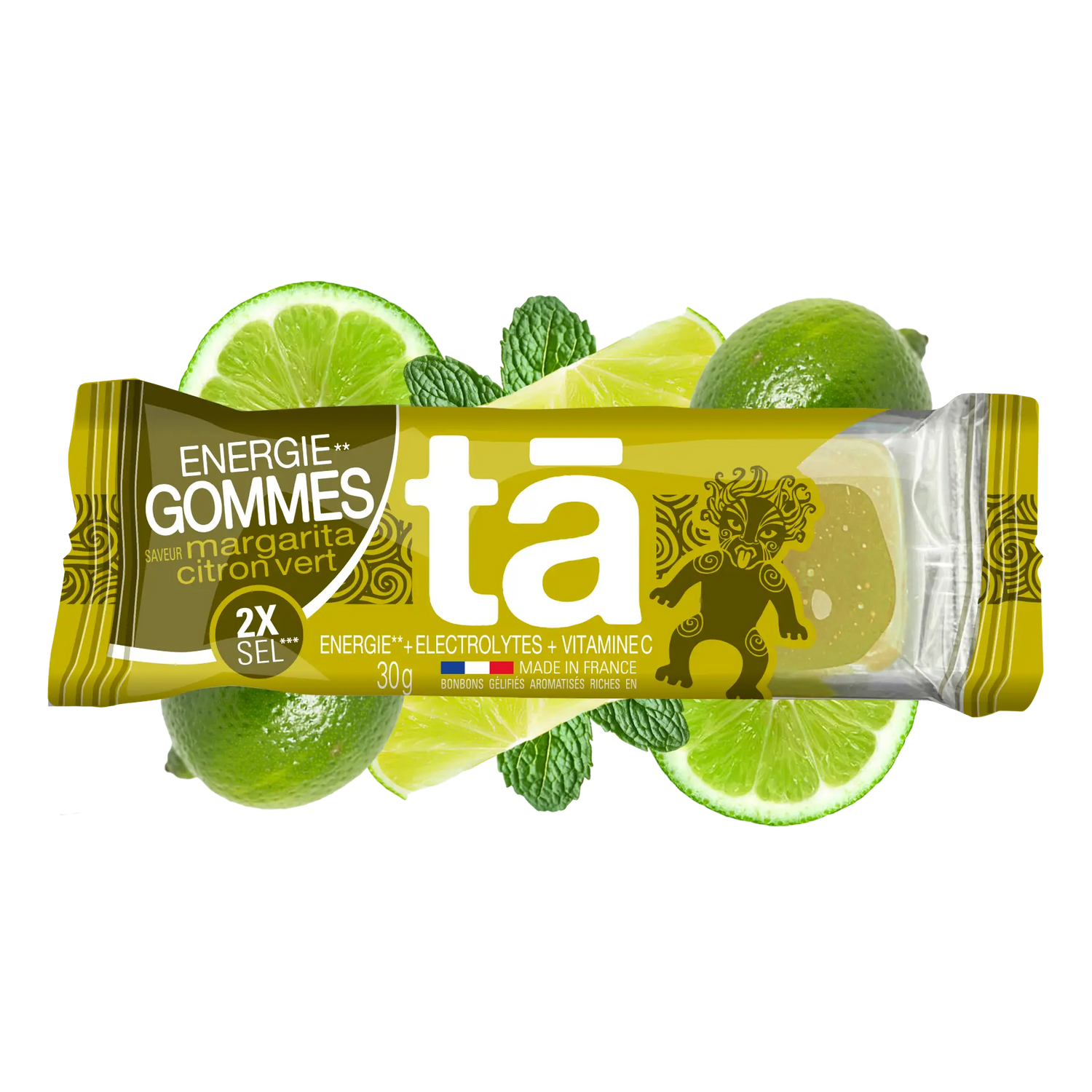
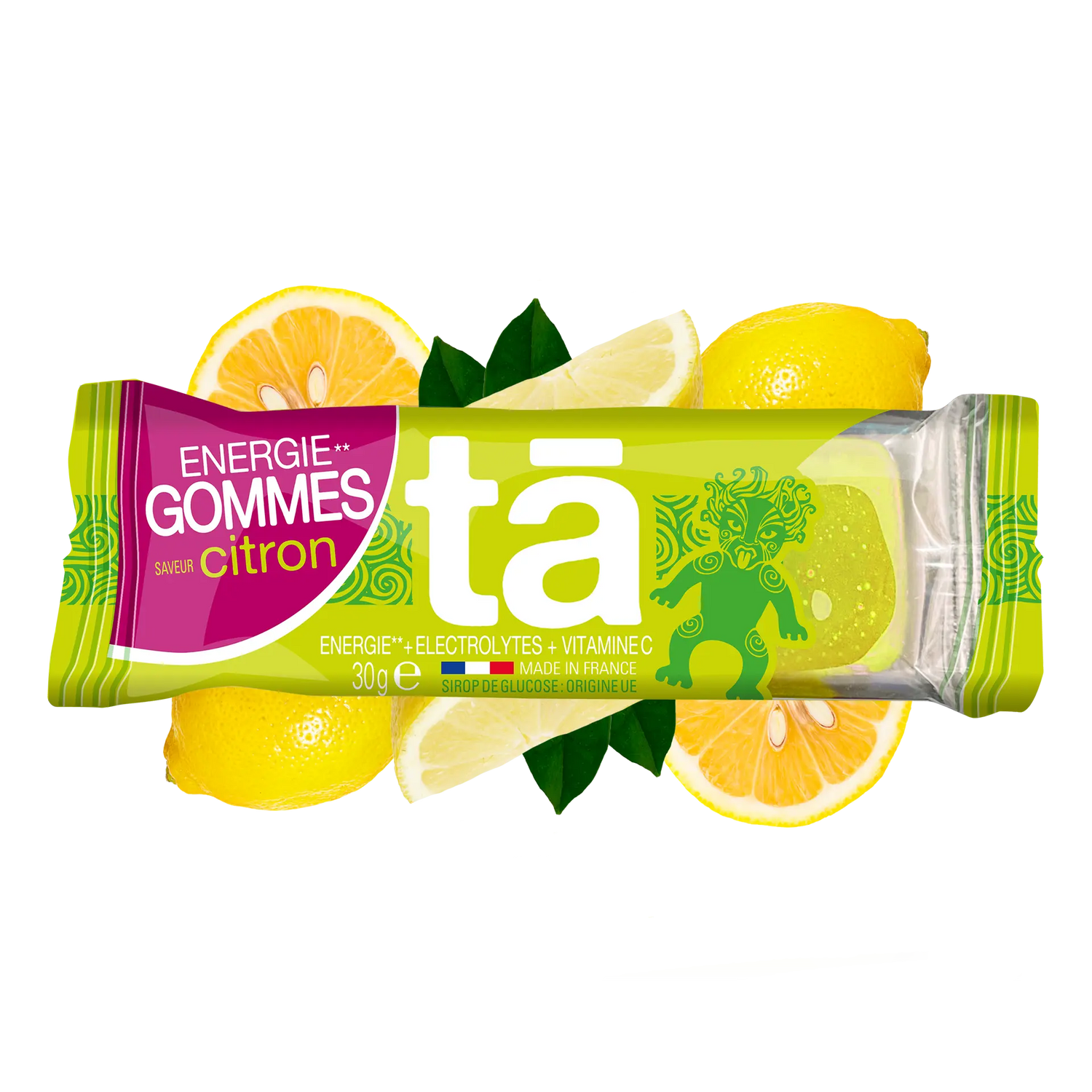
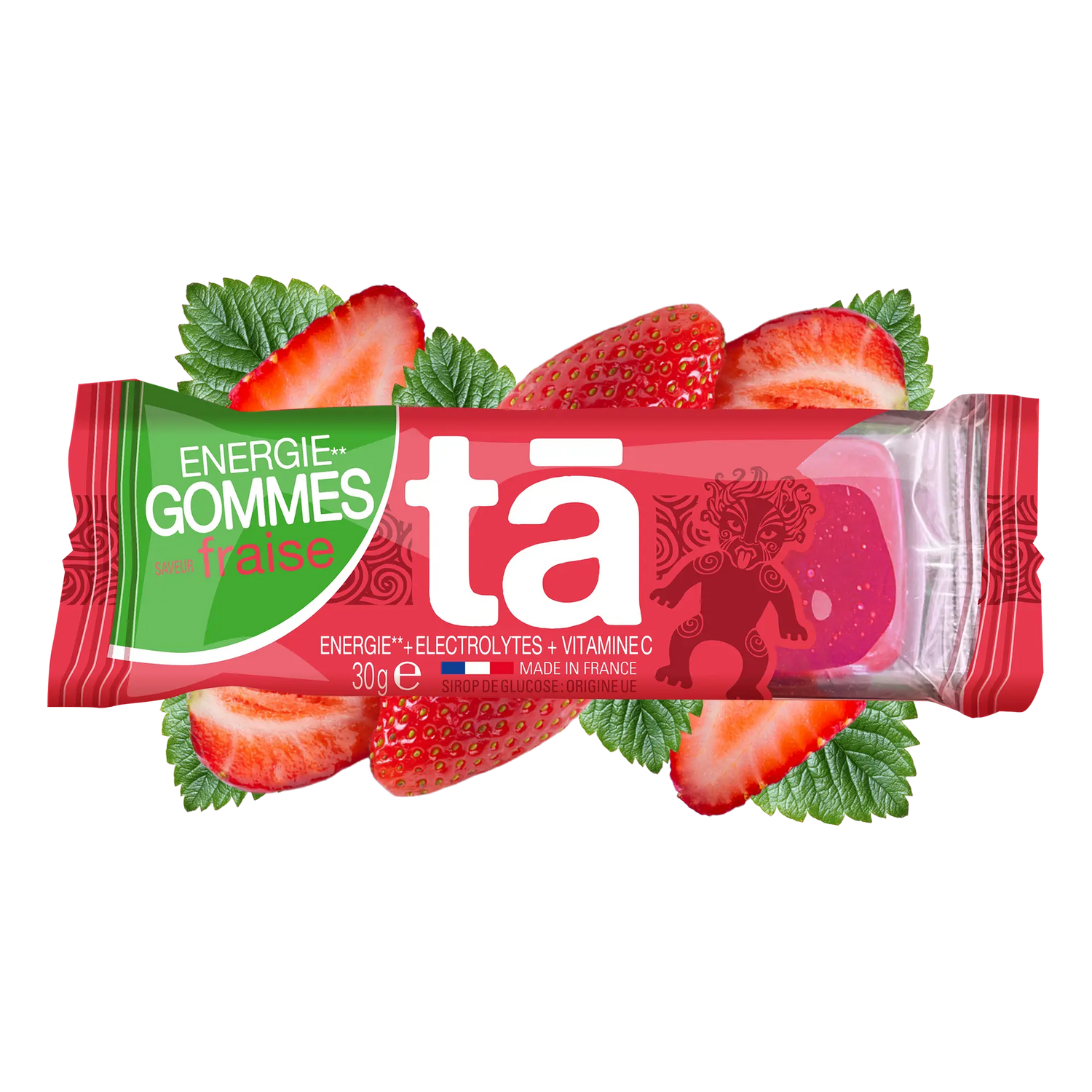
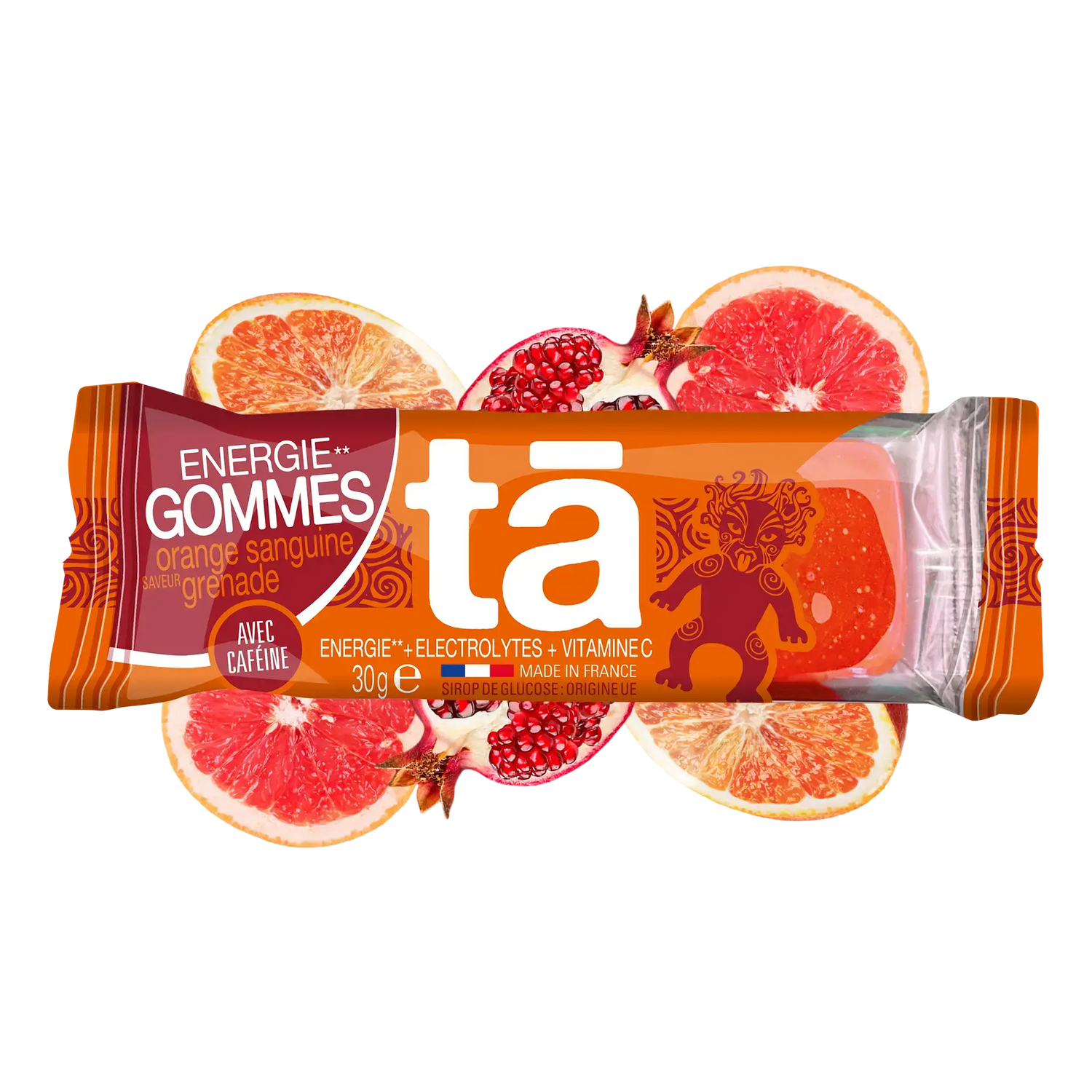
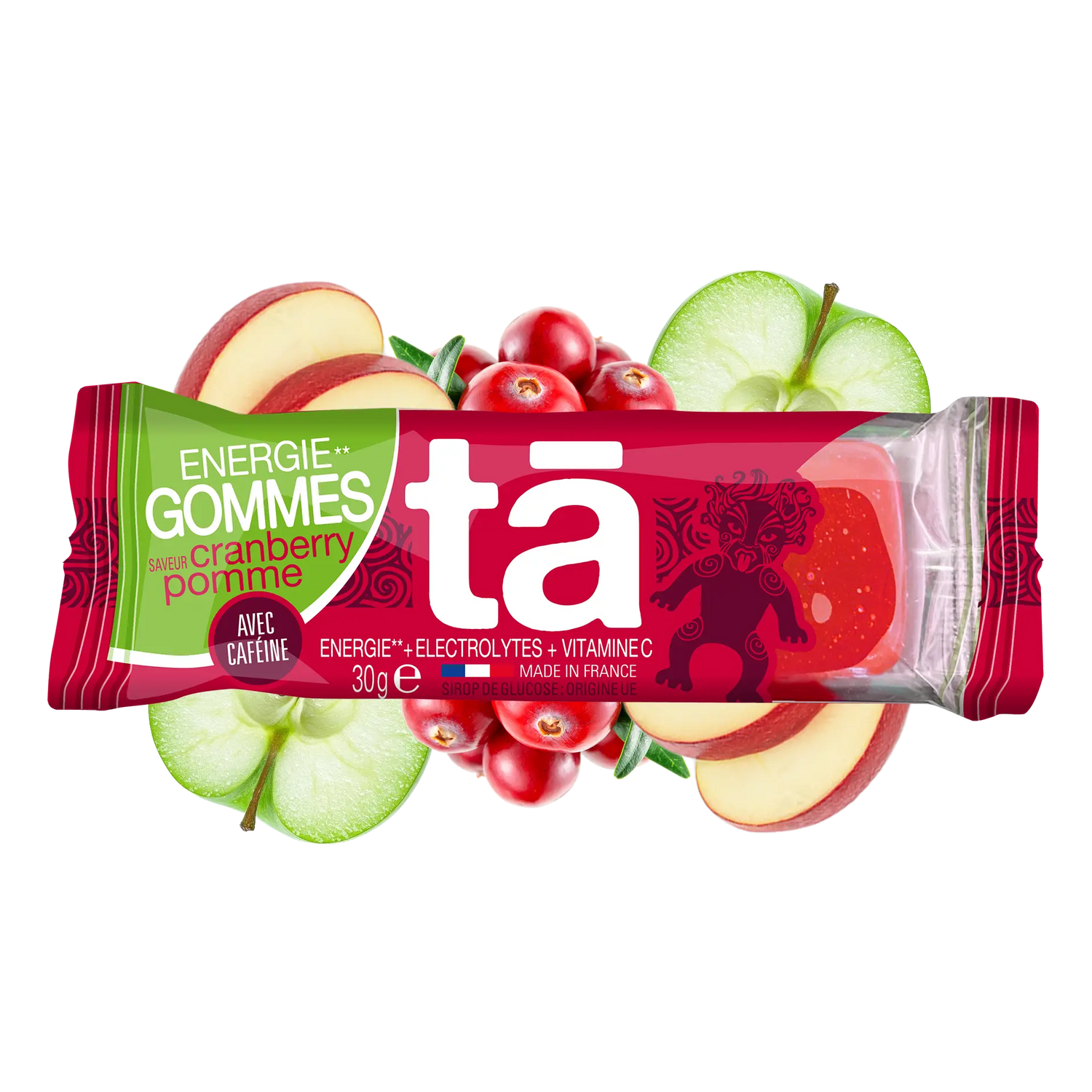
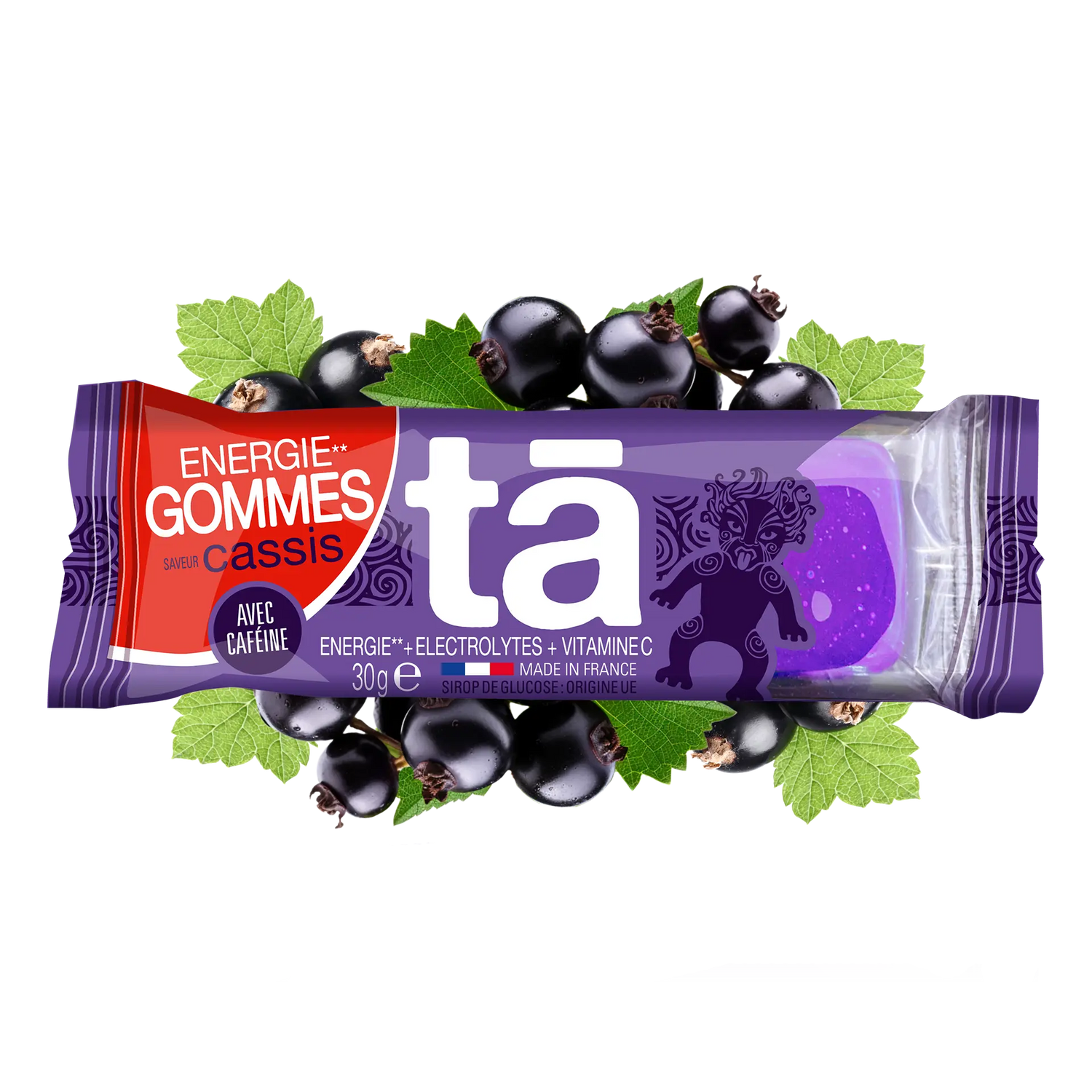
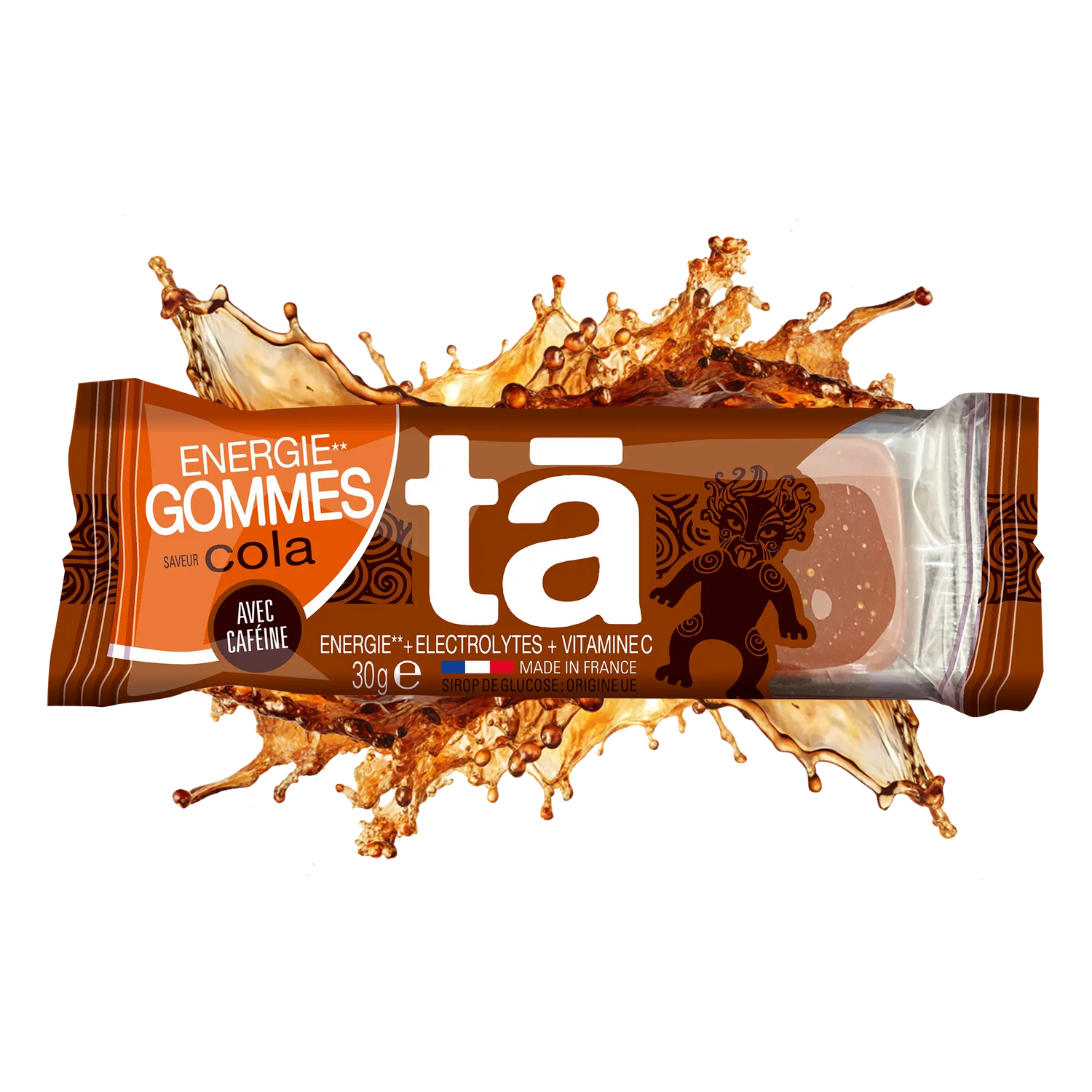
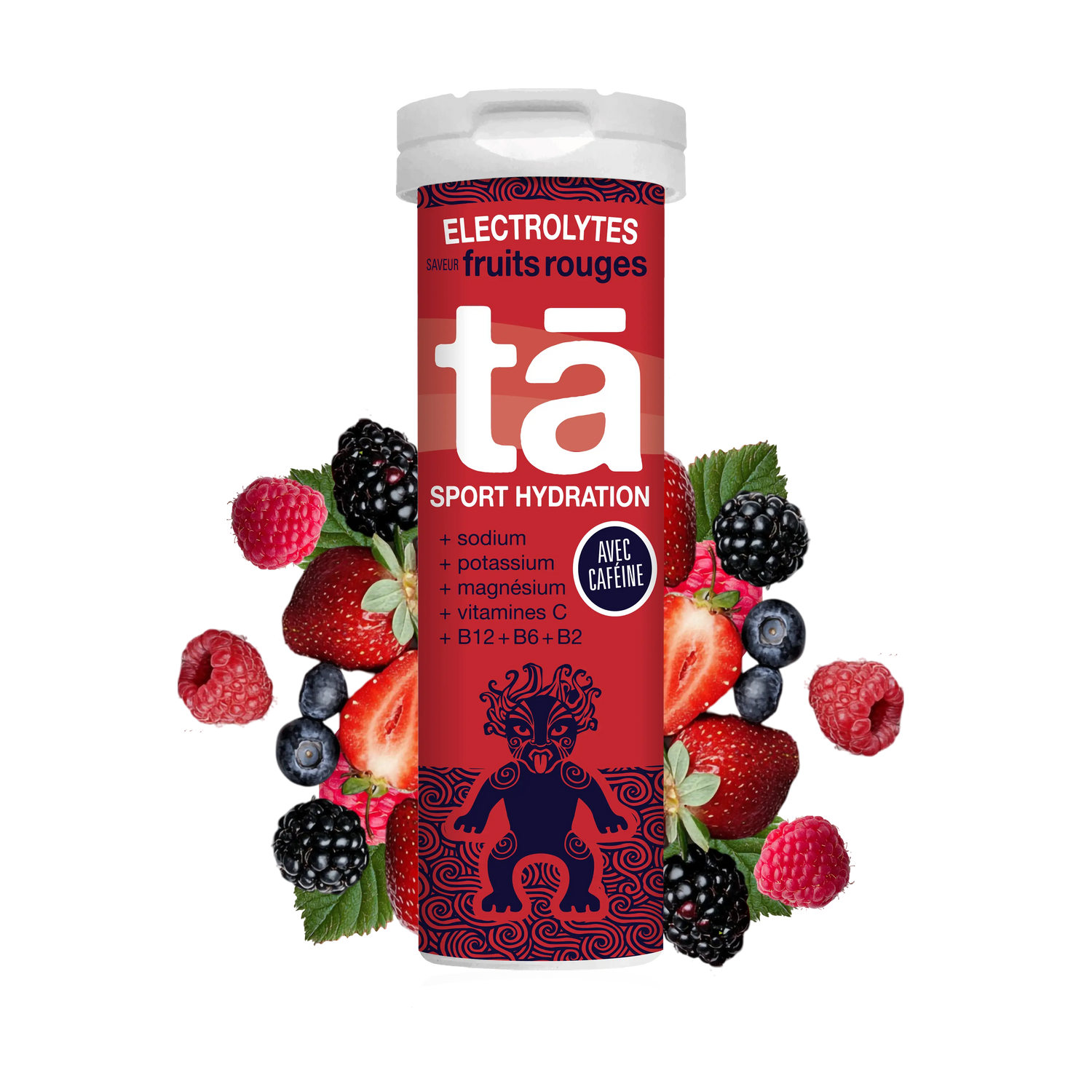
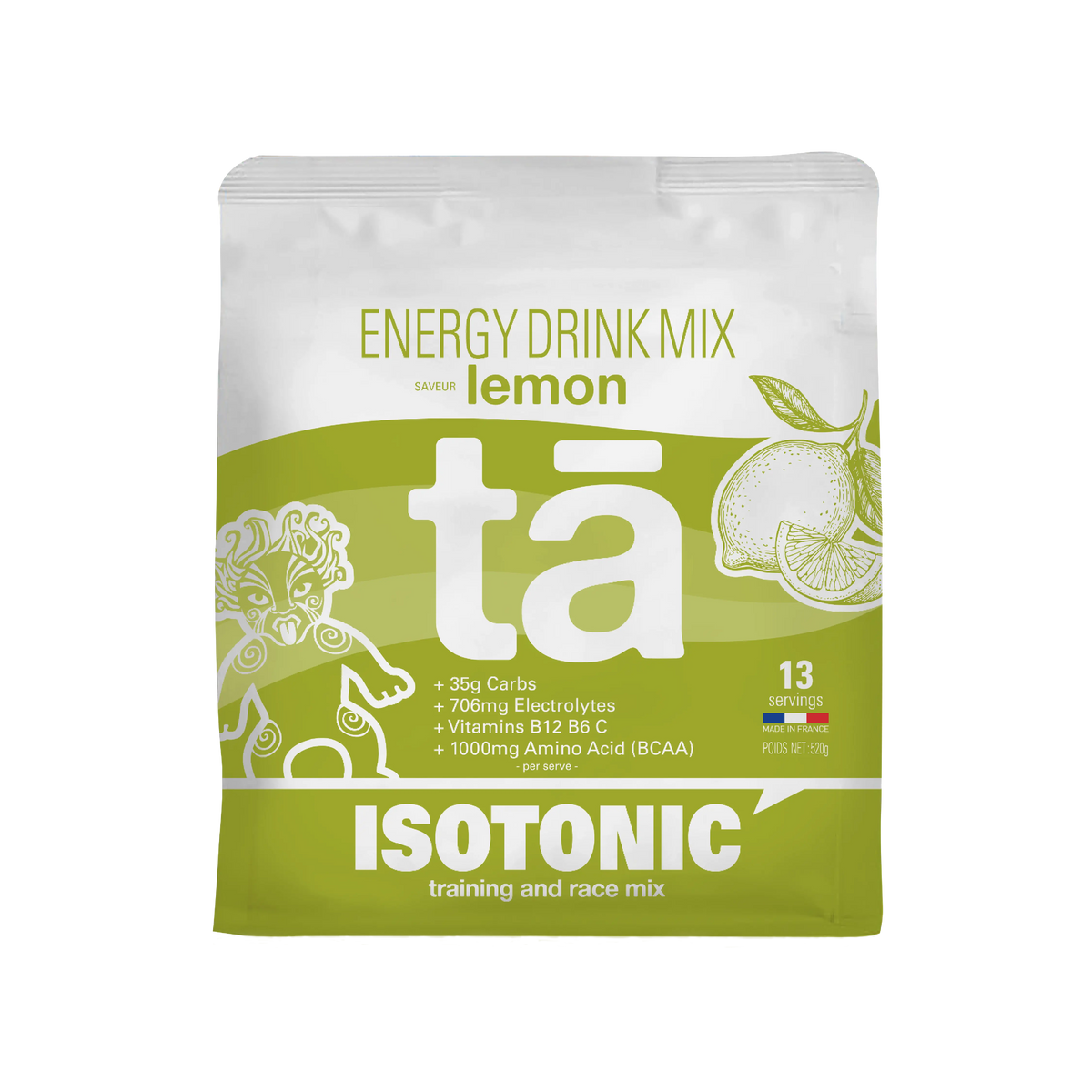
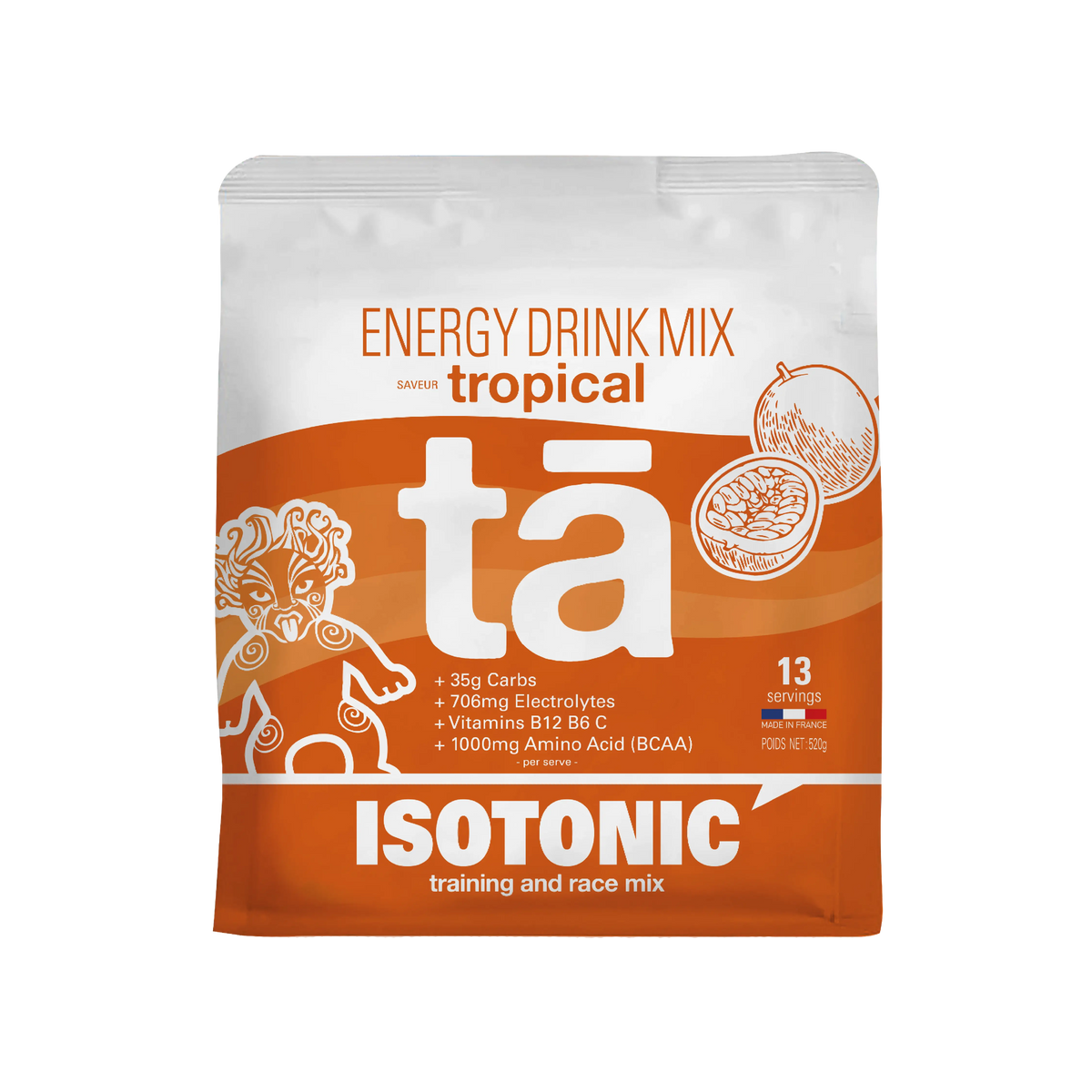
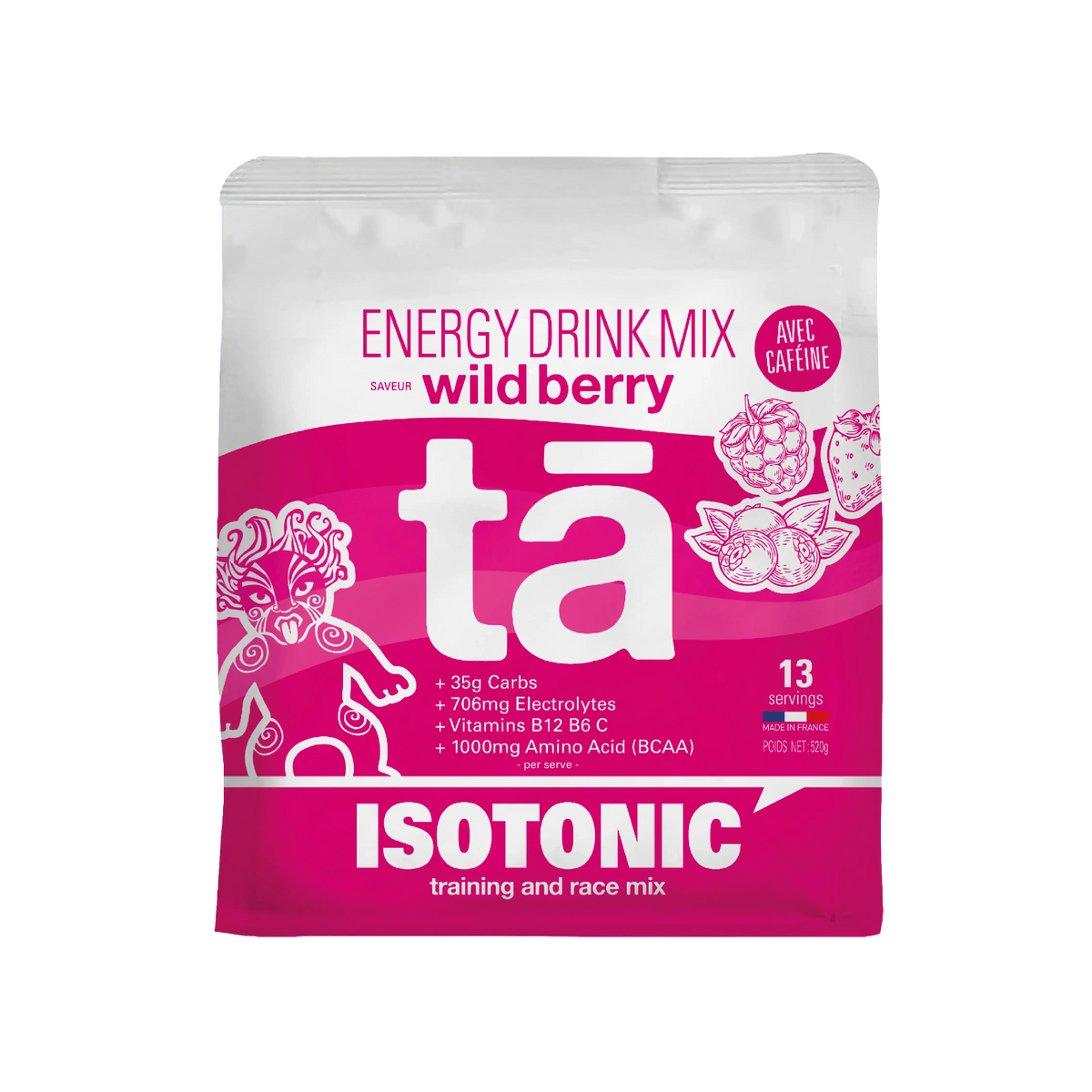
That is the very essence of our jelly gels : to provide you with this perfect blend to maximize the energy available to your muscles without overloading your digestive tract. (2) 

The cyclist version of “Gut Training”: Training your stomach in the saddle

"No impacts from the ground, so no digestive problems!" Think again: cyclists have their own digestive demons. The forward-leaning position, "lying on the handlebars," compresses the rib cage and abdominal area. During intense effort on a climb, blood flow is diverted massively from the stomach to oxygenate the quadriceps. If you suddenly consume 90g of sugar without preparation, pain is guaranteed.

How do you practice "Gut Training" (intestinal training)?

The gut is trained just like your legs. Never tempt fate on the day of your big mountain goal.

• During your long training rides, gradually increase the amount: start at 30g/h, then 50g/h, and move up to 70g/h the following week to accustom your enzymes to digesting in this folded position.

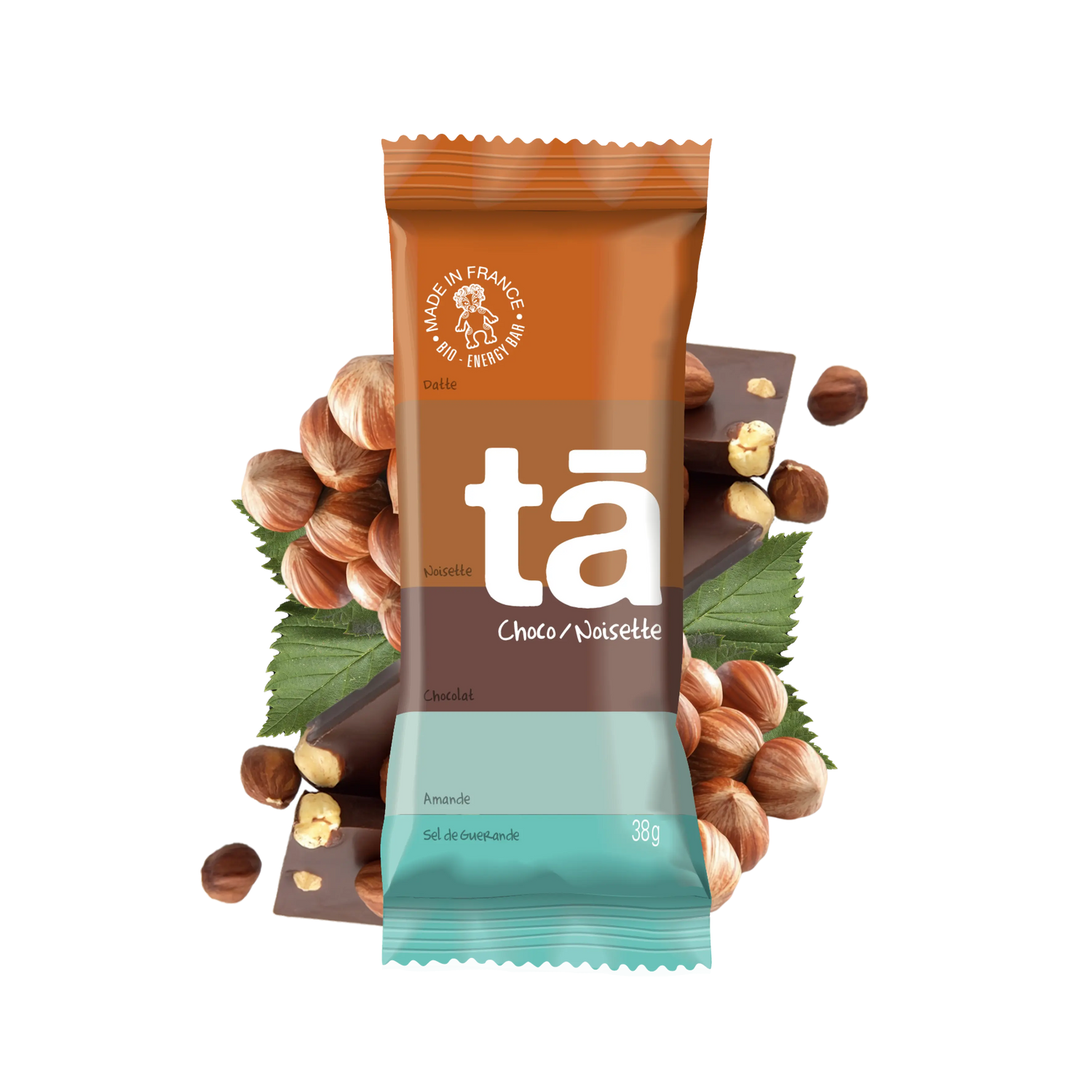
• The advantage of cycling: You can easily consume solid foods (such as our energy bars or gummies) on flat or valley sections. Take advantage of it: solids are assimilated very well as long as your heart rate does not go through the roof! (3)(4)

The Hydration Trap: The drying wind and the sodium paradox
Cycliste TA Gommes

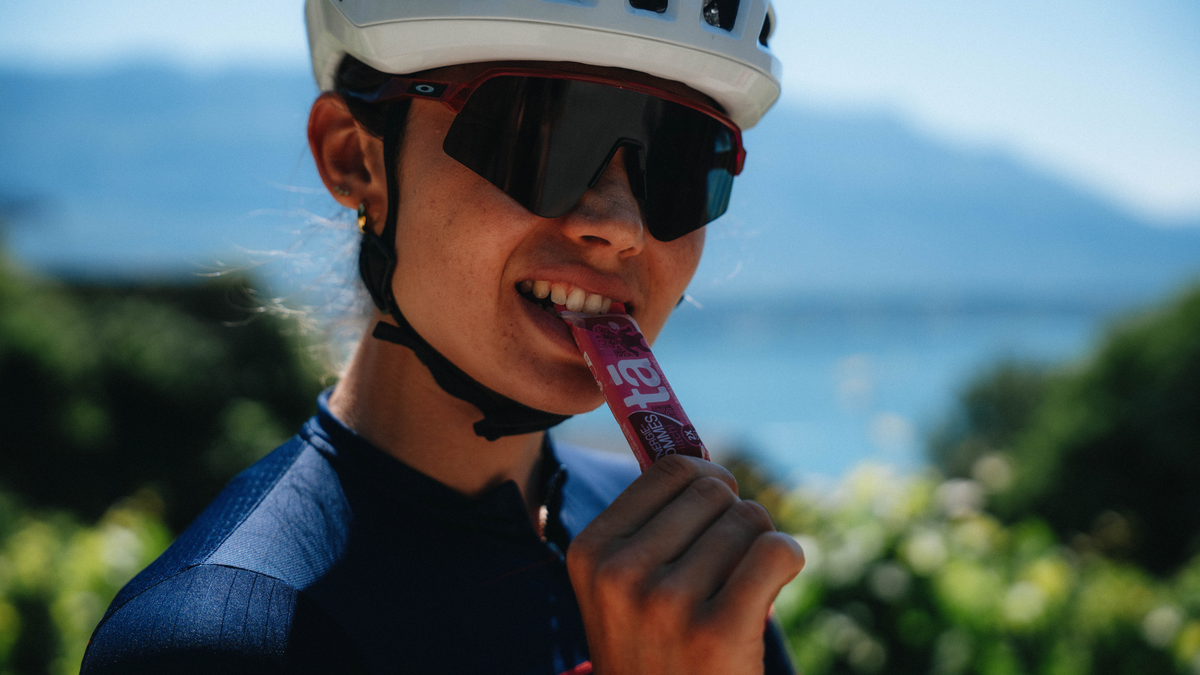
When cycling, there is a formidable false friend: speed. The apparent wind dries your sweat instantly. You feel fresh, as though you are not sweating too much... Fatal mistake. Your fluid loss is immense, and dehydration is lurking. But beware of the opposite effect too: overhydration with plain water. In the saddle for 6 hours under a blazing sun, if you keep drinking bottles of plain water without sodium, you risk hyponatremia (a drop in the concentration of sodium in the blood). This is the famous "sodium paradox": too much water without electrolytes dilutes the sodium, causing headaches, progressing to extreme dizziness and an immediate drop in performance.

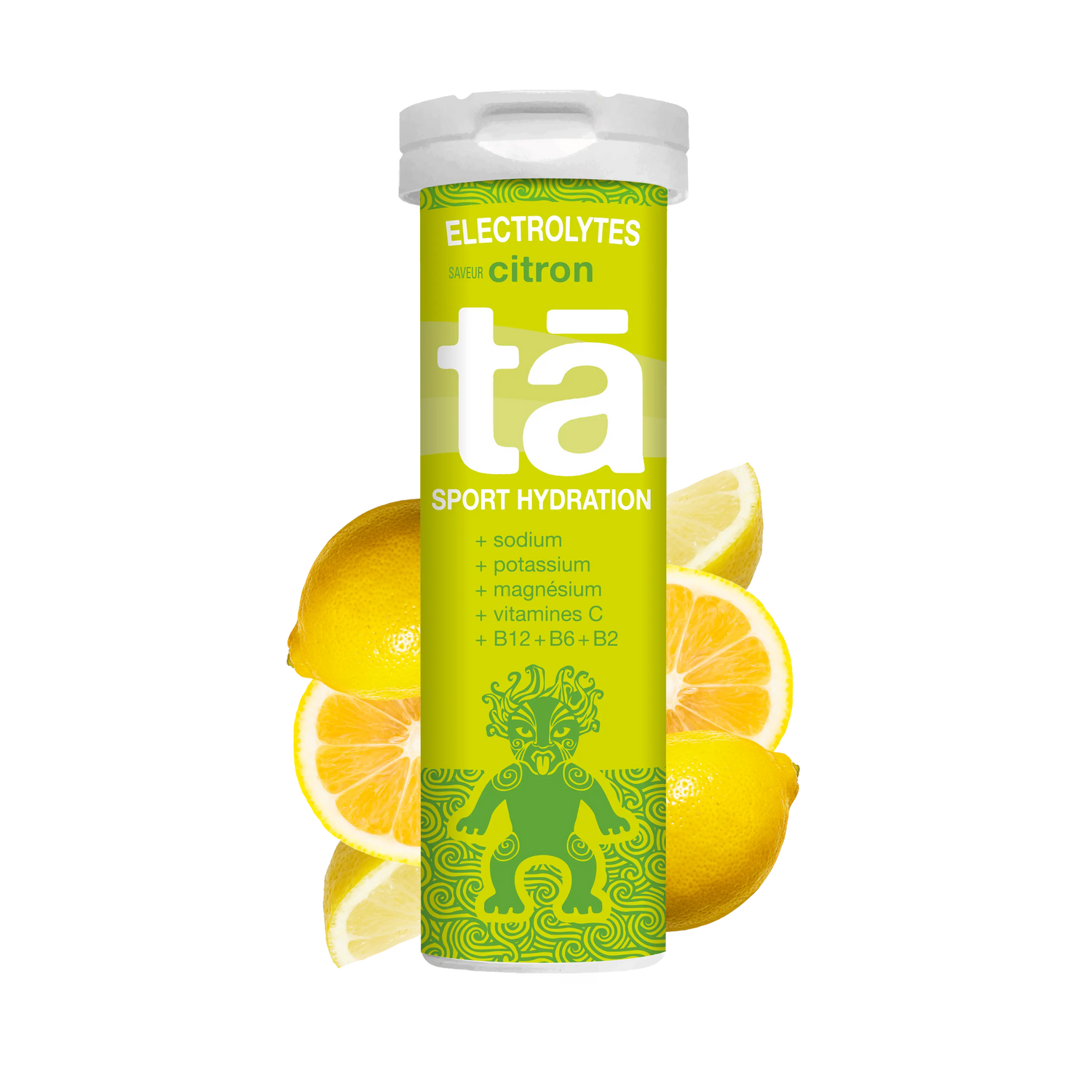
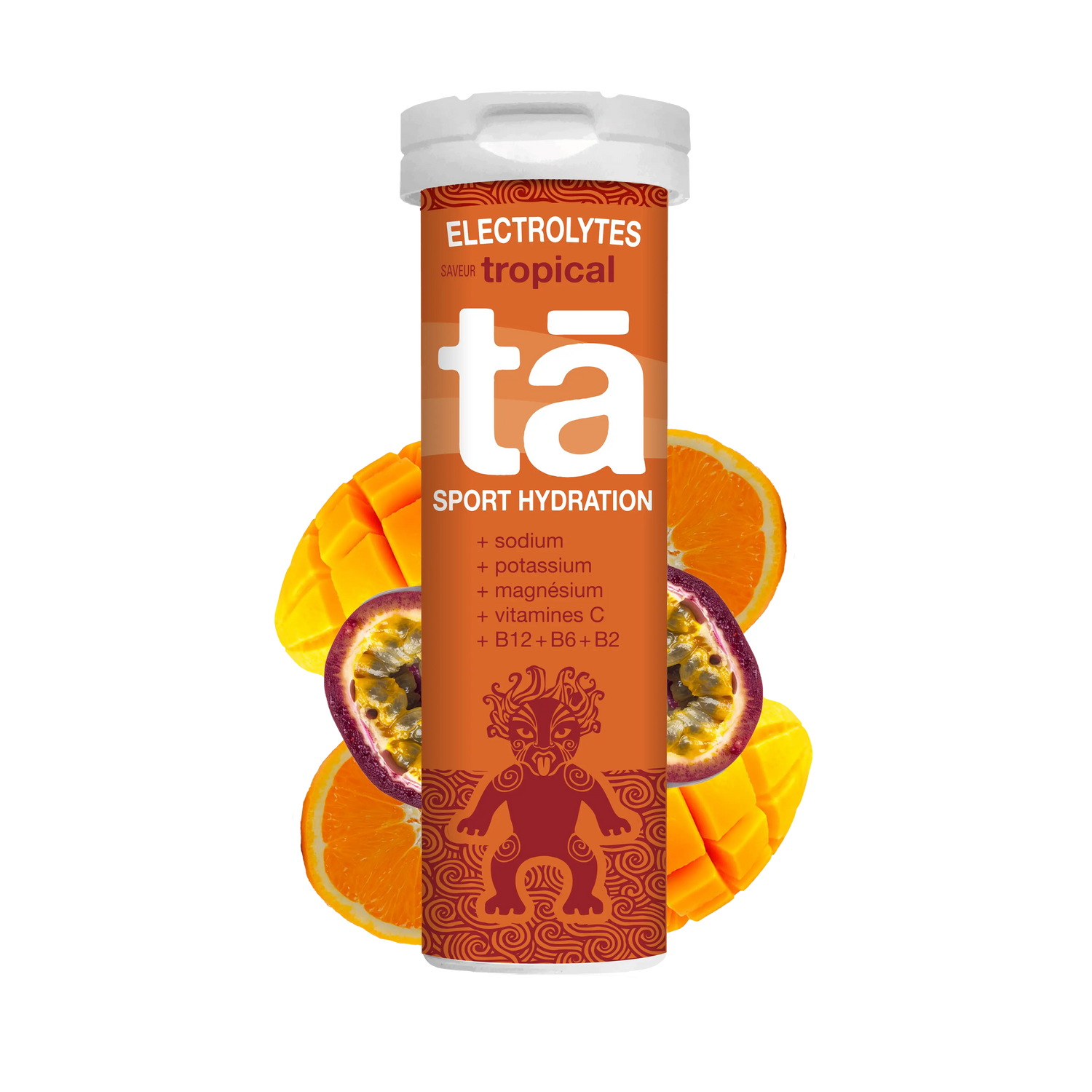
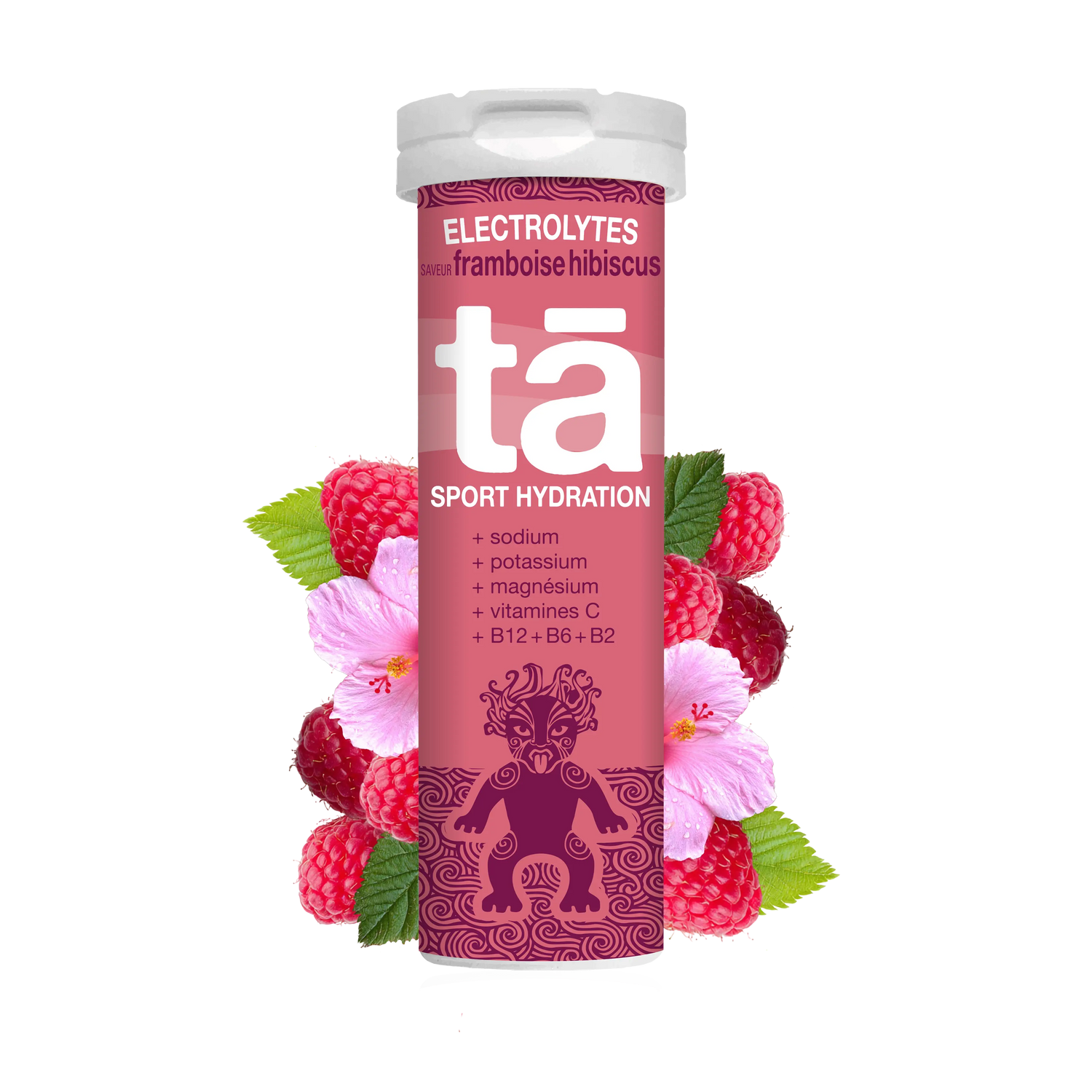
Scientific recommendations advise consuming between 300 and 600mg of sodium per hour of effort.

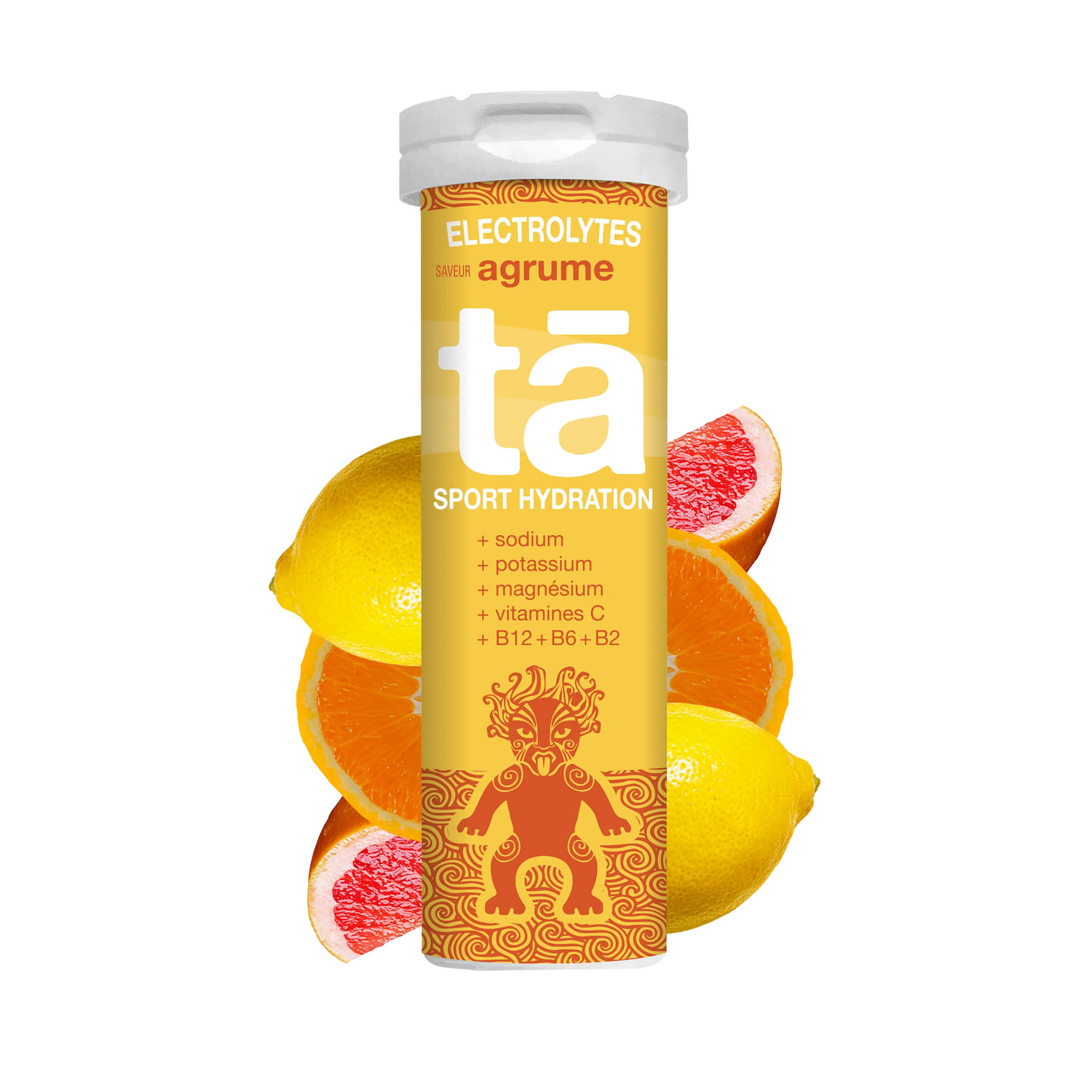
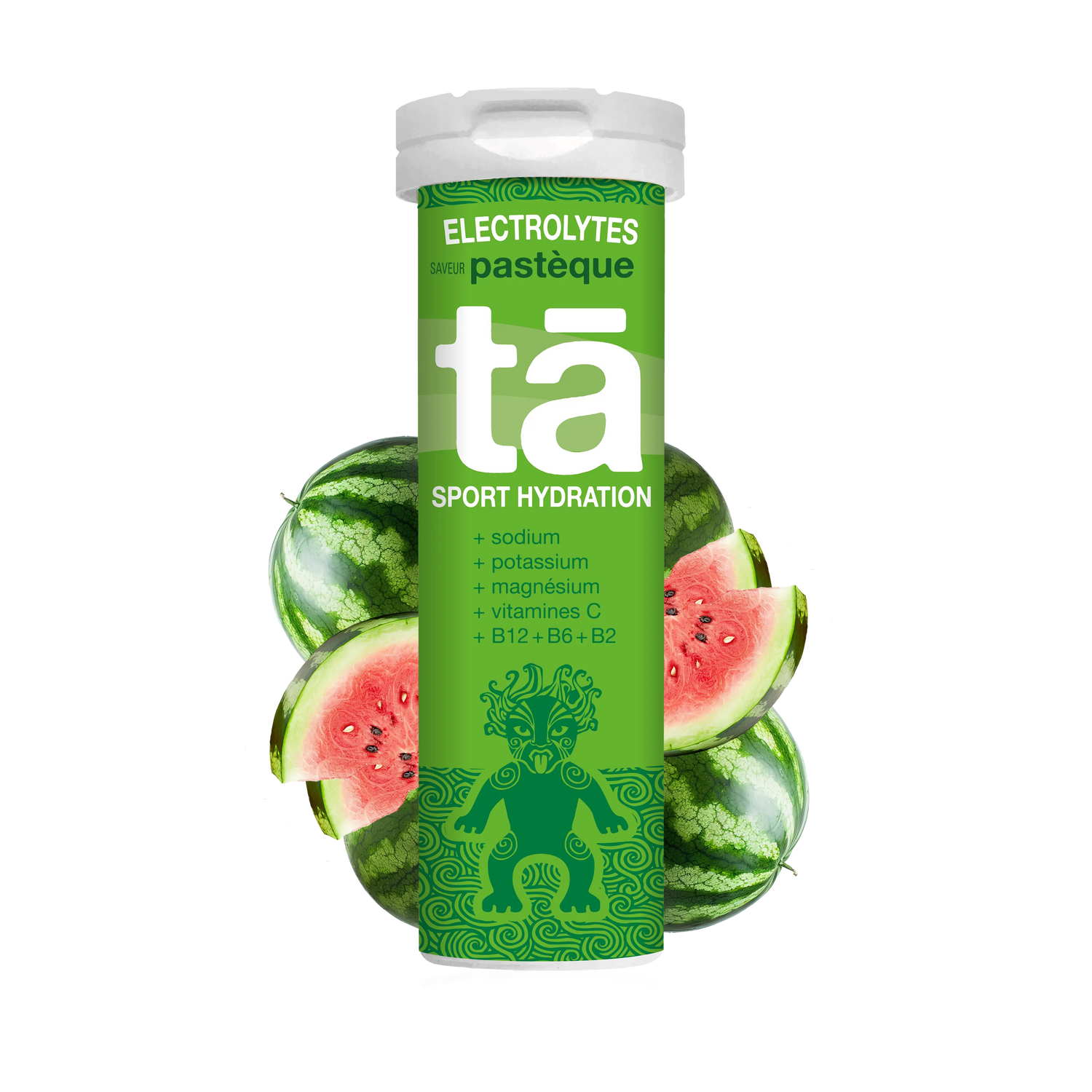
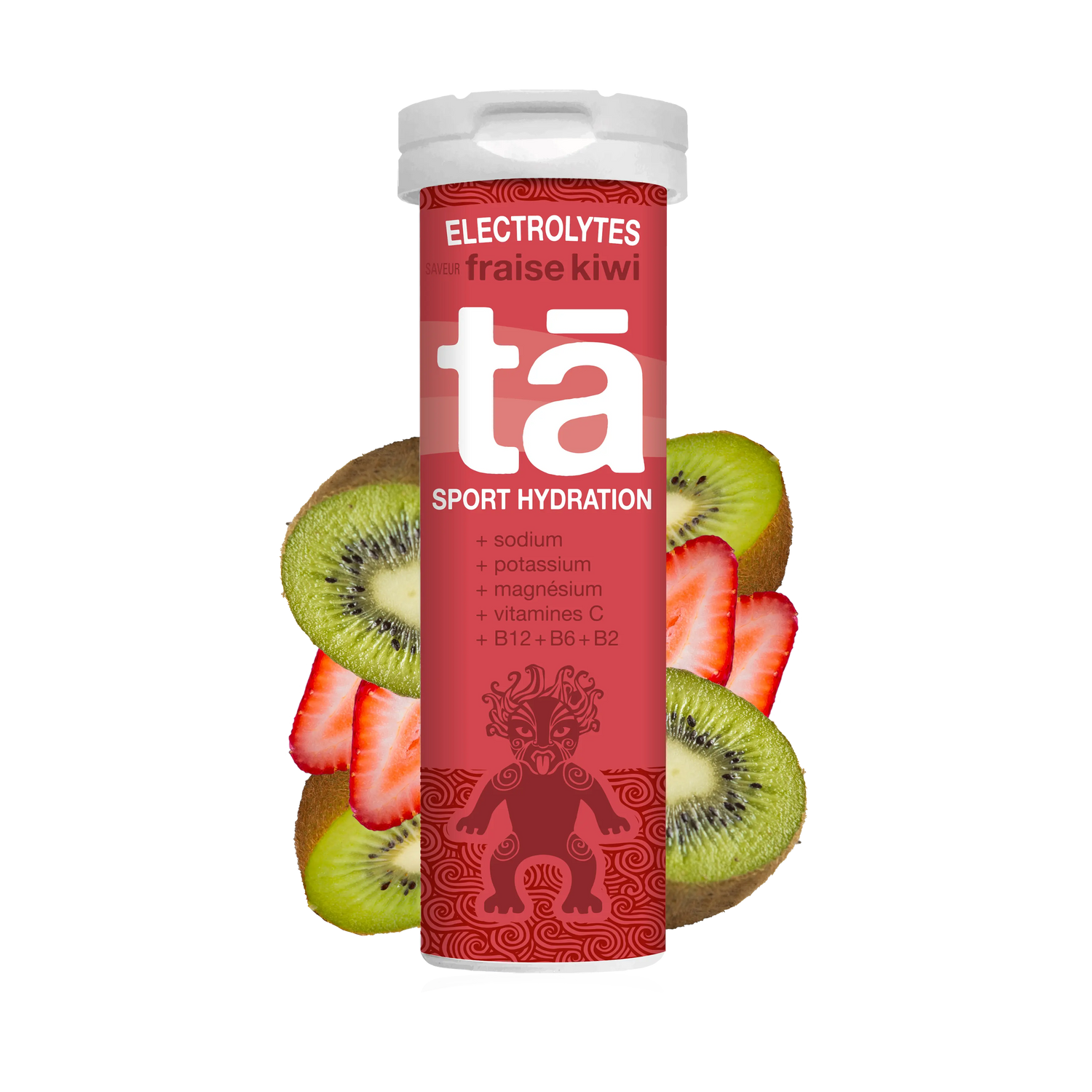
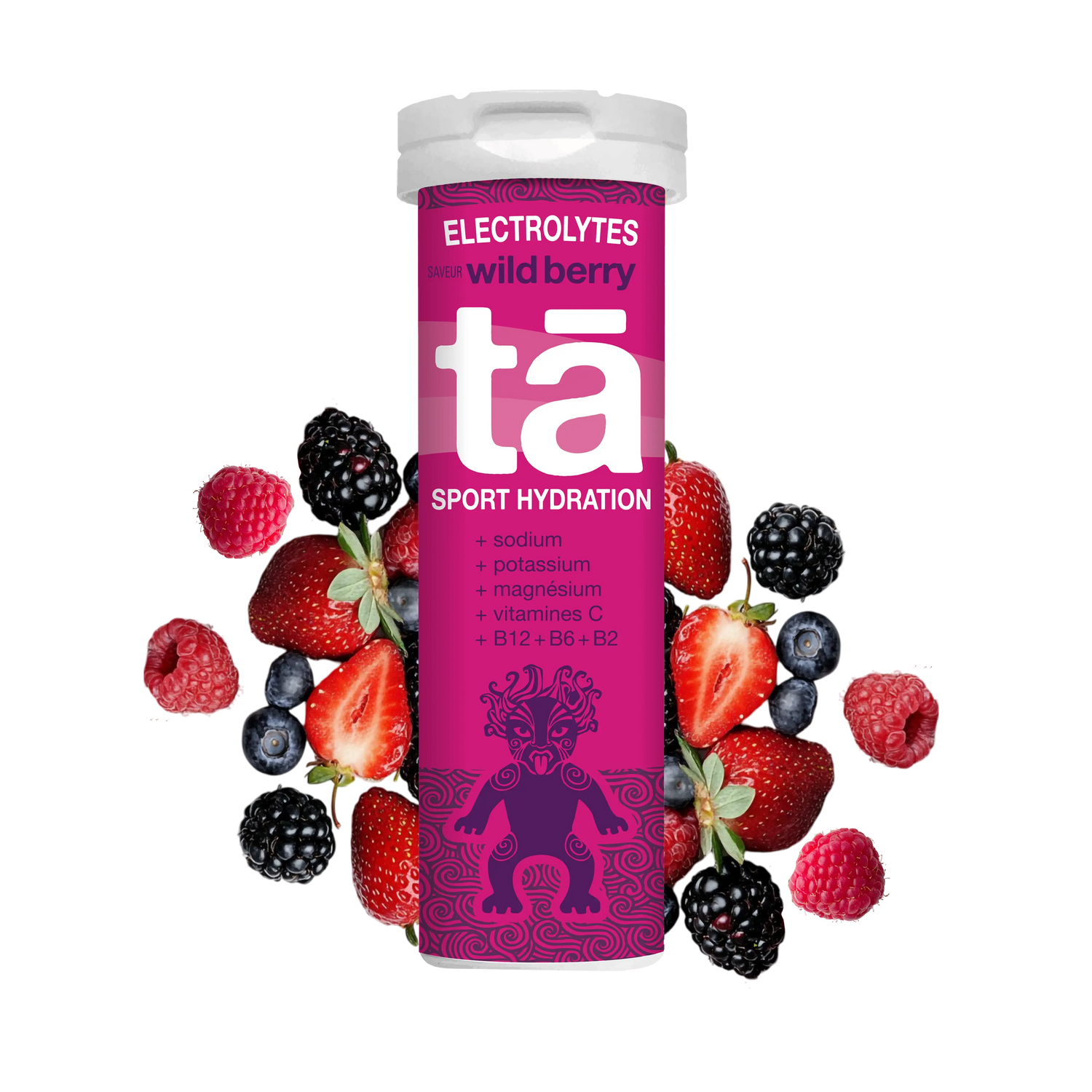
The golden rule: Never set off without electrolytes. Your bottles must contain sodium to compensate for what you lose through sweat and maintain your body's osmotic balance. A cyclist who consumes only plain water during a long, hot stage exposes themselves to serious danger. (5)

Field Tactics: When to Eat What?

On the road, the timing of your fueling should perfectly match the elevation profile of your ride. You don’t fuel the same way at 40 km/h on flat terrain as you do at 10 km/h on a 10% gradient.

•On flat terrain and in valleys:Time for solid food. This is when your position is most relaxed and your heart rate is lowest. Bring out the Tā energy bars or Gummies our gummies. Take the time to chew thoroughly. This is where you build the energy foundations for the ride.

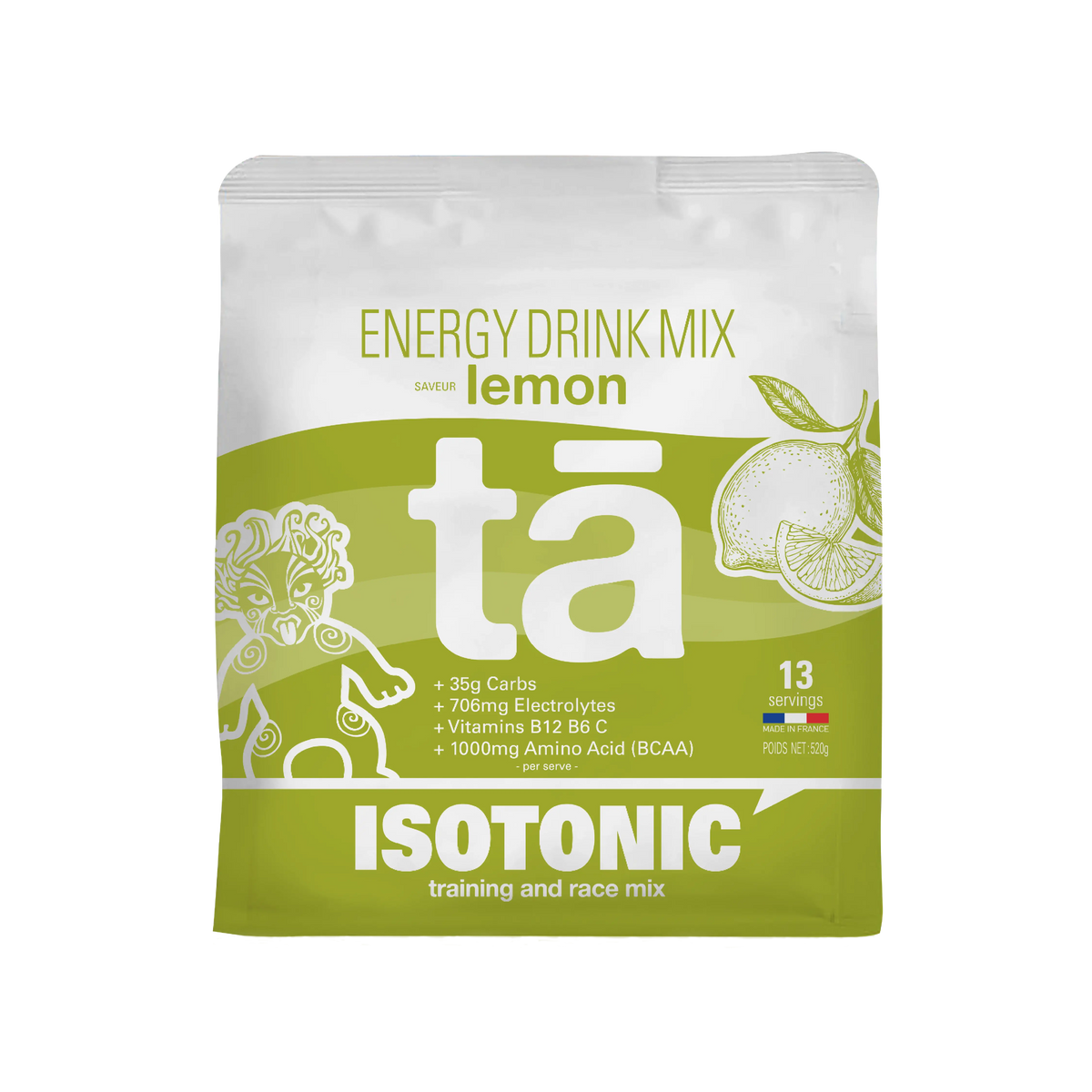
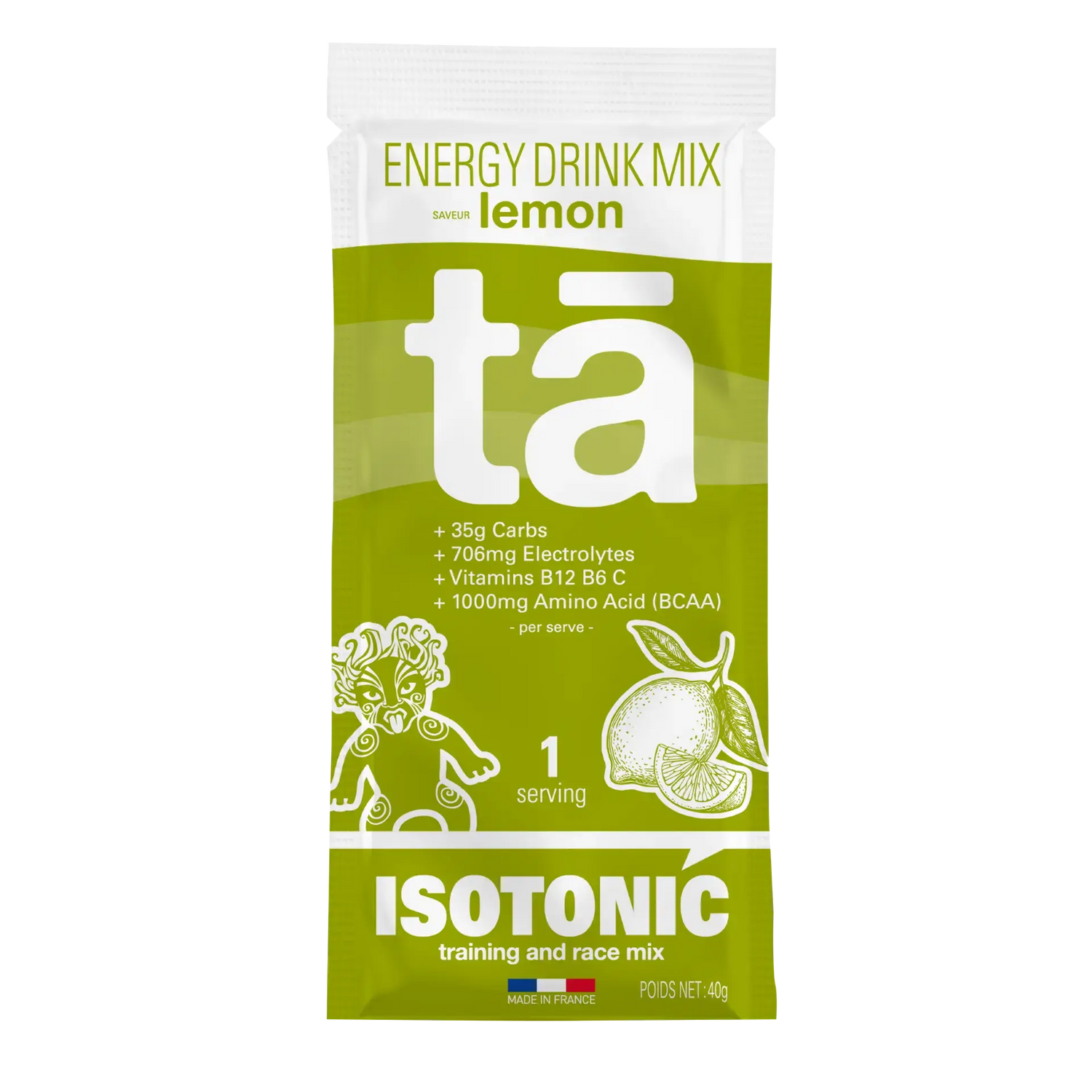
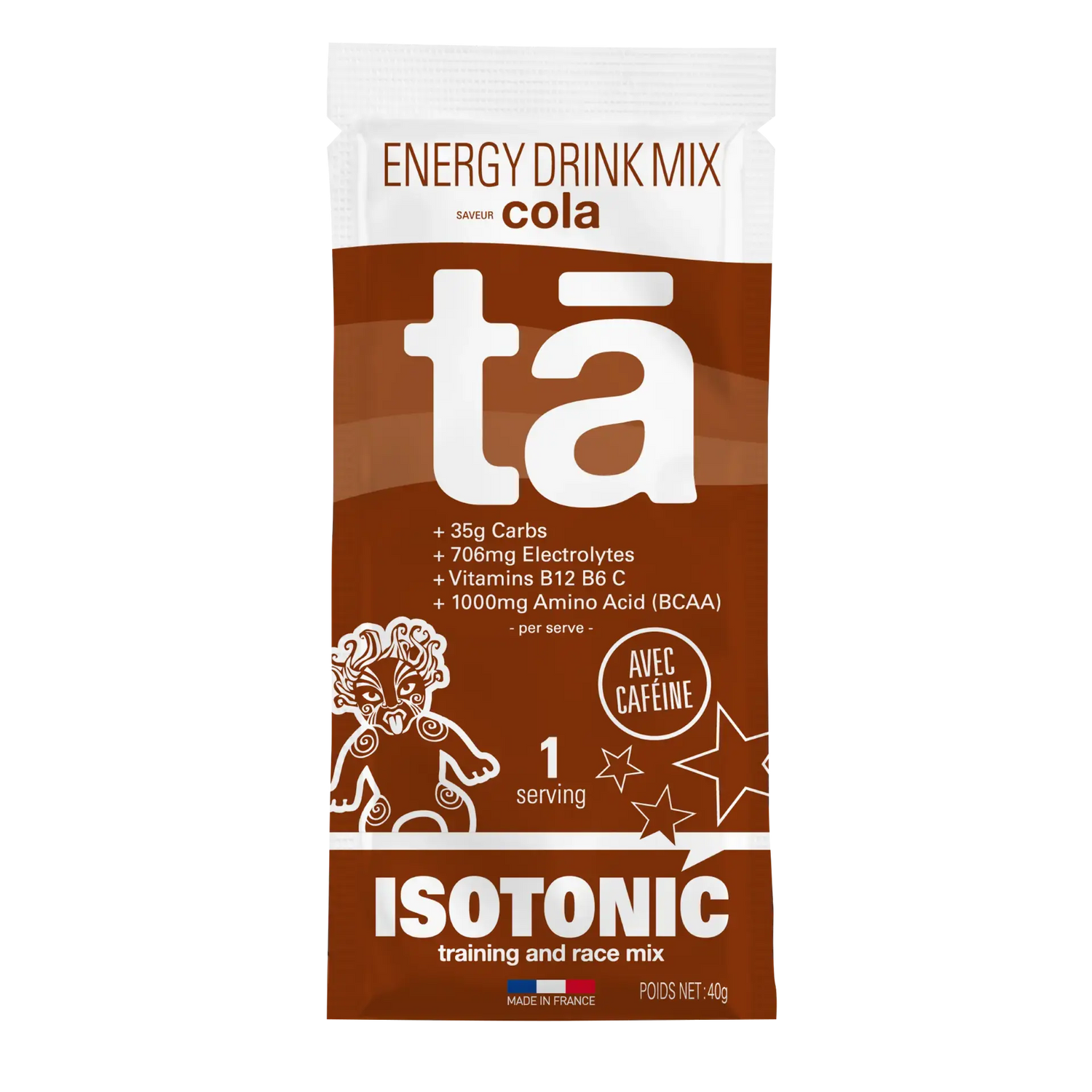
• In the climbs (the mountain passes):Time for liquids and semi-liquids. Your heart races, digestion shuts down. Chewing a bar becomes a nightmare. Switch 100% to your bottle of ISO Drink isotonic drink (which provides liquid, sodium, and carbohydrates) and reach for energy gels and gummies that are easy and quick to swallow. Stay alert and hydrated. Keep your hands out of your pockets (safety first!), but just before starting the descent or on safe flatter sections, take a good sip or a gel. Your brain needs sugar to stay alert at 70 km/h.. Prenez le temps de bien mâcher. C’est ici qu’on construit les fondations 

énergétiques de la sortie.

•Dans les montées (les Cols) :Place au liquide et semi-liquide. Le cœur s'emballe, la 

digestion se coupe. Mâcher une barre devient un calvaire. On bascule à 100% sur le bidon deboisson isotonique(qui apporte liquide, sodium et glucides) et on dégaineles gels énergétiques, et lesgommesfaciles et rapides à avaler.

• Dans les descentes :Vigilance et hydratation. On lâche les mains des poches (sécurité 

d'abord !), mais juste avant de basculer ou sur les replis safes, on prend une bonne gorgée ou un gel. Le cerveau a besoin de sucre pour rester lucide à 70 km/h. 

Caffeine: The secret weapon against hair loss and for mental clarity
Nutrition Ta Energy

We often joke about "café-vélo" culture during a mid-ride break. But scientifically, caffeine is one of the best allies for long-distance cyclists.

After several hours of pushing on the pedals, fatigue isn't only muscular: it's central (in the brain). A drop in alertness on the bike is unforgiving. A missed line through a downhill corner, a slowed reaction to a pothole in the road, and that's a crash.

How should you dose it strategically?

Caffeine blocks adenosine receptors (the molecule responsible for fatigue). It improves concentration, reduces the perception of effort, and gives the nervous system a boost.

• The recommended doses are between 3 and 6 mg of caffeine per kg of body weight.

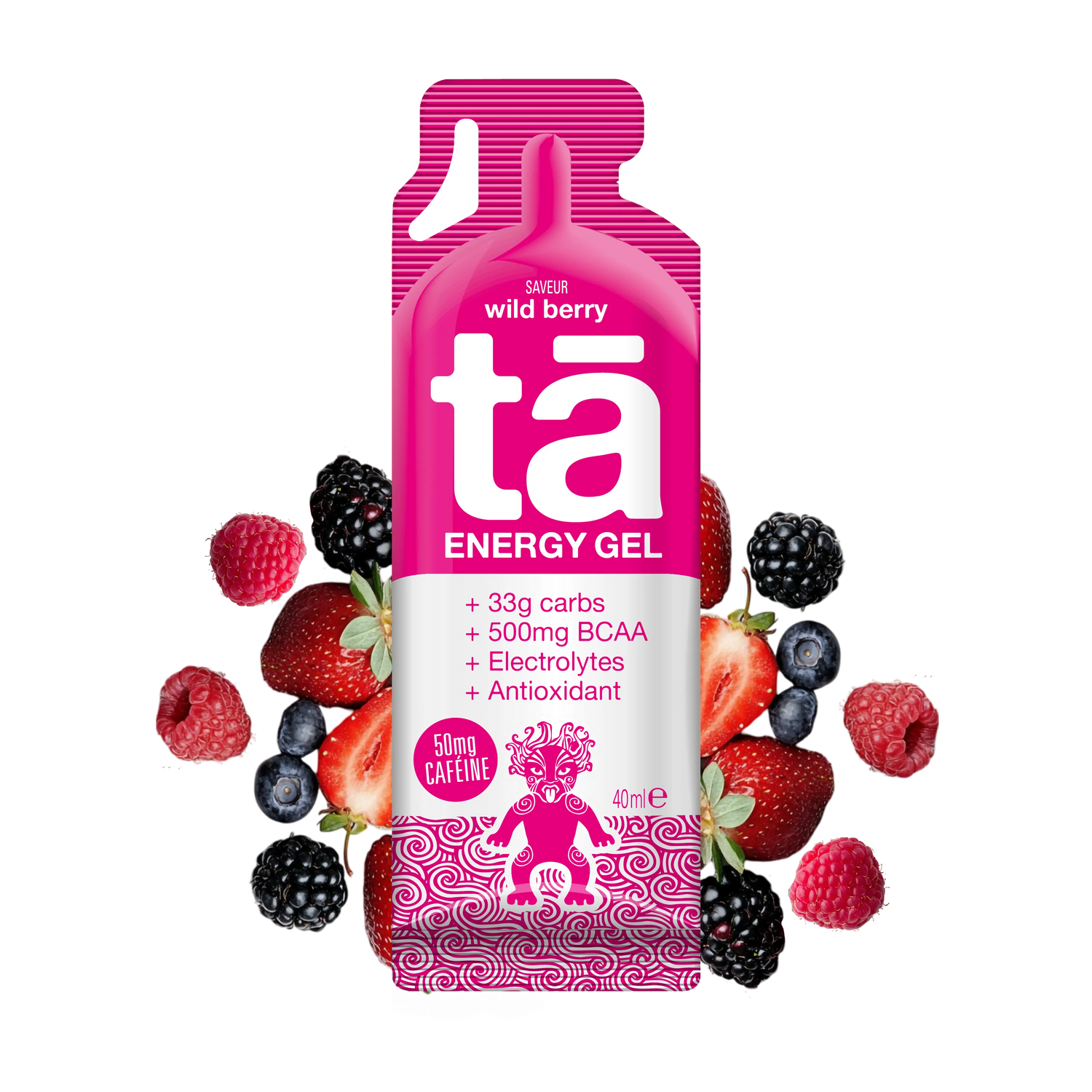
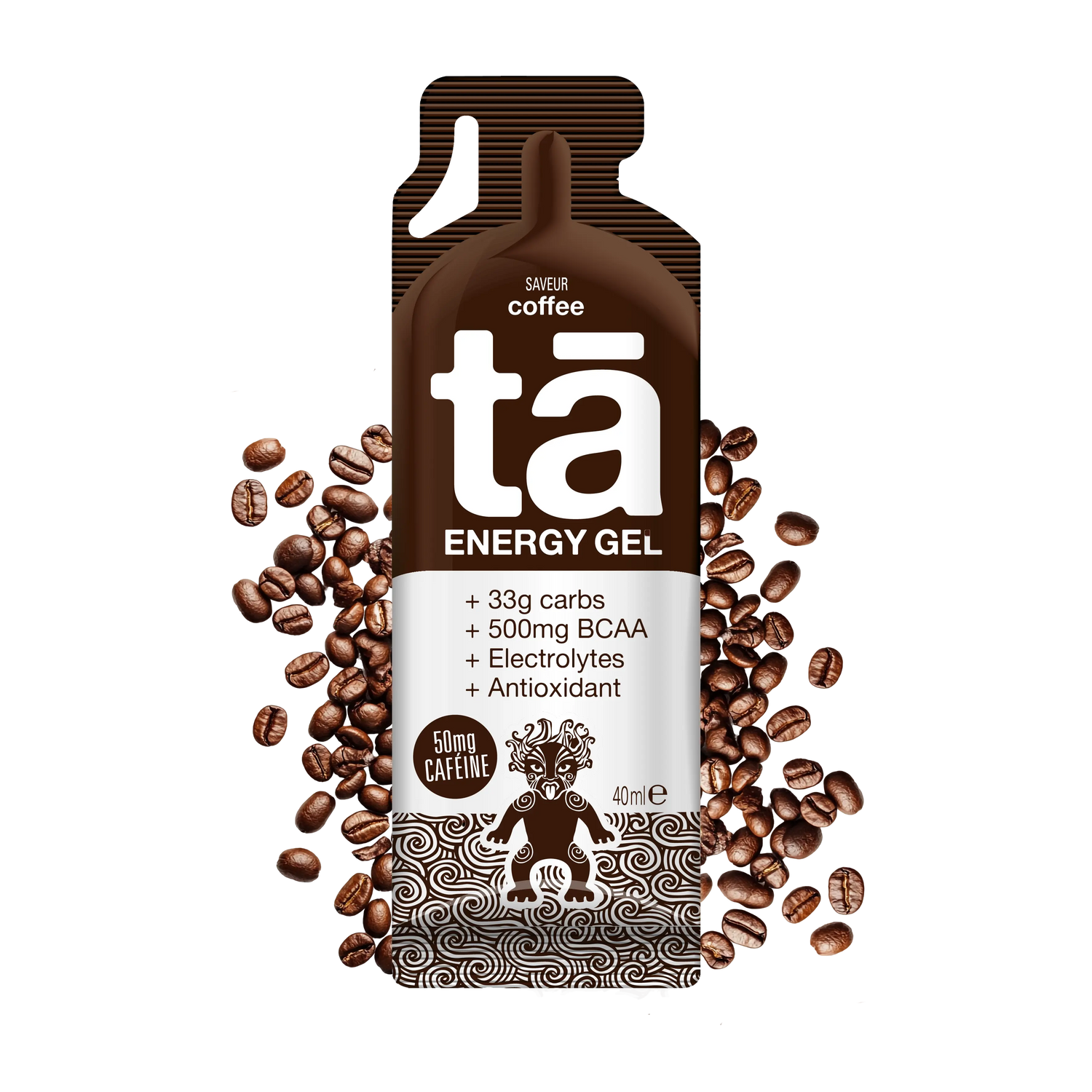
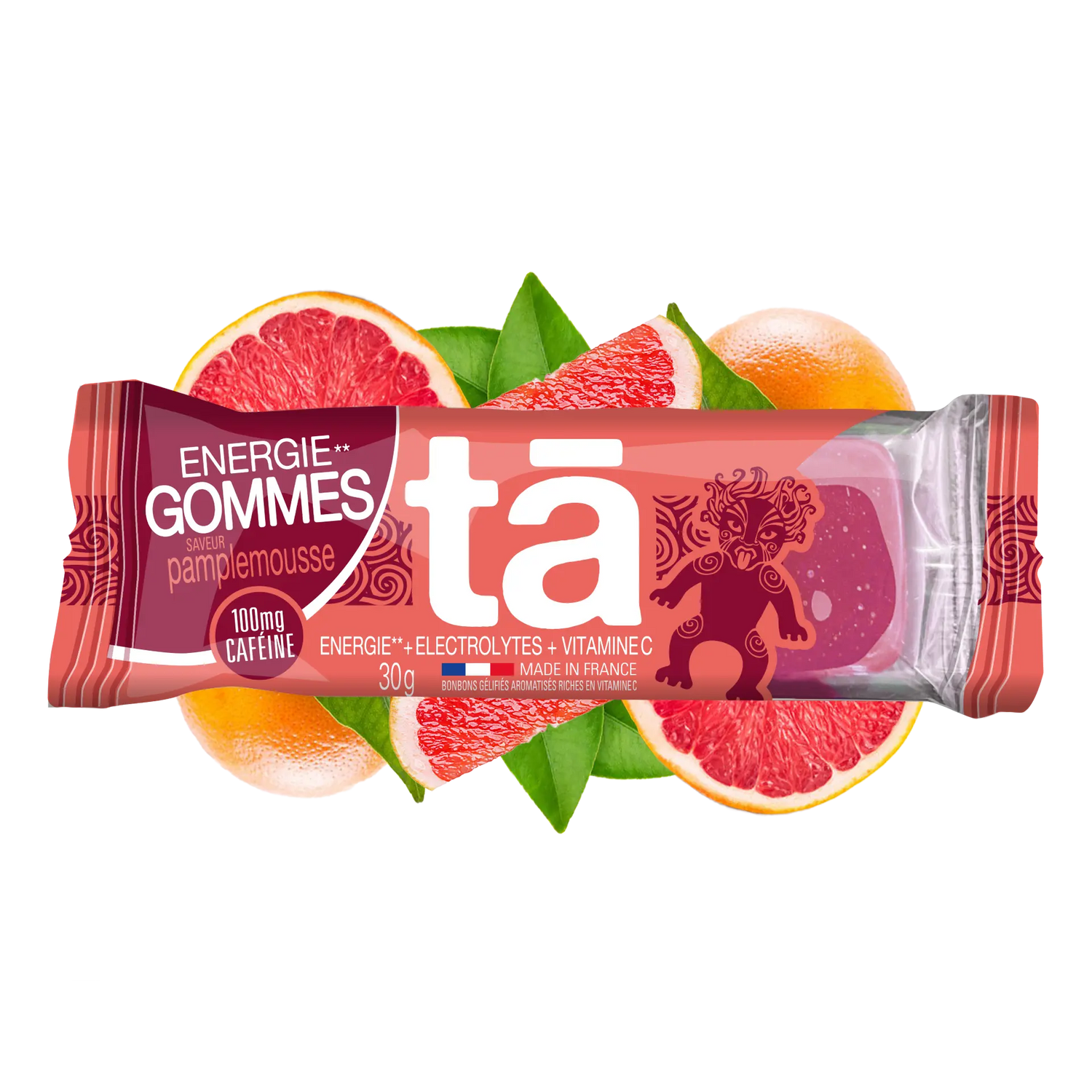
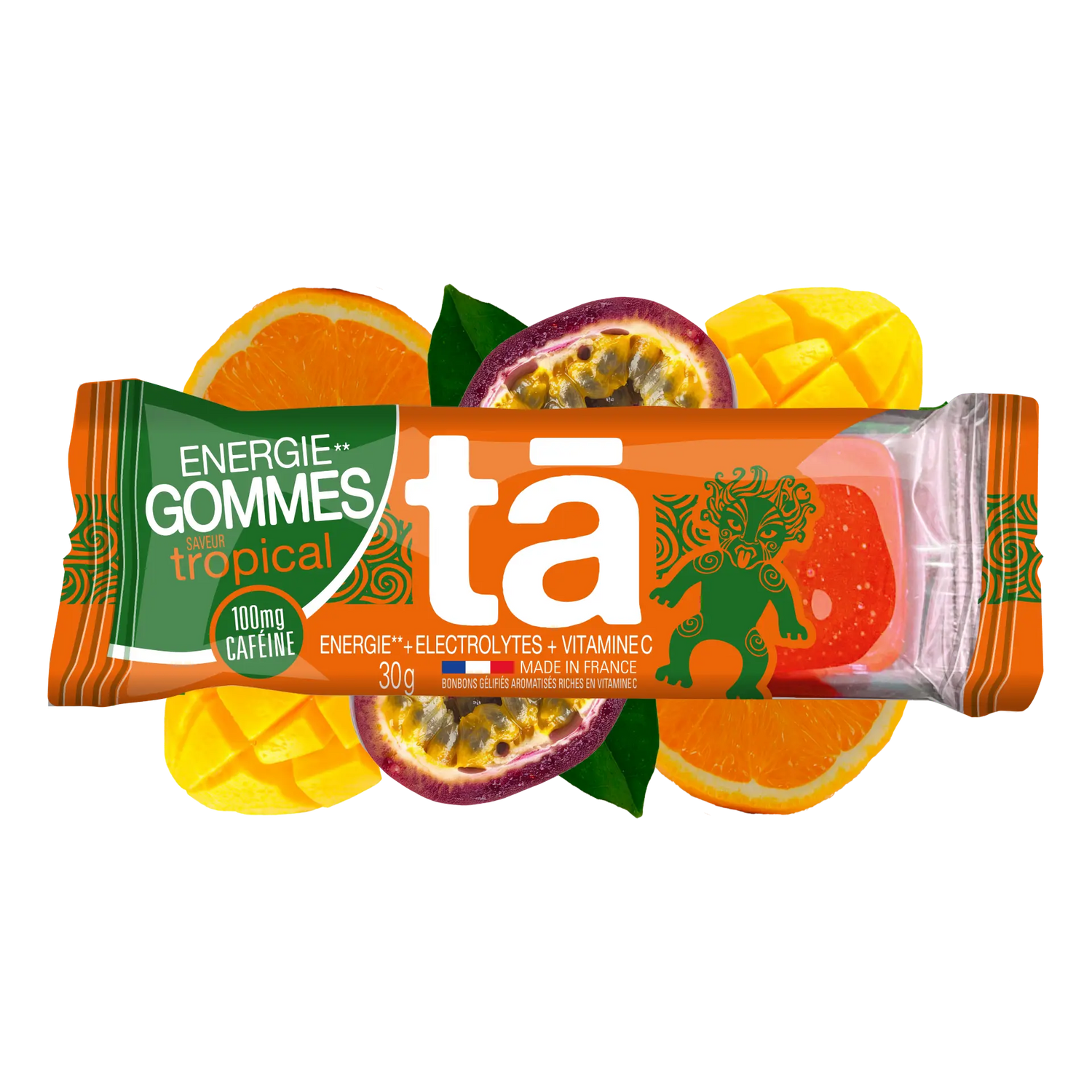
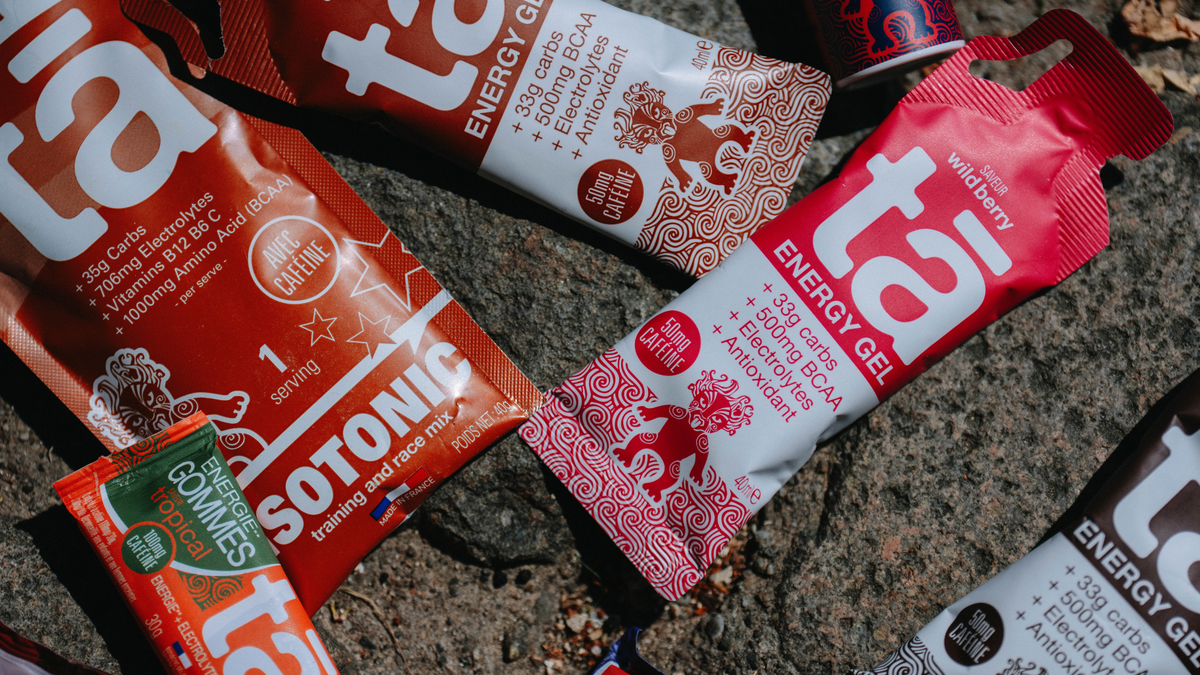
• Save our caffeinated energy gels or chews for critical moments: 30 minutes before tackling the final climb, or just before starting a long, technical descent, to make sure your eyes are wide open and your reflexes sharp. 

In cycling, nutrition isn't an afterthought: it's a direct extension of your drivetrain. By meeting your carbohydrate needs, loading your bottles with sodium to prevent hyponatremia, and training your stomach, you'll ride farther, faster, and above all with a smile at the summit.

IN CONCLUSION

Climbing a legendary pass without blowing up isn't down to luck: it's a precision process that starts before the first pedal stroke. Remember the essentials:

  • Fuel : aim for 90 to 120g of carbohydrates/hour in the mountains, made easier to absorb by the 2:1 glucose/fructose ratio - the signature of our jelly gels.
  • Your stomach : it needs training just like your legs. Gradually increase from 30 to 70g/hour in training, never on race day.
  • Sodium : load your bottles with between 300 and 600mg/hour. Pure water on a long, hot stage is an open invitation to hyponatremia.
  • Timing : solid foods (bars, gummies) on the flat, where digestion can keep up; 100% liquid and semi-liquid (isotonic drinks, gels) as soon as the gradient disrupts your rhythm.
  • Caffeine : save 3 to 6 mg/kg for decisive moments - before the final climb, before technical descents - for mental clarity as much as for your legs.

Master these five parameters and you will no longer suffer through the mountains: you will control them, with a smile at the summit.

SOURCES

- (1) Bourdas, DI, Zacharakis, ED, Panagiotakos, DB et Georgousopoulou, EN (2021). Meta-analysis of carbohydrate solution intake during prolonged exercise in adults: a perspective on the last 45 years. Nutrients, 13(6), 1890.https://doi.org/10.3390/nu13061890

- (2) Fuchs, C., et al. “Co-ingestion of fructose to increase carbohydrate availability in athletes.” The Journal of Physiology, vol. 597, 2019, pp. 3549 - 3560. https://doi.org/10.1113/jp277116 .

- (3) Martinez, I., Mika, A., Biesiekierski, J., et Costa, R. (2023). The effect of gut training and dietary challenge on markers of gastrointestinal status in response to endurance exercise: a systematic literature review. Sports Medicine (Auckland, New Zealand), 531175-1200. https://doi.org/10.1007/s40279-023-01841-0.

- (4) Costa, R., Snipe, R., Kitic, C. et Gibson, P. (2017). Systematic review: exercise-induced gastrointestinal syndrome - implications for gut health and disease.

Alimentary Pharmacology & Therapeutics, 46, 246 - 265. https://doi.org/10.1111/apt.14157.

- (5) Hoffman, M., & Stuempfle, K. (2015). Sodium supplementation and exercise-associated hyponatremia during prolonged exertion https://doi.org/10.1249/mss.0000000000000599.

- (6) Wang, Z., Qiu, B., Gao, J., et Del Coso, J. (2022). Effects of caffeine consumption

on endurance running performance and time to exhaustion: a systematic

review and meta-analysis. Nutrients, 15. https://doi.org/10.3390/nu15010148